
Reviewed · KINKAKU-JI TOURS
Golden Pavilion, Nijo Castle, & Nishiki Market Half day tour
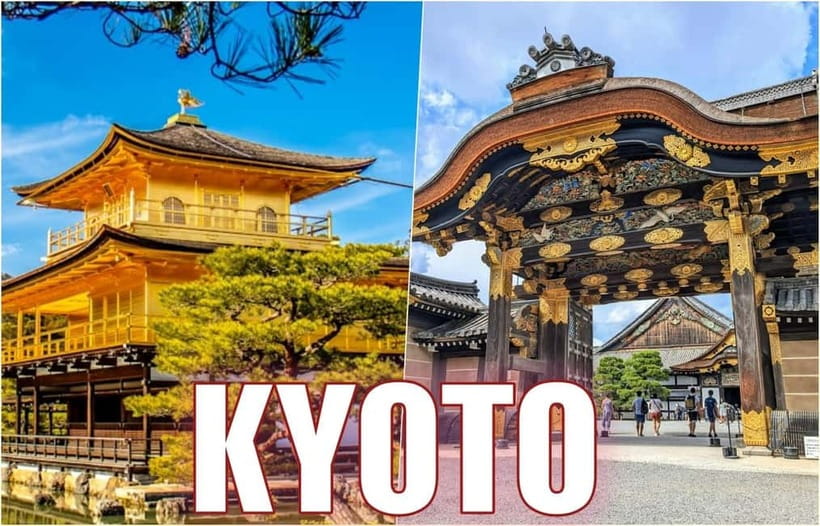
Kinkaku-ji’s gold leaf catches the eye, but this tour’s real appeal is the story behind Kyoto’s famous sights. With guide Roberto, you move from the shogun’s world at the Golden Pavilion to samurai politics at Nijo Castle, then finish among the food stalls of Nishiki Market.
I like two things in particular: Roberto uses his own iPad explanations to make history easier to follow, and the private format gives you room to ask questions and get recommendations for the rest of your stay. He is a Kyoto City Certified Tourist Guide, and he can also take photos of your group.
One consideration: the $90 price does not include your transit fare or entrance tickets. The advertised four-hour schedule also looks tight beside the listed stop and travel times, so ask about the day’s pacing before you book.
The essentials at a glance
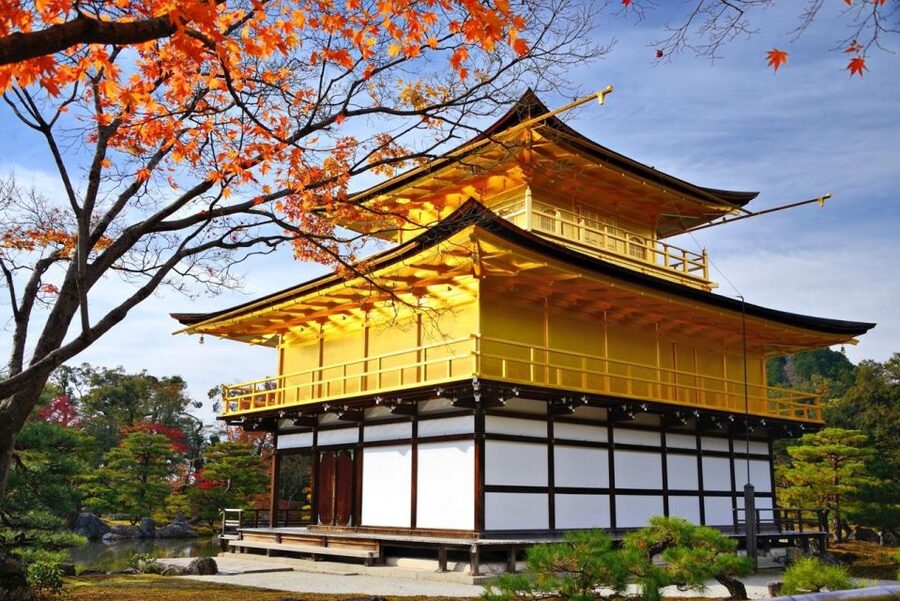
- Kinkaku-ji opens the morning with a 90-minute guided visit to Kyoto’s gold-leaf-covered Zen temple.
- Nijo Castle puts samurai politics in place, with 95 minutes for its Edo-period architecture and famous chirping floors.
- Nishiki Market is the finish line, where Roberto explains its origins before you choose your own lunch.
- Roberto uses original iPad material to help explain the historical figures and events you encounter.
- The $90 tour has extra costs: allow for two admission tickets and public transportation.
- It is private and active: expect walking, buses, and trains, not a coach-based sightseeing day.
From Kyoto Station to the Golden Pavilion
Meet Roberto at 8:30 am in front of the 7-Eleven by the central entrance of JR Kyoto Station. Use the Kyoto Tower side exit, and look for his iPad and red card marked RBRT. That clear meeting point helps make an early start less of a puzzle.
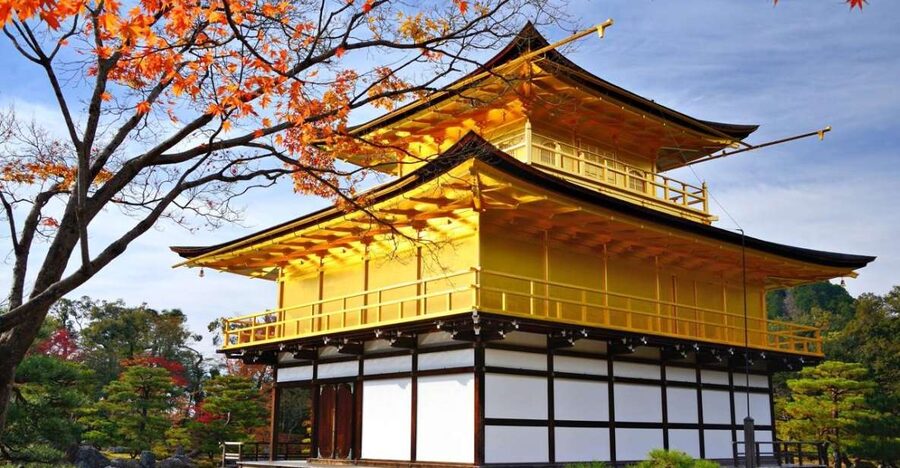
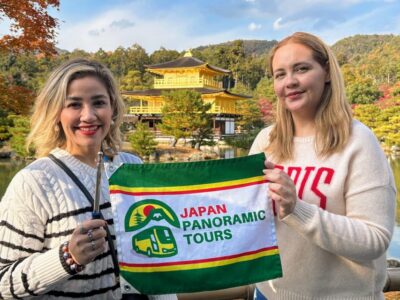
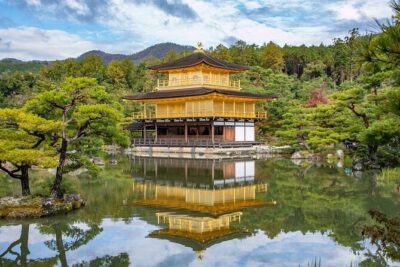
The group then travels by bus for about 35 minutes to Kinkaku-ji, also called the Golden Pavilion. Set in northwest Kyoto, this Zen Buddhist temple is among the city’s best-known sights and part of a UNESCO World Heritage listing. Its top two floors are covered in gold leaf, a striking feature that can make the building feel almost unreal when you first see it.
The pavilion began as a villa for the 14th-century shogun Ashikaga Yoshimitsu. Its gold finish signaled wealth and power, as well as devotion. Roberto’s historical explanations can help you read the building as more than a photogenic landmark: it reflects the ambitions and taste of a powerful ruler.
A pond beside the pavilion completes the scene, with the building’s gold surface reflected in the water. This is a popular place, so expect to share the view with other visitors. The 90-minute guided visit gives you time to hear the background and see the grounds, though it is not a quiet, private garden visit.
Admission to Kinkaku-ji costs 500 yen, about US$3.10, and is not included in the tour price. Photography is forbidden in some temple areas, so follow the posted rules rather than trying to get one more picture.
More Golden Pavilion tours in Kyoto:
- Kyoto: Fushimi Inari, Kinkakuji, Bamboo Grove 1 Day Bus Tour
★ 4.8 · 4,316 reviews - Osaka/Kyoto:Kinkakuji,Arashiyama,FushimiInariShrine,NaraPark
★ 4.1 · 1,596 reviews - Kyoto: Nijo, Kinkaku-ji, Arashiyama, Kiyomizu & Fushimi Inari
★ 5.0 · 699 reviews
Nijo Castle and the shogun’s power
From Kinkaku-ji, the group takes the subway or metro for about 20 minutes to Nijo Castle. Allow 95 minutes for the guided visit. The castle is another UNESCO World Heritage site, but its appeal differs from the pavilion’s: here, the focus is on political power, architecture, and the end of the samurai era.
Roberto explains the conflicts among samurai, feudal lords, and the shogun, Japan’s military ruler. That context is useful because Nijo Castle is not simply a handsome old complex. It helps you understand how authority was contested and how the country moved from the samurai era toward modernization.
Look for the Edo-period woodwork and detailed architectural design. The castle’s famous nightingale floors are built to chirp underfoot, an early security measure intended to alert people inside to movement. It is a small detail with a practical point: the building’s beauty and its defenses belong to the same story.
The 1,300-yen entrance fee, about US$8.15, is extra. The site has many areas worth seeing, but the guided time is finite, and the tour continues by subway or metro after the visit. If you tend to linger over architecture or take lots of photographs, keep an eye on the clock.
Nishiki Market, Kyoto’s food street
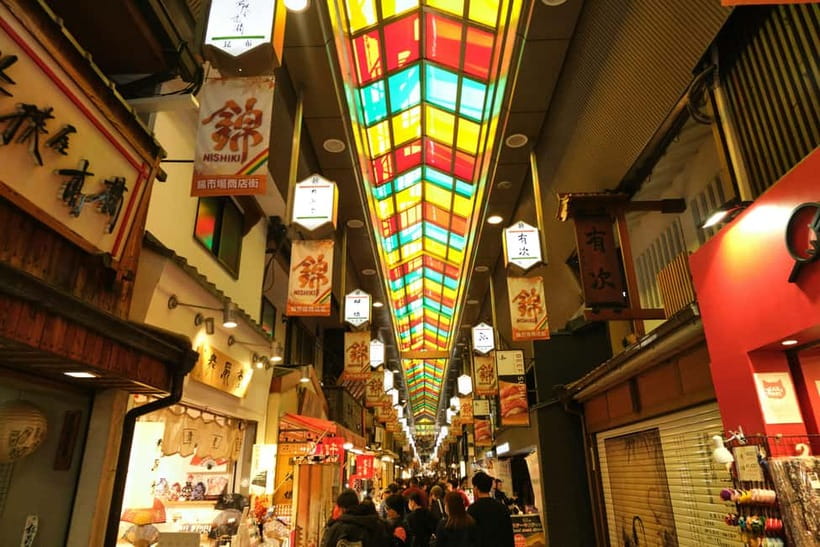
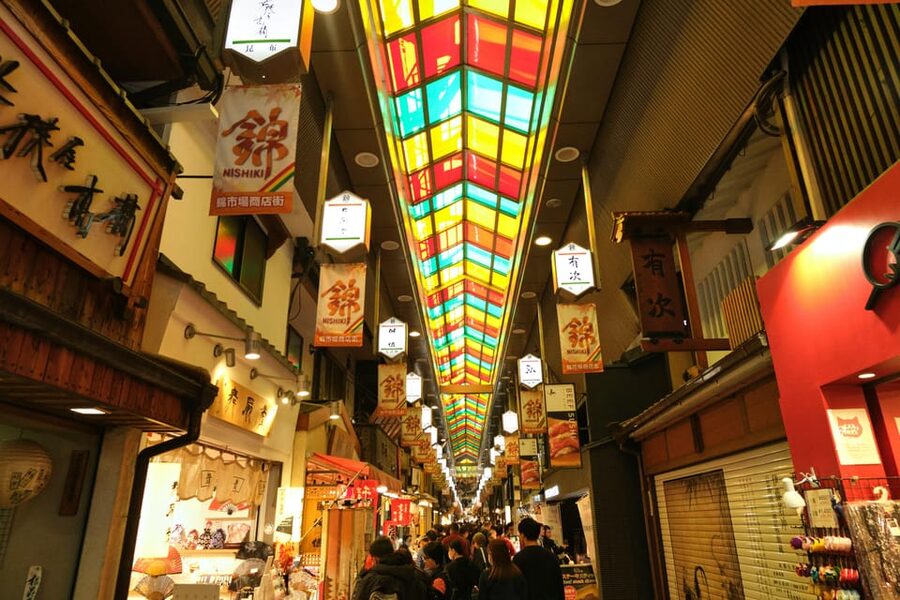
The final stop is Nishiki Market, reached by a 15-minute subway or metro ride. The tour includes a short walk of about 10 minutes and ends at the market entrance, around 12:30 pm. Roberto introduces the market’s origins, then you are free to choose lunch from its many shops and restaurants.
Nishiki is known as Kyoto’s Kitchen. Its narrow, five-block shopping street has more than 100 food-related businesses, selling items such as seafood, produce, knives, and cookware. It is a good place to see how everyday food shopping and local specialties share the same busy street.
The tour does not include food or drinks, so lunch is your choice and expense. That flexibility is a plus if you want to browse and decide as you go, but it also means there is no set meal or tasting included. You may find the market crowded, especially at popular stalls, and it can feel hectic compared with the calm grounds at Kinkaku-ji.
Because the tour ends here, you can stay for lunch or continue exploring on your own. That makes the finish practical: rather than returning to the station with the group, you are left in a place where you can eat and keep discovering Kyoto.
What the guide adds
Roberto’s role is more than escorting you between sights. As a Kyoto City Certified Tourist Guide, he brings explanations to the places themselves, connecting a temple, castle, and market to different parts of the city’s history. The tour is offered in English and Spanish.
His custom iPad explanations are a useful feature for anyone who finds names, dates, and political shifts hard to keep straight. Visual material can make an explanation easier to follow, especially when you are standing in front of a building with a long past. The tour also promises recommendations for places to visit during the next few days, which can help you use the morning as a first orientation to Kyoto.
The private group format matters here. You can ask questions, set a conversational pace, and get personal attention rather than following a large group through the sites. Roberto can take as many photos of you as you wish. He has also made a short video for some groups, though that is not listed as a guaranteed inclusion.
More Nijo Castle tours in Kyoto:
- Kyoto: Nijo-jo Castle and Ninomaru Palace Guided Tour
★ 4.7 · 1,020 reviews - Kyoto: Nijo Castle, Kiyomizu & Fushimi Inari Guided Tour
★ 4.7 · 700 reviews - Kyoto: Imperial Palace & Nijo Castle Guided Walking Tour
★ 4.7 · 453 reviews - Kyoto: Nijo Castle World Heritage Guided Tour with Admission
★ 5.0 · 128 reviews
Is $90 good value?
At $90 per person, the tour is not the cheapest way to see these sights. You also need to budget for the 500-yen Kinkaku-ji ticket, the 1,300-yen Nijo Castle ticket, and public transportation. The two entrance fees total 1,800 yen, or about US$11.25 at the approximate conversions provided, bringing the known cost to roughly $101 per person before transit, food, or drinks.
The guide’s own admission and transportation costs are covered, but your fares are not. Check how you will pay for public transit and keep some extra yen available for the tickets and lunch.
The value comes from having a private guide explain three very different parts of Kyoto in one morning. You get the visual landmark, the political history, and a food-market finish, with a guide who can answer questions and suggest what to see next. If you prefer to explore independently, you can visit the sights without this added cost. If you want context and personal guidance, the fee may be worthwhile.
Timing, pace, and who will enjoy it
The tour is described as four hours, from 8:30 am to 12:30 pm. The listed travel and visit segments add up to about four hours and 25 minutes: 35 minutes by bus, 90 minutes at Kinkaku-ji, 20 minutes by subway or metro, 95 minutes at Nijo Castle, 15 minutes by subway or metro, and a 10-minute walk at Nishiki Market. That is longer than the stated window, even before allowing for unlisted transitions.
This does not prove the tour will run late, but it is sensible to ask Roberto how the day is paced and whether the visit times are approximate. If you have a fixed lunch booking or another appointment at 12:30, leave room for a possible schedule change.
You should be comfortable walking and using public buses and trains. Wear comfortable shoes, and leave luggage and large bags behind; baby strollers are not allowed. The tour runs rain or shine, and it is not suitable for wheelchair users, people with back problems, pregnant women, people prone to seasickness, or those with a low level of fitness.
This half-day works especially well if you are new to Kyoto and want a guided introduction to temples, samurai history, and local food culture. It is less suitable if you need a slow-paced visit, want to avoid public transport, or prefer to spend a long time at each individual site.
Should you book this Kyoto tour?
Book it if you want a compact, private introduction to three major Kyoto stops and value a guide who can connect what you see to the shogun, samurai, and the city’s food traditions. Roberto’s iPad explanations, personal attention, and offer of onward recommendations make the experience more useful than a simple transfer between attractions.
Skip it if your priority is the lowest possible cost, a relaxed pace, or more time at one site. Before paying, confirm the day’s timing and remember to add admission tickets, transit fares, and lunch to your budget.
FAQ
Where does the tour begin?
Meet in front of the 7-Eleven on the first floor of the JR Kyoto Station building, by the central entrance. Use the Kyoto Tower side exit and look for Roberto holding an iPad and a red card marked RBRT.
How long does the tour last?
The tour is advertised as four hours, from 8:30 am to 12:30 pm. The listed travel and visit segments add up to about four hours and 25 minutes, so confirm the expected pacing if you have plans immediately afterward.
Which places does the tour visit?
It visits Kinkaku-ji, also known as the Golden Pavilion, Nijo Castle, and Nishiki Market.
What languages are available?
The tour is offered in English and Spanish.
Are entrance tickets and transportation included?
No. Your Kinkaku-ji ticket costs 500 yen, and the Nijo Castle ticket costs 1,300 yen. Your public transportation fare is also extra. The guide’s own entrance fees and transportation do not need to be paid by you.
What should I bring, and what is not allowed?
Wear comfortable shoes. Baby strollers, luggage, and large bags are not allowed.
Does the tour run in bad weather?
Yes. The tour takes place rain or shine. Some areas inside the temples do not allow photography, and the tour involves walking as well as public buses and trains.
More Nishiki Market tours in Kyoto
- Nishiki Market Brunch Walking Tour (7 Tastings + Brunch)
★ 5.0 · 1,355 reviews - Kimono Tea Ceremony at Kyoto Maikoya, NISHIKI
★ 5.0 · 911 reviews - Kyoto Nishiki Market Food and Culture Walking Tour
★ 5.0 · 412 reviews - Kyoto: Nishiki Market Tea Ceremony with Koto Performance
★ 4.8 · 294 reviews
Newly added in Kyoto
- Uji: Private immersion into Kyoto’s tea and reglious culture★ 5.0 · 17 reviews
- Whisk Your Own Matcha: A Zen Matcha Experience at Temple★ 3.6 · 7 reviews
- Kyoto tea town for matcha lovers★ 5.0 · 16 reviews
- Treasures of Kyoto: Gion & historical Walking Tour★ 5.0 · 6 reviews
- Kyoto Matcha Green Tea Tour★ 4.5 · 23 reviews
- Uji and Wazuka Matcha Farm Half Day Private Guided Tour★ 5.0 · 21 reviews
- Uji Tea Ceremony and UNESCO Heritage Walking Tour★ 5.0 · 20 reviews
- Utilising upcycled Matcha! Creating matcha incense (Uji, Kyoto)★ 5.0 · 6 reviews
Kinkaku-ji Tours, compared.
Fushimi Inari, Kinkakuji, Bamboo Grove 1 Day Bus Tour
Read our review →
Kinkakuji,Arashiyama,FushimiInariShrine,NaraPark
Read our review →
Nijo, Kinkaku-ji, Arashiyama, Kiyomizu & Fushimi Inari
Read our review →
Kyoto top must-see Golden pavilion and Bamboo forest half-day Private tour
Read our review →
Kyoto Bamboo Forest & Golden Pavilion E-Bike Tour
Read our review →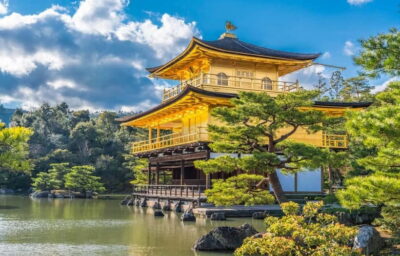
Browse the lists this tour appears in