
Reviewed · NISHIKI MARKET TOURS
Kyoto: Local Food Tasting Tour at the Nishiki Market
Nishiki Market is easier to enjoy when someone helps you make sense of its many food stalls. On this small-group walk, you sample Kyoto specialties such as yuba, obanzai and hamo tempura while your guide explains what you are eating and how the market fits into local life. I like the mix of tasting and cultural context, and the chance to explore nearby shrines and shopping streets rather than stopping at the market entrance.
I also like the six-person group limit: it gives you room to ask questions and keep pace with your guide in crowded lanes. The main caveat is that this is a tasting walk, not a sit-down meal, and the tour cannot accommodate dietary restrictions, including allergies. The published duration is also inconsistent, so check the timing for your chosen departure before booking.
What to know before you go
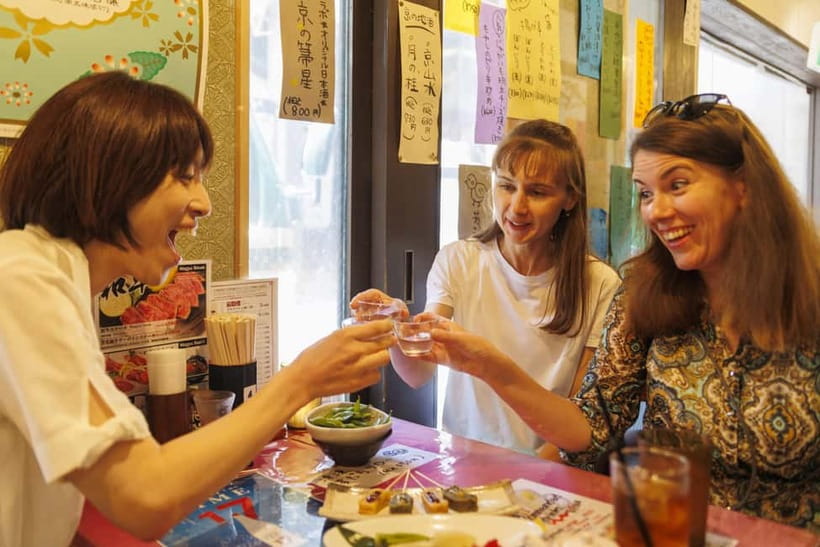
- Five featured local foods: Expect samples such as yuba, Kyoto-style obanzai, hamo tempura and wagyu steak skewers, plus other small tastings.
- A guide helps you choose: Nishiki has about 130 food stalls. A local guide can steer you toward selected shops and explain foods you might pass by on your own.
- The walk continues beyond the market: The route includes Nishiki-Tenmangu Shrine, Shinkyogoku Shopping Arcade and Teramachi Street.
- A small group, not a private tour: The group is limited to six participants, though a departure can sometimes feel private if few people book.
- Plan for walking and crowds: Wear comfortable shoes, bring rain gear and leave large bags behind.
- Tea ceremony is an add-on: The 90-minute session includes kimono dressing and begins at 2:00 PM at a venue near Nishiki Market. You make your own way there after the walk.
Nishiki Market is more than a snack stop
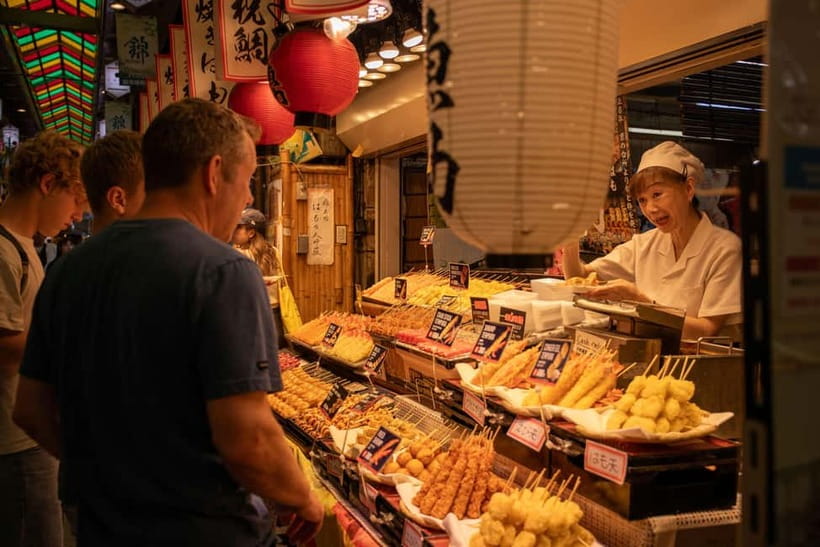
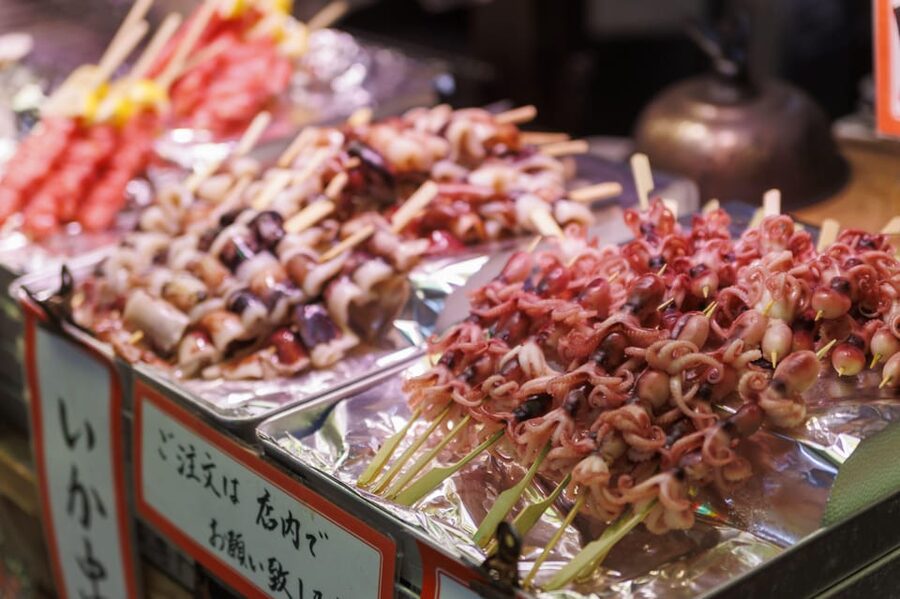
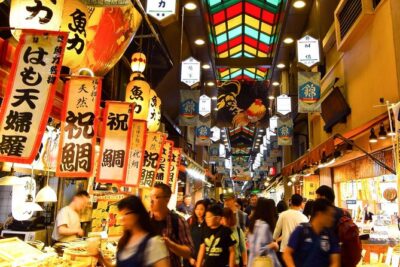
Nishiki Market is often called Kyoto’s Kitchen, and it has served the city for about 400 years. Its roughly 130 food stalls offer a close-up look at the ingredients, prepared foods and flavors that shape Kyoto cooking. The narrow market lanes can be crowded and full of tempting choices, which is part of the fun, but also a reason a guide can be useful.
This tour gives you a planned way into that abundance. Rather than deciding at every stall what is worth trying, you follow a local guide to selected shops and taste a range of specialties. The food is the main event, but the explanations matter too: a sample becomes more memorable when you know its name, how it is prepared, or why it belongs to Kyoto’s food culture.
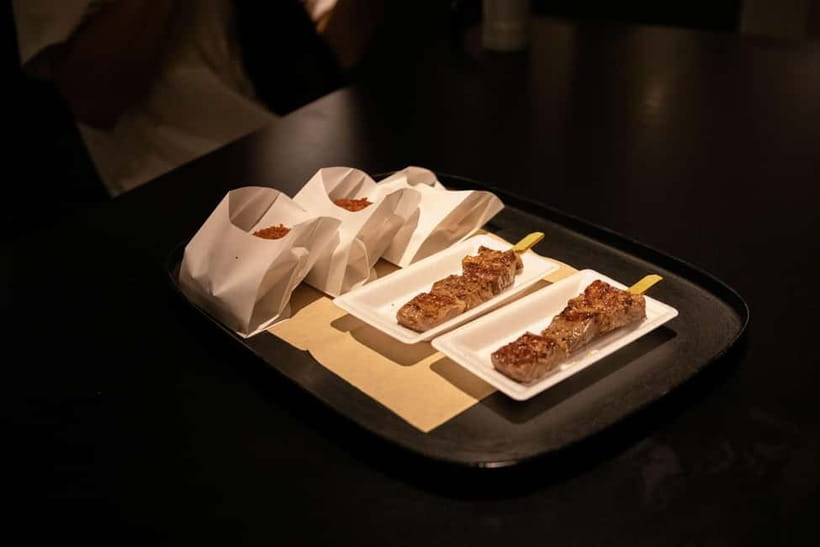
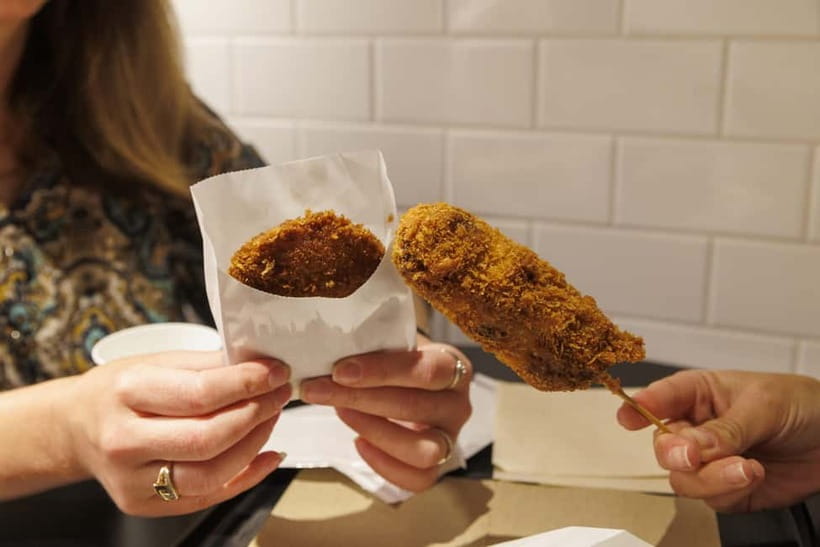
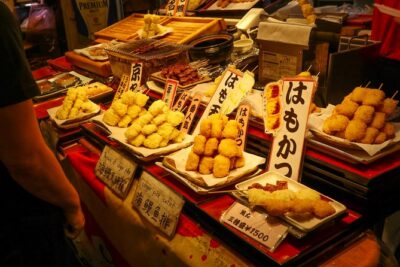
The featured tastings include yuba, the delicate skin formed on heated soy milk; obanzai, a style of Kyoto home cooking; hamo tempura, made with pike conger eel; and wagyu steak skewers. The tour also includes other small tastes, such as Kyoto seasonings, crackers and Japanese-flavored honey. Exact items can vary, so treat the list as a guide to the kinds of food rather than a guaranteed menu.
More Nishiki Market tours in Kyoto:
- Nishiki Market Brunch Walking Tour (7 Tastings + Brunch)
★ 5.0 · 1,355 reviews - Kimono Tea Ceremony at Kyoto Maikoya, NISHIKI
★ 5.0 · 911 reviews - Kyoto Nishiki Market Food and Culture Walking Tour
★ 5.0 · 412 reviews
Tasting your way through 130 stalls
The market portion lasts about an hour and a half. That gives you time to stop at several shops, try the included food and hear your guide explain what is on offer. You are not expected to order a full dish at each stop. Instead, the samples build into a varied introduction to local flavors.
I especially like the range. Yuba and obanzai introduce you to quieter, traditional tastes; hamo tempura and wagyu skewers bring more familiar fried and grilled notes. Small extras such as flavored honey or crackers add variety. The point is not to leave with a full inventory of Kyoto cuisine, but to try enough different things that you have a better sense of what appeals to you.
The guide’s role is more than pointing out a food stall. Guides such as Ayu, Takuma, Hide and Toshi have been praised for explaining dishes clearly, answering questions and sharing broader details about Japanese culture. Your guide will vary, of course, but the tour is designed around local explanation as much as sampling.
You may want to arrive with a light appetite. One past participant found the food plentiful enough to recommend a small breakfast and skipping lunch. That is sensible advice for a tasting tour, though your appetite will depend on the size of the portions and what is being served that day.
Shrines and shopping streets after lunch
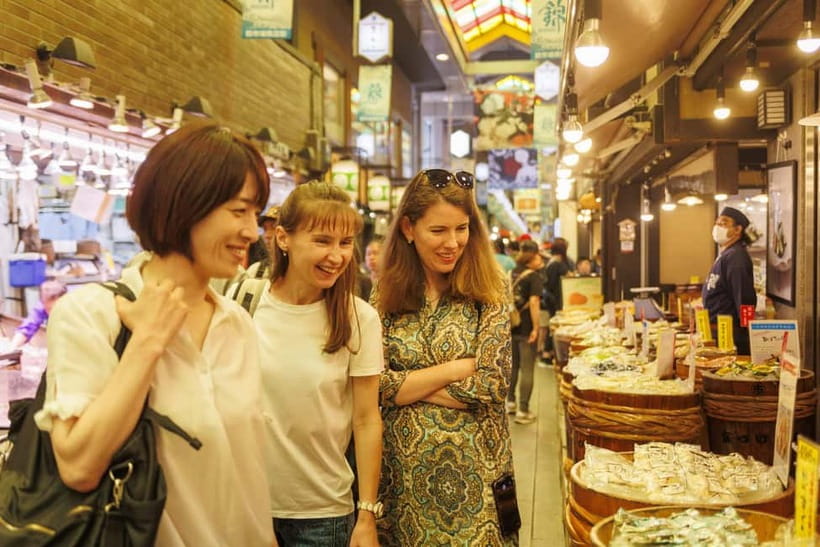
The walk does not end when you leave the market. Nishiki-Tenmangu Shrine is a short stop on the route, with about ten minutes set aside for a guided visit. This gives the tour a change of pace and a chance to hear about a place of worship in the middle of a busy commercial district.
Next comes Shinkyogoku Shopping Arcade, where the planned visit lasts about 45 minutes and includes sightseeing and time to shop. This is a useful contrast with the food-focused market: you can browse the arcade and see another part of central Kyoto’s retail life. If you are prone to buying souvenirs, set yourself a budget before the shops get their turn.
The route also includes a brief stop described as a hidden gem, followed by about 30 minutes in the Teramachi Street shopping district. The exact appeal of that shorter stop is not specified, so I would think of it as a chance to follow your guide’s local perspective rather than expect a particular landmark. Teramachi adds another stretch of shops and street life to the outing.
Taken together, the stops make this more than a market tasting. You get food, a shrine and a walk through nearby shopping areas, with a guide connecting those pieces. If you want a focused culinary class or a long visit to one temple, this is not that kind of tour. It is a broad introduction to a compact part of central Kyoto.
What the price covers
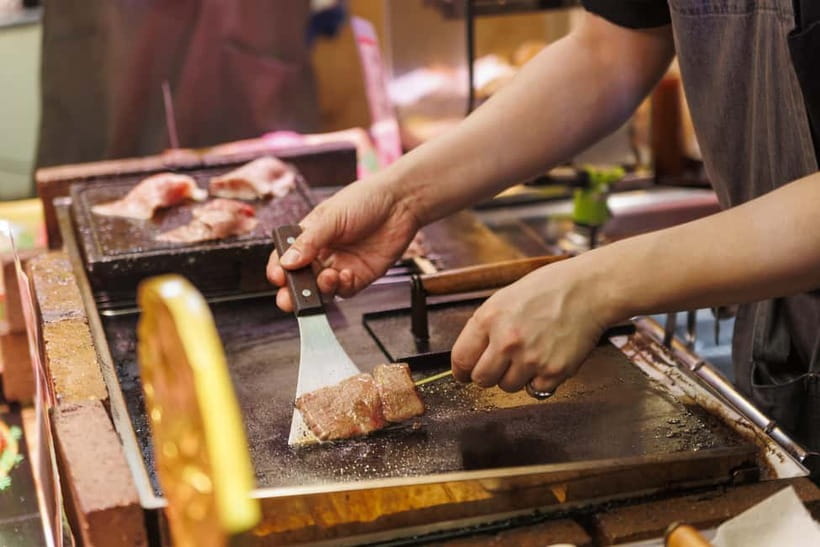
At $78 per person, the tour includes the guided walk, an English-speaking local guide and five featured foods, along with additional tastings. The price is easiest to judge against what you value: a range of samples, help navigating a crowded market, and explanations that can make unfamiliar foods easier to approach.
You could certainly walk through Nishiki Market on your own. One person who took the tour felt that independent exploring was possible, and that is fair. But if you are new to Kyoto, the guide can save you from spending your first market visit guessing what to try, how to order, or what a dish means. Several people who had finished the tour planned to return to the market on their own, now more confident about choosing food.
That confidence is part of the value. You are not simply paying for a few bites. You are also getting an introduction to the market and its food culture, plus a route through nearby streets. If you like to research every stop yourself, the guided element may matter less. If you prefer to learn while you eat, it can make the price worthwhile.
The optional tea ceremony costs extra unless you select the package that includes it. The session lasts 90 minutes and starts at 2:00 PM near Nishiki Market. It includes professional kimono dressing, instruction from a tea master, an authentic tea ceremony and time for commemorative photos. You must make your own way to the venue after the food walk, so leave enough time between activities.
More food tours in Kyoto:
- Ramen Cooking Class at Ramen Factory in Kyoto
★ 5.0 · 1,937 reviews - Kyoto Night Foodie Tour in Gion (9+ dishes + 6 Sake tastings)
★ 5.0 · 1,762 reviews - Kyoto: Izakaya Bars Guided Walking Tour
★ 4.9 · 815 reviews - Sushi Making in Kyoto! Same-day bookings welcome!
★ 5.0 · 713 reviews
The pace, group size and practical limits
The tour is a walking experience, with a small group limited to six participants. That cap is helpful in narrow market lanes: a smaller party is easier to keep together and gives you more room to ask questions. Some departures may have fewer people, but you should book expecting a group rather than a private guide.
The advertised duration needs a careful look. The tour is described as three hours in one place and 270 minutes, or four and a half hours, in another. Past outings have also lasted around three and a half hours, and one exceptionally long tour ran longer. Check the departure details and leave flexibility in your schedule rather than arranging a tight connection immediately afterward.
The meeting point can vary with the option you book, and several starting locations are listed. One participant found the meeting spot confusing, though the guide waited while the group found the right place. Confirm the exact location in your booking details and give yourself time to reach it. Drop-off points also vary, with options near the starting area, Nishiki Orizuruya and Kyoto Takashimaya S.C.
Wear comfortable shoes and bring rain gear. You will be walking through market lanes and shopping districts, and the tour is not suitable for wheelchair users or people with mobility impairments. Pets and luggage or large bags are not allowed.
There is also an important food limitation: the tour cannot accommodate dietary restrictions, including vegetarian, halal, kosher, gluten-free or allergy-related requests. If you need to avoid particular ingredients, this is not a safe choice to make on the assumption that substitutions will be arranged. Ask the provider before booking if you are unsure whether the included tastings work for you.
Who will enjoy this Kyoto food walk
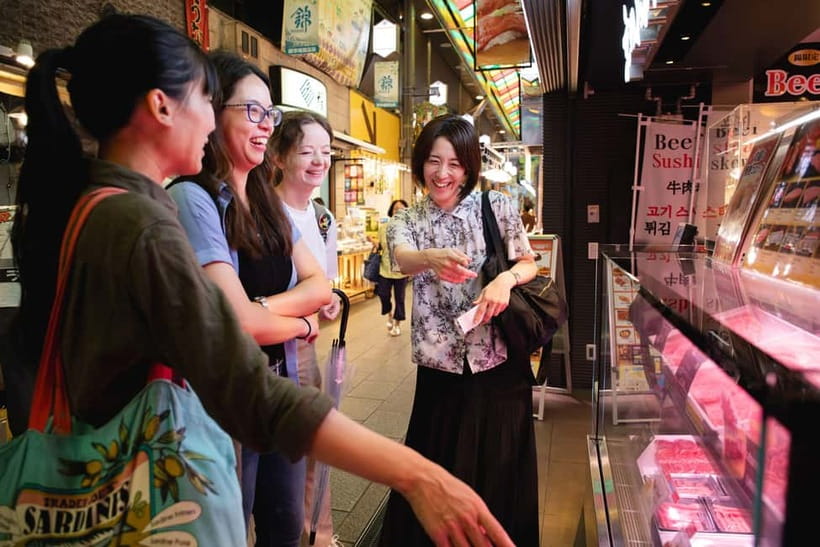
This tour makes sense for a first-time visitor who wants an easy introduction to Kyoto food without having to choose every dish alone. It also suits curious eaters who enjoy trying unfamiliar specialties and asking questions along the way. Families may find the format appealing: one past participant brought an 11-year-old child who enjoyed the tastings, while another family with tweens appreciated the guide’s patience.
Solo visitors can also find the small-group format a pleasant way to explore. The guide gives you someone to talk with, and the food stops provide natural conversation starters. Couples and friends who enjoy shopping may like the added time in Shinkyogoku and Teramachi, though it is worth remembering that browsing is part of the route, not just a quick walk between food stops.
I would be more cautious if you have limited mobility, strict dietary needs, or want a substantial meal. The route involves walking, the tour cannot adapt tastings for dietary requirements, and the format is sampling rather than dining. It is also not ideal if you prefer to explore markets at your own speed without a group.
Should you book it?
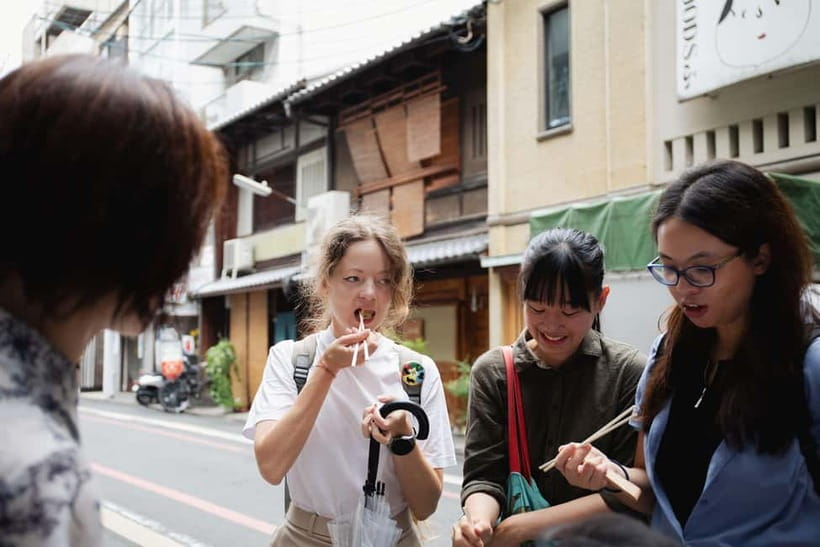
Book this walk if you want to taste several Kyoto specialties, hear local explanations and get comfortable exploring Nishiki Market. The strongest reasons to go are the guide’s help navigating the stalls, the mix of foods and the route beyond the market to a shrine and shopping streets. Check the exact duration and meeting point, and skip it if your dietary needs, mobility or preferred pace do not match the format. The tea ceremony is a worthwhile extra to consider if you want a second, more formal cultural activity after lunch.
FAQ
What foods are included?
The five featured foods include yuba, obanzai, hamo tempura and wagyu steak skewers, along with another local specialty. Additional tastings may include Kyoto seasonings, crackers and Japanese-flavored honey. Exact items may vary.
Is this a full meal?
No. It is a tasting walk, not a sit-down meal. The samples may add up to a filling outing, so consider having a light breakfast.
What language is the tour in?
The live tour guide speaks English.
How large is the group?
The tour is limited to six participants.
Can the tour accommodate dietary restrictions or food allergies?
No. The tour cannot accommodate dietary restrictions, including vegetarian, halal, kosher, gluten-free or allergy-related requests.
How long does the tour last?
The duration is shown as both three hours and 270 minutes, which do not match. Check the timing for your selected departure before booking and leave flexibility in your schedule.
Is the tea ceremony included?
It is included only if you choose the tea ceremony option. The session lasts 90 minutes, starts at 2:00 PM near Nishiki Market and requires you to make your own way to the venue after the tour.
What should I bring, and is the route accessible?
Wear comfortable shoes and bring rain gear. Pets and large bags are not allowed. The tour is not suitable for wheelchair users or people with mobility impairments.
Newly added in Kyoto
- Uji: Private immersion into Kyoto’s tea and reglious culture★ 5.0 · 17 reviews
- Whisk Your Own Matcha: A Zen Matcha Experience at Temple★ 3.6 · 7 reviews
- Kyoto tea town for matcha lovers★ 5.0 · 16 reviews
- Treasures of Kyoto: Gion & historical Walking Tour★ 5.0 · 6 reviews
- Kyoto Matcha Green Tea Tour★ 4.5 · 23 reviews
- Uji and Wazuka Matcha Farm Half Day Private Guided Tour★ 5.0 · 21 reviews
- Uji Tea Ceremony and UNESCO Heritage Walking Tour★ 5.0 · 20 reviews
- Utilising upcycled Matcha! Creating matcha incense (Uji, Kyoto)★ 5.0 · 6 reviews
Nishiki Market Tours, compared.
Nishiki Market Brunch Walking Tour (7 Tastings + Brunch)
Read our review →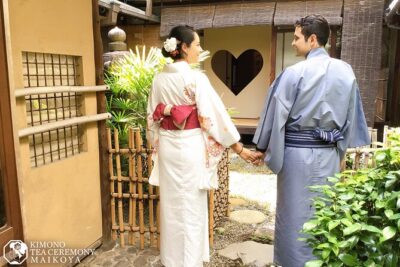
Kyoto Nishiki Market Food and Culture Walking Tour
Read our review →
Nishiki Market Tea Ceremony with Koto Performance
Read our review →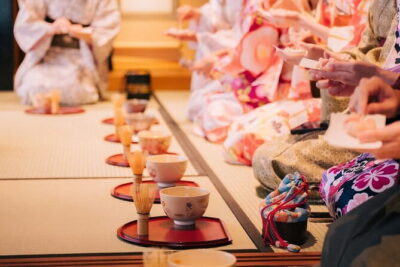
Kimono Tea Ceremony Experience at Kyoto Oritzuruya, Nishiki
Read our review →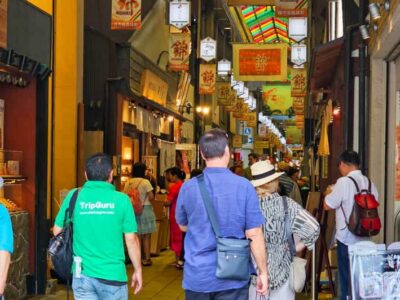
Nishiki Market and Depachika Food Tour with a Local
Read our review →
Nishiki Market Tour with a Local Foodie & Tastings
Read our review →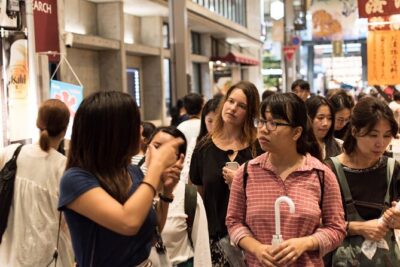
Browse the lists this tour appears in