
Reviewed · KYOTO WALKING TOURS
Kyoto: Private Walking Tour with a Local
Kyoto’s big sights can fill a day, but the city’s quieter corners and everyday rhythms are harder to find on your own. This private walk pairs you with a local guide who can shape the route around your interests, from temples beyond the main tourist trail to food, shopping, and practical help getting around.
I like two things in particular: you set the agenda, and you get a one-on-one conversation rather than a group following a fixed script. Guides have helped visitors plan routes, find less crowded places, and even track down information about a museum exhibition or antique shop. One consideration: this is a walking tour, and the $82 price does not include meals, entrance fees, or transportation around the city.
- Private and personal: Your guide can adapt the walk to your interests instead of sticking to a set group itinerary.
- A useful first-day orientation: Ask about buses, trains, neighborhoods, food, and how to get around Kyoto.
- Quieter sights are possible: Guides have taken visitors to temples and shrines away from the main tourist trail.
- Food can be part of the plan: You might get suggestions for a local restaurant, market, or café that suits your tastes.
- Plan for extra costs: Entrance fees, meals, drinks, and any taxi or public transport fares are separate.
- Flexible length and languages: The walk lasts 3 to 6 hours, with English, Spanish, and German available.
A Private Walk, Not a Fixed Kyoto Circuit
This experience is best understood as a local introduction, not a promise to visit a set list of famous sights. You meet a Lokafyer, a local who likes sharing the city, then shape the walk around what you want from your time in Kyoto.
That distinction matters in a city with more temples, shrines, markets, and neighborhoods than most people can fit into a short stay. If you already have a list of priorities, share it before the tour. One family gave their guide a list of places they wanted to see, and the guide planned a route to cover as much as possible in three hours. If you have no list, ask for help choosing a sensible route.
The guide may be a local resident or someone who knows Kyoto well without being Japanese. What matters is the fit between your interests and the guide’s knowledge of the city. Past guides have included Maha, Agustin, Nicolo, Kokoro, Toan, Iago, and Cristobal, but you should not expect to be assigned a particular person.
Start Near Your Hotel or a Central Meeting Point
The tour can begin at a centrally located hotel lobby, Airbnb, landmark, or intersection within the city center. Two listed meeting points are MACCHA HOUSE Kyoto Kawaramachi and the Kyoto City Office for Gender Equality. Confirm your exact starting place when arranging the walk, especially if you prefer pickup at your accommodation.
A convenient meeting point saves time and gives you a useful chance to ask for help before the walking begins. One guide helped a visitor identify the meeting place with a photo, while another met a visitor at a hotel and explained how to use Kyoto’s buses. These are small services, but they can make the rest of your stay easier.
The tour may include a photo stop, sightseeing, and scenic views along the way. Those are broad possibilities rather than a guaranteed sequence. The actual route depends on your interests, the guide, and the time available, so it is worth being clear about what matters most to you.
More walking tours in Kyoto:
- Kyoto Geisha Walking Tour: Gion District & Hidden Gems
★ 4.7 · 3,273 reviews - Kyoto: Gion Magical Night Walking Tour with Geisha Trivia
★ 4.9 · 2,393 reviews - Kyoto: Gion Geisha District Walking Tour – Stories of Geisha
★ 4.7 · 2,187 reviews
Choose Your Priorities Before Setting Out
Kyoto rewards a little planning. The city’s best-known sites can be busy, especially in popular seasons, and crossing town to fit in too many stops can eat into a short visit. Tell your guide whether you care most about temples, local food, shopping, culture, transport, or simply getting a feel for the city.
You can also ask for a balance. A temple or shrine might anchor the walk, while a market street or neighborhood café gives you a glimpse of daily life. One guide took a visitor to a less-visited temple during the autumn color season, offering a quieter break from crowded areas. Another arranged a route around a traveler’s interest in Japanese netsuke and later sent information about a museum exhibition and antique shop.
Do not treat every example as a standard inclusion. Your guide can make suggestions, but the route is not a guaranteed checklist of specific attractions. If you want to enter a paid site, you are responsible for your own admission and the guide’s entrance fee.
Temples, Shrines, and Room to Breathe
A private guide can help you choose religious sites that suit your pace and interests. Past walks have included temples and shrines outside the busiest visitor routes, as well as places such as Higashi Honganji and Fushimi Inari. The latter can involve a substantial walk uphill if you choose to go farther into the shrine grounds, so tell your guide about your energy level and mobility.
The value here is not simply seeing another building. A guide can explain local customs, help you understand how a place fits into the city, and adjust the route if a crowded stop is not working for you. That personal flexibility is useful in Kyoto, where a quieter detour can be more appealing than adding yet another famous landmark.
Still, you should be realistic about time. A 3-hour walk cannot cover every district, and a 6-hour outing may feel long if you are not used to walking. Comfortable shoes are recommended. If visiting a specific temple or shrine is essential, name it before the tour so your guide can judge whether it fits.
Markets, Cafés, and Local Food Advice
Food is one of the more practical reasons to book a local guide. You can ask where to eat, what neighborhood suits your plans, or where to find a café for a break. A past walk included a guide’s favorite restaurant in a village beside the river, where the visitors enjoyed sashimi. Another guide introduced a café that became a preferred stop during the rest of a stay.
You should not assume a meal is included. Meals and drinks are extra, and the guide may suggest a place rather than arrange a reservation or pay for anything. The advantage is having someone to discuss your preferences with, whether you want a quick snack, a sit-down meal, or help finding a certain kind of shop.
Nishiki Market has also featured in a Kyoto walk. Markets can be lively and useful for getting a sense of local food culture, but they can be crowded, and browsing takes time. Tell your guide if you want to make food a central part of the outing or just need a few recommendations for later.
More private tours in Kyoto:
- Fushimi Inari Hidden Hiking Tour (Private Option Available)
★ 5.0 · 1,750 reviews - Private Kyoto Tour with a Local, Highlights & Hidden Gems, Personalised
★ 5.0 · 1,543 reviews - Kyoto 6hr Private Tour with Government-Licensed Guide
★ 5.0 · 1,369 reviews - 10 Must-see Spots in Kyoto One Day Private Tour (up to 7 people)
★ 5.0 · 1,108 reviews
Getting Around Kyoto With a Local
This tour is on foot, but getting around the city can become part of the conversation. Guides have explained bus routes and train connections, helped visitors plan transport, and accompanied one visitor to a first attraction while offering advice about Japanese culture. That can be especially helpful early in a stay, when a little orientation can save repeated wrong turns.
Public transport or a taxi may be used during the walk, but those fares are at your expense. A private car is not part of the standard arrangement, though you can ask whether one can be included. If your route involves distant parts of the city, discuss how you want to travel before the tour starts, since walking between every stop may not be practical.
For visitors who find transit confusing, this kind of help can be worth more than a long history lecture. You can ask specific questions and then use the answers for the rest of your trip. Just remember that transport costs sit on top of the tour price.
What the $82 Price Gets You
At $82 per person, you are paying for a private guide and a customized walking tour lasting 3 to 6 hours. The value depends less on how many famous sights you tick off and more on whether the guide helps you make better use of your time. A tailored route, local food suggestions, a quieter temple, or clear advice about buses can all be useful beyond the walk itself.
The price does not cover entrance fees, personal expenses, optional activities, food, drinks, or transportation around Kyoto. If you plan to enter an attraction, budget for your own admission and the guide’s admission too. A long route that uses several taxis or paid sites can cost considerably more than the listed price.
This is a stronger fit for people who enjoy conversation and want to shape their own outing than for visitors who want a formal lecture or a set sightseeing circuit. If you mainly need transport between major attractions, this walking tour is not a substitute for a car or a transit pass. If you want a flexible local companion, the private format makes the price easier to justify.
Who Will Get the Most From This Walk
First-time visitors can use the tour to get oriented, learn how to move around, and decide where to spend the rest of their stay. It can also work well for repeat visitors who have already seen the main attractions and want to explore a neighborhood, food scene, or personal interest.
Families may appreciate the one-on-one format. Children under 3 can join free, and children aged 3 to 12 receive a 50 percent discount. One guide was attentive to a family traveling with a five-month-old baby, and another adapted a walk for a family with a 13-year-old. Still, tell the guide about your group’s needs in advance so the route and pace can be planned accordingly.
The activity is marked wheelchair accessible, and one guide prepared a Kyoto visit for a person using a wheelchair with limited mobility. That is encouraging, but it does not mean every route or stop will suit every mobility need. Discuss your requirements before booking and ask about the specific places you hope to visit.
Time, Language, and Other Practical Details
The tour lasts 3 to 6 hours, and you can request a specific starting time. English, Spanish, and German are available. Since the experience depends on conversation, choose the language in which you can most comfortably ask questions and explain what you want to see.
Wear comfortable shoes and bring the things you normally need for a long walk. If you want to visit paid attractions, tell your guide beforehand and account for both admission charges. You can cancel up to 24 hours in advance for a full refund.
Should You Book This Kyoto Walking Tour?
Book it if you want a private, flexible introduction to Kyoto and value practical local advice as much as landmark visits. It is especially appealing if you can name a few interests, such as less crowded temples, neighborhood food, Japanese crafts, or help getting around. The best version of this tour is built around your priorities, not a long list of stops.
Skip it if you want a fixed itinerary with guaranteed access to particular attractions, or if you prefer not to walk for several hours. And if your main goal is to visit distant sites quickly, compare the extra transport costs before committing. For a first day in Kyoto, or a return visit with a more personal focus, this private walk can be a useful way to turn a city of sights into a city you understand a little better.
FAQ
How long is the Kyoto private walking tour?
The tour lasts 3 to 6 hours. You can request a specific starting time, and availability determines the times offered.
What languages can I choose?
The live guide is available in English, Spanish, or German.
Where can the tour begin?
Pickup can be from a centrally located hotel lobby, Airbnb, landmark, or intersection within the city center. Listed meeting options include MACCHA HOUSE Kyoto Kawaramachi and the Kyoto City Office for Gender Equality.
Are entrance fees, meals, and transport included?
No. Entrance fees, personal expenses, optional activities, meals, drinks, and transportation around the city are not included. If you visit a paid attraction, you also cover the guide’s entrance fee.
Is the tour suitable for children?
Children under 3 can join free of charge. Children aged 3 to 12 receive a 50 percent discount.
Can the tour accommodate wheelchair users?
The activity is marked wheelchair accessible. A guide has also prepared a visit for a person using a wheelchair with limited mobility. Discuss your access needs and intended route before booking.
Newly added in Kyoto
- Uji: Private immersion into Kyoto’s tea and reglious culture★ 5.0 · 17 reviews
- Whisk Your Own Matcha: A Zen Matcha Experience at Temple★ 3.6 · 7 reviews
- Kyoto tea town for matcha lovers★ 5.0 · 16 reviews
- Treasures of Kyoto: Gion & historical Walking Tour★ 5.0 · 6 reviews
- Kyoto Matcha Green Tea Tour★ 4.5 · 23 reviews
- Uji and Wazuka Matcha Farm Half Day Private Guided Tour★ 5.0 · 21 reviews
- Uji Tea Ceremony and UNESCO Heritage Walking Tour★ 5.0 · 20 reviews
- Utilising upcycled Matcha! Creating matcha incense (Uji, Kyoto)★ 5.0 · 6 reviews
Kyoto Walking Tours, compared.
Kyoto Geisha Walking Tour: Gion District & Hidden Gems
Read our review →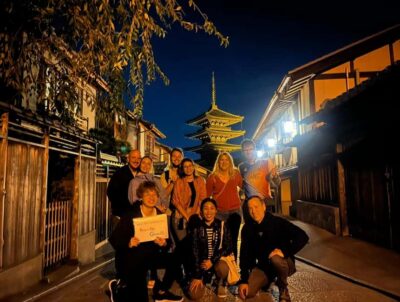
Gion Magical Night Walking Tour with Geisha Trivia
Read our review →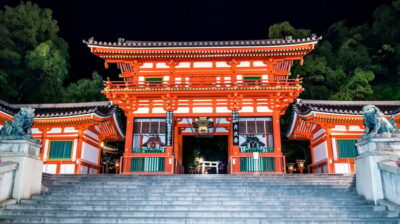
Gion Geisha District Walking Tour – Stories of Geisha
Read our review →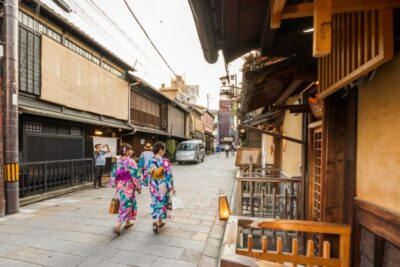

Nishiki Market Brunch Walking Tour (7 Tastings + Brunch)
Read our review →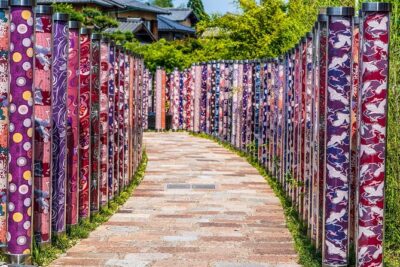
Kyoto Arashiyama Walking Tour: Bamboo, Monkeys, Gardens & Secrets
Read our review →
Nara Half Day Trip Walking Tour (Private Option Available)
Read our review →Browse the lists this tour appears in