
Reviewed · KYOTO COOKING CLASSES
Kyoto: Ramen, Gyoza, and Onigiri Cooking Class
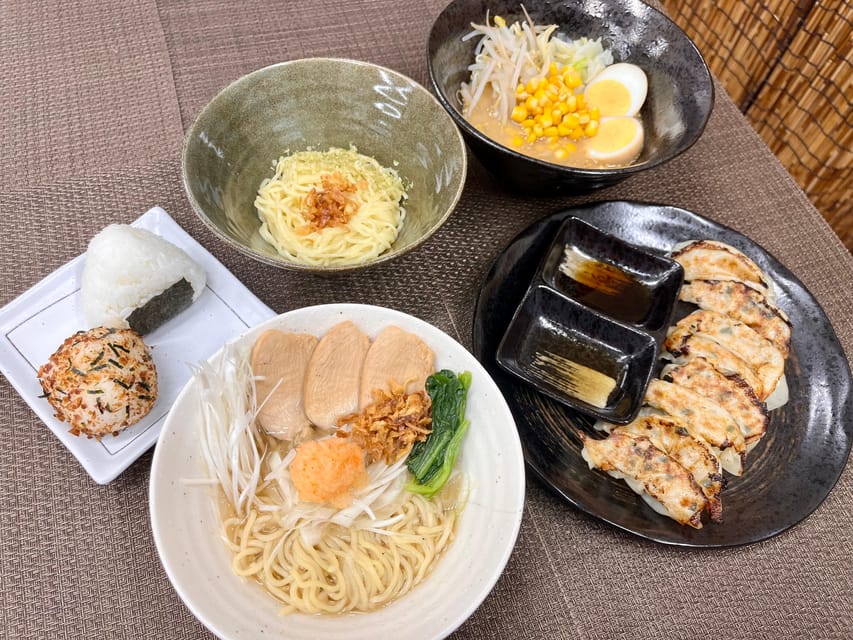
Ramen’s soul is the broth, and this Kyoto class shows you how to build two flavors, miso and shoyu, from ingredients you can find at home. Then you make gyoza and shape onigiri, with the instructors guiding you through each step.
I like that the recipes focus on practical home cooking, and that the class is small enough for direct help. You also leave with a filling meal, not just a set of instructions. One important caveat: the class cannot accommodate vegan, pescatarian, gluten-free, or other special diets.
The useful details at a glance
- Two ramen broths, no noodle-making: You prepare miso and shoyu broth using accessible ingredients; noodles are not part of the lesson.
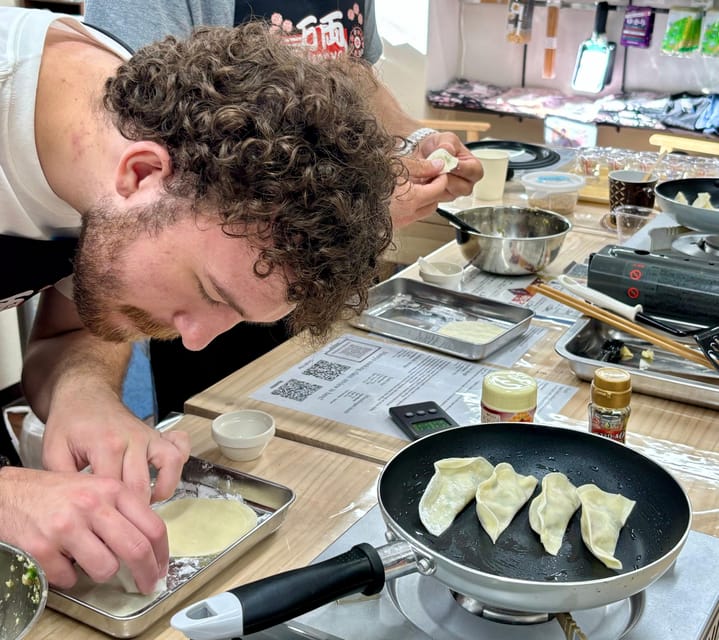
- Gyoza practice is hands-on: Learn to mix the filling, wrap each dumpling, and seal it properly.
- Onigiri adds a quick lunch skill: Shape Japanese rice balls and learn how to make a portable snack at home.
- A small group keeps help close: The class is limited to eight people, and the instructors speak English.
- Expect a substantial meal: You eat what you cook, and the amount of food can be generous.
- Dietary rules are strict: The only stated choices are regular or a tofu-for-pork variation, not a general-purpose vegetarian or allergy menu.
Making ramen broth, not noodles
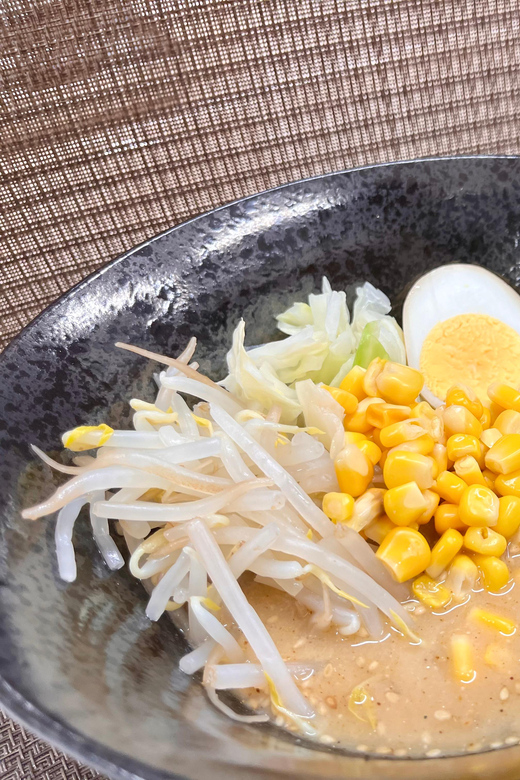
The class begins with the part of ramen that can be harder to recreate at home: the soup. You prepare both miso and shoyu, or soy-sauce, broth. The teaching emphasis is on combining familiar seasonings and ingredients into a flavorful base, rather than making noodles from scratch.
That distinction matters. Ramen noodles are often easier to buy than a soup base you like, so this lesson gives you a technique you can use again without special equipment. The ingredients listed include chicken stock powder, soy sauce, garlic, ginger, sesame oil, mirin, miso, and fish powder, among others. The recipes are designed around accessible pantry items, not an elaborate restaurant kitchen.
The two broths also give you a useful comparison. Miso ramen is served with a boiled egg, bean sprouts, green onions, and sweet corn. Shoyu ramen comes with chicken, bamboo shoots, and green vegetables. The class explains why the toppings stay fairly simple: the broth already carries much of the flavor, so a pile of strongly seasoned additions could throw off the balance.
You should not expect a long, technical lesson on broth-making. Ninety minutes covers several dishes, and some of the ingredients are prepared or portioned in advance to keep the class moving. That means you get a clear, repeatable method, but not a full exploration of every step behind restaurant ramen. For a home cook who wants a workable starting point, that trade-off makes sense.
More cooking classes in Kyoto:
- Ramen Cooking Class at Ramen Factory in Kyoto
★ 5.0 · 1,937 reviews - Sushi Making in Kyoto! Same-day bookings welcome!
★ 5.0 · 713 reviews - Kyoto: Ramen Cooking Class at a Ramen Factory with Souvenir
★ 4.9 · 532 reviews
Wrapping gyoza one by one
Gyoza are the most hands-on part of the class. You learn to balance the filling, which combines meat, vegetables, and seasonings, then work on wrapping and sealing the dumplings into a neat shape. This is a small skill with a satisfying payoff: a good seal helps keep the filling in place while the gyoza cook.
The class aims to give you more than a quick demonstration. You handle the wrappers yourself, with the instructors nearby to show the technique and correct the shape. First-time cooks should be able to follow along, though the pace is brisk because the session also includes ramen and onigiri.
The filling includes ground pork, cabbage, onion, chives, and seasonings. The stated vegetarian variation substitutes tofu for pork, while the other ingredients stay the same. That limited swap is important: it is not a custom menu, and it does not make the meal suitable for every vegetarian or anyone avoiding fish, oyster sauce, gluten, or other ingredients.
Gyoza are also one of the class’s most reusable lessons. Once you know how to fill, fold, and seal them, you can make them again for a meal at home. The class provides recipes for ramen and gyoza, so you have written guidance when you try the dishes later.
Shaping onigiri for a simple lunch
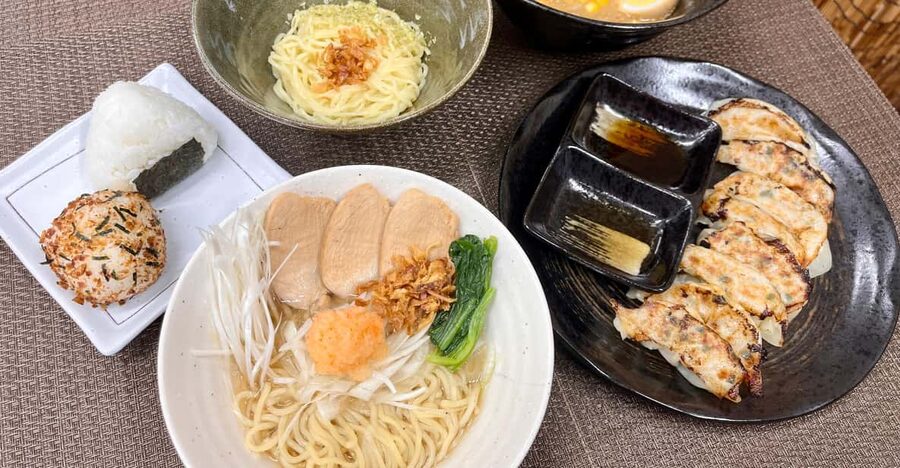
Onigiri are Japanese rice balls, often filled with different ingredients and eaten as a quick snack or lunch. Here, you learn to shape them by hand. The technique is simple in concept, but getting a rice ball to hold its form takes a little practice.
This part of the class rounds out the meal with something quite different from soup and dumplings. Onigiri can be a practical alternative to a sandwich, and the basic shaping skill is easy to repeat in your own kitchen. The class teaches the shape and process, though the included recipes are specifically described as recipes for ramen and gyoza.
Because three dishes are covered in one session, onigiri is not likely to become an extended lesson on rice varieties or a wide range of fillings. Think of it as a useful introduction, rather than a specialist rice workshop.
A quick, well-organized 90 minutes
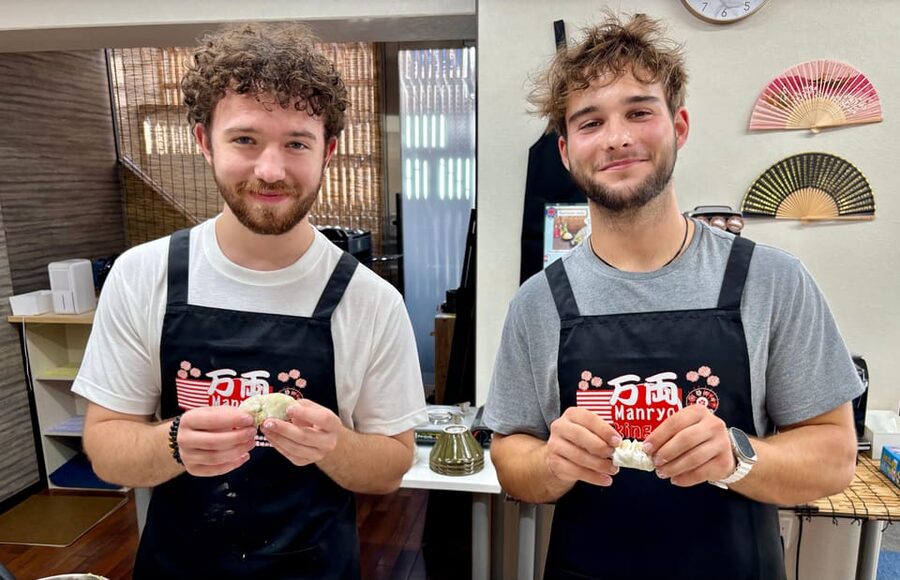
The class is scheduled for 90 minutes, with ingredients and equipment provided. The pace is purposeful: you move from broth and toppings to gyoza and rice balls, then sit down to eat what you have made. One participant described the cooking as moving quickly, while still fitting in two ramen styles, gyoza, and onigiri. That speed is part of the appeal, but it does mean you should arrive ready to take part rather than linger over every technique.
Advance preparation helps the group cover so much in a short time. Some ingredients are already measured or set out, leaving you to focus on cooking and assembly. If you want a class where you measure every ingredient from scratch or spend hours on one dish, this is not that. If you want to learn practical steps and enjoy several foods in one sitting, the format is a good fit.
The group limit is eight, which gives the instructors a chance to help individual participants. The teaching team includes Nori and other English-speaking staff, and the class has been led by different instructors, including Kairi and Aoi. You can expect explanations in English, cooking guidance, and some context about the dishes and Japanese food culture. The exact instructor team may vary.
The food is part of the value. You eat the dishes you prepare, and the portions can add up. Arrive hungry, especially if you are treating this as lunch or dinner. Coffee and tea are included; beer may be available for purchase, but it is not part of the stated inclusions.
More food tours in Kyoto:
- Kyoto Night Foodie Tour in Gion (9+ dishes + 6 Sake tastings)
★ 5.0 · 1,762 reviews - Kyoto: Izakaya Bars Guided Walking Tour
★ 4.9 · 815 reviews - Kyoto: Insider Sake Brewery Tour with Sake and Food Pairing
★ 5.0 · 704 reviews - The Original Small-Group Sushi Making Class in Kyoto
★ 5.0 · 436 reviews
What $90 buys you
At $90 per person, this is not a bargain meal. You are paying for a small-group lesson, English-language instruction, the ingredients and equipment, the meal you make, and recipes for ramen and gyoza. The value depends on whether you want to learn techniques you can reuse, not simply eat a bowl of noodles.
For someone who enjoys cooking, the price covers several distinct skills in one session: two broth styles, gyoza filling and wrapping, and onigiri shaping. You also get a meal at the end, which makes the class feel more substantial than a short demonstration. The recipe sheets help extend the value beyond your time in Kyoto.
If your main goal is a low-cost lunch, a ramen shop will cost less. If you want a hands-on activity that brings together cooking, food context, and a meal, the price is easier to justify. It is particularly good value for couples, families with eligible teenagers, or friends who will cook the dishes again together.
Finding the classroom in central Kyoto
The classroom is on B1 of the Life Building, one street off the main road. It can be easy to miss if you assume the entrance is on the busiest street, so check the location on Google Maps before setting out and search for Manryo cooking class.
If you take a cab, the directions say to get off in front of the Family Mart at Sanjo Keihan. From there, it is about a two-minute walk. Arriving around ten minutes early is sensible, especially if you are unfamiliar with the side streets.
Wear comfortable clothes and shoes. You will be standing and handling food, so clothes you can move in are more useful than anything delicate or formal. Hotel pickup and drop-off are not included.
Diet, age, and access: check before booking
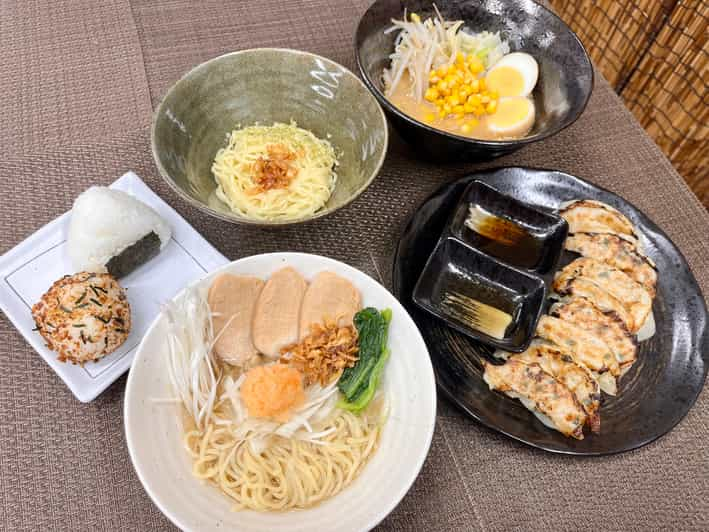
This experience has a firm limit on dietary flexibility. There are two stated menu choices: the regular menu and a variation where pork is replaced with tofu. The other ingredients remain the same. The class cannot accommodate vegan, pescatarian, gluten-free, or other special diets.
That restriction is worth taking seriously. The ingredient list includes oyster sauce and fish powder, among other items, and the tofu substitution does not remove other ingredients. If you have an allergy, intolerance, or dietary practice beyond the stated pork replacement, this is not a class to book on the assumption that the kitchen can improvise.
The supplied age guidance says participants must be 13 and able to cook independently, and the activity is not suitable for children under 12. Since those statements leave the status of a 12-year-old unclear, confirm directly before booking if that applies to your group. The class is also listed as unsuitable for wheelchair users and people with recent surgeries.
Only people taking part in the class may enter. If your party has five reservations, for example, only those five participants can attend; non-participating companions cannot come in to watch. The booking rules also ask each group to make only one reservation, rather than holding extra spots under the same name.
Who will enjoy this Kyoto cooking class
This is a strong choice if you want more than a restaurant meal and like the idea of making familiar Japanese dishes with your own hands. It suits beginners, home cooks, couples, and families with older children who can cook independently. The friendly English-language instruction and prepared stations make the experience approachable, even if you do not spend much time in the kitchen at home.
It is also a good fit if your Kyoto schedule needs a compact indoor activity. Ninety minutes is short enough to fit into a busy day, but the meal at the end makes it feel like a full outing. You leave with techniques you can practice at home, rather than just a memory of where you ate.
I would skip it if you need a highly flexible menu, want to make noodles from scratch, or prefer a slow, single-dish cooking course. The class covers a lot quickly, and the dietary rules are narrow. For everyone else, the combination of broth, dumpling folding, rice shaping, and a generous meal makes a useful and enjoyable introduction to everyday Japanese cooking.
Should you book it?
Book this class if you eat the listed ingredients, can cook independently, and want practical skills you can repeat at home. The strongest reasons to go are the two ramen broths, the chance to practice gyoza wrapping, and the small-group English instruction. The meal and recipe sheets add real value.
Before paying, be sure the tofu-for-pork option works for your needs, and check the age and access requirements for anyone in your party. If those conditions fit, this is a worthwhile way to trade one restaurant meal for a hands-on Kyoto food experience.
FAQ
How long is the cooking class?
The class lasts 90 minutes.
What dishes will I make?
You will make miso and shoyu ramen broth, gyoza, and onigiri. The class does not include making ramen noodles.
Are ingredients and cooking equipment included?
Yes. All cooking ingredients and equipment are included.
Do I get to eat the food I make?
Yes. The food you prepare is included, and you eat it as part of the experience.
Are recipes provided?
Recipes for ramen and gyoza are included. Onigiri is part of the class, but it is not listed among the included recipe sheets.
Can the class accommodate vegan, pescatarian, or gluten-free diets?
No. The class cannot accommodate vegan, pescatarian, gluten-free, or other special diets.
Is there a vegetarian menu?
There is a menu variation where pork is replaced with tofu. Other ingredients remain the same, so it may not suit every vegetarian diet.
Where is the meeting point?
The classroom is on B1 of the Life Building, one street off the main road. If taking a cab, get off by the Family Mart at Sanjo Keihan, then walk about two minutes. Search for Manryo cooking class on Google Maps.
What age can participate?
Participants must be 13 and able to cook independently. The activity is listed as unsuitable for children under 12. The information does not clearly specify eligibility for 12-year-olds, so confirm before booking if needed.
Newly added in Kyoto
- Uji: Private immersion into Kyoto’s tea and reglious culture★ 5.0 · 17 reviews
- Whisk Your Own Matcha: A Zen Matcha Experience at Temple★ 3.6 · 7 reviews
- Kyoto tea town for matcha lovers★ 5.0 · 16 reviews
- Treasures of Kyoto: Gion & historical Walking Tour★ 5.0 · 6 reviews
- Kyoto Matcha Green Tea Tour★ 4.5 · 23 reviews
- Uji and Wazuka Matcha Farm Half Day Private Guided Tour★ 5.0 · 21 reviews
- Uji Tea Ceremony and UNESCO Heritage Walking Tour★ 5.0 · 20 reviews
- Utilising upcycled Matcha! Creating matcha incense (Uji, Kyoto)★ 5.0 · 6 reviews
Kyoto Cooking Classes, compared.

Ramen Cooking Class at Ramen Factory in Kyoto
Read our review →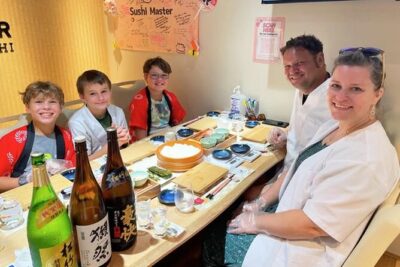
Sushi Making in Kyoto! Same-day bookings welcome!
Read our review →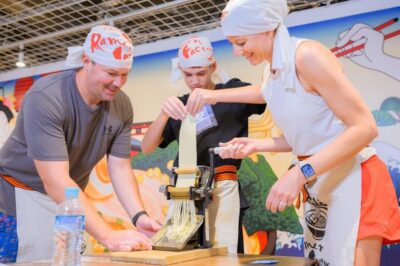
Ramen Cooking Class at a Ramen Factory with Souvenir
Read our review →
The Original Small-Group Sushi Making Class in Kyoto
Read our review →
Japanese Washoku Bento Small Group Cooking Class
Read our review →
Japanese Traditional Sweets Making and Tea Ceremony
Read our review →
Kyoto Ramen and Gyoza Cooking Class with Professional Chefs
Read our review →
Browse the lists this tour appears in