
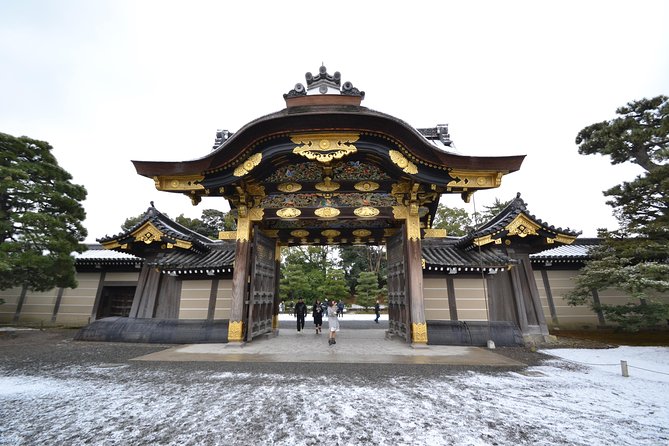
Reviewed · NIJO CASTLE TOURS
Nijo Castle and Imperial Palace Visit with Guide
Nijo Castle and Kyoto Imperial Palace tell two sides of Kyoto’s political story: the shogun’s rule and the emperor’s historic seat. In about two and a half hours, a guide leads you through both, connecting grand buildings and symbols to Japan’s Edo period and the shift in power to Emperor Meiji.
I like that admission and public transportation are included, so you can focus on the sites instead of figuring out fares and transfers. I also like the guide-led format: Mia, Mie, Choko, and Miya are among the guides praised for clear explanations, visual aids, humor, and thoughtful answers.
One point to check before booking: the tour is described as private, but its maximum capacity is 11, and the castle visit is also described as a small-group tour. If you need the guide exclusively for your party, confirm that arrangement before paying.
What to know before you go
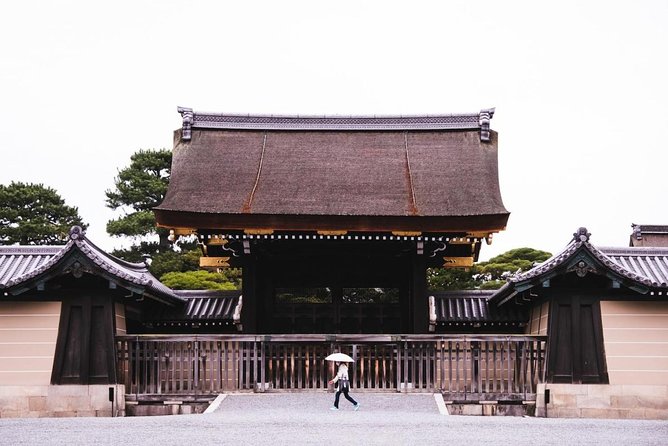
- Two seats of power: See Nijo Castle, linked to shogun rule, then Kyoto Imperial Palace, associated with the emperor and the ancient capital.
- A guide joins both visits: Each site gets about an hour of guided time, with a public-transport transfer between them.
- Admission and transit are included: You do not need to buy separate site tickets or pay the tour’s transport fares.
- Small-group format, with a capacity caveat: The tour is described as personalized and small-group, but the stated maximum is 11 people.
- Pick a morning or afternoon slot: The meeting point is in front of Nijo Castle’s main gate; the tour ends at Kyoto Imperial Palace.
- Wear comfortable shoes: There is walking at both sites, and the experience takes about two and a half hours.
Nijo Castle sets the scene
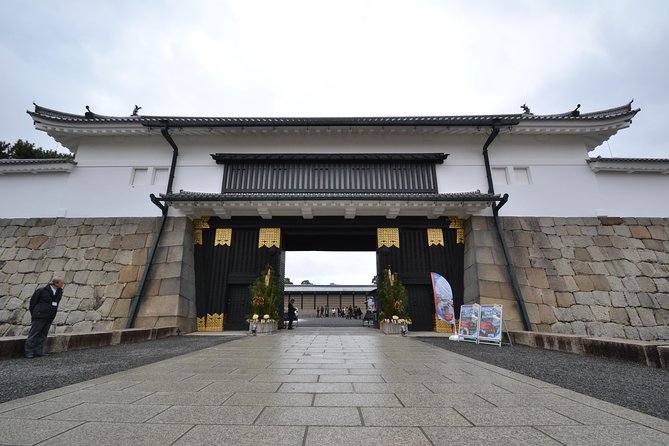
The tour begins at Nijo Castle, at 541 Nijojocho in Kyoto’s Nakagyo Ward. Meet your guide in front of its large white main gate, an easy-to-recognize landmark that helps make the start straightforward. You can choose a morning or afternoon time slot.
This is a useful place to start if you want to understand the shogunate before seeing the imperial seat. The castle is associated with Japan’s Edo period, when political power was held by a shogun. A guide can put the buildings and their details into that political setting, rather than leaving you to piece together the story from labels alone.
You get about an hour here. That is enough time for a focused introduction, but it is not a leisurely, all-day visit. The most rewarding parts may be the connections your guide draws between the castle’s rooms, its role in shogun rule, and the figures involved in the transfer of power to Emperor Meiji.
You can also expect to see the interior of Nijo Castle. That is a real advantage for a short tour: a palace exterior can impress, but inside, the building’s use and symbolism become easier to discuss. Guides have used visual aids to explain historical details, and visitors particularly valued hearing about shogun meetings and the meaning of features they might otherwise pass without noticing.
The guide’s approach matters here. People seeking a precise, academic lecture may find the pace brisk, while most visitors will benefit from a guide who can explain the essentials and still make room for questions. Guides such as Mia and Mie have been praised for balancing historical detail with a warm manner and a sense of humor. Individual guides vary, of course, but the repeated praise for clear explanations suggests that the human element is central to the experience.
More Nijo Castle tours in Kyoto:
- Kyoto: Nijo-jo Castle and Ninomaru Palace Guided Tour
★ 4.7 · 1,020 reviews - Kyoto: Nijo Castle, Kiyomizu & Fushimi Inari Guided Tour
★ 4.7 · 700 reviews - Kyoto: Nijo, Kinkaku-ji, Arashiyama, Kiyomizu & Fushimi Inari
★ 5.0 · 699 reviews
The transfer is part of the tour
After about an hour at the castle, you travel with your guide to Kyoto Imperial Palace by public transportation. The fare is included, and the transfer gives you a chance to ask questions or follow up on the castle’s history before the next stop.
This guided connection is more useful than it might sound. Kyoto’s major sites are easier to visit when someone else handles the transition, especially if you are still getting used to the city’s transit system. The transfer is described as easy, but you should expect to walk and move between sites rather than spend the whole tour inside buildings.
The entire experience lasts about two and a half hours, while the two guided visits account for roughly an hour apiece. The remaining time allows for the transfer and transitions. That makes the tour a practical choice if you want a concentrated historical outing without giving up most of the day.
Kyoto Imperial Palace brings the story into focus
At Kyoto Imperial Palace, you get another hour with your guide. The palace offers a different point of view from the castle: it brings the imperial family and Kyoto’s role as Japan’s ancient capital into the picture. Together, the two sites help explain the contrast between shogun authority and the emperor’s place in the country’s political story.
The palace visit is more than a second impressive building on the route. It helps tie the first stop to the broader change in power associated with Emperor Meiji. Guides have been praised for explaining the imperial family and the transfer of power in a way that makes the relationship between the two sites easier to grasp.
You will finish at Kyoto Gyoen National Garden, in front of the Imperial Palace, at 3 Kyotogyoen in Kamigyo Ward. This is not a return trip to the castle, so plan the rest of your day from the palace area. That end point is worth remembering if you have a timed booking, a meal planned, or another site on your schedule.
The exact amount of time spent at each building may feel short if you want to explore every corner independently. But the trade-off is a compact, connected visit: rather than spending hours at one site, you get a guide’s overview of both and a clearer sense of how they relate.
What the guide adds
The strongest reason to book is the guide’s role in interpreting what you see. A historic building can be beautiful and still leave you wondering who used it, what a room signified, or why one political figure mattered. The guides praised for this tour have answered those questions with context about Japanese history, politics, and culture.
The praise is specific. Mia has been described as warm, funny, and good at making the shogun era accessible. Mie has been noted for using visual aids and giving enough detail without overwhelming the group. Choko has been appreciated for friendly answers and clear English. These names give you a sense of the qualities people value, but they are not a promise that a particular guide will lead your departure.
A good guide also adjusts the tour to your curiosity. If you want to know more about the Shogun, the emperor’s family, or the symbolism at either site, you can ask as you go. That flexibility is one of the advantages of a small group or private-style outing over a large lecture, though the stated maximum of 11 means the exact group size can vary.
More temple and shrine tours in Kyoto:
- Kyoto: Tea Ceremony Ju-An at Jotokuji Temple
★ 4.9 · 3,207 reviews - World Heritage Kyoto & Nara Uji Authentic Matcha Experience
★ 5.0 · 1,573 reviews - Arashiyama Bamboo, Temple, Monkeys, or Secret Sake Brewery
★ 4.8 · 886 reviews - Kyoto: Arashiyama Bamboo Forest, Monkeys, Matcha & Temple Tour
★ 5.0 · 759 reviews
Is $79.18 good value?
At $79.18 per person, this is not simply a ticket bundle. The fee includes entrance costs at both sites, public transportation during the tour, and an English-speaking guide for the two visits. You are paying for a connected explanation of the castle and palace, along with help moving between them.
For a first visit to Kyoto, that context can make the cost worthwhile. You avoid paying for admission and transit separately, and you do not have to plan the route between the two stops on your own. The value is strongest if you want to understand the history, rather than just see the buildings.
If you are comfortable navigating independently and prefer to set your own pace, you may not need a guided tour. You might choose to spend longer at one site or explore without a fixed schedule. The main thing you would be giving up is the guide’s explanation of the political links, historical figures, and symbolism that help make the two visits feel like one story.
The tour offers group discounts and a mobile ticket. Food and drinks are not included, and there is no hotel pickup or drop-off. Bring what you need for the outing and arrange your own transport to the castle meeting point.
Pace, group size, and practical details
Allow about two and a half hours, including the transfer. You will meet at Nijo Castle and finish at Kyoto Imperial Palace, so do not assume you will return to your starting point with the guide. The route involves walking at both sites and between transit connections, making comfortable shoes a sensible choice.
There is a small but important wording difference in the group details. The experience is promoted as a private tour for you and your party, while the site description calls it a small-group tour of fewer than eight guests and the additional information gives a maximum of 11. If exclusivity is essential, ask the operator, WaRaiDo Guide Networks, to confirm whether your departure will be private or shared.
Most travelers can participate, service animals are allowed, and the meeting point is near public transportation. Those details make the tour broadly practical, but they do not specify step-free access or other mobility arrangements. If you have a particular access need, check directly before booking.
Confirmation is provided within 48 hours of booking, subject to availability. You can cancel for a full refund up to 24 hours before the start time. Changes or cancellations inside that window are not accepted for a refund. If poor weather cancels the experience, you will be offered another date or a full refund.
Who should book this tour?
I would choose this tour if you want a concise introduction to Kyoto’s political history and value having a guide connect Nijo Castle with the Imperial Palace. It is especially suited to first-time visitors, history-minded families, and anyone who wants the key context without spending a full day on two sites.
It may be less suitable if you prefer to linger, explore at your own pace, or need a guaranteed one-to-one guide. The sites are worth seeing independently, too, but the tour’s main benefit is the explanation and the easy transfer, not exclusive access or an unusually long visit.
Before booking, settle one question: do you want a guided overview, or do you want hours to explore on your own? If the first sounds right, this is a well-organized way to see two important sides of Kyoto in one outing. Confirm the group arrangement if a private guide is a must.
FAQ
How long does the tour last?
The tour takes about two and a half hours. It includes about one hour at Nijo Castle, about one hour at Kyoto Imperial Palace, and travel between them.
Where does the tour start?
It starts in front of Nijo Castle’s main gate at 541 Nijojocho, Nakagyo Ward, Kyoto.
Where does the tour end?
It ends in front of Kyoto Imperial Palace, at Kyoto Gyoen National Garden, 3 Kyotogyoen, Kamigyo Ward.
Is transportation between the sites included?
Yes. Public transportation during the tour is included in the price.
Are entrance fees included?
Yes. Entrance fees for the two sites are included.
Is the tour private?
It is described as a private, personalized tour, but the group information also gives a maximum of 11 travelers and describes the visit as small-group. Confirm with the operator if you require a private departure.
Is the tour offered in the morning and afternoon?
Yes. You can choose a morning or afternoon time slot.
What language does the guide speak?
The included professional guide speaks English.
Are food and drinks included?
No. Food and drinks are not included, and hotel pickup and drop-off are also not provided.
What is the cancellation policy?
You can cancel at least 24 hours before the start time for a full refund. Cancellations or changes made less than 24 hours before the experience are not accepted. If poor weather causes the tour to be canceled, you can choose another date or a full refund.
Newly added in Kyoto
- Uji: Private immersion into Kyoto’s tea and reglious culture★ 5.0 · 17 reviews
- Whisk Your Own Matcha: A Zen Matcha Experience at Temple★ 3.6 · 7 reviews
- Kyoto tea town for matcha lovers★ 5.0 · 16 reviews
- Treasures of Kyoto: Gion & historical Walking Tour★ 5.0 · 6 reviews
- Kyoto Matcha Green Tea Tour★ 4.5 · 23 reviews
- Uji and Wazuka Matcha Farm Half Day Private Guided Tour★ 5.0 · 21 reviews
- Uji Tea Ceremony and UNESCO Heritage Walking Tour★ 5.0 · 20 reviews
- Utilising upcycled Matcha! Creating matcha incense (Uji, Kyoto)★ 5.0 · 6 reviews
Nijo Castle Tours, compared.
Nijo-jo Castle and Ninomaru Palace Guided Tour
Read our review →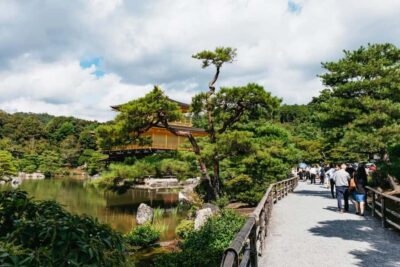
Nijo Castle, Kiyomizu & Fushimi Inari Guided Tour
Read our review →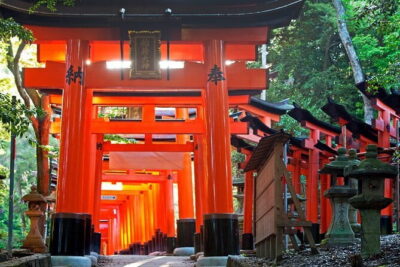
Nijo, Kinkaku-ji, Arashiyama, Kiyomizu & Fushimi Inari
Read our review →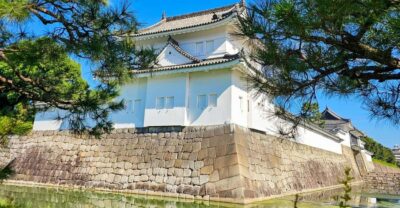
Imperial Palace & Nijo Castle Guided Walking Tour
Read our review →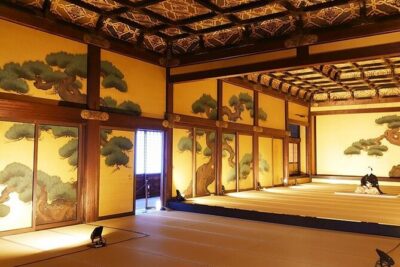
Nijo Castle World Heritage Guided Tour with Admission
Read our review →
Golden Pavilion, Nijo Castle, & Nishiki Market Half day tour
Read our review →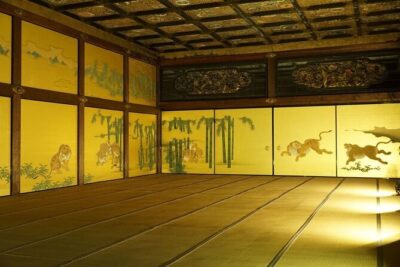
Nijo Castle Samurai Inside Story — Top-Rated Guide (Max 8)
Read our review →
Crowd-Free Kyoto: Fushimi Inari, Nijo Castle & Kinkaku-ji
Read our review →Browse the lists this tour appears in