
Reviewed · KYOTO GEISHA TOURS
Kyoto 5-Star Geisha Night Walk: Small-Group Authentic Experience
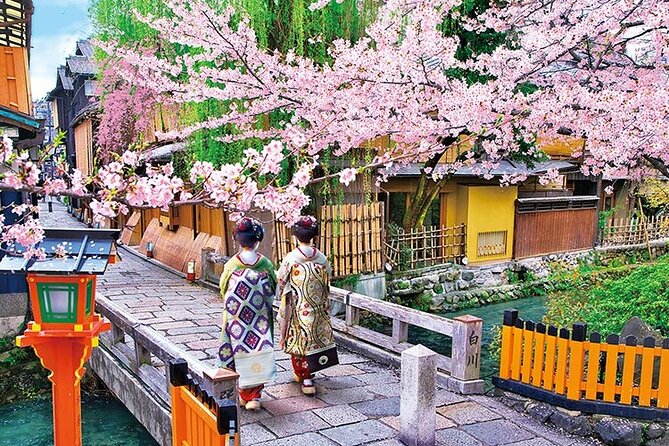
Gion after dark is a different proposition from Gion by day. Lantern-lit lanes and traditional wooden facades give the district room to breathe, and a guide can help you understand the geisha world without turning the evening into a hunt for photographs. This walk links Gion with historic Higashiyama and Pontocho, with stories about the people and traditions behind the scenery.
I like two things in particular: the group is capped at eight, which gives you space to ask questions, and the guide connects geisha arts with broader Kyoto culture, from Kabuki and kimono to Shinto and Zen. The included Kyoto snack also offers a welcome pause midway through a long walk.
The main consideration is the distance. At about three and a half hours, with steps and some rocky, unpaved paths, this is a poor fit if walking is difficult. And while nighttime can bring fewer daytime crowds, seeing a geisha is never guaranteed.
What to know before you go
- The walk starts at 5:20 pm at the Disney Store near Shijo-Kawaramachi and finishes by Sanjo Ohashi Bridge.
- Geisha culture is the main subject, with stops around Hanamikoji Street, Gion Corner, and Pontocho.
- The small group means more room for questions, with a maximum of eight people.
- A local Kyoto snack is included, served during a break on Nene-no-Michi.
- The route blends districts and traditions, taking in temples, shrines, and historic streets after dark.
- The walk lasts about 3.5 hours, so comfortable shoes and steady walking ability matter.
Why Gion makes more sense after dark
Gion is one of Kyoto’s best-known districts, and its daytime popularity can make it hard to appreciate its quieter details. This tour begins in the early evening, when the streets take on a different mood and the guide can focus your attention on the working and residential parts of the district, not just its photogenic facades.
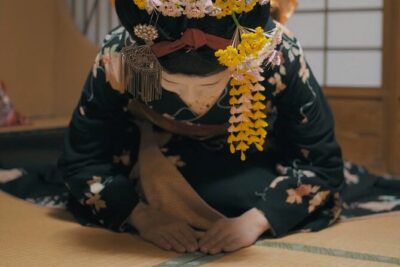
The central theme is geisha culture, including the arts and traditions associated with geisha and maiko. The guide also explains how to understand the places you pass, such as geisha houses and living quarters. That context matters: without it, a narrow lane can look like a pretty backdrop; with it, you begin to see the district as a community with a cultural life of its own.
Richard is the guide named most often in accounts of this tour. He is described as an American-Japanese guide who explains Japanese culture clearly to an English-speaking group. The emphasis is not only on geisha: expect connections to Kyoto’s history, architecture, kimono, shrines, and everyday customs. If you are visiting Kyoto for the first time, that wider frame can help you make more sense of the city during the rest of your stay.
The tour is not a promise of a geisha sighting. The focus is explanation and observation, not tracking down individuals. If you do happen to see a geisha or maiko going about her evening, treat that as a lucky moment, not the product you paid for.
More geisha and maiko experiences in Kyoto:
- Kyoto Geisha Walking Tour: Gion District & Hidden Gems
★ 4.7 · 3,273 reviews - Kyoto: Gion Magical Night Walking Tour with Geisha Trivia
★ 4.9 · 2,393 reviews - Kyoto: Gion Geisha District Walking Tour – Stories of Geisha
★ 4.7 · 2,187 reviews
From Kabuki to Hanamikoji Street
One of the first stops is near a Kabuki theater, where the guide talks about this traditional Japanese performance art. It is a useful opening because geisha culture is also rooted in the performing arts. The two are not the same, but this early connection helps set up a broader discussion of the traditions that shaped Kyoto’s entertainment districts.
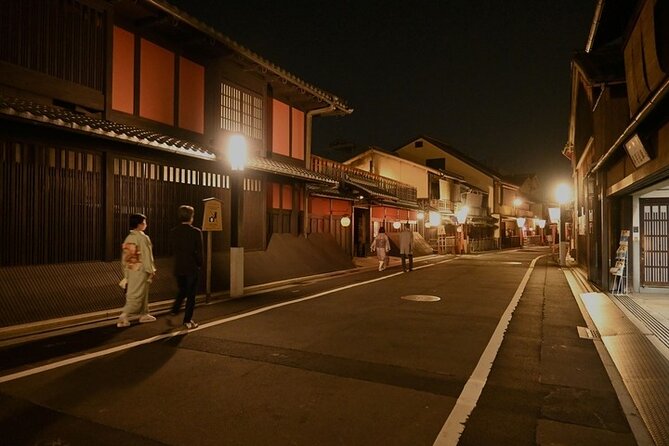
Hanamikoji Street is the main stretch of the Gion walk. You’ll explore its lanes and alleys while hearing about geisha arts and customs, and pass geisha houses and living quarters. The streets themselves are part of the lesson: the district is not simply a set of old buildings preserved for visitors, but a place where people live and work.
Gion Corner is another landmark on the route, associated with geisha study and training. The guide can explain the work and discipline behind the arts, rather than leaving you with the popular image of geisha as a costume or a photo opportunity. That distinction is one of the most useful parts of the tour for anyone who wants to approach the subject with care.
The itinerary also includes a picturesque spot and a lesser-known geisha street. Their exact names are not specified, so don’t expect a fixed checklist of famous corners. The appeal is partly in walking beyond the obvious main route, with a guide who can point out details you might otherwise pass without noticing.
A temple, a shrine, and a change of pace
Along the way, the walk passes one of Kyoto’s oldest temples. The guide uses the stop to introduce Japanese Zen. The temple’s name is not provided, but the point of the visit is clear: it adds a religious and philosophical strand to an evening otherwise centered on Gion’s performing arts and streets.
At Yasui-Konpiragu, you’ll spend about 30 minutes hearing about Shinto traditions. The shrine is described as intimate, which should make this a more focused stop than simply pausing for a quick photo. It gives the guide room to explain the role of Shinto in Japanese life and to help you read the features of a shrine.
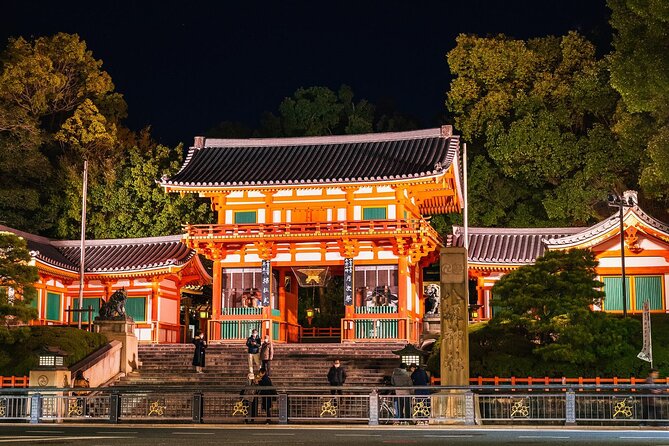
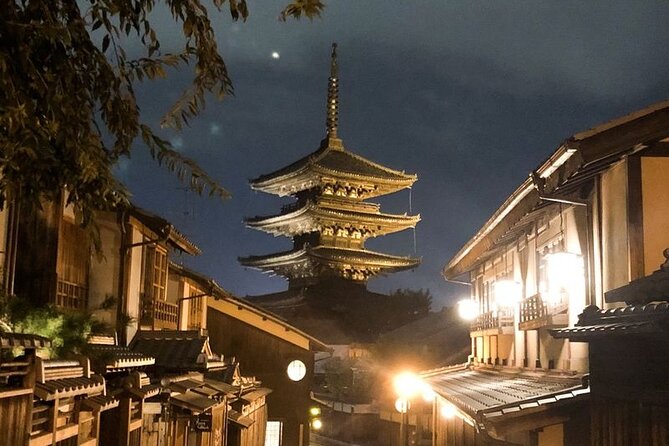
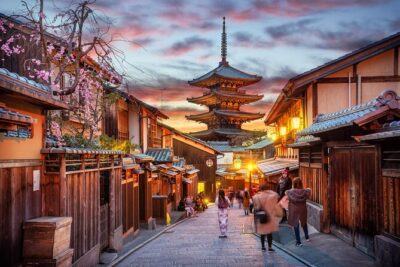
Hōkan-ji Temple, known for its Yasaka Pagoda, is a short stop of about 15 minutes. The pagoda is one of the most recognizable sights in this part of Kyoto, and the evening setting makes it a natural place for photos. Keep in mind that a short stop means a chance to take in the view, not a long visit inside a temple.
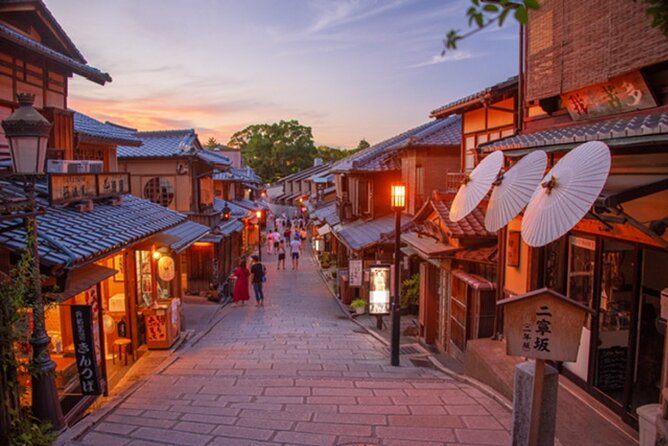
You’ll also walk Ninenzaka, a historic lane noted for its night atmosphere. Its slopes and old-fashioned streetscape help tie the route’s different areas together. This is one reason to wear shoes you trust: the walk includes steps and rocky, unpaved sections, not just smooth city pavements.
The snack break on Nene-no-Michi
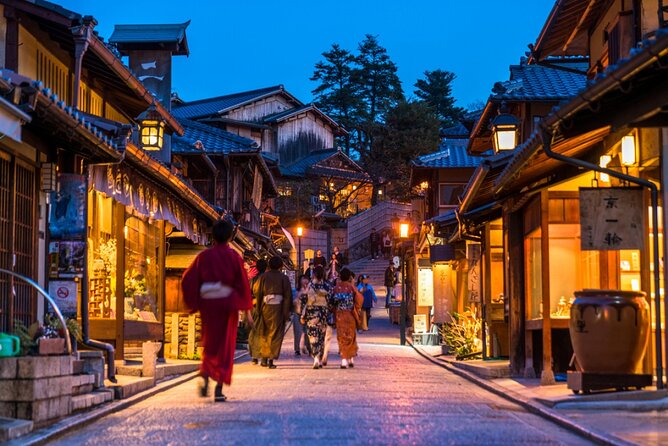
After a stretch of walking, the group pauses on Nene-no-Michi for about 30 minutes and enjoys an included Kyoto snack. It’s a practical touch on a tour of this length, giving you time to rest and ask questions before moving on.
The snack is described as a local Kyoto treat, but the exact item is not specified. Taste is personal, and one account found the traditional snack interesting rather than to their liking. I’d treat it as a small cultural experience, not a meal or a reason to book on its own. If you have dietary needs, the available details do not specify ingredients or substitutions, so check with the operator before booking.
More night tours in Kyoto:
- Night Walk in Gion: Kyoto’s Geisha District
★ 4.5 · 2,003 reviews - Kyoto Night Foodie Tour in Gion (9+ dishes + 6 Sake tastings)
★ 5.0 · 1,762 reviews - Kyoto Gion Night Walk & Geisha District Guided Tour
★ 5.0 · 786 reviews - Kyoto Ghost Tour: Dark Tales, Urban Legends, Bamboo Forest Night
★ 5.0 · 625 reviews
Yasaka Shrine and the final walk through Pontocho
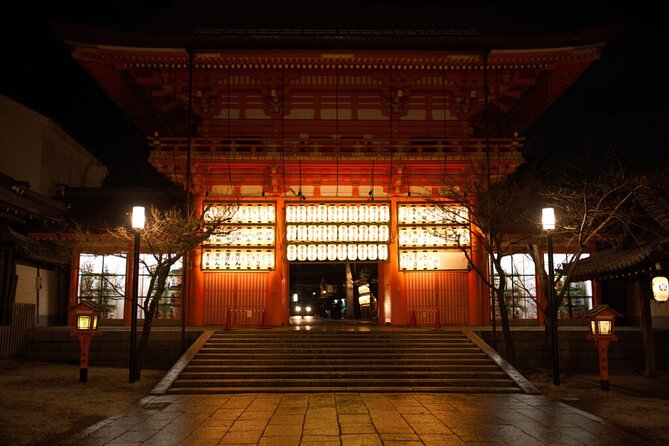
Yasaka Shrine gets about 30 minutes. It is one of Japan’s major shrines, and the guide explains some of its notable features. The stop rounds out the earlier introduction to Shinto and offers a change of scale after smaller lanes and intimate shrine grounds.
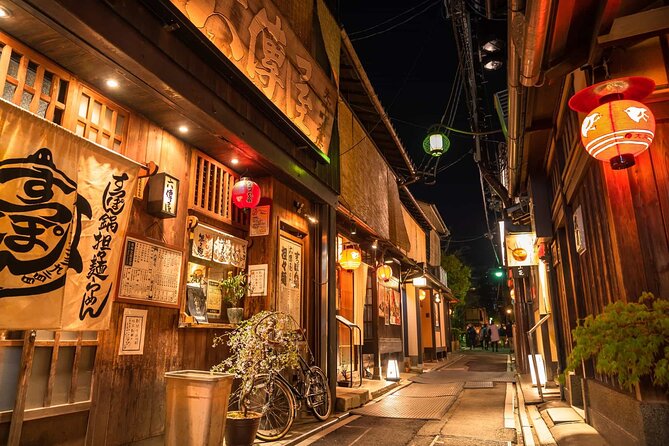
The final district is Pontocho, a narrow and lively geisha area with a mix of geisha houses, bars, and nightlife. Allow about 30 minutes here. Its character contrasts with the quieter lanes of Gion: the route ends amid the energy of a district where cultural traditions and modern evening life sit side by side.
The finish is at Sanjo Ohashi Bridge, at the northern end of Pontocho alley. That endpoint is practical if you want to continue your evening nearby, but personal expenses are not included, and any meal, drink, or shopping afterward is on your own.
What the small group and guide add
A cap of eight is a real advantage on a walking tour through narrow historic streets. You are less likely to be stranded at the back of a large crowd, and it is easier to hear the guide and ask questions. The format suits curious visitors who want an explanation rather than a quick procession past famous places.
The strongest feature is the guide’s range. Geisha culture is the central draw, but the tour also covers Japanese history, architecture, Shinto, Zen, kimono, and local life. Several people who took the walk found the storytelling especially clear and engaging, and the guide is described as flexible about pace and questions. Some also received restaurant recommendations for the rest of their Kyoto stay.
That breadth makes the tour particularly useful early in a visit. If you take it on your first evening, the context may help you recognize what you are seeing in other parts of Kyoto. If you have already spent time in the city, the walk can still offer a more focused look at Gion and Pontocho than you might get wandering alone.
Is $98 a fair price?
At $98 per person, this costs more than a self-guided walk, but the comparison is not quite like for like. The price includes an English-speaking guide, a small group, a 3.5-hour route through several historic areas, and a local snack. You are paying for interpretation and a carefully connected evening, not entry tickets to a series of attractions. The listed stops do not require admission.
The value depends on what you want. If you already know Kyoto well and mainly want to stroll and take night photos, you may prefer to explore at your own pace. But if you want thoughtful explanations of geisha traditions and the religious and historical setting around them, the guide is the main reason to spend the money. The repeated praise for Richard’s clear explanations and broad cultural knowledge points to the tour’s strongest asset.
There are no listed gratuities in the price, and tips are appreciated. Personal expenses are also extra. Budget for those separately if you plan to stay in Pontocho after the walk.
Practical details that can shape your evening
The meeting point is the Disney Store at Shijo-Kawaramachi, at the northeast corner of Shijo Street and Kawaramachi Street. The start time is 5:20 pm. The route ends at Sanjo Ohashi Bridge, near the northern end of Pontocho. Both points are near public transportation, though the tour itself is entirely on foot.
Plan for about three and a half hours outside. The route includes steps and some uneven, rocky paths, and the operator says it is not suitable for anyone with walking issues. Strollers may be difficult to manage over those sections. Most people can participate, but comfortable shoes are a sensible choice.
The tour requires good weather. If poor weather forces a cancellation, you are offered another date or a full refund. You can cancel for a full refund up to 24 hours before the start; cancellations or changes made within 24 hours are not accepted for a refund.
Should you book this Kyoto night walk?
Book it if you want more than a night-time photo stroll. The strongest reason to go is the mix of geisha culture, historic streets, and clear cultural explanation from a small-group guide. The route also gives you a useful first look at Gion, Higashiyama, and Pontocho in one evening.
Skip it if a long walk is a problem, or if your main goal is to see a geisha in person. That can happen, but it is not guaranteed. For curious visitors who can comfortably walk for three and a half hours and want a grounded introduction to Kyoto after dark, this is a strong use of an evening.
FAQ
How long is the tour?
It lasts about three hours and 30 minutes.
What time does it start?
The start time is 5:20 pm.
Where does the walk begin and end?
It begins at the Disney Store near Shijo-Kawaramachi and ends at Sanjo Ohashi Bridge, at the northern end of Pontocho alley.
How large is the group?
The maximum group size is eight people.
Is a snack included?
Yes. A local Kyoto snack is included during a break on Nene-no-Michi.
Is the tour suitable for someone with walking difficulties?
No. The 3.5-hour walk includes steps and rocky, unpaved paths, and is not suitable for people with walking issues. Strollers may also be difficult to manage.
What happens if bad weather cancels the tour?
You will be offered a different date or a full refund.
More walking tours in Kyoto
- Kyoto Gion Geisha District Walking Tour – The Stories of Geisha
★ 5.0 · 1,441 reviews - Nishiki Market Brunch Walking Tour (7 Tastings + Brunch)
★ 5.0 · 1,355 reviews - Kyoto Arashiyama Walking Tour: Bamboo, Monkeys, Gardens & Secrets
★ 5.0 · 1,216 reviews - Kyoto Gion: 2-Hour Geisha Culture & History Walking Tour
★ 5.0 · 1,186 reviews
Newly added in Kyoto
- Uji: Private immersion into Kyoto’s tea and reglious culture★ 5.0 · 17 reviews
- Whisk Your Own Matcha: A Zen Matcha Experience at Temple★ 3.6 · 7 reviews
- Kyoto tea town for matcha lovers★ 5.0 · 16 reviews
- Treasures of Kyoto: Gion & historical Walking Tour★ 5.0 · 6 reviews
- Kyoto Matcha Green Tea Tour★ 4.5 · 23 reviews
- Uji and Wazuka Matcha Farm Half Day Private Guided Tour★ 5.0 · 21 reviews
- Uji Tea Ceremony and UNESCO Heritage Walking Tour★ 5.0 · 20 reviews
- Utilising upcycled Matcha! Creating matcha incense (Uji, Kyoto)★ 5.0 · 6 reviews
Kyoto Geisha Tours, compared.
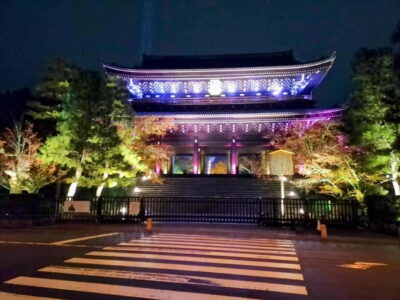
Kyoto Geisha Walking Tour: Gion District & Hidden Gems
Read our review →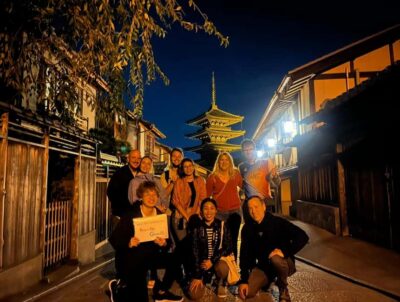
Gion Magical Night Walking Tour with Geisha Trivia
Read our review →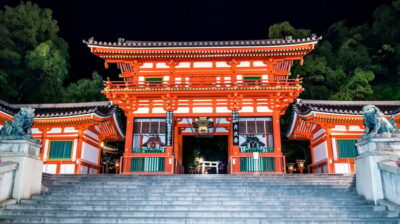
Gion Geisha District Walking Tour – Stories of Geisha
Read our review →
Best of Kyoto: Gion, Geisha, Pagodas & Cobblestones
Read our review →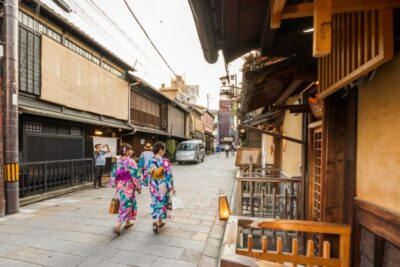
Kyoto Gion Cultural Walk & Geisha Show with Dining Options
Read our review →
Browse the lists this tour appears in