
Reviewed · KYOTO GEISHA TOURS
Kyoto Geisha District Walking Tour in Gion
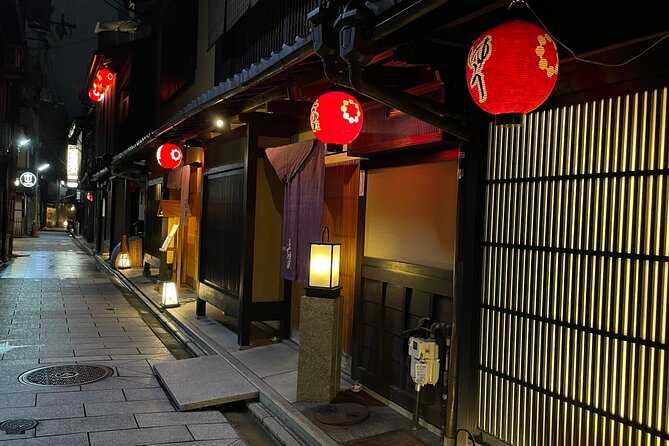
Gion’s appeal is more than its famous geiko and maiko. On this two-hour walk, you pass shrine lanterns, narrow lanes, wooden machiya houses, and the Shirakawa Canal while a guide explains how the district’s traditions fit into Kyoto life. The walk gives you a useful frame for exploring Gion on your own.
I like two things in particular: the small group, capped at 10, leaves room to ask questions, and the route combines cultural context with attractive spots such as Tatsumi Bridge and Yasaka Shrine. It costs $29.85 per person, a reasonable price if you want a guide to help you make sense of the streets.
One consideration: a geiko or maiko sighting is down to chance, not part of the promise. The walk also involves stairs and continues rain or shine, so bring comfortable shoes and be ready for the weather.
Key points
- A 10-person maximum keeps the group small enough for conversation and questions.
- Yasaka Shrine anchors the route with Shinto architecture, lanterns, and a calm change of pace.
- Tatsumi Bridge and Shirakawa Canal offer some of Gion’s most photogenic traditional streets and waterside views.
- Geiko culture gets context through explanations of customs and the district’s history, rather than a guaranteed sighting.
- Two hours on foot for $29.85 makes this a practical introduction if you have limited time in Kyoto.
- The tour runs rain or shine and is not suitable for people who cannot manage stairs.
A guided walk through Gion, not a geiko guarantee
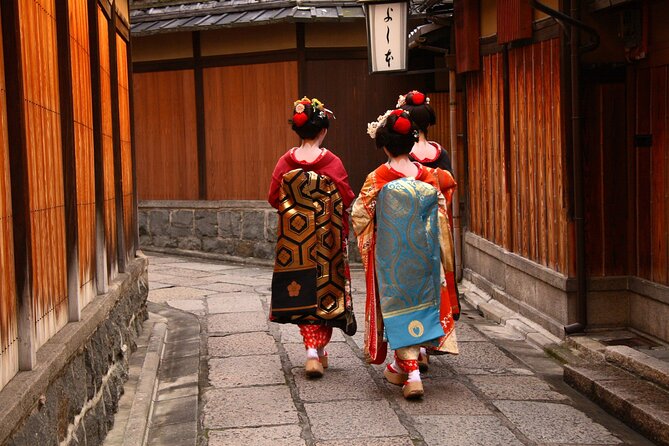
Gion can feel like a maze of narrow lanes, traditional wooden buildings, shrines, and busy streets. A guide helps you find your way while adding the context that turns a pretty walk into a more meaningful one. You’ll hear about geiko and maiko culture, local traditions, and the history of the district, with time to take in the streets along the way.
The route is also a good introduction to Shinto. Yasaka Shrine and Tatsumi Daimyojin provide places to talk about the faith and the role shrines play in Kyoto’s cultural life. This wider context matters: Gion is not simply a backdrop for photographs, and its working traditions deserve more than a quick glance.
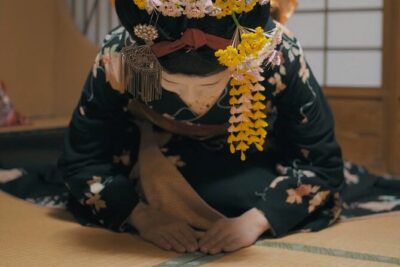
You might spot a geiko or maiko on the way. Some walks have been lucky enough to see several, and one guide, Hide, was praised for being in the right place when geiko were moving between engagements. But sightings depend on timing and chance. Book for the guided walk and the cultural insight, not for a guaranteed encounter.
Yasaka Shrine sets the tone
The tour begins and ends at Gion Kōbu Kaburenjō, at 570-2 Gionmachi Minamigawa. From there, the first listed stop is Yasaka Shrine, one of Kyoto’s best-known Shinto shrines. The route allows about 40 minutes here, with no admission charge.
Yasaka’s architecture and lanterns make an immediate impression, while its setting offers a calmer pause from the surrounding streets. Your guide can explain the shrine’s place in the area and introduce Shinto customs. That helps you notice more than the visual details, especially if this is your first shrine visit in Kyoto.
The listed stop time is generous compared with the shorter pauses later in the walk. That gives the guide room to explain the site, but the full tour is still approximately two hours, so the schedule may feel brisk as you move through the rest of Gion.
More geisha and maiko experiences in Kyoto:
- Kyoto Geisha Walking Tour: Gion District & Hidden Gems
★ 4.7 · 3,273 reviews - Kyoto: Gion Magical Night Walking Tour with Geisha Trivia
★ 4.9 · 2,393 reviews - Kyoto: Gion Geisha District Walking Tour – Stories of Geisha
★ 4.7 · 2,187 reviews
Gion’s lanes reveal a working district
The next stop is Gion, with about 20 minutes set aside to explore the district. Traditional wooden houses and narrow streets are part of the draw, but they are also part of a living neighborhood. Your guide’s explanations can help you understand how geiko culture fits into the district’s daily and professional life.
If your walk takes place around sunset, Gion’s paper lanterns can add a softer, more atmospheric feel. The tour description highlights the dusk setting, and several people have enjoyed evening walks. Still, the exact departure time is not specified here, so don’t assume every tour runs at sunset or after dark.
The group limit matters in these narrow streets. With no more than 10 people, it should be easier to hear the guide and stay together than in a large walking group. That said, Gion can be busy, and you should keep the guide in view rather than stopping at every photo opportunity.
Tatsumi Daimyojin and Tatsumi Bridge offer a quieter pause
Tatsumi Daimyojin is a small Shinto shrine associated with protection, good fortune, and safety. The stop is only about five minutes, so expect a short introduction rather than an extended visit. Its location in Gion gives the guide another chance to connect shrine traditions with the surrounding neighborhood.
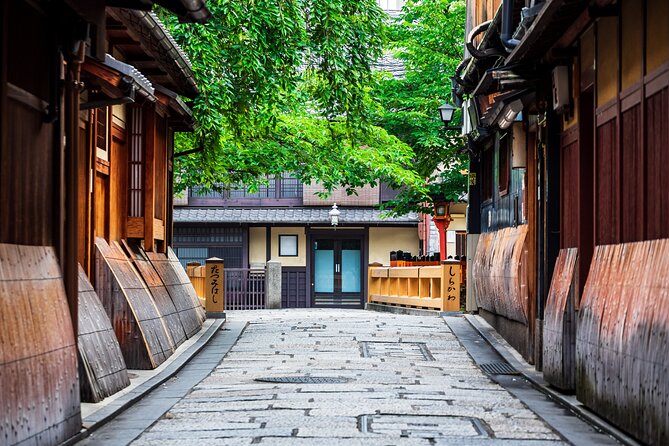
A few minutes away, Tatsumi Bridge offers a more scenic pause. This small traditional bridge sits among wooden machiya houses and traditional streets, making it one of the route’s natural photo stops. The listed visit lasts about 10 minutes, enough for a look and a few pictures, though not a long break.
The bridge area can feel especially memorable because it brings several Gion signatures together: old-style buildings, a compact crossing, and a distinct sense of place. I’d keep your camera ready, but also take a moment to look beyond the frame. A guide can explain what you’re seeing; a photograph alone cannot.
Shirakawa Canal slows the pace
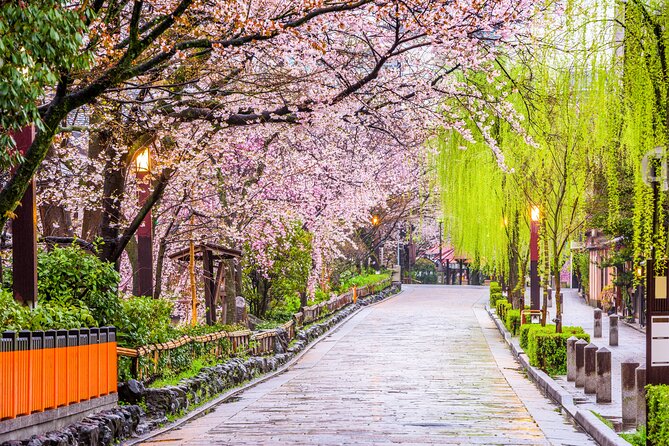
The route also includes Gion Shirakawa, a tranquil canal edged by traditional wooden houses and weeping cherry trees. No stop duration is specified for this point, but it adds a waterside stretch to a walk otherwise focused on streets, buildings, and shrines.
The canal is an appealing place to pause and take photographs, especially when the trees are in bloom. Cherry blossoms are seasonal, of course, so don’t count on seeing them outside their flowering period. The waterway and old houses still make this section worthwhile at other times of year.
This quieter scenery balances the more familiar main streets. If you want to understand Gion as more than a collection of famous landmarks, the canal helps show how its smaller lanes and waterways shape the district’s atmosphere.
More Gion tours in Kyoto:
- Best of Kyoto: Gion, Geisha, Pagodas & Cobblestones
★ 4.9 · 2,058 reviews - Night Walk in Gion: Kyoto’s Geisha District
★ 4.5 · 2,003 reviews - Kyoto Night Foodie Tour in Gion (9+ dishes + 6 Sake tastings)
★ 5.0 · 1,762 reviews - Kyoto Gion Geisha District Walking Tour – The Stories of Geisha
★ 5.0 · 1,441 reviews
Hanamikoji Street brings the route back to Gion’s public face
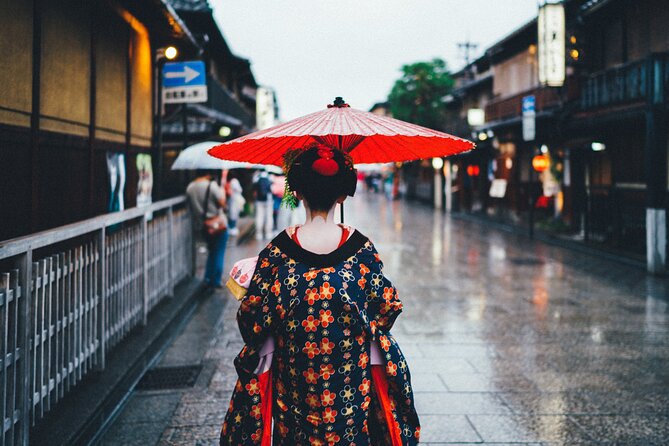
Later, the walk visits another part of Gion, including Hanamikoji Street. This main street is lined with wooden machiya houses, tea houses, shops, and restaurants. The stop is about 10 minutes, so treat it as a guided overview rather than time to browse or sit down for a meal.
Hanamikoji gives you a clearer sense of the district’s public-facing side. The traditional buildings and businesses are part of what makes Gion distinctive, while the guide can help explain how the area’s geiko culture relates to the streets around you. A short visit is useful for orientation, particularly if you plan to return later and explore at your own pace.
Gion Corner is also mentioned on the route as a venue for traditional arts performances. No stop duration is provided, so don’t assume the tour includes a performance or entry. If seeing a show is important to you, check the details before booking rather than building it into your plan.
Guides shape the experience
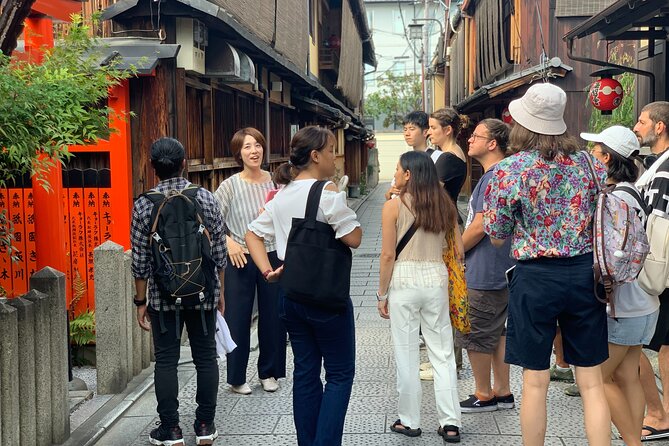
The walk’s value depends in part on the person leading it. Guides named in accounts of the tour include Takuma, Yuko, Yoko, Yuji, Hide, Tom, and Eric. The strongest experiences describe guides who explain the history and customs clearly, welcome questions, and make the group feel comfortable.
Takuma, in particular, was praised for his friendly, funny approach and explanations of geiko customs. Other guides, including Yuko and Yoko, were credited with making the history accessible and enjoyable. One account notes that Takuma tried some Spanish, which helped put that group at ease. These are examples of guide styles you might encounter, not a promise of a particular guide or language.
Experiences can vary. A few people found their guide disorganized, hard to understand, or too focused on photographs rather than explanation. If clear cultural commentary is your main reason for booking, you may want to ask about the guide and language for your departure. Once the walk starts, don’t hesitate to ask questions if you want more detail.
Is two hours and $29.85 good value?
At $29.85 per person, this is a modestly priced way to get oriented in Gion. You’re paying for a guide’s route and commentary, not admission to a series of paid attractions. Yasaka Shrine and the other listed stops have no admission charge, and the walk itself is the main event.
The value is strongest if you have limited time, are new to Kyoto, or want help understanding the connections between shrines, streets, and geiko traditions. A guide can also take you through lanes you might not find on your own. If you already know Gion well and prefer to wander without a set route, you may get less from the experience.
The tour lasts about two hours, with listed stop times of 40 minutes at Yasaka Shrine, 20 minutes in Gion, five at Tatsumi Daimyojin, 10 at Tatsumi Bridge, 20 in another Gion area, and 10 on Hanamikoji Street. Some places, including Shirakawa Canal and Gion Corner, have no stated duration. The walk’s pace and exact time at each point may therefore vary.
Practical details before you book
The tour starts and ends at Gion Kōbu Kaburenjō, and a guide can help you find your way back from the finish point. Transport to and from the meeting place, food, drinks, and personal expenses are not included. The location is near public transportation, but you’ll need to arrange your own journey there.
Wear comfortable walking shoes. The tour is not suitable for people who have difficulty going up and down stairs, and children must be accompanied by an adult. It runs rain or shine, so check the forecast and dress accordingly.
A mobile ticket is provided, and confirmation is received at booking. You can cancel for a full refund up to 24 hours before the start time; cancellations made less than 24 hours ahead are not refundable, and changes inside that period are not accepted. All times follow local time in Kyoto.
There is also information about a kimono plan. If you choose that option, you must walk from the rental store to the Japan Kanji Museum & Library after changing, a journey of about five minutes. You must return the kimono by 5:30 p.m. after the tour, so check that timing against your plans.
Should you book the Gion walk?
Book this tour if you want a compact, guided introduction to Gion and value cultural explanation as much as good scenery. The small group, shrine visit, canal lanes, and focus on geiko traditions make it a sensible first walk through the district, particularly if you have only a short stay in Kyoto.
Skip it if you want a guaranteed geiko sighting, a long stop at each landmark, or a fully accessible route without stairs. For most curious first-time visitors who are comfortable walking, the $29.85 price is fair for two hours of local context and an easier way to find your bearings.
FAQ
How long is the Kyoto Geisha District Walking Tour?
The walk lasts approximately two hours.
How many people can join the tour?
The maximum group size is 10 people.
Is a geiko or maiko sighting guaranteed?
No. You might see one during the walk, but sightings are not guaranteed.
Where does the tour start and finish?
It starts and ends at Gion Kōbu Kaburenjō, 570-2 Gionmachi Minamigawa, Higashiyama Ward, Kyoto.
Does the tour run in bad weather?
Yes. The tour takes place rain or shine, so wear comfortable walking shoes and plan for the weather.
Can children join the walk?
Yes. Children must be accompanied by an adult. The tour is not suitable for people who cannot manage stairs.
More walking tours in Kyoto
- Nishiki Market Brunch Walking Tour (7 Tastings + Brunch)
★ 5.0 · 1,355 reviews - Kyoto Arashiyama Walking Tour: Bamboo, Monkeys, Gardens & Secrets
★ 5.0 · 1,216 reviews - Kyoto Gion: 2-Hour Geisha Culture & History Walking Tour
★ 5.0 · 1,186 reviews - Nara Half Day Trip Walking Tour (Private Option Available)
★ 5.0 · 937 reviews
Newly added in Kyoto
- Uji: Private immersion into Kyoto’s tea and reglious culture★ 5.0 · 17 reviews
- Whisk Your Own Matcha: A Zen Matcha Experience at Temple★ 3.6 · 7 reviews
- Kyoto tea town for matcha lovers★ 5.0 · 16 reviews
- Treasures of Kyoto: Gion & historical Walking Tour★ 5.0 · 6 reviews
- Kyoto Matcha Green Tea Tour★ 4.5 · 23 reviews
- Uji and Wazuka Matcha Farm Half Day Private Guided Tour★ 5.0 · 21 reviews
- Uji Tea Ceremony and UNESCO Heritage Walking Tour★ 5.0 · 20 reviews
- Utilising upcycled Matcha! Creating matcha incense (Uji, Kyoto)★ 5.0 · 6 reviews
Kyoto Geisha Tours, compared.
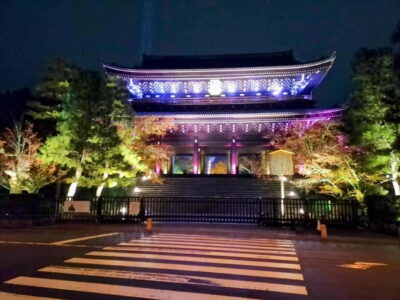
Kyoto Geisha Walking Tour: Gion District & Hidden Gems
Read our review →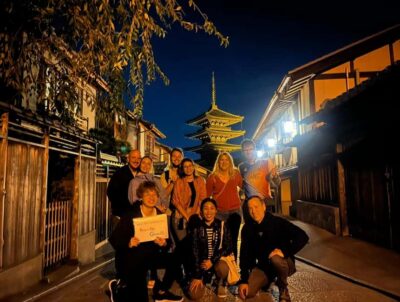
Gion Magical Night Walking Tour with Geisha Trivia
Read our review →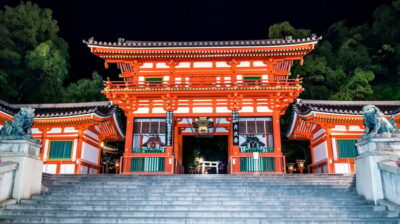
Gion Geisha District Walking Tour – Stories of Geisha
Read our review →
Best of Kyoto: Gion, Geisha, Pagodas & Cobblestones
Read our review →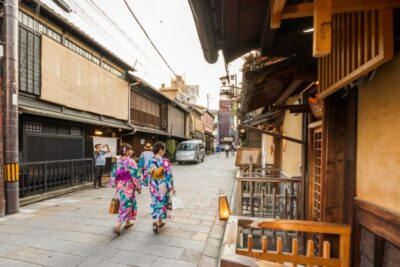

Kyoto Gion Cultural Walk & Geisha Show with Dining Options
Read our review →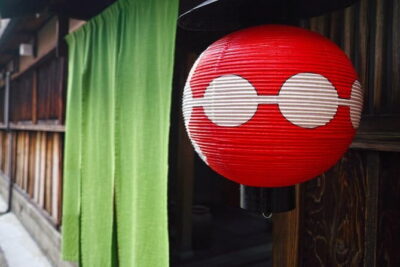
Browse the lists this tour appears in