
Reviewed · GION TOURS
Kioto: Gion Tour, recorrido a pie (Español/Castellano)
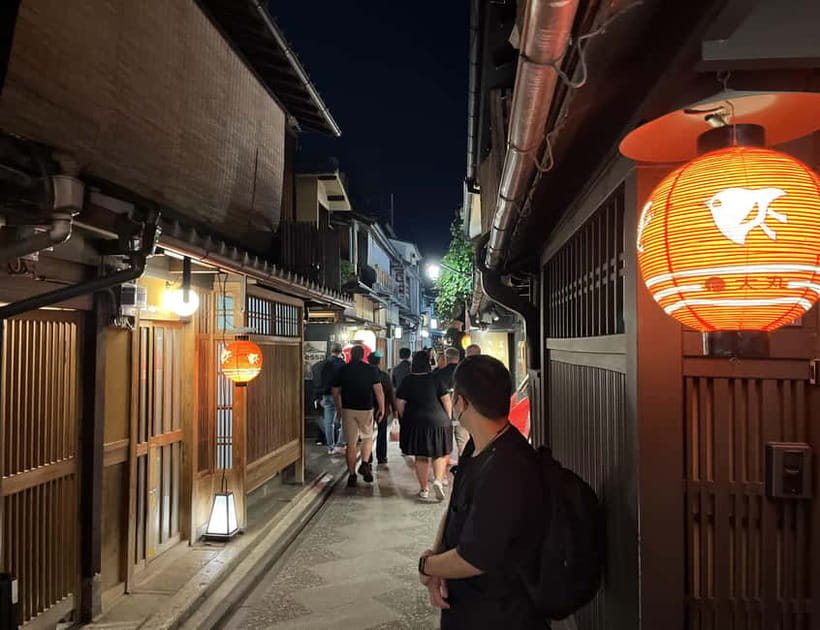
Gion is more than a pretty lane of wooden houses and a chance sighting of a maiko. This two-hour walk connects three of Kyoto’s historic geisha districts with stories about the people, customs, and city history that are easy to miss when you wander without context.
I like the small group, limited to six, and the chance to ask a guide about what catches your eye, from geiko traditions to everyday life in Japan. I also like that the route includes Pontocho and Gion-Higashi, not just the best-known corners of Gion. One thing to keep in mind: Hanamikoji-dori is not on the route, and a maiko or geiko sighting is never guaranteed.
At a glance
- Three hanamachi: Visit Pontocho, Gion-Kobu, and Gion-Higashi, three of Kyoto’s five historic geisha districts.
- A 3.3-kilometer walk: Expect about two hours on foot, with stops for explanation along the way.
- Spanish-language guiding: The tour is in Spanish and is capped at six participants.
- Stories beyond the scenery: Learn about Kyoto, geiko and maiko life, local customs, and daily life in Japan.
- Yasaka Shrine, time permitting: The shrine is tied to Gion’s name and the roots of the Gion Festival.
- No guaranteed maiko sighting: Go for the neighborhood and its context, not a promised encounter.
Three historic districts, one walk
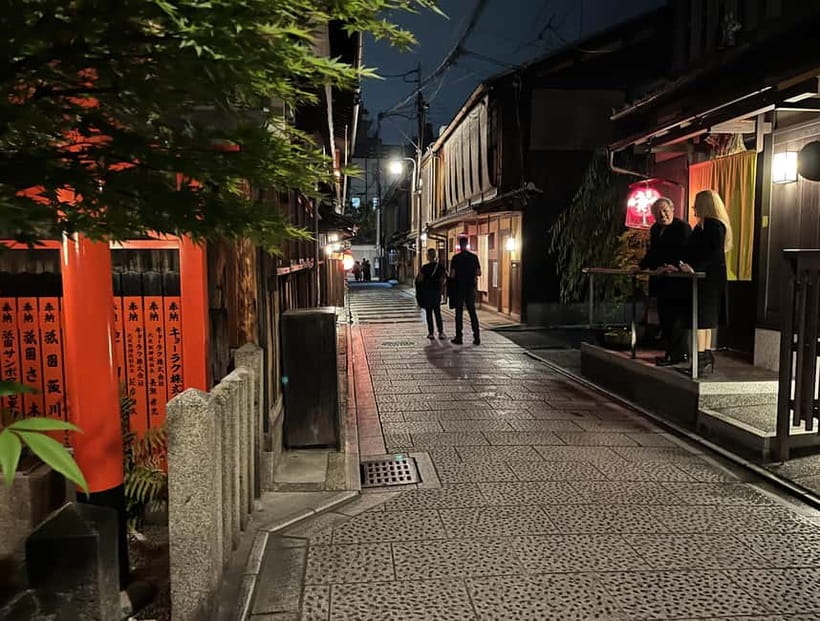
Kyoto’s hanamachi are neighborhoods associated with geiko and maiko, the professional entertainers whose work and training are part of Japan’s cultural life. This route takes you through Pontocho, Gion-Kobu, and Gion-Higashi, three of the city’s five hanamachi.
The districts are not simply outdoor exhibits. They are real neighborhoods with narrow streets, preserved buildings, shrines, bridges, and places that can be easy to pass without knowing their significance. A guide helps you read the details and understand how these areas fit into Kyoto’s past and present.
The tour’s main strength is that it gives you several perspectives on Gion rather than concentrating on one famous street. You get a broader sense of how the historic entertainment districts relate to the surrounding city, and how old customs sit alongside modern life.
More Gion tours in Kyoto:
- Kyoto Geisha Walking Tour: Gion District & Hidden Gems
★ 4.7 · 3,273 reviews - Kyoto: Gion Magical Night Walking Tour with Geisha Trivia
★ 4.9 · 2,393 reviews - Kyoto: Gion Geisha District Walking Tour – Stories of Geisha
★ 4.7 · 2,187 reviews
Pontocho Alley and the Kamo River
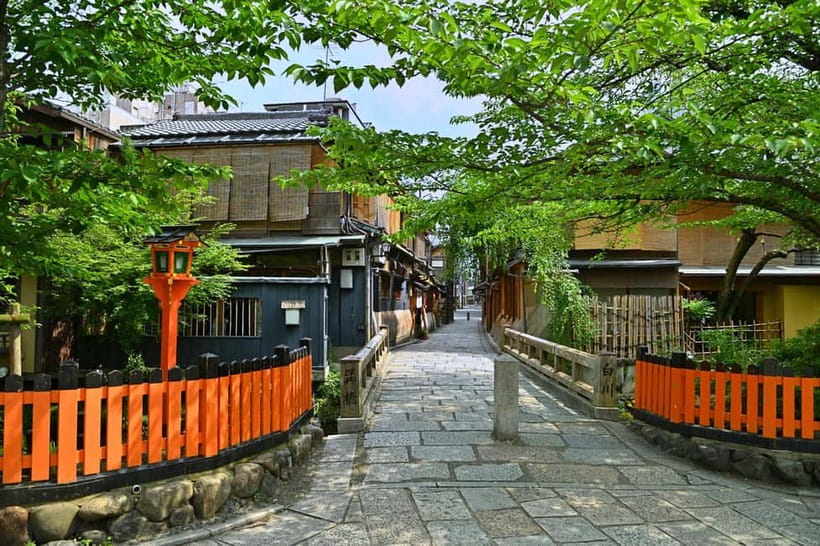
The walk begins in Pontocho, a narrow alley district close to the Kamo River. Wooden buildings and close-set lanes give this first stretch a distinct character, while the river provides a useful point of orientation in central Kyoto.
Your guide also takes you to Pontocho Kaburenjo, a venue connected with traditional performance. The stop is a chance to hear about the arts and working life associated with the hanamachi, rather than treating the district as a photogenic backdrop.
The route includes the Yagi-san and Kita-san statues, then crosses or visits the area around Sanjo Ohashi, the Sanjo Bridge. These details help make the walk more than a procession through attractive streets. You can ask questions as you go, and the small group format should make it easier to hear the guide and follow up on a topic that interests you.
Gion-Kobu’s preserved streets
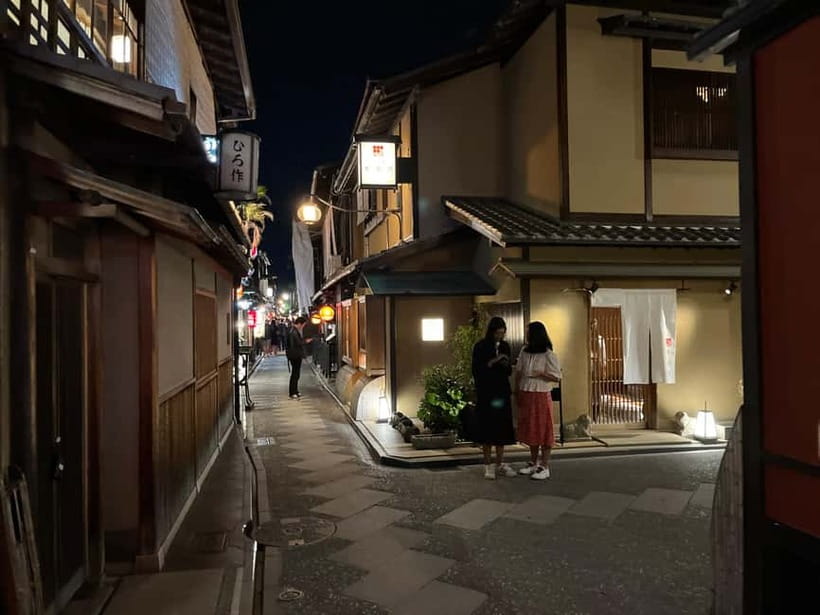
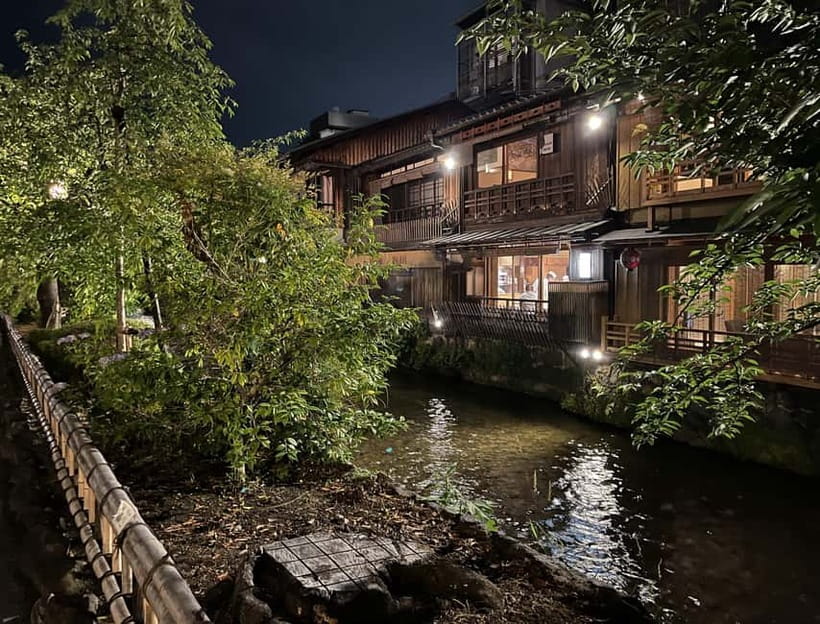
From Pontocho, the walk continues along Yamato Dori toward Gion-Kobu. The route includes Gion-Shinbashi Dori and Gion Shirakawa, areas known for their historic character and preserved streetscapes.
Here you can expect to see wooden machiya houses and lanes that give a sense of the older neighborhood. The guide explains the district’s history and the customs connected with geiko and maiko, including aspects of their routines and professional lives. That context matters: a passing glance at a building can tell you it is old, but a guide can explain why the area is important and what traditions are tied to it.
Gion-Kobu is also a good place to slow down and pay attention. The appeal is not only in spotting a particular person or entering a particular venue. It is in understanding the neighborhood as a living part of Kyoto, with a history that reaches beyond the most famous streets.
Bridges, shrines, and Gion-Higashi
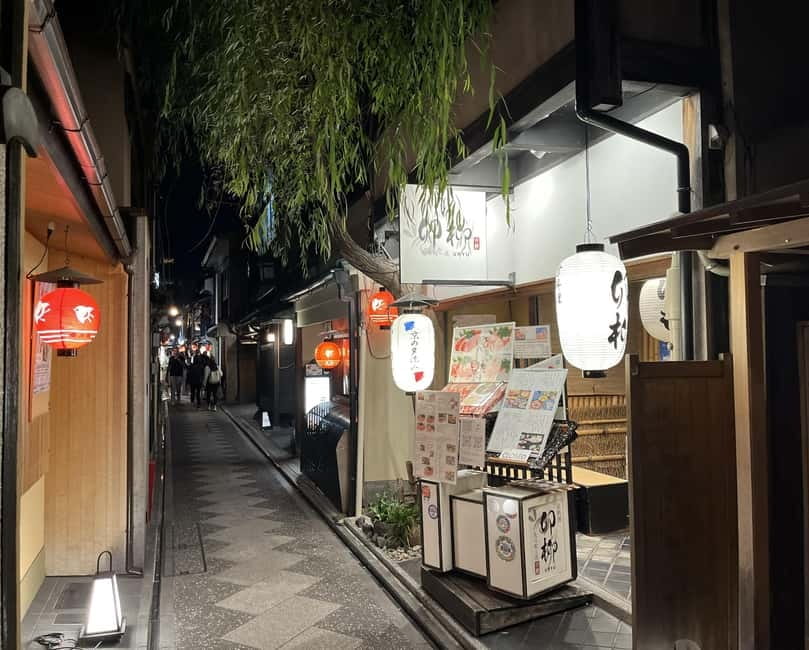
Tatsumi Jinja and Tatsumi Bridge are among the route’s stops in the Gion area. Together with the nearby lanes, they offer a change of pace from the larger streets and a chance to hear how local landmarks relate to the surrounding district.
The tour then visits Gion-Higashi, another of Kyoto’s hanamachi. Seeing it alongside Pontocho and Gion-Kobu helps you compare the character and layout of different historic districts. You are not simply being led to one photo spot; the route is designed to show how several neighborhoods form part of Kyoto’s cultural story.
The final major stop is Yasaka Shrine, formerly called Gion Shrine. The name connects directly to Gion, and the shrine’s history reaches back more than 1,100 years. If time allows, the guide may also explain the Gion Festival, one of Japan’s three most important festivals, with origins tied to this district.
The shrine visit is conditional, so treat it as a possible part of the walk rather than a firm promise. Even without an extended stop, the guide can give you useful background on the shrine and the festival if the timing permits.
More Kyoto tours in Kyoto:
- PERFECT KYOTO 1-Day Bus Tour
★ 5.0 · 13,518 reviews - Kyoto: Fushimi Inari, Kinkakuji, Bamboo Grove 1 Day Bus Tour
★ 4.8 · 4,316 reviews - Kyoto: Tea Ceremony in a Traditional Tea House in Kiyomizu
★ 4.9 · 3,519 reviews - Kyoto: Tea Ceremony Ju-An at Jotokuji Temple
★ 4.9 · 3,207 reviews
What you learn about maiko and geiko

The tour covers the history of the hanamachi and the life of maiko and geiko, including their practices, activities, and routines. Those explanations are especially useful if you have seen photographs or performances but are unsure about the differences between the terms or the traditions behind them.
You can also ask about things you notice along the way, or bring broader questions about Japan. That open-ended element is a real plus. The guides are described as welcoming questions and adjusting their explanations to the group, and the small limit of six makes a conversational pace more likely than a lecture aimed at a crowd.
Guides José and Juan have both led this walk. José has been praised for his detailed explanations, friendly manner, and willingness to adapt to questions, while Juan has also been noted for sharing lesser-known passages and details. Guide assignments can vary, so book for the route and format rather than assuming a particular person will lead your date.
A careful approach to a working neighborhood
Gion’s appeal can attract people hoping to see a maiko or geiko. This tour does not promise that, and it is sensible to set expectations accordingly. A sighting depends on chance, and the walk is more rewarding when you value the architecture, history, and explanation as much as any possible encounter.
It is also important to remember that the hanamachi are neighborhoods, not staged attractions. The guide helps put the streets into context, but you should still be considerate, follow local guidance, and avoid treating residents or workers as photo opportunities.
One notable route detail: Hanamikoji-dori is not included. If this particular street is a priority, plan to visit it separately. The tour instead spreads its time among several districts and historic points, which makes it a better choice for a broad introduction than for a focused tour of one famous lane.
Timing, walking distance, and what to bring
The tour lasts two hours and covers about 3.3 kilometers, or roughly two miles. That is a manageable distance for most people who are comfortable walking, but it is still an outdoor tour with time spent on your feet. Wear comfortable shoes and bring water.
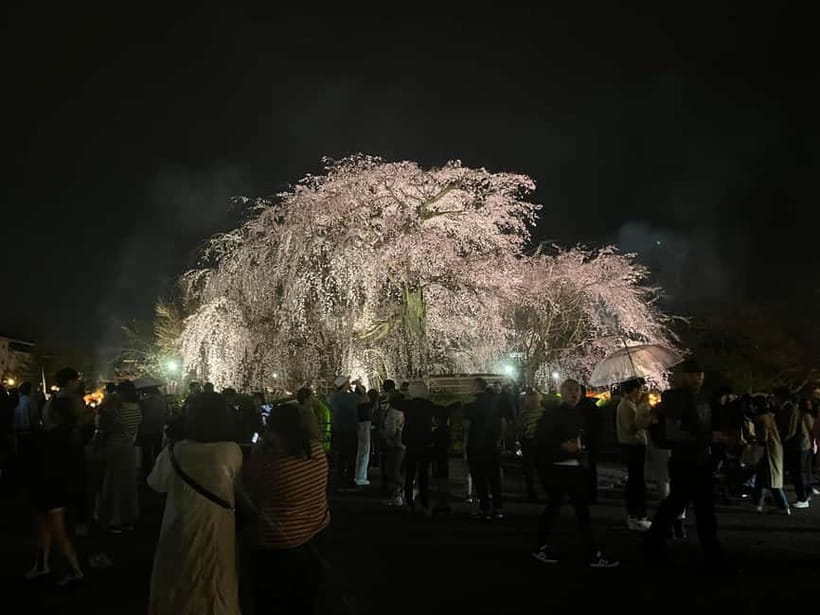
Kyoto weather can make a short walk feel longer, especially in sun or rain. A sun hat, sunscreen, and umbrella are recommended, so check the forecast and pack accordingly. During cherry blossom season, usually from late March to early April, the route may change to include cherry blossoms around Gion.
The 9:45 and 12:30 departures may include a free visit to the Gion Gallery if the group wants to extend the tour. This is optional and involves extra time, so allow for that possibility if you have a tight schedule afterward.
Is $35 a fair price?
At $35 per person, you are paying for a two-hour guided walk in Spanish, not transport, food, or other included services. There are no additional services offered on the tour. The value comes from having a guide connect the streets and landmarks to Kyoto’s history, explain geiko and maiko culture, and answer questions in a group limited to six.
That price makes the most sense if you want more than a self-guided stroll. The route covers three hanamachi and several specific sites, and the guide’s explanations can help you notice details you might otherwise walk past. If you already know the area well or prefer to explore at your own pace, you may get less from the fee.
The tour also offers flexible booking terms: you can reserve now and pay later, and cancel up to 24 hours ahead for a full refund. Those terms are useful if your Kyoto plans are still shifting, though they do not change the experience itself.
Who should book this Gion walk?

I would choose this tour if you want a compact introduction to Gion and nearby historic districts, especially if Spanish is your preferred language. It suits curious visitors who like asking questions, want a guide to explain cultural context, and are happy to walk through streets rather than spend the time inside museums.
It is also a good fit if you want to understand the geiko and maiko tradition without making a sighting the main goal. The route gives you a useful framework for exploring the area again on your own later.
You may want a different plan if Hanamikoji-dori is your main target, if you need a guaranteed encounter with a maiko or geiko, or if you do not want a two-mile walk. For everyone else, this is a thoughtful way to put Gion’s famous image into a wider city story.
FAQ

What language is the tour in?
The live tour guide speaks Spanish.
How long does the tour last?
The walk lasts two hours.
How far does the group walk?
The route is about 3.3 kilometers, or two miles.
How many people can join?
The small group is limited to six participants.
Which districts does the tour visit?
The route visits Pontocho, Gion-Kobu, and Gion-Higashi, three of Kyoto’s five hanamachi.
Is Hanamikoji-dori included?
No. Hanamikoji-dori is not included in the route.
Is a maiko or geiko sighting guaranteed?
No. A sighting cannot be guaranteed.
Does the tour visit Yasaka Shrine?
Yasaka Shrine is included if time allows.
Can the route change during cherry blossom season?
Yes. In late March or early April, the route may be adjusted to show cherry blossoms around Gion.
What should I bring?
Wear comfortable shoes and bring water, a sun hat, sunscreen, and an umbrella.
Newly added in Kyoto
- Uji: Private immersion into Kyoto’s tea and reglious culture★ 5.0 · 17 reviews
- Whisk Your Own Matcha: A Zen Matcha Experience at Temple★ 3.6 · 7 reviews
- Kyoto tea town for matcha lovers★ 5.0 · 16 reviews
- Treasures of Kyoto: Gion & historical Walking Tour★ 5.0 · 6 reviews
- Kyoto Matcha Green Tea Tour★ 4.5 · 23 reviews
- Uji and Wazuka Matcha Farm Half Day Private Guided Tour★ 5.0 · 21 reviews
- Uji Tea Ceremony and UNESCO Heritage Walking Tour★ 5.0 · 20 reviews
- Utilising upcycled Matcha! Creating matcha incense (Uji, Kyoto)★ 5.0 · 6 reviews
Gion Tours, compared.
Kyoto Geisha Walking Tour: Gion District & Hidden Gems
Read our review →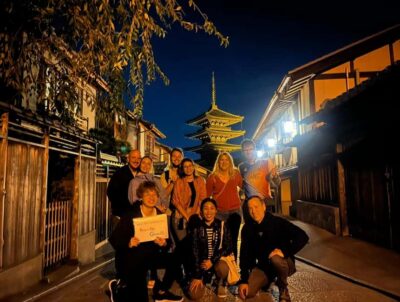
Gion Magical Night Walking Tour with Geisha Trivia
Read our review →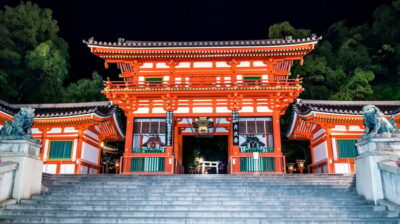
Gion Geisha District Walking Tour – Stories of Geisha
Read our review →
Best of Kyoto: Gion, Geisha, Pagodas & Cobblestones
Read our review →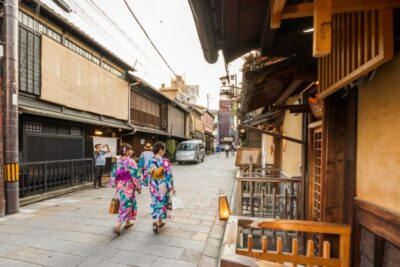

Kyoto Night Foodie Tour in Gion (9+ dishes + 6 Sake tastings)
Read our review →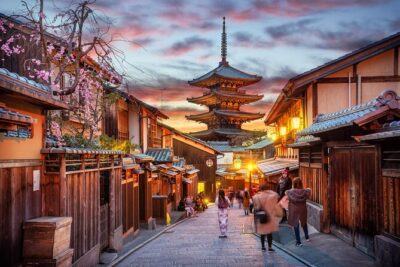

Chopsticks Making Workshop in Gion with Engraving Option
Read our review →Browse the lists this tour appears in