
Reviewed · KYOTO GEISHA TOURS
Kyoto: Gion and Geisha District Walking Tour
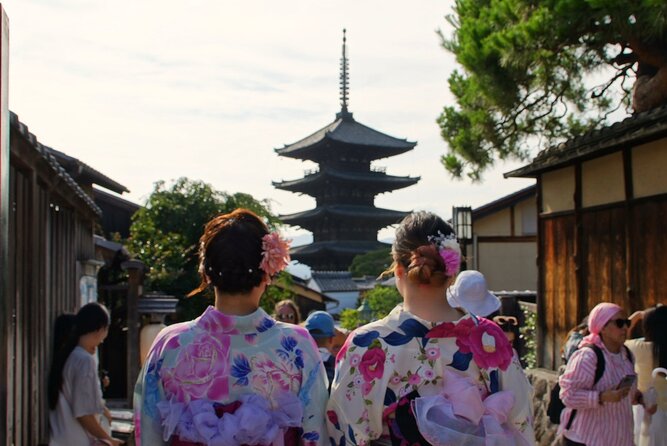
Gion is more than a pretty street of wooden teahouses. On this walk, a guide helps you read the neighborhood: the shrines, lantern-lit lanes, and customs behind Kyoto’s geisha culture. The route also reaches nearby Higashiyama, giving you a useful introduction to several historic corners in one outing.
I like two things in particular: the small group, capped at 10, makes it easier to hear the guide and ask questions, and the stories give context to places that can otherwise look like a string of photogenic streets. The main consideration is that six stops fit into about two hours, so this is an overview, not a slow visit to every shrine or shop.
What to know before you go

- Gion is the focus, but the route ranges beyond it. Stops include Yasaka Shrine, Maruyama Park, Nene-no-Michi, Ninenzaka and Sannenzaka, Yasui-Konpiragu, and Hanamikoji Street.
- The geisha context is a key part of the walk. Expect explanations of local culture and advice on places where you might spot geisha, not a guaranteed sighting.
- The group is small. A maximum of 10 travelers allows for a more personal pace than a large coach tour.
- The guides named for this tour include Sam, Shin, Amy, Tim, Maria, and Naoya. Their style is often praised for clear English, warmth, and lively storytelling.
- The listed price is $22.55 per person. For a two-hour guided walk, that is a modest way to add context to a district you could explore on your own.
- You start and finish at the same place. Meet at Starbucks Coffee, on the first floor of the Gion Hotel, at 555 Gionmachi Minamigawa.
A two-hour walk through Gion and Higashiyama
This tour is a good fit if you want an introduction to Gion without spending half a day on a single neighborhood. The advertised length is about two hours, with six stops ranging from 10 to 20 minutes. That leaves some of the time for walking between sites and listening to the guide.
You get an English-speaking guide, and admission to Gion and Hanamikoji Street is included. The stops listed are free to enter, so the price mainly pays for the guided experience: local explanation, historical stories, and help noticing details you might pass without a second look.
The pace is best understood as a guided sampler. You will see several key places, but you should not expect long stretches of free time at each one. If you want to linger over photographs, browse shops, or visit a shrine at length, plan to return after the tour.
More geisha and maiko experiences in Kyoto:
- Kyoto Geisha Walking Tour: Gion District & Hidden Gems
★ 4.7 · 3,273 reviews - Kyoto: Gion Magical Night Walking Tour with Geisha Trivia
★ 4.9 · 2,393 reviews - Kyoto: Gion Geisha District Walking Tour – Stories of Geisha
★ 4.7 · 2,187 reviews
Starting at Yasaka Shrine
The walk begins at Yasaka Shrine, a major Shinto site between Gion and Higashiyama. Its vermilion gate and lantern-lit paths give the guide a natural starting point for explaining the role of shrines in local life and setting the scene for the neighborhood ahead.
The stop is scheduled for about 20 minutes, the longest listed on the route. That gives you time to take in the setting and hear some context, though not to explore every corner at leisure. The tour is free to enter, so you are not paying an extra admission fee here.
A guide can also make shrine customs less opaque. If you have visited Japanese shrines before, you may already know the basic rituals; if not, this is a useful place to ask questions before the walk moves on.
A pause beneath Maruyama Park’s trees
From the shrine, the route visits Maruyama Park, Kyoto’s oldest public park. It is known for seasonal beauty and its weeping cherry trees, and its setting offers a change of pace from the old streets and buildings.
The stop lasts about 10 minutes, so treat it as a short look rather than a proper park visit. The seasonal character will depend on when you come. Cherry trees are a highlight in spring, but the park is included for its broader atmosphere, not only for blossoms.
One of the tour’s strengths is this mix of settings. You move between sacred sites, public green space, and narrow historic lanes, while the guide links them to Kyoto’s customs and past. That variety helps keep a short walk from feeling like a parade of buildings.
Following Nene-no-Michi toward the old lanes
Nene-no-Michi is a picturesque lane named for Nene, the wife of the samurai warlord Toyotomi Hideyoshi. Preserved traditional buildings, small shops, and teahouses line the route, giving the guide plenty to point out as you walk.
The scheduled stop is about 10 minutes. You will have time to take in the street and hear why it matters, but this is not a shopping stop with a long browsing break built in. If a shop catches your eye, note its location and come back later.
The tour also brings in stories about samurai, adding a broader historical thread to its focus on Gion and geisha culture. That context is useful: Kyoto’s old streets are not just a backdrop for photographs, but places shaped by people, work, and changing traditions.
More Gion tours in Kyoto:
- Best of Kyoto: Gion, Geisha, Pagodas & Cobblestones
★ 4.9 · 2,058 reviews - Night Walk in Gion: Kyoto’s Geisha District
★ 4.5 · 2,003 reviews - Kyoto Night Foodie Tour in Gion (9+ dishes + 6 Sake tastings)
★ 5.0 · 1,762 reviews - Kyoto Gion Geisha District Walking Tour – The Stories of Geisha
★ 5.0 · 1,441 reviews
Walking the stone slopes of Ninenzaka and Sannenzaka
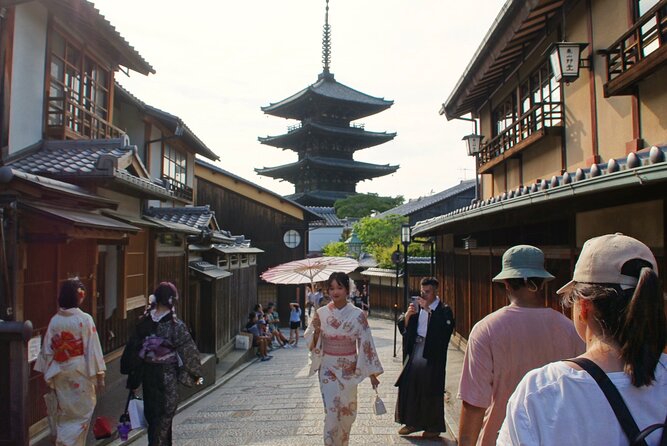
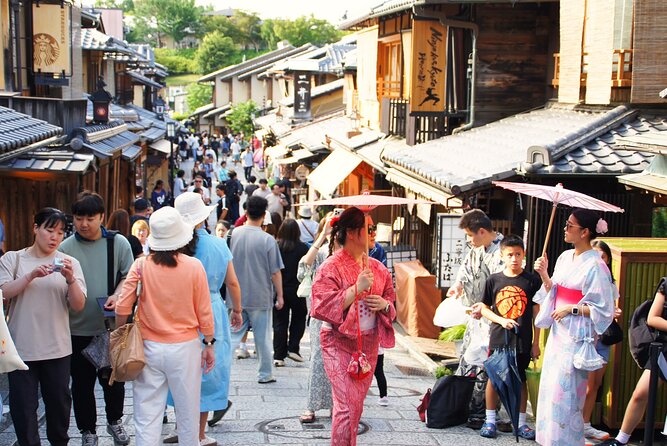
The route continues to the historic slopes of Ninenzaka and Sannenzaka, with stone paving, wooden buildings, and artisan shops. They are among the area’s most recognizable streets, and they can feel like a step back in time when you know what to look for.
The stop is about 15 minutes. That is enough to see the streets and hear some history, but not enough to visit every shop or avoid the crowds if the lanes are busy. Keep your expectations practical: this is a moving walking tour, not a private hour among the storefronts.
A guide’s commentary is especially useful here because the architecture can otherwise blur into one attractive view after another. Look for how the old buildings shape the street, and listen for the stories that connect the area to Kyoto’s past.
The unusual custom at Yasui-Konpiragu
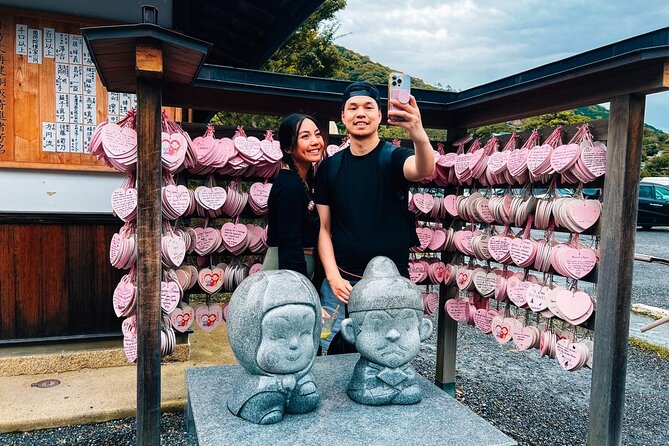
Yasui-Konpiragu is a smaller shrine known for its Power Stone archway. People crawl through the opening to pray for strong relationships or to break ties with the past. It is a memorable custom, and one of the more distinctive stops on the route.
The visit is scheduled for about 10 minutes. The story gives the shrine an accessible point of entry, even if you are not familiar with Shinto practice. You can see the site and hear how the tradition is understood, without needing to treat it as a spectacle.
This stop also shows the range of the walk. The tour is not only about grand shrines or famous streets; it includes customs that feel personal and local. If you are curious about how older traditions remain part of everyday life, this is a good place to listen closely.
Ending on Hanamikoji Street
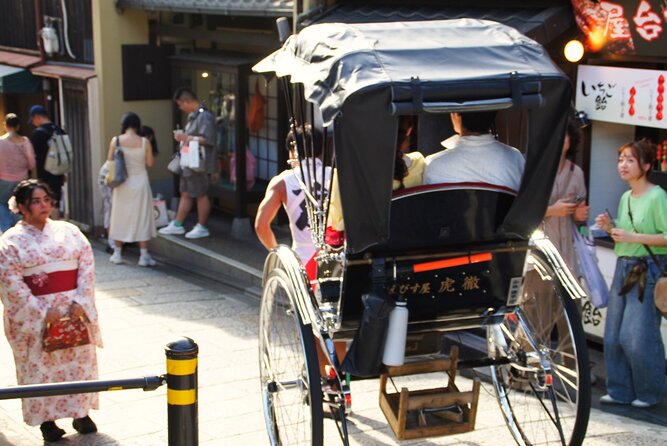
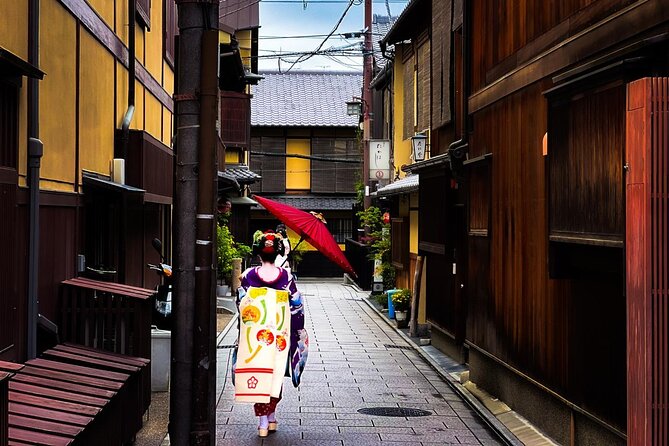
Hanamikoji Street is the route’s final listed stop and the heart of Gion. Preserved wooden machiya townhouses, teahouses, and lanterns create the setting most people picture when they think of the district.
The stop lasts about 15 minutes. Here, the guide can explain the geisha world and point out places where you might spot geisha. That is practical advice, not a promise: geisha sightings are never guaranteed, and the value of the walk does not depend on seeing one.
The emphasis is on understanding the culture and the neighborhood, rather than treating geisha as a photo opportunity. Be considerate, follow the guide’s advice, and remember that Gion is a lived-in district as well as a place of traditional entertainment.
The tour ends back at the starting point. That makes it simple to continue exploring on your own, return to a street you want to see again, or head elsewhere without needing to arrange a separate trip back.
What the guides add
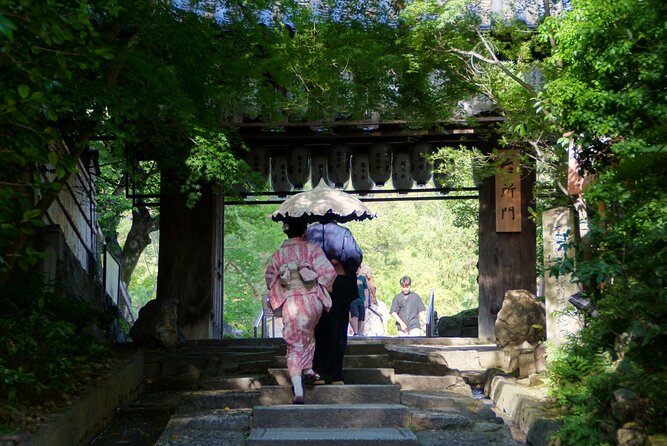
The strongest reason to choose this tour is the guide. The route is easy to walk independently, but the history, customs, and local pointers are what turn it into more than a scenic stroll.
Named guides include Sam, Shin, Amy, Tim, Maria, and Naoya. Their approach, as reflected in descriptions of the experience, is warm and story-led. Sam is noted for accommodating the group and speaking clear English; Maria for staying organized and finding shade during hot weather; Amy for making history and culture engaging. Tim and Naoya are also singled out for friendly explanations and vivid storytelling.
These details matter because a two-hour tour depends on the person leading it. Clear English helps you follow the cultural explanations, while a guide who welcomes questions can make the walk feel more personal. Still, you cannot select a particular guide based on the information provided, so book for the route and format rather than expecting one named person.
Is $22.55 good value?
At $22.55 per person for about two hours, the tour costs roughly $11.28 per hour. That is a reasonable price for a small-group walk with an English-speaking guide, especially if you want cultural context rather than only directions and photo stops.
You can walk through these areas without paying for a tour, and the listed stops do not require paid admission. The value comes from having someone explain the geisha culture, shrine traditions, samurai stories, and architectural details as you go. If you enjoy researching a neighborhood on your own, you may prefer to keep the money and explore at your own pace.
For a first visit to Kyoto, I see the tour as a useful orientation. You get a clear route through several connected sights, plus tips for continuing your own exploration. The maximum group size of 10 is another plus: it is small enough to feel more direct, though not a private guide experience.
Who should book this walk?
Book it if Gion is high on your Kyoto list and you want more than attractive streets without context. It suits first-time visitors, travelers curious about geisha culture, and anyone who enjoys hearing local history while walking. It can also help you decide which corners deserve a return visit.
It is less suited to someone who wants a slow, unstructured stroll or a guaranteed geisha encounter. The schedule gives each stop a set window, and the route covers several areas in a short time. If lingering is your priority, use the walk as an introduction and return on your own afterward.
Wear shoes you are comfortable walking in, and be ready for the tour to move between outdoor sites and historic lanes. The meeting point is near public transportation, and most travelers can participate. A mobile ticket is provided. Free cancellation is available until 24 hours before the experience; cancellations within 24 hours are not refunded.
Should you book it?
For $22.55, this is a sensible choice if you want a compact, guided introduction to Gion and nearby Higashiyama. Its best feature is not simply the scenery, but the guide’s ability to explain what you are seeing and offer practical pointers about the district.
Go in expecting a brisk overview, not a private visit or a guaranteed geisha sighting. If that suits your plans, the small group, clear route, and cultural storytelling make this a worthwhile way to start exploring Kyoto.
FAQ
How long is the walking tour?
The tour lasts about two hours.
What is the maximum group size?
The tour has a maximum of 10 travelers.
What language does the guide speak?
An English-speaking guide is included.
Where does the tour start?
It starts at Starbucks Coffee on the first floor of the Gion Hotel, at 555 Gionmachi Minamigawa, Higashiyama Ward, Kyoto.
Where does the tour end?
It ends back at the meeting point.
Which places are included in the route?
The stops are Yasaka Shrine, Maruyama Park, Nene-no-Michi, Ninenzaka and Sannenzaka, Yasui-Konpiragu, and Hanamikoji Street.
Does the tour guarantee a geisha sighting?
No. The guide offers tips on places where you might spot geisha, but a sighting is not guaranteed.
Can I cancel for a refund?
You can cancel at least 24 hours before the start time for a full refund. Cancellations made less than 24 hours before the start time are not refunded.
More walking tours in Kyoto
- Nishiki Market Brunch Walking Tour (7 Tastings + Brunch)
★ 5.0 · 1,355 reviews - Kyoto Arashiyama Walking Tour: Bamboo, Monkeys, Gardens & Secrets
★ 5.0 · 1,216 reviews - Kyoto Gion: 2-Hour Geisha Culture & History Walking Tour
★ 5.0 · 1,186 reviews - Nara Half Day Trip Walking Tour (Private Option Available)
★ 5.0 · 937 reviews
Newly added in Kyoto
- Uji: Private immersion into Kyoto’s tea and reglious culture★ 5.0 · 17 reviews
- Whisk Your Own Matcha: A Zen Matcha Experience at Temple★ 3.6 · 7 reviews
- Kyoto tea town for matcha lovers★ 5.0 · 16 reviews
- Treasures of Kyoto: Gion & historical Walking Tour★ 5.0 · 6 reviews
- Uji and Wazuka Matcha Farm Half Day Private Guided Tour★ 5.0 · 21 reviews
- Kyoto Matcha Green Tea Tour★ 4.5 · 23 reviews
- Uji Tea Ceremony and UNESCO Heritage Walking Tour★ 5.0 · 20 reviews
- Utilising upcycled Matcha! Creating matcha incense (Uji, Kyoto)★ 5.0 · 6 reviews
Kyoto Geisha Tours, compared.
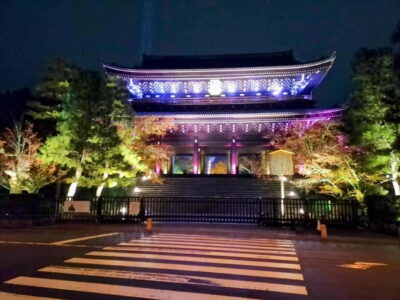
Kyoto Geisha Walking Tour: Gion District & Hidden Gems
Read our review →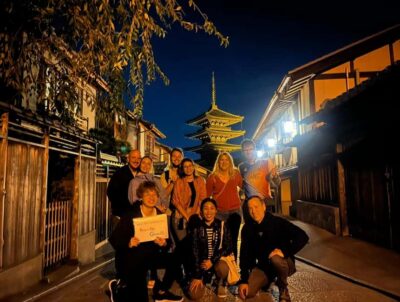
Gion Magical Night Walking Tour with Geisha Trivia
Read our review →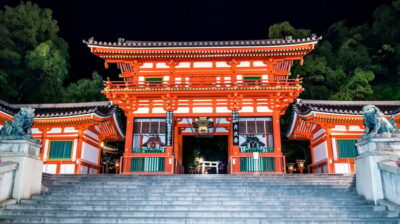
Gion Geisha District Walking Tour – Stories of Geisha
Read our review →
Best of Kyoto: Gion, Geisha, Pagodas & Cobblestones
Read our review →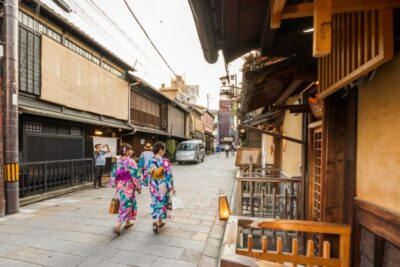

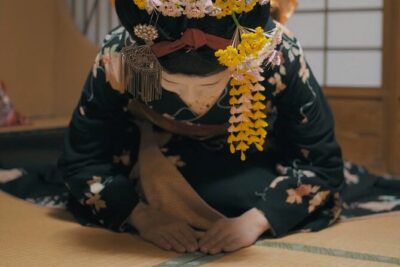
Kyoto Gion Cultural Walk & Geisha Show with Dining Options
Read our review →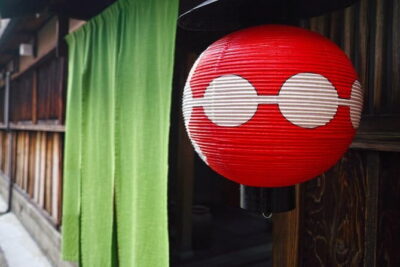
Browse the lists this tour appears in