
Reviewed · KYOTO COOKING CLASSES
Kyoto Ramen Bowl Painting and Michelin Cooking Class
This Kyoto class gives you two souvenirs of a different sort: the ramen you make and eat, and a bowl you paint yourself. At Musoshin Ramen Academy, chef Shin leads the cooking, sharing a recipe and the steps behind the dish. The class lasts about 90 minutes and is capped at 12 people.
I like that the ingredients come from the nearby Musoshin Gion shop, and that vegetarian and vegan ramen are available. I also like that bowl painting is part of the experience, not an extra activity you have to find elsewhere.
One practical wrinkle: the activity details name three temples, but the experience itself is described as a cooking and bowl-painting class. No temple visits or travel between those sites are explained, so book this for the workshop, not as a temple tour.
Key points
- Cook with chef Shin: Learn to make ramen at an academy run by Musoshin Ramen, a restaurant group with locations in Kyoto and Toronto.
- Eat the ramen you prepare: The class uses ingredients brought from the nearby Musoshin Gion shop, where the chef prepares ramen.
- Vegetarian and vegan options: You can request a plant-based ramen variation.
- Paint a bowl upstairs: Keep it as it is, or have it fired in a special oven and collect it the next morning or later.
- A small class with a useful keepsake: The group is limited to 12, and a bandana is included as a souvenir.
- Check the temple references: Kiyomizu-dera, Kennin-ji, and Sanjusangendo appear in the activity details, but no temple stops are described as part of the class.
A ramen class with a bowl to take home
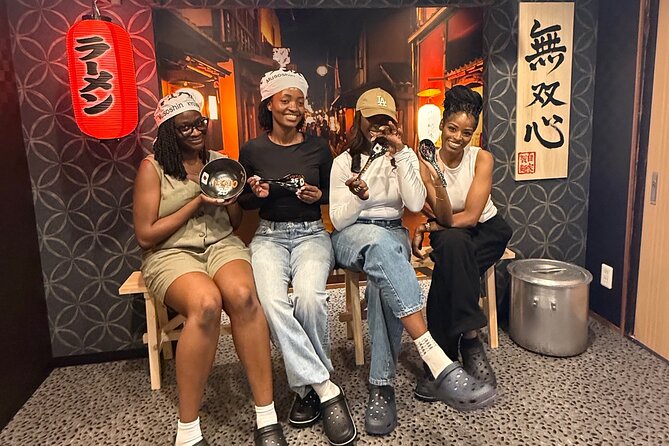
Musoshin Ramen Academy offers more than a cooking demonstration. You take part in making ramen, sit down to eat what you have prepared, and then move upstairs to paint a bowl. That makes the 90-minute session a compact introduction to both the food and a hands-on craft.
Musoshin Ramen operates the academy and has three locations in Kyoto and three in Toronto. Its Toronto location has been nominated for Michelin three times. That is worth understanding clearly: the information describes the Toronto restaurant as nominated, not as holding a Michelin star. The class itself is promoted as a chance to learn to make Michelin-starred ramen, but the specific Michelin detail provided is the Toronto nominations.
The experience has an appealing connection to the restaurant. The ramen ingredients are brought over from Musoshin’s nearby Gion shop, and the academy says they are ingredients the chef used to make ramen the day before. That link gives the lesson a practical footing: you are not simply watching a generic cooking demonstration, but learning from a ramen business that serves the dish in its own shops.
More cooking classes in Kyoto:
- Ramen Cooking Class at Ramen Factory in Kyoto
★ 5.0 · 1,937 reviews - Sushi Making in Kyoto! Same-day bookings welcome!
★ 5.0 · 713 reviews - Kyoto: Ramen Cooking Class at a Ramen Factory with Souvenir
★ 4.9 · 532 reviews
Learning from chef Shin
Chef Shin leads the class, and the personal element is a big part of its appeal. The experience is described as a chance to ask about the recipe and the cooking process, while the class itself is small enough to allow for a more direct exchange than a large group demonstration. With a maximum of 12 participants, you are not signing up for a packed lecture hall.
Ramen has several components, and the class focuses on what goes into making the dish rather than treating it as a bowl of noodles with a quick topping. The available information does not spell out every recipe step or ingredient, so I would not book expecting a full professional kitchen course or a printed recipe to take home. It does promise instruction in how to make the ramen and its recipes, with the chef there to explain the process.
That distinction matters if you are comparing this with a longer cooking workshop. This is about 90 minutes, and the appeal is a focused lesson followed by a meal and bowl painting. You get a taste of how a ramen shop approaches its food, not an extended course in every part of Japanese cooking.
The ingredients come from Musoshin Gion
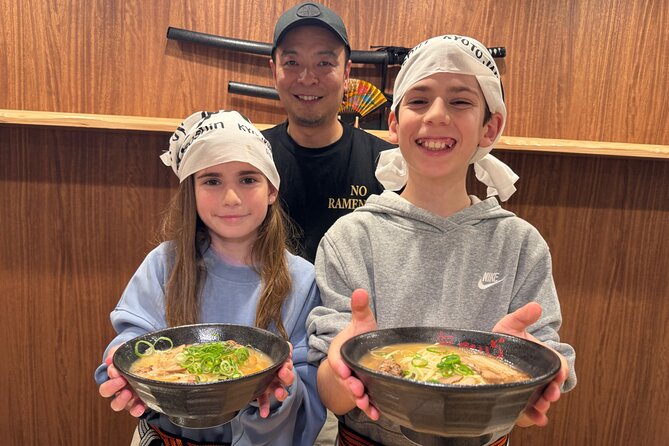
The academy brings the ingredients from its nearby Musoshin Gion store. The description says they are ingredients the chef used to make ramen the day before, which ties the class to the working restaurant rather than a detached teaching kitchen.
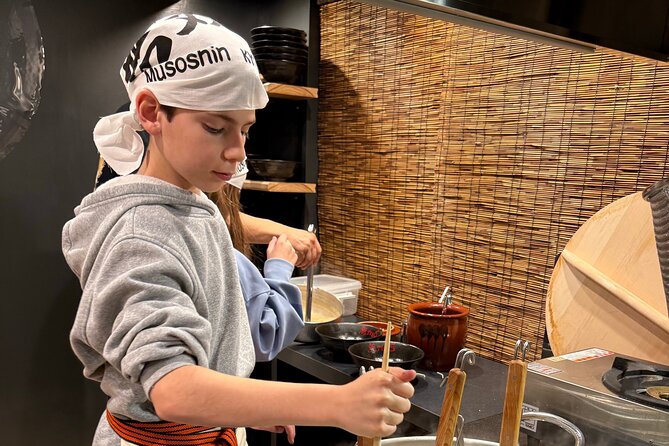
You will make your own ramen and then eat it. That simple loop is the heart of the activity: learn, cook, taste. It is an especially good format if you enjoy knowing what goes into a dish before you eat it. The class also suits curious eaters who want to understand the work behind a familiar bowl, not just order one from a menu.
The shop’s stated aim is to share its ramen and the culture around it with people from around the world. The class gives that idea a personal scale. Instead of simply being told that ramen is important, you get to handle the ingredients and follow the method with the person who cooks it.
Vegetarian and vegan ramen are available
The academy welcomes vegetarian and vegan customers, and the ramen can be changed to a vegetarian or vegan version. That is an important practical detail in a food class, where dietary needs can otherwise leave you watching everyone else eat.
Still, the details do not list the specific substitutions or explain how to request them. If you have a strict dietary requirement, ask the provider before booking so you know what the variation includes. The promise of a plant-based option is useful, but it does not provide a full ingredient or allergy guide.
For mixed-diet groups, this class has an advantage over a ramen experience built around only one standard bowl. You can share the activity even if everyone at the table does not eat the same way. Just make sure your particular needs are covered before you arrive.
More food tours in Kyoto:
- Kyoto Night Foodie Tour in Gion (9+ dishes + 6 Sake tastings)
★ 5.0 · 1,762 reviews - Kyoto: Izakaya Bars Guided Walking Tour
★ 4.9 · 815 reviews - Kyoto: Insider Sake Brewery Tour with Sake and Food Pairing
★ 5.0 · 704 reviews - Kyoto: Ramen, Gyoza, and Onigiri Cooking Class
★ 5.0 · 445 reviews
Bowl painting turns lunch into a keepsake
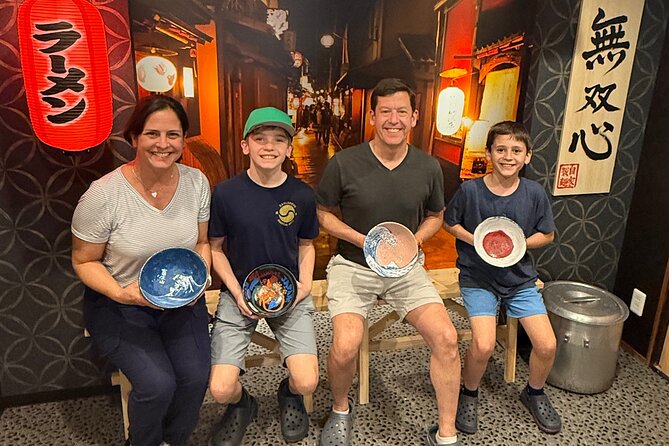
After cooking on the first floor, you can paint a ramen bowl on the second floor. It gives the session a second activity with a different pace: first, work with food; then, personalize something you can use again.
You can take the painted bowl home as it is. If you choose the free firing option, the bowl goes into a special oven and must be collected the next morning or later. That is the main planning point for anyone leaving Kyoto the same day. The firing option is included at no extra cost, but it is not an instant souvenir.
If you have an extra day in Kyoto, the fired bowl may be the more satisfying keepsake. If you are moving on quickly, the unbaked bowl is the simpler choice. The class description says you can take it home as it is, so you do not need to return just to complete the activity.
A bandana is also included as a souvenir. It is a small extra, but it makes the experience feel like a workshop rather than a meal with a brief demonstration attached.
The temple names need a careful reading
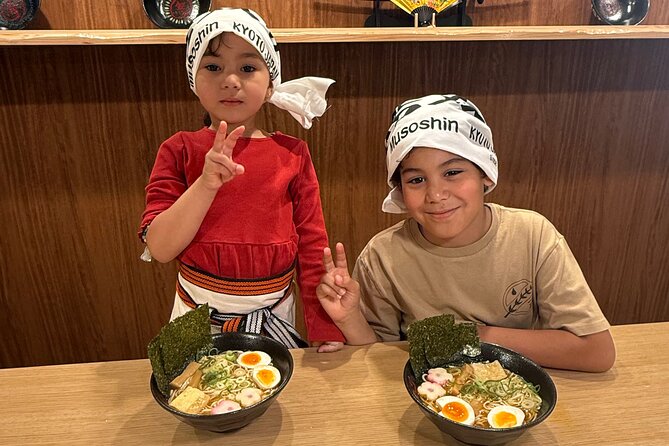
The activity details name Kiyomizu-dera Temple, Kennin-ji Temple, and Sanjusangendo Temple as itinerary stops. But the actual description explains a cooking class at Musoshin Ramen Academy, followed by bowl painting. It gives no temple visit times, transport between sites, or explanation of how those locations fit into the 90-minute session.
I would not assume the class includes visits to those temples. The meeting point is 440-5 Nishigomonchō in Kyoto’s Higashiyama Ward, and the activity ends back there. Treat the temples as unconfirmed itinerary information and check with the provider if a combined temple-and-ramen outing is important to you.
This is not a small distinction. A 90-minute class is a tidy food activity, while three temple visits would require a very different schedule. Book it for ramen and bowl painting unless the operator confirms otherwise.
Is $78.18 a fair price?
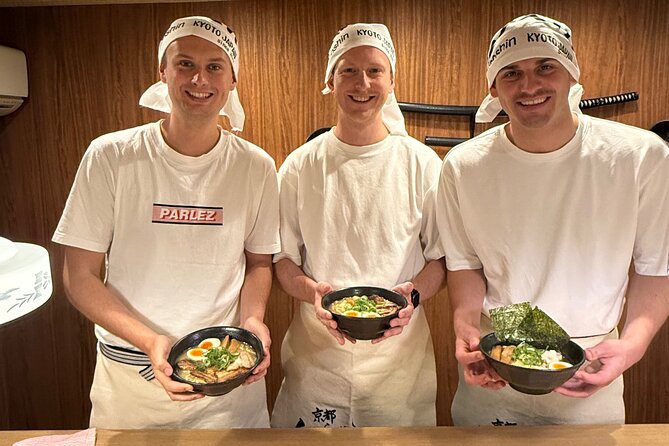
At $78.18 per person, this is more than the cost of simply eating ramen. You are paying for instruction from a restaurant chef, the ingredients for the meal you make, the bowl-painting activity, the option to have the bowl fired at no added cost, and a bandana.
The value is strongest if you want a participatory activity and a keepsake, rather than a quick meal. You leave with a better sense of how the ramen is put together, the experience of making and eating it, and a bowl you have decorated. The small group cap also matters: with no more than 12 participants, the class has room for questions and interaction.
The price may feel high if your priority is simply to eat a good bowl of ramen. In that case, a restaurant meal is a more direct choice. But if you enjoy learning through food and like the idea of bringing home something you made, the class offers a fuller experience than lunch alone.
Who should book this class?
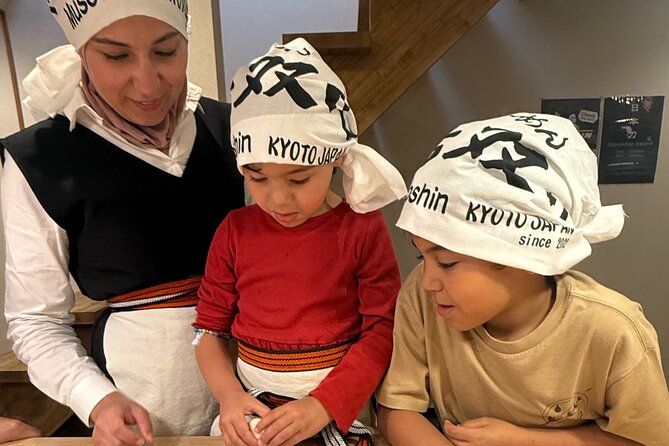
I would put this high on the list for ramen fans, curious cooks, and anyone looking for a hands-on activity in Kyoto. It should also work well for families: one family of three, including a 12-year-old, particularly enjoyed making ramen and bowls together. That is a helpful sign for parents weighing whether the session is more than a sit-and-listen class.
It is also a practical choice for vegetarian and vegan diners, provided you confirm the exact preparation suits your needs. The combination of cooking and painting gives the session two clear parts, which may appeal to people who want a food activity but do not want the entire outing to revolve around eating.
You may want to skip it if your schedule is tight and you cannot return to collect a fired bowl, or if you are expecting a full-day cooking course. And if the temple names are what drew you in, clarify the itinerary first. The class itself is clearly described; the temple connection is not.
Practical details before you book
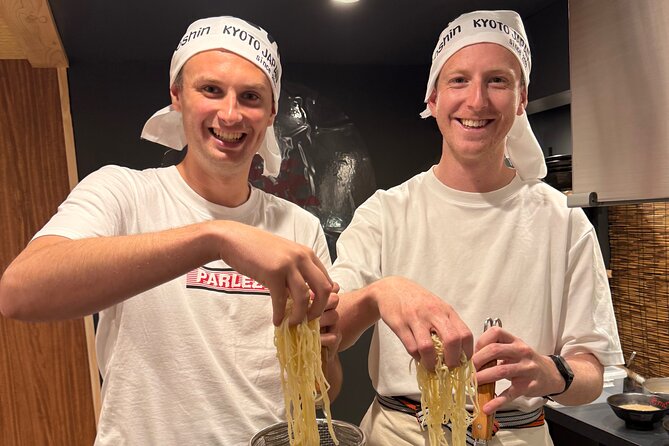
The class lasts about 1 hour and 30 minutes and has a maximum group size of 12. It starts and ends at 440-5 Nishigomonchō, Higashiyama Ward, Kyoto, and the location is described as being near public transportation.
You receive confirmation at booking and can cancel for a full refund up to 24 hours before the start time. Changes or cancellations made less than 24 hours beforehand are not accepted or refunded. The cut-off is based on local time.
If you want the bowl fired, plan to collect it the next morning or later. If that does not fit your itinerary, take the painted bowl home without firing.
Should you book the Musoshin ramen class?
Book it if you want to make and eat ramen with chef Shin, enjoy a small-group lesson, and take home a bowl you painted. The restaurant connection, plant-based options, and included bowl-firing choice give it more substance than a quick cooking demo.
Hold off until you confirm the details if you are booking because of the three temple names, need precise dietary or allergen information, or cannot return for a fired bowl. For a food-focused Kyoto break, though, this is a strong pick: practical, personal, and built around something you can taste and use.
FAQ
How long does the class last?
The experience lasts about 1 hour and 30 minutes.
Who teaches the ramen class?
Chef Shin leads the class at Musoshin Ramen Academy.
Can I request vegetarian or vegan ramen?
Yes. The ramen can be changed to a vegetarian or vegan version. The specific ingredients are not listed, so check with the provider if you have strict dietary needs.
Can I take my painted bowl home?
Yes. You can take it home as painted, or choose the free firing option. If you have it fired, you need to collect it the next morning or later.
Is a souvenir included?
Yes. You receive a bandana, and you can take home the bowl you paint.
Does the class include visits to Kiyomizu-dera, Kennin-ji, and Sanjusangendo?
Those three temples are named in the activity details, but no visits are explained in the class description. The described experience is a ramen workshop and bowl-painting activity that starts and ends at the academy.
Newly added in Kyoto
- Uji: Private immersion into Kyoto’s tea and reglious culture★ 5.0 · 17 reviews
- Whisk Your Own Matcha: A Zen Matcha Experience at Temple★ 3.6 · 7 reviews
- Kyoto tea town for matcha lovers★ 5.0 · 16 reviews
- Treasures of Kyoto: Gion & historical Walking Tour★ 5.0 · 6 reviews
- Kyoto Matcha Green Tea Tour★ 4.5 · 23 reviews
- Uji and Wazuka Matcha Farm Half Day Private Guided Tour★ 5.0 · 21 reviews
- Uji Tea Ceremony and UNESCO Heritage Walking Tour★ 5.0 · 20 reviews
- Utilising upcycled Matcha! Creating matcha incense (Uji, Kyoto)★ 5.0 · 6 reviews
Kyoto Cooking Classes, compared.

Ramen Cooking Class at Ramen Factory in Kyoto
Read our review →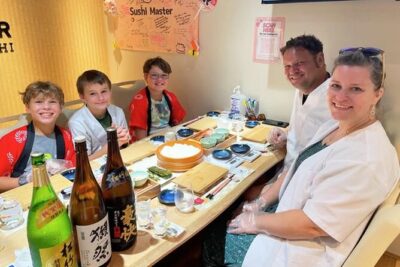
Sushi Making in Kyoto! Same-day bookings welcome!
Read our review →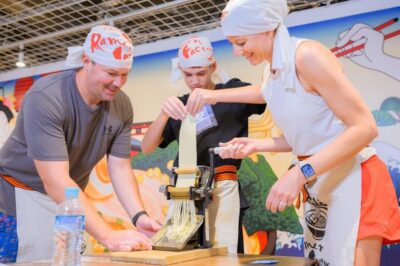
Ramen Cooking Class at a Ramen Factory with Souvenir
Read our review →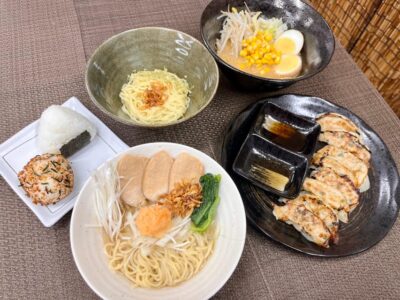
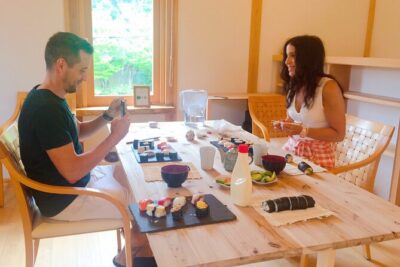
The Original Small-Group Sushi Making Class in Kyoto
Read our review →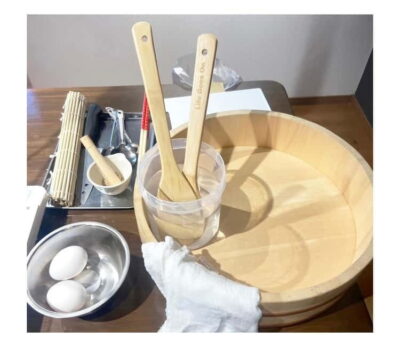
Japanese Washoku Bento Small Group Cooking Class
Read our review →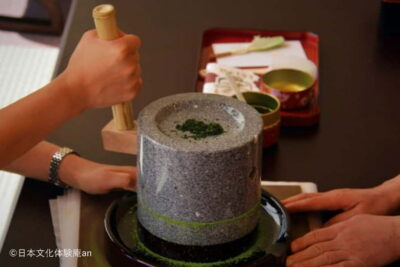
Japanese Traditional Sweets Making and Tea Ceremony
Read our review →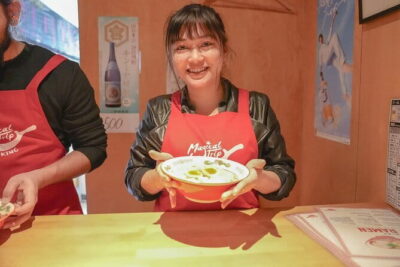
Kyoto Ramen and Gyoza Cooking Class with Professional Chefs
Read our review →Browse the lists this tour appears in