
Reviewed · KYOTO TEMPLE & SHRINE TOURS
Kyoto Walking Tour Goshuin Collecting and Temples Discover
Kyoto’s temples offer more than grand halls and famous views. This private walking tour adds a hands-on thread to the visit: goshuin, the calligraphic temple stamps collected in a special book, alongside flower-decorated water basins and omamori charms. You’ll visit three temples, starting at Tōfuku-ji and ending back at the meeting point.
I like two things in particular: a guide can help you navigate goshuin customs if you don’t speak Japanese, and the route pairs Tōfuku-ji’s substantial gardens with two smaller temple stops. The private format also means the outing is just for your group, not a mixed tour.
The main consideration is the price: $299 for about three hours, with only Tōfuku-ji admission included. Goshuin, stamp books, and charms cost extra, and the walk calls for moderate fitness, comfortable preparation, and water.
What to know before you set out
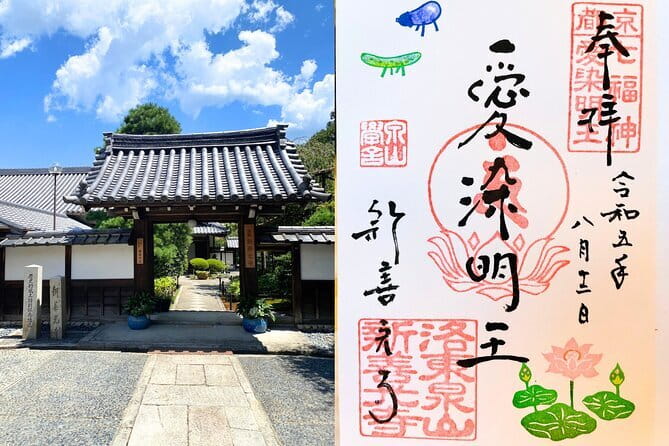
- Three temples, one walking route: Visit Tōfuku-ji, Shōrin-ji, and Shinzenkoji, then return to the starting point.
- Tōfuku-ji gets most of the time: The visit here lasts about 75 minutes, compared with 20 minutes at each of the other temples.
- Goshuin costs extra: Bring or buy a stamp book if you want one; the stamps, books, and omamori are not included.
- A guide helps with language: The guided format is especially useful if you don’t speak Japanese and want help engaging with goshuin collecting.
- Expect plenty of walking: The operator recommends moderate fitness, water, and rain gear.
- Season changes the scenery: Tōfuku-ji’s maples are a draw in autumn, while summer brings leafy green garden views.
Why goshuin gives the walk a purpose
Goshuin are temple stamps, often collected in a dedicated book called a goshuin-cho. They turn a temple visit into a personal record of where you have been. If you’re curious about the practice but unsure how to begin, having a professional guide can make the first steps less daunting, especially if you don’t speak Japanese.
The tour also introduces two related keepsakes: goshuin-cho and omamori, protective charms. Neither is included in the price, and neither is required to enjoy the walk. Think of them as optional purchases that let you take home a small, tangible reminder of the temples.
There’s a useful distinction here: this is not just a stamp-collecting errand. The temples and gardens are the main event, with goshuin adding a thread of purpose to the route. You can focus on architecture, gardens, or quiet moments if collecting turns out not to be your thing.
More walking tours in Kyoto:
- Kyoto Geisha Walking Tour: Gion District & Hidden Gems
★ 4.7 · 3,273 reviews - Kyoto: Gion Magical Night Walking Tour with Geisha Trivia
★ 4.9 · 2,393 reviews - Kyoto: Gion Geisha District Walking Tour – Stories of Geisha
★ 4.7 · 2,187 reviews
Tōfuku-ji: gardens, maples, and a famous bridge
The tour begins at Tōfuku-ji, where you spend about an hour and 15 minutes. That is more than half of the approximate three-hour outing, and for good reason: the temple is known for Tsutenkyo Bridge and its autumn views, as well as gardens designed by Mirei Shigemori.
The bridge is especially associated with autumn foliage. If you visit at that time, expect the maples to be part of the appeal, though the grounds can attract plenty of people. A busy season may mean sharing the scenery, not having it to yourself. If quiet is your priority, keep that tradeoff in mind when choosing dates.
The gardens offer a different kind of interest. They are designed landscapes rather than just a backdrop to the temple, with several garden views and a noted dwarf mountain garden. In summer, the maples and surrounding greenery can look lush even without fall color. The setting changes with the season, so this stop can reward a visit at more than one time of year.
The included Tōfuku-ji ticket is the only admission specifically covered in the tour price. That removes one purchase from the visit, but don’t mistake it for an all-inclusive package. Goshuin, goshuin-cho, and omamori remain separate expenses, as do meals and personal purchases.
Shōrin-ji: flower water and a shorter pause
Next comes Shōrin-ji, with a visit of about 20 minutes. The temple dates to the Heian period and is dedicated to Manjushri, a bodhisattva associated with wisdom. It is also known for its hanachozu, a water basin decorated with flowers.
The basin offers a small but distinct pleasure in a temple walk. Rather than looking only at buildings or a garden from a distance, you can notice a carefully arranged detail that may change with the flowers used. The tour’s description identifies the basin as a feature, but it does not promise a particular arrangement or seasonal display, so treat that detail as something to look for rather than a fixed exhibit.
Twenty minutes is enough for a focused stop, not a long, unhurried visit. If you prefer to linger at each temple, the schedule may feel brisk here. On the other hand, the shorter pause helps the route fit three distinct sites into a half-day outing.
Shinzenkoji: a quiet garden and old maples
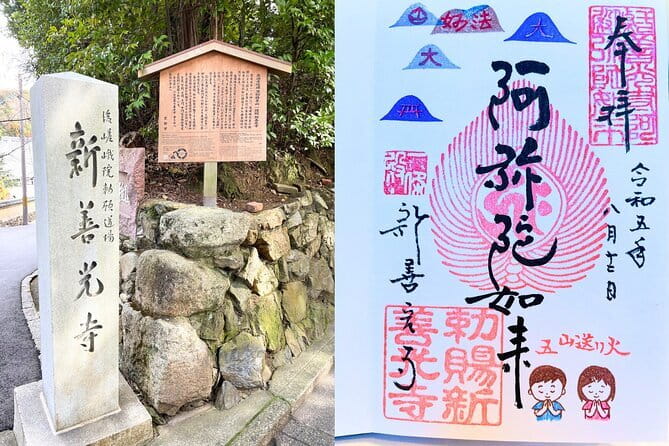
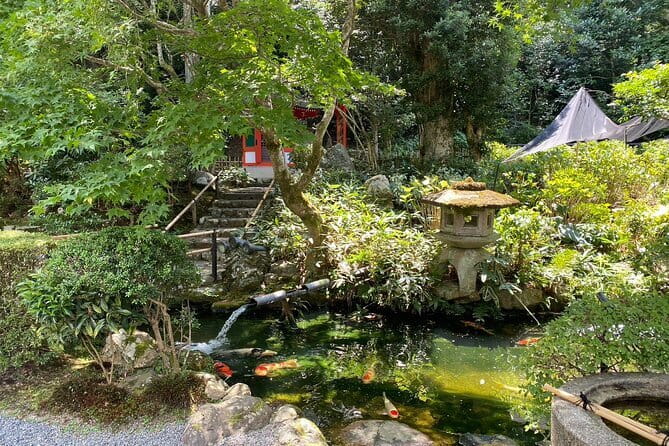
The final temple stop is Shinzenkoji, where you have about 20 minutes. It honors Amida Buddha, associated here with compassion, and is known for a peaceful garden with ancient maple trees. The garden is presented as a place for a meditative pause or a short walk.
This gives the route a gentler finish after Tōfuku-ji’s larger garden visit. The old maples also connect the stops through a recurring theme: Kyoto’s trees are not just scenery, but a reason to notice how a temple feels in different seasons. Autumn can bring red leaves; in summer, green foliage changes the mood.
The time is brief, so it’s worth deciding what matters most to you before you arrive. You might give your attention to the garden, look for a goshuin, or simply take in the atmosphere. The guide can help you make the most of the stop, but the exact pace and stamp availability are not specified.
More temple and shrine tours in Kyoto:
- Kyoto: Tea Ceremony Ju-An at Jotokuji Temple
★ 4.9 · 3,207 reviews - World Heritage Kyoto & Nara Uji Authentic Matcha Experience
★ 5.0 · 1,573 reviews - Arashiyama Bamboo, Temple, Monkeys, or Secret Sake Brewery
★ 4.8 · 886 reviews - Kyoto: Arashiyama Bamboo Forest, Monkeys, Matcha & Temple Tour
★ 5.0 · 759 reviews
What the private guide adds
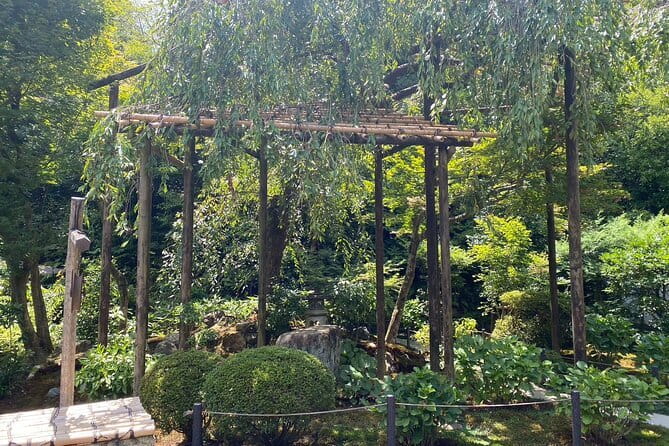
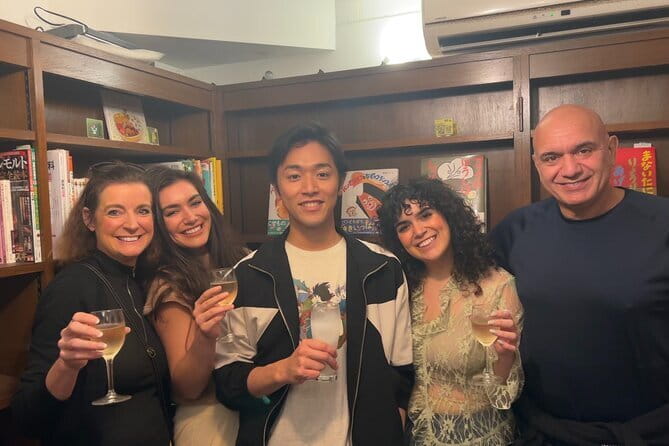
Only your group takes part, which can make a cultural activity feel less like following a crowd and more like a conversation. The guide is described as a professional, but no individual guide names or languages are provided. If you need a specific language, confirm that before booking rather than assuming.
The most practical benefit is help with goshuin. If you have never collected them and don’t speak Japanese, the process may feel unfamiliar. A guide can bridge that gap and help explain what you are seeing. That support is likely to matter most to first-time collectors, while experienced collectors may value the route and temple visits as much as the instruction.
The tour description does not specify how many stamps you can collect, whether each temple offers them on the day, or how much they cost. Availability and prices can vary, so bring a little flexibility. You can still enjoy the temples if a particular stamp is unavailable.
Is $299 good value?
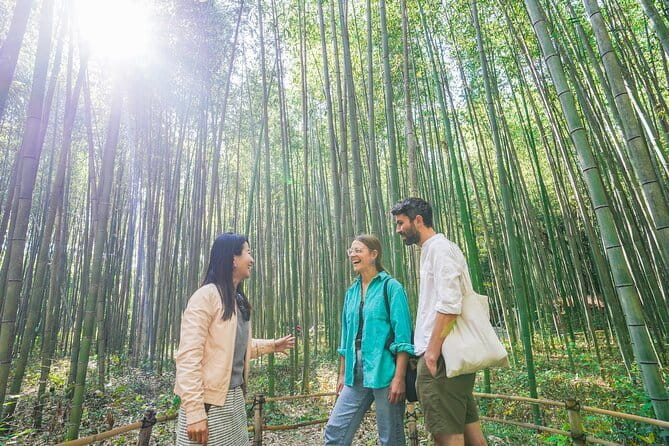
At $299, this is a substantial price for an outing of about three hours. The value depends largely on what you want from it: a private guide, help with a Japanese cultural practice, and a planned walk linking three temples. The Tōfuku-ji admission ticket is included, but the other keepsakes and personal expenses are not.
For a group that wants a private introduction to goshuin, the price may make more sense than it would for someone mainly seeking a temple walk. You’re paying for a guide’s time and a focused cultural experience, not just entry to the grounds. Since the listing does not clarify whether the price is per person or per group, check the pricing basis before booking.
If you are comfortable exploring temples on your own and don’t need help with collecting stamps, you may find the cost harder to justify. If you’re new to goshuin, don’t speak Japanese, or want a private outing with a clear route, the guide can add value that a self-guided visit may not provide.
Walking, weather, and practical planning
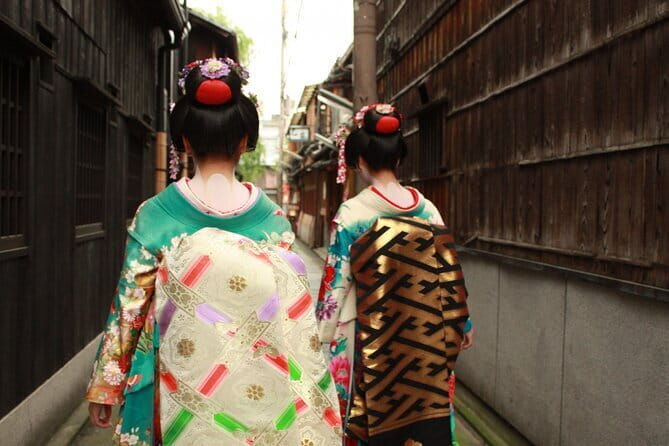
The meeting point is Tōfuku-ji Station, at 12 Chome Honmachi in Kyoto’s Higashiyama Ward. The tour ends back at the meeting point. It lasts about three hours and involves a significant amount of walking, so wear shoes you can walk in and bring enough water.
The operator recommends moderate physical fitness and suggests bringing rain gear and other necessary items. The experience requires good weather. If poor weather forces a cancellation, you’ll be offered another date or a full refund. It may also be canceled if the minimum number of participants is not met, with a different date, another experience, or a full refund offered.
The activity is private, and service animals are allowed. Confirmation is sent within 48 hours of booking, subject to availability. You can cancel for a full refund up to 24 hours before the start time; cancellations or changes made less than 24 hours beforehand are not accepted. The cut-off follows local time.
Who should book this Kyoto walk?
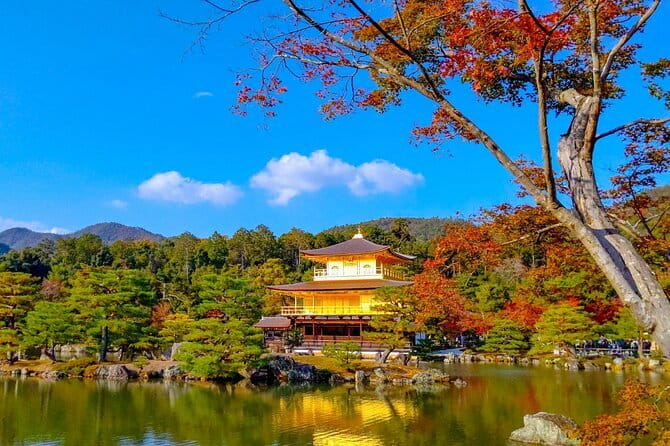
This tour is best suited to someone who wants more than a quick look at temple grounds. It should appeal most if you are curious about goshuin, want guidance in a language you understand, and like the idea of pairing a major temple garden with two shorter stops. The private format may also suit a small group that prefers to explore together.
It is less compelling if your priority is keeping costs low, spending long stretches at each temple, or avoiding a lot of walking. The schedule gives Tōfuku-ji the most time, but Shōrin-ji and Shinzenkoji are brief visits. Consider your preferred pace before booking.
I’d book it if learning about goshuin is part of the reason you’re visiting Kyoto and you value having a guide alongside you. If you mainly want to see Tōfuku-ji, you could focus your time and budget there instead. Either way, bring water, allow for seasonal crowds at the famous bridge, and treat the stamps and charms as optional extras rather than included souvenirs.
FAQ
How long is the tour?
It lasts about three hours. The scheduled visits are about 75 minutes at Tōfuku-ji and 20 minutes at each of the other two temples.
Which temples does the tour visit?
The route visits Tōfuku-ji, Shōrin-ji, and Shinzenkoji.
Is the Tōfuku-ji admission ticket included?
Yes. The Tōfuku-ji ticket is included in the tour price.
Are goshuin, stamp books, and omamori included?
No. Goshuin, goshuin-cho stamp books, and omamori charms are not included.
Where does the tour start and end?
It starts at Tōfuku-ji Station, at 12 Chome Honmachi in Kyoto’s Higashiyama Ward, and ends back at the meeting point.
Is this a private tour?
Yes. Only your group participates.
How much walking should I expect?
The tour involves a significant amount of walking. Moderate physical fitness is recommended, and you should bring sufficient water and rain gear.
What is the cancellation policy?
You can cancel at least 24 hours before the start time for a full refund. Cancellations or changes made less than 24 hours before the start time are not accepted.
Newly added in Kyoto
- Uji: Private immersion into Kyoto’s tea and reglious culture★ 5.0 · 17 reviews
- Whisk Your Own Matcha: A Zen Matcha Experience at Temple★ 3.6 · 7 reviews
- Kyoto tea town for matcha lovers★ 5.0 · 16 reviews
- Treasures of Kyoto: Gion & historical Walking Tour★ 5.0 · 6 reviews
- Kyoto Matcha Green Tea Tour★ 4.5 · 23 reviews
- Uji and Wazuka Matcha Farm Half Day Private Guided Tour★ 5.0 · 21 reviews
- Uji Tea Ceremony and UNESCO Heritage Walking Tour★ 5.0 · 20 reviews
- Utilising upcycled Matcha! Creating matcha incense (Uji, Kyoto)★ 5.0 · 6 reviews
Kyoto Temple & Shrine Tours, compared.

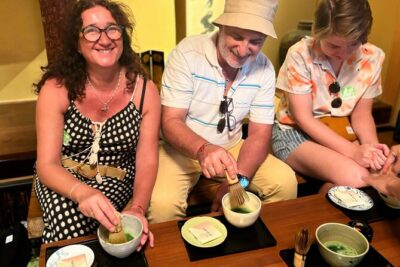
World Heritage Kyoto & Nara Uji Authentic Matcha Experience
Read our review →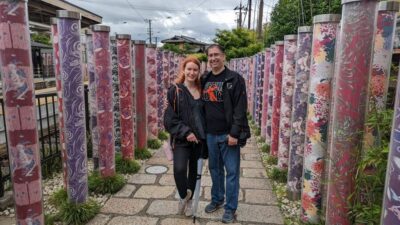
Arashiyama Bamboo, Temple, Monkeys, or Secret Sake Brewery
Read our review →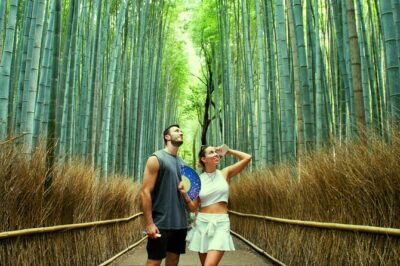
Arashiyama Bamboo Forest, Monkeys, Matcha & Temple Tour
Read our review →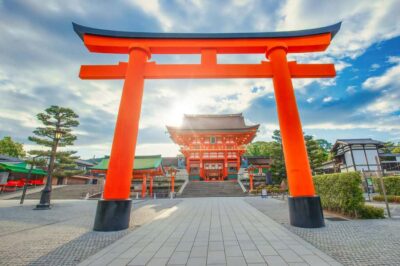
Arashiyama, Nara & Fushimi Inari Shrine w/Lunch
Read our review →
Imperial Palace & Nijo Castle Guided Walking Tour
Read our review →
Kyoto Zen Meditation & Garden Tour at a Zen Temple with Lunch
Read our review →
Browse the lists this tour appears in