
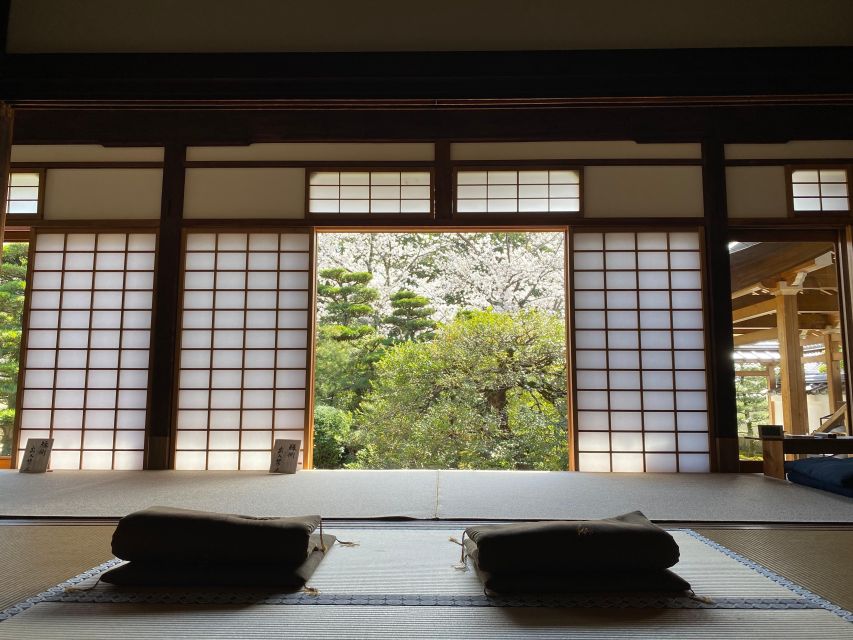
Reviewed · KYOTO ZEN MEDITATION
Kyoto: Zen Experience in a Hidden Temple
Jusho-in offers a rare way to spend two quiet hours in Kyoto: seated meditation with Eitetsu Nishida, the temple’s 16th-generation abbot, followed by matcha and sweets beside a garden about 400 years old. I like the combination of a practical introduction to zazen and time to ask the priest questions. I also like that the tea and garden are part of the experience, not just a quick photo stop.
The main consideration is comfort: zazen means sitting still, and cross-legged posture can be hard on stiff knees or backs. Chairs are available, but the temple is not wheelchair accessible, and a rented kimono can make sitting difficult.
- Two 20-minute zazen sessions give you a real chance to try the practice, not just hear about it.
- Abbot Eitetsu Nishida leads the meditation and explains Zen, with an English-speaking guide supporting the session.
- Jusho-in is one of 46 sub-temples at Myoshin-ji, a large Zen temple complex founded in 1599.
- Matcha and seasonal Japanese sweets are served with an introduction to tea and its connection to Zen.
- A garden attributed to painter Eitoku Kano provides the setting, with seasonal changes from spring blossoms to winter snow.
- A photographer takes pictures during the experience, with photo data sent within a few days.
A quieter side of Kyoto at Jusho-in
The draw here is not a grand parade of temple buildings or a packed sightseeing circuit. It is a small, focused encounter with Zen practice inside Jusho-in, a sub-temple of Myoshin-ji. The setting gives the two-hour session a sense of place that a meditation class in a hotel or studio could not provide.
Jusho-in was founded in 1599 and has a history of about 420 years. Myoshin-ji, the larger complex around it, contains 46 sub-temples and is described as Japan’s largest Zen temple. That scale matters: you are entering a working religious precinct, not simply visiting a single attraction built for a quick stop.
The session is designed for curious beginners as well as people who already meditate. You do not need to arrive with a Zen vocabulary or a practiced cross-legged pose. The abbot and the English-speaking team explain what to do, and the format leaves room for questions rather than expecting you to sit in silence without context.
Meeting at Myoshin-ji’s north gate
The group meets at the north gate of Myoshin-ji, with the exact meeting point depending on the option booked. The address given is 18 Taniguchisonomachi, and the experience ends back at one of the listed north-gate locations. There is no hotel pickup or drop-off, so plan your own route to and from the meeting point.
From the gate, a guide walks with the group to Jusho-in. This short approach is part of the experience: you leave the ordinary street setting and enter a temple complex whose many sub-temples can make it feel like a small district of its own. If you have time after the session, consider allowing extra time to walk around Myoshin-ji rather than heading straight away.
The group may be private or small, though a specific maximum size is not provided. Seating for the experience is assigned in reservation order, so you cannot count on choosing a particular place in the room. The tour runs rain or shine, and the garden remains part of the setting in all seasons.
More zen and meditation sessions in Kyoto:
- Kyoto Zen Meditation & Garden Tour at a Zen Temple with Lunch
★ 5.0 · 441 reviews - Kyoto: Tea Ceremony Meditation – Make Matcha with Tea Master
★ 4.8 · 406 reviews - Kyoto: Zen Meditation at a Private Temple with a Monk
★ 5.0 · 202 reviews
Two rounds of zazen with the abbot
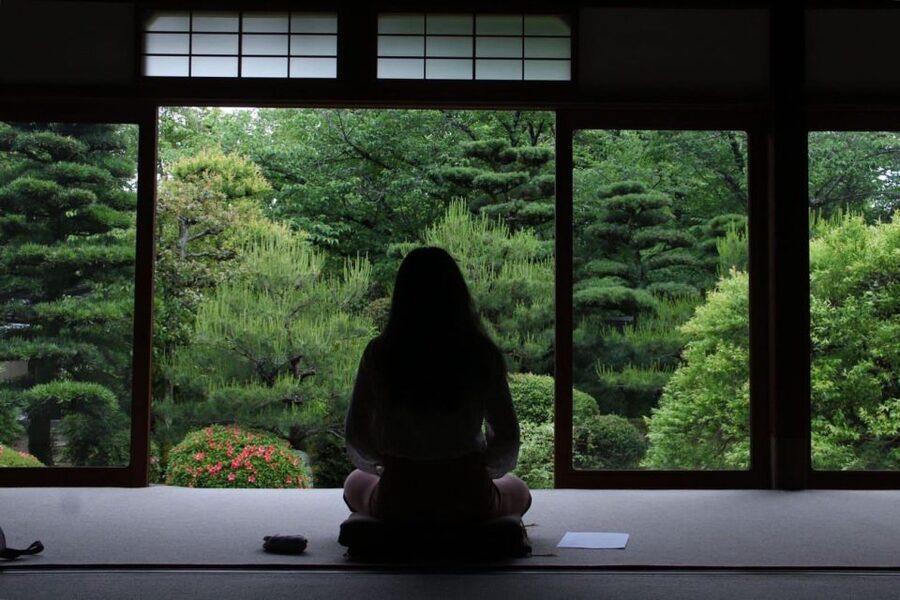
The core practice consists of two 20-minute sessions. Before sitting, the team explains the basics, giving you a useful starting point for posture and attention. Abbot Eitetsu Nishida then guides the meditation and shares his perspective on Zen.
Zazen is seated meditation, but the goal is not simply to force your mind to go blank. The experience introduces Zen as a Mahayana Buddhist tradition that emphasizes direct experience and meditation. Rinzai Zen, the school associated with this practice, is known for its focus on sudden enlightenment, or satori, through demanding forms of practice. In two hours, you will not master Zen, but you can get a grounded first look at how sitting practice works.
The two-session structure is a good fit for beginners. A pause between rounds gives you a chance to stretch and ask questions, instead of treating the full 40 minutes as one long test of endurance. Sitting still can feel surprisingly challenging, especially if you are trying to stop every thought. That difficulty is part of what makes the lesson useful: you experience the practice rather than only hearing a description of it.
You do not have to sit cross-legged if that is uncomfortable. Chairs are available for people who need them, but the venue is not wheelchair accessible. If you have a knee, hip, or back concern, it is sensible to consider how you will manage floor seating and ask the guide about the available chair option.
Eitetsu Nishida brings an unusual path to his role. He worked as a national public servant for 10 years before becoming a monk, then completed three and a half years of rigorous training. He is also described as cheerful and fond of animals, qualities that help make the subject approachable without turning the session into a lecture.
Zen explained in plain terms
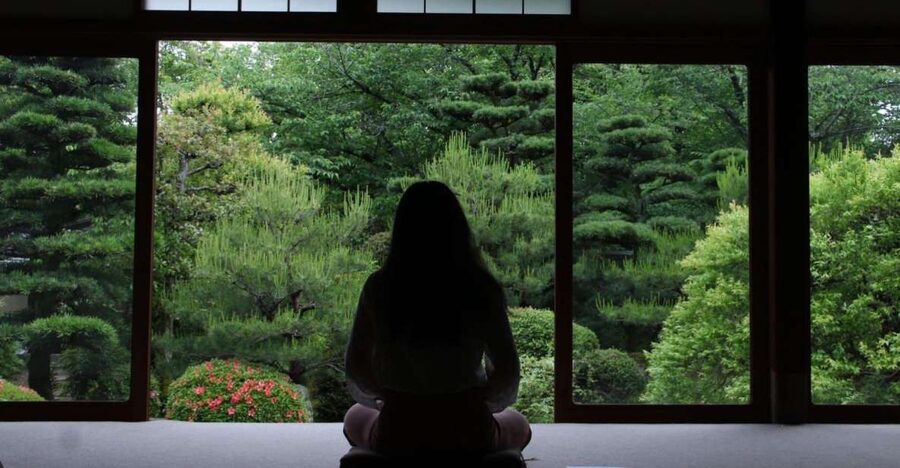
The priest’s explanation gives context to what you have just tried. Zen places strong weight on practice and direct experience, rather than relying only on religious texts. That helps explain why the meditation is the center of the visit: the point is to sit and notice what happens, not simply collect facts about Buddhism.
The session is not presented as a conversion experience or a promise of instant calm. Some people may find it restorative; others may find their minds busy or their legs uncomfortable. Either way, you leave with a clearer idea of what zazen asks of you and a chance to ask the abbot about the practice.
English support is provided by a live guide. The abbot may also speak, with translation used during the experience. His English can be difficult for some listeners to follow, so pay attention to the guide’s interpretation and ask for clarification when you need it. The available information does not promise a word-for-word translation throughout, which is worth knowing if you depend on translation for every detail.
Matcha, sweets, and a garden with four centuries of change
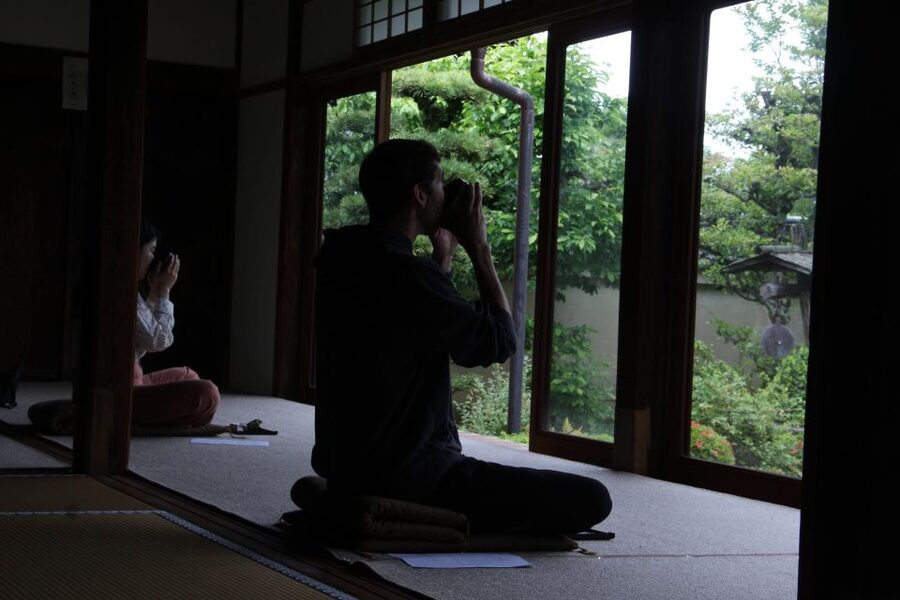
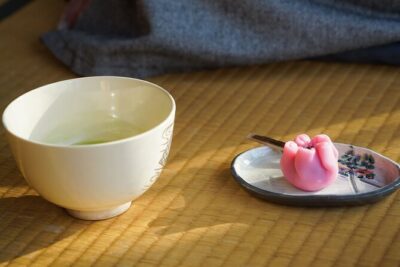
After meditation, Eitetsu introduces matcha, powdered green tea, and explains its history and how to enjoy it. You then receive tea and traditional seasonal sweets, often referred to as wagashi. The sweets are chosen to pair with the tea, so this is more than a generic refreshment break: it offers a small lesson in the care and etiquette surrounding Japanese tea.
The tea portion is a guided experience, but the description does not specify a formal, full-length tea ceremony. Expect an introduction to matcha and its place in Zen culture, followed by time to drink and taste the sweets. The measured pace gives you space to settle after the meditation and ask more questions.
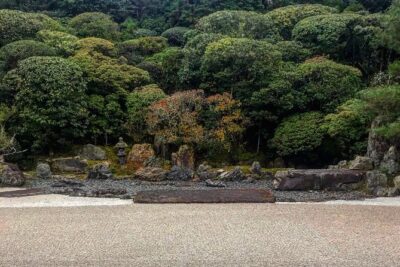
The garden is one of the session’s strongest features. It is attributed to Eitoku Kano, a notable 16th-century painter, and is said to have remained unchanged since its creation. You see it from the temple setting while having tea, rather than viewing it as a separate item on a rushed checklist.
Its appearance shifts with the calendar: cherry blossoms in spring, fresh greenery in summer, autumn leaves, and snow in winter. No season is guaranteed to look a certain way on your date, of course, but the garden’s changing character makes the experience feel tied to the time of year. In winter, the open connection to the garden can also mean a chilly room; blankets have been offered, but bring clothing suitable for sitting quietly.
More temple and shrine tours in Kyoto:
- Kyoto: Tea Ceremony Ju-An at Jotokuji Temple
★ 4.9 · 3,207 reviews - World Heritage Kyoto & Nara Uji Authentic Matcha Experience
★ 5.0 · 1,573 reviews - Arashiyama Bamboo, Temple, Monkeys, or Secret Sake Brewery
★ 4.8 · 886 reviews - Kyoto: Arashiyama Bamboo Forest, Monkeys, Matcha & Temple Tour
★ 5.0 · 759 reviews
Photos without interrupting the session
A photographer uses a single-lens reflex camera to document the experience, and the photo data is sent within a few days after the tour. That is a thoughtful extra: you can focus on meditation and tea rather than keeping a phone ready for pictures. The photos also give you a record of a quiet, personal activity that may not be easy to capture yourself.
Do not expect the photo delivery on the same day. The information says the files arrive within a few days, but does not specify the delivery method or the number of images. Treat them as a keepsake, not the main reason to book.
What $109 buys you
At $109 per person for about two hours, this is not a budget temple visit. The price includes a guide, temple entry, the abbot’s sermon, tea and sweets, and the photographer. You are paying for access to a structured encounter with the priest and the temple setting, rather than simply walking through the grounds on your own.
The value depends on what you want from Kyoto. If your plan is to see as many temples as possible, the session takes time and costs more than an independent visit. If you want a slower, more personal activity that explains a practice while letting you try it, the price covers several distinct parts: instruction, meditation, tea, garden time, and photographs.
The small-group or private format can also be valuable in a city where famous sights draw heavy crowds. This is not a promise that you will have the temple entirely to yourself, but it is built around a focused session rather than a large sightseeing group. The abbot’s presence and the opportunity to ask questions are central to what you are paying for.
Comfort, clothing, and who will enjoy it
No special equipment is required. Wear clothing that lets you sit comfortably, and skip a rented kimono if you plan to wear one for the day. The outfit may look right for photos, but the tour specifically cautions that it can be difficult to sit and meditate in one.
The experience is open to all ages, and families can take part. Still, the two meditation periods require a willingness to sit quietly, so think about whether children in your group will be comfortable with that format. Chairs help if floor sitting is a problem, but the location is not wheelchair accessible.
This is a good choice if you are interested in Buddhism, meditation, tea, or a quieter encounter with Kyoto’s temple culture. It also suits someone who has never meditated and wants careful instruction rather than an advanced retreat. If you already practice meditation, the chance to learn from a Zen abbot in a historic temple may be the main appeal.
It is less suited to anyone looking for a high-energy activity, a long formal tea ceremony, or a guided tour of every part of Myoshin-ji. The session stays focused on zazen, the priest’s explanation, matcha, and the garden. Keep that distinction in mind when comparing it with a general temple tour.
Should you book Jusho-in’s Zen experience?
Book it if you want to slow down and try a real practice in a setting where Zen is part of daily religious life. The strongest reasons are the two guided meditation sessions, the direct access to abbot Eitetsu Nishida, and the combination of tea and a historic garden. Together, they make the visit more substantial than a quick temple stop.
Think twice if sitting still is likely to be painful, or if your Kyoto schedule is already crowded with major sights. Chairs are available, but the site is not wheelchair accessible, and the meditation is the heart of the activity. If those limits work for you, this is a thoughtful way to trade two busy sightseeing hours for a more reflective side of Kyoto.
FAQ
How long does the experience last?
The session lasts about two hours, including explanations of zazen and tea.
Where does the tour meet?
The meeting point is at the north gate of Myoshin-ji. The exact point may vary depending on the option booked.
Is the experience conducted in English?
Yes. An English-speaking live guide is provided.
Do I need meditation experience?
No. The session includes an introduction to zazen and is open to beginners.
How long are the meditation sessions?
There are two zazen sessions, each lasting 20 minutes.
Are chairs available during meditation?
Yes. Chairs are available for people who need help sitting, though the temple is not wheelchair accessible.
What is included in the price?
The price includes a guide, temple entry, the chief priest’s sermon, Japanese tea and sweets, and a photoshoot. Photo data is sent within a few days after the experience.
Can I cancel for a refund?
You can cancel up to 24 hours in advance for a full refund. Cancellations after that period are not refundable.
Newly added in Kyoto
- Uji: Private immersion into Kyoto’s tea and reglious culture★ 5.0 · 17 reviews
- Whisk Your Own Matcha: A Zen Matcha Experience at Temple★ 3.6 · 7 reviews
- Kyoto tea town for matcha lovers★ 5.0 · 16 reviews
- Treasures of Kyoto: Gion & historical Walking Tour★ 5.0 · 6 reviews
- Kyoto Matcha Green Tea Tour★ 4.5 · 23 reviews
- Uji and Wazuka Matcha Farm Half Day Private Guided Tour★ 5.0 · 21 reviews
- Uji Tea Ceremony and UNESCO Heritage Walking Tour★ 5.0 · 20 reviews
- Utilising upcycled Matcha! Creating matcha incense (Uji, Kyoto)★ 5.0 · 6 reviews
Kyoto Zen Meditation, compared.
Kyoto Zen Meditation & Garden Tour at a Zen Temple with Lunch
Read our review →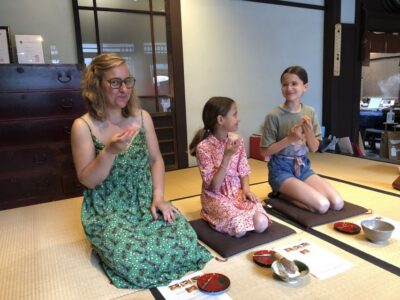
Tea Ceremony Meditation – Make Matcha with Tea Master
Read our review →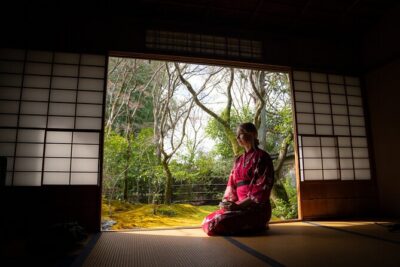
4.5-Hour Kyoto Bike Tour with Lunch and UNESCO Zen Temples
Read our review →
Arashiyama Guided Tour, Bamboo, Monkey, Zen Temple
Read our review →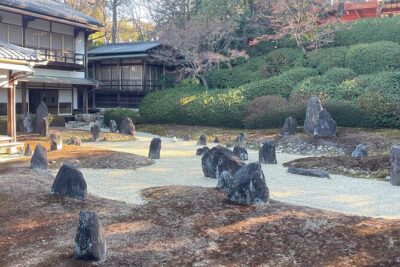
Kyoto Guided Walking Tour: Secret Zen Garden and Fushimi Inari
Read our review →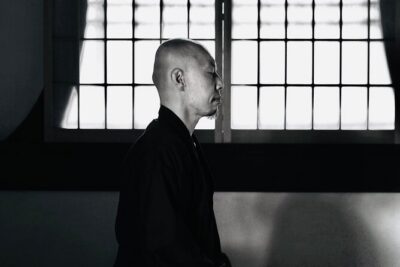
Browse the lists this tour appears in