
Reviewed · KYOTO TEA CEREMONIES
Kyoto: Tea Ceremony Meditation – Make Matcha with Tea Master
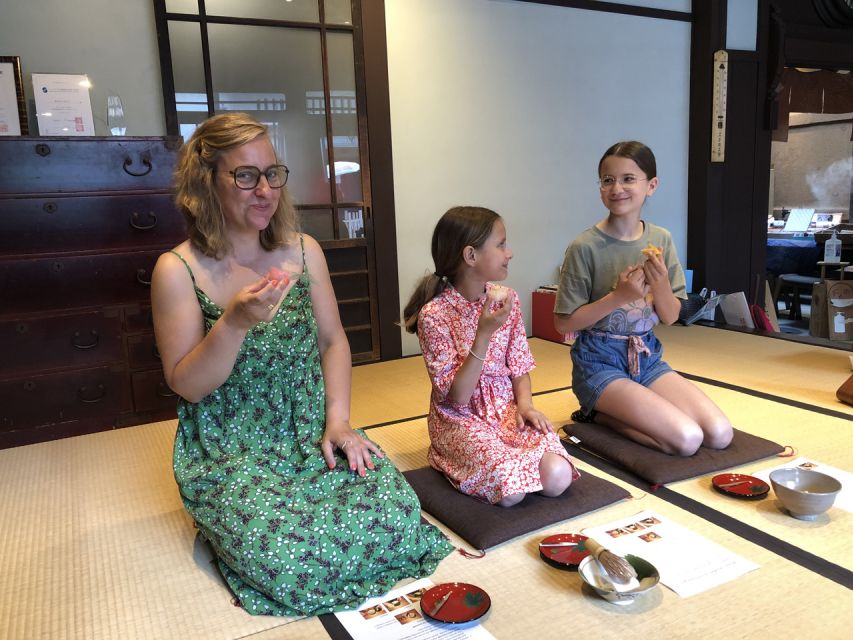
A century-old Kyoto townhouse gives this 45-minute tea ceremony a fitting setting: a quiet room, tatami underfoot, and a chance to slow down while a tea master demonstrates the preparation of matcha. Then you make a bowl yourself, so the ritual is not just something to watch.
I like two things in particular: the small group, capped at 10, leaves room for questions and personal guidance, and the ceremony is designed for participation, not just a formal performance. You’ll use handcrafted utensils, drink the tea you prepare, and have a traditional sweet.
The main limitation is time. Forty-five minutes is enough for a focused introduction, not extensive training in tea ceremony. One cup of matcha is included, and kimono rental is not; come for the custom and hands-on lesson, not a long or elaborate cultural program.
At a glance
- You make your own matcha: A tea master demonstrates the process, then helps you prepare a bowl.
- The setting is a traditional townhouse: The 100-year-old building and tatami room lend the activity a calm, distinctly Kyoto feel.
- The teaching follows Omotesenke: Your English-speaking instructor introduces a respected school of Japanese tea ceremony.
- Groups are limited to 10: The intimate format makes it easier to ask questions and follow the steps.
- Matcha and a sweet are included: You drink the tea you prepare, alongside a traditional Japanese confection.
- Souvenirs are available: You can browse Japanese crafts and buy something meaningful to take home.
A townhouse that helps you slow down
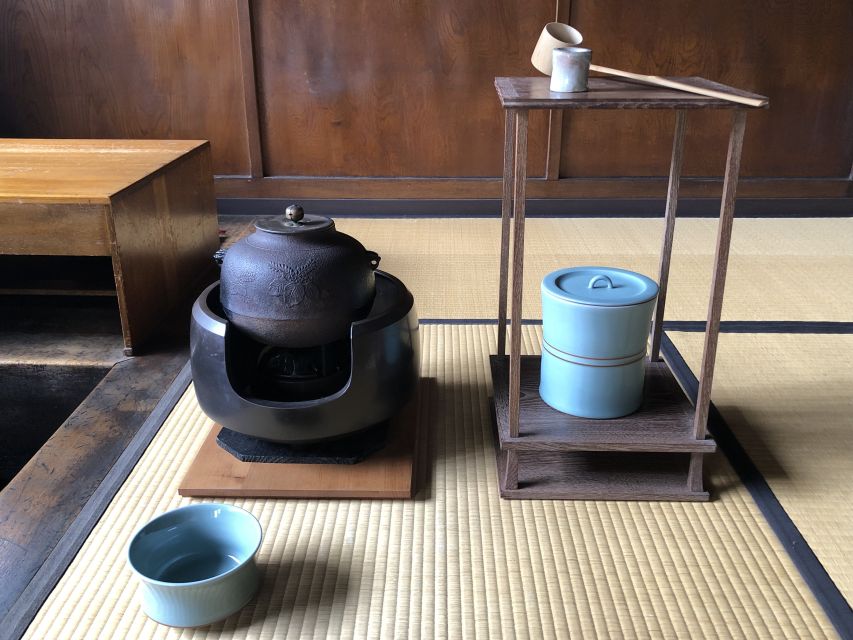
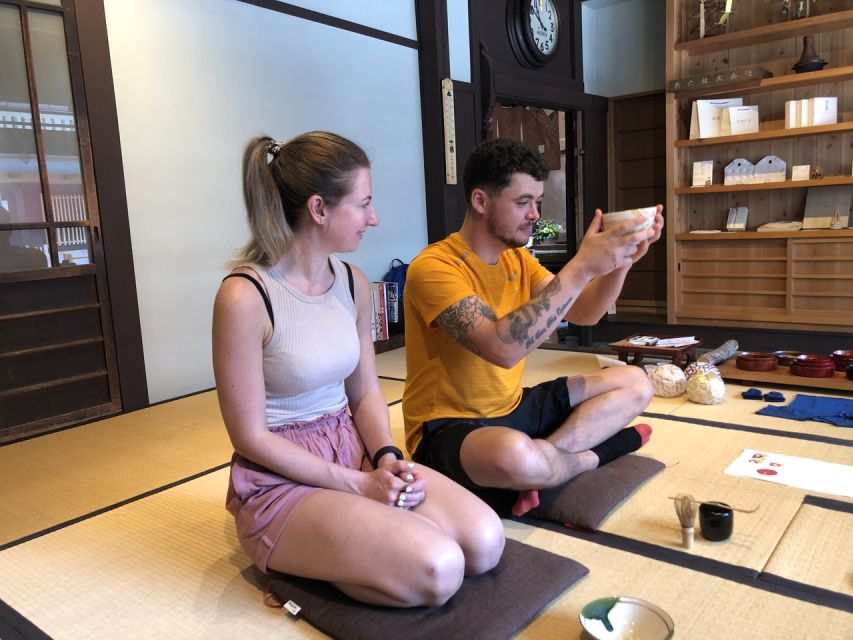
The activity begins inside a traditional Kyoto townhouse, a setting that feels a world away from a busy sightseeing schedule. The scent of tatami and the quiet atmosphere make a gentle case for putting your phone aside and paying attention to what is happening in the room.
The experience takes place at aeru gojo. It is a cultural space rather than a restaurant, so arrive ready for the ceremony, not a snack or a meal. The venue asks you not to arrive more than 10 minutes early because space is limited. You should also leave perfume and cologne at home: the aim is to enjoy matcha’s aroma without competing scents.
This kind of setting matters. A tea ceremony can seem mysterious when you only encounter it in a book or from the edge of a crowded demonstration. Here, you are close enough to see the utensils and the measured movements, and the room gives you a chance to notice the calm pace rather than rush from one sight to the next.
The host is trained in the Omotesenke tradition, one of Japan’s respected tea schools. The ceremony is presented in an accessible way, with the instructor explaining what she is doing and why. Hosts named by participants have included Miki, Aki, Joko, Yoko, and Kiyoka, but your instructor will depend on the session.
More tea ceremonies in Kyoto:
- Kyoto: Tea Ceremony in a Traditional Tea House in Kiyomizu
★ 4.9 · 3,519 reviews - Kyoto: Tea Ceremony Ju-An at Jotokuji Temple
★ 4.9 · 3,207 reviews - Kyoto: 45-Minute Tea Ceremony Lesson Experience
★ 4.3 · 2,378 reviews
Watching the tea master’s careful movements
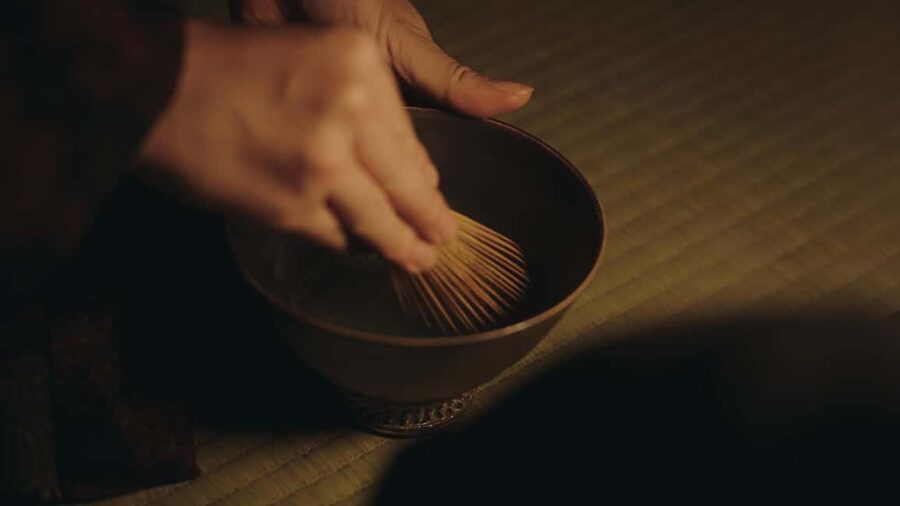
The first part is a demonstration. Your tea master prepares matcha with authentic, handcrafted utensils made by Japanese artisans, explaining the process as she goes. Instead of treating the ceremony as a string of rules to memorize, she connects its movements and etiquette to Japanese culture.
That context is a real strength. You are not simply shown how to whisk green tea. You have room to ask about the ceremony, the meaning behind its gestures, and other questions about Japanese traditions. The English-speaking instruction makes the exchange practical for visitors who do not speak Japanese.
The tone is welcoming, not stiff. The aim is to help you understand and take part, not to test your manners. Previous sessions have been led by hosts who patiently explain the steps and invite questions, a useful approach if this is your first tea ceremony or you are unsure how formal to be.
You should still expect a quiet, attentive activity. That is part of its appeal, but it may not suit someone looking for a fast-paced class or a show with constant entertainment. The demonstration is designed to be watched closely. Give it your attention and the small details become easier to follow.
Making your own bowl of matcha
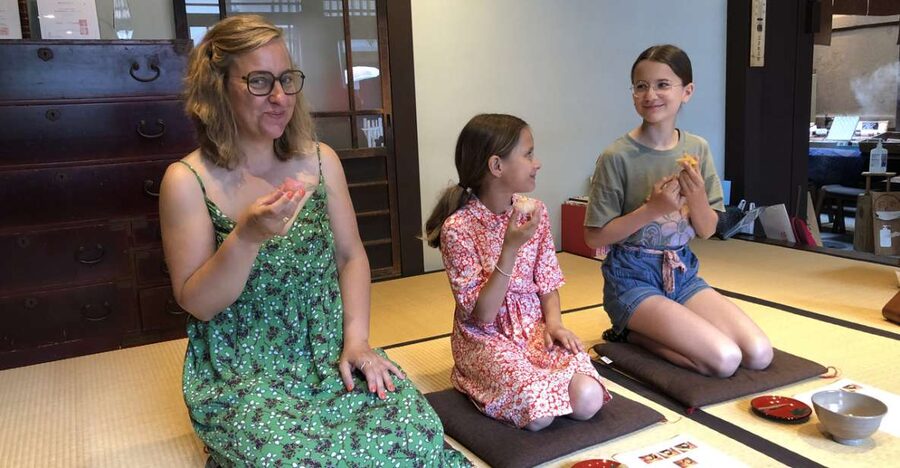
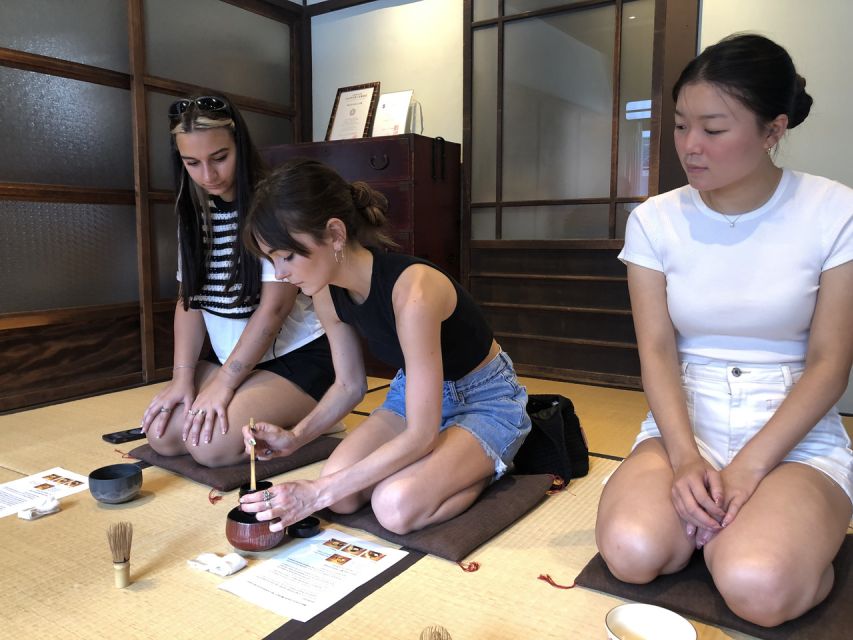
After the demonstration, it is your turn. The tea master guides you through preparing matcha with the utensils, then you drink the bowl you have made. This hands-on portion is what makes the activity more memorable than simply observing a ceremony.
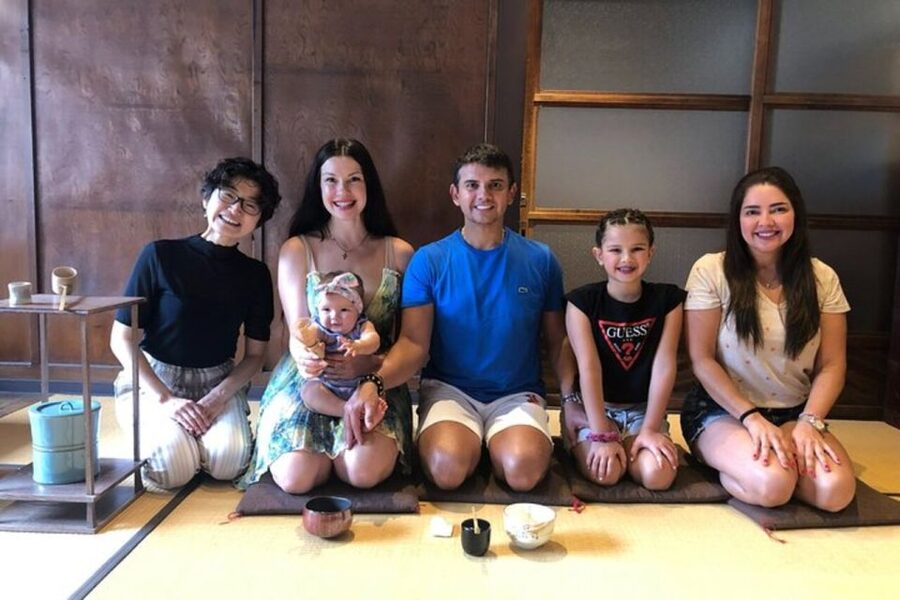
You do not need prior experience. The instructor walks you through the technique and etiquette, and the small-group limit means she can help participants individually. Past sessions have also been very small, sometimes with only a pair of participants, but the group can include up to 10 people.
The setting is intentionally friendly. You can ask questions without needing to know the right terminology, and you are encouraged to join in rather than sit silently through a formal presentation. Families have found the mix of explanation and participation suitable for children around ages 8 and 10, and instructors have also shown patience with a restless toddler. Still, this is a peaceful activity, so consider whether your child will be comfortable in a quiet room.
Once your matcha is ready, you enjoy it with a traditional Japanese sweet. The tea and sweet are included in the $45 price. There are no refills listed, so think of this as a tasting and lesson, not a tea service meant to last an afternoon.
What the 45 minutes can and cannot teach
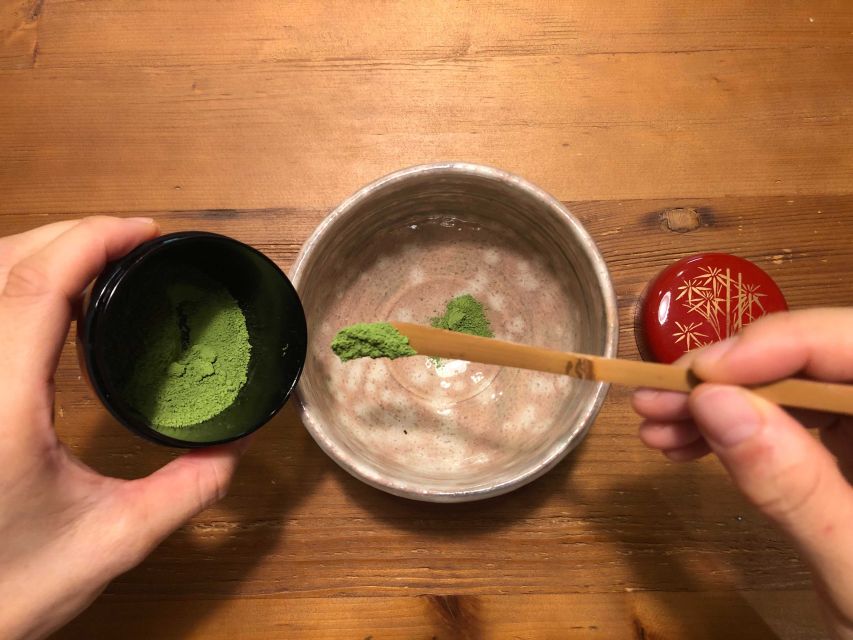
The short format is a practical fit for a Kyoto day. You can add a cultural activity without setting aside half a day, and the session offers more than a quick photo opportunity. You see a demonstration, try the preparation yourself, learn about the ceremony, and have time to ask questions.
But 45 minutes has a natural limit. You will get an introduction to the tea master’s practice and the basics of making matcha, not full instruction in a complex tradition. If you want to study tea ceremony in depth, this is a first step rather than a course. The short visit is best understood as a thoughtful sampler.
That balance can be a plus. A long, highly formal ceremony may not be the right fit for someone who is new to the custom or travelling with a packed schedule. Here, the format is relaxed and explanatory, making it easier to appreciate the tradition without needing to know much beforehand.
The host’s willingness to talk beyond the mechanics is valuable, too. You can ask about Japanese culture and leave with a clearer sense of why the ceremony is more than a way to prepare a drink. The lesson gives you a small, practical skill to carry home: how to make matcha, and how to approach the process with care.
More zen and meditation sessions in Kyoto:
- Kyoto Zen Meditation & Garden Tour at a Zen Temple with Lunch
★ 5.0 · 441 reviews - Kyoto: Zen Experience in a Hidden Temple
★ 5.0 · 437 reviews - Kyoto: Zen Meditation at a Private Temple with a Monk
★ 5.0 · 202 reviews - Kyoto: Zen Garden, Zen Mind (Private)
★ 5.0 · 126 reviews
Is $45 a fair price?
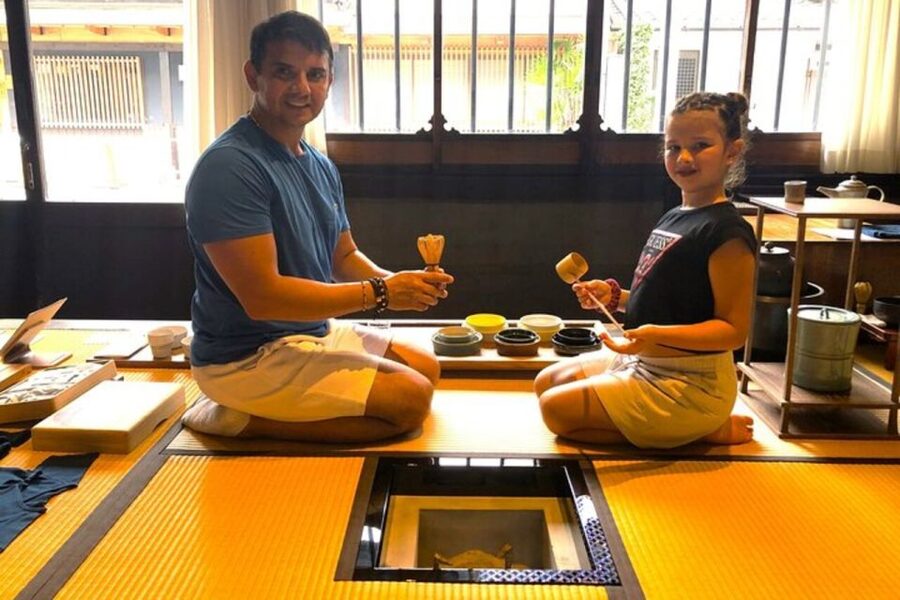
At $45 per person, this is not the cheapest way to drink matcha in Kyoto. You are paying for a guided cultural activity in a historic townhouse, a small group, a chance to prepare your own tea, handcrafted utensils, the matcha, and a traditional sweet. The English-language teaching and opportunity to ask questions add value, especially if you want more than a quick demonstration.
The price feels fair if you want a personal introduction to tea ceremony and will take part rather than treat the session as a photo stop. It may feel less worthwhile if you mainly want a large serving of tea, a full meal, kimono dressing, or an extended ceremony. None of those is included.
There is also a chance to browse Japanese crafts and souvenirs at the end. These items are separate from the activity, so set aside extra spending only if something catches your eye. A small handmade object can be a more lasting reminder than a generic souvenir, but you do not need to buy anything to complete the experience.
The activity is part of an American Express Award-winning tea program run by culture-focused company aeru. That recognition is useful context, though the best reason to book is simpler: you get to learn by doing, in a calm setting, with an instructor who can explain the details in English.
Finding aeru gojo and planning your visit
The meeting point is in central Kyoto. Coming from Karasuma-dori Street, turn at the corner with the Family Mart, then continue straight for one block. Look for the aeru gojo sign beside Only Corporation and across from Zen Kyoto.
There is no parking lot. If you arrive by rental bicycle, bikes are not allowed inside, so use the nearby public bicycle parking. The closest option is listed at this map link. The venue is wheelchair accessible.
Arrive no earlier than 10 minutes before your scheduled start. Because the space is limited, it is not a place to wait over food or drinks, and food and drinks are not permitted. Avoid perfume or cologne so you and the rest of the group can appreciate the matcha’s aroma.
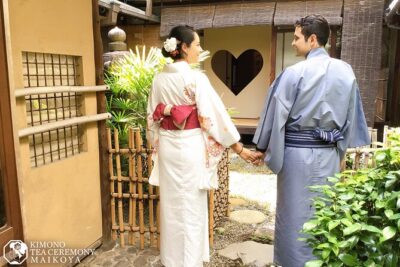
Kimono rental and hair setting are not included. You can come in your regular clothes; the activity is about tea and culture, not dressing up. If wearing a kimono is a priority, arrange that separately rather than expecting it to be part of this booking.
Booking terms allow you to reserve now and pay later, with free cancellation up to 24 hours before the activity for a full refund. Starting times vary, so check availability for the day you want.
Who will enjoy this tea ceremony most?
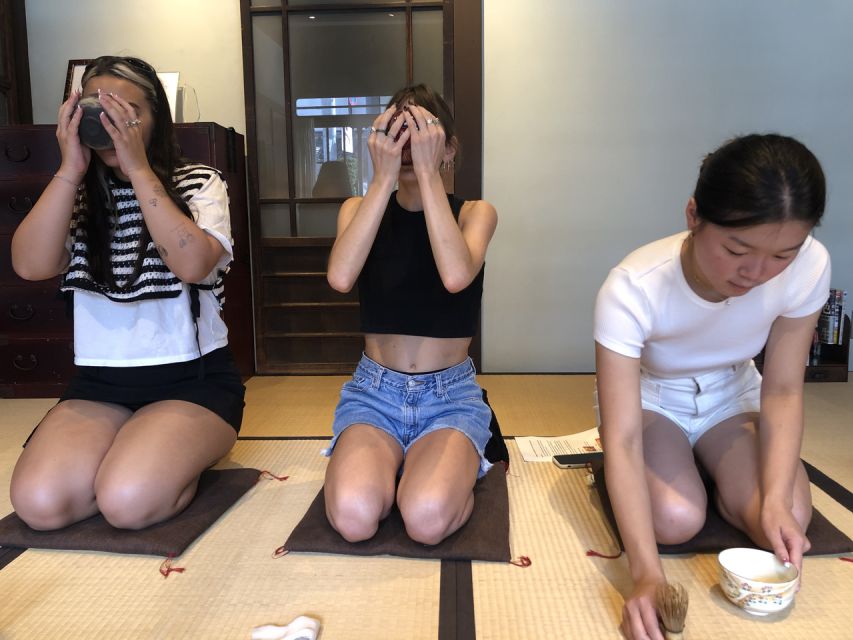
I would recommend this to first-time visitors who want a clear, hands-on introduction to an important Japanese tradition. It also suits solo visitors: the small group gives you a natural way to share the activity with others without needing to arrive with a companion.
Couples and families with older children can enjoy it together, especially if everyone is curious and can settle into a quiet setting. The patient, conversational teaching makes it less intimidating than a strictly formal ceremony. For very young children, use your judgment: the atmosphere is peaceful, and the group is there to focus.
This is also a good choice if your Kyoto schedule is full but you still want an activity with some substance. In under an hour, you get an explanation, a demonstration, a chance to make matcha, and a sweet. It is not a substitute for a longer study of tea ceremony, but it gives you a useful first look at the tradition and a moment of calm in the middle of sightseeing.
Should you book?
Book this if you want to understand the gestures and purpose behind matcha preparation, and you would enjoy learning in a small, welcoming group. The townhouse setting, English-speaking instruction, handcrafted utensils, and chance to make your own tea make the $45 price reasonable for a short cultural activity.
Skip it if you want a long ceremony, a meal, kimono rental, or a quiet private session guaranteed just for your party. For everyone else, this is a compact and thoughtful way to meet a Kyoto tradition through your own hands, not just through a guidebook.
FAQ
How long does the tea ceremony last?
The activity lasts 45 minutes.
What is included in the price?
The tea ceremony, one cup of matcha, and a traditional Japanese sweet are included.
Is the instruction in English?
Yes. The instructor speaks English.
Can I make my own matcha?
Yes. The tea master demonstrates the preparation, then guides you as you make your own bowl.
Is kimono rental included?
No. Kimono rental and hair setting are not included.
How large is the group?
The activity is limited to 10 participants.
Can I cancel for a refund?
Yes. You can cancel up to 24 hours in advance for a full refund.
Newly added in Kyoto
- Uji: Private immersion into Kyoto’s tea and reglious culture★ 5.0 · 17 reviews
- Whisk Your Own Matcha: A Zen Matcha Experience at Temple★ 3.6 · 7 reviews
- Kyoto tea town for matcha lovers★ 5.0 · 16 reviews
- Treasures of Kyoto: Gion & historical Walking Tour★ 5.0 · 6 reviews
- Kyoto Matcha Green Tea Tour★ 4.5 · 23 reviews
- Uji and Wazuka Matcha Farm Half Day Private Guided Tour★ 5.0 · 21 reviews
- Uji Tea Ceremony and UNESCO Heritage Walking Tour★ 5.0 · 20 reviews
- Utilising upcycled Matcha! Creating matcha incense (Uji, Kyoto)★ 5.0 · 6 reviews
Kyoto Tea Ceremonies, compared.

Tea Ceremony in a Traditional Tea House in Kiyomizu
Read our review →

World Heritage Kyoto & Nara Uji Authentic Matcha Experience
Read our review →

Arashiyama Bamboo Forest, Monkeys, Matcha & Temple Tour
Read our review →
Tea Museum Tickets and Matcha Grinding Experience
Read our review →Browse the lists this tour appears in