
Reviewed · KYOTO TEA CEREMONIES
Kyoto: 45-Minute Tea Ceremony Lesson Experience
Kyoto’s tea ceremony is less about a cup of tea than the care behind each movement. At Tea Ceremony Koto, a licensed Urasenke tea master demonstrates the ritual, then shows you how to prepare matcha yourself, with explanations of its history, etiquette and spirit.
I like two things here: you learn by taking part, not just watching, and the lesson follows the full thin-tea ceremony rather than a simplified version made for tourists. The two green teas and traditional sweets also make the $22 price feel like good value.
The main trade-off is time. Forty-five minutes is enough for a meaningful introduction, but not a long, leisurely lesson, and some people find the transitions brisk. Expect a quiet, respectful class, not a lively show.
At a glance
- A licensed Urasenke tea master leads the lesson, with instruction in English or Japanese.
- You watch the host prepare matcha, then make a bowl yourself using the ceremony’s basic rules.
- Two flavors of green tea and traditional Japanese sweets are included in the $22 price.
- Choose a private, small-group or candlelight session when booking, subject to availability.
- Kimono hire is an optional extra, and you need to arrive 20 minutes early if you book it.
- The tea house is beside Kinkakuji, a one-minute walk from the Kinkakuji-Michi bus stop and the temple gate.
A full tea lesson, not a quick photo stop
Tea Ceremony Koto describes its approach as teaching beginners the same basic rules taught to Japanese participants. That matters if you want to understand why the ceremony is so precise, rather than simply dress up, pose with a bowl and move on.
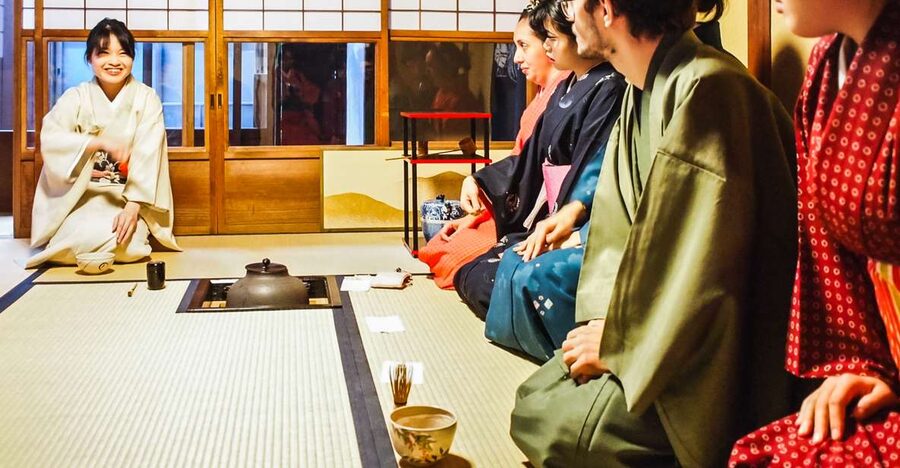
You begin on tatami, the traditional floor mat, and meet your English-speaking host. The tea master first performs the preparation of matcha, powdered green tea. Watch the sequence closely: the point is not speed, but controlled movement and attention to each part of serving tea.
Then it is your turn. The host guides you through preparing tea and explains the ceremony’s history and spiritual role, as well as how different preparation methods affect flavor. You do not need prior experience. The lesson is intended to teach the basic manners and technique as you go.
The class is designed to be quiet and respectful. That may be a welcome change if Kyoto’s busy sightseeing spots have left you craving a slower hour. But it is not a casual tasting where you can chat freely or film the proceedings. Video recording is not allowed, and the emphasis is on following the ritual.
More tea ceremonies in Kyoto:
- Kyoto: Tea Ceremony in a Traditional Tea House in Kiyomizu
★ 4.9 · 3,519 reviews - Kyoto: Tea Ceremony Ju-An at Jotokuji Temple
★ 4.9 · 3,207 reviews - World Heritage Kyoto & Nara Uji Authentic Matcha Experience
★ 5.0 · 1,573 reviews
What happens during the 45 minutes
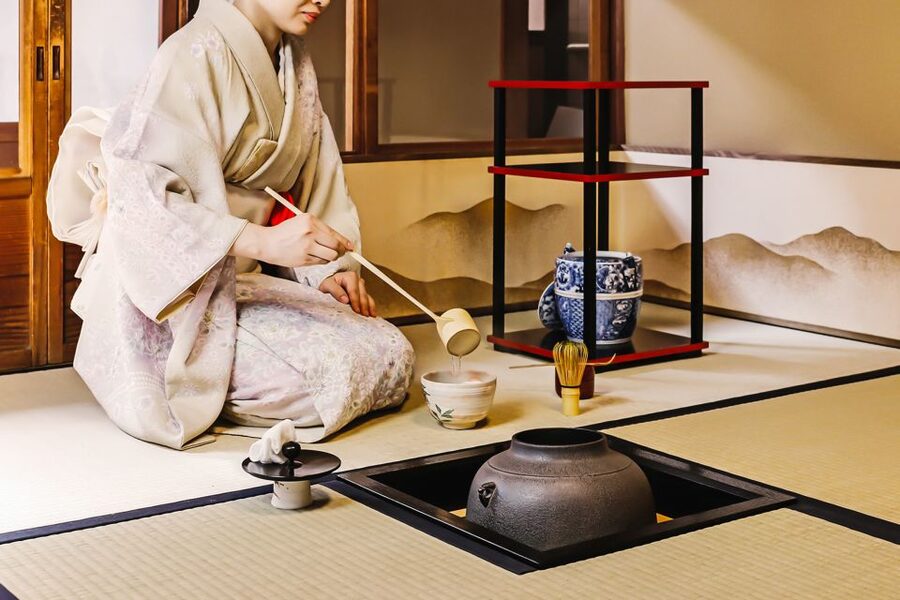
The short format has a clear rhythm. First comes the host’s demonstration, which gives you a chance to see how the tea is prepared before trying it yourself. The explanation helps connect the gestures to the practice, rather than leaving you to guess what each movement means.
Next, you make tea under the host’s guidance. You learn the basic rules for preparing and drinking it, and the tea master explains why the process is done in a particular way. This hands-on part is the heart of the lesson. It gives you a practical sense of the ceremony, even if 45 minutes does not allow for extended practice.
You are served two flavors of Japanese green tea, along with traditional sweets. The sweets are more than a snack between steps: they offer a contrast to the tea and are part of the traditional setting. The tea itself may surprise you if you expect matcha to be sharply bitter. The flavor depends in part on how it is prepared, and the host discusses that difference.
After the ceremony, there is an opportunity to take photos and see examples of kimono and woven textiles from Kyoto’s Nishijin district. Keep your camera for still photos, not video. The photo moment comes after the lesson, so the experience does not have to revolve around posing.
Some visitors find the schedule brisk, especially as the class begins and wraps up. If your ideal tea ceremony is a long, meditative stay, this is a compact introduction rather than an extended retreat. If you want a structured lesson with a chance to participate, the short length is practical: it fits into a sightseeing day without taking over it.
Private, small-group or candlelight
You can choose among three formats, each with a different feel. A private ceremony is for you and your party alone, with closer attention from the tea master and the chance to proceed at your own pace. It is a natural fit for couples, families or anyone who would prefer a quieter setting. The price provided is $22 per person; check the booking options for the cost of the private format.
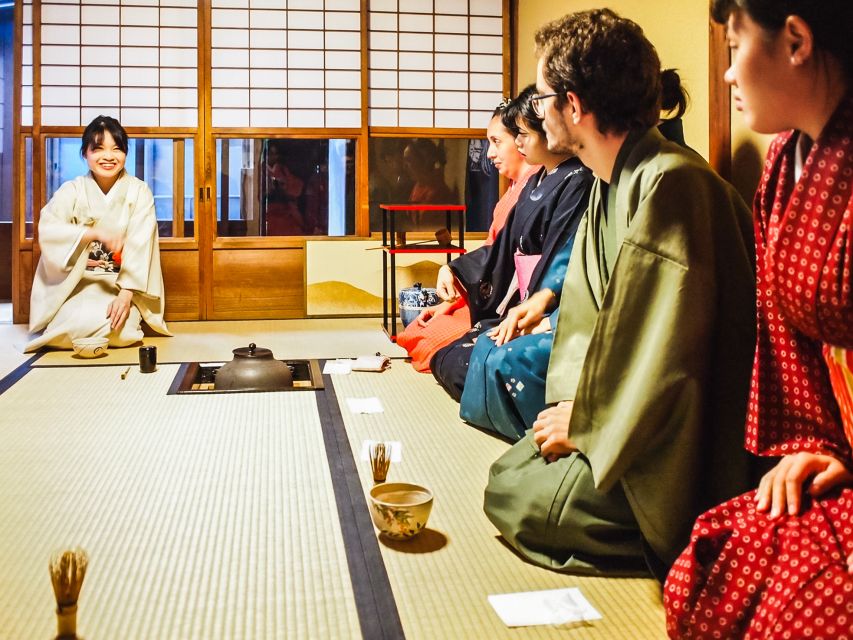
The public option brings a small group together. You share the lesson with other participants, which makes the session more sociable while keeping the focus on learning. The class is still intended to follow the basic rules of the ceremony, not to turn into a casual group demonstration.
The candlelight option takes place in the evening and uses traditional candlelight to create an old-Kyoto mood. It is a distinctive choice if you want a more atmospheric setting after sunset. Check the available start times when booking, since the experience lasts 45 minutes and the candlelight session is an evening option.
A kimono can be added for an extra cost. You need to reserve it in advance, since it may not be possible to arrange one on arrival, and you must come 20 minutes before the ceremony begins. The host helps you put it on, and the outfit can add a sense of occasion, particularly for photos. But keep expectations sensible: this is a brief cultural activity, not a full kimono styling session. Hair setting is not included.
Near Kinkakuji, with a straightforward bus approach
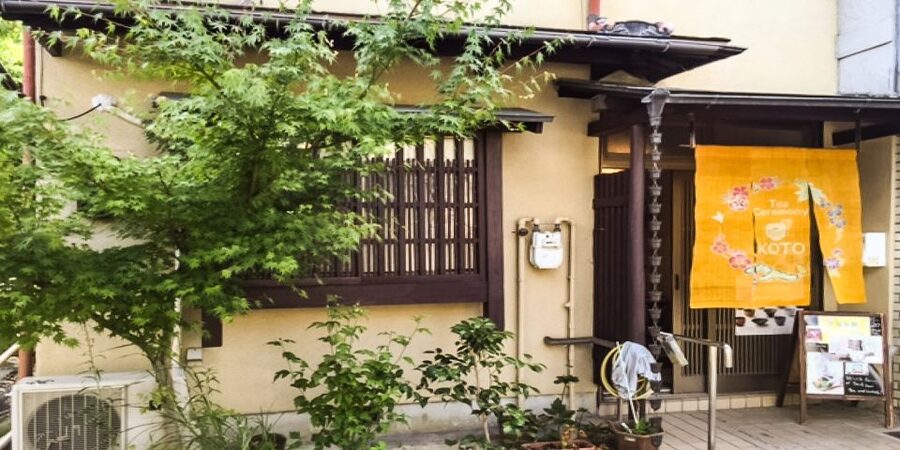
The meeting place is close to Kinkakuji, Kyoto’s Golden Pavilion. Enter through the sliding door with the orange curtain. If you are already at the temple, the venue is a one-minute walk from its gate, near the bicycle parking area.
The Kinkakuji-Michi city bus stop is also about a minute away. From Kitaoji subway station or JR Enmachi, city buses 204 or 205 take roughly 10 to 15 minutes. That makes the tea lesson an easy pairing with a visit to the temple, though you should leave enough time to find the entrance and arrive promptly.
A practical local wrinkle: the activity information warns that calling a taxi after the lesson can be difficult because taxi companies may not answer immediately. There is a large taxi stand in front of the venue, usually open around 5:30 p.m. If you are relying on a cab, factor that into your plans rather than assuming you can summon one at once.
There is no dress code. If sitting on the floor may be difficult, tell the provider in advance; chairs can be arranged. That is worth doing before the day, rather than hoping to solve it once the class has begun.
More Kyoto tours in Kyoto:
- PERFECT KYOTO 1-Day Bus Tour
★ 5.0 · 13,518 reviews - Kyoto: Fushimi Inari, Kinkakuji, Bamboo Grove 1 Day Bus Tour
★ 4.8 · 4,316 reviews - Kyoto Geisha Walking Tour: Gion District & Hidden Gems
★ 4.7 · 3,273 reviews - Kyoto: Gion Magical Night Walking Tour with Geisha Trivia
★ 4.9 · 2,393 reviews
What the $22 price gets you
At $22 per person, the base price covers a 45-minute lesson, two flavors of green tea and traditional sweets. You also get instruction from a licensed Urasenke tea master and the chance to make tea yourself. For an introduction to an important Japanese cultural practice, that is a solid return for a modest outlay.
The value is strongest if you want context and participation. A demonstration alone would be less useful; here, you see the procedure, hear why it matters and try it under guidance. The chance to ask questions and learn about tea, etiquette and the vessels used for drinking adds substance beyond the photo opportunity.
The kimono, private setting and candlelight format can add to the occasion, but they are choices rather than essentials. If you are watching your budget, the standard class still includes the core lesson, tea and sweets. If you want a more personal or atmospheric session, compare the options and any extra charges before booking.
There are limits to what the base price can deliver. The class is brief, and it does not include hotel pickup, hair setting or kimono hire. You are paying for a focused lesson at the venue, not transportation or a long cultural program.
The right mood and a few useful courtesies
This activity suits you if you are curious about Japanese traditions and willing to follow instructions carefully. The host explains the basic rules, and short preparation videos are available to help you understand what not to do. Watching them before you go is a sensible way to arrive prepared, especially because the class aims to teach the ceremony as it is taught to Japanese beginners.
The atmosphere can feel formal. Some people appreciate that seriousness; others may find the host’s manner direct or the pacing brisk. The tea master is there to explain and guide, but this is not designed as a comedy performance or a free-form chat. Go in ready to listen, take part and respect the quiet.
English and Japanese instruction are available. Individual hosts can vary, and Joseph has led some sessions. The important practical point is that English instruction is offered, so you can follow the demonstration and ask questions without needing to know Japanese.
Photos are part of the experience, particularly after the ceremony and if you add kimono hire. Video is not allowed. Keep your phone away during the lesson and enjoy the chance to watch each movement rather than trying to capture it all.
Should you book this Kyoto tea ceremony?
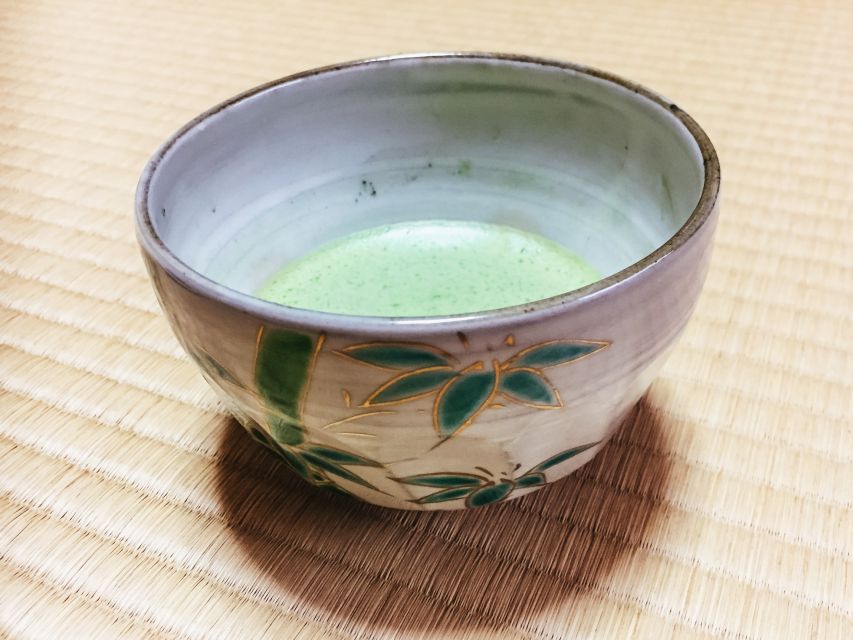
Book it if you want a hands-on, well-structured introduction to matcha and the traditions around it, especially if you are visiting Kinkakuji. The strongest reasons to go are the chance to prepare tea yourself, the explanations from a licensed tea master and the reasonable base price, which includes two teas and sweets.
Think twice if you want a long, unhurried ceremony, a highly casual atmosphere or a session built mainly around photos. Forty-five minutes goes quickly, and the focus is on learning and respectful participation. For a compact cultural lesson that gives you more than a quick look at a tea bowl, it is an appealing use of time in northern Kyoto.
FAQ
How long does the tea ceremony lesson last?
The activity lasts 45 minutes. Check the available start times when booking.
What is included in the price?
The $22 per-person price includes two flavors of Japanese green tea and traditional Japanese sweets.
Is kimono hire included?
No. Kimono hire is an optional add-on and must be reserved in advance. If you book it, arrive 20 minutes before the ceremony.
Can I choose a private or candlelight ceremony?
Private, small-group public and candlelight options are offered. Check availability and the booking choices for the session that suits you.
Where is the meeting point?
Enter through the building’s sliding door with the orange curtain. The venue is near the Kinkakuji gate and a one-minute walk from the Kinkakuji-Michi city bus stop.
How do I get there by public transport?
From Kitaoji subway station or JR Enmachi, take Kyoto city bus 204 or 205. The ride takes about 10 to 15 minutes, followed by a short walk.
Is there a dress code, and can I sit on a chair?
There is no dress code. If sitting on the floor may be difficult, contact the provider in advance to arrange a chair.
Can I record the ceremony?
Video recording is not allowed. The activity information says you can take photos after the ceremony.
Newly added in Kyoto
- Uji: Private immersion into Kyoto’s tea and reglious culture★ 5.0 · 17 reviews
- Whisk Your Own Matcha: A Zen Matcha Experience at Temple★ 3.6 · 7 reviews
- Kyoto tea town for matcha lovers★ 5.0 · 16 reviews
- Treasures of Kyoto: Gion & historical Walking Tour★ 5.0 · 6 reviews
- Kyoto Matcha Green Tea Tour★ 4.5 · 23 reviews
- Uji and Wazuka Matcha Farm Half Day Private Guided Tour★ 5.0 · 21 reviews
- Uji Tea Ceremony and UNESCO Heritage Walking Tour★ 5.0 · 20 reviews
- Utilising upcycled Matcha! Creating matcha incense (Uji, Kyoto)★ 5.0 · 6 reviews
Kyoto Tea Ceremonies, compared.
Tea Ceremony in a Traditional Tea House in Kiyomizu
Read our review →
World Heritage Kyoto & Nara Uji Authentic Matcha Experience
Read our review →

Arashiyama Bamboo Forest, Monkeys, Matcha & Temple Tour
Read our review →
Tea Museum Tickets and Matcha Grinding Experience
Read our review →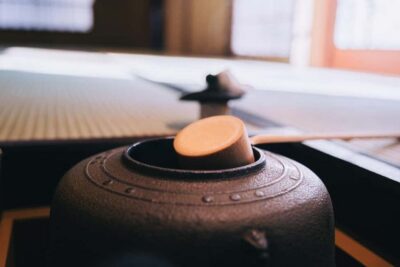
Browse the lists this tour appears in