
Reviewed · NARA TOURS
Nara Afternoon Tour from Kyoto or Osaka
Nara’s big draw is hard to miss: inside Todaiji’s vast wooden hall sits a bronze Buddha on a scale that makes the building’s immense size feel almost modest. Add a walk through a park where deer roam freely and a visit to lantern-lined Kasuga Shrine, and this afternoon trip gives you a compact introduction to Japan’s former capital. I like that transport and admission are included, and that an English-speaking guide can put the temples in historical context.
The trade-off is time. You have about five hours and forty minutes for the journey and the sights, with fixed group stops and a long walk to Todaiji from the bus parking area. If you want an unhurried visit or plenty of time with the deer, going independently may suit you better.
- The Great Buddha is the main event: Allow time to take in both the bronze figure and the huge wooden hall at Todaiji.
- The walk to Todaiji is substantial: Plan on about 25 minutes each way between the parking area and the temple.
- Kasuga’s lanterns tell a story: The shrine has more than 3,000 stone and bronze lanterns, and a special visit area is planned as part of the route.
- The deer are free-roaming: More than 1,000 live in Nara Park, but the tour’s limited time may leave little room to linger.
- A guide and transport are included: That makes the logistics simpler, especially on a short visit from Kyoto or Osaka.
- The pace can feel brisk: The tour covers several major sights in one afternoon, and road conditions or delays can affect the schedule.
A short route through Japan’s first permanent capital
Nara became Japan’s first permanent capital in 710, when it was known as Heijo. The city’s temples helped make it a center of Buddhist life and government. The capital moved away in 784, but important religious sites remain, including Todaiji and Kasuga Grand Shrine.
This tour links those sites with Nara Park, giving you a useful overview without needing to plan train connections and local transport yourself. The pickup is at the Avanti Tour Desk near Kyoto Station. If you choose the Osaka departure option, the arrangement includes an English-speaking assistant for the journey between Hotel Granvia Osaka and the Kyoto tour desk, then between Kintetsu Nara Station and Osaka Namba Station. That is different from having the licensed English guide with you for the entire Osaka-to-Kyoto transfer.
The group can include up to 40 people. That size keeps the trip manageable for a coach tour, but you should expect the usual group-tour compromises: a set pace, meeting points, and limited freedom to linger. Seats may not be assigned, so do not count on choosing a particular spot.
Todaiji’s Great Buddha and the long approach
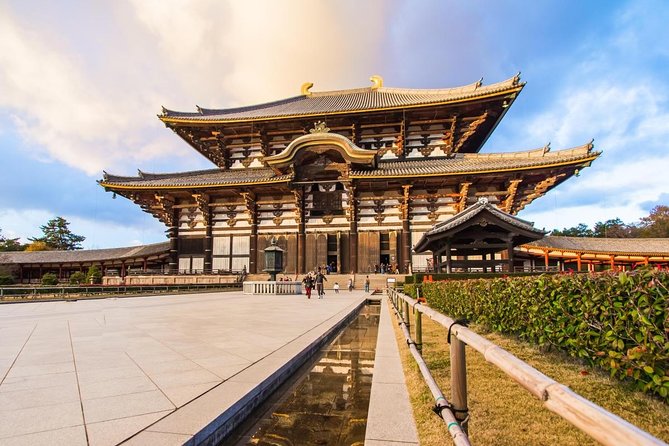
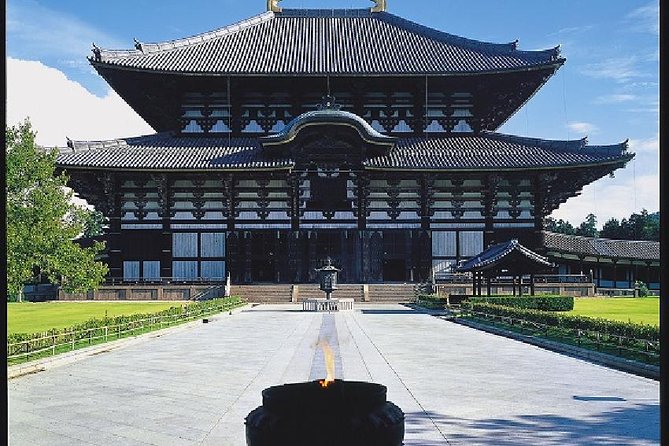
Todaiji is the tour’s most impressive stop, and for many people the reason to make the trip. Its Great Buddha Hall, or Daibutsuden, is one of the world’s largest wooden buildings. Inside, the enormous bronze Buddha gives the scale of the hall a striking focal point. This is not a quick roadside photo stop: admission is included, and the visit lasts about one hour and ten minutes.
The approach matters. You walk from the bus parking area to the temple, a journey of about 25 minutes each way. That is a significant part of the available time, particularly if you walk slowly, have young children, or are hoping to spend extra time looking around inside. Wear comfortable shoes and keep the return meeting point and time clear before you set off.
Once inside, give yourself a moment to look at the building as well as the statue. The hall’s size is part of the experience, and rushing straight to the Buddha can mean missing the details around it. The guide can explain the temple’s place in Nara’s history and help you understand what you are seeing. Past guides named Yuki, KC, and Mo Mo have been praised for clear explanations and warm, engaging presentations, though you cannot count on a particular guide being assigned to your departure.
There is a practical limit to that guided context. The stop has a schedule, and late arrivals or a slow-moving group can eat into the time available. You will see the temple, but this format is not ideal if you want to study every feature at length.
More Nara trips in Kyoto:
- World Heritage Kyoto & Nara Uji Authentic Matcha Experience
★ 5.0 · 1,573 reviews - Kyoto/Osaka: Nara, Fushimi Inari Taisha, Arashiyama Bus Tour
★ 4.7 · 1,275 reviews - Nara Half Day Trip Walking Tour (Private Option Available)
★ 5.0 · 937 reviews
Nara Park’s deer, with time to spare only if the schedule allows
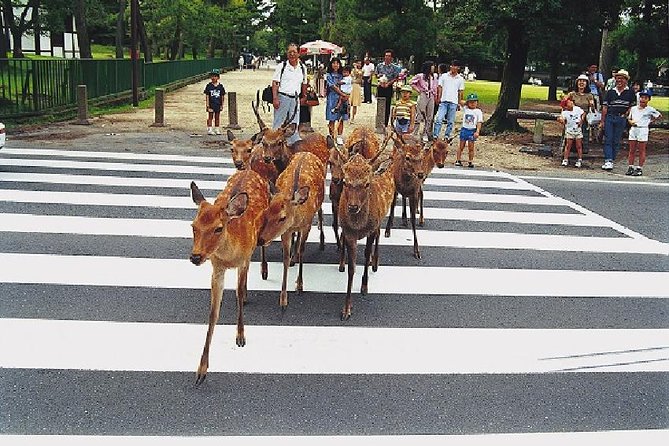
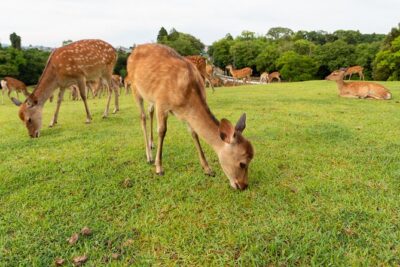
Nara Park covers about 1,250 acres and is home to more than 1,000 deer. They wander around the grounds, and some will approach people looking for food. Their behavior is part of what makes the park memorable, but they are not props or pets. Keep a little space, follow your guide’s instructions, and pay attention to your belongings around animals that are used to people.
The deer are often described as bowing for treats, and you may get a chance to feed them. The tour information does not promise that deer crackers are provided, so if feeding them matters to you, ask the guide where to buy them and how much free time you will have. This is a useful question to settle early, rather than discovering near the end of the visit that the schedule is already tight.
That time pressure is the biggest drawback for anyone whose main aim is the deer. The park visit is part of a route that also includes two major religious sites, a coach journey, and the walk to Todaiji. Some people find the afternoon ample for seeing the highlights; others may feel there is too little time to explore at their own pace. If you want to spend a long stretch feeding deer or wandering the park, an independent visit gives you more control.
Kasuga Grand Shrine and its lanterns
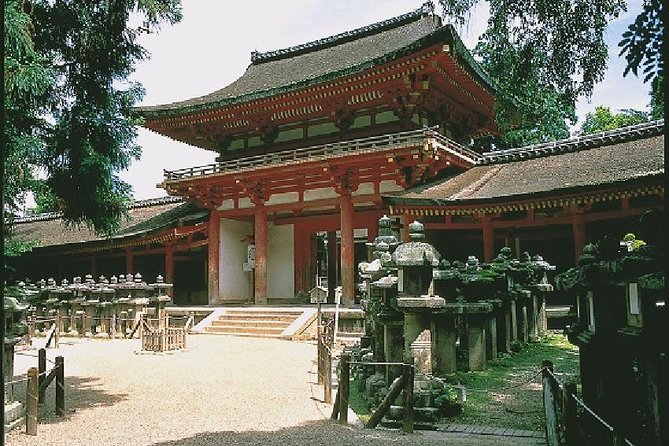
Kasuga Grand Shrine provides a quieter counterpoint to Todaiji. It dates to the Nara period and is recognized as a World Heritage Site. Its stone lanterns line the approach, while bronze lanterns hang in the shrine’s corridors. Altogether, the grounds feature about 3,000 antique stone and bronze lanterns, a distinctive sight even if you have already visited several temples and shrines in Japan.
The scheduled visit lasts about one hour. From January 2025, the route adds access to the Main Sanctuary special visit area, where you can get closer to the sanctuary and view the hanging lanterns in the corridor. This is a meaningful addition because it brings you nearer to the shrine’s central precinct, rather than limiting the visit to its outer grounds.
That access is not guaranteed in every circumstance. Events or operating conditions may prevent entry; in that case, the tour may visit the Kasuga Taisha Museum or Todaiji Museum instead. The tour information says there is no refund if an alternative is used. Admission to the Kasuga special visit area is included, but the Treasures Hall and Manyo Botanical Gardens are not. If either is a priority, do not assume it is part of the itinerary.
What the $102.38 price covers
At $102.38 per person, this is a convenience-led tour rather than the cheapest way to get to Nara. The fee includes return transportation, admission fees for the planned visits, and the services of a National Government Licensed English Guide Interpreter. You are paying to have the transport and main stops arranged, with a guide to explain the sites and keep the group moving.
That can be worthwhile if your time in Kyoto is short, you would rather not work out the connections, or you value having historical context on the way. Feedback about guides is one of the strongest points associated with the trip. Yuki, KC, and Mo Mo are among the names connected with positive accounts of clear explanations, good organization, and humor. Guide quality can vary, of course, and a named guide is not guaranteed.
The price is harder to justify if you mainly want independent time in the park. A self-guided visit gives you control over how long you spend with the deer, at Todaiji, or around Kasuga. The trade-off is that you arrange your own transport and timing. Compare the total cost and effort, not just the ticket price: the tour includes admissions and transport, while lunch, drinks, the Kasuga Treasures Hall, and the Manyo Botanical Gardens cost extra.
More Osaka trips in Kyoto:
- Osaka/Kyoto:Kinkakuji,Arashiyama,FushimiInariShrine,NaraPark
★ 4.1 · 1,596 reviews - One-Day Tour of Kyoto’s Highlights from Osaka/Kyoto
★ 4.5 · 1,092 reviews - Osaka/Kyoto: Arashiyama, Nara & Fushimi Inari Shrine w/Lunch
★ 4.4 · 754 reviews - Nara Early Morning Tour (Kyoto or Osaka Departure Available)
★ 5.0 · 676 reviews
Pace, group size, and practical preparation
The tour lasts about five hours and forty minutes, but that includes the journey from Kyoto to Nara and back. It is best understood as an efficient highlights trip, not a leisurely day in the city. The order of activities and arrival times can change with road conditions and congestion, so leave room in your evening plans rather than treating the stated return time as exact.
The maximum group size is 40. Some departures move smoothly, while a larger group or late return to the bus can reduce time at the next stop. Listen carefully to the guide’s directions about where to meet and when. If the group separates, clear instructions matter, especially at busy sites.
The walk to Todaiji is the most important physical detail to plan for. It is about 25 minutes one way from the parking area, in addition to walking around the temple grounds and shrine. Most people can take part, but the route may feel tiring if you have limited mobility or dislike sustained walking. Service animals are allowed.
Children up to five can join free, but they do not receive a bus seat unless booked at the child rate. Anyone under 18 needs written parental permission. Participants under 15, or not yet enrolled in middle school, must be accompanied by a parent or guardian. Lunch and drinks are not included, so plan to eat beforehand or bring what you need.
Who should book this Nara afternoon trip?
I would choose this tour if you have only an afternoon, want to see the Great Buddha and Kasuga Shrine, and prefer transport and admissions to be handled for you. It is also a sensible option if you want a guide’s explanation of why Nara became such an important religious center. For many people, the combination of Todaiji’s scale, the lanterns, and the deer makes a memorable introduction to the city.
I would think twice if the deer are your main reason for going, or if you want a slow visit with time to explore museums and gardens. The schedule is fixed, and the walk to Todaiji takes time from an already compact itinerary. For that kind of visit, go independently and give Nara the hours it deserves.
The tour has a 4.4 rating from 390 reviews, reflecting a generally positive experience alongside real concerns about rushed pacing and limited free time. My practical advice is simple: book for convenience, a guide, and the headline sights. Skip it if your ideal Nara day means lingering at each stop.
FAQ

How long is the Nara afternoon tour?
The tour lasts approximately five hours and forty minutes, including return transportation.
Where does the Kyoto departure begin?
The Kyoto pickup is at the Avanti Tour Desk near Kyoto Station.
Is transportation included?
Yes. Transportation costs are included for the tour. The Osaka departure option also includes an English-speaking assistant for the specified transfer segments between Osaka, the Kyoto tour desk, and Nara.
Are the temple and shrine admission fees included?
Admission fees for the planned tour visits are included. The Kasuga Treasures Hall and Manyo Botanical Gardens are not included.
How much walking is required at Todaiji?
The walk from the parking area to Todaiji Temple is about 25 minutes each way.
Is entry to Kasuga Shrine’s Main Sanctuary special visit area guaranteed?
No. The special visit area is planned, but events or operating conditions may make it unavailable. The tour may visit the Kasuga Taisha Museum or Todaiji Museum instead, with no refund for the substitution.
Can children join the tour?
Children up to five may join free, but no bus seat is provided unless you book at the child rate. Participants under 18 need written parental permission. Anyone under 15, or not yet enrolled in middle school, must travel with a parent or guardian.
Can I cancel for a refund?
You can cancel for a full refund up to 24 hours before the experience’s start time. Cancellations or changes made less than 24 hours before the start time are not accepted for a refund.
Newly added in Kyoto
- Uji: Private immersion into Kyoto’s tea and reglious culture★ 5.0 · 17 reviews
- Whisk Your Own Matcha: A Zen Matcha Experience at Temple★ 3.6 · 7 reviews
- Kyoto tea town for matcha lovers★ 5.0 · 16 reviews
- Treasures of Kyoto: Gion & historical Walking Tour★ 5.0 · 6 reviews
- Kyoto Matcha Green Tea Tour★ 4.5 · 23 reviews
- Uji and Wazuka Matcha Farm Half Day Private Guided Tour★ 5.0 · 21 reviews
- Uji Tea Ceremony and UNESCO Heritage Walking Tour★ 5.0 · 20 reviews
- Utilising upcycled Matcha! Creating matcha incense (Uji, Kyoto)★ 5.0 · 6 reviews
Nara Tours, compared.

World Heritage Kyoto & Nara Uji Authentic Matcha Experience
Read our review →
Nara, Fushimi Inari Taisha, Arashiyama Bus Tour
Read our review →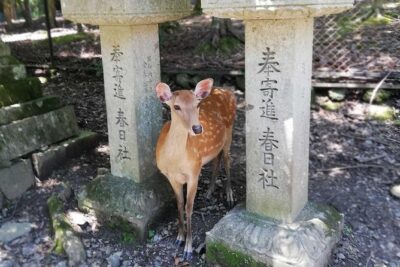
Nara Half Day Trip Walking Tour (Private Option Available)
Read our review →
Arashiyama, Nara & Fushimi Inari Shrine w/Lunch
Read our review →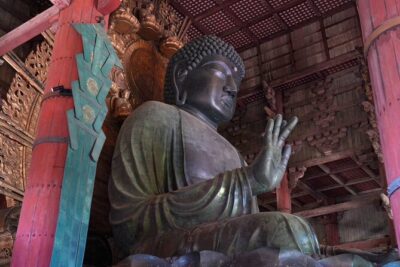
Nara Early Morning Tour (Kyoto or Osaka Departure Available)
Read our review →
Full Day Guided Tour to Kyoto and Nara from Osaka by Van
Read our review →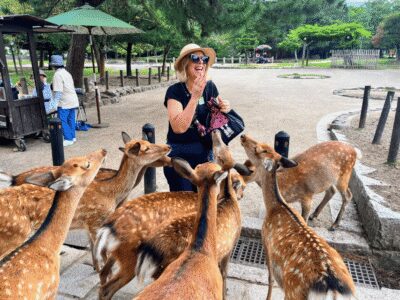
Browse the lists this tour appears in