
Reviewed · FUSHIMI INARI TOURS
Kyoto/Osaka: Nara, Fushimi Inari Taisha, Arashiyama Bus Tour
Nara’s sacred deer, Fushimi Inari’s long corridors of red gates and Arashiyama’s bamboo all fit into one day on this bus tour from Osaka or Kyoto. It’s a handy way to connect three widely spaced sights without planning the transfers yourself.
I like the contrast between the stops: you can feed deer in Nara, walk beneath the torii gates at Fushimi Inari, then trade shrine crowds for Arashiyama’s bamboo paths. I also like that the guide takes care of bus timing, leaving you free to use your time at each place as you choose.
The trade-off is the packed schedule. You’ll see several major sights, but you won’t have hours at each one, and traffic or weather can affect the return time. If you prefer to linger or explore at your own pace, make these visits independently.
At a glance
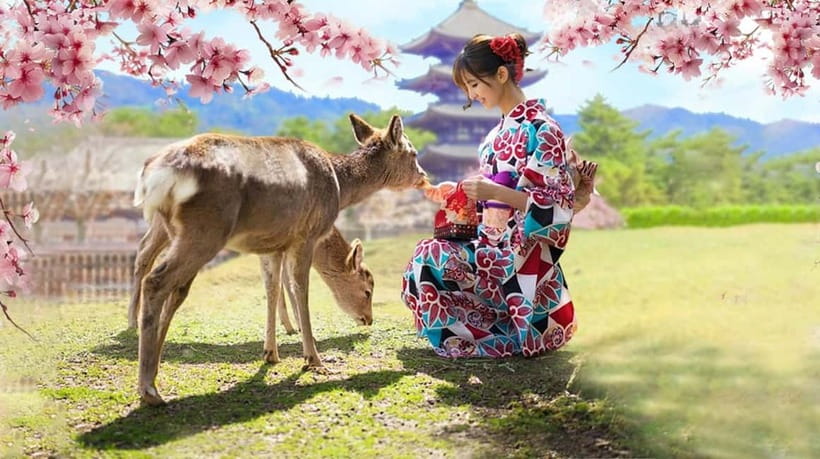
- Nara Park brings you close to free-roaming deer, revered in local tradition as divine messengers. You have about an hour to walk around and see them.
- Fushimi Inari gives you time among its famous torii gates, with around 70 minutes for sightseeing and walking.
- Arashiyama is the longest stop, with time for the bamboo forest, Nonomiya Shrine, Togetsukyo Bridge and other sights.
- Tenryu-ji Temple costs extra, so factor admission into your budget if you want to see its garden.
- The bus makes a multi-stop day simpler, especially if you’re based in Osaka and don’t want to arrange separate trips.
- The tour costs $52 per person and lasts about nine to ten hours, with lunch and personal expenses not included.
From Osaka or Kyoto to Nara
The day starts at one of two meeting points: Harimaya Nippombashi 1-chome in Osaka or the sunken garden by Kyoto Station’s Hachijo entrance. The advertised departure is 8 a.m. from Osaka and 9 a.m. from Kyoto. Be at your selected point 10 to 15 minutes early; the bus leaves on time.
The air-conditioned vehicle links stops that would otherwise take separate planning. That matters most if you’re staying in Osaka, where fitting Nara, Fushimi Inari and Arashiyama into one day by public transport can mean multiple transfers and close attention to departure times. Here, your guide and driver handle the route while you rest between visits.
You can arrange to finish in Kyoto after starting in Osaka, or the other way around, which can be useful if you’re changing hotels that day. Tell the operator your preferred drop-off when booking. If you don’t, the default is to return to your pickup point.
Expect a long day, not a leisurely city stroll. Each place involves walking, and the bus schedule depends on traffic and weather. The plan can change, and your return time may shift, so avoid scheduling a tight connection or fixed evening plans.
More Fushimi Inari tours in Kyoto:
- Kyoto: Fushimi Inari, Kinkakuji, Bamboo Grove 1 Day Bus Tour
★ 4.8 · 4,316 reviews - Fushimi Inari Hidden Hiking Tour (Private Option Available)
★ 5.0 · 1,750 reviews - Osaka/Kyoto: Arashiyama, Nara & Fushimi Inari Shrine w/Lunch
★ 4.4 · 754 reviews
Nara Park and its deer
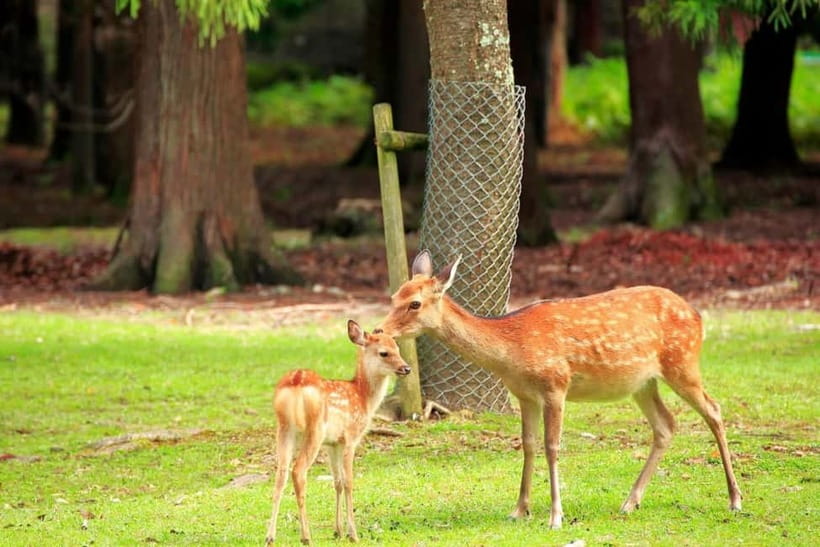
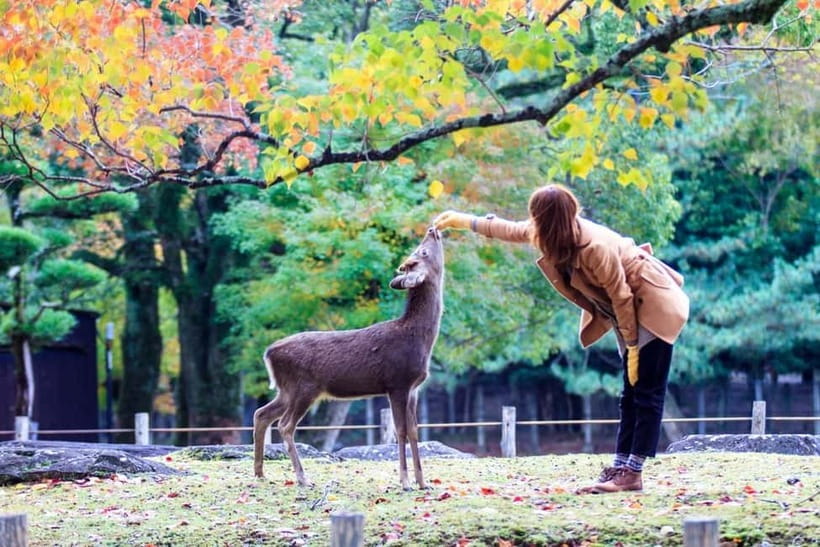
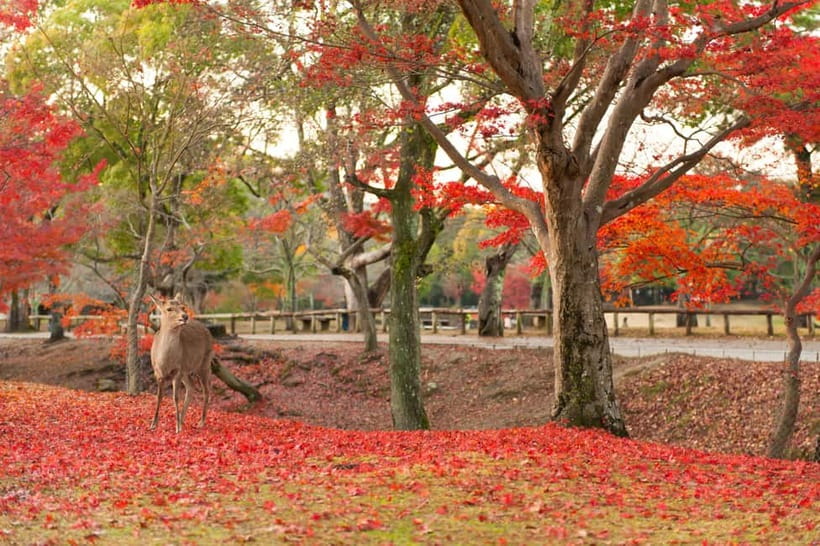
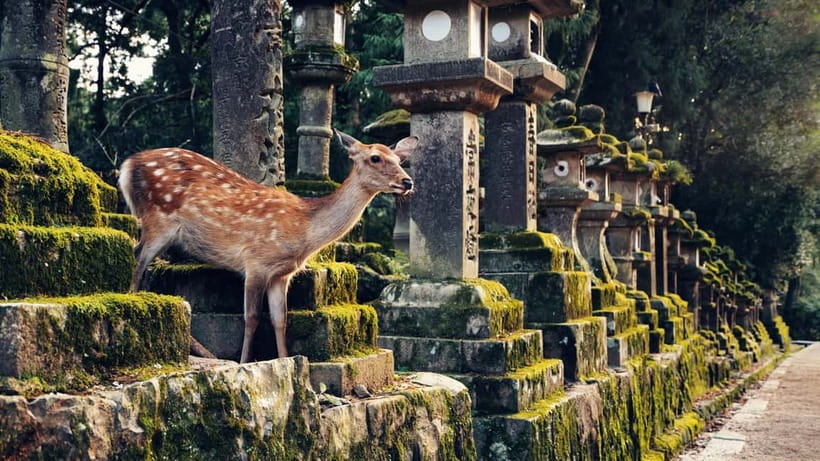
Nara Park is your first major stop, with about an hour to see its best-known residents: more than 1,000 deer that roam freely and are regarded as sacred messengers. You can feed them special shika senbei crackers, watch them move among the park’s paths and take photos.
The deer are a memorable part of the visit, but this is still a public park, not a quiet animal sanctuary. You’ll share the area with other people, and the deer may be eager for food. Keep your belongings close and follow posted guidance on interacting with them. The tour description does not list crackers as included, so treat them as a possible extra expense rather than assuming they’re covered by the fare.
An hour gives you a taste of the park rather than time to see every corner of Nara. If you want a slow visit or plan to add other sites in the city, this stop may feel brief. For a first visit, though, it offers a lively introduction and a clear change of pace from Kyoto’s shrines and gardens.
Walking beneath Fushimi Inari’s gates
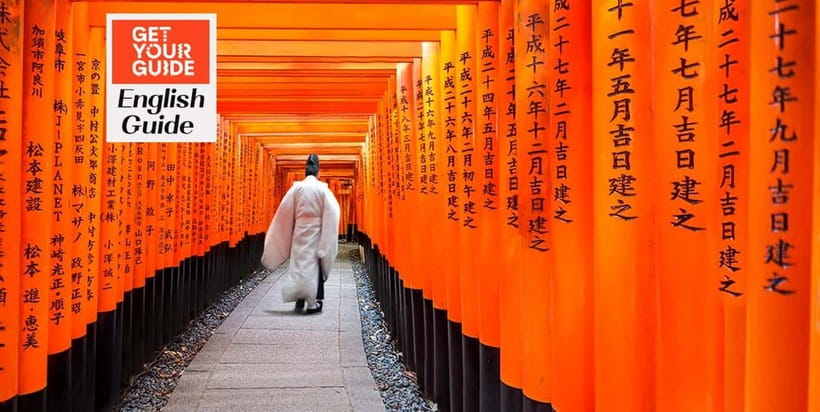
At Fushimi Inari Taisha, the tour allows about 70 minutes for sightseeing and walking. The shrine is known for its vermilion torii gates, which form long passageways up the mountainside. The gates were donated over many years by people and businesses seeking prosperity, giving the site a close link to good fortune and success.
You don’t need to walk the entire mountain route to appreciate the place. Use your allotted time to pass through a section of the gates, pause for photos and take in the shift from the busy entrance toward quieter paths farther uphill. The famous corridors can be crowded, particularly near the lower sections, so keep moving when the path is tight and save longer stops for places where you’re not blocking others.
The time limit is the main constraint. A full climb is not a realistic aim within this stop, and you’ll need to watch the clock before returning to the bus. Think of it as a focused visit, not a complete exploration of the mountain. If the gates are your top priority, an independent return visit gives you more freedom to walk farther.
Arashiyama’s bamboo, shrine and river views
Arashiyama is allocated about two and a half hours in the day’s schedule, though the specific timing may shift. The detailed stops include the bamboo forest, Nonomiya Shrine, Tenryu-ji Temple, Togetsukyo Bridge and Kimono Forest, along with free time. That is a generous block compared with the first two stops, but there is still plenty to choose from.
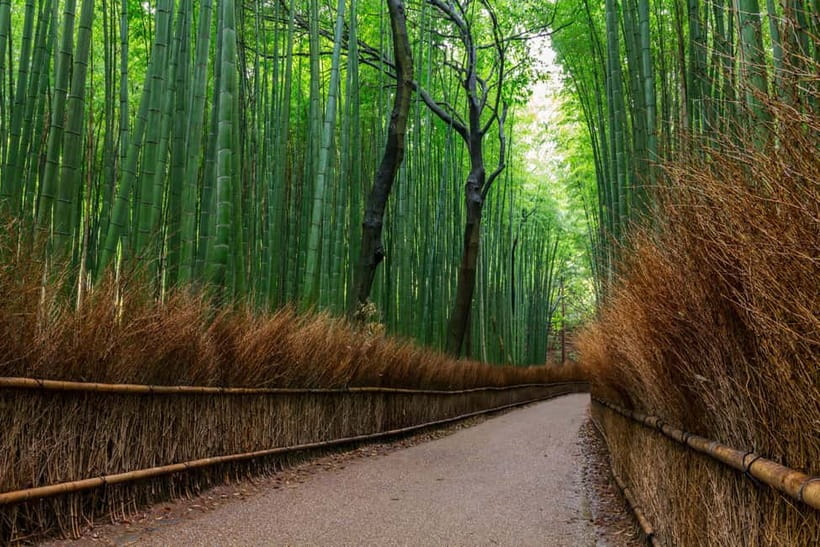
The bamboo forest is the best-known draw. Tall stalks rise on either side of the paths, filtering the light and giving the area a calmer feel than the busy streets nearby. The listed guided stop is short, around 15 minutes, so plan to keep walking if you want to see more of the route. It can be crowded, and the calm atmosphere is not guaranteed at every hour, but the scale of the bamboo makes it worth seeing.
Nonomiya Shrine sits within the bamboo area and dates to the Heian period, more than a thousand years ago. It is associated with love and academic blessings, and its unpainted Kuroki Torii gate is unusual beside the better-known vermilion gates elsewhere in Kyoto. The scheduled visit is about 15 minutes, enough for a look and a brief pause, rather than a long shrine visit.
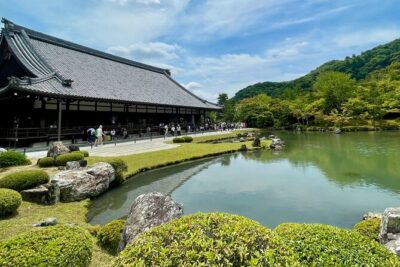
Tenryu-ji is a UNESCO World Heritage Site, known for its Sogenchi Garden and the way the garden uses the surrounding scenery. Admission is extra. If the temple garden matters to you, make it a priority and check the available time before you enter. If you’d rather keep costs down, Arashiyama offers plenty to see outdoors, including the bamboo paths and bridge.
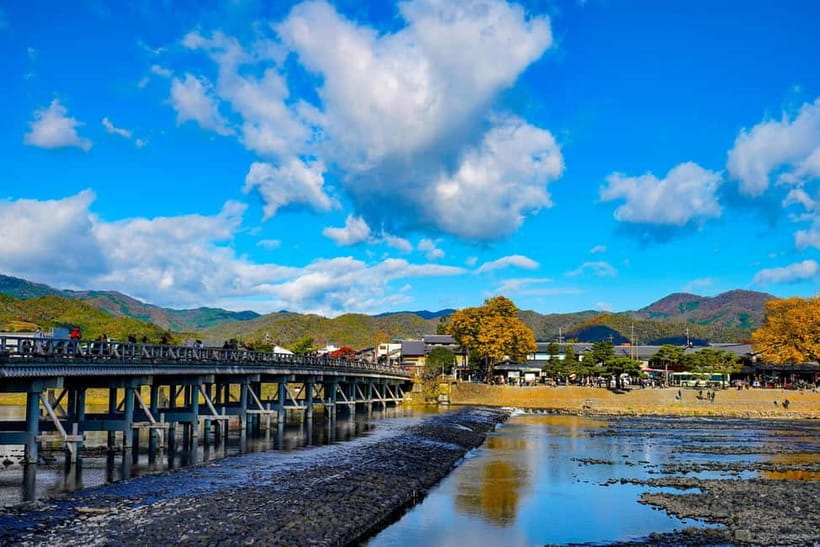
Togetsukyo Bridge crosses the river and offers broad views of the surrounding hills. The scheduled stop is about 15 minutes, so you can cross or pause for a photograph, but it is not a long riverside walk. Rickshaws pass through the area, adding a glimpse of an older style of transport amid the modern shops and visitors.
Kimono Forest is a series of 600 pillars decorated with Kyo-Yuzen textile patterns near Arashiyama Station. It makes a colourful photo stop and a change of mood after the shrine and temple sites. The tour allows about 15 minutes there. An Arashiyama station footbath is also included as a free-time option, but you’ll have to decide how to fit it around the other stops.
You can use your time for local food, restaurants or extra attractions. The Rilakkuma Tea House is another possible photo and snack stop. The tour’s free time gives you room to make choices, but not to do everything at a relaxed pace. Decide what matters before you arrive, and keep track of the bus meeting time.
More Arashiyama tours in Kyoto:
- Osaka/Kyoto:Kinkakuji,Arashiyama,FushimiInariShrine,NaraPark
★ 4.1 · 1,596 reviews - Kyoto Arashiyama Walking Tour: Bamboo, Monkeys, Gardens & Secrets
★ 5.0 · 1,216 reviews - Arashiyama Bamboo, Temple, Monkeys, or Secret Sake Brewery
★ 4.8 · 886 reviews - Kyoto: Arashiyama Bamboo Forest, Monkeys, Matcha & Temple Tour
★ 5.0 · 759 reviews
Guide, pace and what the fare covers
The $52 price covers an English-speaking guide, an air-conditioned vehicle, taxes, parking, fuel and handling charges. Chinese-language guiding is also available. Food, drinks and other personal purchases are extra, as is admission to Tenryu-ji. Taken together, the fare is good value if you want transport between all three areas and a guide to keep the day organized. It is less compelling if you’re comfortable navigating on your own or only want to visit one or two of the stops.
Guides named on recent tours include Amy, Willa, Christine, Fiona, Laura and others. Their style can make a long day more enjoyable: Amy is noted for keeping the group organized and mixing facts with humor, while Willa and Christine are described as friendly and clear in their explanations. Your guide will depend on the departure, so don’t book expecting a particular person.
Good timing is part of the service. The guide gathers the group before each departure, explains what to expect at the next stop and may offer suggestions for food or sightseeing. That structure helps if you’re new to Japan or want a day with less logistical work. It also means you need to follow the group’s schedule, even if you’d like a little more time at a favourite place.
Getting ready for a full day out
Wear comfortable shoes and clothes. You’ll walk at several stops, and the ground and conditions can vary. Bring water and an umbrella, as both are included in the suggested packing list. Smoking is not allowed during the activity.
This tour is not suitable for wheelchair users or people with mobility impairments. If you’re travelling with an infant, stroller or large luggage, share that information when booking so suitable transport can be arranged. Japanese traffic rules count babies as passengers, so accurate details matter. People who are pregnant or aged 70 and above are asked to sign a travel waiver on arrival.
The tour offers free cancellation up to 24 hours in advance and a reserve-now, pay-later option. Those terms can help if plans are still taking shape, but the key practical decision is your pace: this is a broad overview of three areas, not a deep visit to any one of them.
Should you book this Kyoto and Nara day trip?
Book it if you want to see Nara Park, Fushimi Inari and Arashiyama in one day without managing the transport yourself. It suits first-time visitors, people based in Osaka who want an easy day out, and anyone who likes having a guide handle group timing while leaving some free time at the stops.
Skip it if you want to climb far up the Fushimi Inari trails, spend a long stretch in Nara or explore Arashiyama at your own speed. The tour’s value comes from covering ground efficiently; its cost is the limited time at each place. If that trade suits your plans, $52 is a practical way to fit three major sights into one day.
FAQ
How long is the tour?
The activity lasts about nine to ten hours. Traffic, weather and other unexpected factors can affect the schedule and return time.
Where can I start the tour?
The listed starting points are Harimaya Nippombashi 1-chome in Osaka and the sunken garden at Kyoto Station’s Hachijo entrance. Your meeting point depends on the option you book.
Can I finish in a different city from where I started?
Yes. You can choose Osaka or Kyoto as your drop-off point. Tell the operator your preference when booking; otherwise, the default is the same point as pickup.
What is included in the $52 price?
The price includes an English-speaking guide, air-conditioned transport, taxes, parking, fuel and handling charges. Chinese-language guiding is also listed as available.
Is food included?
No. Food and beverages are not included, and personal expenses are extra.
Do I have to pay to enter Tenryu-ji Temple?
Yes. Tenryu-ji has an additional admission fee, which is not included in the tour price.
What should I bring?
Bring comfortable shoes, comfortable clothes, water and an umbrella.
Is the tour suitable for wheelchair users?
No. The activity is listed as unsuitable for wheelchair users and people with mobility impairments.
More bus tours in Kyoto
- PERFECT KYOTO 1-Day Bus Tour
★ 5.0 · 13,518 reviews - Kyoto: Hop-on Hop-off Sightseeing Bus Ticket
★ 3.9 · 2,034 reviews - Kyoto: Nara & Traditional Matcha Experience Bus Tour
★ 4.9 · 185 reviews - From Kyoto: Nara History Guided Half Day Bus Tour with Lunch
★ 4.8 · 114 reviews
More Nara trips in Kyoto
- World Heritage Kyoto & Nara Uji Authentic Matcha Experience
★ 5.0 · 1,573 reviews - Nara Half Day Trip Walking Tour (Private Option Available)
★ 5.0 · 937 reviews - Nara Early Morning Tour (Kyoto or Osaka Departure Available)
★ 5.0 · 676 reviews - Kyoto and Nara Day Trip from Kyoto
★ 4.5 · 445 reviews
Newly added in Kyoto
- Uji: Private immersion into Kyoto’s tea and reglious culture★ 5.0 · 17 reviews
- Whisk Your Own Matcha: A Zen Matcha Experience at Temple★ 3.6 · 7 reviews
- Kyoto tea town for matcha lovers★ 5.0 · 16 reviews
- Treasures of Kyoto: Gion & historical Walking Tour★ 5.0 · 6 reviews
- Uji and Wazuka Matcha Farm Half Day Private Guided Tour★ 5.0 · 21 reviews
- Kyoto Matcha Green Tea Tour★ 4.5 · 23 reviews
- Uji Tea Ceremony and UNESCO Heritage Walking Tour★ 5.0 · 20 reviews
- Utilising upcycled Matcha! Creating matcha incense (Uji, Kyoto)★ 5.0 · 6 reviews
Fushimi Inari Tours, compared.
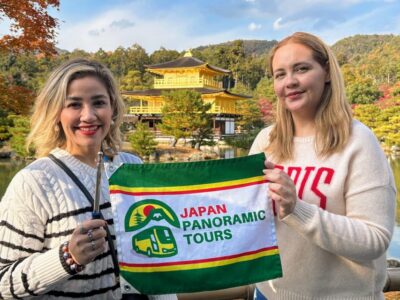
Fushimi Inari, Kinkakuji, Bamboo Grove 1 Day Bus Tour
Read our review →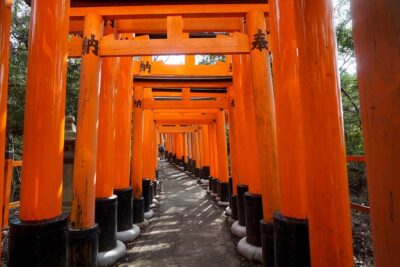
Fushimi Inari Hidden Hiking Tour (Private Option Available)
Read our review →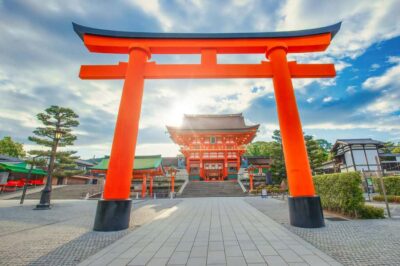
Arashiyama, Nara & Fushimi Inari Shrine w/Lunch
Read our review →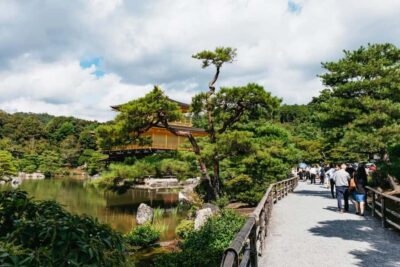
Nijo Castle, Kiyomizu & Fushimi Inari Guided Tour
Read our review →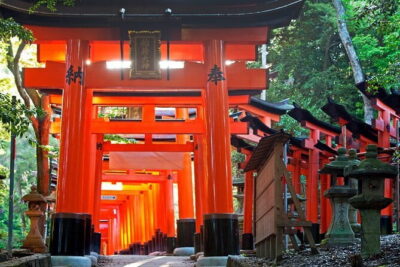
Nijo, Kinkaku-ji, Arashiyama, Kiyomizu & Fushimi Inari
Read our review →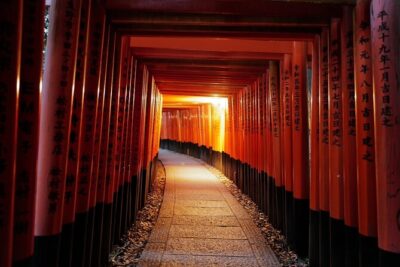
Kyoto Early Bird English Tour: Fushimi-Inari and Arashiyama
Read our review →Browse the lists this tour appears in