
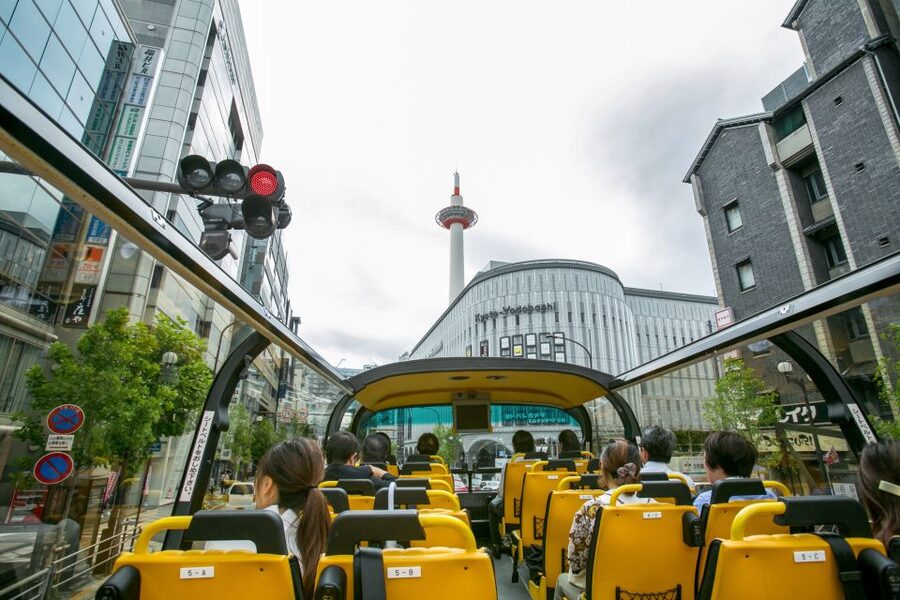
Reviewed · KYOTO BUS TOURS
Kyoto: Hop-on Hop-off Sightseeing Bus Ticket
Kyoto’s sights are spread across the city, and this bus links many of the big ones on a single pass. You can ride the route first to get your bearings, then hop off at the temples, shrines, and market that call to you.
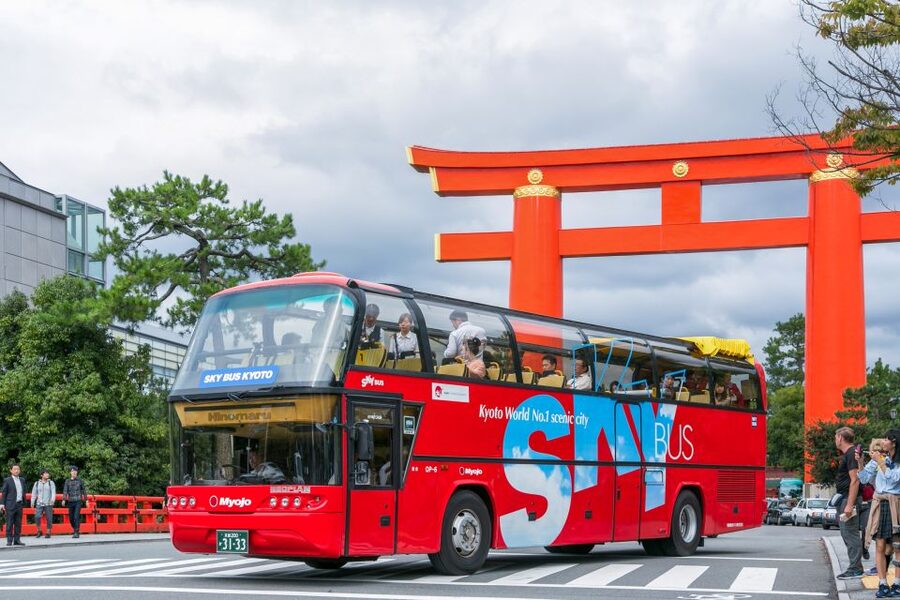
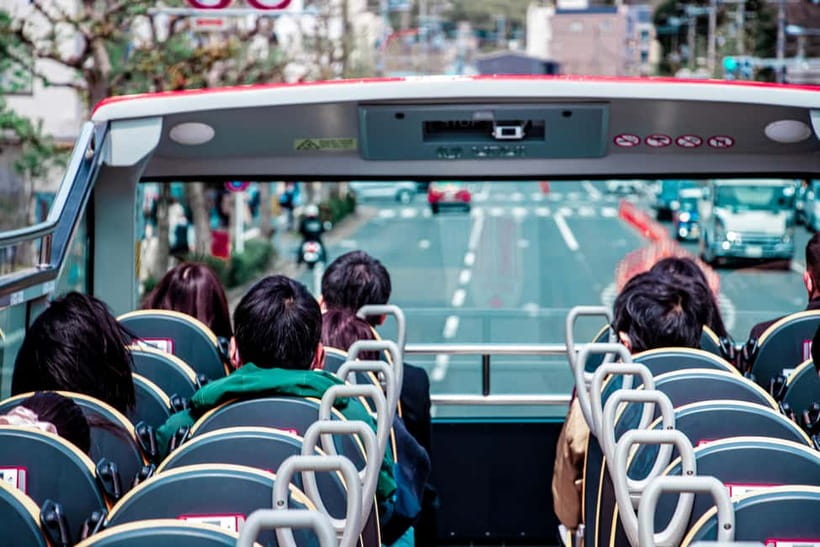
I like two things in particular: the freedom to set your own pace and the chance to see Kyoto from the open upper deck. The staff can also be a useful source of local tips, while the audio guide gives you basic context in seven languages.
The main trade-off is time between buses. A missed connection can mean a long wait, and the open deck offers little protection from sun, cold, or rain. Treat the bus as a handy way to reach sights, not a guarantee of a quick trip between them.
- Two routes connect major sights, including Kinkakuji, Ginkakuji, Nijo Castle, Gion, and Kiyomizu-dera.
- Your ticket covers unlimited rides for one or two days, but not attraction admission.
- The recorded audio comes in seven languages: English, French, Japanese, Korean, Chinese, Spanish, and German.
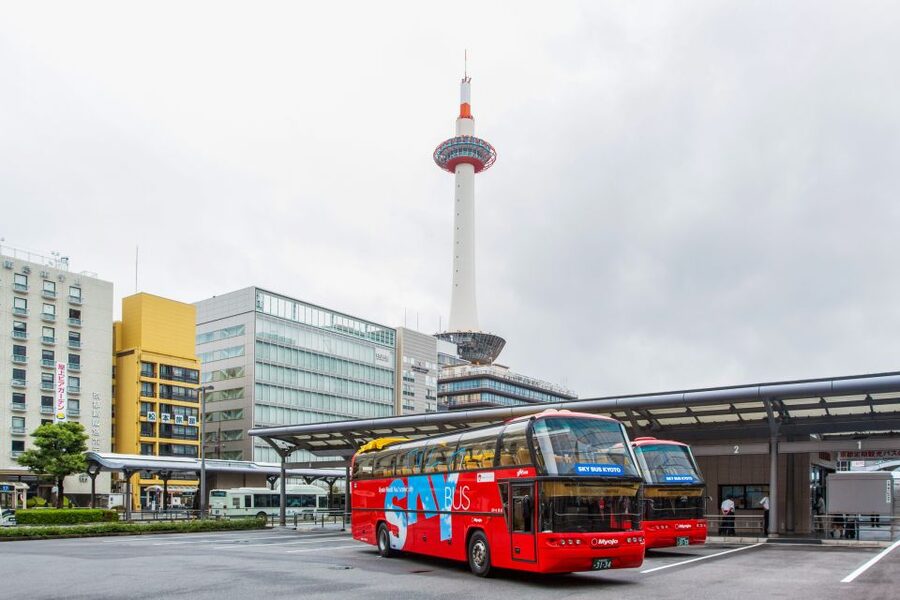
- Kyoto Station is the first stop, directly in front of Isetan by the north central exit.
- Expect direct sun on the upper deck, and keep umbrellas, food, and alcohol off the bus.
Use the bus to get your bearings
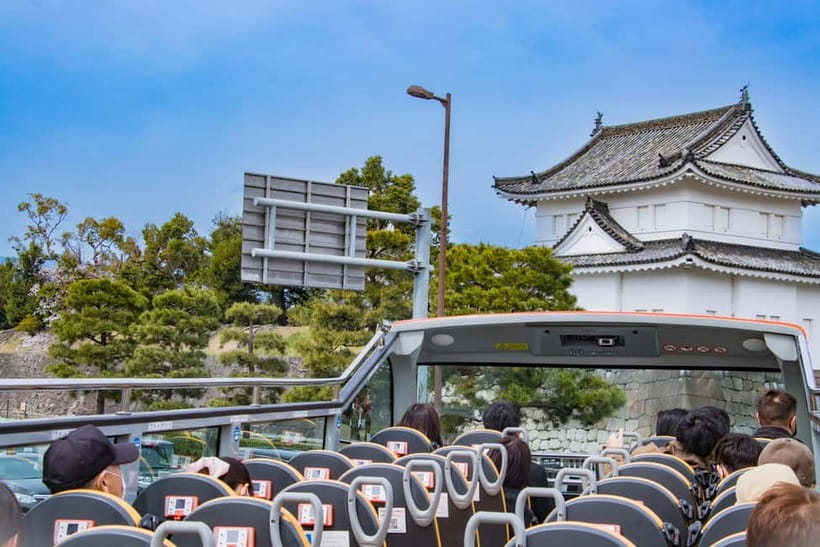
Kyoto can be hard to read on a first visit. Its famous sights sit across a wide area, and a day spent changing trains and buses can eat into time you would rather spend at a temple or in a market. This hop-on hop-off service gives you a straightforward way to connect many of those places.
One useful approach is to ride a full loop before deciding where to stop. A full circuit has taken about 45 minutes, though traffic can affect the schedule. From the upper deck, you get a broad view of the city and a better sense of how its districts fit together. It is not a substitute for walking through a temple garden or along Gion’s streets, but it can help you choose where to spend your limited hours.
The pass is valid for one or two days, with unlimited rides during that period. For a short stay, a one-day ticket can work if you pick a few priorities. I would favor two days if you want to visit several major sights at a relaxed pace. Kyoto’s attractions reward lingering, and trying to fit too many stops into a single day can turn a pleasant visit into a timetable exercise.
Start at Kyoto Station
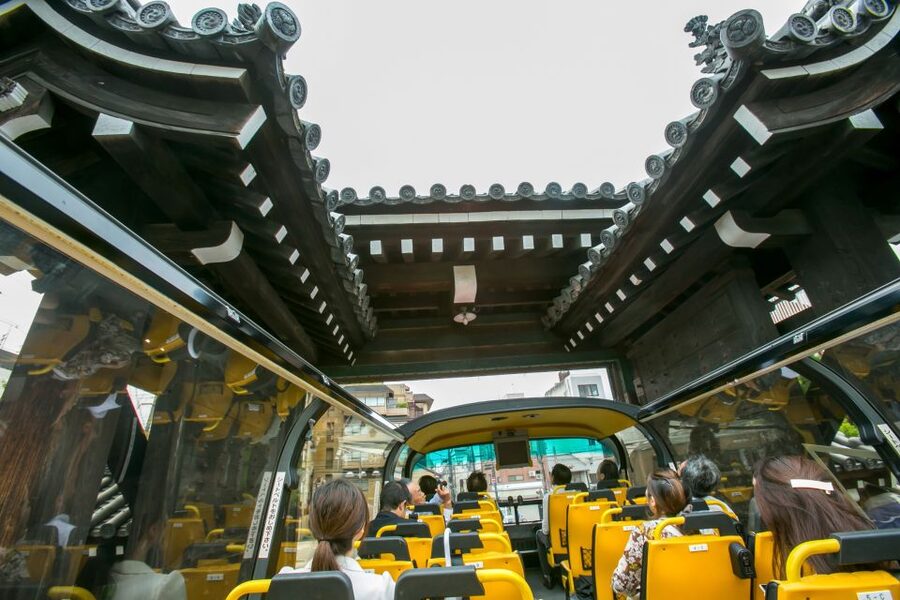
The first stop is at Kyoto Station. Head for the north central exit, where the bus stop is directly in front of the Isetan department store. It is a practical starting point if you are arriving by train or staying near the station, and the location is easier to spot than a stop tucked on a side street.
You can also board at any stop along the route, so you do not have to make your way back to the station to begin. Show your mobile voucher when boarding. If you are unsure which bus or route to take, ask the attendants; helpful staff are one of the service’s strengths. Some named staff members praised for their assistance include Miyuki, Lauren, Casey, and Frederick, though a specific person is not guaranteed.
There are two routes, identified in some trip details as red and blue, and passengers have also described them as west and east lines. Check the current route information before setting out, especially if you are switching lines. Confusion between routes at the start can cost time, and the two-day option gives you more room to sort out your plan.
More bus tours in Kyoto:
- PERFECT KYOTO 1-Day Bus Tour
★ 5.0 · 13,518 reviews - Kyoto: Fushimi Inari, Kinkakuji, Bamboo Grove 1 Day Bus Tour
★ 4.8 · 4,316 reviews - Kyoto/Osaka: Nara, Fushimi Inari Taisha, Arashiyama Bus Tour
★ 4.7 · 1,275 reviews
Follow the route west to castles and temple districts
The stops around Nishihonganji, Nijo Castle, Kitano Tenmangu, Kinkakuji, and Daitokuji put several important sites within reach. Nishihonganji is served near the Kyoto Tokyu Hotel, while the Nijo-jo Castle stop is the one to use for Nijo Castle. The service takes you close to the sights, but your ticket does not include admission.
Nijo Castle gives you a chance to step into a major historic site rather than simply glimpse it from the road. Leave enough time to visit once you get off, and check the site’s entry arrangements separately. The bus is transportation between stops, not a guided visit inside the castle.
The Kitano Tenmangu stop also serves Kamishichiken, one of Kyoto’s traditional entertainment districts. It is a useful pairing if you want to combine a shrine visit with a neighborhood stroll. As with other stops, the bus gets you to the area, but the most rewarding part may be the time you spend on foot.
Kinkakuji, the Golden Pavilion, is one of the route’s headline sights. Its famous gold exterior makes it a natural priority, but it is also a popular stop, particularly during busy visiting periods. One practical tip: bring cash for the entrance fee. Do not count on finding an ATM at the temple itself.
Daitokuji is another temple-area stop, and it offers a different choice from the best-known photo stops. The route gives you access to the area, but it does not provide a full tour of the temple grounds or explain which parts are open. If you want to visit, check the details of individual sites before you arrive.
Take the eastern line for the palace, Silver Pavilion, and Gion
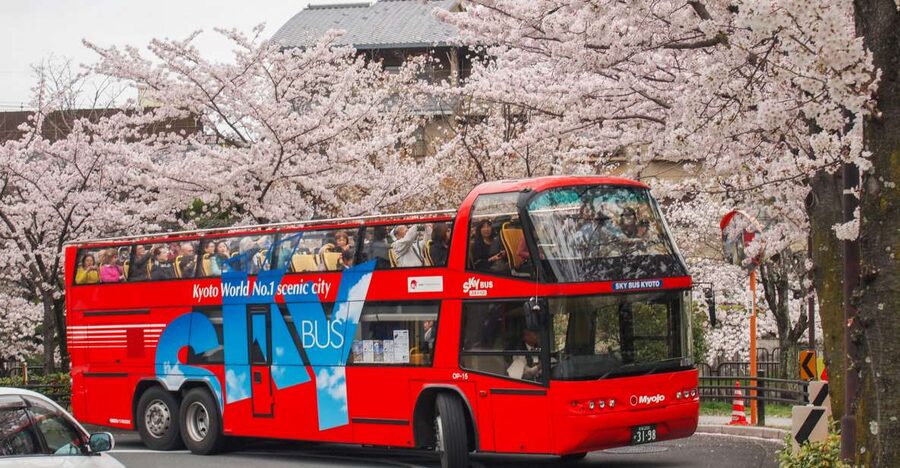
The eastern stops bring you to the Kyoto Imperial Palace area, Ginkakuji, Heian-jingu Shrine, Okazaki Park, and Gion. The Kyoto Imperial Palace stop is near Doshisha University. It is a good point for exploring this part of the city, though the stop itself is not an admission ticket or a palace tour.
Ginkakuji, the Silver Pavilion, is a major reason to consider the route. It is not silver in the way its name might suggest, but the stop offers access to one of Kyoto’s best-known temple visits. You may want to spend more time here than a quick hop off and hop on allows, which is another argument for choosing the two-day pass if your schedule permits.
Heian-jingu Shrine and Okazaki Park make a useful pairing for a slower stop. The shrine gives you a chance to see a major religious site, while the park area offers room to walk between destinations. The audio guide can supply a brief introduction, but it is not a deep account of every place you pass.
The Gion stop is near Kotowa-Kyoto Yasaka. From here, you can explore the historic district on foot. The bus is most useful for getting you into the area; it cannot replace a walk through the neighborhood or tell you in detail what you will find on every side street.
Reach Kiyomizu-dera and Kyoto’s museum district
The Gojozaka stop serves Kiyomizu-dera Temple and Gion. This is one of the more useful links between a major temple and a well-known district, but be prepared for a walk after leaving the bus. A stop near a sight is not the same as a bus pulling up at its entrance.
The Sanjusangendo and Kyoto National Museum stop, near the Hyatt Regency Kyoto, gives you access to two very different visits. Sanjusangendo is a temple destination, while the museum offers a chance to focus on Japanese art and culture. Check admission separately for either one, and leave time for the actual visits rather than counting only the ride.
The route also stops at Shijo Karasuma, near Nishiki Market. This is a practical place to get off if you want to explore food stalls and shops, or continue on foot through the nearby shopping streets. Food is not allowed on the bus, so plan to enjoy market snacks before boarding again, not in your seat.
More tickets and passes in Kyoto:
- Kyoto: Tea Museum Tickets and Matcha Grinding Experience
★ 4.9 · 739 reviews - Skip the lines Basic Ticket at SAMURAI NINJA MUSEUM KYOTO
★ 4.5 · 632 reviews - Kyoto: Nidec Kyoto Tower Observation Deck Admission Ticket
★ 4.5 · 273 reviews - Kyoto: Non-Verbal Theatre Show Tickets at GEAR
★ 4.9 · 198 reviews
Know what the audio guide can and cannot do
The prerecorded commentary is available in English, French, Japanese, Korean, Chinese, Spanish, and German. It is useful for getting basic context as you pass the sights, especially if you are new to Kyoto. Headphones are provided, and the audio gives the ride more substance than a simple shuttle trip.
Keep your expectations modest. The narration is an overview, not a full history of each temple or shrine. Some announcements focus on identifying a stop or pointing out a sight, and commentary may move on before you get a long explanation. If you want more depth, use the bus to reach a site, then spend time exploring it independently.
The staff can add a human touch. Attendants and drivers have been praised for clear directions, local suggestions, and a friendly manner. That can be especially useful when you are choosing between routes or trying to locate a nearby shop. Still, the ticket includes recorded audio, not a guaranteed live guide, and you should not book expecting a specific staff member.
Weigh the fare against your plans
At about $27 per person, the ticket is most compelling if you plan to make several rides and visit sights on more than one part of the route. You are paying for an easy link between spread-out destinations, the chance to ride a complete loop, and the flexibility to get off when something interests you. For a first visit, that convenience can be worth more than the commentary alone.
The value depends on how you use it. If you only want to visit one temple, a pass with unlimited rides may be more than you need. If you want to cover several districts without working out every public transport connection, the bus can make the day simpler. Admission fees, meals, and drinks are not included, so budget for those separately.
The two-day pass is a sensible choice if you want to see major sights without rushing. You can use the first day to get a feel for the city and decide where to return, then spend the next day getting off at your chosen stops. Several people have wished for a three-day option, which tells you something about Kyoto: even this broad route cannot cover every visit at a leisurely pace in a day or two.
Plan around weather and bus spacing
The open top is part of the appeal, but it also leaves you in direct sunlight. Bring sun protection and be ready for changing weather. Raincoats are provided in wet conditions, but umbrellas are not allowed on board. Severe weather, including typhoons or thunderstorms, may stop bus service.
A partially covered upper deck has been noted on some buses, but you should still expect exposure to the elements. In cold weather, bring warm layers. If it rains or the upper deck is uncomfortable, you can sit downstairs, though views will be more limited.
Bus frequency matters. Some stretches between departures have been reported at around 45 minutes, and missing a bus can mean a long wait. Check the timetable and route information before you get off, and leave a little slack in your day. The bus can be punctual, but Kyoto traffic and busy stops can affect your plans.
Wi-Fi is listed as temporarily suspended, so do not count on it for maps or route updates. Download what you need in advance or use your own connection. Soft drinks with lids, such as plastic-bottled drinks or coffee, are allowed; food and alcohol are not.
Who should choose this Kyoto bus pass?
I would consider this bus for a first visit, a short stay, or a trip where you want a simple overview before choosing which places deserve more time. It suits anyone who finds Kyoto’s transport connections daunting, or who wants to link major sights without planning every leg from scratch. Families with a child aged five or younger can bring one child per ticketed adult without a separate ticket, provided the child sits on the adult’s lap.
It is less suited to a tightly timed day with many separate stops. You may have to wait for the next bus, and several of the most rewarding sights require time on foot after you get off. If you need step-free access, confirm the arrangement with the operator before booking; the details provided do not specify a ramp or accessible seating.
Should you book it?
Book the pass if you want an easy way to connect Kyoto’s headline sights and value the freedom to stop when you choose. The two-day option is the better fit if you want time for temple visits, markets, and a stroll through Gion without racing the clock. If you already know exactly where you are going and plan only one or two stops, compare the pass with your other transport options before paying.
FAQ
How long is the ticket valid?
You can choose a one-day or two-day ticket. The pass allows unlimited rides during the selected period.
Where can I board the bus?
You can board at any stop along the route. The first stop is Kyoto Station, directly in front of Isetan by the north central exit.
Which attractions are served by the route?
Stops serve areas near Nijo Castle, Kinkakuji Temple, Ginkakuji Temple, Kiyomizu-dera Temple, Gion, Nishiki Market, Kyoto Imperial Palace, Heian-jingu Shrine, Sanjusangendo, and Kyoto National Museum, among other places.
Is admission to temples and museums included?
No. The ticket covers the bus, not entrance fees to attractions.
What languages are available for the audio guide?
The prerecorded audio is available in English, French, Japanese, Korean, Chinese, Spanish, and German.
Is Wi-Fi available on board?
Wi-Fi is listed as temporarily suspended, so you should not count on having it during your ride.
Can I bring food or a drink on the bus?
Food is not allowed. Soft drinks with lids, including plastic-bottled drinks and coffee, may be brought on board. Alcohol is not allowed.
Can I use an umbrella on the bus?
No. Umbrellas are not allowed in the vehicle. Raincoats are provided in wet weather.
Do children aged five or younger need a ticket?
A child aged zero to five does not need a ticket if seated on the lap of an adult passenger with a ticket. The allowance is one child per ticketed passenger.
Can bad weather affect the service?
Yes. Buses may not operate during severe weather, including typhoons or thunderstorms. The open top also means you will be in direct sunlight in clear weather.
Newly added in Kyoto
- Uji: Private immersion into Kyoto’s tea and reglious culture★ 5.0 · 17 reviews
- Whisk Your Own Matcha: A Zen Matcha Experience at Temple★ 3.6 · 7 reviews
- Kyoto tea town for matcha lovers★ 5.0 · 16 reviews
- Treasures of Kyoto: Gion & historical Walking Tour★ 5.0 · 6 reviews
- Kyoto Matcha Green Tea Tour★ 4.5 · 23 reviews
- Uji and Wazuka Matcha Farm Half Day Private Guided Tour★ 5.0 · 21 reviews
- Uji Tea Ceremony and UNESCO Heritage Walking Tour★ 5.0 · 20 reviews
- Utilising upcycled Matcha! Creating matcha incense (Uji, Kyoto)★ 5.0 · 6 reviews
Kyoto Bus Tours, compared.

Fushimi Inari, Kinkakuji, Bamboo Grove 1 Day Bus Tour
Read our review →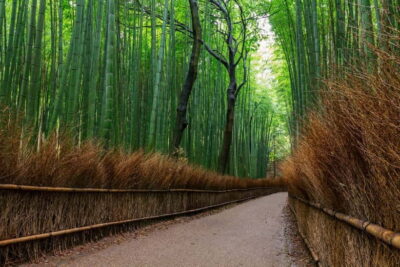
Nara, Fushimi Inari Taisha, Arashiyama Bus Tour
Read our review →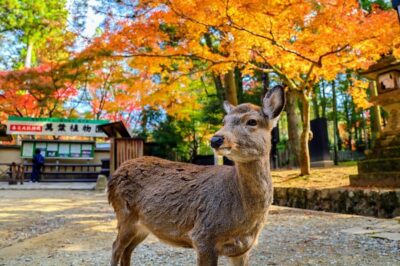
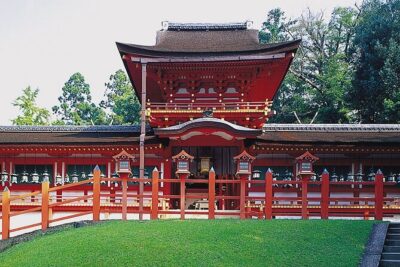
Nara History Guided Half Day Bus Tour with Lunch
Read our review →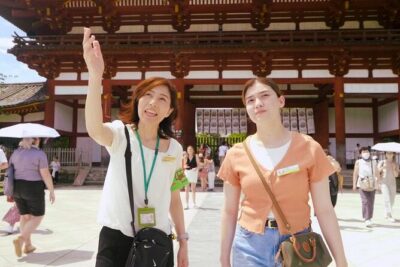
Perfect Nara Park Half-Day Bus Tour with English Speaking Guide
Read our review →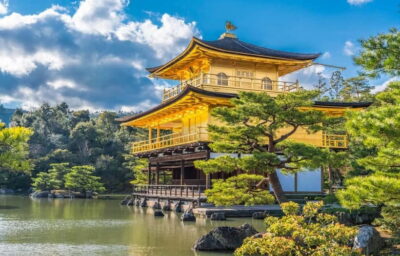

Amanohashidate & Miyama 1-Day Bus Tour: From Osaka/Kyoto w/ Lunch
Read our review →Browse the lists this tour appears in