
Reviewed · KYOTO WALKING TOURS
Kyoto: Private Customized Walking Tour with a Local Insider
Kyoto rewards a little wandering. With this private tour, you set the interests and pace, then a local host helps shape the day, perhaps around temples, Gion’s lanes, Nishiki Market, or places away from the busiest routes.
I like two things in particular: the plan starts with your interests, thanks to a pre-tour questionnaire and direct contact with your host; and the walk can be useful beyond the sights, with local food suggestions and practical help getting around. Past outings have included Nanzenji, garden visits, matcha, and an impromptu snack.
One consideration: this is a walking tour, not a chauffeured city circuit. If your route calls for public transport or a taxi, you pay that cost separately, and food and entry tickets are extra. The route and pace also depend on your preferences and host, so be clear about what matters most.
- Start with your own wish list: The questionnaire helps match you with a host and shape a route around your interests.
- Choose from two to six hours: A short walk can focus on one area; a longer outing leaves more room to connect neighborhoods.
- Make room for local food: Nishiki Market, a recommended lunch, or a small counter-style meal may fit the plan, but you pay for food.
- Ask for quieter places: Hosts have taken visitors to gardens, shrines, and streets away from the main crowds.
- Get more than sightseeing: Expect conversation, cultural context, and tips for temples, restaurants, shops, and independent exploring.
- Plan for walking and possible transit: A vehicle is not included, and local transport or taxis cost extra.
A Kyoto walk shaped around you
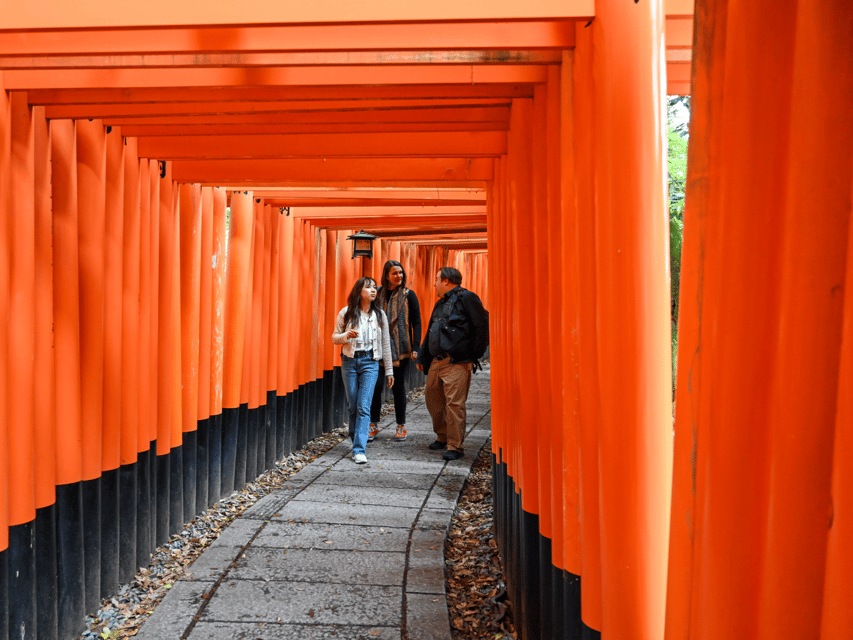
Kyoto’s best-known sights are easy to find on a map. What is harder is deciding how to connect them, what deserves your time, and how to avoid turning a day into a checklist. This tour gives you a local host to help make those choices, with no fixed route imposed on every group.
Before you meet, you fill in a questionnaire about your personality and interests. Your host then contacts you to discuss a possible plan. That exchange matters: tell them if you want Buddhist temples, food, gardens, local shops, help with everyday customs, or a relaxed first look at the city. If a particular place is already on your list, name it.
The itinerary can change as you go. You might stop for a snack, linger at a shrine, or take a detour your host thinks you will enjoy. That flexibility is the point, but it works best when you give your host a useful starting brief instead of simply asking to see everything.
Choosing between temples, Gion, and the market
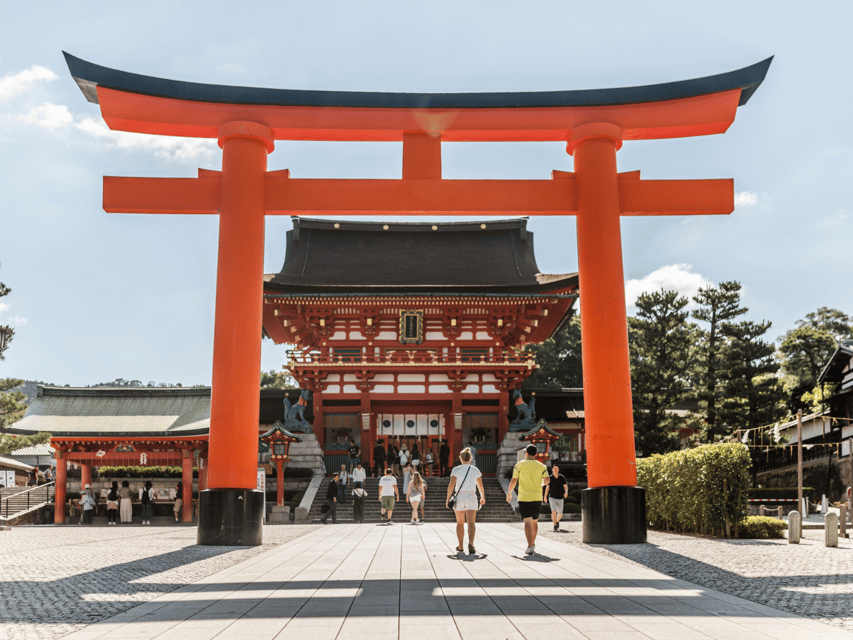
There is no single standard itinerary. Your host may build a route around the places you care about, and the examples below show the range of experiences that can fit into a walk. They are possibilities, not guaranteed stops.
If temples and shrines are your priority, ask for a route that gives you time to understand the sites rather than just photograph them. Hosts have taken visitors to Nanzenji and other temples, explaining Japanese religious traditions and the features of gardens along the way. A garden-focused walk can be a good choice if you want a quieter counterpoint to Kyoto’s busier streets.
Gion may appeal if you are curious about the area’s historic streets and geisha culture. One host, Nisa, has been praised for explaining geisha traditions and daily life, while another route included Gion during cherry blossom season. Seasonal flowers can influence what makes sense on the day, but no particular bloom or route can be promised.
For food, Nishiki Market offers a lively change of pace and a chance to see Kyoto’s food culture up close. A host can help you navigate the market and suggest what to try, but purchases are not included. If you would rather sit down, ask in advance about a meal that fits your interests or dietary needs. Hosts have helped arrange lunch suited to dietary requirements, though you should explain yours before the tour.
Some routes favor the less obvious. A local host has taken visitors to tucked-away gardens and shrines, and another outing included a small counter meal in someone’s home. Treat such stops as possibilities rather than a standard feature. The value is having someone who can suggest a direction that fits your interests and the time available.
More private and custom tours in Kyoto:
- Kyoto 6hr Private Tour with Government-Licensed Guide
★ 5.0 · 1,369 reviews - 10 Must-see Spots in Kyoto One Day Private Tour (up to 7 people)
★ 5.0 · 1,108 reviews - Kyoto 4hr Private Tour with Government-Licensed Guide
★ 5.0 · 629 reviews
What a two-hour or six-hour tour can do
The tour lasts from two to six hours, with your preferred duration selected when you book. Two hours gives you a useful introduction to one area or a focused walk around a specific interest. It is a sensible option if you have limited time, but you will need to keep your wish list short.
A three- or four-hour walk allows a more balanced mix of sights and conversation. One four-hour outing, for example, covered the sites a couple wanted to see while leaving room for an unplanned snack. Other half-day routes have combined temples, local food, and advice for continuing independently afterward.
A longer booking may let you link more than one area or take a slower pace. Still, Kyoto is spread out, and this is not a private-car tour. If you plan to cover distant sites, ask your host how much walking and transit the route will involve before settling on a schedule.
Start times are flexible, subject to availability. Hotel pickup can be arranged at a central Kyoto hotel. Otherwise, the meeting point is Starbucks Coffee at Kyoto Sanjo-ohashi Bridge, a central address to confirm with your host when planning.
The value of a local host
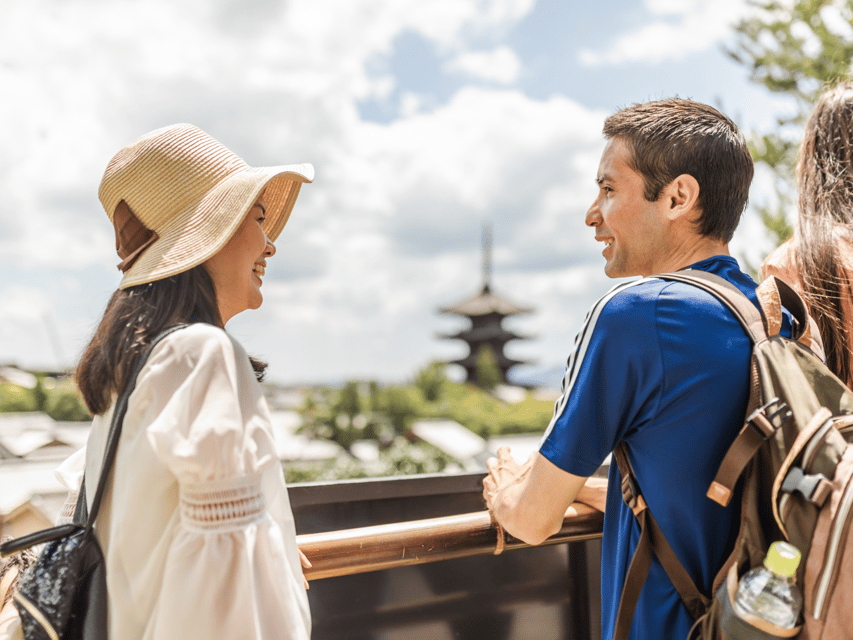
The most useful part of a private walk may be the conversation between stops. You can ask the questions that come up naturally, from how to approach a temple visit to where to eat afterward. Hosts have also helped visitors understand train travel, find needed items, and feel more prepared for everyday customs.
The guide’s personality matters because you will spend the outing together. Past hosts have included Pam, Mia, Harun, Milos, Hiro, Nisa, and Eiko. People have valued hosts who listen, explain clearly, and adjust the plan. Names are examples, not a promise of who will lead your tour; the matching process is meant to pair you with someone suited to your interests.
That personal approach can be especially helpful at the start of a Japan trip. You can use the walk to ask basic questions, learn what to expect at cultural sites, and collect restaurant and sightseeing suggestions for later days. It is also useful if you are returning to Kyoto and want to focus on a narrower interest rather than repeat the usual highlights.
The tour is in English or Japanese. If you have specific language needs or questions about your host’s experience, raise them during the planning conversation.
Food stops and the real cost
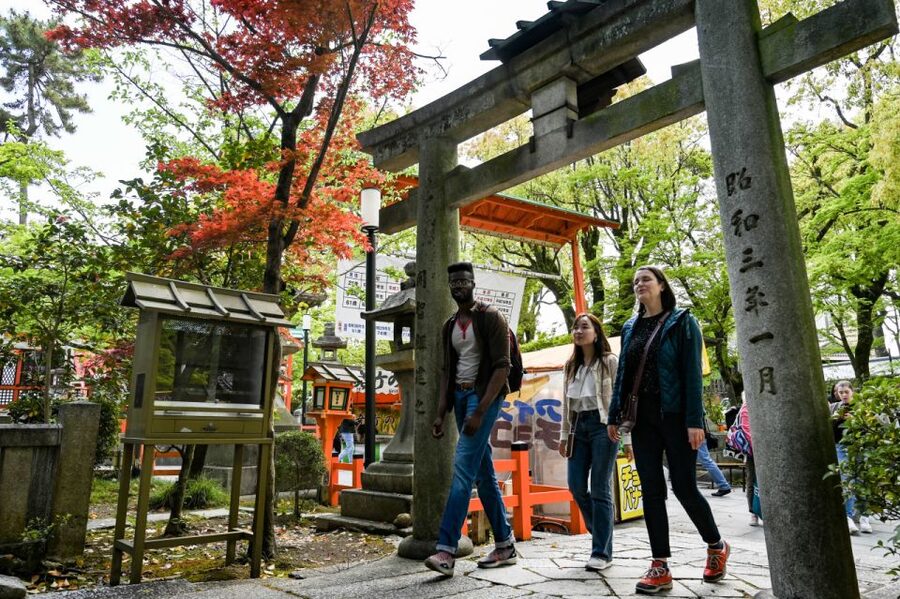
Food can be part of the route, but it is not included in the $64-per-person price. You pay for snacks, drinks, and meals as you go. Attraction tickets are also extra, so ask your host about likely costs if your ideal route includes paid sites.
That separation gives you choice. You can keep the walk focused on streets and temples, or set aside part of the time for a market visit or meal. Nishiki Market is one example of a food stop, and local hosts have also recommended lunch spots and traditional dishes. If you have dietary restrictions, mention them early so your host can take them into account.
At $64 per person, the price is easiest to justify if you value tailored advice and one-to-one attention, not simply a list of sights. The cost is per person, so your group’s total rises with the number of people. For a couple or family, compare that total with what you would spend on a fixed group walk, while remembering that this experience also provides direct itinerary planning and private time with a host.
More walking tours in Kyoto:
- Kyoto Geisha Walking Tour: Gion District & Hidden Gems
★ 4.7 · 3,273 reviews - Kyoto: Gion Magical Night Walking Tour with Geisha Trivia
★ 4.9 · 2,393 reviews - Kyoto: Gion Geisha District Walking Tour – Stories of Geisha
★ 4.7 · 2,187 reviews - Night Walk in Gion: Kyoto’s Geisha District
★ 4.5 · 2,003 reviews
Walking, transit, and access
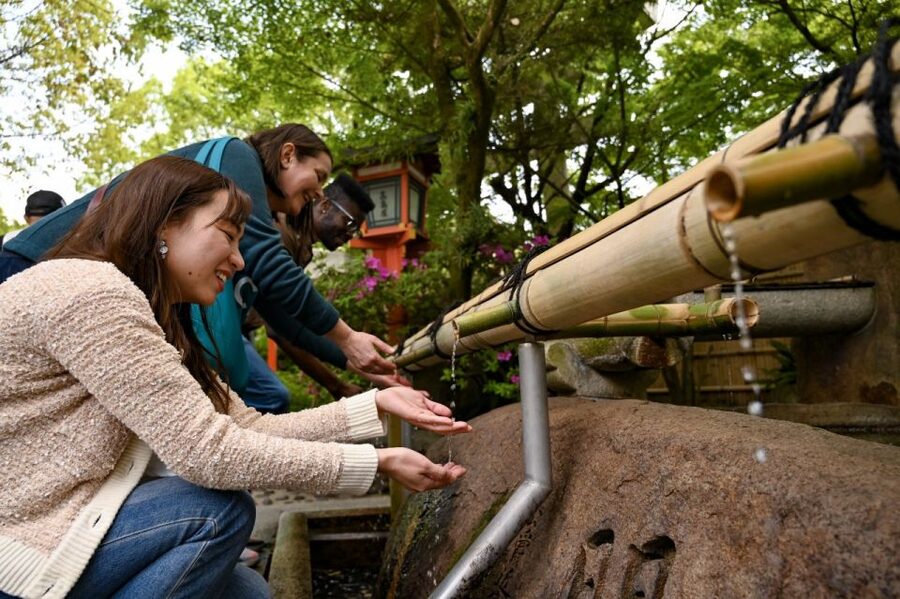
Expect to walk. A private vehicle is not included, and you may use public transport or a local taxi to get between places. Those fares are additional, and you can discuss likely transport costs with your host once your reservation is confirmed.
The activity is listed as wheelchair accessible, but the route is customized and involves walking. If you use a wheelchair or have mobility needs, contact your host before the tour to discuss the specific places, surfaces, distances, and transport on the proposed route. Hosts have adapted walks for mobility needs, but it is sensible to agree on the details rather than assume every possible stop will suit.
Wear comfortable shoes and leave some flexibility in your schedule. A route that sounds compact on paper can feel different once you add time for conversation, food, or a spontaneous stop. If you have a firm end time, tell your host before the walk begins.
Who will get the most from it
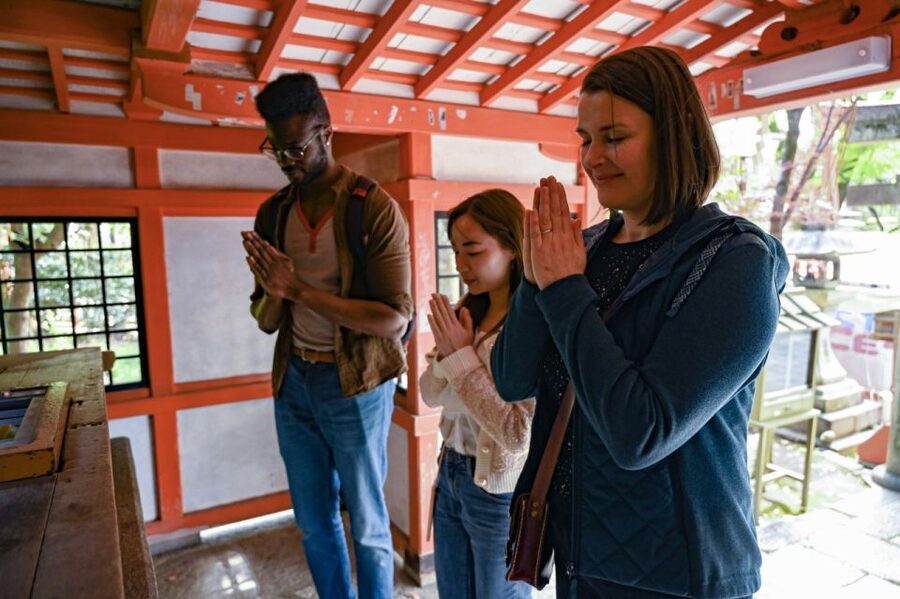
This tour suits first-time visitors who want a personal introduction and practical guidance, especially if navigating a new city feels daunting. It can also work well for families: a guide has helped keep a child engaged while sharing local details with the rest of the group.
It is a good match for people with a clear interest, such as gardens, temples, food, or geisha culture, and for visitors who prefer to ask questions as they go. Returning visitors may appreciate having a local help them look beyond the places they have already seen. The flexible format also helps if you want the day adjusted to your pace or mobility needs.
It is less suitable if you want a fixed, guaranteed list of famous attractions, door-to-door transport, or a package that includes meals and admission. The experience depends on conversation and walking, and the final route takes shape with your host. If you prefer to plan every stop in advance, send a detailed request before you book.
Small planning steps that pay off
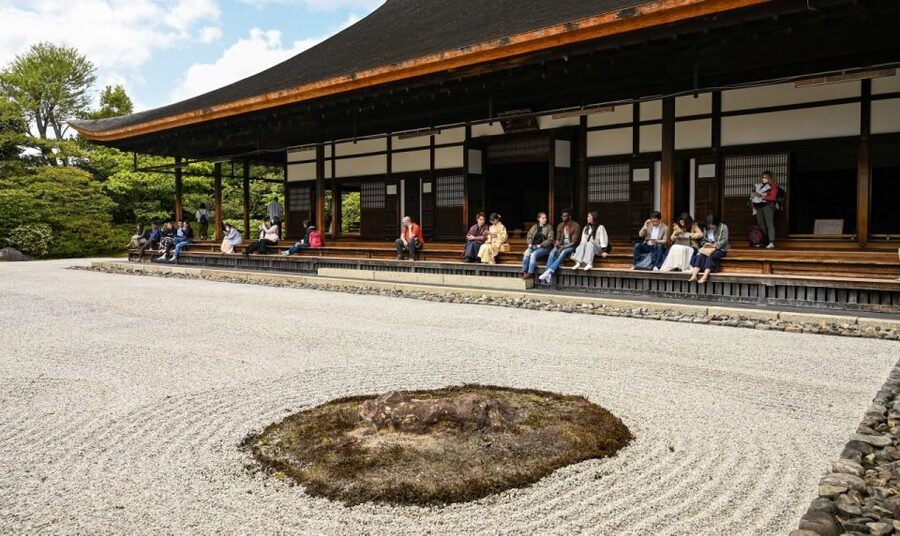
Use the questionnaire thoughtfully. Instead of writing only that you like culture, say which parts interest you: religious sites, gardens, food, neighborhood life, shopping, or history. Include your preferred walking pace, any mobility concerns, dietary needs, and the sights you have already visited.
Then respond when your host contacts you. The tour is designed to adapt, but the planning conversation is where you can check whether your ideas fit the time available. Ask whether a proposed route needs a train or taxi, whether any stop charges admission, and where you might eat if food is a priority.
Keep the day open enough for a detour. The pleasure of a private walk is not just reaching a list of places; it is having room to follow a promising suggestion or ask a question that changes the plan. A little preparation helps ensure the flexibility serves you rather than leaving you unsure what to do.
Should you book this Kyoto walk?
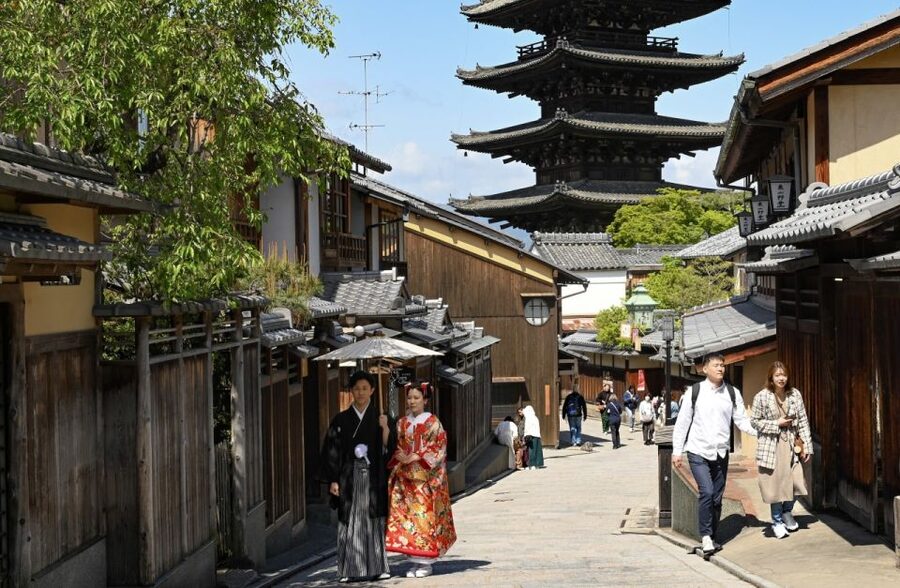
Book it if you want a local person to help shape your time in Kyoto, value conversation and practical advice, and are happy to walk. It is particularly useful for a first day in the city or for building a route around a specific interest such as temples, gardens, Gion, or food.
Think twice if your main need is transport between far-flung sights, guaranteed entry to particular attractions, or an all-inclusive outing. Those are not part of the offer. For the best result, choose a realistic duration, share a clear wish list, and ask about transport and access before you finalize the plan.
FAQ
How long is the tour?
You can choose a duration from two to six hours. Available start times depend on the date you select.
What languages are available?
The tour is offered in English and Japanese.
Where does the tour start?
Pickup can be arranged at any central Kyoto hotel. Alternatively, you can meet your host at Starbucks Coffee, Kyoto Sanjo-ohashi Bridge, in Nakagyo Ward.
Is transportation included?
No private vehicle is included. The experience is a walking tour, and public transport or local taxis may be used between sites at an additional cost.
Are food and attraction tickets included?
No. Food, drinks, and attraction tickets are not included in the price.
Can I request a route based on my interests?
Yes. You complete a questionnaire before the tour, and your host contacts you to discuss an itinerary based on your interests and preferences.
Newly added in Kyoto
- Uji: Private immersion into Kyoto’s tea and reglious culture★ 5.0 · 17 reviews
- Whisk Your Own Matcha: A Zen Matcha Experience at Temple★ 3.6 · 7 reviews
- Kyoto tea town for matcha lovers★ 5.0 · 16 reviews
- Treasures of Kyoto: Gion & historical Walking Tour★ 5.0 · 6 reviews
- Kyoto Matcha Green Tea Tour★ 4.5 · 23 reviews
- Uji and Wazuka Matcha Farm Half Day Private Guided Tour★ 5.0 · 21 reviews
- Uji Tea Ceremony and UNESCO Heritage Walking Tour★ 5.0 · 20 reviews
- Utilising upcycled Matcha! Creating matcha incense (Uji, Kyoto)★ 5.0 · 6 reviews
Kyoto Walking Tours, compared.
Kyoto Geisha Walking Tour: Gion District & Hidden Gems
Read our review →
Gion Magical Night Walking Tour with Geisha Trivia
Read our review →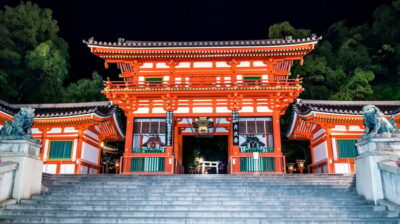
Gion Geisha District Walking Tour – Stories of Geisha
Read our review →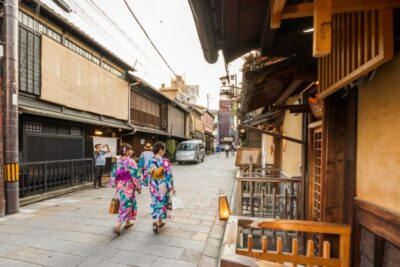
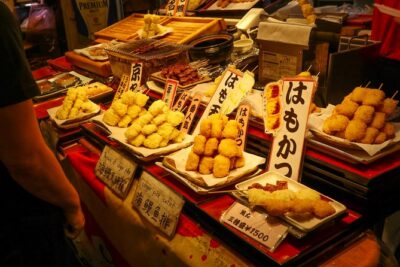
Nishiki Market Brunch Walking Tour (7 Tastings + Brunch)
Read our review →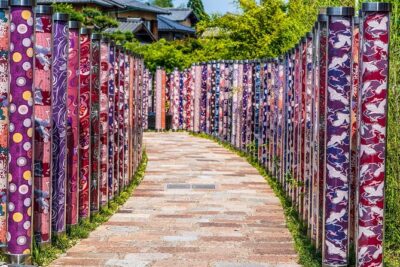
Kyoto Arashiyama Walking Tour: Bamboo, Monkeys, Gardens & Secrets
Read our review →
Nara Half Day Trip Walking Tour (Private Option Available)
Read our review →Browse the lists this tour appears in