
Reviewed · KYOTO GEISHA TOURS
Kyoto: Gion Geisha District & Yasaka Shrine Walking Tour
Gion is more than a photogenic stretch of old Kyoto. On this 90-minute private walk, you’ll see its traditional streets alongside a guide who can explain how artistry, religion and daily life meet in this historic district.
I like two things in particular: the route includes both the Shirakawa Canal and Yasaka Shrine, so it ranges from quiet waterside lanes to one of Gion’s key religious sites. And the guide’s cultural context helps you understand geiko and maiko as artists, rather than treating the neighborhood as a place to hunt for a sighting.
One consideration: 90 minutes is enough for an introduction, not a thorough study of Gion, and the walk is outdoors. The meeting point varies by booking option, so check it before you set out.
Key points to know before you book
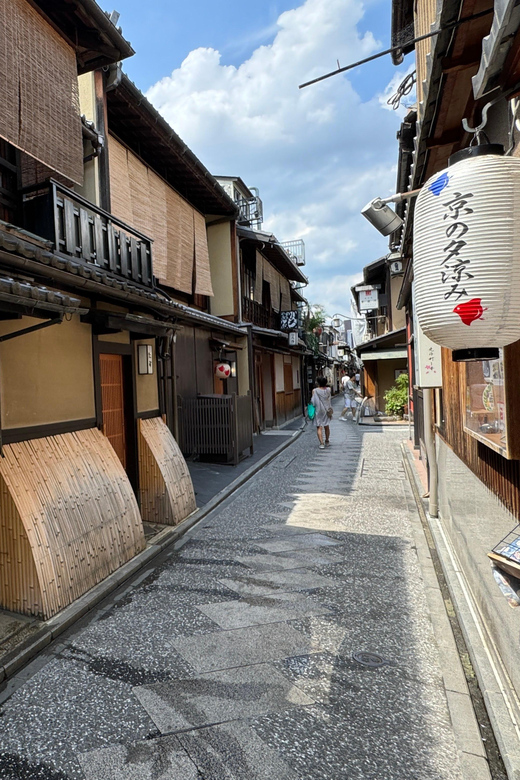
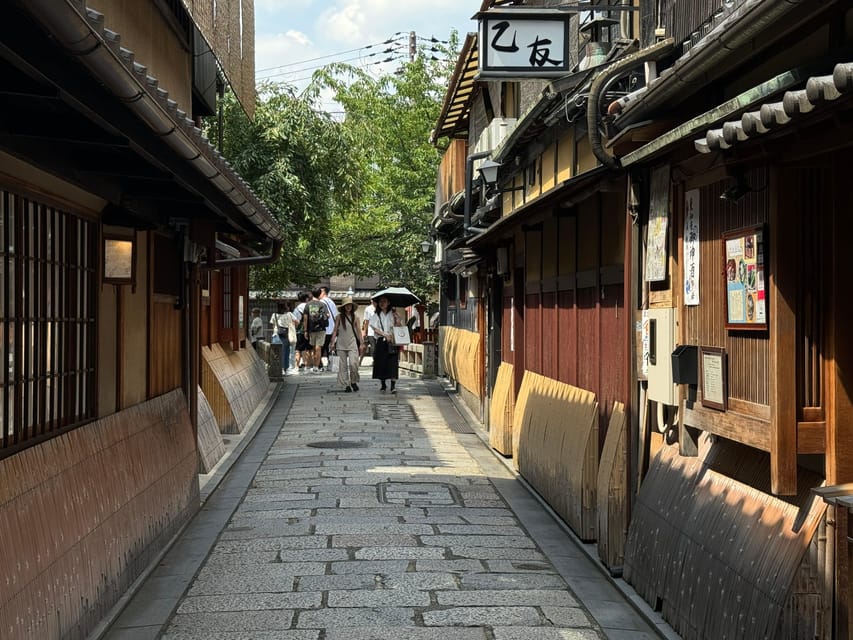
- Hanamikoji Street brings you among wooden machiya townhouses and traditional ochaya tea houses.
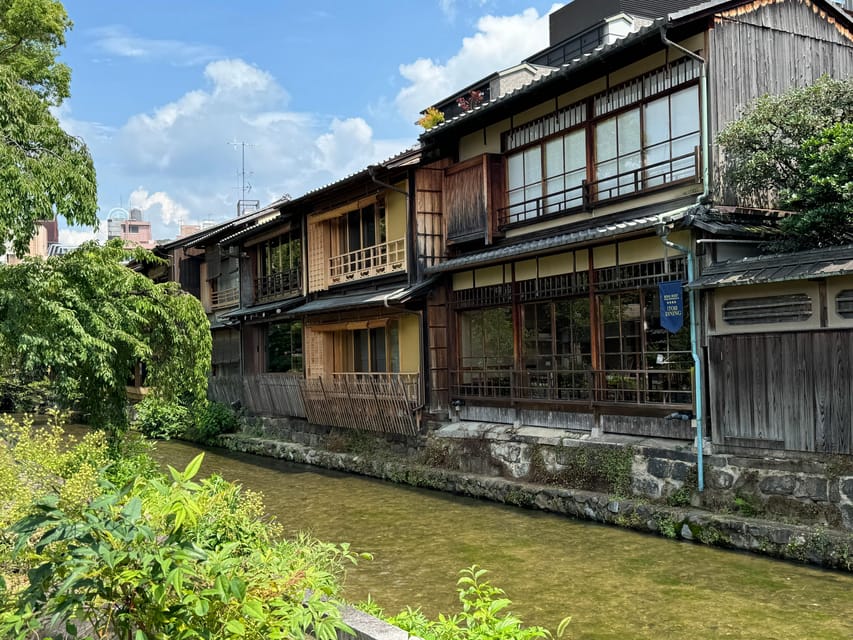
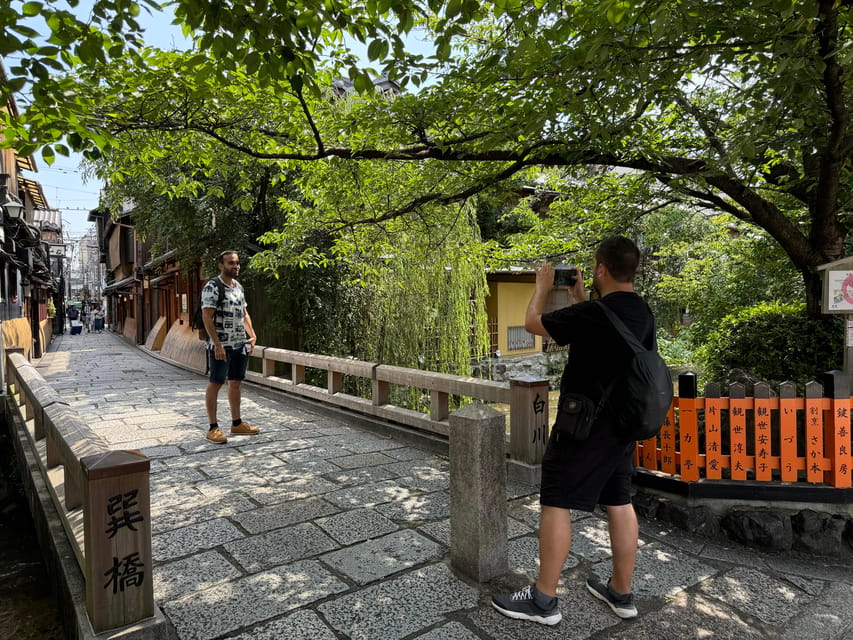
- Shirakawa Canal offers a quieter, scenic contrast, with willow trees, small bridges and historic facades.
- Yasaka Shrine connects Gion’s neighborhood life with Shinto practice and the annual Gion Matsuri.
- The guide explains geiko and maiko traditions with an emphasis on cultural understanding, not sightings.
- It is a private 90-minute tour with an English- or Japanese-speaking guide.
- The price is $38 per person; food, drinks and transport to the meeting point are not included.
Gion’s streets tell more than one story
Gion is often introduced as Kyoto’s geisha district, but that label only gets you partway. The neighborhood’s identity also comes from its wooden townhouses, tea houses, religious life and performing arts. This walk links those elements in a compact route, giving you a clearer sense of why the area has held its place in Kyoto’s cultural life.
The guide’s commentary is central to the value here. Without context, a traditional facade may register as simply old and pretty. With a guide explaining the architecture and the district’s artistic traditions, you have a better chance of noticing how the built environment and cultural practices belong together.
This is not designed as a hunt for geiko or maiko. That distinction matters. A guided walk focused on tradition and history makes for a more respectful way to visit a working neighborhood, and it gives you something useful even if you see no performers along the way.
More geisha and maiko experiences in Kyoto:
- Kyoto Geisha Walking Tour: Gion District & Hidden Gems
★ 4.7 · 3,273 reviews - Kyoto: Gion Magical Night Walking Tour with Geisha Trivia
★ 4.9 · 2,393 reviews - Kyoto: Gion Geisha District Walking Tour – Stories of Geisha
★ 4.7 · 2,187 reviews
Hanamikoji Street: wooden facades and tea-house traditions
Hanamikoji Street is one of the walk’s defining stops. Its stone-paved road is lined with elegant wooden machiya townhouses and traditional ochaya tea houses, the sort of streetscape many people picture when they think of old Kyoto. The guide helps put those buildings in context instead of leaving you to admire them without knowing what makes the district distinctive.
Look closely at the facades as you walk. The tour’s daytime timing is an advantage here: soft daylight can bring out architectural details that are easy to miss after dark. You’ll also see the street as a place with a cultural history, rather than only as a backdrop for photographs.
Keep your expectations grounded. This is a short guided walk through a historic district, not a visit inside a tea house or a performance. The appeal is the setting and the explanation. If you want an in-depth look at the interiors or a staged cultural demonstration, those are not part of the experience described here.
Shirakawa Canal: a quieter pause beside the water
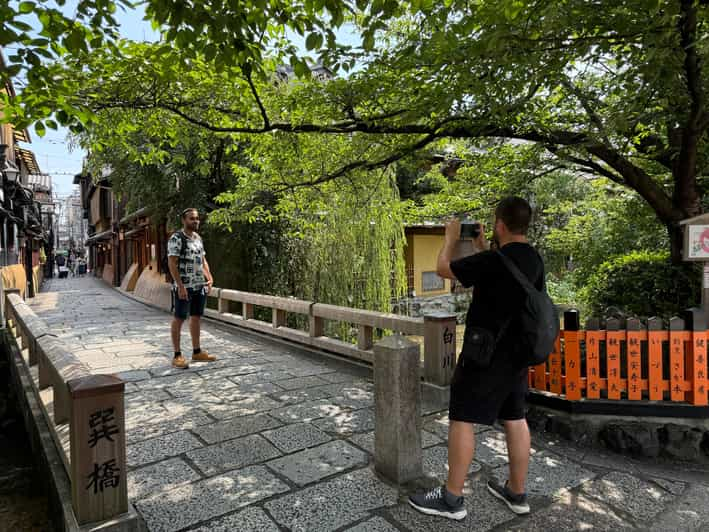
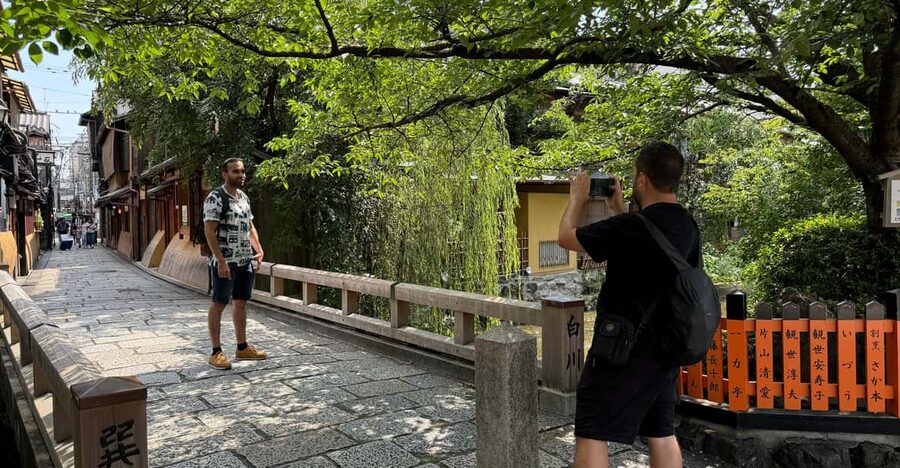
The walk along Shirakawa Canal brings a different mood. Willow trees, small bridges and preserved building fronts give this stretch a softer, more intimate feel than the main street. The water and old facades make a good case for slowing down and paying attention to the details around you.
This section is especially useful if you’re trying to understand Gion as a neighborhood rather than a single famous street. A canal-side walk shows another side of its visual character, and the guide can connect the buildings and scenery to the broader history of the district.
The canal is picturesque, so you may want to take photographs. Just remember that this is still a guided walk with a limited duration. If you stop often, you’ll have less time to hear the commentary or take in the other stops. The guide can help balance those priorities.
Yasaka Shrine: the spiritual heart of Gion
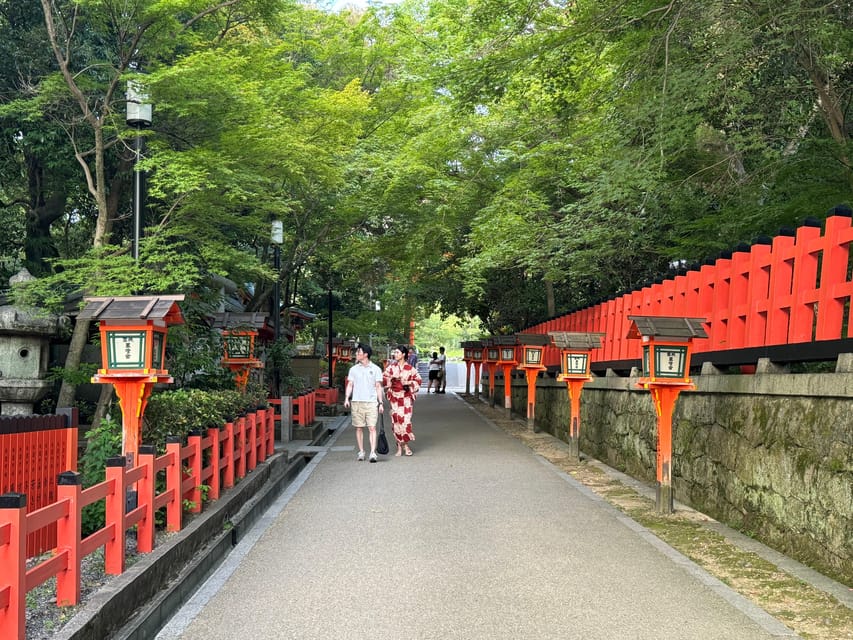
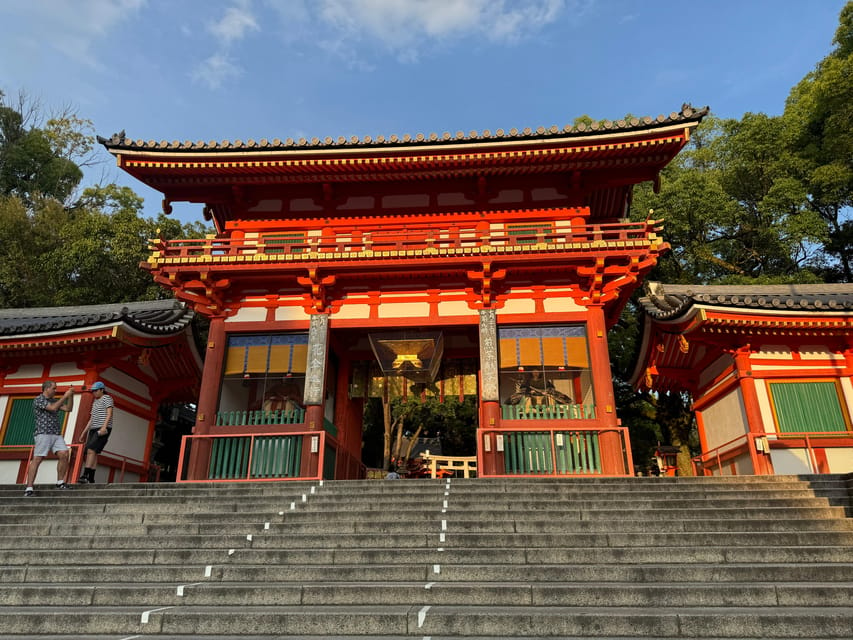
Yasaka Shrine adds an important layer to the route. It is a major Shinto site with a history spanning more than a thousand years, and it remains closely tied to Gion. The shrine also plays a central role in the Gion Matsuri, one of the district’s major festivals.
That religious connection helps explain why Gion is not simply an entertainment quarter preserved for visitors. Its identity has been shaped by faith and community as well as by artistic traditions and architecture. Including the shrine gives the tour a wider frame: you see how a sacred place and a historic district have developed alongside each other.
The visit is an introduction, not a specialist tour of Shinto practice. If you’re already familiar with the shrine, you may value the guide’s local context more than the sight itself. If it is your first visit, the stop gives you a useful starting point for understanding its importance to the neighborhood.
More Gion tours in Kyoto:
- Best of Kyoto: Gion, Geisha, Pagodas & Cobblestones
★ 4.9 · 2,058 reviews - Night Walk in Gion: Kyoto’s Geisha District
★ 4.5 · 2,003 reviews - Kyoto Night Foodie Tour in Gion (9+ dishes + 6 Sake tastings)
★ 5.0 · 1,762 reviews - Kyoto Gion Geisha District Walking Tour – The Stories of Geisha
★ 5.0 · 1,441 reviews
Geiko and maiko: context instead of a sighting checklist
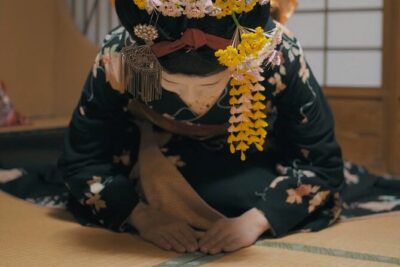
Gion’s reputation can lead people to focus on whether they will see a geiko or maiko. This tour takes a more thoughtful route. The guide explains their cultural significance and the traditions behind their work, shifting attention from spotting individuals to understanding the artistic heritage associated with the district.
That approach is one of the tour’s strongest features. You get more out of a neighborhood when you learn about the people and practices that shaped it, rather than treating it as a stage set. The guide’s role is to explain those traditions clearly and respectfully as you move through the streets.
Guides named Peco and Yozo have led past walks. Peco was described as friendly and able to add useful context, while Yozo was praised for making the walk work for a group moving at a gentler pace. Your guide may be someone else, but these examples suggest that the personal quality of the guiding can make a short tour feel more tailored.
What 90 minutes can, and cannot, do
Ninety minutes is a practical length if you want an introduction to Gion without setting aside half a day. The route covers several distinct elements: historic streets, the canal, the shrine and explanations of local traditions. That variety helps the walk feel more substantial than a quick photo stop.
The trade-off is depth. You won’t have time to explore every lane or spend a long while at each stop. Think of this as a well-focused orientation, especially useful early in a Kyoto visit. You can use what you learn to decide which parts of Gion you’d like to revisit on your own.
Because the tour is private, the pace and attention can be more personal than on a large group outing. One past group included an older participant using a walking stick, and the guide adjusted the pace and offered practical help. That is encouraging, but it is not a formal accessibility guarantee. If you have particular mobility needs, check the route and meeting arrangements before booking.
The walk takes place outdoors, so weather is worth considering. Rain did not prevent one past tour from going ahead, but you should be prepared for the conditions on your date. Comfortable walking shoes make sense for a route that includes stone-paved streets.
Is $38 a fair price for a private walk?
At $38 per person, the main thing you’re paying for is a private local guide and the cultural explanation that joins the stops together. There is no food, drink or transport to the meeting point included, so the cost makes the most sense if you value having someone explain Gion as you walk, rather than simply following a map.
For a solo visitor or a couple, the price buys a focused introduction and the chance to ask questions along the way. For a private group, the experience may be especially worthwhile if you want to set a comfortable pace or have different levels of familiarity with Kyoto. The tour’s value is less about how many sites it packs in and more about what the guide helps you notice.
The five listed ratings are all top marks, but that is a small sample, so I would not treat it as proof that every outing will be perfect. The useful takeaway is more specific: past participants valued clear explanations, an organized walk and guides who were friendly and accommodating. Those qualities matter in a short tour, where the guide shapes much of the experience.
A few practical details before you go
The meeting point can vary depending on the option you book, so confirm the exact location before heading out. Transport to and from that point is not included, and neither are personal expenses, food or drinks.
The tour is offered with a live guide in English or Japanese and is for a private group. Starting times depend on availability. You can reserve now and pay later, and cancellation up to 24 hours in advance is eligible for a full refund.
Who will get the most from this walk?
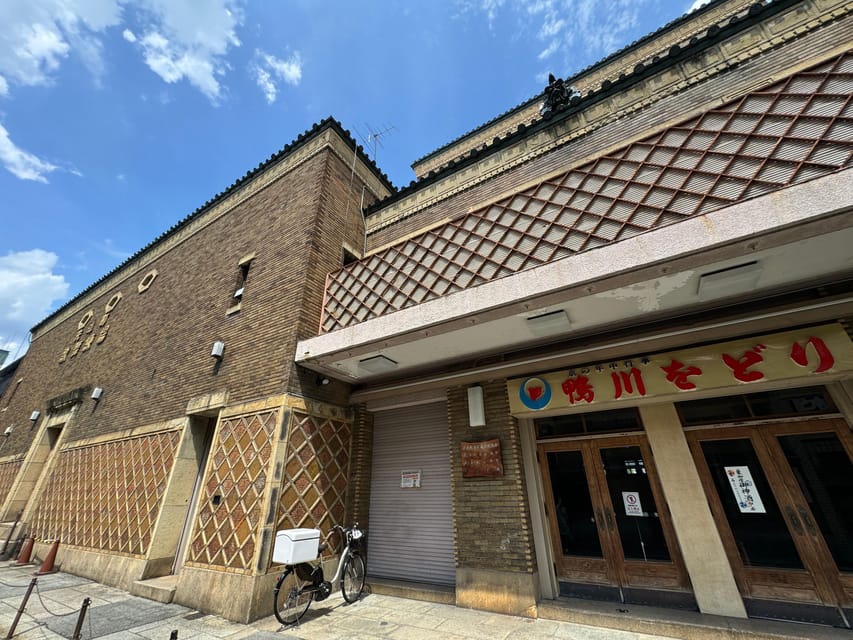
I’d recommend this tour if you want more than attractive streets and would like a guide to explain how Gion’s architecture, religious life and performing arts fit together. It’s a good match for a first visit, for anyone curious about geiko and maiko traditions, and for people who prefer a private walk over a large group.
You may prefer to explore independently if you want to spend as long as you like at each corner or already know the neighborhood well. And if your main goal is to see a geiko or maiko, this is not a promise of a sighting. Book it for the cultural context, the canal and shrine, and the chance to understand the district with a local guide. If those are what you’re after, $38 is a reasonable price for a compact, personal introduction.
FAQ
How long is the Gion walking tour?
The tour lasts 90 minutes.
What places does the walk include?
The route includes Hanamikoji Street, Shirakawa Canal and Yasaka Shrine.
Is the tour private?
Yes. The tour is for a private group.
What languages are available?
The live guide is available in English or Japanese.
What is included in the price?
The price includes a private guided walking tour in Gion, an English-speaking local guide, and cultural and historical commentary. Food, drinks, transport to and from the meeting point, and personal expenses are not included.
Where does the tour meet?
The meeting point may vary depending on the option you book. Check the details for your selected option before you go.
More temple and shrine tours in Kyoto
- Kyoto: Tea Ceremony Ju-An at Jotokuji Temple
★ 4.9 · 3,207 reviews - World Heritage Kyoto & Nara Uji Authentic Matcha Experience
★ 5.0 · 1,573 reviews - Arashiyama Bamboo, Temple, Monkeys, or Secret Sake Brewery
★ 4.8 · 886 reviews - Kyoto: Arashiyama Bamboo Forest, Monkeys, Matcha & Temple Tour
★ 5.0 · 759 reviews
More walking tours in Kyoto
- Nishiki Market Brunch Walking Tour (7 Tastings + Brunch)
★ 5.0 · 1,355 reviews - Kyoto Arashiyama Walking Tour: Bamboo, Monkeys, Gardens & Secrets
★ 5.0 · 1,216 reviews - Kyoto Gion: 2-Hour Geisha Culture & History Walking Tour
★ 5.0 · 1,186 reviews - Nara Half Day Trip Walking Tour (Private Option Available)
★ 5.0 · 937 reviews
Newly added in Kyoto
- Uji: Private immersion into Kyoto’s tea and reglious culture★ 5.0 · 17 reviews
- Whisk Your Own Matcha: A Zen Matcha Experience at Temple★ 3.6 · 7 reviews
- Kyoto tea town for matcha lovers★ 5.0 · 16 reviews
- Treasures of Kyoto: Gion & historical Walking Tour★ 5.0 · 6 reviews
- Kyoto Matcha Green Tea Tour★ 4.5 · 23 reviews
- Uji and Wazuka Matcha Farm Half Day Private Guided Tour★ 5.0 · 21 reviews
- Uji Tea Ceremony and UNESCO Heritage Walking Tour★ 5.0 · 20 reviews
- Utilising upcycled Matcha! Creating matcha incense (Uji, Kyoto)★ 5.0 · 6 reviews
Kyoto Geisha Tours, compared.
Kyoto Geisha Walking Tour: Gion District & Hidden Gems
Read our review →
Gion Magical Night Walking Tour with Geisha Trivia
Read our review →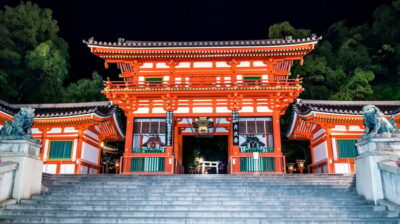
Gion Geisha District Walking Tour – Stories of Geisha
Read our review →
Best of Kyoto: Gion, Geisha, Pagodas & Cobblestones
Read our review →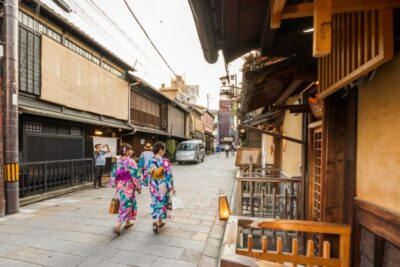

Kyoto Gion Cultural Walk & Geisha Show with Dining Options
Read our review →
Browse the lists this tour appears in