
Reviewed · KYOTO GEISHA TOURS
Kyoto: Lunch or Dinner with Maiko
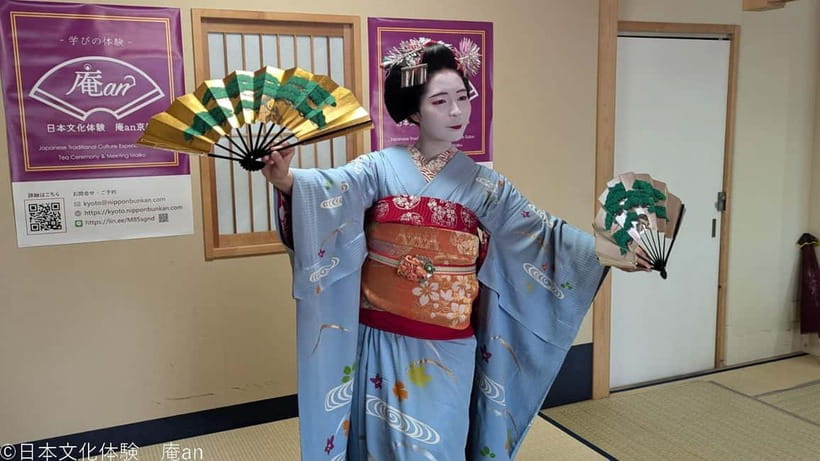
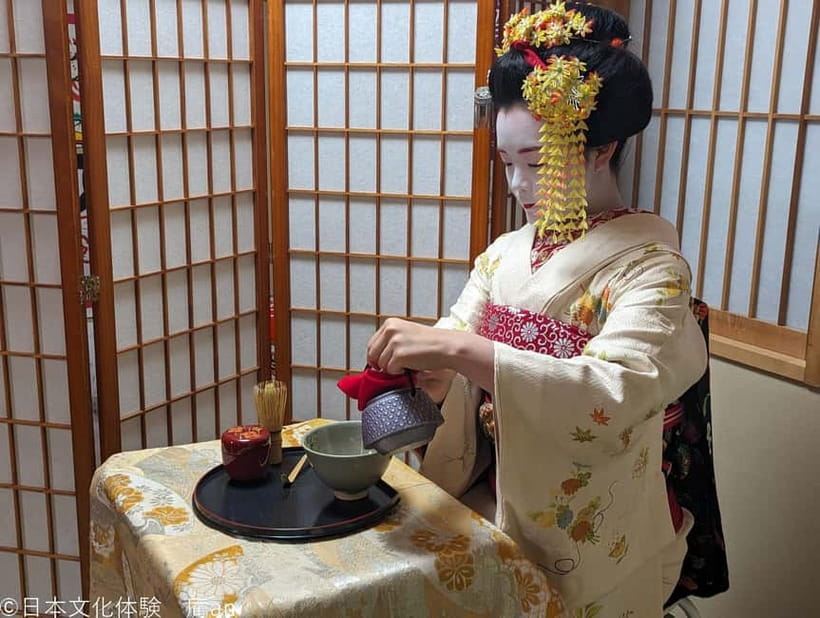
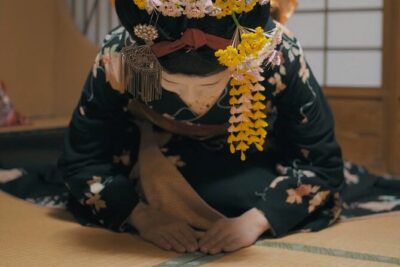
A maiko brings Kyoto’s living traditions into close view: you watch her perform two dances, see her tea ceremony, and have time to ask about her work and daily life. I like the face-to-face Q&A and the chance to take a commemorative photo beside her, rather than only watching from a distance.
I also like that the program pairs the performance with food from a long-established Kyoto restaurant. One consideration: the venue is in a modern building, not a traditional teahouse, and the meal and room may feel plain beside the elegance of the maiko.
The useful details at a glance
- Two dances and a tea ceremony give you several ways to appreciate the maiko’s poise and technique.
- A direct Q&A lets you ask about her daily life, not just watch a performance.
- A photo and senjafuda gift make the meeting more personal and leave you with a small keepsake.
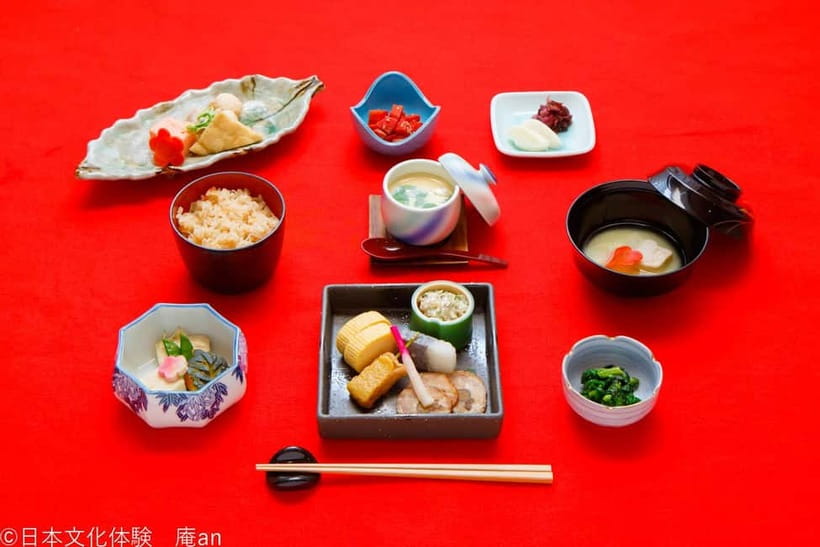
- The meal is Kyoto-style, with dashi-based dishes delivered in the traditional shidashi style.
- The venue is near Gojo Station, but it has no elevator, and you must use the stairs.
- Tea-making and front-row seats cost extra, so the advertised $63 price does not include every option.
A close encounter, not a traditional teahouse visit
This is a compact cultural program built around meeting a maiko, an apprentice in Kyoto’s traditional performing arts. Her kimono, hairstyle, and measured movements are part of a demanding way of life that continues today. The event gives you a guided glimpse of that world without asking you to navigate a formal teahouse setting or know the etiquette in advance.
That distinction matters. The event takes place in a building near Gojo Station, not in an ochaya or a traditional Japanese house. The room may be simple rather than atmospheric, and the setting is not designed to recreate an old Kyoto parlor. You are there for the performer, the conversation, and the cultural program, not for period decor.
The 90-minute format makes this a manageable introduction if you have limited time in Kyoto. It is also more structured than a casual restaurant meal: there is a planned sequence of tea, food, conversation, a photo, dance, and a game. The experience is conducted in Japanese. English translation can be provided as much as possible, but you should contact the organizer ahead of time if you would like it.
The performer may be a geiko instead of a maiko, depending on the situation. Both are part of Kyoto’s traditional arts world, but the listing does not promise which one will appear. If meeting a maiko specifically is essential to your plans, ask about the performer before booking rather than treating the title as a guarantee.
More geisha and maiko experiences in Kyoto:
- Kyoto Geisha Walking Tour: Gion District & Hidden Gems
★ 4.7 · 3,273 reviews - Kyoto: Gion Magical Night Walking Tour with Geisha Trivia
★ 4.9 · 2,393 reviews - Kyoto: Gion Geisha District Walking Tour – Stories of Geisha
★ 4.7 · 2,187 reviews
Tea, food, conversation, and dance in 90 minutes
The program opens with a tea ceremony demonstration. Watch the maiko’s careful movements and etiquette, which make even a small gesture feel deliberate. This is a demonstration by default. If you want to prepare tea yourself, you can add a tea ceremony experience for 1,600 yen.
Next comes the meal, prepared by a long-established Kyoto restaurant and served in shidashi style. That means the food is delivered rather than cooked in the room. Kyoto cooking often uses dashi, a stock that gives dishes their base flavor. The meal is presented as traditional local cuisine, though taste is personal, and you should not book solely on the promise of an elaborate dinner.
The Q&A follows, giving you time to ask the maiko directly about her routine and working life. This is one of the most valuable parts of the program: a dance can show skill and grace, but a conversation can help you understand the discipline behind them. Keep questions respectful and focused on her experience. If translation is important to you, arrange it before the event.
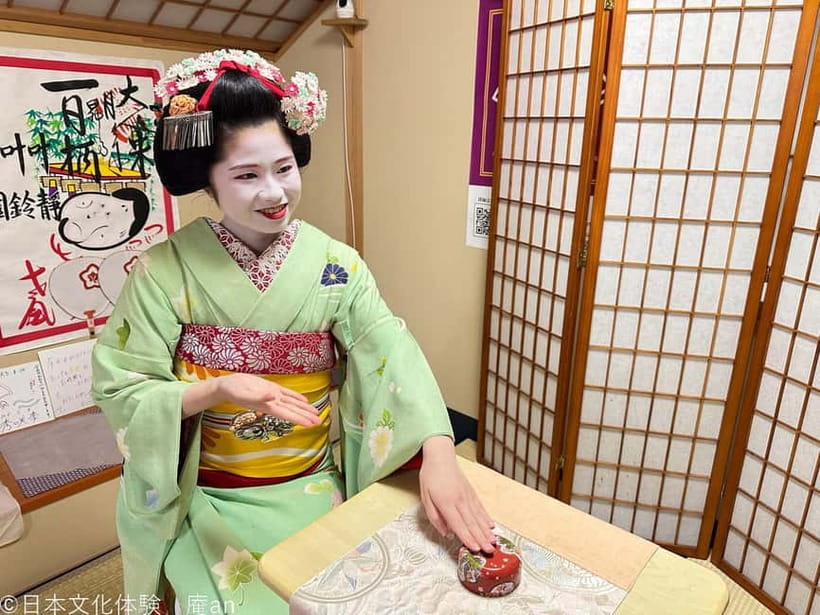
You then take a commemorative photo beside the maiko and receive a senjafuda, a small lucky charm. The chance to stand close makes the meeting more memorable than watching from across a stage. It is also a good moment to follow the staff’s directions about where to stand and when to take pictures.
The maiko performs two traditional dances. Their themes may draw on the seasons, love stories, or everyday life. Look for the controlled pace and precision of each movement, rather than expecting a long stage show. The dances are a central part of the program, and the performance is one of the strongest reasons to choose this experience.
The final activity is a simple game with the maiko. Volunteers can join, while everyone else can clap and cheer. It adds a playful finish to a program that might otherwise feel formal. The advertised schedule has the maiko leave after about 75 minutes, followed by a short period for chatting before departure at 90 minutes.
Kyoto food, with realistic expectations
The meal adds a sense of place, especially if you are curious about the role of dashi in Kyoto cooking and the local tradition of shidashi delivery. It also gives you time to sit and take in the room before the performance ends. For many people, this combination of food and culture is more satisfying than a dance-only event.
Still, the food is not the safest reason to book. Meal quality and appeal can vary, and a traditional menu may be subtle rather than bold. Some people may find the flavors mild, while others may not enjoy the dishes. One reported meal was described as barely thawed and inedible, so there is a real risk that the food could disappoint. If dining well is your top priority, consider this first a maiko program with a meal included, not a restaurant reservation with a show attached.
The setting also affects how you experience dinner. The building is not a historic house, and the room may lack the screens or decor you might picture when imagining Kyoto’s traditional arts. One account described a basement room with classroom-style lighting and furniture. That is not a guaranteed description of every session, but it is a fair reason to keep expectations modest on ambiance.
The program may also bring together people doing different activities at the same time, such as dining and preparing tea. If you picture a private, carefully staged encounter, ask the organizer what your session includes and whether other groups will be present. A relaxed, practical venue can still host a meaningful performance, but it is not the same as an intimate visit to an ochaya.
The price, plus options that change the experience
At $63 per person, the base price includes dinner with the maiko and the 90-minute program. You are paying for the performer’s time, two dances, a tea ceremony demonstration, Q&A, a photo, a small gift, a game, and the meal. That is a broad mix of activities for one short session, especially if you want an introduction to Kyoto’s maiko culture without arranging a private event.
The extras can raise the total. The tea-making option costs 1,600 yen. Reserved seating costs 3,300 yen for the first row, 2,200 yen for the second, or 1,100 yen for the third. If being close to the performance matters to you, compare the seat upgrade with the base price before deciding. The standard seating arrangement is not specified, so do not assume the lowest price guarantees a front-row view.
Children under two can attend free if they sit on a parent’s lap. If a child needs a seat or meal, the same fee as one participant applies. People who are not taking part in the experience cannot enter, so this is not a place for one adult to attend while another waits inside.
More food tours in Kyoto:
- Ramen Cooking Class at Ramen Factory in Kyoto
★ 5.0 · 1,937 reviews - Kyoto Night Foodie Tour in Gion (9+ dishes + 6 Sake tastings)
★ 5.0 · 1,762 reviews - Kyoto: Izakaya Bars Guided Walking Tour
★ 4.9 · 815 reviews - Sushi Making in Kyoto! Same-day bookings welcome!
★ 5.0 · 713 reviews
Getting there and planning around the stairs
The venue is a one-minute walk from Exit 1 of Gojo Station on the Karasuma subway line. Look for the entrance facing Gojo-dori, the main street. That short walk makes the event easy to fit into a day in central Kyoto.
There is no elevator in the building, and you will need to climb stairs to reach the venue. If stairs are a problem for anyone in your party, contact the organizer before booking. The event cannot be held for late arrivals, so allow time to reach the entrance and find the room.
Reservations received after 5 p.m. are processed the following day; the stated operating hours for processing are 10 a.m. to 5 p.m. Cancellation is free up to eight days in advance. After that, fees apply, and changing the date or time after a fee has been incurred may also involve a charge. The organizer does not cover travel costs if the event is canceled.
Who will enjoy this meeting most
I would choose this program if you want a direct, accessible introduction to maiko culture and are curious about the person behind the costume and performance. The Q&A, photo, and game make it more interactive than a short dance show, while the tea ceremony and two dances give the event a clear traditional focus.
It can also suit families with very young children, since children under two may sit on a parent’s lap for free. Keep in mind that a child who needs a seat or meal is charged the full per-person rate, and only participants can enter.
You may want another option if you are seeking a lavish room, a formal tea house, or a meal you can count on as the highlight. The room is functional rather than guaranteed to be traditional, and the meal may not suit every palate. If those details are secondary to meeting a maiko and seeing her perform up close, the experience offers a useful window into Kyoto’s performing arts.
Should you book?
Book if you value conversation, live dance, and a personal photo more than ornate surroundings or a standout dinner. The format packs several distinct encounters into 90 minutes, and the chance to ask questions gives it more substance than a performance alone. Before you pay, confirm the language support you need, decide whether tea-making or upgraded seating is worth the extra cost, and ask whether a maiko or geiko is expected. That small check can help the experience match what you have in mind.
FAQ
How long does the program last?
The program lasts 90 minutes. The maiko is scheduled to leave at about 75 minutes, with time for chatting before the room departure.
Where is the meeting point?
It is a one-minute walk from Exit 1 of Gojo Station on the Karasuma subway line. The entrance faces Gojo-dori.
Is the venue a traditional teahouse?
No. The venue is in a building, not an ochaya or a traditional Japanese house. The atmosphere is described as relaxed, but the room may be plain.
Is a maiko guaranteed to appear?
No. Depending on the situation, a geiko may be invited instead.
Is the tea ceremony something I can try myself?
The program includes a tea ceremony demonstration. You can add a tea-making option for 1,600 yen.
What food is included?
The price includes a meal prepared by a long-established Kyoto restaurant. It is served in shidashi style, and Kyoto cuisine commonly uses dashi stock.
Is the program conducted in English?
The listed language is Japanese. English translation can be provided as much as possible, and you should contact the organizer if you would like it.
Are there extra charges for special seats?
Yes. First-row seats cost 3,300 yen, second-row seats cost 2,200 yen, and third-row seats cost 1,100 yen.
Is the venue accessible by elevator?
No. There is no elevator, and you need to use the stairs to reach the venue.
More evening meals in Kyoto
- Kyoto Gion Cultural Walk & Geisha Show with Dining Options
★ 5.0 · 518 reviews - Kyoto Gion Cultural Walk & Geisha Show with Dining Options
★ 5.0 · 483 reviews - Dinner with Maiko in a Traditional Kyoto Style Restaurant Tour
★ 5.0 · 175 reviews - Kyoto: Geisha Dinner & Gion Cultural Walk
★ 5.0 · 73 reviews
More tours with lunch in Kyoto
- Bike Tour Exploring North Kyoto plus Lunch
★ 5.0 · 1,087 reviews - Osaka/Kyoto: Arashiyama, Nara & Fushimi Inari Shrine w/Lunch
★ 4.4 · 754 reviews - Kyoto Zen Meditation & Garden Tour at a Zen Temple with Lunch
★ 5.0 · 441 reviews - 4.5-Hour Kyoto Bike Tour with Lunch and UNESCO Zen Temples
★ 5.0 · 122 reviews
Newly added in Kyoto
- Uji: Private immersion into Kyoto’s tea and reglious culture★ 5.0 · 17 reviews
- Whisk Your Own Matcha: A Zen Matcha Experience at Temple★ 3.6 · 7 reviews
- Treasures of Kyoto: Gion & historical Walking Tour★ 5.0 · 6 reviews
- Kyoto tea town for matcha lovers★ 5.0 · 16 reviews
- Kyoto Matcha Green Tea Tour★ 4.5 · 23 reviews
- Uji and Wazuka Matcha Farm Half Day Private Guided Tour★ 5.0 · 21 reviews
- Uji Tea Ceremony and UNESCO Heritage Walking Tour★ 5.0 · 20 reviews
- Utilising upcycled Matcha! Creating matcha incense (Uji, Kyoto)★ 5.0 · 6 reviews
Kyoto Geisha Tours, compared.
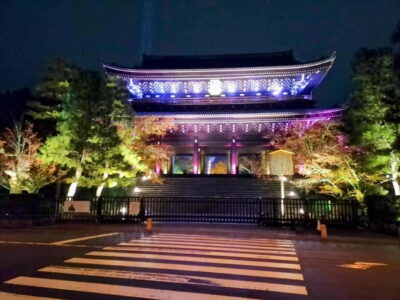
Kyoto Geisha Walking Tour: Gion District & Hidden Gems
Read our review →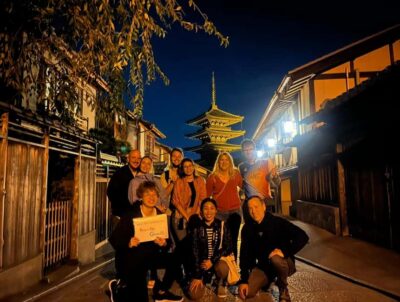
Gion Magical Night Walking Tour with Geisha Trivia
Read our review →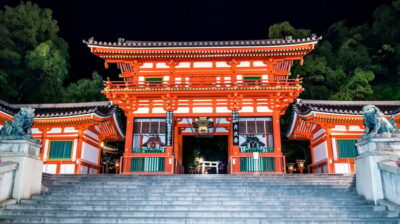
Gion Geisha District Walking Tour – Stories of Geisha
Read our review →
Best of Kyoto: Gion, Geisha, Pagodas & Cobblestones
Read our review →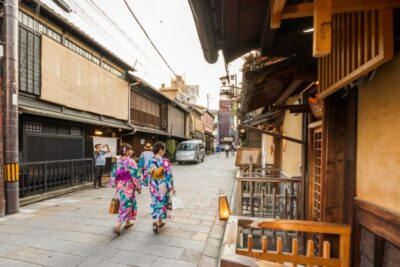

Kyoto Gion Cultural Walk & Geisha Show with Dining Options
Read our review →
Browse the lists this tour appears in