
Reviewed · KYOTO GEISHA TOURS
Kyoto Gion Cultural Walk & Geisha Show with Dining Options
Gion’s geiko culture is easier to understand when you see the streets where it has taken shape, then hear from a maiko herself. This three-hour walk pairs neighborhood history with a 45-minute meeting and performance, giving you more context than a show alone.
I like two things in particular: guides such as Akari, Ken, and Kenta are praised for explaining traditions clearly, and the small group limit of nine leaves room for questions. The walk also links geiko culture with Kabuki, Shinto, and Zen, so Gion feels like a living neighborhood rather than a stage set.
One point needs a close look before you book: the meal is not clearly included in the stated inclusions, even though some versions and accounts of the experience mention lunch or dinner. Confirm which option you are buying, and remember that admission to Kennin-ji and Zenkyoan is extra.
- Meet a maiko: The 45-minute session includes a dance, one or two songs, and time to ask questions.
- Walk through Gion: The route takes in riverside streets, shrines, a Kabuki theater, and geiko district landmarks.
- Get cultural context: Guides explain geiko and maiko traditions, Kabuki, Shinto, and Zen Buddhism.
- Keep the group small: The tour has a maximum of nine participants.
- Budget for extras: Temple admission and the maiko’s tip are not included, and meal options should be checked before booking.
A Gion walk that leads to a real conversation
The best reason to book this experience is the pairing of a neighborhood walk with a meeting that gives the culture a human voice. You first hear about Kyoto’s geiko and maiko traditions in the streets they are connected to, then meet an apprentice performer, watch her dance, and ask questions through your guide.
That order matters. Without context, a performance can be lovely but hard to place. Here, the walk introduces the history and customs behind the art, while guides help explain answers during the final conversation. Several guides, including Akari, Ken, and Kenta, are praised for translating and keeping the exchange welcoming.
The experience lasts about three hours, with 1.5 to 2 hours of guided walking followed by a 45-minute meeting and show. It begins at the Statue of Izumo-no-Okuni in Higashiyama and ends somewhere else, so don’t assume you will finish back at the starting point.
From Kabuki’s beginnings to Minamiza Theater
The opening stop, the Statue of Izumo-no-Okuni, introduces Kabuki through its early female performers. That is a useful correction to a common assumption: modern Kabuki is performed by men, but the form began with women. The guide uses this story to connect performance traditions with the women who shaped Kyoto’s arts.
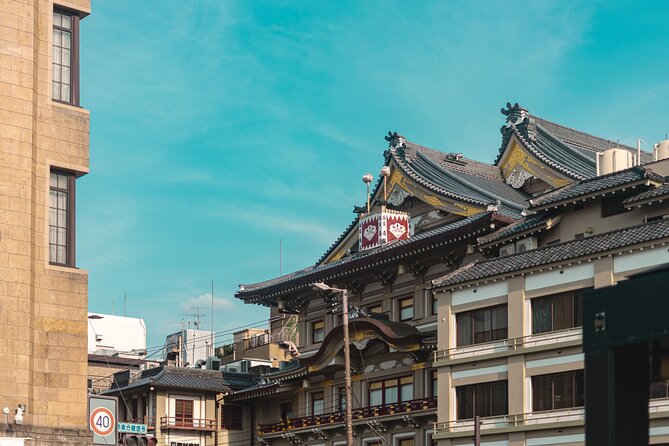
A short walk brings you to Minamiza Theater, where the focus shifts to the building itself. You’ll look at the architecture of what is described as the oldest Kabuki theater and hear about a collaboration involving Kabuki and virtual reality. These first stops are brief, but they establish that Gion’s entertainment history extends beyond geiko culture.
Don’t expect an extended theater visit here. The schedule allows about ten minutes at Minamiza, and the emphasis is on seeing the exterior and hearing the story rather than attending a performance.
More geisha and maiko experiences in Kyoto:
- Kyoto Geisha Walking Tour: Gion District & Hidden Gems
★ 4.7 · 3,273 reviews - Kyoto: Gion Magical Night Walking Tour with Geisha Trivia
★ 4.9 · 2,393 reviews - Kyoto: Gion Geisha District Walking Tour – Stories of Geisha
★ 4.7 · 2,187 reviews
Gion Shirakawa and Tatsumi Shrine
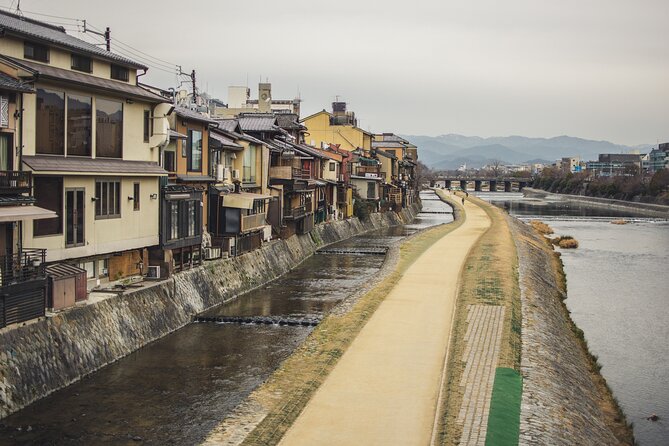
Gion Shirakawa is one of the prettiest stretches of the walk, with traditional-looking streets and buildings beside the river. The guide introduces Gion as a geiko district and explains the customs and working world that visitors often misread. This is a good place to ask questions about terminology, etiquette, and the difference between an apprentice and a fully trained performer.
The tour then visits Tatsumi-jinja, a small Shinto shrine. Here, the conversation turns to Shinto, Japan’s native religious tradition, and the idea that the country has millions of kami, or divine presences. The shrine is a compact stop, but it helps show how spiritual places sit within everyday city life.
The route includes about 15 minutes at each stop. You’ll get a useful explanation, not a long shrine visit, so take the opportunity to listen and look around rather than expecting a formal ceremony.
Hanamikoji Street: look, but don’t expect a sighting
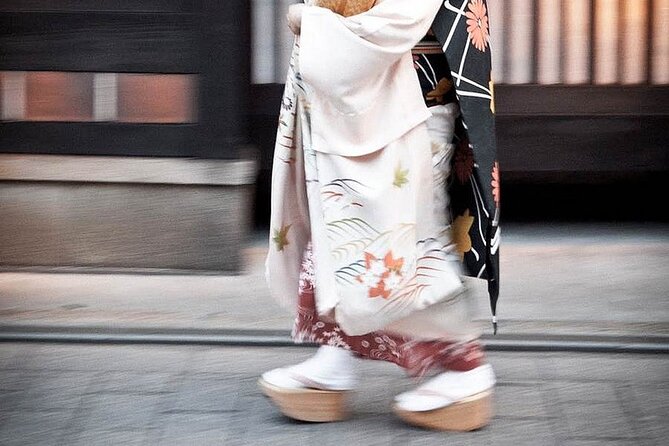
Hanamikoji is Gion’s best-known main street, and the guide explains its place in the district. You might see a geiko or maiko walking to an engagement, but there is no promise of a sighting. Treat this as a chance to learn about the area, not a wildlife-style search for someone in formal dress.
That distinction is part of the tour’s value. The goal is to understand a working cultural district and its traditions, not to turn the people who live and work there into photo stops. Your guide can help explain what you are seeing and how to behave respectfully.
The stop is around ten minutes. If you want time to wander or take photographs later, plan to return independently rather than expecting the guided walk to pause for long.
Kennin-ji and Zenkyoan: two temple stops with extra costs
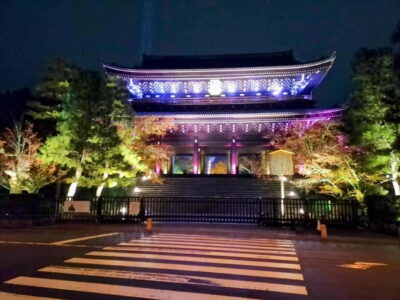
Kennin-ji, founded in 1202, brings the walk into Zen Buddhism. The guide talks about Zen and the temple’s place in Kyoto’s religious life. It is a worthwhile change of pace after Gion’s entertainment district, but admission is not included, so bring money for the ticket if you want to enter.
The route also includes Zenkyoan, a subtemple of Kennin-ji associated with Marishitendo. Its boar guardians and associations with luck and safety give the guide a specific detail to build on. Admission is also not included here.
Both stops are scheduled for about 15 minutes. Because the tour is compact, check with the guide about the admission arrangements and how much time is available inside. If you want a slow temple visit, you may prefer to return on your own.
More Gion tours in Kyoto:
- Best of Kyoto: Gion, Geisha, Pagodas & Cobblestones
★ 4.9 · 2,058 reviews - Night Walk in Gion: Kyoto’s Geisha District
★ 4.5 · 2,003 reviews - Kyoto Night Foodie Tour in Gion (9+ dishes + 6 Sake tastings)
★ 5.0 · 1,762 reviews - Kyoto Gion Geisha District Walking Tour – The Stories of Geisha
★ 5.0 · 1,441 reviews
The maiko meeting is the heart of the experience
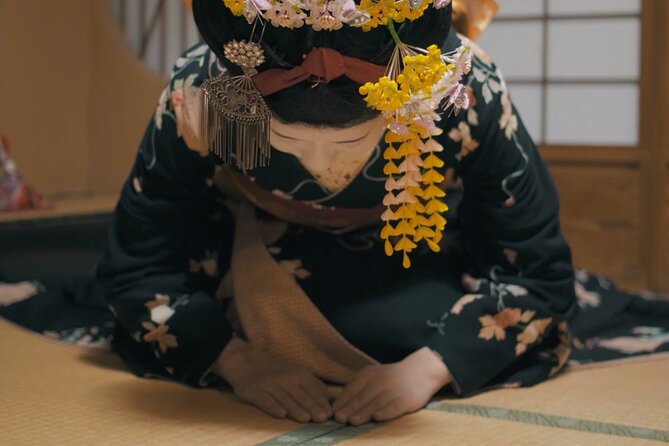
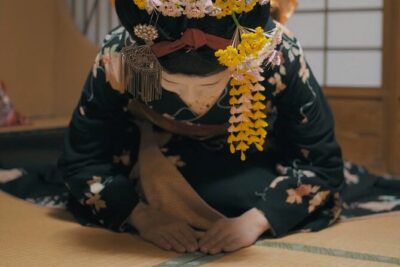
The final 45 minutes bring the group together with an apprentice geisha, called a maiko in Kyoto. You’ll watch a dance and one or two songs, then have time to ask questions. The format is not a full evening of formal entertainment, but it offers something more personal: a chance to hear about the traditions from someone training within them.
A guide’s role remains important here. Guides have been praised for interpreting questions and answers, explaining context, and helping everyone take part. That can make a real difference if you don’t speak Japanese or feel unsure about what to ask.
Keep your expectations respectful and realistic. This is a short cultural meeting, not a private geiko appointment or an open-ended interview. The small group limit helps make the exchange more manageable, but the time is shared among up to nine people.
What to know about food and the $121.37 price
At $121.37 per person, the tour costs more than a basic neighborhood walk. The value depends on what matters to you: you’re paying for a guided route, cultural interpretation, and a scheduled maiko meeting with a performance and questions. That combination is unusual, and the small group cap adds to the appeal.
The meal needs special attention. Some accounts of this experience describe family-style meals, with praise for both the food and accommodation of dietary needs. Another account describes a very small meal and poor value. Yet the stated inclusions name the walking guide and 45-minute meeting and show, but do not explicitly list food. Check the exact dining option and what it includes before paying, especially if you are counting on dinner as part of the price.
The maiko’s tip is not included. Nor are admissions to Kennin-ji and Zenkyoan. Those costs can change your total, so factor them in when comparing this outing with a show or tour that includes temple entry or a meal.
Guides, pace, and practical planning
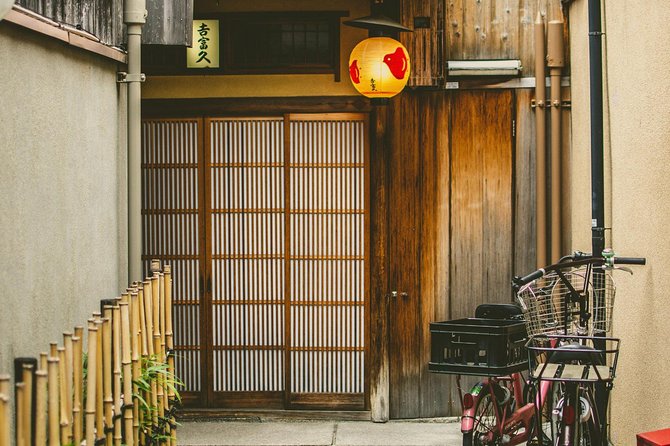
The tour is capped at nine participants, a sensible size for narrow streets and a question-led cultural visit. Guides named in accounts of the experience include Akari, Ken, and Kenta. Their strengths are described in consistent terms: clear explanations, warmth, patience with questions, and care in translating during the maiko meeting. You cannot count on a specific guide, but the quality of the hosting is a central part of the experience.
Wear comfortable shoes. The route lasts about three hours and includes several stops on foot; the tour is not recommended for people with leg problems. There is no public-transport issue noted, and the start point is near transit, but you will finish at a different location from where you began.
Kyoto weather can affect the walk. If poor weather cancels the tour, you are offered another date or a full refund. The tour also requires a minimum number of participants, so a cancellation for low enrollment comes with the choice of another date or experience, or a refund.
Who should book this Gion experience?
I’d choose this tour if you want more than a quick photo of Gion and are genuinely curious about geiko and maiko traditions. It suits first-time visitors who value a guide’s explanations, culture-minded couples or families, and solo visitors who would like a small group and a structured way to ask questions.
It is less suitable if you want a long, unhurried temple visit, a guaranteed street sighting of a geiko, or a meal included without having to check the package details. It also may not fit you if walking is difficult.
For the right person, the strongest feature is the progression: first learn how the district and its arts fit together, then meet a maiko and watch her perform. Book it for that combination, confirm the food and temple costs, and go ready to listen as much as to look.
FAQ
How long is the tour?
It lasts about three hours, including 1.5 to 2 hours of guided walking and a 45-minute maiko meeting and show.
Where does the tour start?
It starts at the Statue of Izumo-no-Okuni in Kawabatacho, Higashiyama Ward, Kyoto.
Does the tour end at the starting point?
No. The activity ends at a different location.
Is a meal included?
Meal options are referenced, but the stated inclusions do not clearly specify food. Check the exact option you are booking to confirm whether a meal is included.
Are temple admission fees included?
No. Admission to Kennin-ji and Zenkyoan is not included.
How many people can join the tour?
The maximum group size is nine participants.
More walking tours in Kyoto
- Nishiki Market Brunch Walking Tour (7 Tastings + Brunch)
★ 5.0 · 1,355 reviews - Kyoto Arashiyama Walking Tour: Bamboo, Monkeys, Gardens & Secrets
★ 5.0 · 1,216 reviews - Kyoto Gion: 2-Hour Geisha Culture & History Walking Tour
★ 5.0 · 1,186 reviews - Nara Half Day Trip Walking Tour (Private Option Available)
★ 5.0 · 937 reviews
More shows in Kyoto
- Kyoto Gion Cultural Walk & Geisha Show with Dining Options
★ 5.0 · 518 reviews - 1 Hour Geisha Show in Kyoto
★ 5.0 · 452 reviews - Kyoto: Samurai Kenbu Traditional Sword Dancing Show
★ 4.5 · 426 reviews - Kyoto: Nishiki Market Tea Ceremony with Koto Performance
★ 4.8 · 294 reviews
Newly added in Kyoto
- Uji: Private immersion into Kyoto’s tea and reglious culture★ 5.0 · 17 reviews
- Whisk Your Own Matcha: A Zen Matcha Experience at Temple★ 3.6 · 7 reviews
- Kyoto tea town for matcha lovers★ 5.0 · 16 reviews
- Treasures of Kyoto: Gion & historical Walking Tour★ 5.0 · 6 reviews
- Kyoto Matcha Green Tea Tour★ 4.5 · 23 reviews
- Uji and Wazuka Matcha Farm Half Day Private Guided Tour★ 5.0 · 21 reviews
- Uji Tea Ceremony and UNESCO Heritage Walking Tour★ 5.0 · 20 reviews
- Utilising upcycled Matcha! Creating matcha incense (Uji, Kyoto)★ 5.0 · 6 reviews
Kyoto Geisha Tours, compared.
Kyoto Geisha Walking Tour: Gion District & Hidden Gems
Read our review →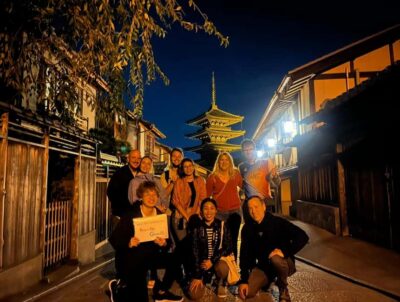
Gion Magical Night Walking Tour with Geisha Trivia
Read our review →
Gion Geisha District Walking Tour – Stories of Geisha
Read our review →
Best of Kyoto: Gion, Geisha, Pagodas & Cobblestones
Read our review →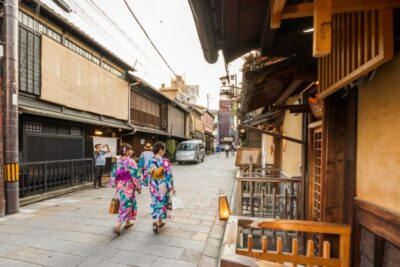

Kyoto Gion Cultural Walk & Geisha Show with Dining Options
Read our review →
Browse the lists this tour appears in