
Reviewed · KYOTO GEISHA TOURS
Kyoto: Gion & Geisha District Night Time Walking Tour
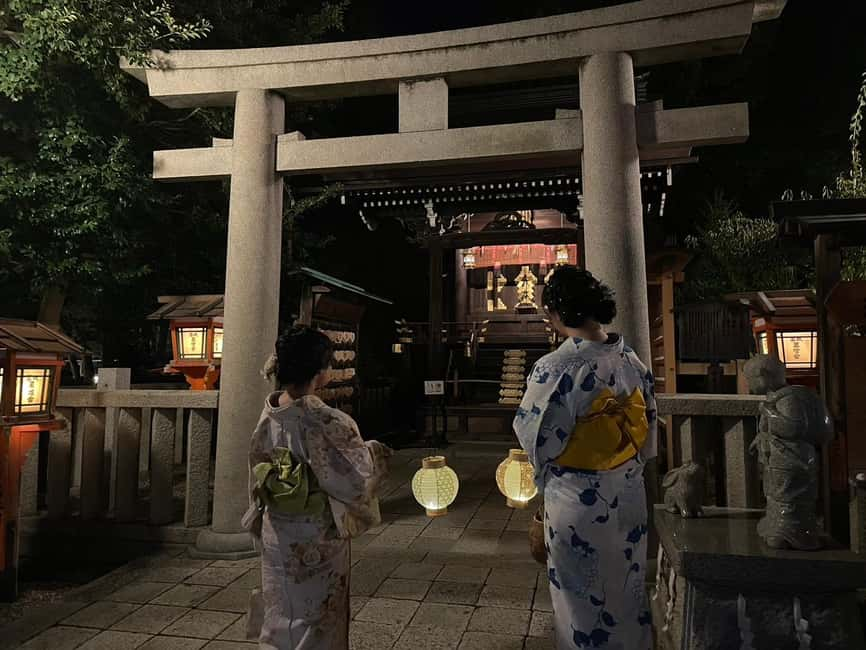
Gion after dark is more than lantern-lit streets and old wooden façades. This two-hour walk connects working teahouse streets with shrines and lanes that reveal how Kyoto’s traditions still shape daily life. The central subject is geiko culture, explained with care rather than treated as a photo opportunity.
I like two things in particular: the route links several distinct historic places instead of circling one street, and a guide can explain details you might otherwise walk past. The small ritual at Yasui-Konpiragu Shrine, where people pass through a symbolic stone archway, is one memorable example.
One consideration: this is a walking tour over traditional streets and paths, and it is not suitable for wheelchair users. The weather can also feel cold on a winter evening, so bring warm layers. And while you may see a geiko or maiko, a sighting is not something to count on.
At a glance: Gion after dark
- Two hours on foot: Visit Gion and historic Higashiyama streets, with guided stops at key sites.
- A guide puts places in context: Learn about Yasaka Shrine, Kyoto festivals, geiko and maiko traditions, and the stories attached to the old lanes.
- A symbolic shrine ritual: Yasui-Konpiragu is known for a stone archway people crawl through to pray for strong bonds or leave unwanted ties behind.
- A calmer time to walk: The evening setting can mean fewer crowds than during the day, though conditions vary.
- $20 per person: The English-speaking guide and photos during the tour are included.
- Meet in central Gion: Start in front of the Starbucks next to Kyoto Gion Hotel and return to the same spot.
Starting near Yasaka Shrine
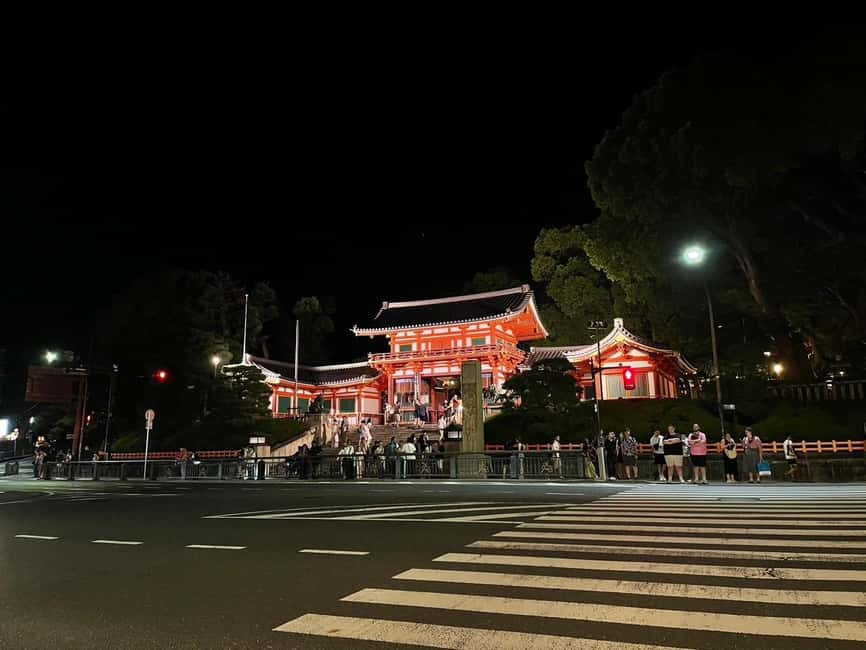
Meet in front of the Starbucks next to Kyoto Gion Hotel, a short walk from Yasaka Shrine’s Western Tower Gate entrance. The meeting point is easy to identify by its landmark, but arrive with enough time to find it before the group sets off.
The walk starts in Gion, where the guide introduces the district and its place in Kyoto’s cultural life. This first stretch is useful for getting your bearings. Gion is often reduced to a handful of famous streets, but the guide can help you read the surroundings as a neighborhood shaped by tradition, tourism and the work of geiko.
The tour’s two-hour length is a practical middle ground. It gives you time to hear stories and pause at several sites without asking you to give up an entire evening. It is still a walking tour, so expect to spend most of those two hours on your feet rather than standing in one place.
More geisha and maiko experiences in Kyoto:
- Kyoto Geisha Walking Tour: Gion District & Hidden Gems
★ 4.7 · 3,273 reviews - Kyoto: Gion Magical Night Walking Tour with Geisha Trivia
★ 4.9 · 2,393 reviews - Kyoto: Gion Geisha District Walking Tour – Stories of Geisha
★ 4.7 · 2,187 reviews
Yasaka Shrine and Maruyama Park
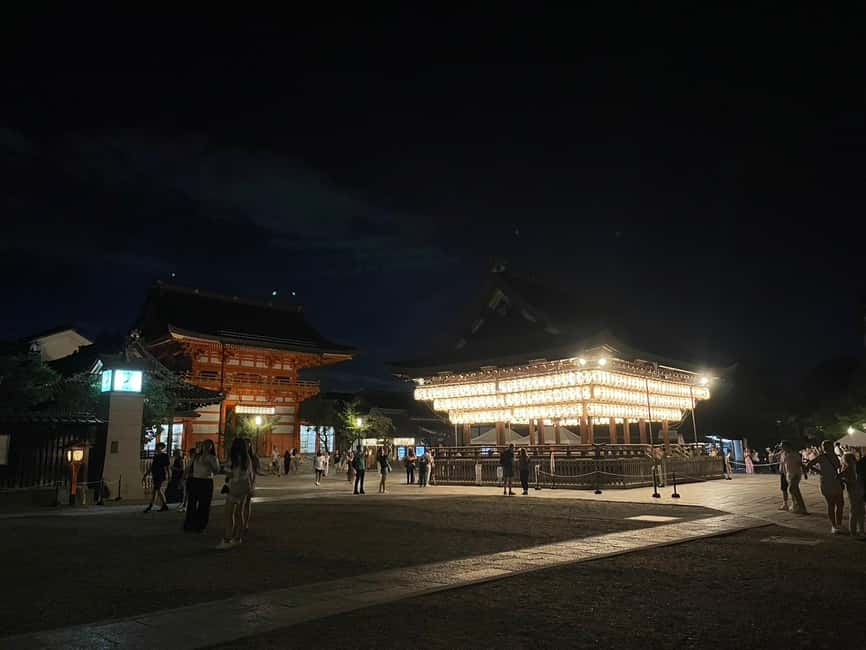
Yasaka Shrine is one of Kyoto’s best-known spiritual landmarks, and the guide explains its connection to the city’s festivals and to geiko traditions. That context matters: it helps turn a shrine visit from a quick look at a striking building into a chance to understand how religious life and local customs overlap.
The guided stop is listed as about 20 minutes. That is enough for an introduction and questions, but not a long, solitary visit. If you want time to explore the shrine at your own pace, consider returning on another day.
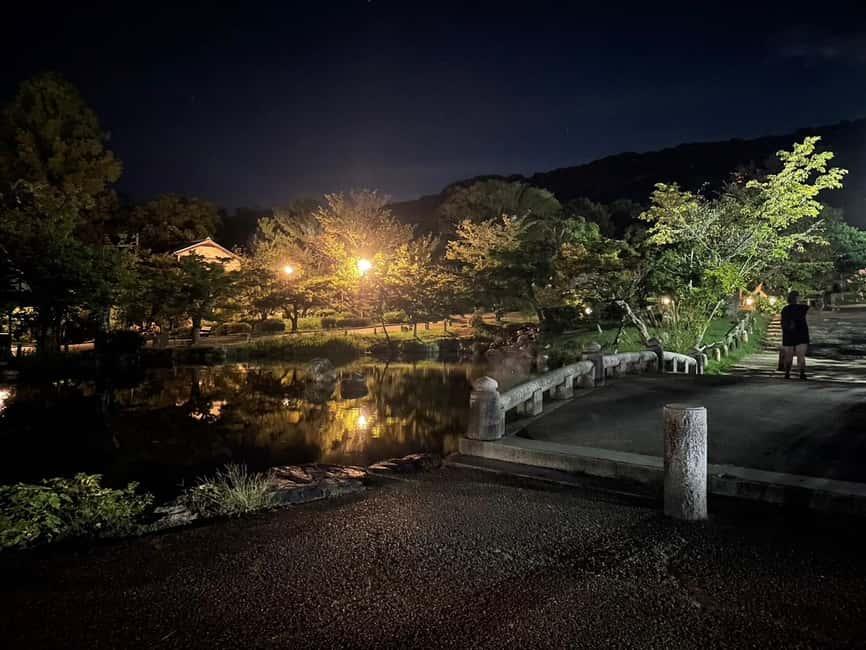
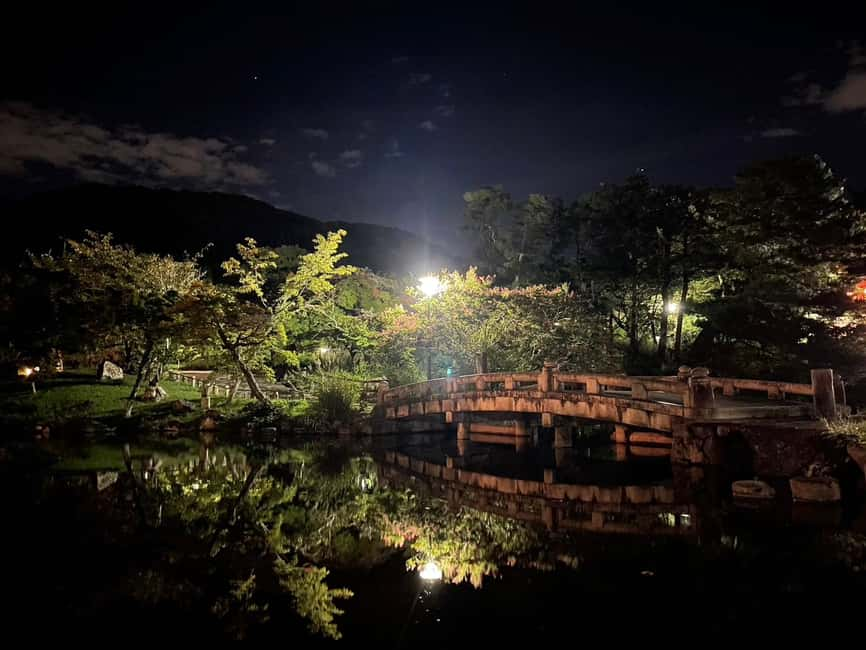
The route also includes Maruyama Park, described as Kyoto’s oldest public garden. Its greenery offers a change of mood from the streets and shrine grounds. The park is a natural pause in the walk, though the tour remains focused on its broader route rather than a long park visit.
Nene no Michi and Ninenzaka’s old lanes
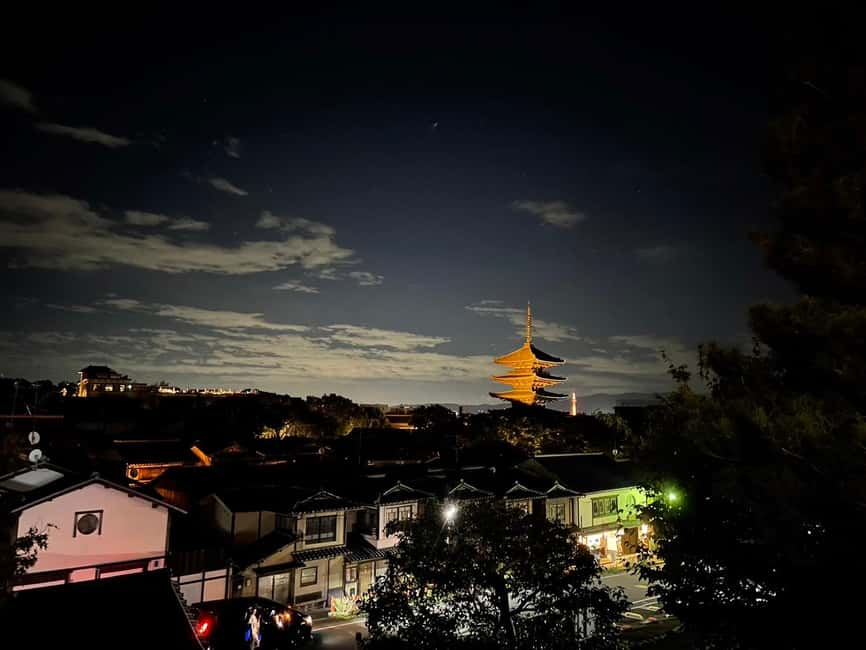
Nene no Michi is a stone-paved lane named after Nene, the wife of samurai leader Toyotomi Hideyoshi. Traditional townhouses, teahouses and artisan shops give the street much of its appeal. With a guide, you can connect the place names and buildings to the people and customs behind them, rather than treating the lane as a backdrop for photos.
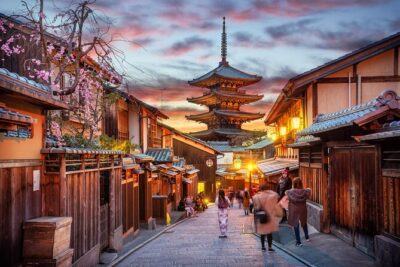
The route then reaches Ninenzaka, a sloping street lined with historic wooden buildings and small storefronts. Its old-Kyoto atmosphere is one of the walk’s strongest visual moments. It is also a place where the pace can slow, since the street itself invites you to look around.
The stops on these lanes are listed at around 20 minutes each. That allows time to take in the setting and hear the guide’s explanation, but it is not a shopping excursion. If a shop catches your eye, make a note and return later, rather than expecting a long browsing stop within the tour.
Traditional lanes can have uneven surfaces and slopes, so choose comfortable shoes. The tour is not wheelchair accessible, and anyone who finds walking difficult should consider whether this route is a good fit.
Yasui-Konpiragu and its Power Stone
Yasui-Konpiragu Shrine adds a more unusual note to the route. Its symbolic Power Stone archway is associated with relationships: people crawl through it to pray for strong bonds or to leave unwanted ties behind. It is a physical ritual with a clear meaning, which makes it easier to remember than a list of dates or names.
The shrine is described as a quieter stop, but it is not simply a photo point. The guide can explain what the ritual represents and why people take part. The practical detail is that crawling through the opening may not suit everyone, and the supplied tour information does not say that participation is required. You can still listen and observe.
This is one of the places where a guide earns their keep. A sign might tell you what the arch is called; a person can explain the idea behind it and answer the questions that occur to you on the spot.
More Gion tours in Kyoto:
- Best of Kyoto: Gion, Geisha, Pagodas & Cobblestones
★ 4.9 · 2,058 reviews - Night Walk in Gion: Kyoto’s Geisha District
★ 4.5 · 2,003 reviews - Kyoto Night Foodie Tour in Gion (9+ dishes + 6 Sake tastings)
★ 5.0 · 1,762 reviews - Kyoto Gion Geisha District Walking Tour – The Stories of Geisha
★ 5.0 · 1,441 reviews
Hanamikoji Street and geiko traditions
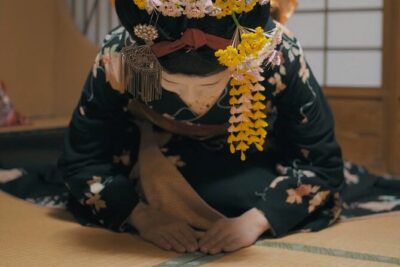
Hanamikoji Street is the heart of Gion, with preserved wooden teahouses where Kyoto’s geiko still work. Your guide discusses the lives, training and artistry of geiko and maiko, offering a respectful introduction to a world that is private by nature.
The distinction matters. The tour presents geiko as artists with years of training, not as characters in a staged attraction. You can learn about their role and the district around them without expecting access to teahouses or a chance to speak with performers.
You might see a geiko or maiko during the walk, but sightings are unusual and cannot be promised. Treat any encounter as a brief glimpse, not the main purpose of the evening. The streets and the explanation of the culture are the dependable parts of the experience.
The guide’s presence also helps you behave thoughtfully in a district where people live and work. Keep the focus on listening and looking, rather than assuming that every person in traditional dress is available for a photograph.
What the guides add
The strongest feature of this tour is the guide-led storytelling. Guides who have led it include Majo, Wilber, Pedro, Nay, Sam and Jason, among others. Their approach, as reflected in the experiences described, includes answering questions, sharing historical detail and helping the route feel personal rather than like a checklist.
Majo is named often, with visitors appreciating her cheerful manner and clear explanations. Wilber is noted for strong English-language communication and detailed historical accounts. Pedro, Nay and other guides are also praised for making the walk engaging and responding to questions. These names give you a sense of the team, but your guide depends on the departure.
Practical help can be part of the experience, too. Guides have taken photos during the tour, a useful touch if you are travelling solo or want a picture with your companion in it. One guide also pointed a couple toward places to eat afterward. That kind of local advice is a welcome bonus, though restaurant recommendations are not a formal part of the tour.
The tour has sometimes felt nearly private when attendance was very small. Do not assume that every departure will have a tiny group, since group size is not specified. Still, the personal, question-friendly style appears to be an important part of what you are paying for.
Is $20 good value?
At $20 per person, the tour offers a guide for two hours, historical interpretation at several stops and photos during the walk. You are paying less for access to a site than for someone to make the route intelligible. That is worthwhile in Gion, where the significance of a lane or custom may not be obvious from what you can see.
The price makes most sense if you want context, enjoy asking questions or have limited time in Kyoto. A guide can connect the shrine, park, old streets and teahouse district into one coherent outing. You can walk these areas on your own, but you will need to do more of the background reading yourself.
The trade-off is a fixed pace and route. Two hours does not allow for extended shopping, long shrine visits or an unhurried stop at every appealing corner. If you prefer to wander alone, or want to spend most of your evening taking photographs, a self-guided walk may suit you better.
The tour includes an English-speaking guide and photos taken during the walk. It does not list food, transport or entry tickets as inclusions, so plan to cover any personal purchases separately.
Timing, clothing and who should book
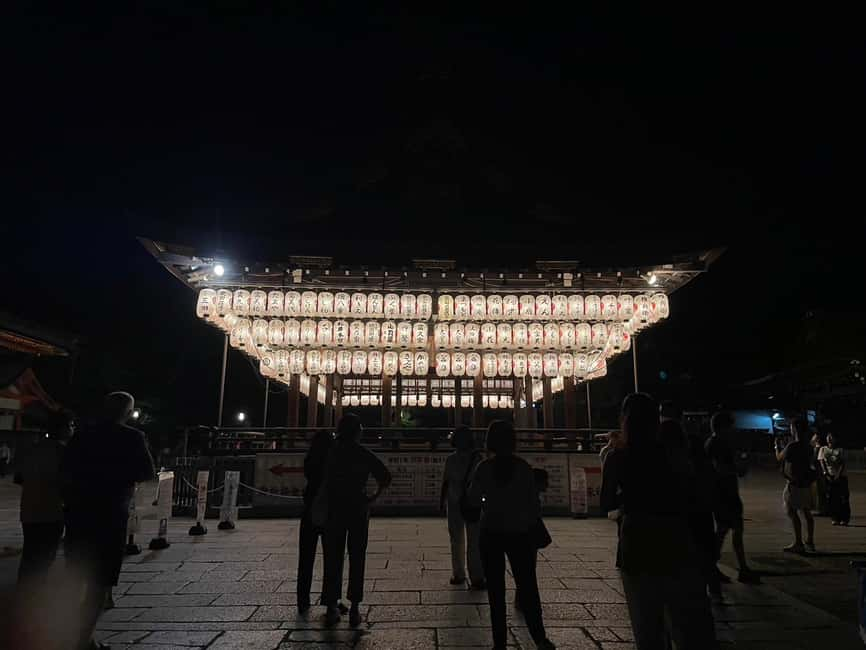
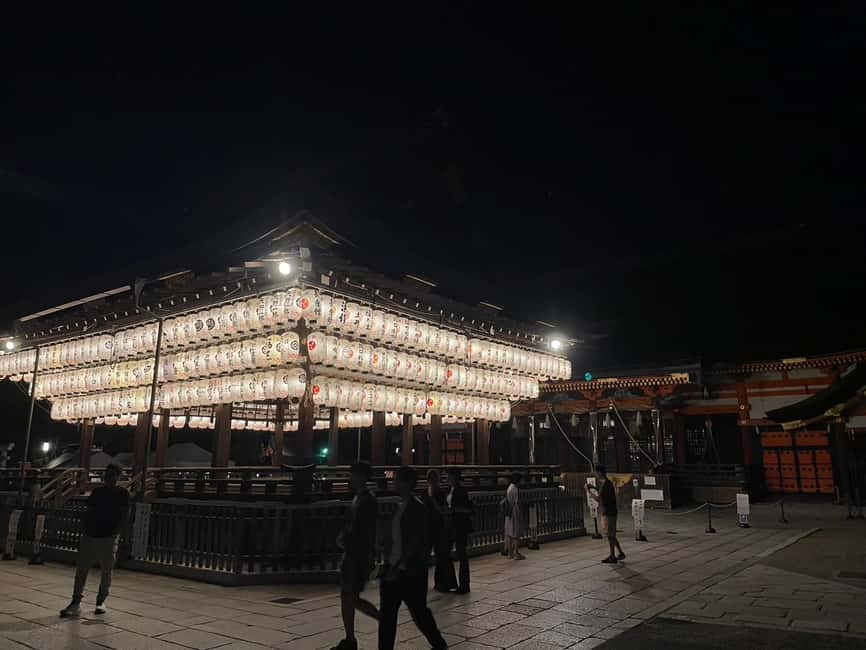
Evening is a good time to see Gion in a different mood. The lanterns, quieter lanes and lit wooden façades give the district a distinct character, and the evening can bring fewer crowds than the daytime. That does not mean every street will be empty, but it can make the walk feel less hurried.
Winter nights can be cold. Bring a warm coat and layers, especially if you will be standing still while the guide explains a site. Comfortable shoes are sensible for stone-paved lanes and sloping streets.
This tour suits first-time visitors who want a compact introduction to Gion, people curious about geiko and maiko culture, and anyone who would rather hear local context than simply follow a map. It also works well early in a Kyoto stay, since the guide may help you spot places to revisit.
It is a less natural fit if you need step-free access, dislike walking, want guaranteed geiko sightings or prefer to explore at your own pace. The tour is listed as not suitable for wheelchair users. Starting times vary, so check availability for your date. You can reserve now and pay later, and cancellations made at least 24 hours in advance qualify for a full refund.
Should you book the Gion night walk?
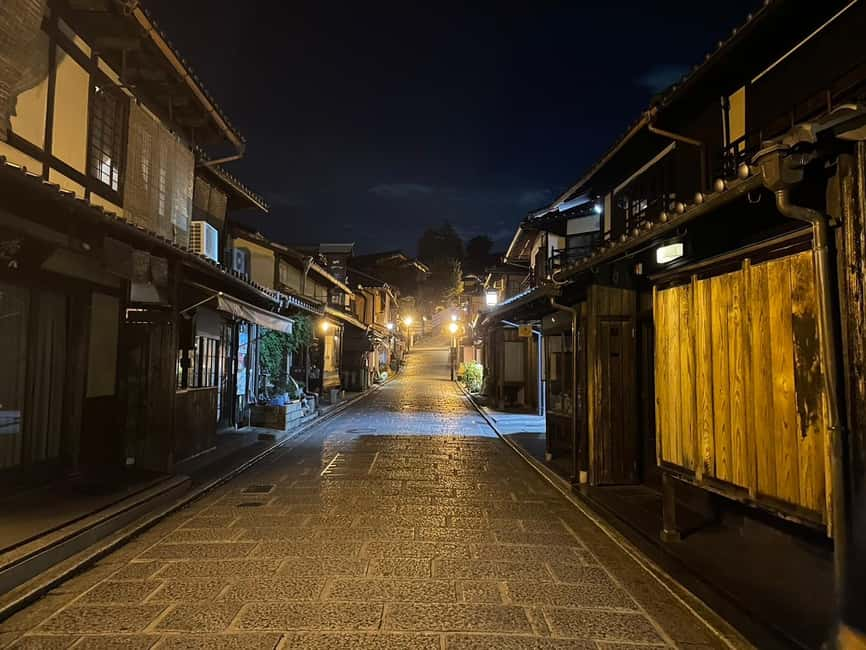
Book it if you want a compact, guided introduction to Gion’s shrines, old streets and geiko traditions for $20. The best reason to go is not the hope of seeing a geiko, but the chance to understand the neighborhood while you walk through it. If you value clear explanations, questions and a route that ties several places together, this is a sensible evening choice.
Skip it if you need wheelchair access, want long stops for shopping or expect a guaranteed encounter with a geiko or maiko. Dress for the weather, wear comfortable shoes and treat any sighting as a lucky extra.
FAQ
How long is the Gion night walking tour?
The tour lasts two hours and returns to its starting point at Starbucks next to Kyoto Gion Hotel.
What language is the tour conducted in?
The live guide speaks English.
Where is the meeting point?
Meet in front of the Starbucks next to Kyoto Gion Hotel. It is within walking distance of the Western Tower Gate entrance to Yasaka Shrine.
How much does the tour cost?
The listed price is $20 per person.
Which places are included in the walk?
The route includes Gion, Yasaka Shrine, Maruyama Park, Nene no Michi, Ninenzaka, Yasui-Konpiragu Shrine and Hanamikoji Street.
Is a guide included?
Yes. The tour includes an English-speaking guide.
Are photos included?
Yes. Photos during the tour are included.
Is the tour suitable for wheelchair users?
No. The tour is listed as not suitable for wheelchair users.
Will I see a geiko or maiko?
You might, but a sighting is not guaranteed. Seeing one is described as unusual, so consider the cultural explanation and historic streets the main experience.
Can I cancel for a refund?
Yes. You can cancel up to 24 hours in advance for a full refund.
More walking tours in Kyoto
- Nishiki Market Brunch Walking Tour (7 Tastings + Brunch)
★ 5.0 · 1,355 reviews - Kyoto Arashiyama Walking Tour: Bamboo, Monkeys, Gardens & Secrets
★ 5.0 · 1,216 reviews - Kyoto Gion: 2-Hour Geisha Culture & History Walking Tour
★ 5.0 · 1,186 reviews - Nara Half Day Trip Walking Tour (Private Option Available)
★ 5.0 · 937 reviews
More night tours in Kyoto
- Kyoto Gion Night Walk & Geisha District Guided Tour
★ 5.0 · 786 reviews - Kyoto Ghost Tour: Dark Tales, Urban Legends, Bamboo Forest Night
★ 5.0 · 625 reviews - Kyoto Bar Hopping Night Tour
★ 5.0 · 613 reviews - Kyoto Night All-Inclusive Eats and Streets, Gion and Beyond
★ 4.7 · 601 reviews
Newly added in Kyoto
- Uji: Private immersion into Kyoto’s tea and reglious culture★ 5.0 · 17 reviews
- Whisk Your Own Matcha: A Zen Matcha Experience at Temple★ 3.6 · 7 reviews
- Kyoto tea town for matcha lovers★ 5.0 · 16 reviews
- Treasures of Kyoto: Gion & historical Walking Tour★ 5.0 · 6 reviews
- Kyoto Matcha Green Tea Tour★ 4.5 · 23 reviews
- Uji and Wazuka Matcha Farm Half Day Private Guided Tour★ 5.0 · 21 reviews
- Uji Tea Ceremony and UNESCO Heritage Walking Tour★ 5.0 · 20 reviews
- Utilising upcycled Matcha! Creating matcha incense (Uji, Kyoto)★ 5.0 · 6 reviews
Kyoto Geisha Tours, compared.
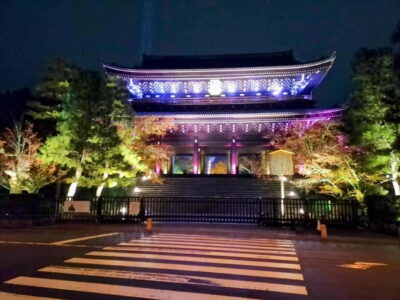
Kyoto Geisha Walking Tour: Gion District & Hidden Gems
Read our review →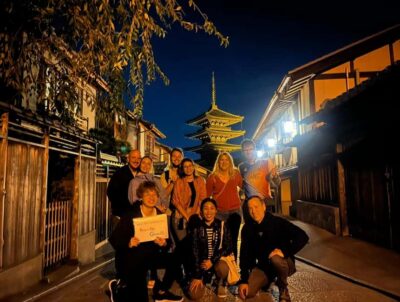
Gion Magical Night Walking Tour with Geisha Trivia
Read our review →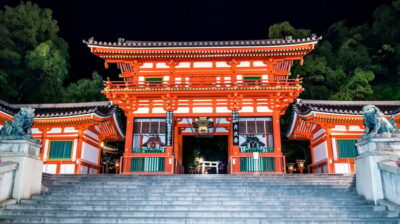
Gion Geisha District Walking Tour – Stories of Geisha
Read our review →
Best of Kyoto: Gion, Geisha, Pagodas & Cobblestones
Read our review →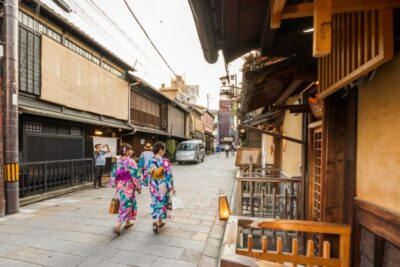
Kyoto Gion Cultural Walk & Geisha Show with Dining Options
Read our review →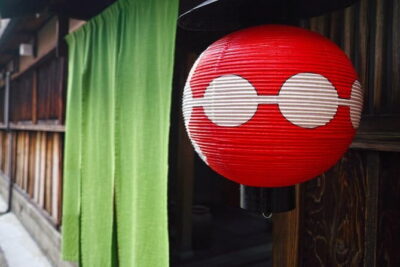
Browse the lists this tour appears in