
Reviewed · KYOTO WALKING TOURS
Kyoto: Gion Walking Tour for First-Time Visitors
Gion is at its best on foot: a short walk can carry you from traditional teahouses and artisan shops to the vermilion gates and gardens of Yasaka Shrine. This two-hour tour links several well-known Kyoto sights, with a guide to help you understand what you are seeing.
I like two things in particular: the route balances street life with a sacred site, and the guide’s historical context can make a quick visit feel more meaningful. The $22 price is also modest for a guided introduction to Gion.
The main consideration is the pace and access. You cover several stops in two hours, and the route is not suitable for wheelchair users or people with mobility impairments. If you want long, unhurried visits at each site, this tour may feel brief.
At a glance
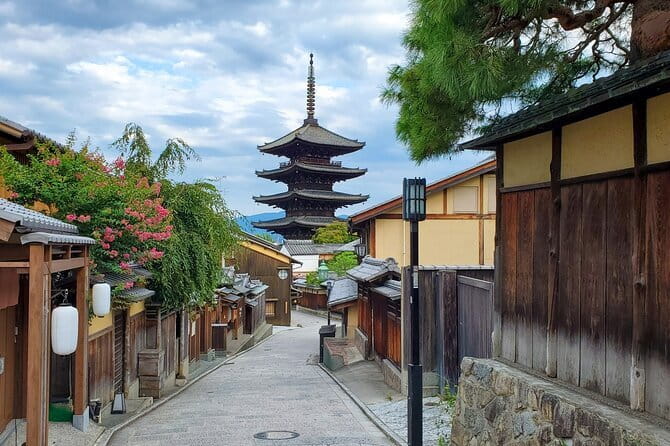
- Yasaka Shrine is the finish: Learn about a shrine more than 1,300 years old, dedicated to Susanoo, the god of storms.
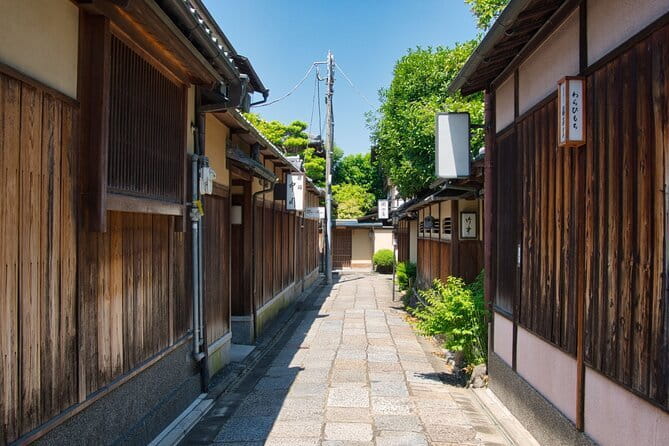
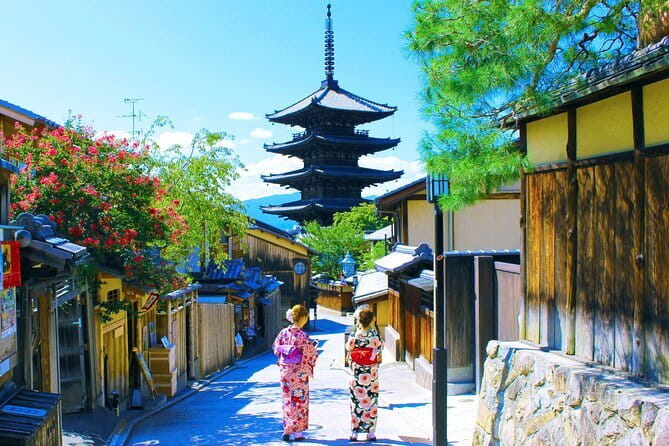
- Ninenzaka adds old Kyoto atmosphere: Walk a cobbled lane lined with teahouses, artisan shops, and local delicacies.
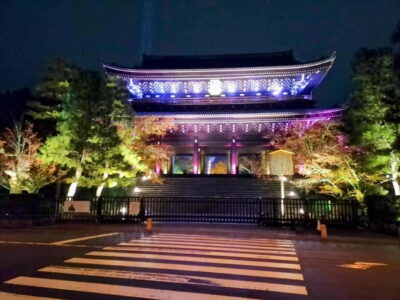
- The route includes Kenninji Temple: The schedule allows a guided visit, though it does not specify which parts of the temple you will see.
- Expect a compact two-hour walk: Several stops are allotted about 15 minutes each, with walking time between them.
- The guide makes the difference: English-language guiding is included, and past guides have included Saki and a Norwegian student of Japanese fine arts.
A two-hour introduction to Gion
This tour is built for orientation. You meet at Kyoto Tourist Lounge Gion, then walk through Gion and onward to Kenninji Temple, Ninenzaka, and Yasaka Shrine. It ends at the shrine, so you finish at a significant site rather than needing to circle back to your starting point.
The short duration is useful if you have limited time or want a guided first look before exploring the area on your own. You get a route, some historical context, and a sense of how Kyoto’s streets and religious sites fit together. At the same time, two hours is not enough for lengthy visits at every stop. Think of this as a well-paced introduction, not a full temple or shrine tour.
The schedule gives about 15 minutes to each named stop, with additional time presumably needed to walk between them. The exact route and the names of two intermediate stops are not specified, so I would not book expecting a particular sequence of sights beyond those listed. The named highlights are Gion, Kenninji Temple, Ninenzaka, and Yasaka Shrine.
More Gion tours in Kyoto:
- Kyoto Geisha Walking Tour: Gion District & Hidden Gems
★ 4.7 · 3,273 reviews - Kyoto: Gion Magical Night Walking Tour with Geisha Trivia
★ 4.9 · 2,393 reviews - Kyoto: Gion Geisha District Walking Tour – Stories of Geisha
★ 4.7 · 2,187 reviews
Starting at Kyoto Tourist Lounge Gion
The meeting point is Kyoto Tourist Lounge Gion. Check the booking details for your exact start time, since several departure times may be available. Hotel pickup and drop-off are not included, so plan to reach the meeting point yourself.
Starting in Gion makes practical sense for a tour focused on the district. You can begin with the area’s traditional streets and then see how the walk connects them to a temple, a historic lane, and Yasaka Shrine. If this is your first Kyoto visit, that sequence can help you get your bearings before returning to any one place at your own pace.
Wear comfortable walking shoes and bring water. A camera is useful for the street scenes, gates, and gardens, but keep your attention on the guide as you walk. Smoking is not allowed on the activity.
Gion: streets with a living cultural identity
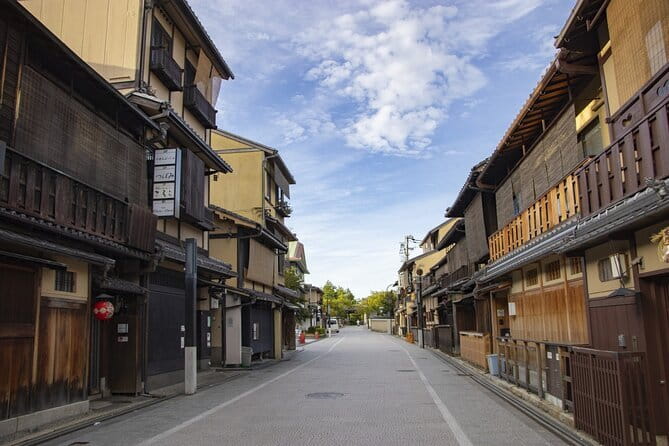
The walk begins in Gion, a district known for its cultural heritage. Rather than treating the area as a backdrop for photos, a guided walk gives you a chance to ask questions and hear context as you move through it. The tour allows about 15 minutes for the guided Gion portion, so expect an introduction rather than a detailed neighborhood study.
Gion is also a place where it pays to be observant and considerate. Take photos with care, especially around people and private entrances, and follow your guide’s instructions. The description emphasizes traditional teahouses and Kyoto culture, but it does not promise a geisha encounter or entry into any teahouse. Go for the streets, the setting, and the guide’s explanations, not for a staged performance.
I like that the walk treats Gion as one piece of a larger route. You move from its streets toward temple and shrine settings, which offers a useful contrast in a short amount of time.
Kenninji Temple: a brief guided stop
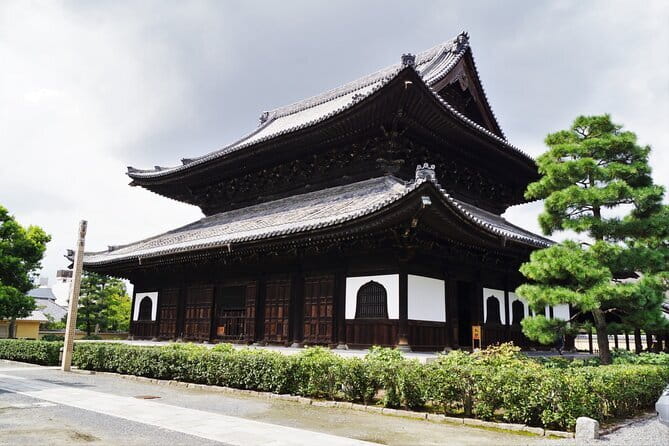
Kenninji Temple is one of the named stops, with about 15 minutes set aside for a visit and guided explanation. That should give you time for an introduction and a look around, but it is not a long temple visit. The tour details do not specify which buildings or features are included, so avoid counting on a particular interior or artwork.
Even a short stop can be worthwhile if you are new to Kyoto. A guide can help place a religious site in context and point out details you might otherwise pass by. If Kenninji is high on your personal list, consider returning independently for a longer visit, subject to the temple’s own visitor arrangements.
This is where the tour’s broad route becomes a trade-off. You gain variety, but you sacrifice time at individual sites. If you prefer to linger, take photographs slowly, or read every sign, you may want to treat the guided stop as a preview.
More walking tours in Kyoto:
- Night Walk in Gion: Kyoto’s Geisha District
★ 4.5 · 2,003 reviews - Kyoto Gion Geisha District Walking Tour – The Stories of Geisha
★ 5.0 · 1,441 reviews - Nishiki Market Brunch Walking Tour (7 Tastings + Brunch)
★ 5.0 · 1,355 reviews - Kyoto Arashiyama Walking Tour: Bamboo, Monkeys, Gardens & Secrets
★ 5.0 · 1,216 reviews
The unnamed stops and the walking between them

The schedule includes two additional guided stops that are not identified by name. One is listed as a visit, and another as a photo stop and visit. The lack of names makes it hard to know exactly what you will see at these points, so I would not build a plan around a specific attraction there.
That said, walking time is part of the value of a neighborhood tour. Moving between the main sights lets you see more than a shrine courtyard or temple entrance. Your guide can offer context along the way, and the route may show how historic streets sit within the present-day district. The supplied details do not identify every lane or landmark, so the emphasis is best understood as a guided walk through Gion and its surroundings.
Ninenzaka: cobbles, teahouses, and shops
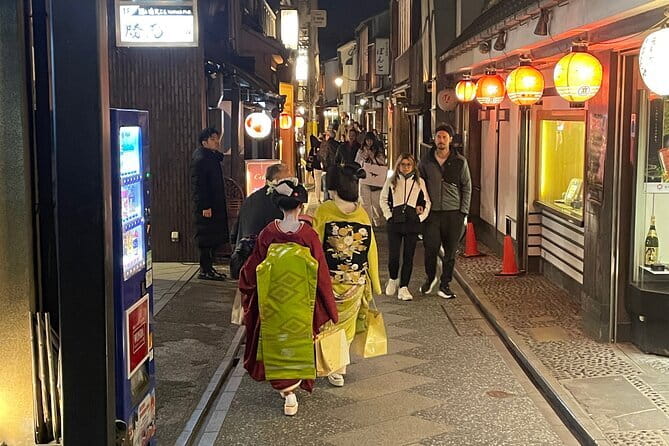
Ninenzaka is one of the most visually appealing parts of the route: a picturesque cobbled street lined with traditional teahouses, artisan shops, and places selling local delicacies. The tour allots about 15 minutes for a guided visit and photo stop. That is enough to take in the street and snap a few pictures, but likely not enough for extended browsing or a leisurely food stop.
This is a good place to notice the details around you. The cobbled surface and traditional storefronts give the lane a distinct character, while the shops connect the historic setting with present-day craft and food. If something catches your eye, note its location and return after the tour if time allows. Meals are not included, and the schedule does not promise time to sit down for a meal.
Take care on the uneven street surface, particularly if you have mobility concerns. The tour is explicitly unsuitable for wheelchair users and people with mobility impairments. Comfortable shoes are not a minor suggestion here; they are part of enjoying the walk.
Yasaka Shrine: a fitting finish
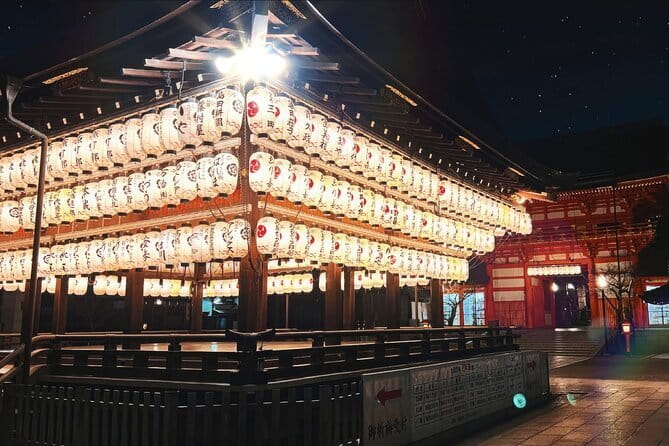
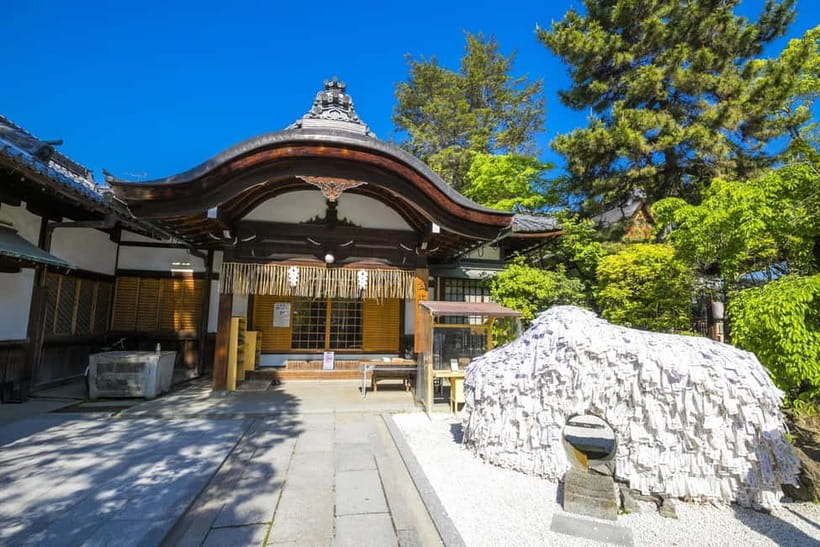
The walk ends at Yasaka Shrine, a Shinto site with more than 1,300 years of history. It is dedicated to Susanoo, the god of storms, a detail that gives the visit a useful point of focus. Instead of just admiring the vermilion torii gates and gardens, you can learn why the shrine matters and what its dedication means.
The shrine is described as a peaceful oasis in the middle of Gion, with lush gardens and striking gates. The tour includes a guided visit and photo stop, again for about 15 minutes. That compact window gives you an overview and a chance to look around, rather than a long period for quiet exploration.
Ending here is practical. You can remain at the shrine after the guided portion if your plans allow, or continue exploring nearby on your own. The tour itself finishes at Yasaka Shrine, not back at the meeting point, so account for that when planning what comes next.
What the guide adds
The tour is in English and includes a local guide. That matters most when a place’s significance is not obvious at first glance. A gate or a street may be easy to photograph; the background helps you understand why it belongs in a Kyoto visit.
Guides associated with this experience have included Saki, described as a lovely guide, and another guide described as Norwegian and a Japanese fine arts student. One visitor especially valued that guide’s background and explanations, noting that the tour lasted the full two hours and offered useful insight into historic Kyoto. These details suggest an experience where the guide’s personal knowledge can enrich the route, but they do not guarantee who will lead your departure.
The small number of ratings deserves perspective. The experience has a perfect score of five from five reviews, including strong comments about the guide and value. That is encouraging, but five ratings are too few to establish a dependable pattern. I would treat the feedback as a promising sign, not a promise that every guide or departure will be identical.
Is $22 good value?
At $22 per person, this is an affordable way to get a two-hour guided introduction to Gion and nearby sights. The fee covers a local guide and a walking tour, with no hotel transfer or meal included. For a first-time visitor who wants context and a route through several central highlights, the price looks fair.
The value depends on what you want. If you would otherwise walk the same streets without knowing much about their history, a guide can make the outing more useful. If you already know Gion well or prefer to explore at your own pace, you could visit the named public areas independently and spend your money elsewhere.
The tour’s strongest value is the combination of several distinct stops, not extended access to any one of them. You get Gion, Kenninji Temple, Ninenzaka, and Yasaka Shrine in a compact format. A perfect score from a small sample and praise for the guides are reassuring, but keep the short stop times and unspecified intermediate locations in mind.
Practical details before you book
The activity lasts two hours, is offered in English, and starts at Kyoto Tourist Lounge Gion. Check available start times when choosing a date. Comfortable walking shoes, water, and a camera are recommended. Meals and hotel pickup or drop-off are not included.
The route is not suitable for wheelchair users or people with mobility impairments. If plans change, you can cancel up to 24 hours in advance for a full refund, and a reserve-now, pay-later option is available. Those flexible terms are useful, but the main booking decision should be whether a compact walking tour suits your pace and mobility.
Should you book this Gion walk?
Book it if you are new to Kyoto, want an English-speaking guide, and like the idea of linking Gion’s streets with a temple, Ninenzaka, and Yasaka Shrine in two hours. The affordable price, the focused route, and the chance to hear about Susanoo and the shrine’s long history make it a sensible first-day orientation.
Skip it if you need a step-free route, want long visits at each stop, or would rather spend more time browsing shops and eating along Ninenzaka. If you book, arrive ready to walk, bring water, and save time afterward to revisit any place that deserves a slower look.
FAQ
How long is the Gion walking tour?
The tour lasts two hours.
Where does the tour start and finish?
It starts at Kyoto Tourist Lounge Gion and finishes at Yasaka Shrine.
What language is the tour in?
The live tour guide speaks English.
What is included in the price?
A local tour guide and a walking tour of the Gion district are included. Meals and hotel pickup and drop-off are not included.
What should I bring?
Wear comfortable shoes and bring water and a camera.
Is the tour suitable for wheelchair users?
No. The tour is not suitable for wheelchair users or people with mobility impairments.
Newly added in Kyoto
- Whisk Your Own Matcha: A Zen Matcha Experience at Temple★ 3.6 · 7 reviews
- Uji: Private immersion into Kyoto’s tea and reglious culture★ 5.0 · 17 reviews
- Kyoto tea town for matcha lovers★ 5.0 · 16 reviews
- Treasures of Kyoto: Gion & historical Walking Tour★ 5.0 · 6 reviews
- Kyoto Matcha Green Tea Tour★ 4.5 · 23 reviews
- Uji and Wazuka Matcha Farm Half Day Private Guided Tour★ 5.0 · 21 reviews
- Uji Tea Ceremony and UNESCO Heritage Walking Tour★ 5.0 · 20 reviews
- Utilising upcycled Matcha! Creating matcha incense (Uji, Kyoto)★ 5.0 · 6 reviews
Kyoto Walking Tours, compared.
Kyoto Geisha Walking Tour: Gion District & Hidden Gems
Read our review →
Gion Magical Night Walking Tour with Geisha Trivia
Read our review →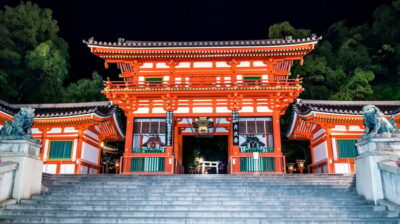
Gion Geisha District Walking Tour – Stories of Geisha
Read our review →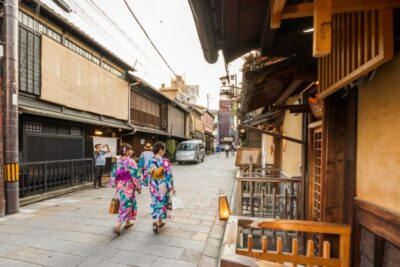
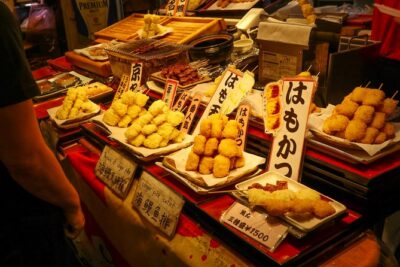
Nishiki Market Brunch Walking Tour (7 Tastings + Brunch)
Read our review →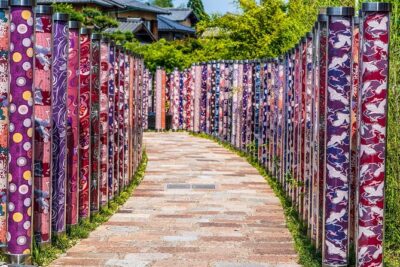
Kyoto Arashiyama Walking Tour: Bamboo, Monkeys, Gardens & Secrets
Read our review →
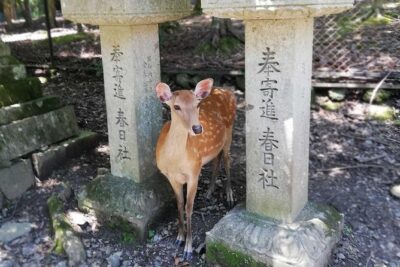
Nara Half Day Trip Walking Tour (Private Option Available)
Read our review →Browse the lists this tour appears in