
Reviewed · FUSHIMI INARI TOURS
Kyoto: Half-day Guided Bike Tour with Fushimi Inari
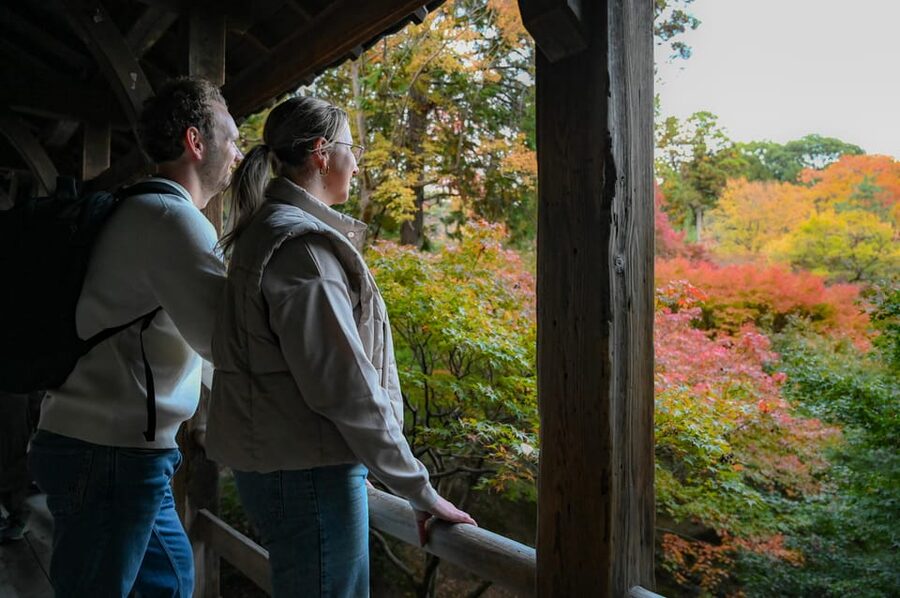
Fushimi Inari’s famous orange gates are the grand finale, but getting there by bike is part of the appeal. This 3.5-hour ride links major temples with riverside paths and Gion’s backstreets, giving you a feel for South Kyoto between the headline sights.
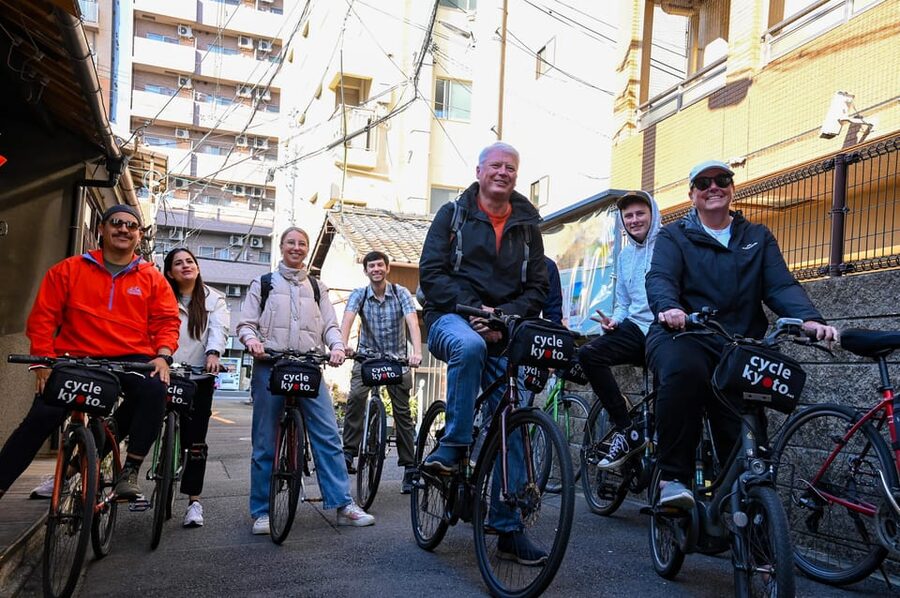
I like the mix of famous landmarks and quieter backroads, and the small group size, limited to eight, makes it easier to ask questions and keep a comfortable pace. Guides including Jay, Julian and Indra have been praised for clear explanations, local insight and a relaxed manner.
One consideration: this is a real bike ride, not a shuttle between temples. The route may cover more than 15 kilometers, and you need to be comfortable cycling; the tour is not suitable for children under 13 or people with back problems.
At a glance: temples, rivers and torii gates
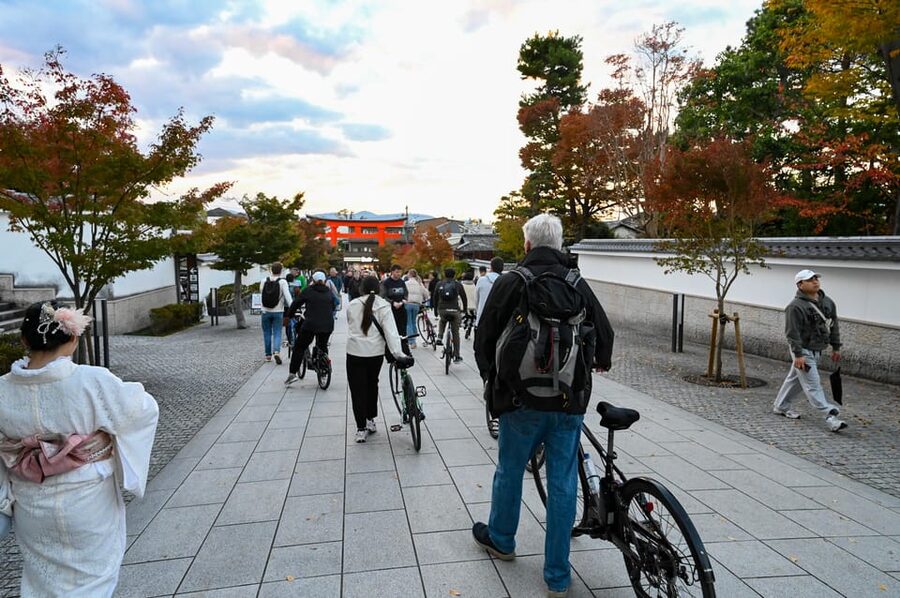
- Fushimi Inari is the final stop, with time to walk around its famous orange torii gates.
- The route connects several sides of South Kyoto, from Toji and Higashi-Honganji to Gion, Tofukuji and the Kamo River.
- Expect a proper ride: one reported route covered more than 15 kilometers, so comfortable clothes and shoes matter.
- Groups are capped at eight, and the English-speaking guide leads the way and provides context at each stop.
- The bike, helmet and water are included, while meals are not.
- An e-bike is available by request for an additional 3,000 yen.
Why cycling works for South Kyoto
Kyoto’s temples and shrines can feel far apart when you are walking, while a taxi can whisk you past the streets that make the city feel lived-in. A bike gives you a middle ground. You cover enough ground to see several landmarks in one outing, yet move slowly enough to notice canals, neighborhood lanes and the changing feel of each district.
This tour focuses on the southern part of the city. Its route joins well-known places with quieter stretches along the Takase River and Kamo River, then winds through Gion before reaching Fushimi Inari. You get a mix of cultural stops and ordinary city scenes, rather than spending the whole morning inside temple grounds.
The group limit of eight is a practical plus. On a small ride, it is easier to hear the guide, ask follow-up questions and adjust the pace than in a large convoy. The ride is described as gentle, and the guide can adapt how long the group spends at stops, though you should still expect steady cycling between them.
More Fushimi Inari tours in Kyoto:
- Kyoto: Fushimi Inari, Kinkakuji, Bamboo Grove 1 Day Bus Tour
★ 4.8 · 4,316 reviews - Fushimi Inari Hidden Hiking Tour (Private Option Available)
★ 5.0 · 1,750 reviews - Kyoto/Osaka: Nara, Fushimi Inari Taisha, Arashiyama Bus Tour
★ 4.7 · 1,275 reviews
Starting with a safety briefing and a sound bike
The meeting point is Cycle Kyoto. From Kyoto JR Station, go past Avanti, cross one set of traffic lights, then turn left after the Daily Yamazaki convenience store. Give yourself time to find the shop and get settled before the ride begins.
The tour opens with a 15-minute safety briefing. You receive a bicycle, helmet and water, and there is a small pouch on the bike for personal items. The bikes have been praised for their condition, with a range of sizes and helmets available. Still, wear clothes you can pedal in and shoes that feel secure.
If you prefer an e-bike, request one in advance. The upgrade costs 3,000 yen, and availability is not guaranteed in the information provided. It may be worth considering if you are unsure about your stamina or want help on the longer stretches, but you should still be comfortable riding a bicycle.
Toji: Kyoto’s oldest temple
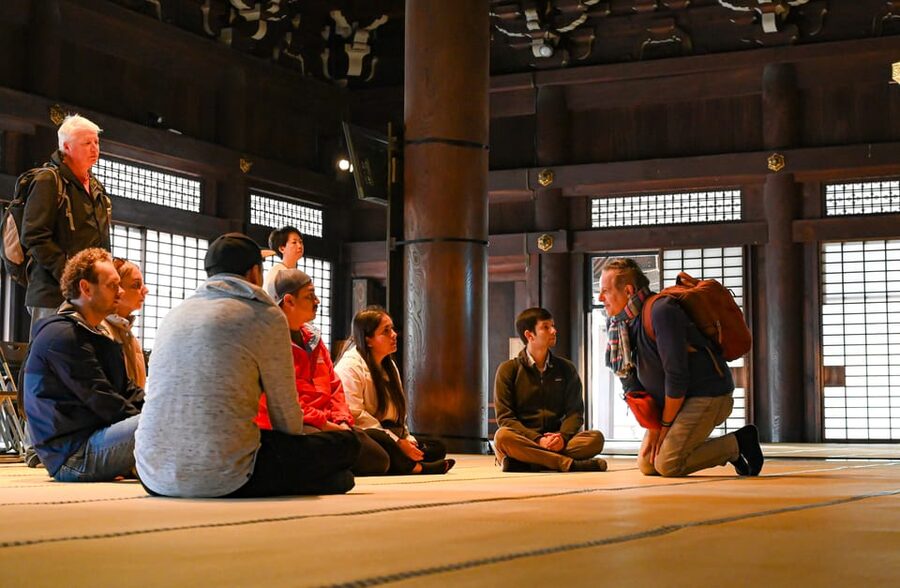
Toji is the first major stop, with about 35 minutes for a guided visit. This UNESCO heritage site is identified as Kyoto’s oldest temple, making it a fitting opening to a tour that sets out to connect landmarks with the city around them.
A guide can give the site a useful frame before you move on. Instead of treating the temple as one more photo stop, you can ask about its place in Kyoto’s religious and cultural story. The allotted time is enough for an introduction and a look around, but it is not a long, unhurried temple visit. If Toji is a personal priority, you may want to return independently for more time.
Higashi-Honganji and the scale of a major temple
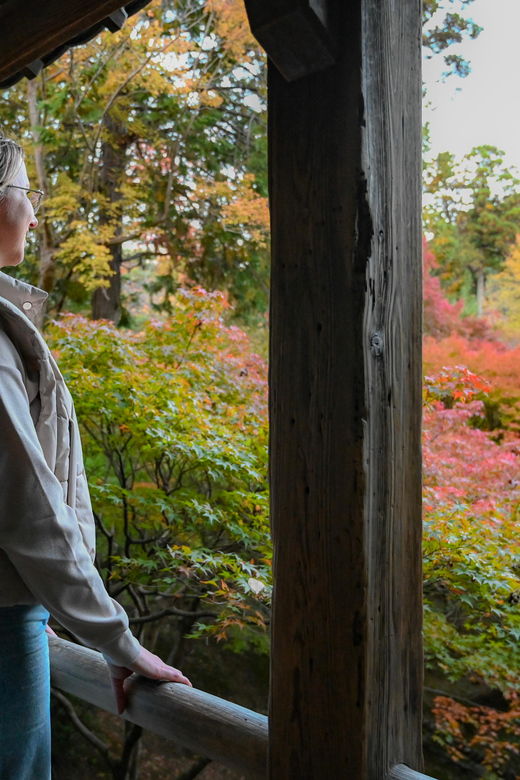
The next guided stop is Higashi-Honganji, with roughly 35 minutes on site. It is described as one of Japan’s largest temples, so expect a change of scale from the neighborhood streets and smaller details you encounter elsewhere on the ride.
The guide’s explanation is especially useful here. Large temple complexes can be impressive but hard to read without context; a short introduction helps you make sense of what you are seeing. As with Toji, the schedule keeps the tour moving. This is a sampler, not a deep, leisurely exploration of every building.
More bike tours in Kyoto:
- Bike Tour Exploring North Kyoto plus Lunch
★ 5.0 · 1,087 reviews - Arashiyama Bamboo Forest & Hidden Gems Bike Tour (Early Bird)
★ 5.0 · 613 reviews - 5 Top Highlights of Kyoto Full Day Bike Tour (E-bike option)
★ 5.0 · 511 reviews - E-Bike Tours of the highlights of Kyoto!!!
★ 5.0 · 291 reviews
Takase River and Kamo River: a change of pace
After the temples, the route follows the Takase River for about 10 minutes and visits the Kamo River for around 15. These are short stops, but they give the ride a welcome shift from formal religious sites to the city’s waterways and public spaces.
The river sections also show why cycling is a sensible way to link the stops. You are not simply being carried from one famous attraction to another; you move through Kyoto’s streets and along its waterways under your own steam. The time at each river is brief, so think of these as scenic pauses and a chance to catch your breath, rather than extended walks.
Gion: backstreets beyond the postcard image
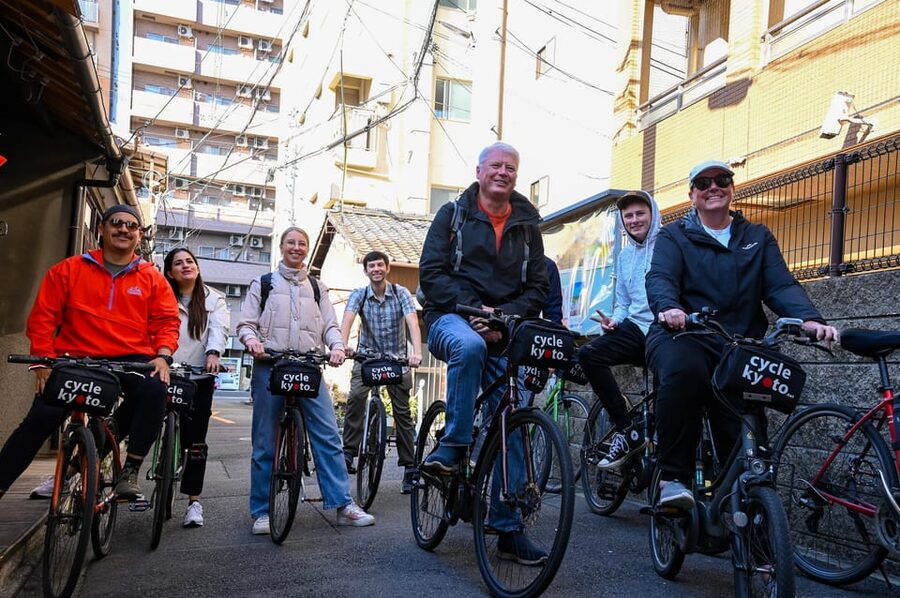
The tour spends about 30 minutes in Gion, Kyoto’s well-known geisha and teahouse district. Rather than staying only on a main thoroughfare, the route weaves through backstreets. This is one of the more useful parts of the ride: a guide can point out details and explain the character of the district as you pass through it.
Gion is a working neighborhood as well as a place of interest, so the best approach is to look respectfully and follow your guide’s lead. The bike lets you cover more ground than a short walk, but it does not turn the district into a race. If you want extended time to explore shops or linger on foot, plan to come back later.
Tofukuji: a photo stop with breathing room
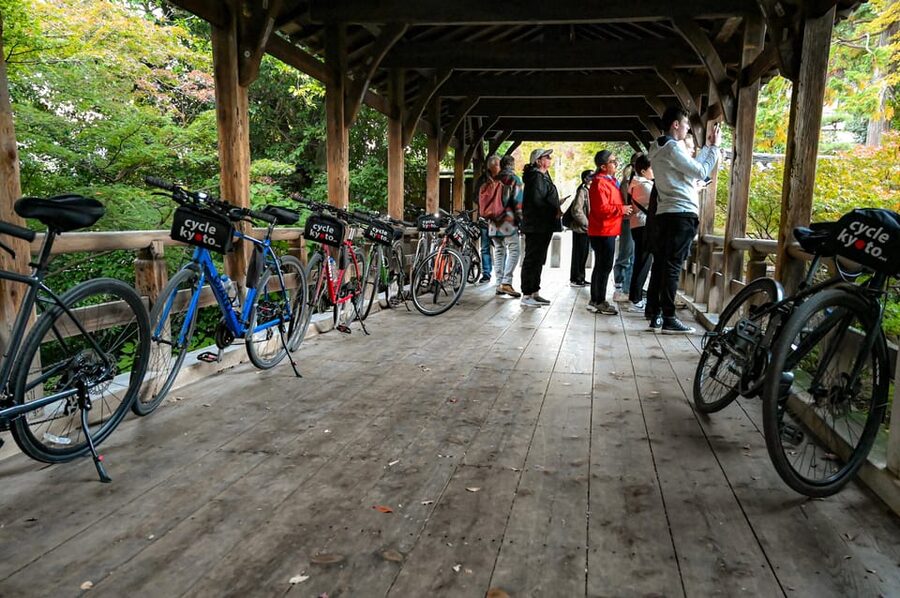
Tofukuji gets a 30-minute photo stop. The tour describes it as a stunning temple, and the pause gives you time to take pictures and appreciate the setting before continuing toward Fushimi Inari.
This is a useful midpoint in the ride, but keep expectations in check: it is a photo stop rather than a long guided visit. If you are especially interested in Tofukuji, or want to explore at your own pace, make a separate visit part of your Kyoto plans. Here, the value is seeing it within a wider route and letting the guide add context without turning the outing into a full day of temple hopping.
Fushimi Inari: finishing among the orange gates
The last major stop is Fushimi Inari Taisha, with about 45 minutes for a guided visit. It is described as Japan’s most visited attraction, and its orange torii gates are the tour’s best-known sight. You get time to stroll around the gates after arriving by bike.
That short visit has a clear trade-off. You can see the famous setting and get an introduction, but the tour does not promise a long hike through the shrine grounds. If walking farther among the gates is high on your list, you may want to return on your own and allow extra time. The bike tour offers a strong first look, not every possible path.
Ending here gives the route a satisfying arc: a morning of temple architecture, neighborhood lanes and river scenery culminates at one of Kyoto’s most recognizable shrines. Then you cycle back to Cycle Kyoto.
Pace, guide and group size
The tour runs for 210 minutes, or three and a half hours, including its scheduled stops. One route has covered more than 15 kilometers, so be prepared for a meaningful amount of riding. The exact experience can vary with the group, the pace and how long everyone spends at each stop.
Guides including Jay, Julian, Indra, Sean, Juan and Mayco have led the tour. The strongest praise has centered on guides who explain Japanese history and culture in an engaging way, answer questions, and help riders feel at ease. Some have also adjusted the time spent at stops to suit the group. That flexibility matters when you are balancing photos, temple visits and the need to keep moving.
The small-group format supports that personal feel, but it does not mean the route is private. You will be riding with a group of up to eight participants, and the guide needs to keep everyone together and safe.
Is $77 good value?
At $77 per person, the price buys more than a rental bike. It includes a guide, helmet and water, along with a planned route that brings several major South Kyoto sights into one half-day. The guide is a large part of the value: you get explanations at the temples and shrine, plus help finding your way through backstreets and between stops.
The trade-off is time. You see many places, but most visits are introductions rather than long explorations. Meals are not included, and the tour is not designed for anyone who wants to spend a whole morning at one temple. If you would otherwise rent a bike and navigate the city on your own, the guided route may be worthwhile for the local context and the convenience of having the stops linked for you.
There is also an optional e-bike upgrade for 3,000 yen. That is an added expense, so consider your comfort on a longer ride before booking rather than assuming the standard bicycle will suit everyone.
Practical details before you book
Wear comfortable clothes suitable for cycling, and bring comfortable shoes, sunscreen, warm clothing and a camera. Check the weather before departure. The tour can still be enjoyable in poor weather, but rain or cold can change how pleasant a few hours on a bike feel.
The minimum age for a public tour is 13. The experience is not suitable for children under 13, people with back problems or anyone who cannot ride a bike. Smoking, alcohol and drugs are not allowed during the activity.
You can cancel up to 24 hours in advance for a full refund, and a reserve-now, pay-later option is offered. Check the available start times when choosing a date.
Should you book this Kyoto bike tour?
Book it if you want to see several South Kyoto highlights in one outing and enjoy cycling as much as temple visits. The best fit is someone comfortable on a bike who likes a guide’s context, a small group and the chance to pass through local backstreets between major sights.
Think twice if you want long, quiet visits at each temple, plan to walk far into Fushimi Inari, or are not confident cycling. For the right person, this is an efficient and engaging way to connect Toji, Gion, Tofukuji and the shrine gates without spending the whole day on transport or retracing the same streets.
FAQ
How long is the tour?
The tour lasts 210 minutes, or three and a half hours.
What is included in the price?
Bicycle rental, a helmet, an English-speaking guide and water are included. Meals are not included.
How many people are in the group?
The small group is limited to eight participants.
Can I request an e-bike?
Yes. E-bikes are available upon request for an upgrade fee of 3,000 yen.
Is there a minimum age?
Yes. The minimum age for a public tour is 13, and children under 13 are not suitable for this activity.
What should I bring?
Wear comfortable clothing and shoes suitable for cycling. Bring warm clothing, sunscreen and a camera, and check the weather before departure.
More half-day trips in Kyoto
- Kyoto Arashiyama Bamboo forest & Garden Half-Day Walking Tour
★ 5.0 · 413 reviews - Half-Day Private Walking Tour in Kyoto
★ 5.0 · 57 reviews - Kyoto top must-see Golden pavilion and Bamboo forest half-day Private tour
★ 5.0 · 52 reviews - Perfect Nara Park Half-Day Bus Tour with English Speaking Guide
★ 5.0 · 49 reviews
Newly added in Kyoto
- Uji: Private immersion into Kyoto’s tea and reglious culture★ 5.0 · 17 reviews
- Whisk Your Own Matcha: A Zen Matcha Experience at Temple★ 3.6 · 7 reviews
- Kyoto tea town for matcha lovers★ 5.0 · 16 reviews
- Treasures of Kyoto: Gion & historical Walking Tour★ 5.0 · 6 reviews
- Uji and Wazuka Matcha Farm Half Day Private Guided Tour★ 5.0 · 21 reviews
- Kyoto Matcha Green Tea Tour★ 4.5 · 23 reviews
- Uji Tea Ceremony and UNESCO Heritage Walking Tour★ 5.0 · 20 reviews
- Utilising upcycled Matcha! Creating matcha incense (Uji, Kyoto)★ 5.0 · 6 reviews
Fushimi Inari Tours, compared.
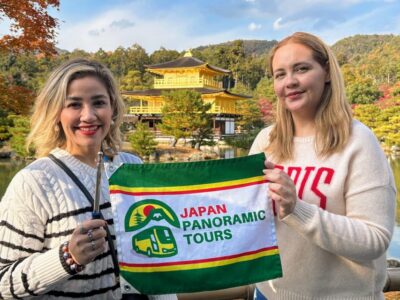
Fushimi Inari, Kinkakuji, Bamboo Grove 1 Day Bus Tour
Read our review →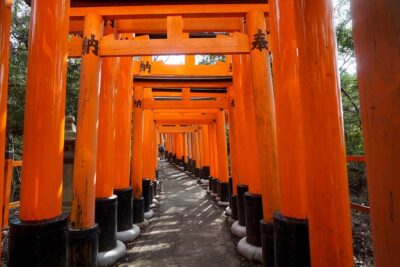
Fushimi Inari Hidden Hiking Tour (Private Option Available)
Read our review →
Nara, Fushimi Inari Taisha, Arashiyama Bus Tour
Read our review →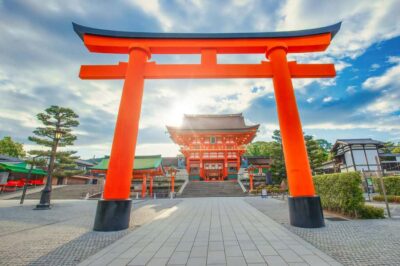
Arashiyama, Nara & Fushimi Inari Shrine w/Lunch
Read our review →
Nijo Castle, Kiyomizu & Fushimi Inari Guided Tour
Read our review →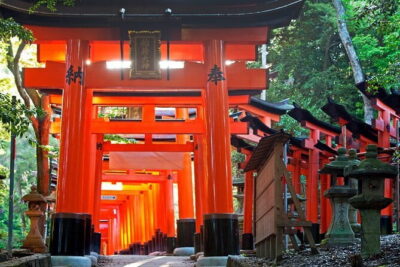
Nijo, Kinkaku-ji, Arashiyama, Kiyomizu & Fushimi Inari
Read our review →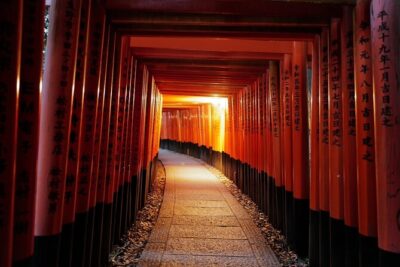
Browse the lists this tour appears in