
Reviewed · NIJO CASTLE TOURS
Kyoto: Imperial Palace & Nijo Castle Guided Walking Tour
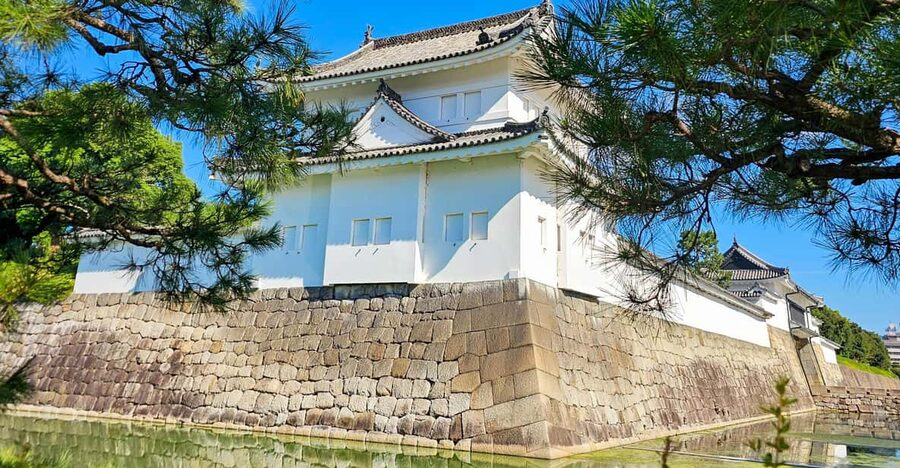
Kyoto’s past comes into focus when you see the shogun’s residence and the emperor’s former home in one outing. At Nijo Castle, ornate rooms and a garden offer a close look at feudal power; at Kyoto Imperial Palace, the broad grounds and formal buildings tell a different story of authority.
I like the clear contrast between the two sites, and the small group limit of nine gives you room to ask questions. One thing to plan for: the Imperial Palace visit is grounds-focused, not a tour inside the palace buildings, and the walking can feel demanding in hot weather.
At a glance
- Two centers of power: Compare the shogun’s Nijo Castle with the former imperial residence.
- Ninomaru Palace access: The Nijo visit includes the Ninomaru Palace, its Painting Gallery, and garden.
- Grounds, not palace interiors: The Imperial Palace stop is a guided visit around the grounds.
- Three hours on foot: The route begins at Nijojo-mae Station and ends at Imadegawa Station.
- Groups capped at nine: A small group makes it easier to hear the guide and ask questions.
- $49 per person: Nijo Castle admission is included; meals, drinks, and personal expenses are not.
A short walk through Kyoto’s old power centers
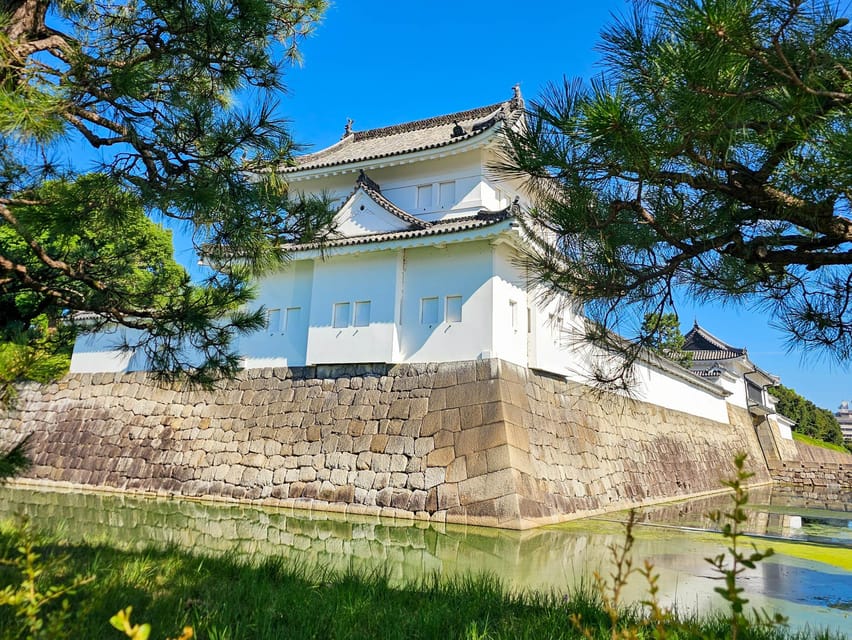
This tour links two places that make Kyoto’s political past easier to grasp. Nijo Castle represents the shogun’s authority, while Kyoto Imperial Palace was the residence of Japan’s imperial family when Kyoto served as the capital. Seeing both in one outing gives you a useful framework for understanding how power was shared and displayed.
The route starts outside Exit 1 of Nijojo-mae Station and finishes at Imadegawa Station. The scheduled duration is three hours, with about an hour at each main site and time needed to move between them. The activity description also calls it a two-hour visit, so use the stated three-hour duration when planning the rest of your day. Do not squeeze in a tight appointment immediately afterward.
A guide helps connect buildings, gardens, and historical roles that can blur together when you visit on your own. Recent guides have included Jasmine, Raphael, Vincent, Alex, Taku, and Kosuke, though you cannot request a particular person or count on a specific assignment. The strongest accounts of the experience describe clear explanations, lively storytelling, and answers that extend beyond the sites into Japanese history and culture.
More Nijo Castle tours in Kyoto:
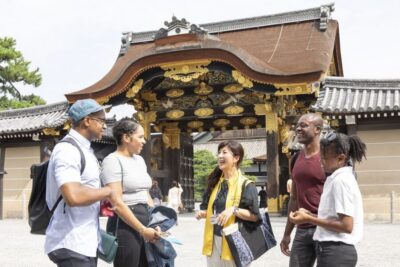
- Kyoto: Nijo-jo Castle and Ninomaru Palace Guided Tour
★ 4.7 · 1,020 reviews - Kyoto: Nijo Castle, Kiyomizu & Fushimi Inari Guided Tour
★ 4.7 · 700 reviews - Kyoto: Nijo, Kinkaku-ji, Arashiyama, Kiyomizu & Fushimi Inari
★ 5.0 · 699 reviews
Nijo Castle: a shogun’s residence in detail
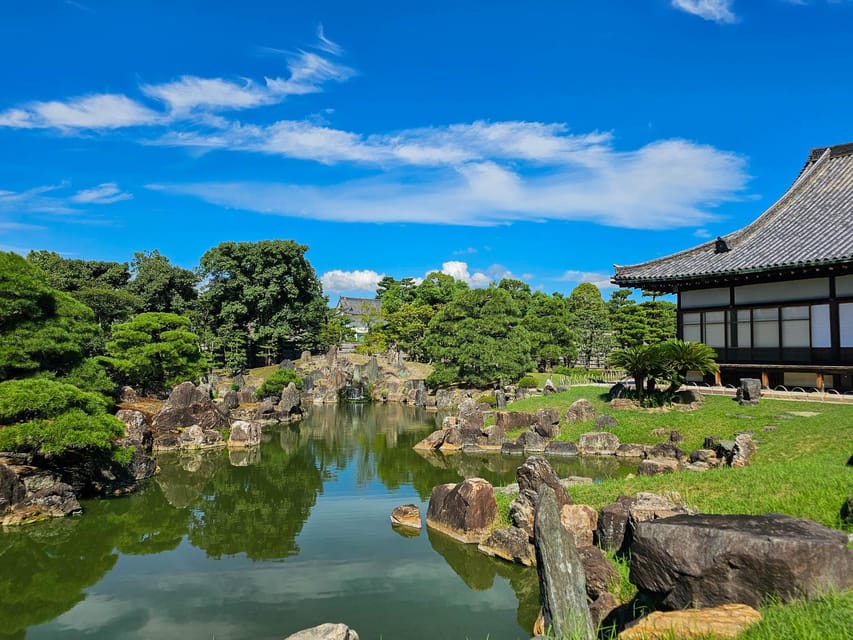
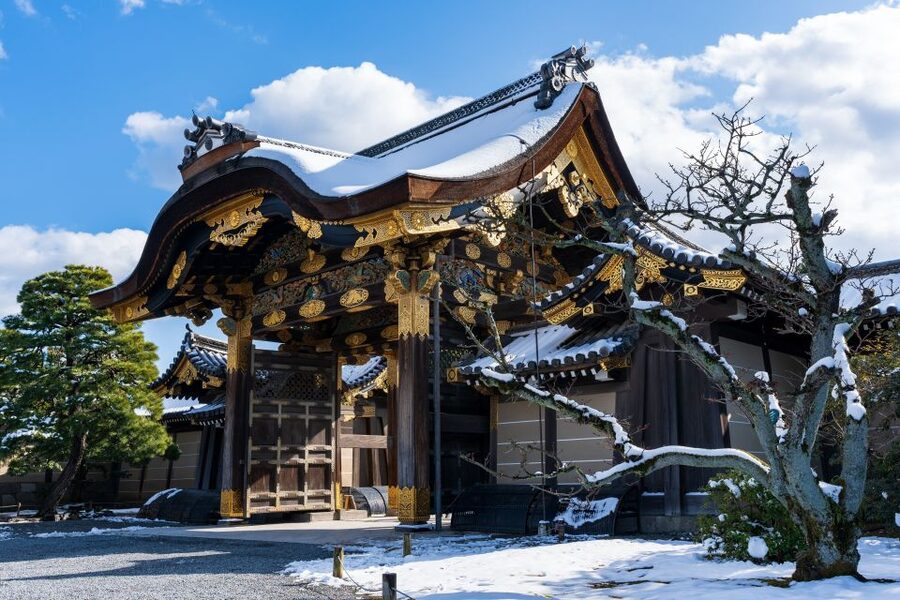
Nijo Castle is the tour’s most hands-on stop. The included admission covers the Ninomaru Palace, its Painting Gallery, and the garden. The guide focuses the visit on these areas, rather than attempting to cover every part of the castle grounds. That focus is useful in a short tour: you get time to notice the architecture and hear why the site mattered, without trying to absorb the whole complex at a sprint.
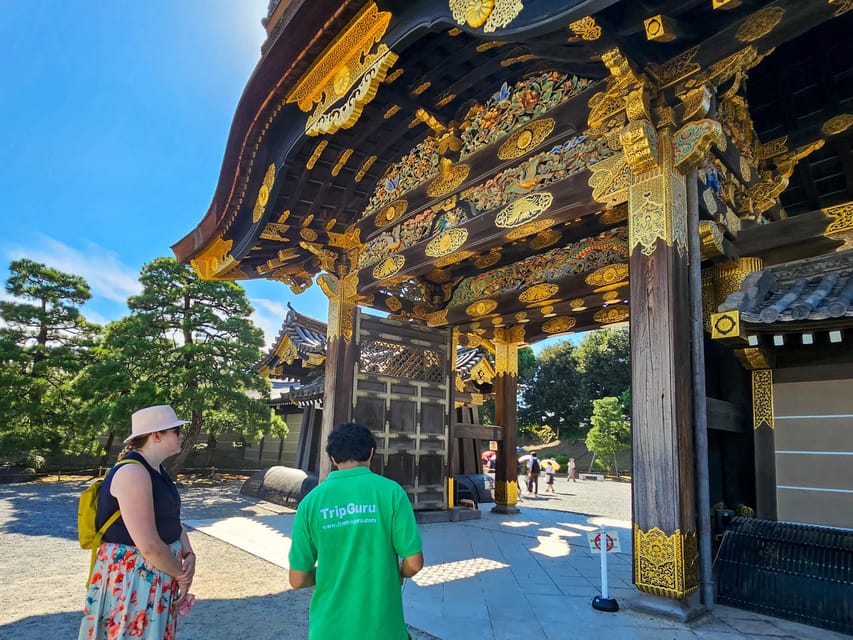
The Ninomaru Palace is where the castle’s interiors make their strongest impression. Its rooms and decorative details give you a sense of how power could be expressed through space, design, and ceremony. A guide can point out features you might pass without understanding on a self-guided visit, then place them in the context of the shogun’s role. Several guides, including Raphael, Jasmine, and Vincent, have been singled out for explaining historical meaning and cultural details in an engaging way.
The garden offers a change of pace after the palace rooms. Take a moment to look at how the setting and buildings work together, rather than treating the garden as a quick walk-through between indoor stops. You have roughly an hour here, which is enough for a guided overview but not a leisurely, unhurried exploration of every corner.
The Painting Gallery is part of the included Nijo admission. Its presence adds another layer to the visit, though the schedule remains compact. If you want to linger over individual features or take many photos, you may need to choose what matters most to you.
Kyoto Imperial Palace: a different kind of visit
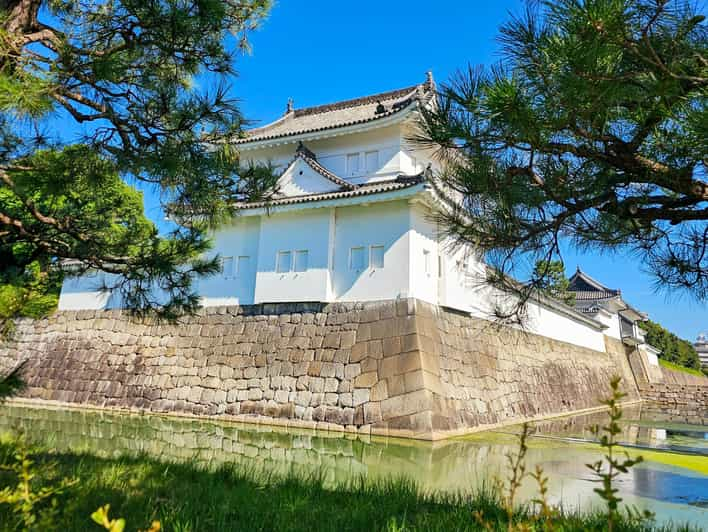
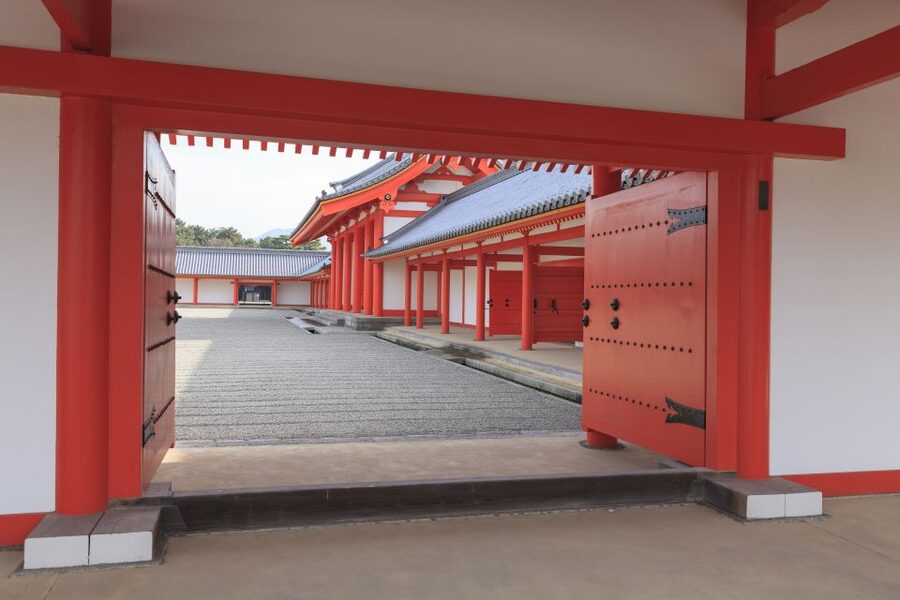
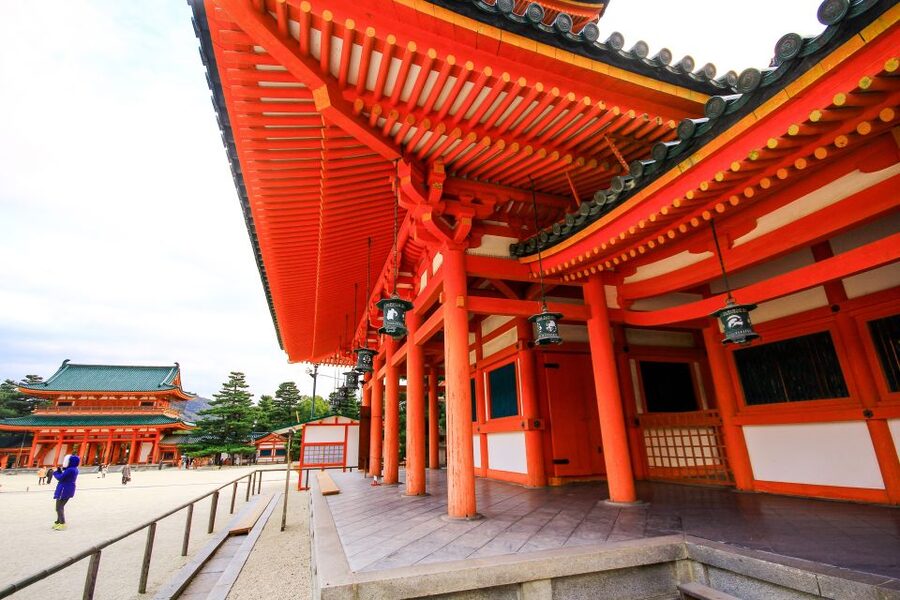
After Nijo Castle, the tour continues to Kyoto Imperial Palace. This was once the home of Japan’s imperial family, and the guided walk introduces the scale and setting of that former residence. Expect to explore the palace grounds and admire the architecture from the outside, rather than enter the palace buildings. That distinction matters if your main reason for booking is to see imperial interiors.
The contrast with Nijo is the point. The castle’s Ninomaru Palace gives you access to an interior associated with shogunal rule; at the Imperial Palace, the experience is more about the formal grounds and the position of the imperial residence in Kyoto’s past. A guide can help make that difference legible, rather than leaving you with two grand sites that seem alike simply because both have imposing buildings.
This stop may feel less rewarding if you expect an interior visit or want close access to palace rooms. One traveler who enjoyed the guide and the overall day felt the Imperial Palace offered less to see than Nijo. That is a fair distinction to keep in mind: the castle is likely to be the more visually detailed stop, while the palace grounds contribute context and contrast.
The walk ends at Imadegawa Station. Since the meeting and finishing points differ, you will not return to the starting station as part of the tour. Keep that in mind when arranging onward plans.
What a good guide adds
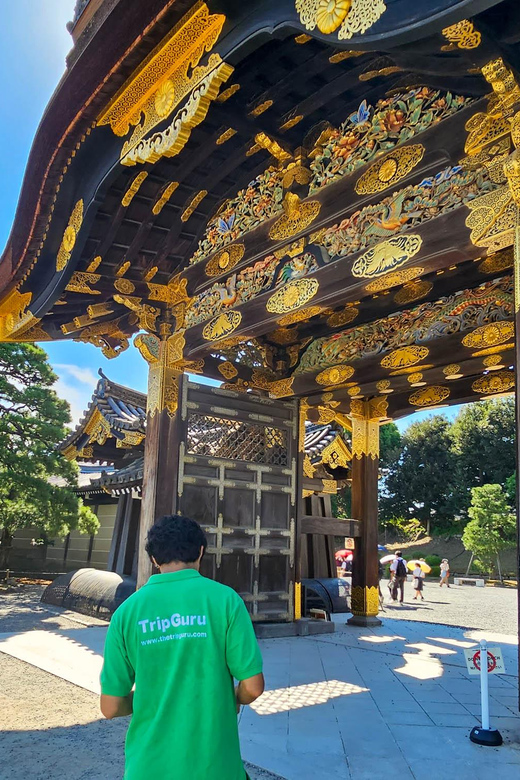
The guide is central to the value here. The buildings are impressive on their own, but the historical link between shogun and emperor is what turns this from a pair of sightseeing stops into a coherent visit. Guides have been praised for giving background before setting off, explaining symbols and architecture, and answering questions about Japanese culture as well as the sites.
A few names recur in accounts of particularly strong tours. Jasmine is noted for clear explanations, humor, and cultural context; Raphael for historical detail and an entertaining style; Vincent for handling time well and mixing history with cultural references. Alex, Taku, and Kosuke have also been associated with tours that made the sites easier to understand. These names are examples, not a promise about who will lead your departure.
The group cap of nine is another practical plus. You are less likely to be swallowed by a crowd, and it should be easier to hear explanations and ask a follow-up. Occasionally, a departure may be smaller still, but do not book expecting a private tour.
More walking tours in Kyoto:
- Kyoto Geisha Walking Tour: Gion District & Hidden Gems
★ 4.7 · 3,273 reviews - Kyoto: Gion Magical Night Walking Tour with Geisha Trivia
★ 4.9 · 2,393 reviews - Kyoto: Gion Geisha District Walking Tour – Stories of Geisha
★ 4.7 · 2,187 reviews - Night Walk in Gion: Kyoto’s Geisha District
★ 4.5 · 2,003 reviews
Time, walking, and the $49 price
At $49 per person, the tour is a reasonable buy if you want both admission to Nijo’s main palace and a guide who can explain what you are seeing. You are paying for a compact, organized visit, not just a ticket: the guide provides context, manages the sequence, and connects the sites. If you already know the history and prefer to explore at your own pace, you may get better value from visiting independently.
The price includes an English-, French-, or Spanish-speaking guide, the walking tour, and admission to Nijo Castle, including the Ninomaru Palace and Painting Gallery. Meals, drinks, hotel transfers, and personal expenses are excluded. The included items do not specify admission to the Imperial Palace, so check the current booking details if you need to know whether any separate charge applies.
The listed duration is three hours. The schedule gives about one hour at each site, with walking and transfers between them. The route is not described as a strenuous hike, but it involves walking and is not suitable for people with mobility impairments. The activity is also listed as unsuitable for pregnant people and those with heart or respiratory issues.
Wear comfortable shoes, and bring water in warm weather. A June visit was described as very hot, with a hat and water advised. Bring a camera if you like taking photos, and some cash for personal needs. At the Imperial Palace grounds, dress modestly and avoid shorts or tank tops.
Meeting up and making the day run smoothly
Meet outside Exit 1 at Nijojo-mae Station. The guide will wear a TripGuru shirt or hold a TripGuru sign. Arrive at least 10 minutes early: the guide waits no more than 10 minutes before moving on. Morning traffic can vary considerably from navigation-app estimates, so leave a generous buffer if you are taking a taxi or bus to the meeting point.
The activity offers several start times, subject to availability, and same-day reservations may be possible. That flexibility is handy if you are fitting the tour between other Kyoto plans, but do not let the ease of booking tempt you into a rushed arrival. The group is small, and the tour cannot wait indefinitely for latecomers.
The operator offers free cancellation up to 24 hours in advance and a reserve-now, pay-later option. These terms can help if your itinerary is still taking shape; check the conditions shown for your selected departure before booking.
Who should book this Kyoto walk?
Book it if you want an efficient introduction to two major sites and value explanation as much as sightseeing. It suits first-time visitors, history-minded travelers, and anyone who would rather ask a local guide about architecture and political roles than piece it together from signs. The one-way route also works well if you want to continue exploring near the finish rather than retrace your steps.
Think twice if you mainly want to enter the Imperial Palace buildings, need a slow-paced visit, or have mobility, heart, or respiratory concerns. The palace grounds may feel less compelling than Nijo Castle if you are choosing between the two, but the comparison is the tour’s real advantage. If three hours on foot fits your day and you want the historical connection explained clearly, $49 is a sensible way to see both.
FAQ
How long does the tour last?
The stated duration is three hours. The activity description also refers to a two-hour visit, but the scheduled itinerary includes time at both sites and travel between them. Plan for three hours.
Where does the tour begin and end?
It begins outside Exit 1 of Nijojo-mae Station and finishes at Imadegawa Station.
What is included in the price?
The price includes a walking tour with an English-, French-, or Spanish-speaking guide and admission to Nijo Castle, including the Ninomaru Palace and Painting Gallery.
Can I go inside Kyoto Imperial Palace?
The visit focuses on the palace grounds. The tour information does not include access to the palace interiors.
How large is the group?
The group is limited to nine participants.
What should I wear or bring?
Wear comfortable shoes and dress modestly for the palace grounds. Bring a camera and cash; in hot weather, water and a hat are sensible additions.
Is the tour suitable for people with mobility impairments?
No. The activity is listed as unsuitable for people with mobility impairments. It is also listed as unsuitable for pregnant people and people with heart or respiratory issues.
Can I cancel or book without paying right away?
The activity offers free cancellation up to 24 hours in advance and a reserve-now, pay-later option. Check the terms for your chosen departure when booking.
More temple and shrine tours in Kyoto
- Kyoto: Tea Ceremony Ju-An at Jotokuji Temple
★ 4.9 · 3,207 reviews - World Heritage Kyoto & Nara Uji Authentic Matcha Experience
★ 5.0 · 1,573 reviews - Arashiyama Bamboo, Temple, Monkeys, or Secret Sake Brewery
★ 4.8 · 886 reviews - Kyoto: Arashiyama Bamboo Forest, Monkeys, Matcha & Temple Tour
★ 5.0 · 759 reviews
Newly added in Kyoto
- Uji: Private immersion into Kyoto’s tea and reglious culture★ 5.0 · 17 reviews
- Whisk Your Own Matcha: A Zen Matcha Experience at Temple★ 3.6 · 7 reviews
- Kyoto tea town for matcha lovers★ 5.0 · 16 reviews
- Treasures of Kyoto: Gion & historical Walking Tour★ 5.0 · 6 reviews
- Kyoto Matcha Green Tea Tour★ 4.5 · 23 reviews
- Uji and Wazuka Matcha Farm Half Day Private Guided Tour★ 5.0 · 21 reviews
- Utilising upcycled Matcha! Creating matcha incense (Uji, Kyoto)★ 5.0 · 6 reviews
- Slow Cycling Tour at Uji’s Matcha Green Tea Fields and Heritage★ 5.0 · 25 reviews
Nijo Castle Tours, compared.
Nijo-jo Castle and Ninomaru Palace Guided Tour
Read our review →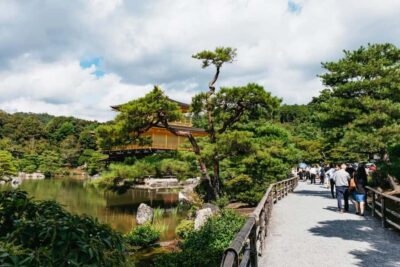
Nijo Castle, Kiyomizu & Fushimi Inari Guided Tour
Read our review →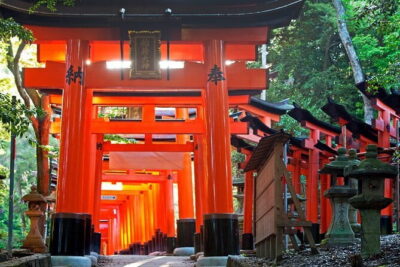
Nijo, Kinkaku-ji, Arashiyama, Kiyomizu & Fushimi Inari
Read our review →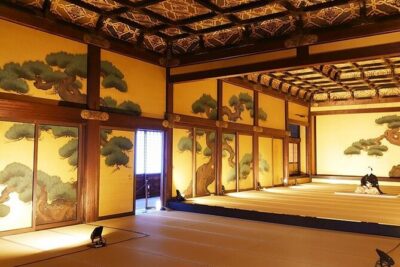
Nijo Castle World Heritage Guided Tour with Admission
Read our review →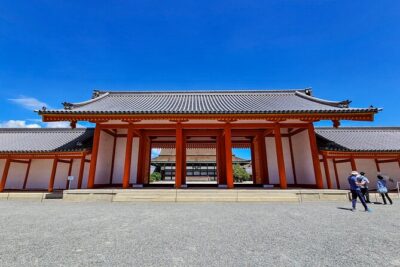
Kyoto Imperial Palace & Nijo Castle Guided Walking Tour – 3 Hours
Read our review →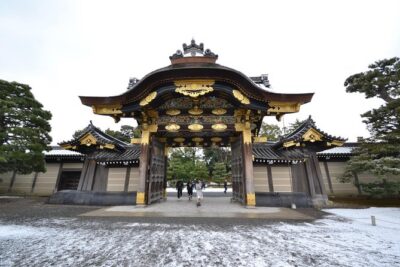
Nijo Castle and Imperial Palace Visit with Guide
Read our review →
Golden Pavilion, Nijo Castle, & Nishiki Market Half day tour
Read our review →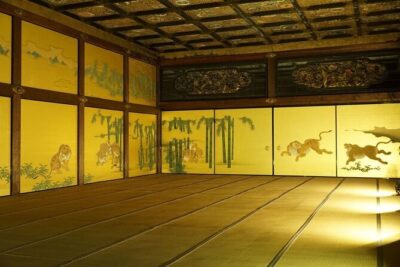
Nijo Castle Samurai Inside Story — Top-Rated Guide (Max 8)
Read our review →Browse the lists this tour appears in