
Reviewed · KYOTO TEA CEREMONIES
Slow Cycling Tour at Uji’s Matcha Green Tea Fields and Heritage
Uji’s matcha fame is only part of the story. On this slow cycling tour, you pedal from a tea culture center to old shrines, a Zen temple, and a wooded river valley, with a local guide to connect the stops and steer you toward places that are awkward to reach on your own.
I like two things in particular: the small group, capped at six, gives the outing a personal feel, and the route mixes tea culture with quiet river scenery instead of spending the whole morning in town. The main consideration is that this is still a four-and-a-half-hour bike outing, and the price does not include food or the entrance fees at the tea center and Byodoin.
What to know before you book
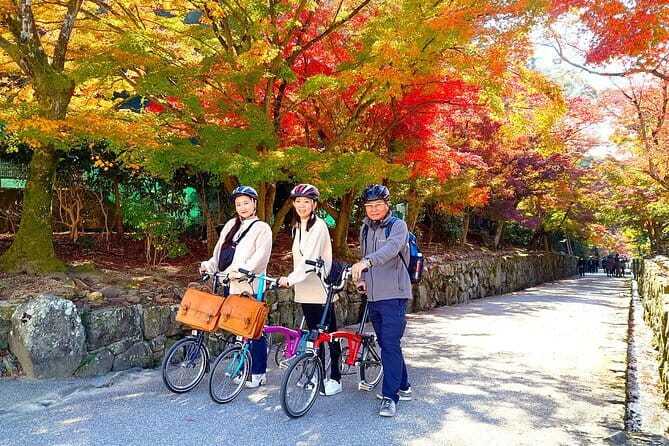
- BROMPTON bikes make the ride part of the appeal: The tour provides bicycles, helmets, and other riding equipment.
- Tea gets real context: Chazuna offers an introduction to Uji’s tea culture, with an optional entrance fee of 600 yen.
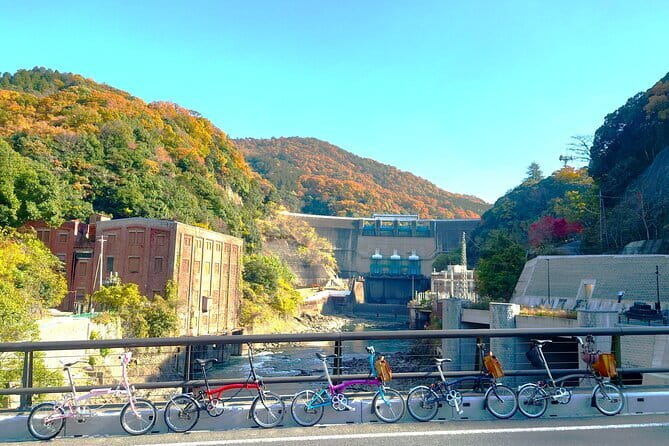
- The route reaches beyond the central sights: You ride along the Uji River toward Amagase Dam and its valley paths.
- Your group stays small: A maximum of six participants leaves room for questions and some flexibility in the route.
- Plan for extra costs: Snacks, the tea center, and Byodoin Phoenix Hall are not included in the $130.46 per-person price.
A slow ride through Uji’s tea country
Uji sits south of Kyoto and is known for matcha and other tea products. It also has shrines and temples with long histories, so this route is less a single-sight tour than a way to understand how tea, worship, and daily life fit together in a compact town.
The pace is designed to be manageable, not athletic. The tour description presents slow cycling as a good choice for people who are not confident about their fitness, and the equipment is provided. Still, you should be comfortable riding a bicycle for a substantial part of a half-day outing. The route includes a nature trail by the river and reaches Amagase Dam, so ask the operator about current route details if you have concerns about riding.
The tour begins at 10:00 a.m. at the Chatsubo Postbox near Uji Station and returns to the same meeting point. That makes it easy to plan as a morning-to-early-afternoon activity, though the listed 4.5 hours leaves little room for a second major outing before lunch. The group limit of six is a practical plus: you can ask the guide about the tea trade or a shrine without needing to compete with a crowd.
More Uji trips in Uji:
- World Heritage Kyoto & Nara Uji Authentic Matcha Experience
★ 5.0 · 1,573 reviews - Osaka: Nara and Uji Day Trip with Deer Park and Hot Spring
★ 4.4 · 302 reviews - Uji: Green Tea Tour with Byodoin and Koshoji Temple Visits
★ 4.8 · 72 reviews
Chazuna puts matcha in context
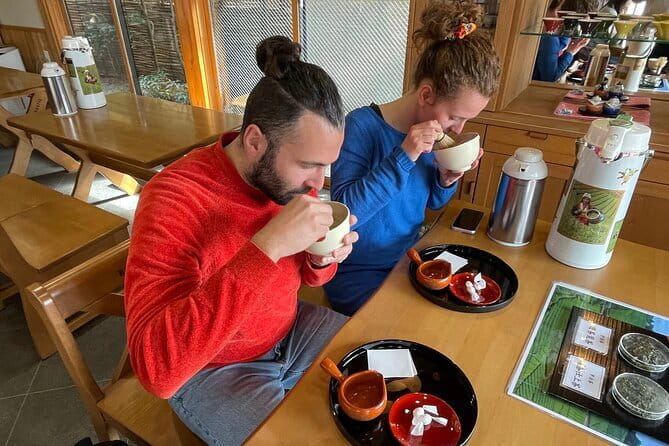
The first stop is Tea and Uji Community Center, Chazuna, where you have 45 minutes to learn about Japanese tea culture and Uji’s place in it. That background matters. Matcha is easy to encounter as a drink or dessert, but a museum-style visit gives you a chance to understand the local importance of tea before you see the town’s shops and fields.
Admission is not included and costs 600 yen as an option. That extra charge is worth factoring into your budget, especially if tea is the main reason you chose Uji. The stop is not a tea tasting by itself, so keep your expectations clear: this is an introduction to culture and history, not a guaranteed sampling session.
A few riders have paired the museum visit with a guide’s explanations of tea production. That is the useful combination here: Chazuna provides an institutional overview, while a local navigator can help make the subject feel connected to the streets and businesses you pass afterward.
Uji Shrine and Ujigami Shrine reward a slower look
The route next visits Uji Shrine, a historic site said to be more than 1,700 years old and associated with prayers for academic and childbirth success. You have about 30 minutes here, enough time to look around without turning the stop into a rushed photo break.
Nearby Ujigami Shrine is paired with Uji Shrine and has its own point of interest: Kirihara Water, one of Uji’s seven famous waters, still springs from the grounds. The planned 30-minute visit lets you see the two shrines as related places rather than treating them as isolated boxes to tick.
These stops are among the tour’s strongest contrasts with Kyoto’s most famous temple circuits. The route description emphasizes peaceful historic sites, and the cycling format lets you move between them without relying on a car. The guide’s role is important here: shrine customs and local stories add more than a quick look at a gate or building.
River bridges offer a scenic pause
At Asagiri Bridge, the tour allows 15 minutes for views and photographs over the Uji River. It is a brief stop, so think of it as a scenic pause rather than a long riverside walk.
The river returns as a central feature later in the ride. That shift from town streets to water and wooded paths is one reason the route feels broader than a tea-shop circuit. You get a little time to take in the view, then keep moving instead of spending the full tour in the busiest part of Uji.
A bicycle is useful here because the tour links several types of places: cultural sites, river crossings, temples, and tea businesses. The guide handles the local navigation, while you can focus on the scenery and the stories rather than plotting each turn yourself.
More tea ceremonies in Uji:
- Uji: UNESCO Heritage & Tea Ceremony Walking Tour
★ 4.6 · 54 reviews - Matcha Grinding Experience and Walking Tour in Uji Kyoto
★ 5.0 · 26 reviews - Uji and Wazuka Matcha Farm Half Day Private Guided Tour
★ 5.0 · 21 reviews - Uji Tea Ceremony and UNESCO Heritage Walking Tour
★ 5.0 · 20 reviews
Koshoji brings the route to a quiet temple
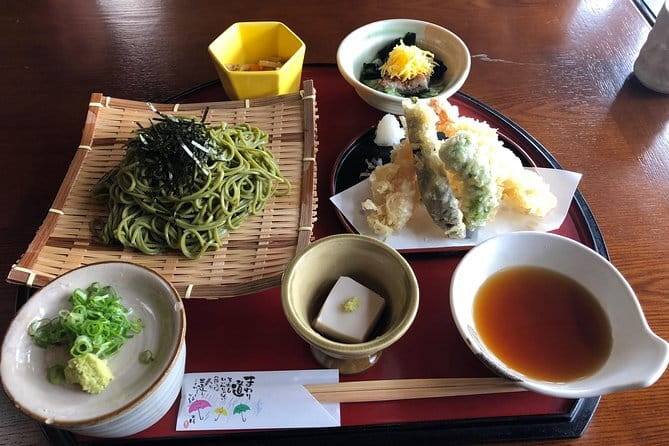
Koshoji is a Zen temple with a history of about 800 years. The 30-minute stop includes Kotosaka, the stone path that climbs from the temple gate through stone walls. That approach is part of the visit; it gives you a more measured entrance than arriving at a temple by road and immediately heading for the main grounds.
This stop also adds a different feel to the day. The shrines are places of worship with their own local associations, while Koshoji offers a Zen temple setting and a distinctive approach path. The short visit means you should not expect a long temple tour, but the combination of the stonework and the quiet grounds makes it a worthwhile change of pace.
As with any religious site, take your cue from the setting and follow the guide’s instructions. The tour is about seeing these places respectfully, not racing through them.
Amagase Dam is the route’s biggest nature break
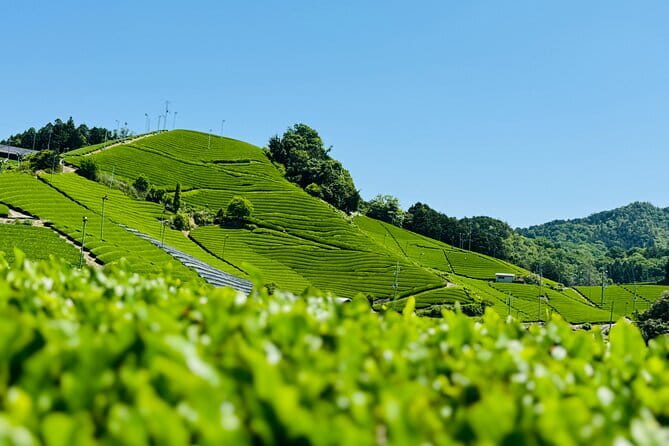
The longest single stop is the one-hour visit to Amagase Dam. A nature trail follows the Uji River toward wooden Amagase Bridge, where the valley is described as calm and scenic. This is the part of the outing that most clearly gets you away from Uji’s central streets and tea shops.
That hour is valuable because it gives the ride room to breathe. Instead of stopping only for photographs, you have time to experience the river route and the change in surroundings. If you are looking for a quiet outdoor stretch near Kyoto, this section is a strong reason to choose the tour.
It is also the part to consider if you have concerns about the physical side. The activity is described as slow cycling and suitable for most people, but it lasts 4.5 hours overall and includes a nature trail. No detailed fitness or terrain specifications are provided, so contact the operator if you need to know more before booking.
Byodoin and the tea shops close the loop
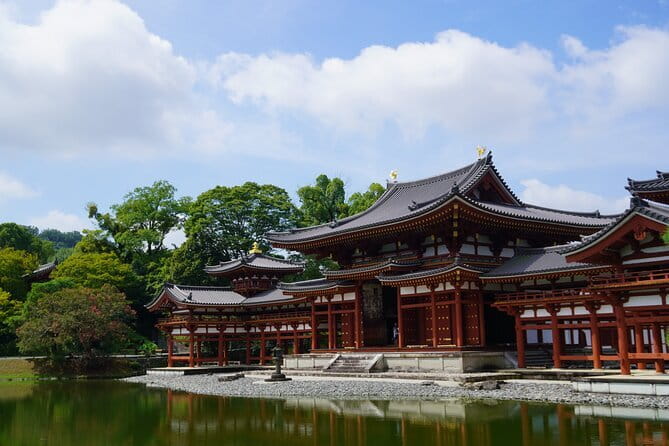
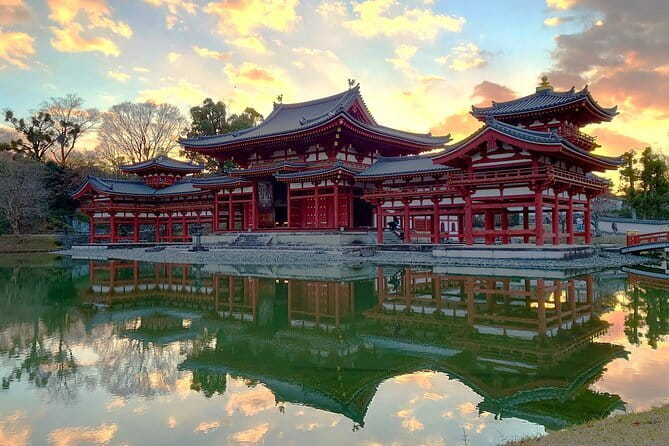
The final hour is spent around Byodoin Omotesando. You can visit Byodoin Phoenix Hall, a UNESCO World Heritage Site, or take time for tea at one of Uji’s specialty shops. The Phoenix Hall entrance fee is not included and costs 700 yen as an option.
This is a useful ending because it gives you a choice. If you want another major historic sight, you can pay to enter Byodoin. If tea is your priority, you can make the last stop about tasting or browsing instead. The tour description says the guide can suggest food stops based on your preferences, but snacks and meals are not included, so budget separately.
There is evidence that a food stop can be tailored to dietary needs: one outing included lunch at a vegan restaurant with gluten-free options. Treat that as a possibility rather than a promise. Tell the guide what you need when arranging the tour, and confirm what can be accommodated on your date.
What the guide adds to the day
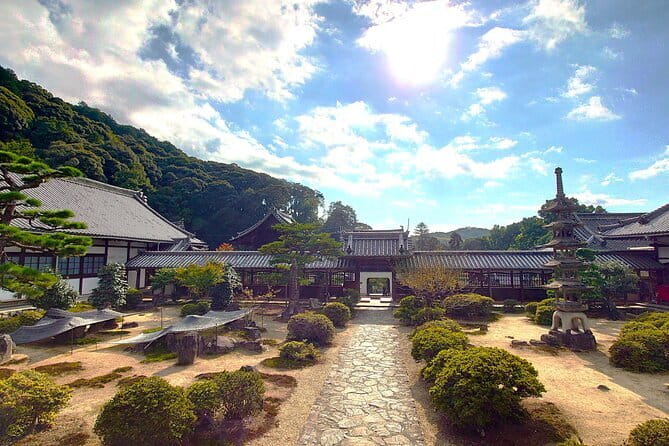
An English-speaking guide is included, and Takashi is one of the guides associated with the experience. He has been praised for explaining Uji’s history, pointing out scenic spots, and making the day feel easygoing. Your specific guide may differ, so it is sensible not to book on the assumption that Takashi will lead your tour.
The local navigator is more than someone who keeps the group moving. The route’s appeal depends on linking tea culture with shrines, temples, and quieter places that can be harder to find alone. You can also ask for the course to be arranged around your wishes, though the operator will need to confirm what is possible.
The tour has a maximum of six participants, and some outings may be private. A private booking can make the pace and conversation more personal, but do not assume that every departure is private. The small cap is useful either way: it limits the group size and leaves the guide room to respond to questions.
Does $130.46 feel like good value?
At $130.46 per person, this is not the cheapest way to see Uji. You are paying for a 4.5-hour guided experience, a BROMPTON bicycle, riding equipment, and a route that combines tea culture, religious sites, and river scenery. The English-speaking navigator is central to the value, particularly if you want context rather than just a bicycle rental.
The add-on costs matter. Chazuna is 600 yen, Byodoin Phoenix Hall is 700 yen, insurance is an optional 500 yen, and snacks or meals are extra. The tour includes bicycle equipment such as helmets and bags for wheeled transport, but not food or the two listed admissions. Add those costs up before you book if you want to enter both major sites and stop for lunch.
I would see the price as easier to justify if you want a guided outing and plan to explore beyond the central tea street. If you only want to visit Byodoin and drink matcha, you can likely arrange a simpler day independently. The tour makes more sense when you value the ride, the guide, the nature section, and the connections between Uji’s sights.
Who should choose this Uji bike tour?
This is a good fit if you enjoy cycling at an easy pace, want to learn about Uji’s tea culture, and would rather see several kinds of places than spend the day at one attraction. It also suits matcha fans who want to see the town behind the tea, and people with limited time in Uji who want a guide to organize a broad route.
You may prefer another plan if you are not comfortable riding a bicycle, want a highly detailed tea-making demonstration, or need all food and admissions included in one price. The tour gives you a useful framework, but the optional visits and meal costs are yours to manage.
The experience is weather-dependent. If poor weather cancels the tour, you are offered another date or a full refund. There is also a minimum number of participants, so a departure may be rescheduled or refunded if that minimum is not met. Booking confirmation is provided within 48 hours, subject to availability, and the tour is near public transportation.
Should you book it?
Book this tour if you want Uji to feel like more than a stop for matcha and a famous temple. The best reasons are the small group, the guide’s local knowledge, and the route’s mix of Chazuna, paired shrines, Koshoji, and the river valley. It offers a particularly appealing half-day for people who like to move at an unhurried pace.
Think twice if you want a low-cost independent ride or a fully inclusive package. The price is a premium for guided access and a carefully connected route, while admissions and food remain extra. If that trade-off suits you, the slow pace and variety make this a well-rounded way to spend a morning in Uji.
FAQ
How long is the Uji cycling tour?
The tour lasts approximately four hours and 30 minutes.
What time does the tour start?
The stated start time is 10:00 a.m.
Where does the tour begin and end?
It starts at the Chatsubo Postbox near Uji Station and ends back at the same meeting point.
How many people can join?
The maximum group size is six participants.
Is an English-speaking guide included?
Yes. An English guide and an exclusive local navigator are included. Takashi is one guide associated with the tour, but the specific guide may vary.
Are bicycles and helmets provided?
Yes. The bicycle rental fee and riding equipment, including helmets, are included.
Are entrance fees included?
No. Chazuna admission is an optional 600 yen, and Byodoin Phoenix Hall admission is an optional 700 yen.
Is food included?
No. Snacks and meals are not included. The guide can suggest restaurants according to your preferences.
What happens if bad weather cancels the tour?
You are offered a different date or a full refund if the experience is canceled because of poor weather.
More bike tours in Uji
- Cycling Tour at Uji’s Matcha Green Tea Fields and Heritage
★ 5.0 · 10 reviews - Bike Tour Exploring North Kyoto plus Lunch
★ 5.0 · 1,087 reviews - Arashiyama Bamboo Forest & Hidden Gems Bike Tour (Early Bird)
★ 5.0 · 613 reviews - 5 Top Highlights of Kyoto Full Day Bike Tour (E-bike option)
★ 5.0 · 511 reviews
Newly added in Uji
- Uji: Private immersion into Kyoto’s tea and reglious culture★ 5.0 · 17 reviews
- Uji and Wazuka Matcha Farm Half Day Private Guided Tour★ 5.0 · 21 reviews
- Uji Tea Ceremony and UNESCO Heritage Walking Tour★ 5.0 · 20 reviews
- Utilising upcycled Matcha! Creating matcha incense (Uji, Kyoto)★ 5.0 · 6 reviews
- Uji Walking Tour – Byodo-in temple and Tea Ceremony from Kyoto★ 3.5 · 3 reviews
- Matcha Grinding Experience and Walking Tour in Uji Kyoto★ 5.0 · 26 reviews
- Kyoto & Uji: Full Day Sightseeing Tour from Osaka or Kyoto★ 5.0 · 25 reviews
- Kyoto Hidden Riverside Zen Mediation and Uji Matcha Experience★ 5.0 · 9 reviews
Kyoto Tea Ceremonies, compared.

Tea Ceremony in a Traditional Tea House in Kiyomizu
Read our review →

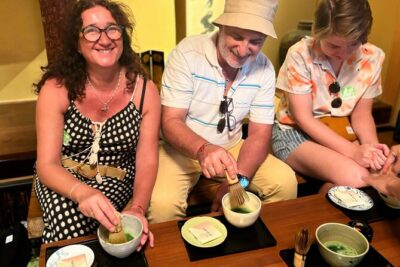
World Heritage Kyoto & Nara Uji Authentic Matcha Experience
Read our review →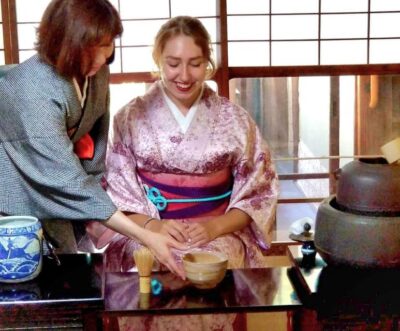
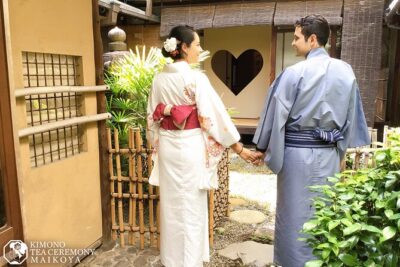
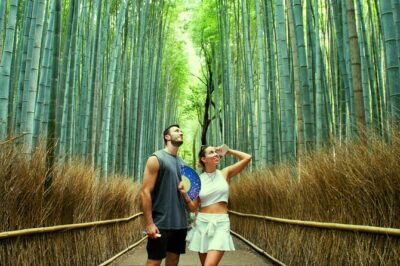
Arashiyama Bamboo Forest, Monkeys, Matcha & Temple Tour
Read our review →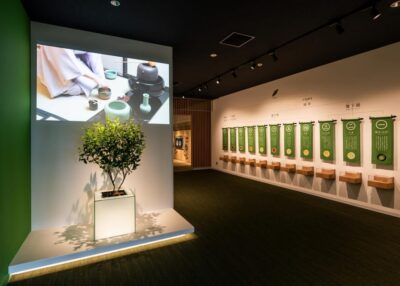
Tea Museum Tickets and Matcha Grinding Experience
Read our review →Browse the lists this tour appears in