
Reviewed · KYOTO TEA CEREMONIES
Uji: Green Tea Tour with Byodoin and Koshoji Temple Visits
Uji makes a fine change of pace from central Kyoto: in four hours, you can taste high-grade green tea, visit two UNESCO-listed sites, and follow the story of tea from an old family teahouse to the temples beside the river. The town is about 30 minutes from central Kyoto by local train, yet its river and mountain paths feel far removed from the city’s busiest sights.
I like two things especially: the tea tasting explains how brewing changes flavor, and the guide connects the town’s samurai, Buddhist, and Shinto history instead of treating each stop as a separate photo opportunity. I also like that the route includes both the famed Byodo-in and the quieter, mountain-side Koshoji.
The main consideration is the walking. There are stairs, the tour runs rain or shine, and it is not recommended for people with limited mobility, back problems, or heart problems. Wear comfortable shoes and be ready to spend much of the four hours on your feet.
What makes this Uji tour worth your time
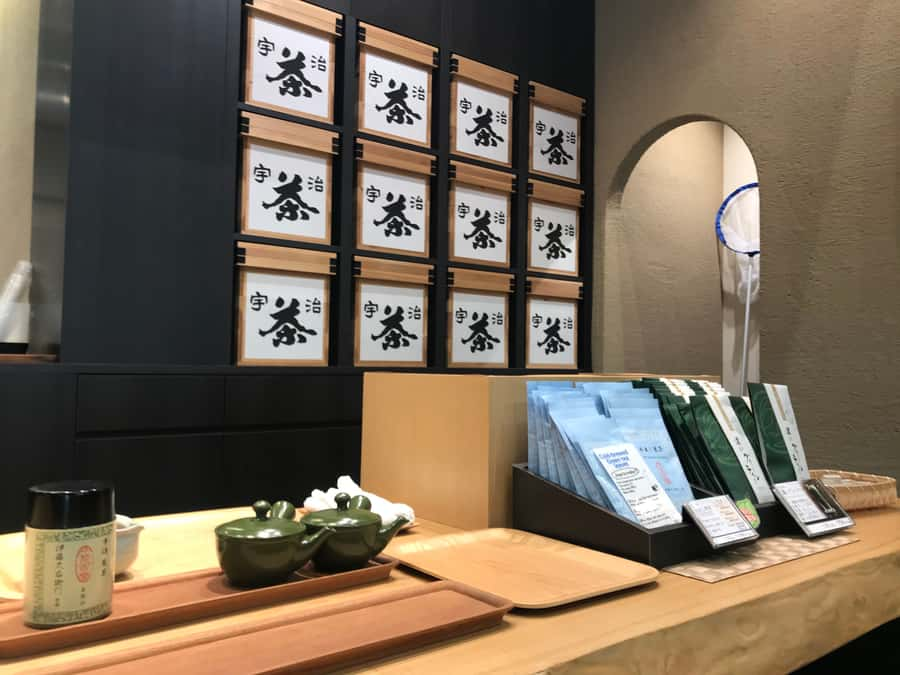
- Taste gyokuro as more than a cup of tea: Learn about a high-grade local green tea, sample it, and see how brewing changes its flavor.
- Visit a teahouse with centuries of family history: The shop has operated since 1160, and the same family has run it for 24 generations.
- Connect tea with Uji’s religious sites: Visit Ujigami Shrine, then cross the river toward Byodo-in and its famous Phoenix Hall.
- See more than the best-known temple: The route also reaches Koshoji, which sits against the mountains.
- Get context from an English- or Spanish-speaking guide: Past guides have included Bryan, Ferdinand, Damien, David, Lito, and Mardi, among others.
Starting at Keihan Uji Station
The tour begins at the only exit of Keihan Uji Station. The escalator goes up to ground level, so the meeting point is straightforward to find. The activity ends back there, which makes the return trip easier to plan.
Uji is a practical side trip from Kyoto. The local train ride from areas such as Kyoto Station or Gion takes around 30 minutes, according to the tour information. That short journey brings you to a town with river views, mountain scenery, and two UNESCO World Heritage sites within about a 10-minute walk of one another.
The four-hour format gives you a guided route through several distinct parts of Uji, rather than a quick stop at a temple and a tea shop. It is a good fit if you want an introduction to the town but would rather not spend the day arranging transport and deciding how to connect the sights yourself.
More Uji trips in Uji:
- World Heritage Kyoto & Nara Uji Authentic Matcha Experience
★ 5.0 · 1,573 reviews - Osaka: Nara and Uji Day Trip with Deer Park and Hot Spring
★ 4.4 · 302 reviews - Uji: UNESCO Heritage & Tea Ceremony Walking Tour
★ 4.6 · 54 reviews
The old teahouse and Uji’s tea story
One of the tour’s most unusual stops is a teahouse that has been operating since 1160. Its history is tied to a vassal of a famous samurai warrior, whose family went on to run the shop for 24 generations. That detail gives the town’s tea culture a human thread: this is not only a story about a drink, but also about the families and local customs that sustained it.
Your guide can help explain how samurai history, religion, and tea became linked in Uji. That context matters because the town’s temples, tea shops, and river routes are not just neighboring attractions. They developed alongside one another, and the tour is designed to show those connections as you walk.
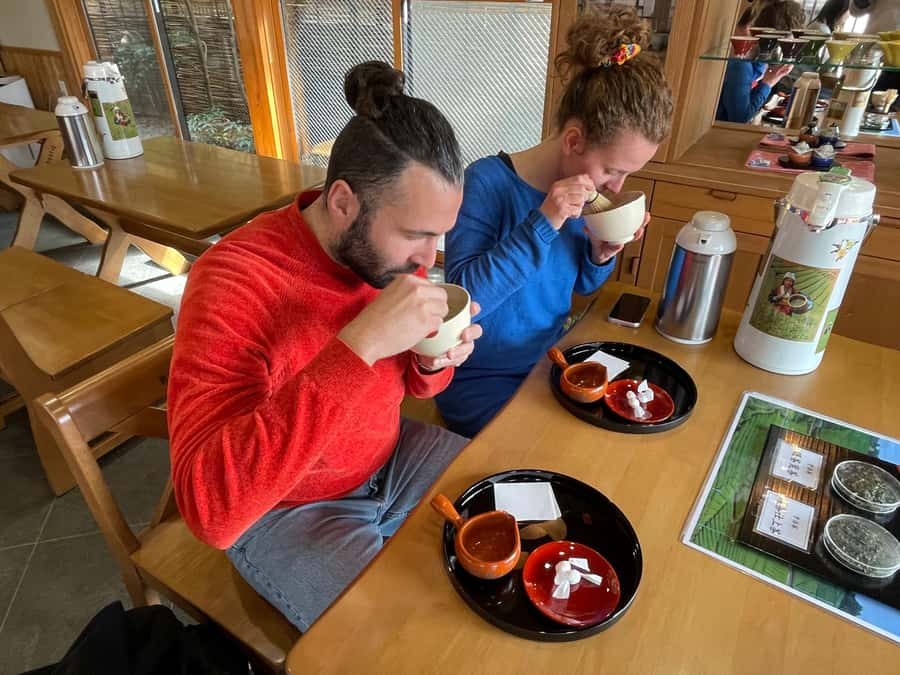
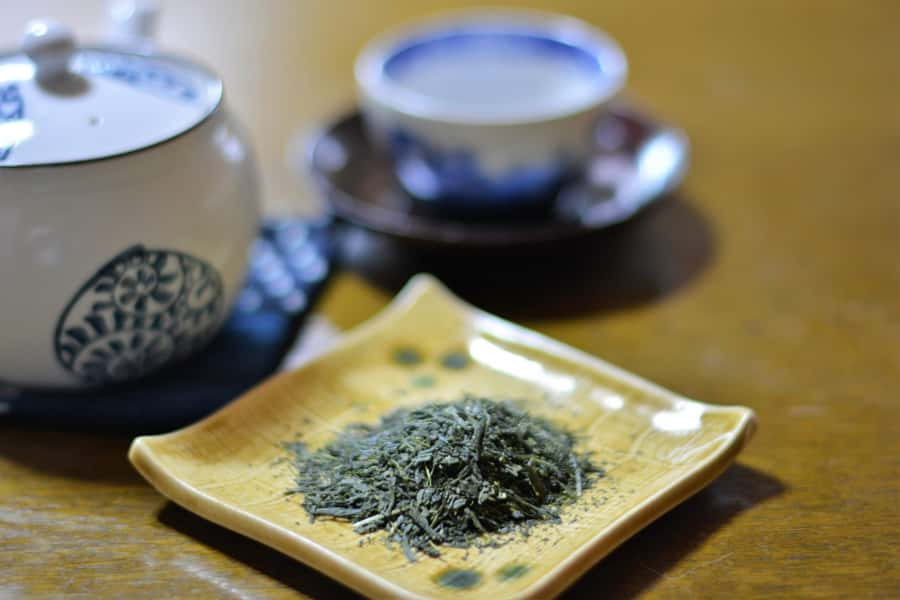
The route also takes you to a tea experience where you can learn how local green tea is grown and prepared. The included tasting features Japanese gyokuro, a high-grade tea. You are shown how brewing affects its flavor, which makes the tasting more than a simple sample. You can notice how preparation changes what you taste from one cup to the next.
There is an especially memorable final step: mix the remaining tea leaves with ponzu sauce and eat them. It is a practical way to use the leaves rather than leaving them behind, and it gives the tasting an unexpected finish. Food and drink outside the tea experience are not included, so plan on paying separately if you want a meal or another drink afterward.
Ujigami Shrine, spring water, and the river
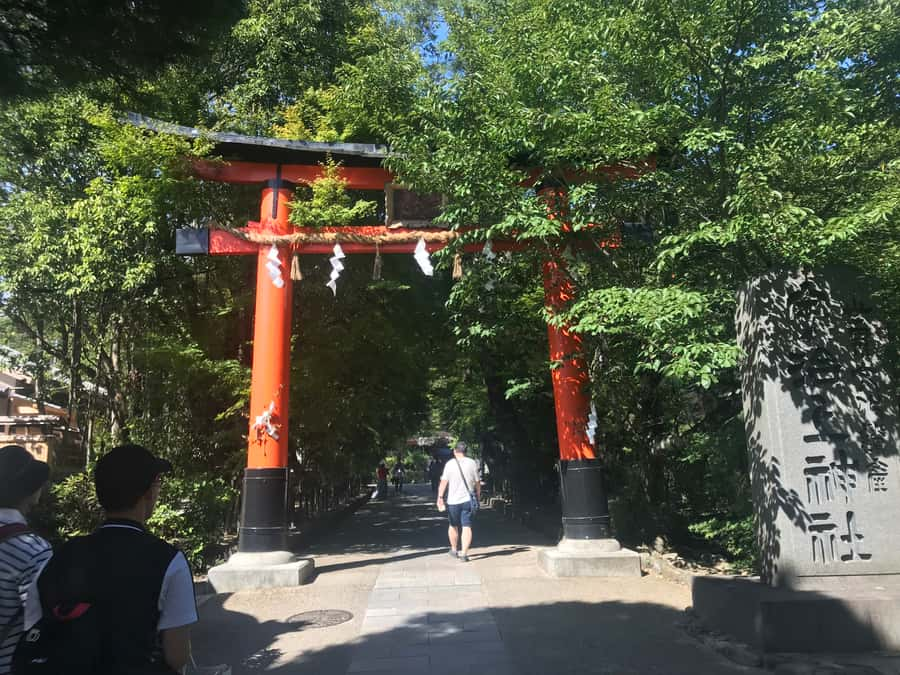
From the tea stops, the route heads into greenery toward Ujigami Shrine. The shrine is described as Japan’s oldest original Shinto shrine and is one of Uji’s UNESCO World Heritage sites. It is dedicated to the town’s guardian deities, giving the visit a local focus as well as a broader look at Shinto practice.
A useful part of having a guide is learning how to approach shrine and temple customs. Guides on this tour have shown visitors how to perform a blessing, and some people have found that instruction helpful at other religious sites during their Japan trip. Your guide can also explain the differences between Shinto and Buddhist practices, which are easy to blur together if you are visiting temples and shrines without much background.
Ujigami Shrine also has a connection to Uji tea through a natural spring. The tour information identifies it as the last remaining source of natural spring water that many tea houses still collect for brewing. You can step into a stone grotto and purify yourself with the water. It is a small but distinctive stop, linking the landscape and the tea-making tradition in a direct way.
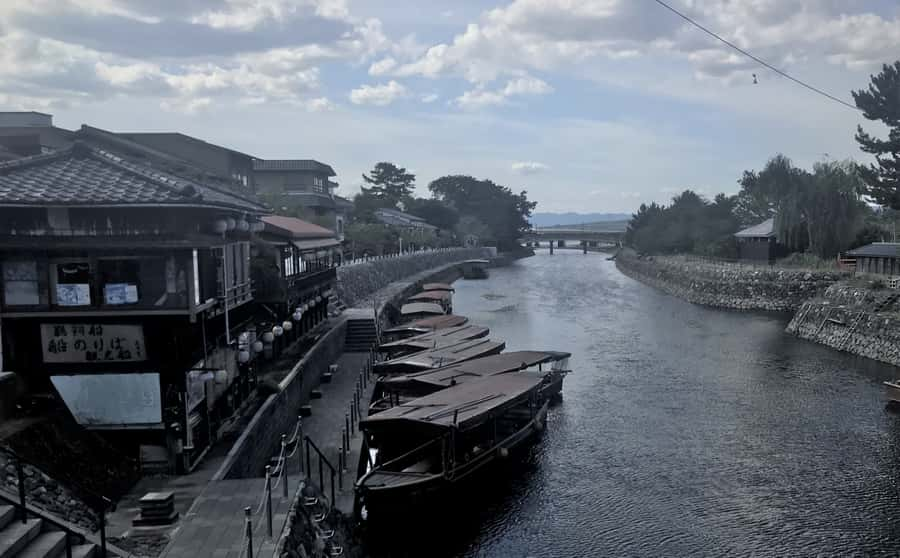
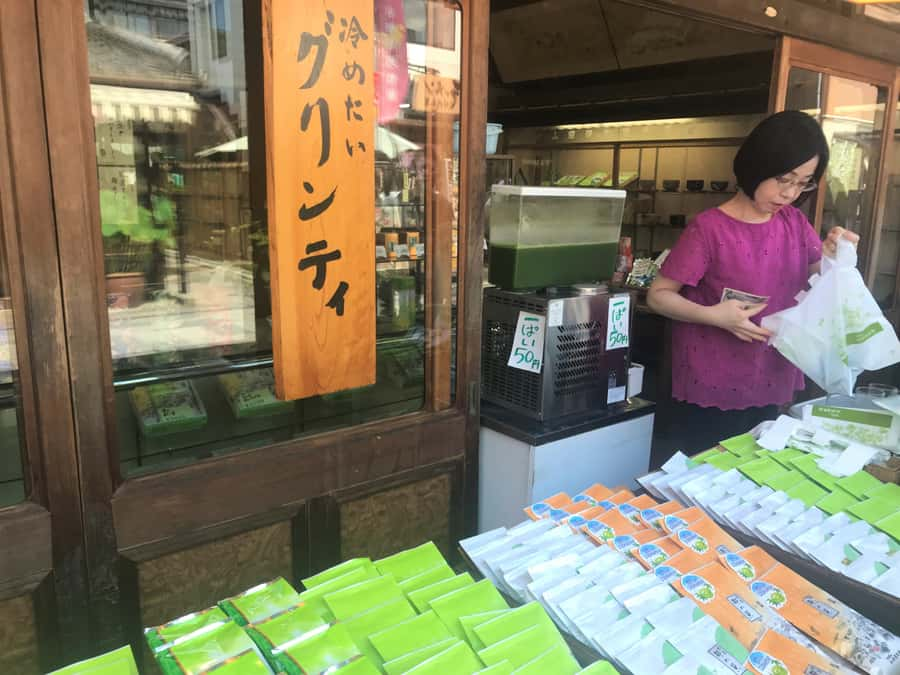
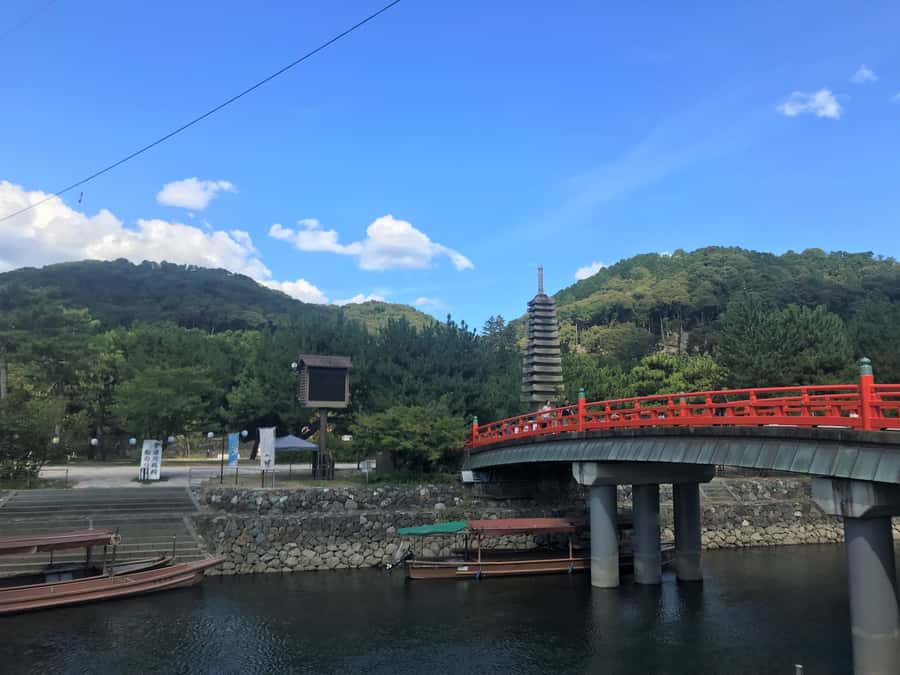
Afterward, you cross the Uji River and follow a pilgrimage route toward Byodo-in. The river is one of the most appealing parts of the walk, with views toward the surrounding mountains. Tea shops line the approach, some with roots reaching back to the medieval period, so the walk itself helps tell the story of how tea became part of the town’s daily and commercial life.
Byodo-in and the Phoenix Hall

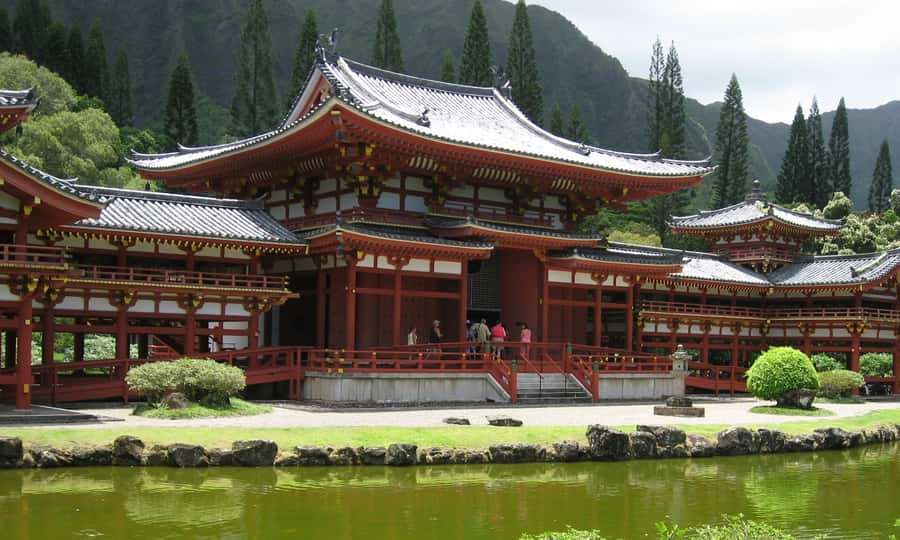
Byodo-in is the major architectural stop, and its Phoenix Hall is the sight many people picture when they think of Uji. The temple is a UNESCO World Heritage site, and the tour includes admission. A guide can explain how the building’s design and religious meaning fit into the wider story of the area, rather than leaving you to piece it together from signs alone.
The included modern museum adds useful context through Buddhist objects and historical material. It is a good counterpoint to seeing the temple itself: first you encounter the architecture and setting, then the museum helps explain the religious imagery and artefacts. The temple visit is a strong reason to choose a guided route if you want more than a photograph and a brief walk around the grounds.
Byodo-in can be a popular stop, so the pace and timing of your visit may affect how quiet it feels. The tour’s smaller group options and guide-led route can make it easier to focus on details, but you should not expect to have the site to yourself. One guide has taken an early-start group through the temple when it was nearly empty, though that should be treated as a possibility, not a promise.
More tea ceremonies in Uji:
- Matcha Grinding Experience and Walking Tour in Uji Kyoto
★ 5.0 · 26 reviews - Slow Cycling Tour at Uji’s Matcha Green Tea Fields and Heritage
★ 5.0 · 25 reviews - Uji and Wazuka Matcha Farm Half Day Private Guided Tour
★ 5.0 · 21 reviews - Uji Tea Ceremony and UNESCO Heritage Walking Tour
★ 5.0 · 20 reviews
Koshoji’s mountain-side setting

The route also includes Koshoji Temple, which sits against the mountain and offers a different mood from the grander Byodo-in. Here, the draw is the setting and the chance to end the walk among trees and temple grounds. The tour frames the stop as a place to find a little quiet before returning to the station.
This contrast is part of the route’s value. Byodo-in gives you a celebrated architectural landmark and museum, while Koshoji brings the day back to nature. Together with the river walk and Ujigami Shrine, the stops offer a broader sense of Uji than a visit focused only on its best-known temple.
Koshoji admission is included. Keep in mind that reaching the mountain-side setting involves walking and stairs, so this portion may be difficult if you have mobility limits or health concerns.
What guides add to the experience
The guide is central to this tour. Names of guides who have led it include Bryan, Ferdinand, Damien, David, Lito, Mardi, and Kevin. Your specific guide will depend on the date, but the route benefits from someone who can explain the history, answer questions, and help you navigate shrine and temple etiquette.
The guides are praised for bringing together several kinds of information: Uji’s tea production, the town’s history, religious customs, and practical advice on respectful behavior. Some have also adapted the route to guests’ interests or adjusted when a tea tasting was unavailable. That flexibility is useful, although you should not assume every stop or tasting can be changed on request.
A guide can also make the walk more personal. Past groups have had time for photos, questions about Japan, and recommendations for places to eat or shop. One guide even helped a visitor find the correct train for the return journey. Those extras are not formal tour features, but they show why a small-group format can be more helpful than simply following a fixed audio guide.
English and Spanish tours are offered, and the experience is available as a private or small-group outing. If you value conversation and the chance to ask follow-up questions, this format is likely to suit you better than an independent visit. If you prefer to move at your own pace and spend as long as you like in one place, the fixed four-hour route may feel restrictive.
Price, walking, and who should book
At $111 per person, the price includes the guide, Byodo-in and Koshoji admissions, a gyokuro tea experience, and tea tasting. The value comes from combining a hands-on tea lesson with guided visits to several important sites. You also get historical and cultural context that can be hard to gather quickly on your own, especially if this is your first time learning about Shinto and Buddhist traditions.
The price does not include other food or drinks. If you want lunch or a matcha treat after the tour, set aside extra money. Uji has tea shops and places selling tea-flavored foods along the route, but they are not part of the included experience.
This tour suits tea drinkers, history-minded visitors, and anyone who wants a Kyoto-area outing with a quieter pace than the city’s central sights. It is also a good choice if you want a guide to explain temple and shrine customs in plain language. Families have enjoyed the route, though the walking and stairs may make it a poor match for anyone with mobility limitations.
The tour operates rain or shine. Comfortable shoes are essential, and you should consider your stamina before booking: the experience is not recommended for people with limited mobility, back problems, or heart problems. There is free cancellation up to 24 hours in advance, and you can reserve now and pay later.
Should you book the Uji green tea tour?
Book it if you want to understand why Uji is famous for tea, not just buy a tin of it. The combination of gyokuro tasting, the old teahouse, Ujigami Shrine, Byodo-in, and Koshoji makes a coherent half-day, and the guide helps connect the stops into one story.
Skip it if stairs and several hours of walking would be uncomfortable, or if you mainly want a flexible, unstructured temple visit. For most visitors who have the energy for the route, the price is reasonable for the admissions, tasting, and personal historical context included. It is a particularly useful side trip if you have already seen Kyoto’s central sights and want to spend time in a smaller town with a strong link between tea, religion, and local history.
FAQ
How long is the Uji green tea tour?
The tour lasts four hours. Starting times depend on availability.
Where does the tour begin?
It begins at the only exit of Keihan Uji Station. An escalator leads up to ground level.
Where does the tour end?
The activity ends back at the meeting point, Keihan Uji Station.
What languages are available?
The tour is offered in English and Spanish.
What is included in the price?
The price includes a tour guide, admission to Byodo-in and Koshoji, a Japanese gyokuro green tea experience, and tea tasting.
Is food included?
Food and drink outside the tea experience are not included.
Is the tour suitable for people with limited mobility?
No. The tour includes stairs and is not recommended for people with limited mobility. It is also listed as unsuitable for people with back problems or heart problems.
Does the tour run in bad weather?
Yes. The tour takes place rain or shine. Comfortable shoes are recommended.
Can I cancel for a refund?
You can cancel up to 24 hours in advance for a full refund. You can also reserve now and pay later.
More temple and shrine tours in Uji
- Uji Walking Tour – Byodo-in temple and Tea Ceremony from Kyoto
★ 3.5 · 3 reviews - Kyoto: Tea Ceremony Ju-An at Jotokuji Temple
★ 4.9 · 3,207 reviews - Arashiyama Bamboo, Temple, Monkeys, or Secret Sake Brewery
★ 4.8 · 886 reviews - Kyoto: Arashiyama Bamboo Forest, Monkeys, Matcha & Temple Tour
★ 5.0 · 759 reviews
Newly added in Uji
- Uji: Private immersion into Kyoto’s tea and reglious culture★ 5.0 · 17 reviews
- Uji and Wazuka Matcha Farm Half Day Private Guided Tour★ 5.0 · 21 reviews
- Uji Tea Ceremony and UNESCO Heritage Walking Tour★ 5.0 · 20 reviews
- Utilising upcycled Matcha! Creating matcha incense (Uji, Kyoto)★ 5.0 · 6 reviews
- Slow Cycling Tour at Uji’s Matcha Green Tea Fields and Heritage★ 5.0 · 25 reviews
- Uji Walking Tour – Byodo-in temple and Tea Ceremony from Kyoto★ 3.5 · 3 reviews
- Matcha Grinding Experience and Walking Tour in Uji Kyoto★ 5.0 · 26 reviews
- Kyoto & Uji: Full Day Sightseeing Tour from Osaka or Kyoto★ 5.0 · 25 reviews
Kyoto Tea Ceremonies, compared.

Tea Ceremony in a Traditional Tea House in Kiyomizu
Read our review →

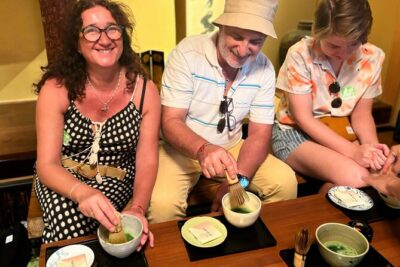
World Heritage Kyoto & Nara Uji Authentic Matcha Experience
Read our review →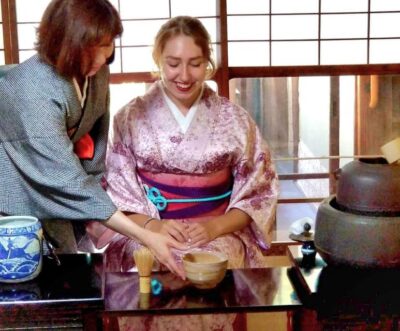

Arashiyama Bamboo Forest, Monkeys, Matcha & Temple Tour
Read our review →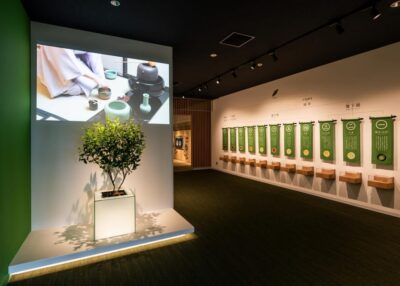
Tea Museum Tickets and Matcha Grinding Experience
Read our review →Browse the lists this tour appears in