
Reviewed · KIYOMIZU-DERA TOURS
Kyoto: Kiyomizudera, Sanjusangendo, Kodaiji, and Gion.
Kyoto’s eastern temples reward a day on foot, and this tour links several of the city’s most memorable sights: Sanjusangendo’s long hall of 1,001 Kannon statues, Kiyomizudera’s wooden terrace, and Gion’s historic streets. I like the way the route pairs major temples with the smaller lanes between them, and I like that a group capped at 10 can make it easier to ask questions and keep the day personal.
One consideration: this is a seven-hour outing with plenty of walking, and the route also uses buses. Wear comfortable shoes, bring 230 yen in cash or an ICOCA, SUICA, or PASMO card, and check whether admission fees are included before you book.
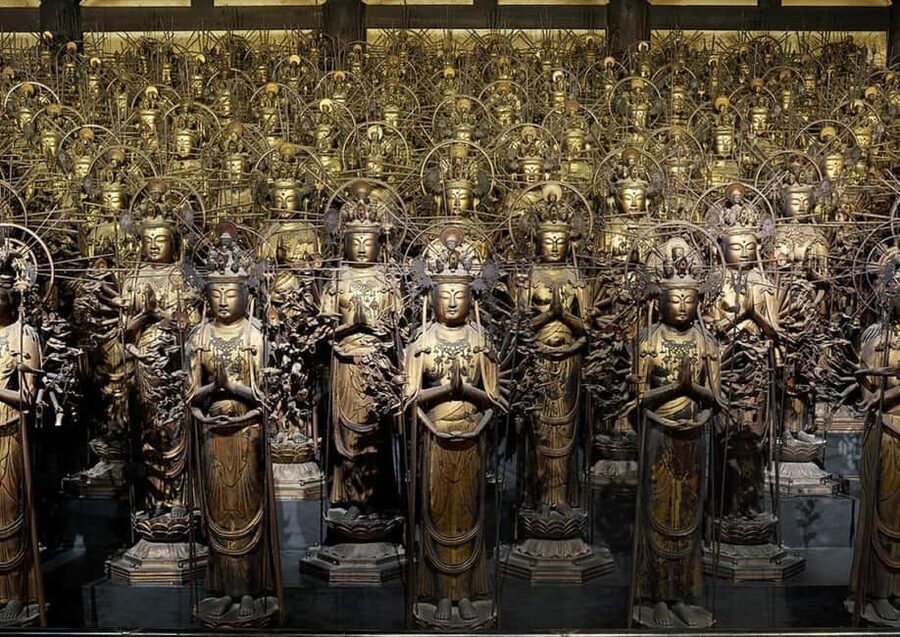
- Sanjusangendo’s 120-meter hall holds 1,001 statues of Kannon, the goddess of mercy.
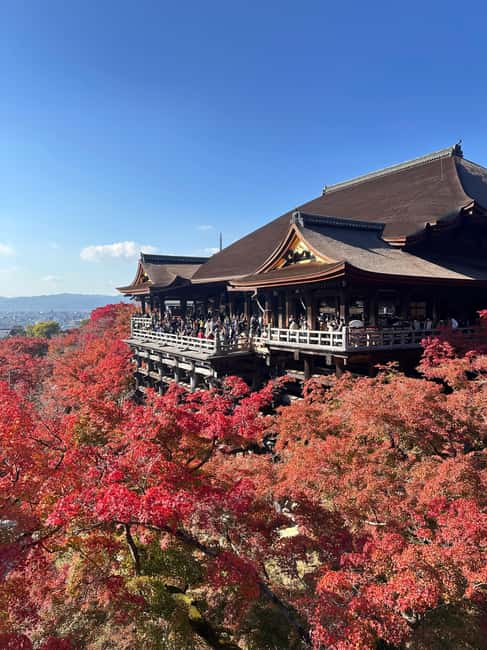
- Kiyomizudera’s hillside terrace looks out over Kyoto and anchors the day’s temple visits.
- Sannenzaka and Ninenzaka bring you through cobbled lanes lined with wooden houses and craft shops.
- Kodaiji’s bamboo grove offers a quieter change of pace within the temple grounds.
- A group of up to 10 and a Spanish-speaking guide keep the day more personal than a large coach tour.
- Gion and Yasaka Shrine round out the route with an introduction to the district’s geisha culture.
Seven Hours Through Kyoto’s Eastern Temples
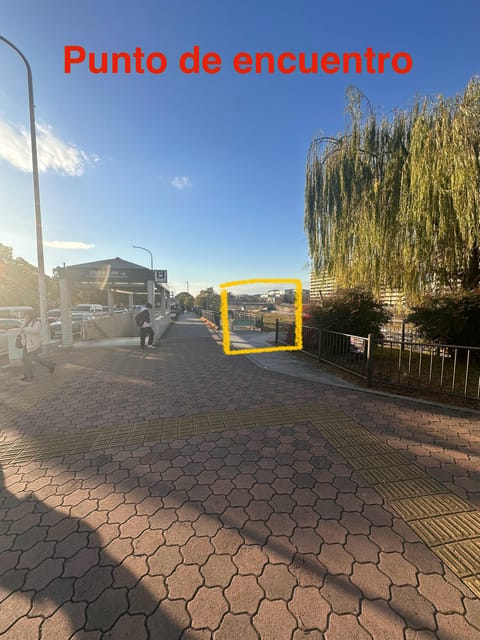
This tour starts at Shichijo Station and moves north and east through a tightly packed set of Kyoto sights, finishing in Higashiyama. The route gives you a broad introduction to the city’s temples and traditional streets without asking you to plan each leg yourself.
You begin at 9:00 a.m. at Exit 1 of Shichijo Station. From there, the listed stops include a guided hour at Sanjusangendo, a guided hour at Kiyomizudera, time in the Higashiyama district, and visits to Hōkan-ji, Kodaiji, Yasaka Shrine, and Gion. Add the walking and bus transfers, and you have a full day rather than a quick temple sampler.
The small-group limit is 10 people. That matters on a route where you may want to ask about a statue, a temple’s history, or local customs as you go. It also gives the guide more room to adjust explanations to the group. The tour is offered in Spanish, so it suits Spanish-speaking visitors who want context as well as directions.
Past departures have been led by Manuel, whose guiding has been described as attentive and clear. He has also taken a group to a good place to eat, a useful bonus on a long day. Because the guide for your date is not guaranteed by the available details, ask who will lead before booking if meeting Manuel is important to you.
Sanjusangendo’s Hall of a Thousand Kannon
The first major stop is Sanjusangendo, famous for its 120-meter-long hall and 1,001 statues of Kannon, the goddess of mercy. A guided hour here gives you time to take in the scale of the hall and understand why this temple is more than a brief photo stop.
The figures are the heart of the visit. Their sheer number creates a striking impression, while the guide can help put the imagery into context. If you like learning what you are looking at, rather than simply passing through a historic building, this is a strong start to the day.
Sanjusangendo also sets a useful tone for the rest of the route. You begin with a major religious site, then move toward the hillside temples and streets where Kyoto’s older urban character is on display. The trade-off is that a seven-hour tour must keep moving. If you prefer long, unhurried visits at every temple, you may want to explore fewer places on your own instead.
More Kiyomizu-dera tours in Kyoto:
- Kyoto: Tea Ceremony in a Traditional Tea House in Kiyomizu
★ 4.9 · 3,519 reviews - Kyoto: Nijo Castle, Kiyomizu & Fushimi Inari Guided Tour
★ 4.7 · 700 reviews - Kyoto: Nijo, Kinkaku-ji, Arashiyama, Kiyomizu & Fushimi Inari
★ 5.0 · 699 reviews
Kiyomizudera and Its Hillside Terrace
Next comes Kiyomizudera, one of Kyoto’s best-known temples. Its wooden terrace projects from the hillside, giving you a broad view across the city. The tour allows about an hour for a guided visit, enough to see the signature structure and hear why the temple is such a landmark.
I like that this stop offers a different experience from Sanjusangendo. The first is known for an immense indoor hall and its many statues; Kiyomizudera is defined by its setting and its open outlook. The contrast helps the day feel varied, even though temples are the main theme.
Expect other people at a famous sight like this, especially around the terrace and the routes leading to it. The tour’s value is not that it removes the crowds, but that it connects the temple to the streets and sites around it. Comfortable shoes are essential: the route includes walking, and the wider Higashiyama area is best approached at a steady pace.
Sannenzaka, Ninenzaka, and the Yasaka Pagoda
After Kiyomizudera, the route continues through Higashiyama, with time set aside for sightseeing in the district. Sannenzaka and Ninenzaka are cobbled streets lined with wooden houses, craft shops, and traditional corners. This is where the day shifts from temple interiors to the texture of old Kyoto’s streets.
The lanes are part of the experience, not just a way to get from one temple to another. You can see how the historic setting is carried by the buildings and the narrow streets, while shops bring a more everyday, commercial side to the area. The setting is photogenic, but that also means it can be busy. Keep your pace flexible and leave time to look around rather than treating the walk as a race between landmarks.
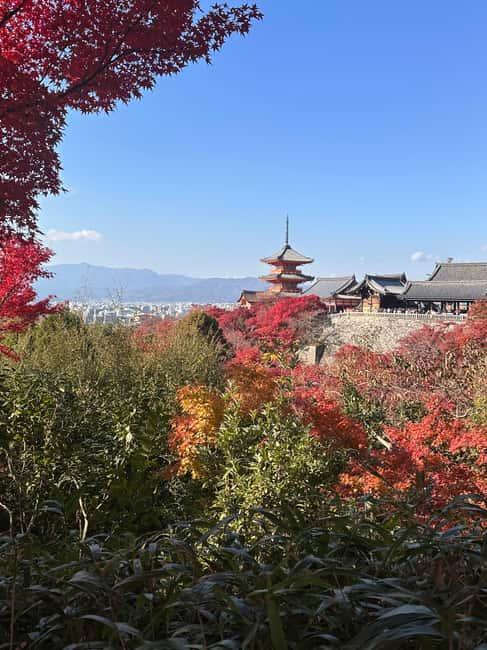
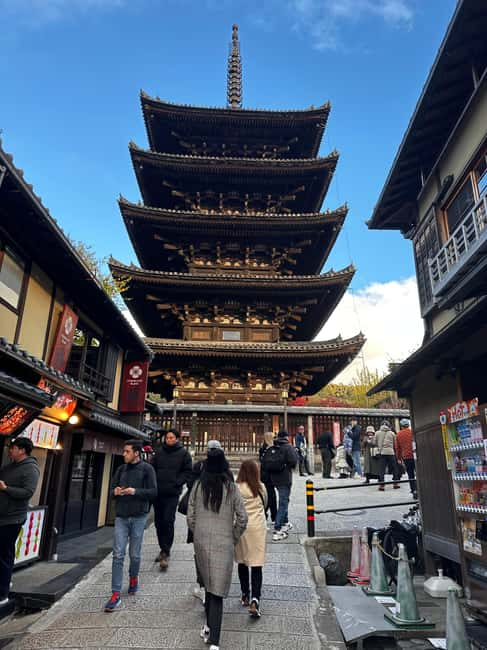
Hōkan-ji, better known for its Yasaka Pagoda, is another visual anchor along the way. The pagoda rises among traditional houses and is one of Kyoto’s most photographed sights. The guided visit is listed at 30 minutes, so expect a focused stop rather than an extended temple visit. It is a good chance to understand the route’s geography and see how religious architecture sits within the surrounding neighborhood.
Kodaiji’s Bamboo Grove and Temple Grounds
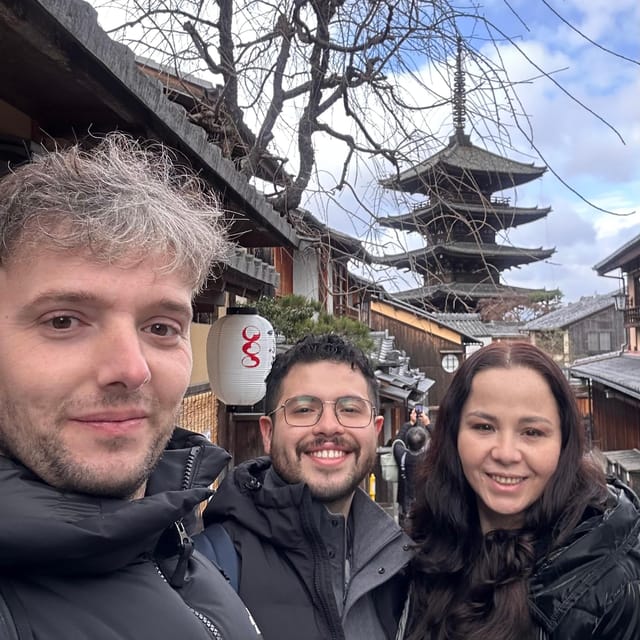
Kodaiji offers a quieter contrast to the busy lanes. The temple is associated with the Toyotomi family, an important family in Japanese history, and the route includes a guided hour here. Its bamboo grove is inside the temple grounds, making it a more contained visit than a walk through a separate forest.
The grove is a distinctive part of the day, but the temple itself deserves attention too. You get a change of atmosphere after the narrow shopping streets and a chance to connect the site to a major family in Japan’s past. The guide can help turn a scenic stop into a more meaningful one by explaining what the place represents.
A full hour is generous compared with the shorter pagoda and shrine visits, yet this remains one stop among several. If you are drawn to gardens and quiet spaces, you may wish you had longer. Still, the variety is part of the route’s appeal: a major hall, a hilltop terrace, traditional streets, a pagoda, a temple bamboo grove, and then Gion.
More Gion tours in Kyoto:
- Kyoto Geisha Walking Tour: Gion District & Hidden Gems
★ 4.7 · 3,273 reviews - Kyoto: Gion Magical Night Walking Tour with Geisha Trivia
★ 4.9 · 2,393 reviews - Kyoto: Gion Geisha District Walking Tour – Stories of Geisha
★ 4.7 · 2,187 reviews - Best of Kyoto: Gion, Geisha, Pagodas & Cobblestones
★ 4.9 · 2,058 reviews
Yasaka Shrine and Gion’s Geisha Culture
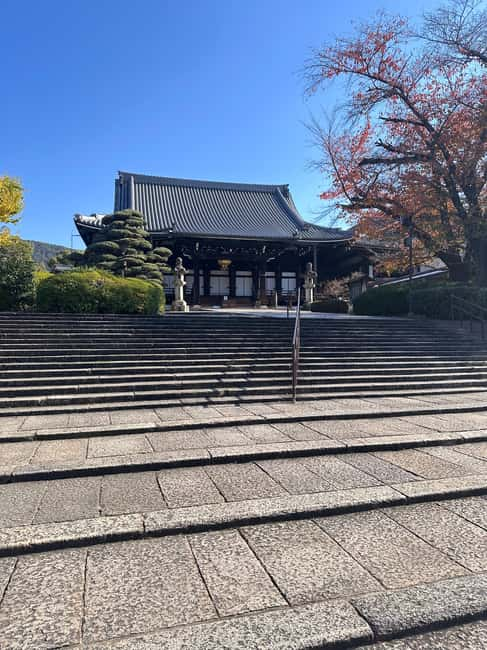
The final portion brings you to Yasaka Shrine and Gion. The shrine visit is listed at 30 minutes, followed by about an hour in Gion. Together, they offer a closing look at the area’s religious life and its reputation for geisha culture.
The tour is designed to introduce the history and customs associated with geisha, rather than simply point out picturesque streets. That context is valuable in a district where it is easy to focus only on the setting. Gion is a living neighborhood, so treat it with respect: follow the guide’s instructions and remember that the streets are not a stage set.
Finishing in Higashiyama is practical if you want to continue exploring nearby on your own, though the tour does not promise a particular end time beyond its seven-hour duration. You will have covered a lot by then, so decide in advance whether you want to add more sightseeing or leave the rest of the day open.
What the $86 Price Gets You
At $86 per person, this tour makes most sense if you value a guide, an organized route, and the chance to connect several key sights in one day. You are paying for seven hours of guided time in a small group, with explanations at temples and in Gion, rather than simply a transfer between attractions.
The group limit of 10 is a practical advantage. It is small enough to feel more conversational than a large group, while still being a shared tour rather than a private one. A recent departure was private because only one booking group attended, but you should not count on that happening. The stated maximum is 10 participants.
The details provided do not say whether temple admission fees are included, so confirm that before booking and budget accordingly. The tour also does not list lunch as included. A guide has taken a group to a good place to eat, but plan to pay for your own meal unless the provider confirms otherwise.
You can reserve now and pay later, and cancellations are allowed up to 24 hours in advance for a full refund. Those terms offer flexibility if your plans are still settling. For transport, bring 230 yen in cash or use an ICOCA, SUICA, or PASMO card for the bus rides.
Is This Kyoto Tour Right for You?
I would choose this tour if you want a guided overview of Kyoto’s eastern side, especially if Spanish is your preferred language. The route brings together distinctive sights that are spread across a full day: 1,001 Kannon statues, Kiyomizudera’s terrace, Higashiyama’s old lanes, Kodaiji’s bamboo grove, Yasaka Shrine, and Gion.
It is also a good fit if you like context and want help linking temples to the streets around them. The guide can explain what you are seeing, and the small-group cap leaves more space for questions. Manuel has been associated with recent departures, but confirm the guide for your date if that matters to you.
Skip it if you want a slow, independent day at just one or two sites, or if several hours of walking would be uncomfortable. The itinerary is full, buses are part of the route, and baby carriages are not allowed. If you are comfortable with that pace and confirm admission costs in advance, this is a useful way to meet Kyoto’s most traditional sights in one day.
FAQ
Where does the tour start?
Meet at Exit 1 of Shichijo Station at 9:00 a.m. The meeting point coordinates are 34.98981475830078, 135.7678680419922.
How long is the tour?
The tour lasts seven hours and finishes in Higashiyama Ward.
What language is the tour in?
The live guide speaks Spanish.
How large is the group?
The small group is limited to 10 participants.
What should I bring?
Wear comfortable shoes and clothes. Bring 230 yen in cash for bus rides, or use an ICOCA, SUICA, or PASMO transport card.
Are baby carriages allowed?
No. Baby carriages are not allowed on this activity.
Are temple admission fees included?
The available details do not specify whether admission fees are included. Check with the provider before booking.
Newly added in Kyoto
- Uji: Private immersion into Kyoto’s tea and reglious culture★ 5.0 · 17 reviews
- Whisk Your Own Matcha: A Zen Matcha Experience at Temple★ 3.6 · 7 reviews
- Kyoto tea town for matcha lovers★ 5.0 · 16 reviews
- Treasures of Kyoto: Gion & historical Walking Tour★ 5.0 · 6 reviews
- Kyoto Matcha Green Tea Tour★ 4.5 · 23 reviews
- Uji and Wazuka Matcha Farm Half Day Private Guided Tour★ 5.0 · 21 reviews
- Uji Tea Ceremony and UNESCO Heritage Walking Tour★ 5.0 · 20 reviews
- Utilising upcycled Matcha! Creating matcha incense (Uji, Kyoto)★ 5.0 · 6 reviews
Kiyomizu-dera Tours, compared.
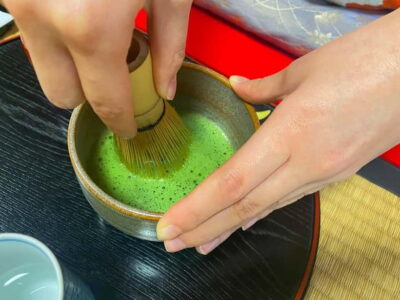
Tea Ceremony in a Traditional Tea House in Kiyomizu
Read our review →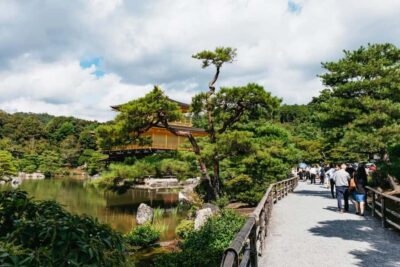
Nijo Castle, Kiyomizu & Fushimi Inari Guided Tour
Read our review →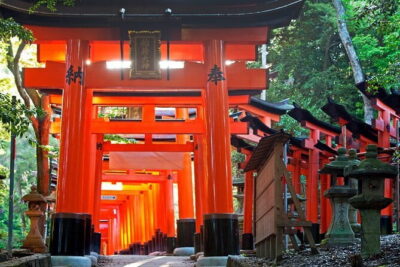
Nijo, Kinkaku-ji, Arashiyama, Kiyomizu & Fushimi Inari
Read our review →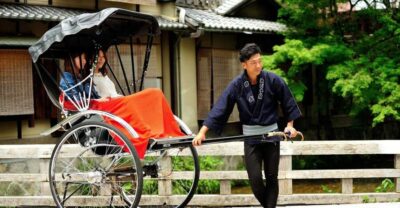
Private Rickshaw Tour of Gion and Higashiyama Area
Read our review →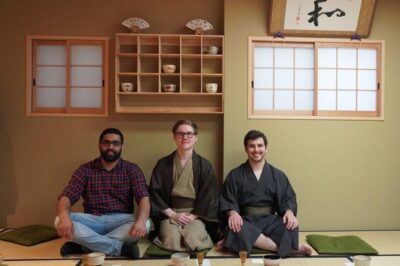
Kyoto Tea Ceremony & Kiyomizu-dera Temple Walking Tour
Read our review →
Kyoto Kiyomizu Tea Ceremony with Scenic Garden Views
Read our review →
Kimono/Yukata Rental 5 Minute from Kiyomizu-dera
Read our review →
Kyoto Gion Kiyomizudera Kimono Yukata Hairstyle | Photoshoot
Read our review →Browse the lists this tour appears in