
Reviewed · KYOTO GEISHA TOURS
Kyoto: Maiko Happy Hour at a Historic Machiya
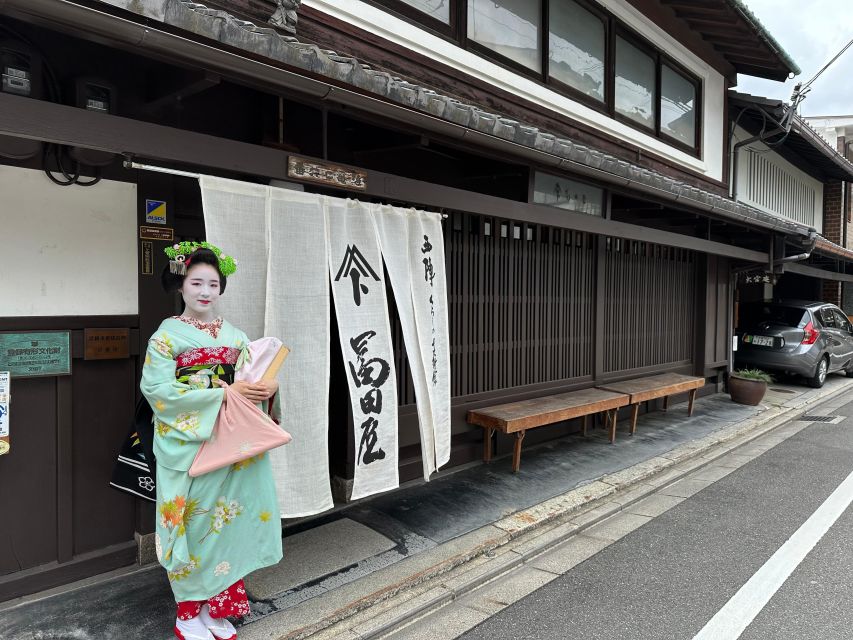
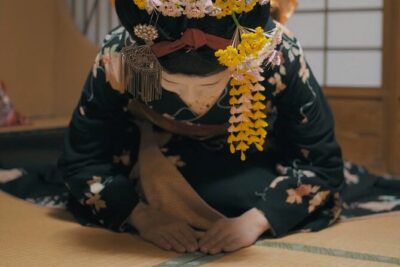
A maiko, a young woman training in Kyoto’s traditional performing arts, welcomes you into the world of tea, dance, and party games at Tondaya, a 140-year-old wooden townhouse. The setting is part of the appeal: this is not a stage in a modern theater, but a historic machiya with artifacts and stories to explore.
I like that the visit pairs a guided look at the house with live arts and a chance to ask questions. The tea ceremony and photographs with the maiko also make the experience more personal than a performance you simply watch from your seat.
The main caution is the price: at $709 per person, you should want the full cultural program, not just a brief dance. Interpretation may also be uneven, so the experience can depend on how well your guide or translation device bridges the language gap.
The essentials at a glance
- A 140-year-old machiya: Tour Tondaya, a historic Kyoto townhouse recognized for its cultural importance.
- Tea with Uji matcha: A maiko hosts a traditional tea ceremony and serves Japanese sweets.
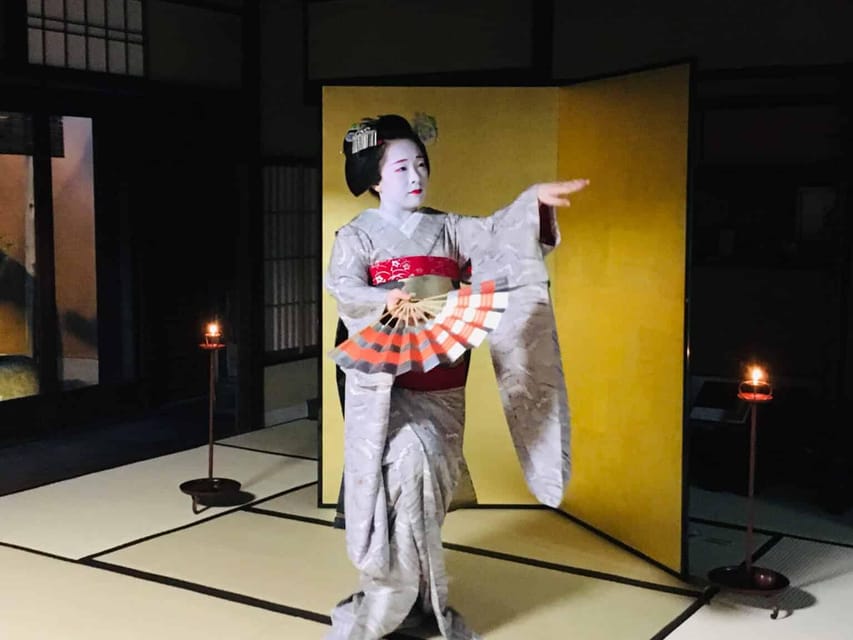
- Buyō dance and classical music: The performance gives you a taste of refined Japanese dance in a traditional setting.
- Games and conversation: The maiko explains traditional party games and answers questions about maiko culture.
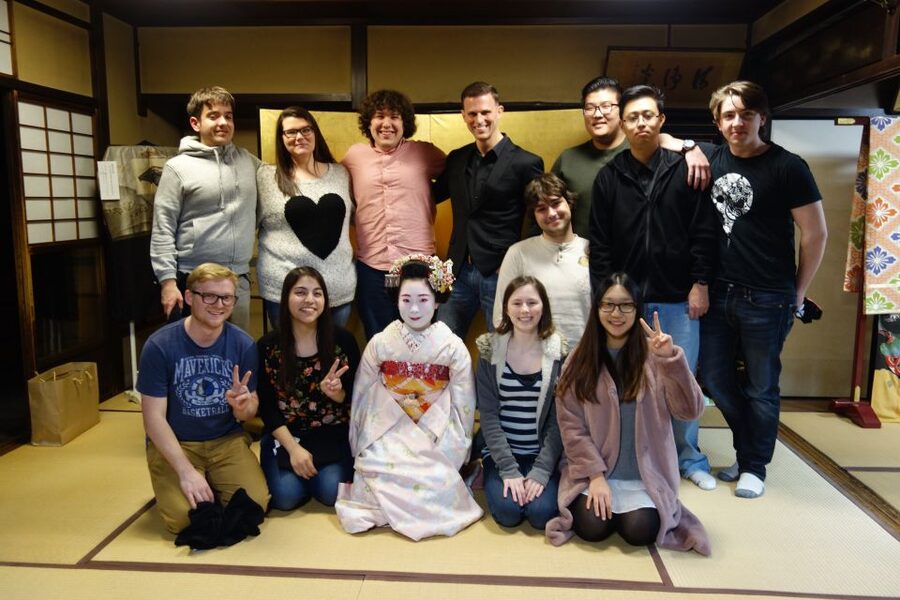
- Photos are part of the visit: You’ll have time for commemorative pictures with the maiko, an unusual opportunity.
- Plan for the practical details: Bring socks, book for at least two people, and keep the strict cancellation terms in mind.
At Tondaya, the house is part of the experience
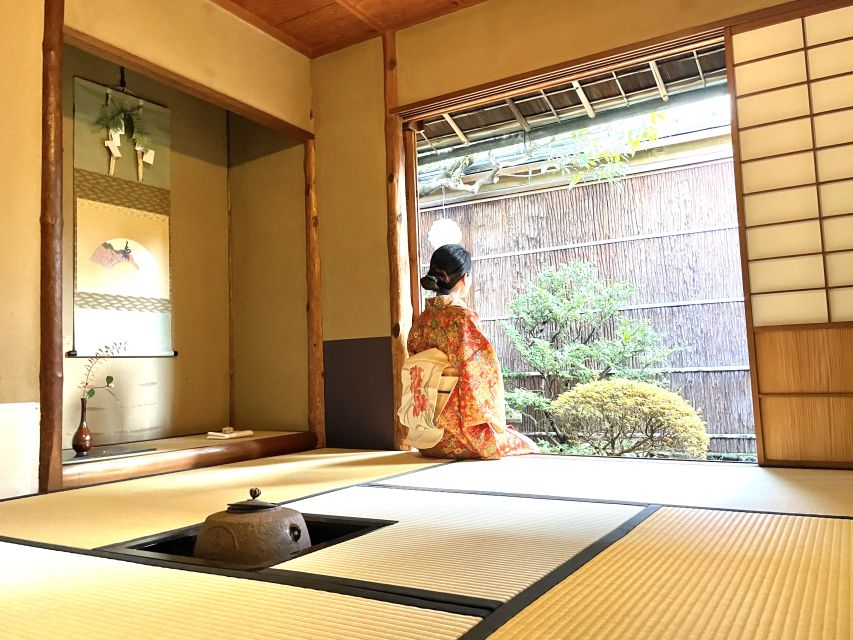
Tondaya is a 140-year-old machiya in Kyoto’s Nishijin district. A machiya is a traditional urban townhouse, and this one is presented as a culturally significant landmark, with historically valuable objects and stories shared during a guided tour. The visit begins here, before the maiko program, so you have a chance to understand the setting rather than treating it as a decorative backdrop.
That distinction matters. A performance in a historic house can feel different from one in a formal theater, but the building is not just atmosphere: it is one of the main parts of what you are paying for. The guided walk gives you context for the objects and the house itself, although the precise route and the amount of time spent on each room are not specified.
I would go in ready to listen and look closely. You are visiting a place with its own history, not simply waiting for the dance to begin. Staff with experience in traditional arts such as kimono, tea ceremony, calligraphy, and ikebana may help explain the cultural setting. English and Chinese support is available, but English-speaking staff are not guaranteed for every part of the program. An interpreter may be arranged, and a translation device may be used when needed.
That language point deserves attention. One account of the experience described a serious problem with English translation, while another found the translator’s work fine. The practical lesson is not to expect every explanation to come through perfectly. If a detail matters to you, ask for it to be repeated or clarified while you have the chance.
More geisha and maiko experiences in Kyoto:
- Kyoto Geisha Walking Tour: Gion District & Hidden Gems
★ 4.7 · 3,273 reviews - Kyoto: Gion Magical Night Walking Tour with Geisha Trivia
★ 4.9 · 2,393 reviews - Kyoto: Gion Geisha District Walking Tour – Stories of Geisha
★ 4.7 · 2,187 reviews
Tea with Uji matcha, served by a maiko
The tea ceremony is a central part of the visit, not an optional add-on. A maiko serves Uji matcha and Japanese sweets, giving you a close look at a traditional art as well as a cup of tea. If you have only encountered tea ceremony as a formal display, the personal setting here can make the gestures and etiquette easier to follow.
The ceremony is also a useful moment to slow down. The program moves from the house tour into a meeting with the maiko, and the tea offers a quieter introduction before the dance and games. You are not being asked to master the ceremony in two hours. Instead, you can watch the practice, appreciate its care, and ask questions when the opportunity comes.
One important clarification: the activity is called a happy hour, but alcoholic drinks are not included. The stated refreshments are matcha and Japanese sweets. One past account described an experience with no tea or food, so if those parts are essential to your decision, confirm what is planned for your date before booking. The advertised format includes the tea ceremony and sweets, but the actual delivery may not always feel identical.
Buyō dance in a historic setting
After the tea ceremony comes a buyō performance, a traditional Japanese dance accompanied by classical music. The description frames it as a chance to glimpse the atmosphere of a performance in a machiya in the late Edo period. You do not need prior knowledge of Japanese dance to watch, but a little patience helps: this is a refined art, not a fast-paced show built around spectacle.
The setting can help you notice small details in the movement, costume, and music. The performance is one part of a broader cultural visit, so it is best understood alongside the house tour and conversation rather than judged as a stand-alone stage show. If your main goal is a long performance, the two-hour schedule may not satisfy you. The dance is one element of the program, and its exact length is not specified.
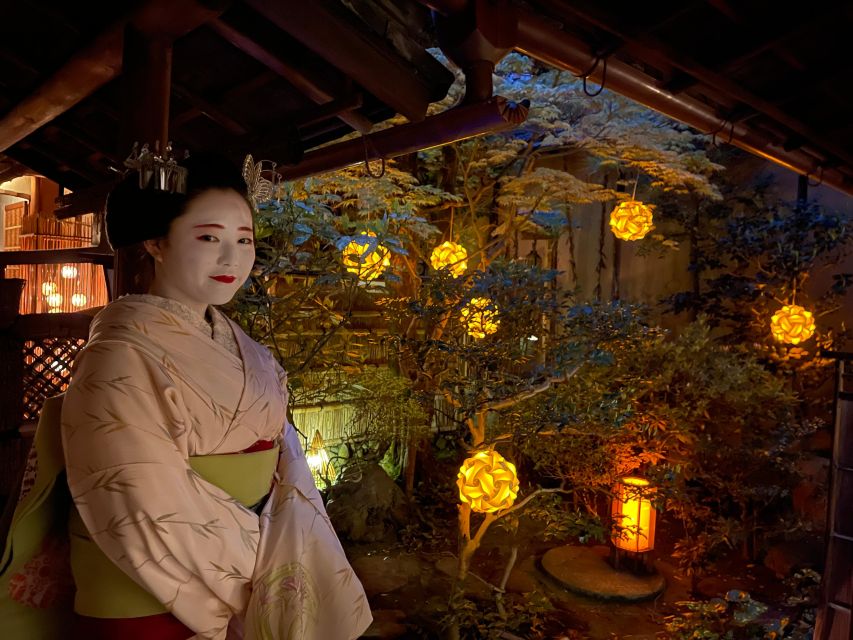
There is also a possibility that a geiko will appear instead of a maiko, depending on availability. You cannot request one or the other. If meeting a maiko specifically is the reason you are booking, understand that the performer may differ, even though the experience remains rooted in Kyoto’s traditional arts.
Games, questions, and a rare photo opportunity
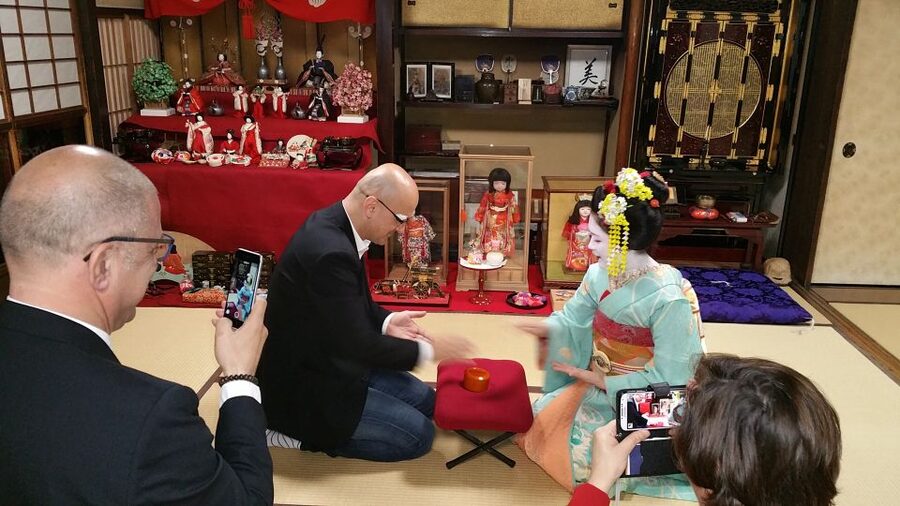
After the dance, the maiko introduces traditional party games, explains the rules, and plays with you. This is likely to be the most relaxed part of the visit. You are no longer only watching a performance; you have a chance to take part and ask about maiko culture directly.
The experience is designed to make this contact possible in a way that ordinary training life does not. Maiko are generally difficult to meet in close settings, and photography with the public is not normally permitted. Here, time for commemorative photos is included. Bring your camera or phone ready, and be mindful of the guidance you receive about taking pictures.
The chance to ask questions is valuable, but it depends on communication. Staff can try to arrange an interpreter, and a translation device may be used. If you have questions about the training, daily life, or the arts involved, think of a few in advance. That way, you can make the most of the conversation even if the translation is brief or imperfect.
The warmest feedback about this experience centers on the maiko’s presence and the hospitality of the hosts. One visitor called the maiko enchanting, and another praised the hosts as attentive and welcoming. That personal exchange is the heart of the visit. It is also the part most vulnerable to poor translation or a rushed schedule, so arrive on time and ready to engage.
More Kyoto tours in Kyoto:
- PERFECT KYOTO 1-Day Bus Tour
★ 5.0 · 13,518 reviews - Kyoto: Fushimi Inari, Kinkakuji, Bamboo Grove 1 Day Bus Tour
★ 4.8 · 4,316 reviews - Kyoto: Tea Ceremony in a Traditional Tea House in Kiyomizu
★ 4.9 · 3,519 reviews - Kyoto: Tea Ceremony Ju-An at Jotokuji Temple
★ 4.9 · 3,207 reviews
Is $709 per person good value?
At $709 per person, this is a costly two-hour experience. The price is easier to understand if you value the combination: access to a historic machiya, a guided cultural visit, tea ceremony, dance, games, explanations, and photos with a maiko. You are paying for a rare and arranged encounter, not simply for two hours of entertainment.
But the value depends on what actually matters to you. If you mainly want to see a dance, the cost is hard to justify. A past attendee found a version lasting barely an hour, with no tea or food, far too expensive for what was delivered. Another account described poor translation and a disorganized feeling. At the same time, several short reactions were strongly positive, and one visitor praised the hospitality and a meal. The stated program here does not include a meal, so don’t book expecting dinner.
The mixed experiences point to two sensible questions before you commit: confirm the elements planned for your date, and ask how English interpretation will work. The activity is listed as two hours, with Japanese, English, and Chinese language support, but a live interpreter is not guaranteed. If these details are important, get clarity before paying.
Timing, clothing, and booking details
The meeting point is Tondaya-Nishijin Japanese Cultural Experience Museum. The experience lasts two hours, and you should arrive on time. Reservations require at least two participants, so solo visitors cannot book on their own under the stated terms.
Bring socks, not stockings. The instructions specifically ask you to wear socks, so plan your outfit accordingly. The experience is not suitable for wheelchair users.
Maiko arrangements need to be made at least ten days in advance. December 29 through January 10 is unavailable for maiko appointments, and Tondaya closes from December 31 through January 1. A geiko may be arranged instead, depending on availability, and preferences cannot be accepted.
Cancellation terms are strict. The activity is described as non-refundable, with an exception stated for cancellations made at least ten days before the appointment. Because the maiko must be booked ahead and cancellations can leave Tondaya responsible for the cost, check the precise terms before booking. This is not a flexible, last-minute plan.
Who should book this experience?
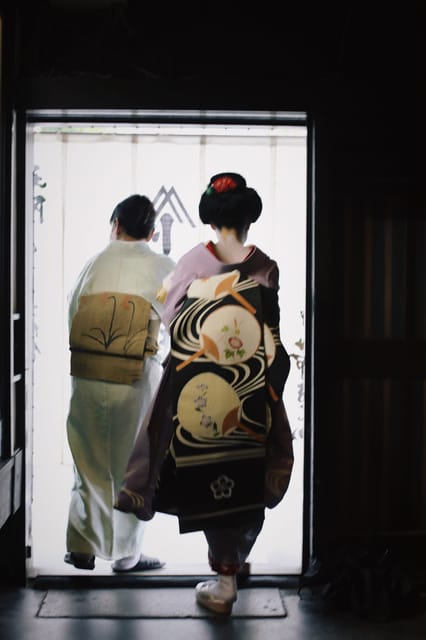
I’d consider Tondaya if you have a serious interest in Kyoto’s traditional arts and want a personal encounter rather than a quick photo stop. The combination of house history, tea, dance, games, and conversation offers a fuller cultural picture than any one element could provide alone. It also suits couples or small groups who are comfortable spending a substantial amount for a rare, carefully arranged visit.
It is a weaker fit if your budget is tight, if you need dependable English interpretation throughout, or if you expect a long show or a meal. The tea ceremony, sweets, and performance are part of the stated experience, but the actual pace and communication may vary. You should book for the whole program and its setting, not for a guaranteed, flawless translation or a single highlight.
My advice: book if the prospect of sitting in a historic Kyoto townhouse, sharing tea, and speaking with a maiko feels worth the price even if the schedule is compact. If you are unsure, ask about the interpreter and confirm the program details first. At this cost, a little preparation is not fussiness. It is how you make sure the experience fits what you came for.
FAQ
How long is the Maiko Happy Hour?
The experience is scheduled to last two hours. The exact amount of time spent on the house tour, tea, dance, and games is not specified.
What is included in the price?
The experience includes a guided tour of Tondaya, a maiko dance performance, party games, a tea ceremony, photography opportunities, and a lesson on Kyoto and maiko culture.
Are drinks or food included?
The stated program includes Uji matcha and Japanese sweets during the tea ceremony. Alcoholic drinks are not included, and a meal is not listed as part of the experience.
What languages are available?
The listed languages are Japanese, English, and Chinese. An interpreter may be arranged, and a translation device may be used when needed, but English-speaking staff are not guaranteed for every part of the visit.
Can I be sure that a maiko will attend?
No. Depending on availability, a geiko may be arranged instead. You cannot request a preference.
What should I wear or bring?
Bring socks, and do not wear stockings. No other clothing requirements are specified.
Is the experience wheelchair accessible, and can I cancel?
It is not suitable for wheelchair users. The activity is described as non-refundable, with an exception stated for cancellations made at least ten days before the scheduled appointment. Check the terms before booking.
Newly added in Kyoto
- Uji: Private immersion into Kyoto’s tea and reglious culture★ 5.0 · 17 reviews
- Whisk Your Own Matcha: A Zen Matcha Experience at Temple★ 3.6 · 7 reviews
- Kyoto tea town for matcha lovers★ 5.0 · 16 reviews
- Treasures of Kyoto: Gion & historical Walking Tour★ 5.0 · 6 reviews
- Kyoto Matcha Green Tea Tour★ 4.5 · 23 reviews
- Uji and Wazuka Matcha Farm Half Day Private Guided Tour★ 5.0 · 21 reviews
- Uji Tea Ceremony and UNESCO Heritage Walking Tour★ 5.0 · 20 reviews
- Utilising upcycled Matcha! Creating matcha incense (Uji, Kyoto)★ 5.0 · 6 reviews
Kyoto Geisha Tours, compared.
Kyoto Geisha Walking Tour: Gion District & Hidden Gems
Read our review →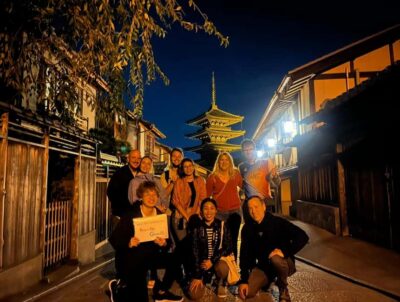
Gion Magical Night Walking Tour with Geisha Trivia
Read our review →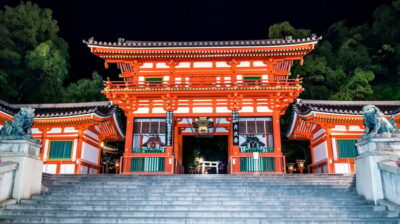
Gion Geisha District Walking Tour – Stories of Geisha
Read our review →
Best of Kyoto: Gion, Geisha, Pagodas & Cobblestones
Read our review →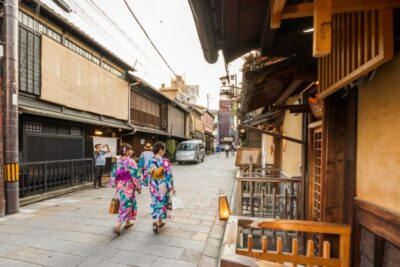
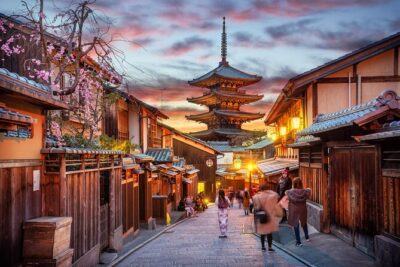
Kyoto Gion Cultural Walk & Geisha Show with Dining Options
Read our review →
Browse the lists this tour appears in