
Reviewed · NARA TOURS
KYOTO-NARA: Giant Buddha Deer Pagoda “Geisya” (Italian, full day)
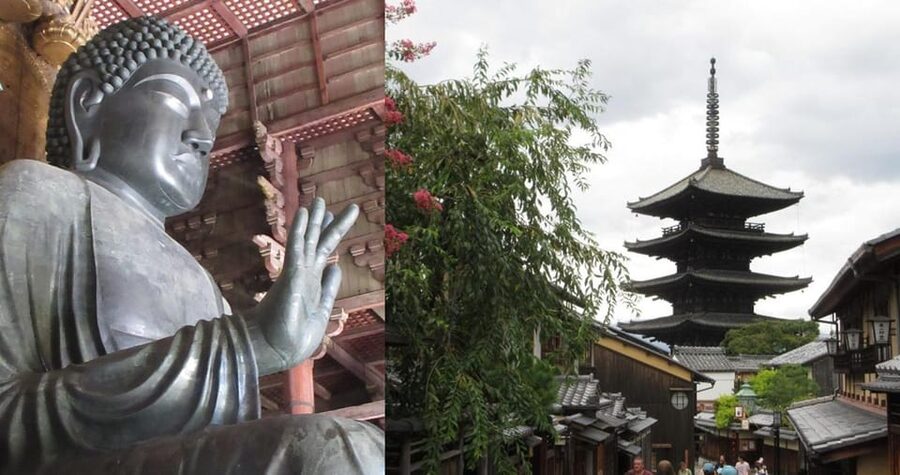
Nara’s Great Buddha fills a vast wooden hall, and outside, tame deer wander through the park as if they own the place. This full-day trip pairs that memorable scene with Kyoto’s Kiyomizu-dera and Gion, giving you two historic cities without having to piece together the transport yourself.
I like the small group, capped at 15, and the Italian-speaking guide who explains the religious and local stories behind the monuments. I also like that trains, buses, and entrance fees are included, so the $176 price covers several of the day’s main costs.
The trade-off is a packed schedule: you’ll spend time on trains, buses, and footpaths, and the planned visits are short at some stops. If you want hours to browse Nara or Kyoto at your own pace, this isn’t that kind of day.
At a glance
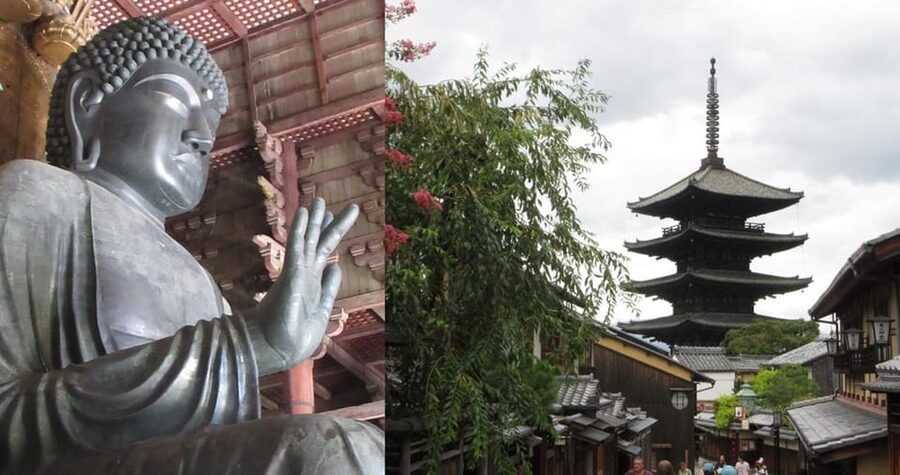
- The Great Buddha is the morning’s main event: Allow about 1.5 hours at Tōdai-ji for a guided visit, sightseeing, and some shopping.
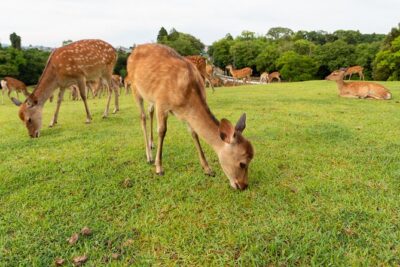
- Nara’s deer are part of the setting: You can buy special cookies at park stalls and feed the tame deer.
- Kyoto takes over after lunch: The afternoon includes Kiyomizu-dera, its old approach streets, and a short guided walk in Gion.
- Your guide adds context in Italian: Past departures have been led by Omae, a Japanese guide who speaks fluent Italian and shares local legends.
- Most transport costs are covered: Scheduled train and bus fares, plus entrance fees to the monuments on the program, are included.
- Expect a full, active day: The group is limited to 15, but the schedule includes several transfers and stretches on foot.
Nara’s Great Buddha makes a powerful first stop
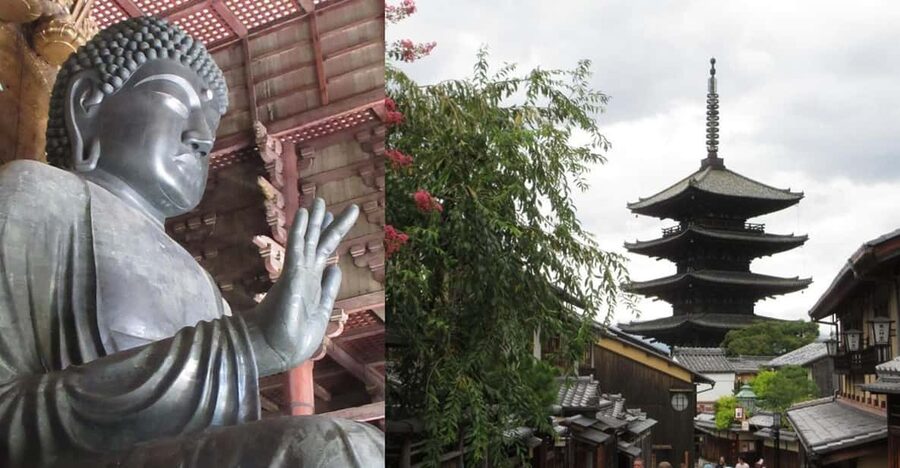
The day begins at Kyoto Station, then heads by train to Nara Station. From there, a bus takes you toward Tōdai-ji, the temple best known for its giant Buddha statue, one of the largest in Japan. The journey is straightforward with a guide, but it still takes time: the planned train ride is about 45 minutes, followed by a 15-minute bus ride.
At Tōdai-ji, you have about 1.5 hours for the guided visit, sightseeing, and shopping. That’s enough time to see the main monument with an explanation, but not so much that you can linger indefinitely. I’d stay close to the guide during the main explanation, then use any free time to take photos and look around at your own pace.
The guide’s role matters here. A large statue is impressive on its own, but the explanations connect the temple’s monuments, national treasures, and Buddhist devotion to the people and beliefs behind them. The tour also promises stories and historical details that aren’t usually laid out in standard guidebooks. Past departures with Omae have included local legends and time for questions, delivered in fluent Italian with a sense of humor.
After the temple, a short walk leads to Ukimido, where the group has about 10 minutes to visit, walk, or pass by. The stop adds a change of pace after the temple’s main event, but it is brief. Treat it as a small pause in the Nara visit rather than a long independent exploration.
More Nara trips in Kyoto:
- World Heritage Kyoto & Nara Uji Authentic Matcha Experience
★ 5.0 · 1,573 reviews - Kyoto/Osaka: Nara, Fushimi Inari Taisha, Arashiyama Bus Tour
★ 4.7 · 1,275 reviews - Nara Half Day Trip Walking Tour (Private Option Available)
★ 5.0 · 937 reviews
Deer in Nara Park, with a practical warning
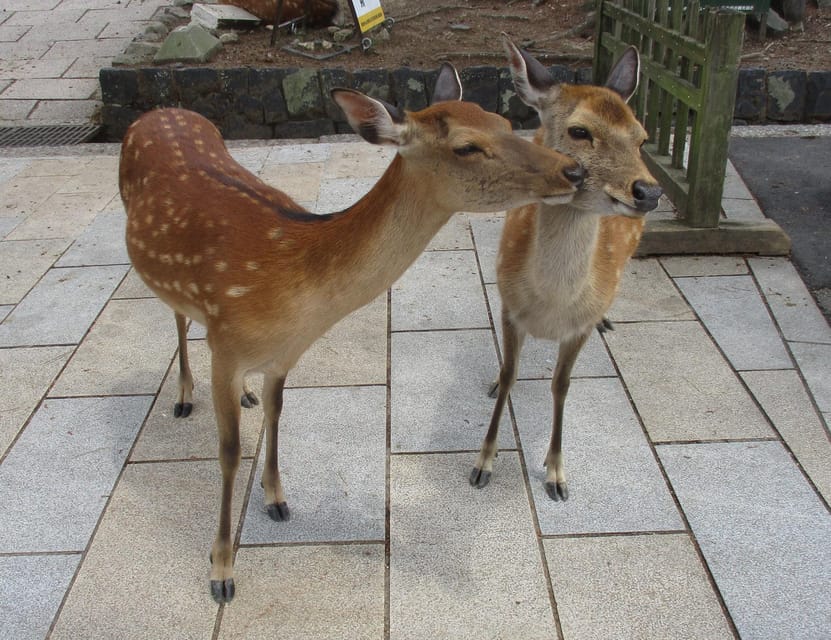
The park around the Buddha temple is known for its tame deer, which have lived alongside local residents since ancient times. You can buy special deer cookies at designated stalls and feed them. It’s a distinctive part of the visit, and an easy way to see Nara’s everyday connection between its heritage and its animals.
Keep in mind that the deer are animals, not statues. The tour information describes them as tame, but it doesn’t promise a particular kind of encounter or interaction. Follow the guide’s advice and use the designated cookie stalls rather than bringing your own food.
The planned 10-minute stop at Ukimido and the time at Tōdai-ji give you a taste of the park, not an entire day to roam it. If Nara’s deer are your main reason for going, or you want to explore more of the city, consider whether a guided day trip with a set timetable suits you better than spending the day there independently.
Back to Kyoto, then a one-hour reset
After the Nara stops, you return by train to Kyoto Station. The ride is scheduled for about 45 minutes, followed by a one-hour break at the station before the afternoon portion begins. That break is useful after a morning of transfers and walking, and gives you a chance to rest before setting off again.
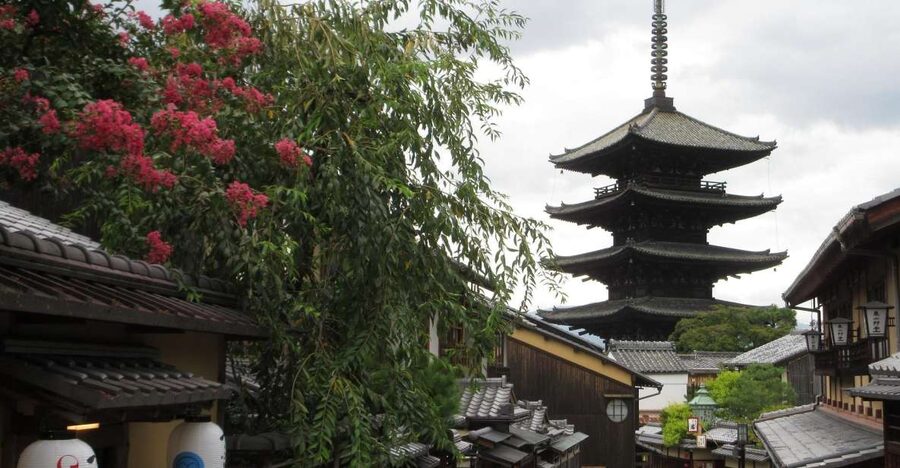
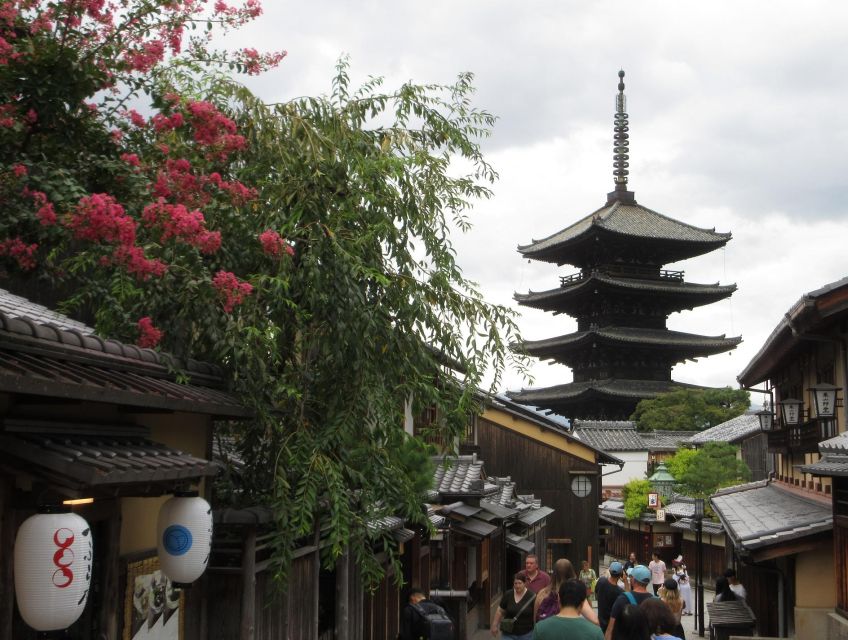
The tour then travels by bus for about 15 minutes and continues on foot toward Kiyomizu-dera. The route passes through old pilgrimage streets that have developed over many centuries. Shops, sweet sellers, and bars line the way, making the approach part of the visit rather than simply a path to the temple.
The lively commercial stretch is part of the appeal, but it can also feel busy and full of distractions. You’ll have a guide to point out the historical and religious details, though the schedule doesn’t set aside a long block for browsing every shop. If you see something you want to return to, ask the guide what the timing allows.
Kiyomizu-dera and its old approach streets
Kiyomizu-dera gets about one hour for a guided visit. The temple is one of Kyoto’s best-known Buddhist sites, and the guide explains its cultural, historical, and religious significance along with the must-see details. That context is especially helpful if you’re seeing several major temples during your trip and want to understand more than the view and the architecture.
The hour is a focused visit, not a slow afternoon. You’ll need to keep an eye on the group and the time, particularly if you want to take photos or stop at a shop along the approach. The itinerary includes a 15-minute walk before reaching the temple and another 20-minute walk after it, so comfortable walking shoes are a sensible choice.
The route is described as an ancient pilgrimage approach, now lined with shops and places to eat and drink. That mix of sacred destination and busy shopping street is a useful glimpse of how Kyoto’s historic sites function today. You get the temple’s religious setting, but also the everyday commercial life that has grown around it.
More full-day trips in Kyoto:
- 5 Top Highlights of Kyoto Full Day Bike Tour (E-bike option)
★ 5.0 · 511 reviews - Full Day Biking Tour Exploring the Best of Kyoto
★ 5.0 · 498 reviews - Full Day Guided Tour to Kyoto and Nara from Osaka by Van
★ 5.0 · 420 reviews - Nara Park, Osaka & Kobe from Kyoto Full Day tour
★ 5.0 · 207 reviews
Gion-kobu and the question of seeing geiko
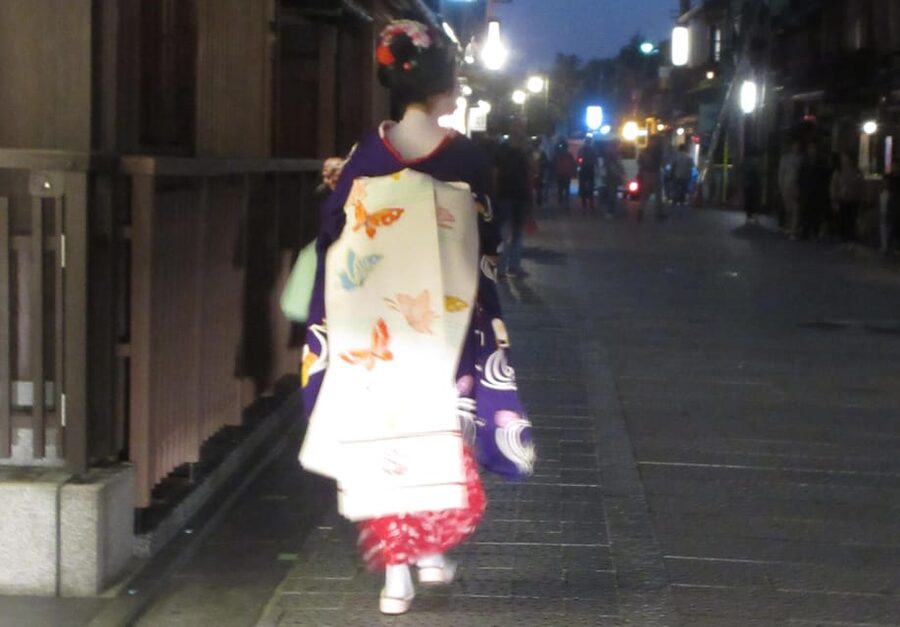
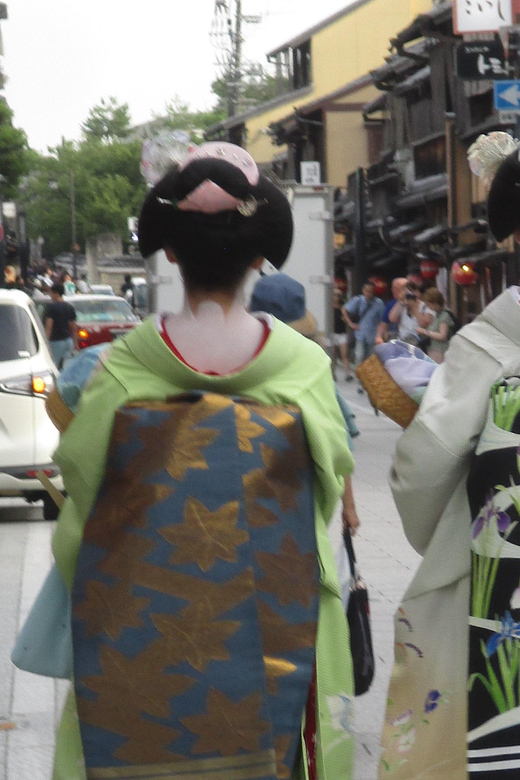
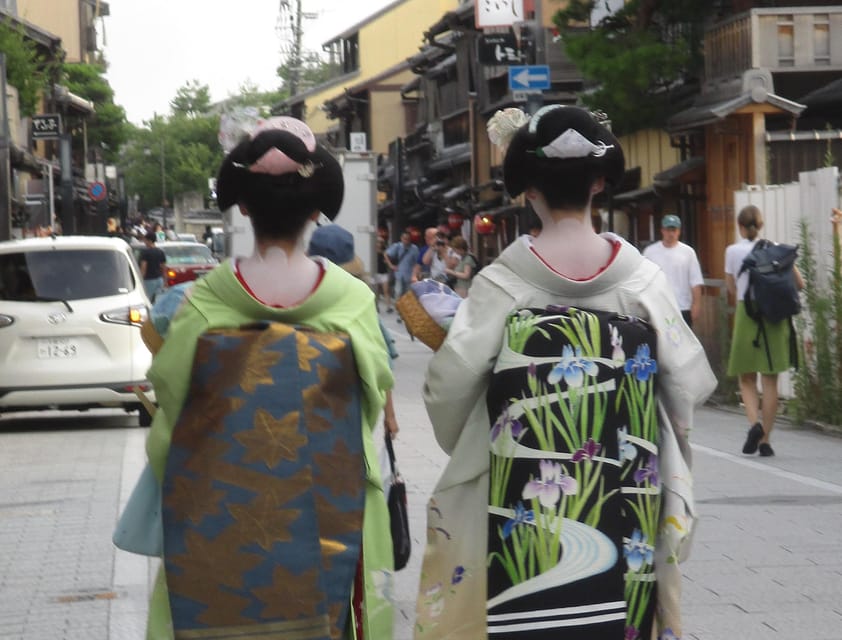
After Kiyomizu-dera, the group walks for about 20 minutes to Gion, where the guided visit lasts around 20 minutes. The tour focuses on Gion-kobu, an area associated with professional Maiko and Geiko artists, sometimes referred to by the older spelling Geisya in the tour name.
This stop is best understood as a brief introduction to the district and its traditions, not a guaranteed chance to see a Maiko or Geiko. The description explains where these artists work, but it does not promise a sighting. The guide can help you understand the cultural setting without reducing the visit to a hunt for a photograph.
The tour ends at Pontocho after another 10-minute walk. That finish point gives you a convenient place to continue your evening in Kyoto, though onward plans and meals are not included in the stated tour arrangements.
What the Italian-speaking guide brings
The main reason to choose this outing over arranging the same route yourself is the guide’s interpretation. The day moves between Buddhist monuments, local legends, deer, shopping streets, and Gion’s performing-arts district. A guide helps tie those parts together and gives you a chance to ask questions as they come up.
Omae has led some departures and is described as a Japanese guide who lived in Italy for more than a decade. Past participants praised her fluent Italian, humor, clear explanations, and ability to share mythological stories about places and objects. They also valued her willingness to accommodate requests while leaving time for independent photos and exploration.
Guide assignments can vary, so don’t book on the assumption that Omae will lead your specific departure. The stated tour language is Italian. One description also mentions answering questions in English, but Italian is the language listed for the live guide and tour, so ask the provider if you need English-language interpretation.
Is $176 a fair price?
At $176 per person, this is not simply a ride between Kyoto and Nara. Scheduled train and bus fares and monument entrance fees are included, along with an Italian-language guide and explanatory illustrations in Italian. That helps make the cost easier to assess: you’re paying for transport across two cities, admissions, and guided context in a language that may be difficult to find on a standard group tour.
The value is strongest if you want to cover both Nara and Kyoto in one day and would otherwise need to plan the connections yourself. A small group of no more than 15 can also make it easier to hear explanations and ask questions than on a large coach outing.
The value is less compelling if you want long stretches of free time, extensive shopping, or a deep visit to either city. The schedule gives about 1.5 hours at Tōdai-ji, one hour at Kiyomizu-dera, and shorter stops at Ukimido and Gion. One participant felt the outing could have been more complete for the time and price, a fair point if you expect a slow, unhurried tour. Think of it as a guided overview, not a thorough visit to every stop.
Practical details before you book
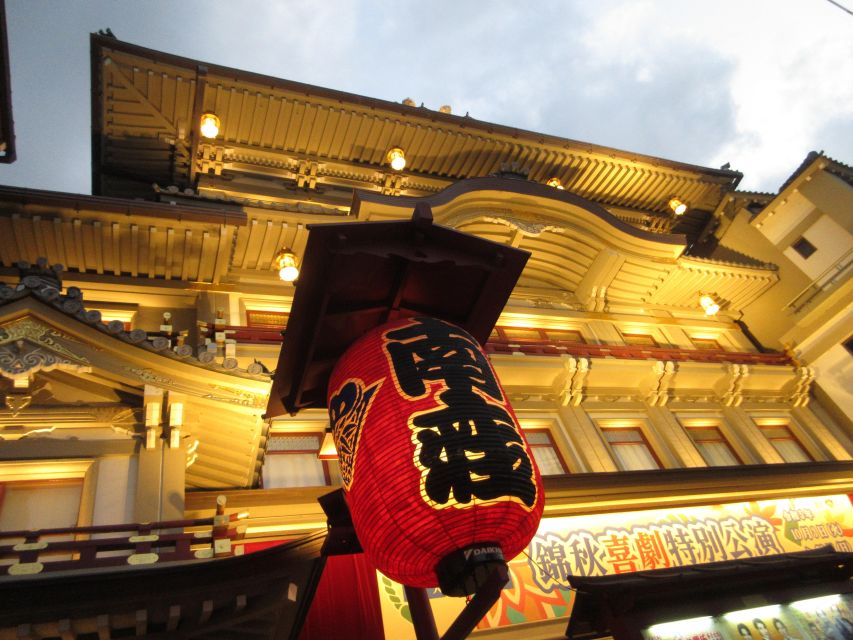
Meet at Kyoto Station in the space between the four escalators in front of the cab terminal, not the bus terminal. It is just east of the north central entrance. From the meeting spot, Kyoto Tower should be visible ahead and to your upper left. You’ll receive a confirmation email with detailed meeting-point information the day before.
The exact start time depends on availability, so check the schedule for your date. The listed duration is one full day. Since the plan involves train and bus transfers plus several walks, arrive ready for an active day and keep your personal items easy to carry.
The experience is listed as wheelchair accessible, and the group is capped at 15. If you have specific mobility needs, confirm directly with the provider how the walking sections and transfers will work for you. The tour also offers free cancellation up to 24 hours in advance and a reserve-now, pay-later option.
A practical extra: the provider offers free information, on request, about travel in Japan in general. If you have questions about getting around beyond this tour, ask before or during the outing.
Who should book this day
I’d choose this tour if you speak Italian and want a guided introduction to both Nara and Kyoto in a single day. It suits first-time visitors who value historical and cultural explanation, appreciate having train and bus fares arranged, and are happy to keep moving between major sights.
Families may also find the mix appealing: a giant Buddha, deer, temple streets, and Gion offer different kinds of interest across the day. The guide’s ability to answer questions and adapt to reasonable requests can help, though the short stops mean you’ll need to stay on schedule.
I’d skip it if you want to spend most of the day in Nara, browse Kyoto at leisure, or focus on a single temple in depth. The pace is the price of covering two cities. Book it for breadth and Italian-language insight; choose a slower plan if freedom to linger matters more.
FAQ
What language is the tour in?
The live tour guide and explanatory illustrations are in Italian.
How long does the tour last?
It is a full-day experience, listed as one day.
Where does the tour start?
It starts at Kyoto Station, between the four escalators in front of the cab terminal, east of the north central entrance.
Where does the tour finish?
The tour ends at Pontocho.
Are train and bus fares included?
Yes. Scheduled train and bus fares during the tour are included.
Are entrance fees included?
Yes. Entrance fees for the monuments visited on the program are included.
How large is the group?
The small group is limited to 15 participants.
Is the tour wheelchair accessible?
It is listed as wheelchair accessible. Contact the provider about your specific needs for the walking sections and transfers.
Can I cancel for a refund?
You can cancel up to 24 hours in advance for a full refund.
Do I have to pay when I book?
A reserve-now, pay-later option is available, so you can book without paying immediately.
Newly added in Kyoto
- Uji: Private immersion into Kyoto’s tea and reglious culture★ 5.0 · 17 reviews
- Whisk Your Own Matcha: A Zen Matcha Experience at Temple★ 3.6 · 7 reviews
- Kyoto tea town for matcha lovers★ 5.0 · 16 reviews
- Treasures of Kyoto: Gion & historical Walking Tour★ 5.0 · 6 reviews
- Kyoto Matcha Green Tea Tour★ 4.5 · 23 reviews
- Uji and Wazuka Matcha Farm Half Day Private Guided Tour★ 5.0 · 21 reviews
- Utilising upcycled Matcha! Creating matcha incense (Uji, Kyoto)★ 5.0 · 6 reviews
- Slow Cycling Tour at Uji’s Matcha Green Tea Fields and Heritage★ 5.0 · 25 reviews
Nara Tours, compared.
World Heritage Kyoto & Nara Uji Authentic Matcha Experience
Read our review →
Nara, Fushimi Inari Taisha, Arashiyama Bus Tour
Read our review →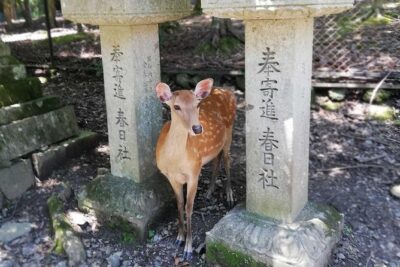
Nara Half Day Trip Walking Tour (Private Option Available)
Read our review →
Arashiyama, Nara & Fushimi Inari Shrine w/Lunch
Read our review →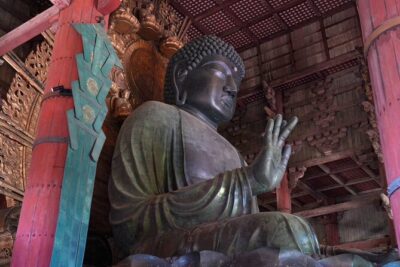
Nara Early Morning Tour (Kyoto or Osaka Departure Available)
Read our review →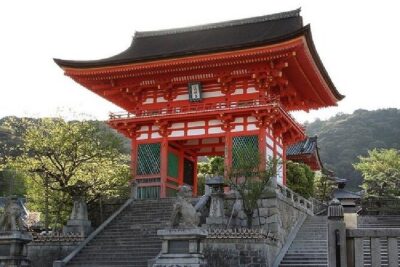
Full Day Guided Tour to Kyoto and Nara from Osaka by Van
Read our review →
Browse the lists this tour appears in