
Reviewed · KYOTO GEISHA TOURS
Kyoto: Gion Geisha District Walking Tour – Stories of Geisha
Gion’s teahouse lanes make more sense when you know what happens behind their wooden fronts. This two-hour evening walk connects those streets with the traditions of geiko and maiko, Kyoto’s working performers, and the history of the city’s entertainment districts.
I like two things in particular: the route links Pontocho and Gion rather than keeping you in one neighborhood, and the guide’s stories give the streets context beyond their photogenic facades. Guides such as Yuki, Nami, Yukari, Manuel, and Deborah have led tours that visitors describe as lively, clear, and welcoming to questions.
One consideration: seeing a geiko or maiko is possible, not promised. The main value is the history and cultural explanation, so book for the stories and streets, not a guaranteed encounter.
- Pontocho’s narrow lanes offer a close look at a traditional entertainment district, with eateries and elite clubs along the route.
- The Izumo-no-Okuni statue introduces the woman credited with inventing kabuki.
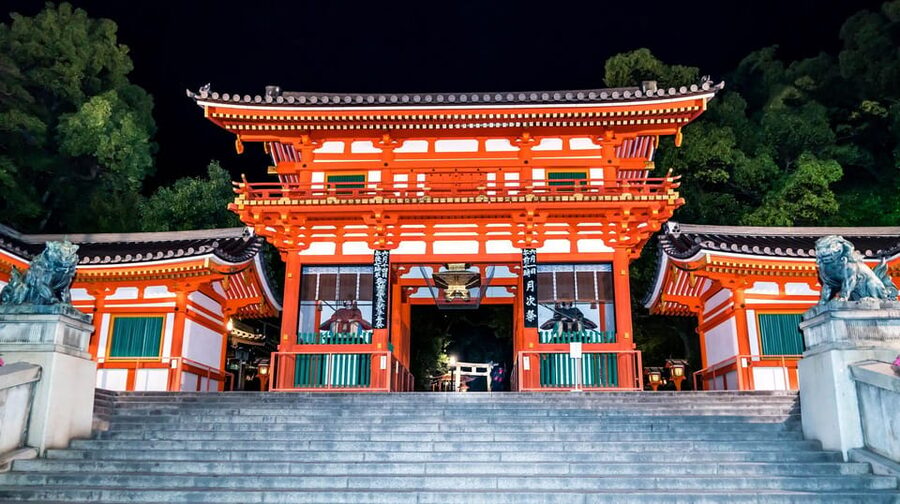
- Yasaka Shrine and Gion add important landmarks to the evening walk.
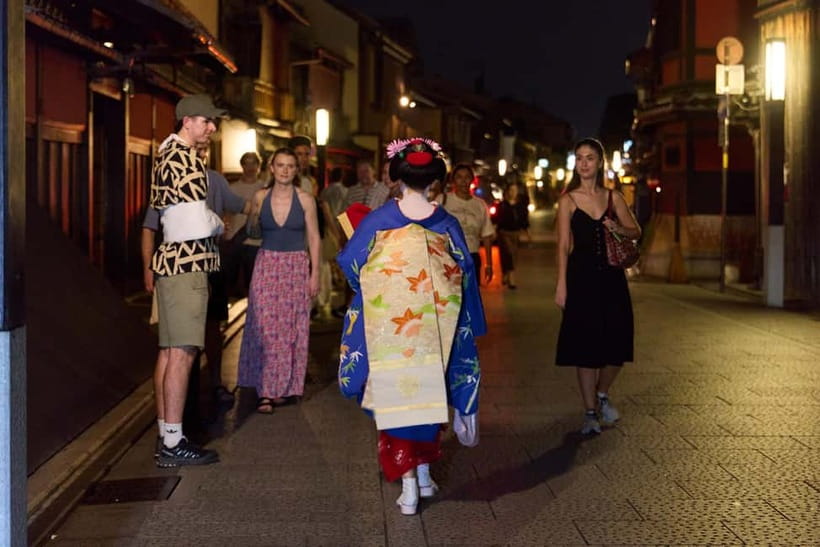
- Hanamikoji Street is a place to watch respectfully for geiko and maiko on their way to appointments.
- The guide shapes the experience: the best parts are the explanations, local perspective, and time for questions.
- At $20 for two hours, this is an affordable introduction to Gion and Pontocho, but it is a walking tour, not a performance or a visit inside a teahouse.
A night walk that explains Gion
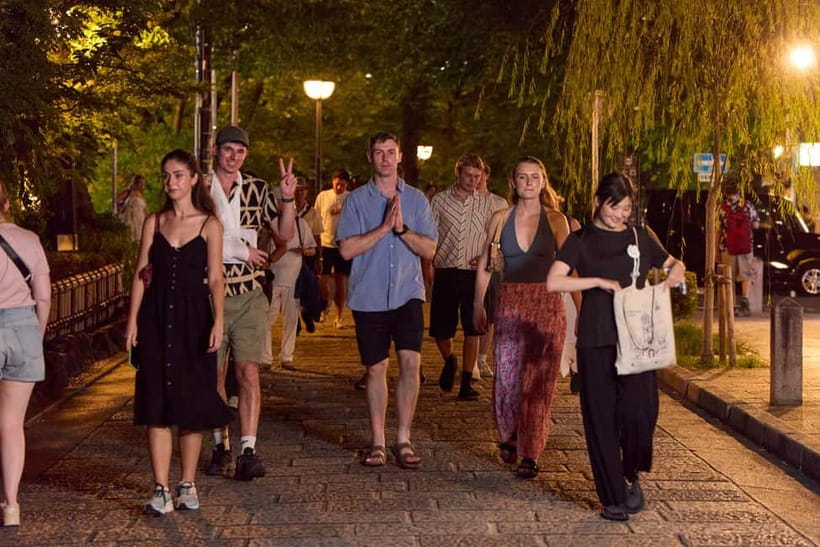
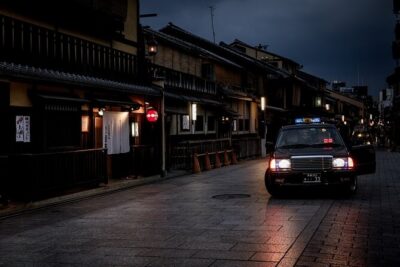
The appeal here is not simply walking through pretty old streets after dark. Gion and Pontocho are working districts, and the guide helps you understand the customs and training behind the geiko and maiko you may see moving between appointments. That context turns a stroll into a more thoughtful look at one of Kyoto’s best-known traditions.
The tour begins at Ben’s Cookies Kyoto Shijo, where your guide waits outside holding a sign. From there, you follow a route through Pontocho and Gion, pausing at notable sites along the way. It lasts two hours, and the route includes narrow lanes and several stops for explanations.
The strongest part is the human element. Guides including Yuki, Nami, Yukari, Manuel, and Deborah have been praised for explaining the subject with warmth and enthusiasm, answering questions, and making the walk feel personal. You cannot select a particular guide based on the information provided, so treat those names as examples of the guides who lead the experience, not a guarantee.
Pontocho Alley: small lanes, big atmosphere
Pontocho Alley is a natural first stop. Its narrow street is lined with traditional Japanese eateries and elite clubs, giving you a sense of how much of Kyoto’s nightlife is tucked away from the larger streets. Your guide points out the area and explains its place in the city’s entertainment life.
The lane is worth seeing at night, when the district is active and its old wooden buildings feel especially atmospheric. But keep expectations in check: you are walking through the area, not dining at one of its restaurants or entering a private club. The value is in seeing the setting and learning how it fits into the larger story of Kyoto’s geisha districts.
A guide can also help you notice details you might otherwise pass by. This is where the tour’s question-friendly approach matters. If you are curious about the buildings, the neighborhood, or the differences between geiko and maiko, ask while you walk. The route is short enough that the guide’s explanations are a central part of the experience, not an optional extra.
More geisha and maiko experiences in Kyoto:
- Kyoto Geisha Walking Tour: Gion District & Hidden Gems
★ 4.7 · 3,273 reviews - Kyoto: Gion Magical Night Walking Tour with Geisha Trivia
★ 4.9 · 2,393 reviews - Best of Kyoto: Gion, Geisha, Pagodas & Cobblestones
★ 4.9 · 2,058 reviews
Izumo-no-Okuni and kabuki’s beginnings
After Pontocho, the walk crosses the river and stops at a statue of Izumo-no-Okuni. The guide tells the story of this performer, who is credited with inventing kabuki. It gives the evening a wider cultural frame: the tour is not only about spotting geiko, but also about performance traditions and the people who shaped them.
This is a brief outdoor stop, not a museum visit or a long history lesson. Its value lies in connecting a specific person and monument to the broader subject of Kyoto’s entertainment culture. If you like understanding why a place matters, rather than simply taking a photograph, this is one of the more useful pauses on the route.
Gion: learning what geiko and maiko do
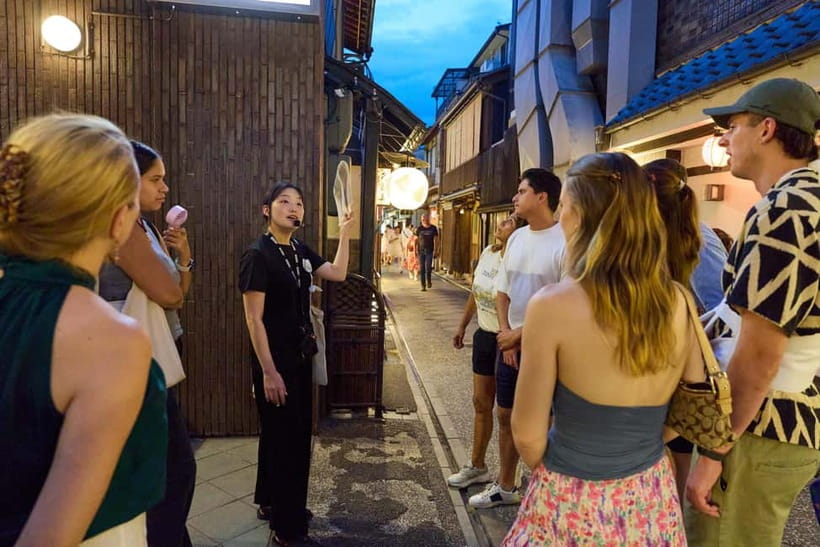
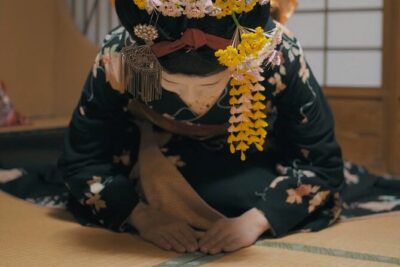
Gion is the heart of the tour. Here, your guide introduces the district’s history and the lives of its performers, including the training that prepares a maiko to become a geiko. The distinction matters: the names refer to different stages and roles within Kyoto’s tradition, and a good explanation helps you see beyond the popular image of geisha as simply elaborate dress.
This is also where the guide’s skill makes the greatest difference. Visitors have singled out guides such as Nami, Yuki, Yukari, Kenji, and Deborah for making the subject clear and engaging, even for people arriving with little prior knowledge. Some guides use photographs to explain aspects of geiko and maiko life, and guests have found that useful. You can ask questions as you go, which helps the experience adapt to your interests.
The tour’s respectful framing is important. Geiko and maiko are people going about their work, not attractions arranged for a group. The walk gives you background and a chance to watch the streets, but you should not treat a sighting as the goal or interrupt someone heading to an appointment. A few people have been lucky enough to see a maiko or geiko during the walk; others have found the stories rewarding even when few performers were out.
Yasaka Shrine: a change of pace
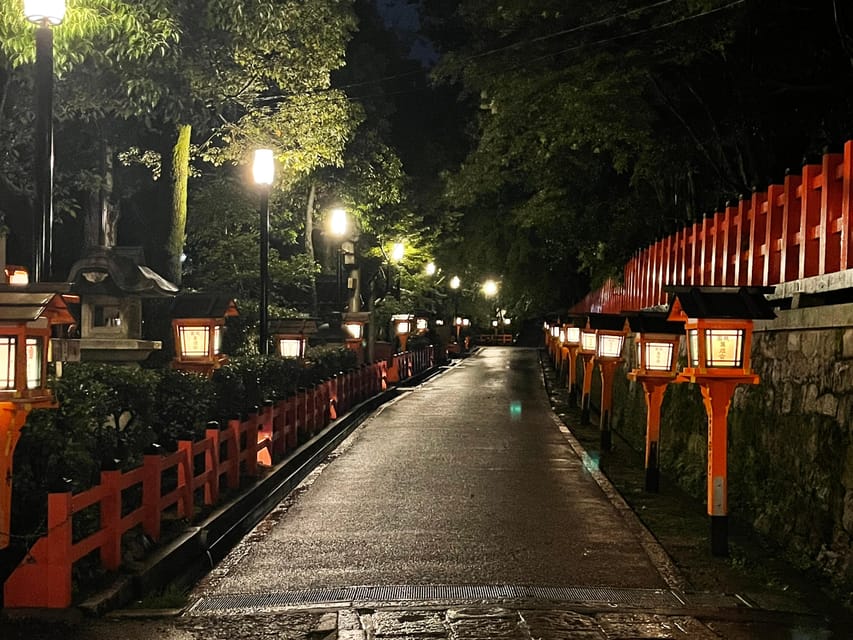
The route continues to Yasaka Shrine, with around 25 minutes devoted to a visit and guided explanation. It offers a shift from the intimate lanes of the entertainment district to one of Gion’s major landmarks. The shrine gives the guide another setting in which to talk about the area and its place in Kyoto.
Expect a guided stop, not an extended independent visit. The tour keeps moving, and the shrine is one part of a two-hour route with several other sites to cover. That pace suits you if you want a broad orientation in one evening. If you prefer to linger at each landmark, you may want to return on your own later.
More Gion tours in Kyoto:
- Night Walk in Gion: Kyoto’s Geisha District
★ 4.5 · 2,003 reviews - Kyoto Night Foodie Tour in Gion (9+ dishes + 6 Sake tastings)
★ 5.0 · 1,762 reviews - Kyoto Gion Geisha District Walking Tour – The Stories of Geisha
★ 5.0 · 1,441 reviews - Kyoto Gion: 2-Hour Geisha Culture & History Walking Tour
★ 5.0 · 1,186 reviews
Gion Corner and Hanamikoji Street
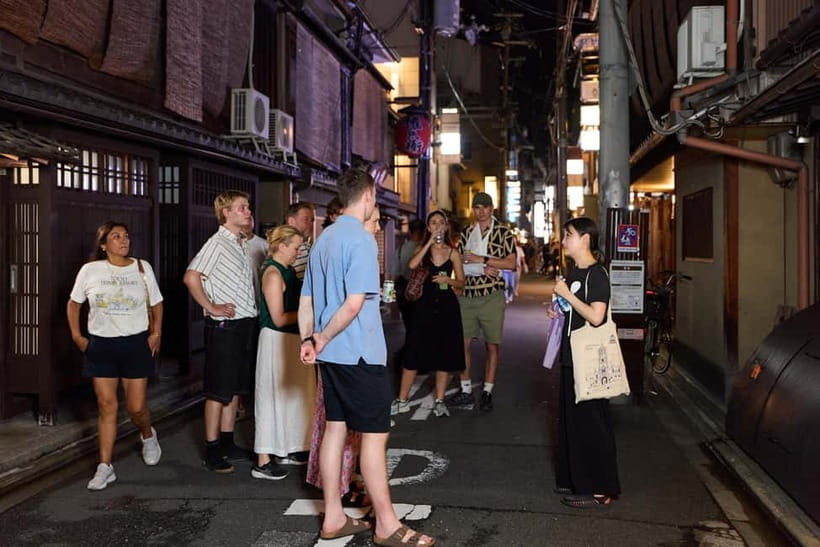
Gion Corner is a short stop before the walk reaches Hanamikoji Street. The itinerary allows about 10 minutes at Gion Corner and 15 minutes on Hanamikoji, so think of both as focused visits rather than long explorations.
Hanamikoji is one of the key places to keep your eyes open for geiko and maiko heading to appointments. The guide can help you understand what you are seeing and how to behave respectfully. Still, timing is a matter of chance. Darkness, weather, and the rhythm of the district can shape what you see, and no sighting is assured.
The evening setting is a strength, though it has a trade-off. The lanes come alive at night, but darkness can make some details harder to see than they would be during daylight. If your main interest is architecture or close-up photography, you may want to revisit parts of Gion during the day. If you want atmosphere and a chance to understand the district as an evening workplace, the timing makes sense.
What the $20 price buys
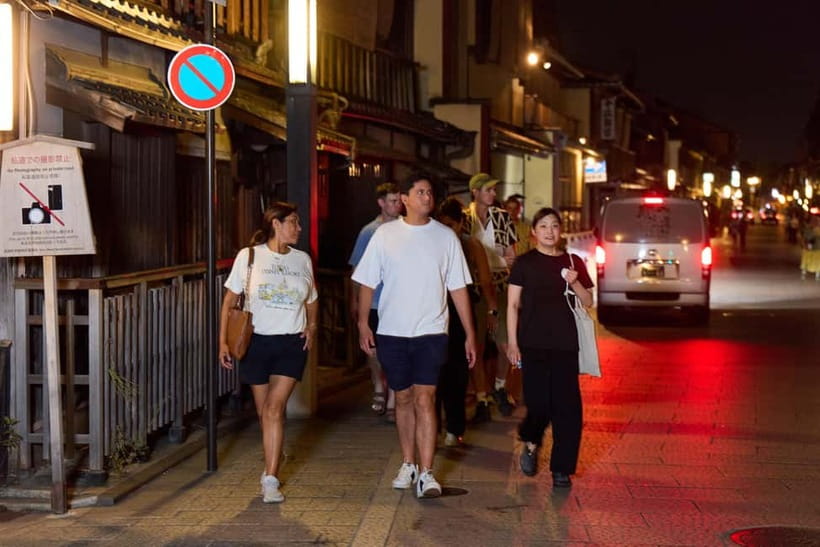
At $20 per person, the tour is good value if you want a guided introduction to geiko and maiko culture. You get a local guide for two hours, a route through two historic districts, and explanations at several significant stops. The price is modest for an experience that combines orientation, local stories, and time to ask questions.
The value is less compelling if you expect a private encounter, a meal, or entry to a teahouse. None of those is included. This is a walking tour, and its substance comes from the guide’s account of the streets and traditions. I would book it early in a Kyoto stay if you can: the background can help you make more sense of Gion when you return independently.
The guides are not interchangeable in personality, but the experience’s most praised qualities are consistent: clear explanations, an easy pace, and a willingness to answer questions. Some people describe small groups, while group size can vary. If a personal feel is important to you, it is worth checking the group details when choosing a departure.
Practical details before you set out
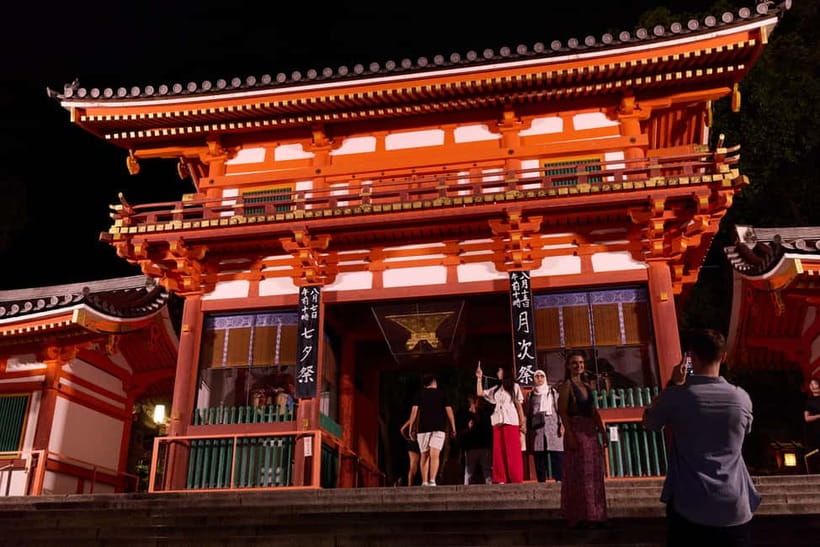
Meet in front of Ben’s Cookies Kyoto Shijo and look for the guide holding a sign board. The activity lasts two hours, with starting times shown when you check availability. English and Spanish are the listed languages.
Bring water, especially if you are walking in warm weather. Alcohol and drugs are not allowed, and the tour is not suitable for children under 10. The route moves through city streets and narrow lanes, so wear shoes you are comfortable walking in.
The tour does not necessarily finish where it starts. One person found this surprising, so ask your guide where the walk ends before setting off and plan your next stop accordingly. You can cancel up to 24 hours in advance for a full refund, and the reserve-now, pay-later option lets you book without paying today.
Who will get the most from this walk?
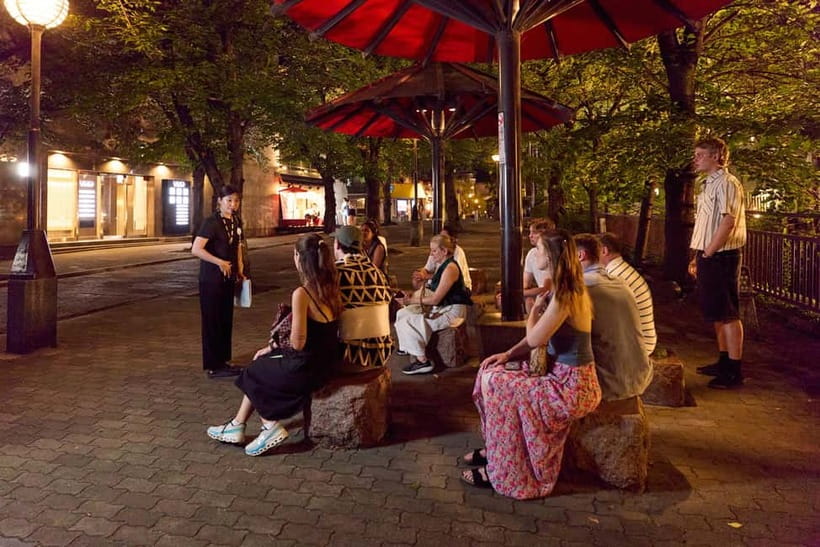
I recommend it to first-time visitors who want an informed introduction to Gion, especially if geiko and maiko culture interests them. It also suits anyone who likes learning through local stories rather than visiting a series of sites without context. The two-hour format gives you a useful overview without taking up an entire evening.
If you already know a lot about the subject, you can still enjoy the walk, but the pace and content are geared toward a broad audience. The guide can answer questions and, according to the experience of people who have taken the tour, can adjust explanations for different levels of familiarity. If you are hoping for a guaranteed sighting, however, this is not the right reason to book.
Should you book the Gion walking tour?
Book it if you want to understand what you are seeing in Gion and Pontocho, and value a local guide who can bring the streets and traditions to life. For $20, two hours of thoughtful context is a sound deal, particularly near the start of a Kyoto visit.
Skip it if you want entry to private venues, a long shrine visit, or a guaranteed meeting with a geiko or maiko. Come for the district’s stories and the chance to see its evening streets with more understanding. Any performer you happen to spot is an extra, not the promise.
FAQ
How long is the tour?
The walk lasts two hours and includes stops in Pontocho and Gion, as well as at the statue of Izumo-no-Okuni, Yasaka Shrine, Gion Corner, and Hanamikoji Street.
Where is the meeting point?
Meet your guide in front of the Ben’s Cookies Kyoto Shijo shop. The guide will be holding a sign board.
What languages are available?
The tour is offered with a live guide in English or Spanish. Check the available starting times when you book.
Will I see a geiko or maiko?
You may see one heading to an appointment, but a sighting is not guaranteed. The tour also covers the history, training, and traditions of geiko and maiko.
Is the tour suitable for children?
The tour is not suitable for children under 10.
What should I bring?
Bring water. Comfortable walking shoes are a sensible choice for a two-hour walk through city streets and narrow lanes.
Can I cancel or pay later?
You can cancel up to 24 hours in advance for a full refund. The reserve-now, pay-later option lets you book without paying today.
More walking tours in Kyoto
- Nishiki Market Brunch Walking Tour (7 Tastings + Brunch)
★ 5.0 · 1,355 reviews - Kyoto Arashiyama Walking Tour: Bamboo, Monkeys, Gardens & Secrets
★ 5.0 · 1,216 reviews - Nara Half Day Trip Walking Tour (Private Option Available)
★ 5.0 · 937 reviews - Kyoto: Izakaya Bars Guided Walking Tour
★ 4.9 · 815 reviews
Newly added in Kyoto
- Uji: Private immersion into Kyoto’s tea and reglious culture★ 5.0 · 17 reviews
- Whisk Your Own Matcha: A Zen Matcha Experience at Temple★ 3.6 · 7 reviews
- Kyoto tea town for matcha lovers★ 5.0 · 16 reviews
- Treasures of Kyoto: Gion & historical Walking Tour★ 5.0 · 6 reviews
- Kyoto Matcha Green Tea Tour★ 4.5 · 23 reviews
- Uji and Wazuka Matcha Farm Half Day Private Guided Tour★ 5.0 · 21 reviews
- Uji Tea Ceremony and UNESCO Heritage Walking Tour★ 5.0 · 20 reviews
- Utilising upcycled Matcha! Creating matcha incense (Uji, Kyoto)★ 5.0 · 6 reviews
Kyoto Geisha Tours, compared.
Kyoto Geisha Walking Tour: Gion District & Hidden Gems
Read our review →
Gion Magical Night Walking Tour with Geisha Trivia
Read our review →
Best of Kyoto: Gion, Geisha, Pagodas & Cobblestones
Read our review →
Kyoto Gion Geisha District Walking Tour – The Stories of Geisha
Read our review →
Kyoto Gion Cultural Walk & Geisha Show with Dining Options
Read our review →
Browse the lists this tour appears in