
Reviewed · NIJO CASTLE TOURS
Kyoto: Nijo-jo Castle and Ninomaru Palace Guided Tour
Nijo Castle is less a battlefield fortress than a stage for shogun power. In the Ninomaru Palace, rooms, paintings, and guarded entrances help explain how the Tokugawa rulers managed ceremony and political control. A guide can also take you into parts of the grounds that are normally closed to the public.
I like two things here: the clear historical context that gives the palace’s rooms meaning, and the chance to see restricted areas that you might miss on a self-guided visit. The hour-long tour keeps the focus on the castle’s main sights, while leaving you time afterward to wander the gardens at your own pace.
The main catch is the extra cost: the $16 tour price does not include castle admission, which you must pay in cash on site. The tour is in English, and the palace is closed on certain Tuesdays and over the New Year period, so check dates before you plan around it.
What makes this tour worth your hour
- The palace is the main event: Ninomaru Palace preserves the shogun’s former residence and working spaces, with room layouts and decoration that help explain how power was displayed.
- A guide adds meaning to the details: Guides including Kaoru, Miki, Ai, Ayu, and Don have been praised for clear explanations, lively storytelling, and answering questions.
- Some areas may be off limits to solo visitors: The tour’s highlight is access to parts of the castle that are not normally open to the public.
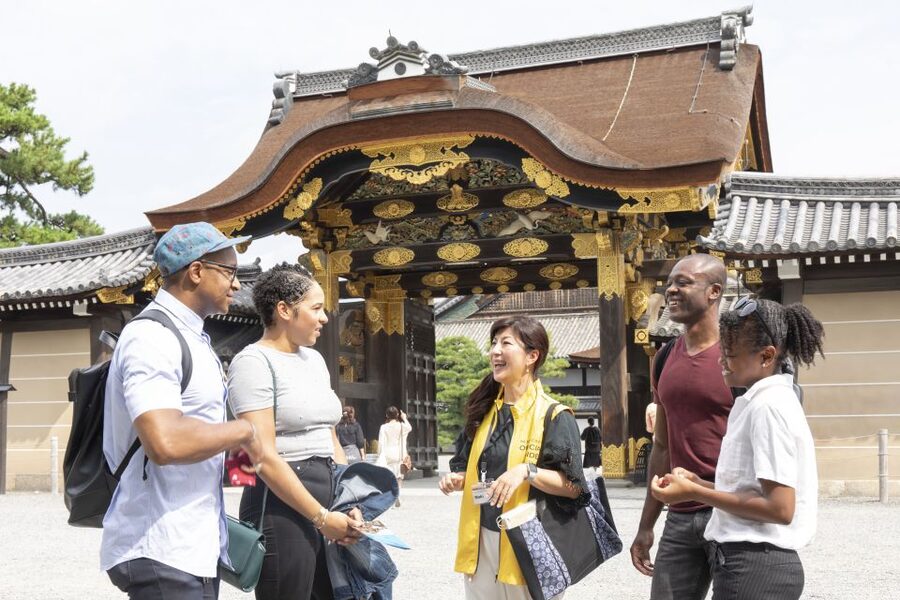
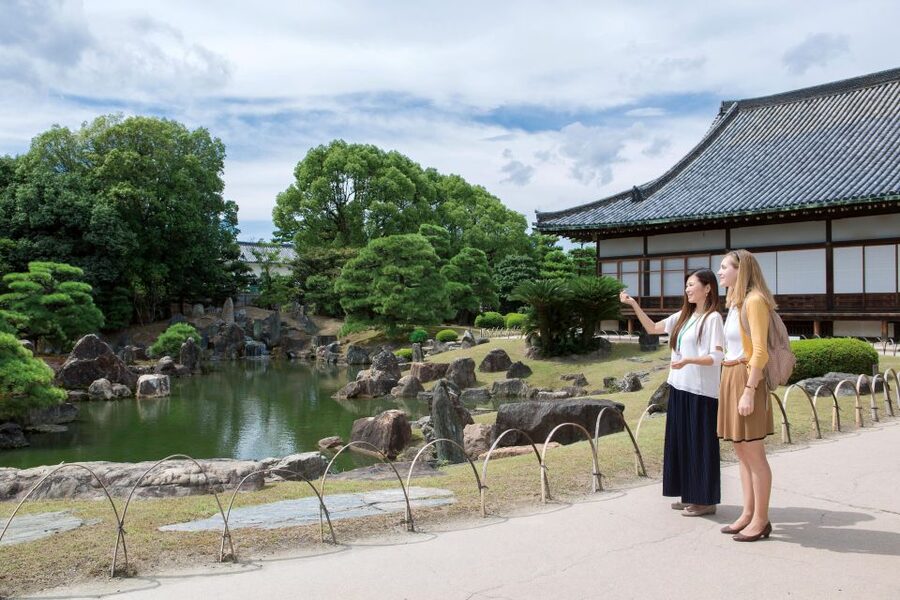
- The route includes more than indoor rooms: You visit Higashi Ote-mon Gate, Kara-mon Gate, Ninomaru Palace, and Ninomaru Garden.
- Plan for a separate admission payment: The $16 fee covers the guide, not entry to Nijo Castle. Bring cash for the on-site admission fee.
- You have time to keep exploring: The guided portion lasts 60 minutes, and you can continue through the grounds independently afterward.
Start at the East Main Gate
Your meeting point is the reception area beside the General Reception, just inside the East Main Gate. The tour begins at a specific time, and you cannot join if you arrive after it starts, so give yourself a buffer to reach the entrance and find the group.
The tour is in English. Each paid participant can bring one child aged 0 to 12 at no extra charge, but the child must stay with an accompanying adult. Earphones are provided only to paid participants, so if a child needs a set, the child needs an adult ticket. Each additional child beyond the one included per paid adult also requires an adult ticket.
Before you enter, remember that castle admission is not part of the tour price. Pay that fee in cash at the site. One visitor noted an admission charge of 1,300 yen, but fees can change, so check the current amount when planning your budget.
More Nijo Castle tours in Kyoto:
- Kyoto: Nijo Castle, Kiyomizu & Fushimi Inari Guided Tour
★ 4.7 · 700 reviews - Kyoto: Nijo, Kinkaku-ji, Arashiyama, Kiyomizu & Fushimi Inari
★ 5.0 · 699 reviews - Kyoto: Imperial Palace & Nijo Castle Guided Walking Tour
★ 4.7 · 453 reviews
The gates set the scene
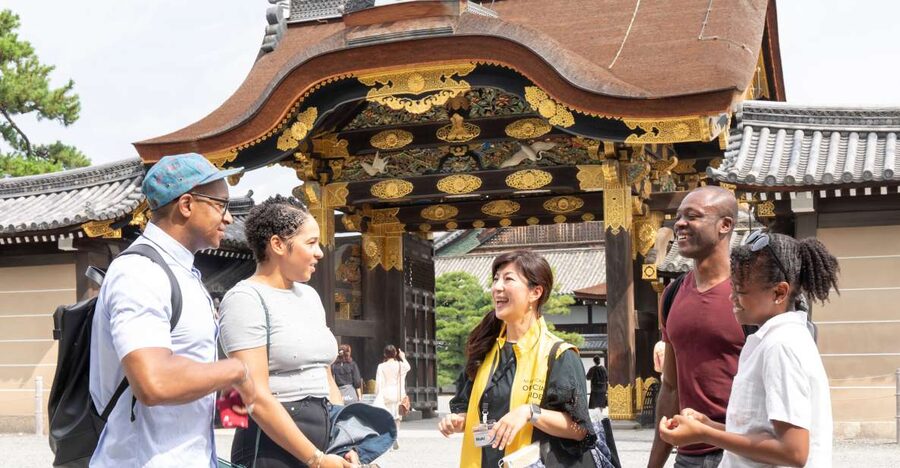
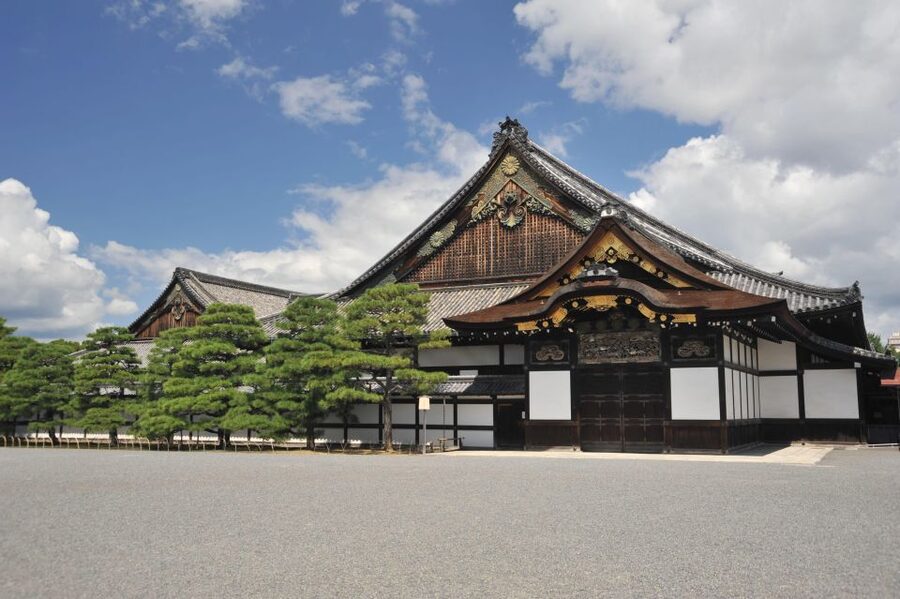
The route begins with Higashi Ote-mon Gate, the East Main Gate, then moves toward Kara-mon Gate, the ornate entrance to the Ninomaru area. These gates are more than a grand approach. They help you see how the castle controlled movement, marking the transition from the outer grounds toward the shogun’s residence.
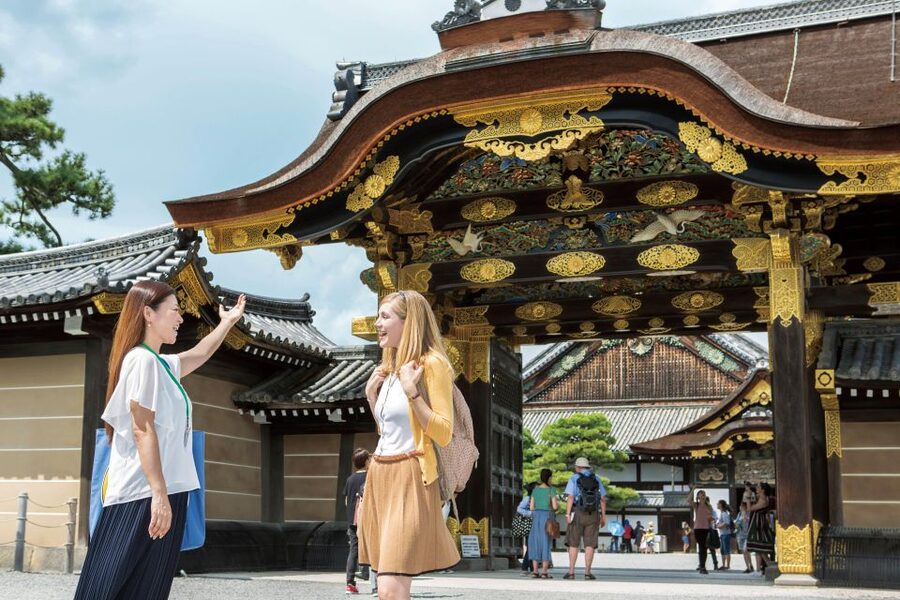
Kara-mon Gate is a good place to start noticing the decorative language of the site. Carvings and painted details reward a closer look, but their significance can be easy to miss if you are moving through the grounds alone. A guide can point out the symbols and explain how architecture and art helped convey authority.
That context matters at Nijo Castle. Built in 1603 as Kyoto’s residence for Tokugawa Ieyasu, the first shogun of the Edo Period, it served both as a home and as a political center. You are not simply looking at old buildings; you are walking through spaces designed to manage access, ceremony, and power.
Ninomaru Palace: rooms with a purpose
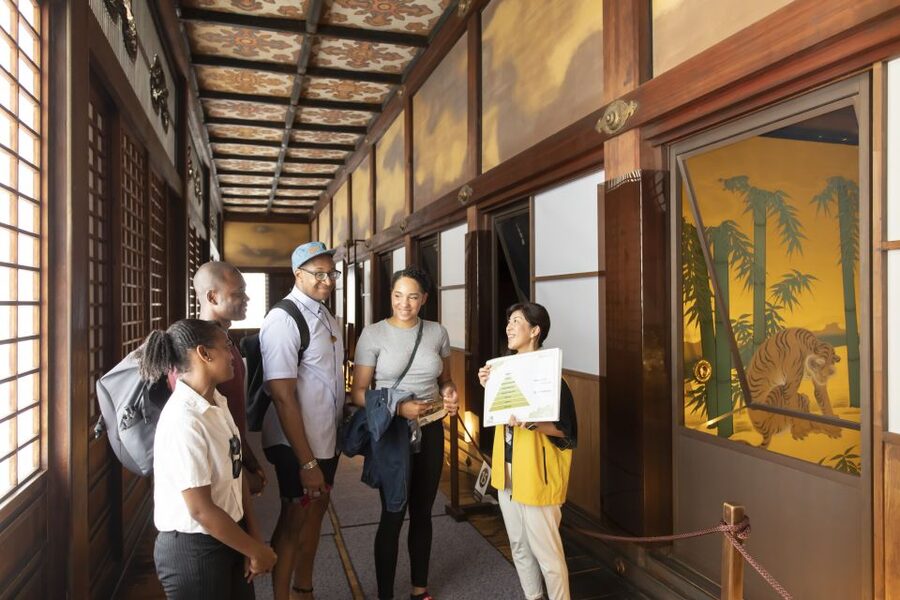
Ninomaru Palace is the heart of the tour. It served as the shogun’s residence and office during visits to Kyoto, and it remains intact. As you move through its rooms, a guide explains what different spaces were used for and how the palace’s layout reflected rank and daily routines.
The tour is especially useful for making sense of the artwork. Painted screens and decorative carvings are not just attractive backdrops. Their subjects and placement can carry meaning, and guides have been known to connect details in the palace to political history, court intrigue, and the risks that came with serving a powerful ruler.
One memorable example from the tour’s storytelling is how the guide may connect palace carvings to familiar modern imagery, including characters from Dragon Ball or Pokémon. These references are a fun way into the details, not a substitute for the site’s history. The point is to help you look closely and notice that the palace’s visual world still has echoes in Japanese popular culture.
The palace is also where the contrast between appearance and function becomes clear. The building’s decoration signals prestige, while its rooms and controlled access reveal a working seat of government. Guides have explained subjects such as meal preparation, the danger of poisoning, and the customs surrounding the shogun. These human details make the politics easier to picture.
A guided visit is particularly useful here because you move through a series of rooms rather than one single grand hall. Without explanation, it can be hard to tell why one space matters more than another. A good guide connects the rooms into a story, keeping the history understandable without turning the hour into a lecture.
Photography is not allowed inside the palace, and there is no air conditioning. In hot weather, the interior can feel warm, so bring a drink for before or after the palace visit. Follow the site’s rules, and take your time looking at the details while you are inside.
Restricted areas and the value of a guide
The tour’s special-access element may be its strongest reason to book. The experience is advertised as providing access to a part of the castle normally unavailable to the public, and tour groups have been taken into additional areas near the shogun’s private quarters. The precise spaces can vary, so think of this as a meaningful possibility rather than a promise about a particular room.
This access changes the visit from a standard walk through a famous site into a closer look at its private side. You may see features that are easy to overlook from the regular route, while the guide explains how those spaces fit into the palace’s daily and political life.
The guide is also the main value of the tour. Visitors have singled out guides such as Kaoru for an engaging blend of history and humor, Miki for energetic explanations and useful context, and Ai for clear storytelling. Names and guides depend on the date, of course, but the consistent emphasis is on approachable English and a willingness to answer questions.
Group size can vary. Some groups have been small, while the palace can also be busy with other visitors. A guide helps keep the group together and makes it easier to hear the explanations, but expect to share the setting with other people, particularly inside the palace.
More guided departures in Kyoto:
- Kyoto Early Morning Tour with English-Speaking Guide
★ 5.0 · 1,427 reviews - Kyoto 6hr Private Tour with Government-Licensed Guide
★ 5.0 · 1,369 reviews - Kyoto: Early Morning Tour with English-Speaking Guide
★ 4.9 · 1,128 reviews - Kyoto: Izakaya Bars Guided Walking Tour
★ 4.9 · 815 reviews
Ninomaru Garden and the time after the tour
After the palace, the route includes Ninomaru Garden. It offers a change of pace from the indoor rooms and gives you space to take in the wider setting. The garden is one of the three main parts of Nijo Castle, along with the Honmaru, or main circle of defence, and the Ninomaru, or secondary circle of defence.
The guided portion lasts about an hour, so the garden stop is part of a focused introduction rather than a leisurely garden visit. That is a sensible tradeoff if you want the palace explained but still want room to explore on your own. You can stay in the grounds after the tour and spend more time walking around independently.
This is also a practical way to split your visit: let the guide handle the historical framework, then use your own time to revisit the places that caught your eye. The tour is not designed to cover every corner of the castle grounds. Its strength is explaining the key route and giving you a better basis for further exploration.
Why Nijo Castle matters in Kyoto
Nijo Castle’s story stretches beyond its original role as Tokugawa Ieyasu’s Kyoto residence. After the Tokugawa Shogunate fell in 1867, the castle served as an imperial palace. It was later donated to Kyoto City and opened to the public as a historic site.
That shift in use helps explain why the castle is such a revealing place to visit. The buildings connect the shogun’s rule with the imperial period that followed, and the palace remains a rare surviving example of feudal-era castle architecture. Nijo Castle became a UNESCO World Heritage Site in 1994.
A guide can help you keep those periods straight. The shogun and emperor were not interchangeable figures, and the power relationships between them shaped Japanese history. Visitors have found that explanations of the shogunate, the emperor, samurai customs, and political maneuvering make the site easier to understand than a room-by-room walk without context.
Is $16 good value?
At $16 per person, the tour is a modest add-on for a site this significant, especially if you value clear explanations and the possibility of access to restricted areas. The fee buys a 60-minute English guided visit, not the castle ticket. That distinction matters: budget for both costs, and bring cash for the admission payment.
The value is strongest for first-time visitors, history fans, and anyone who wants to understand what they are seeing rather than simply pass through the palace. If you already know the period well and prefer to move at your own pace, you may be content to explore independently. But the extra access and explanation can make the guided hour worthwhile even if you then spend the rest of your visit on your own.
The tour’s short length is another plus for a busy Kyoto schedule. It gives you a strong introduction without taking up half a day. The tradeoff is that you will not get a long, slow look at every part of the grounds during the guided portion.
Practical details to check before booking
The tour is offered in English only, and the start time depends on availability. It is cancelled for certain closures: Ninomaru Palace is closed every Tuesday in July, August, December, and January, as well as from December 26 through January 3. Check that your chosen date is available before building it into your day.
Free cancellation is available up to 24 hours in advance for a full refund. For the visit itself, arrive early at the East Main Gate, find the reception area beside the General Reception, and tell staff you are there. Late arrivals cannot join once the tour has begun.
Should you book this Nijo Castle tour?
Book it if you want the palace’s rooms, carvings, and political purpose explained, or if access to normally closed areas appeals to you. The guides’ mix of historical detail, clear English, and lively storytelling is the best reason to add this hour to your Kyoto plans.
Skip it if you prefer complete freedom to wander, do not need historical context, or would rather avoid the extra admission cost. For most first-time visits, though, the guide makes Nijo Castle easier to read, and the chance to see more than the standard route gives the $16 tour a persuasive edge. Just arrive early, bring cash for admission, and save some time afterward for the garden.
FAQ
How long does the tour last?
The guided tour lasts 60 minutes.
What parts of Nijo Castle are included?
The route includes Higashi Ote-mon Gate, Kara-mon Gate, Ninomaru Palace, and Ninomaru Garden.
Is castle admission included in the $16 tour price?
No. Admission is separate and must be paid in cash on site.
What language is the tour conducted in?
The tour is conducted in English only.
Where do I meet the guide?
Enter through the East Main Gate and gather at the reception area beside the General Reception, on the left after you enter. The booking confirmation provides the meeting details.
Can a child join for free?
Each paid participant can bring one child aged 0 to 12 for free. The child must be accompanied by an adult. Each additional child requires an adult ticket.
Are earphones provided for children?
Earphones are provided only to paid participants. If a child needs earphones, the child needs an adult ticket.
When is Ninomaru Palace closed?
It is closed every Tuesday in July, August, December, and January, and from December 26 through January 3.
Newly added in Kyoto
- Uji: Private immersion into Kyoto’s tea and reglious culture★ 5.0 · 17 reviews
- Whisk Your Own Matcha: A Zen Matcha Experience at Temple★ 3.6 · 7 reviews
- Kyoto tea town for matcha lovers★ 5.0 · 16 reviews
- Treasures of Kyoto: Gion & historical Walking Tour★ 5.0 · 6 reviews
- Kyoto Matcha Green Tea Tour★ 4.5 · 23 reviews
- Uji and Wazuka Matcha Farm Half Day Private Guided Tour★ 5.0 · 21 reviews
- Uji Tea Ceremony and UNESCO Heritage Walking Tour★ 5.0 · 20 reviews
- Utilising upcycled Matcha! Creating matcha incense (Uji, Kyoto)★ 5.0 · 6 reviews
Nijo Castle Tours, compared.
Nijo Castle, Kiyomizu & Fushimi Inari Guided Tour
Read our review →
Nijo, Kinkaku-ji, Arashiyama, Kiyomizu & Fushimi Inari
Read our review →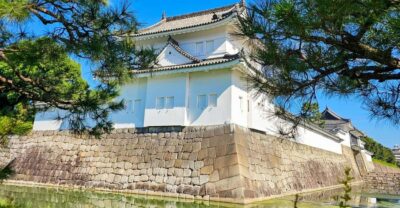
Imperial Palace & Nijo Castle Guided Walking Tour
Read our review →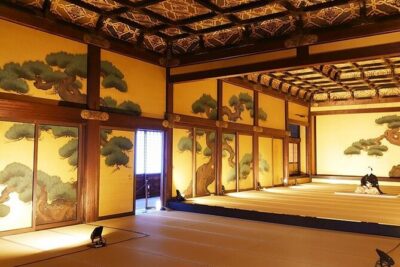
Nijo Castle World Heritage Guided Tour with Admission
Read our review →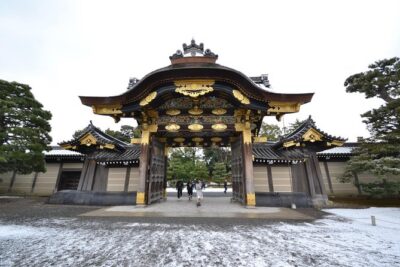
Nijo Castle and Imperial Palace Visit with Guide
Read our review →
Golden Pavilion, Nijo Castle, & Nishiki Market Half day tour
Read our review →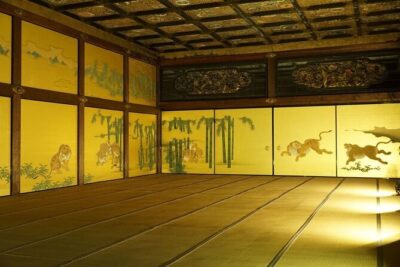
Nijo Castle Samurai Inside Story — Top-Rated Guide (Max 8)
Read our review →
Crowd-Free Kyoto: Fushimi Inari, Nijo Castle & Kinkaku-ji
Read our review →Browse the lists this tour appears in