
Reviewed · KYOTO COOKING CLASSES
Kyoto: Hands-on Takoyaki and Okonomiyaki Cooking (1 Hour)
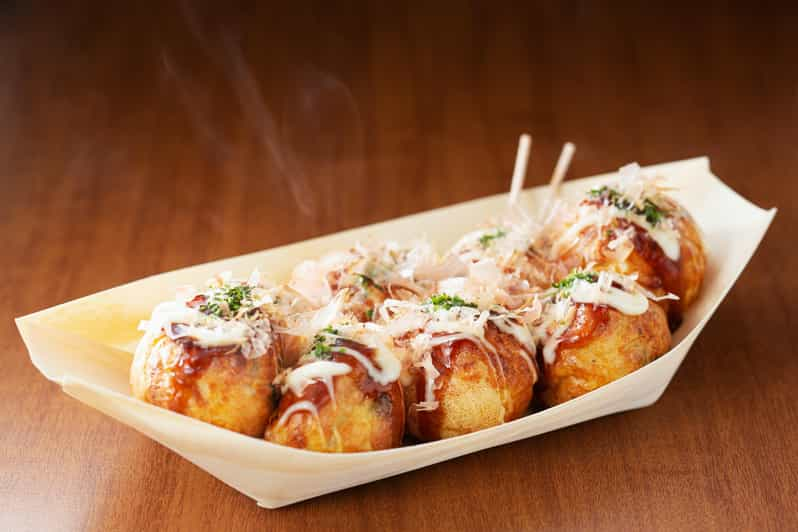
In one short Kyoto class, you get to cook two everyday Japanese favorites instead of simply watching someone else make them. I like that the hour is hands-on and beginner-friendly, and that the small group size leaves room for questions. There’s also a practical bonus: the dishes share some ingredients and methods, so making both in one session makes sense.
My main reservation is the tight schedule. One hour leaves little room for a slow, elaborate lesson, and one past class was described as feeling hurried and underprepared. The experience has since been refined, with experienced instructors leading or supervising classes, but you should still come expecting a compact cooking activity rather than a full culinary course.
What makes this Kyoto cooking class worth your hour
- Two Kansai favorites in one session: Make okonomiyaki and takoyaki, then sit down to eat what you prepared.
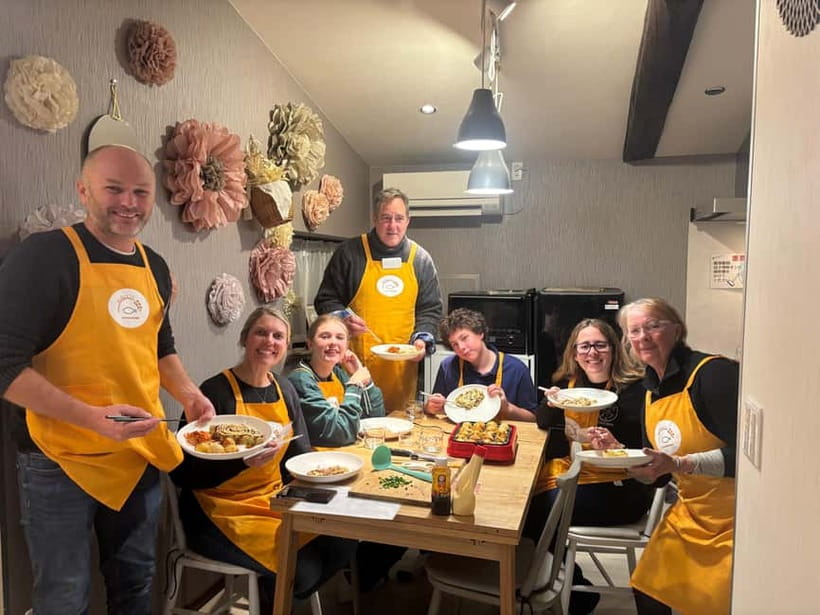
- You do the cooking: The class is built around hands-on participation, not a long demonstration.
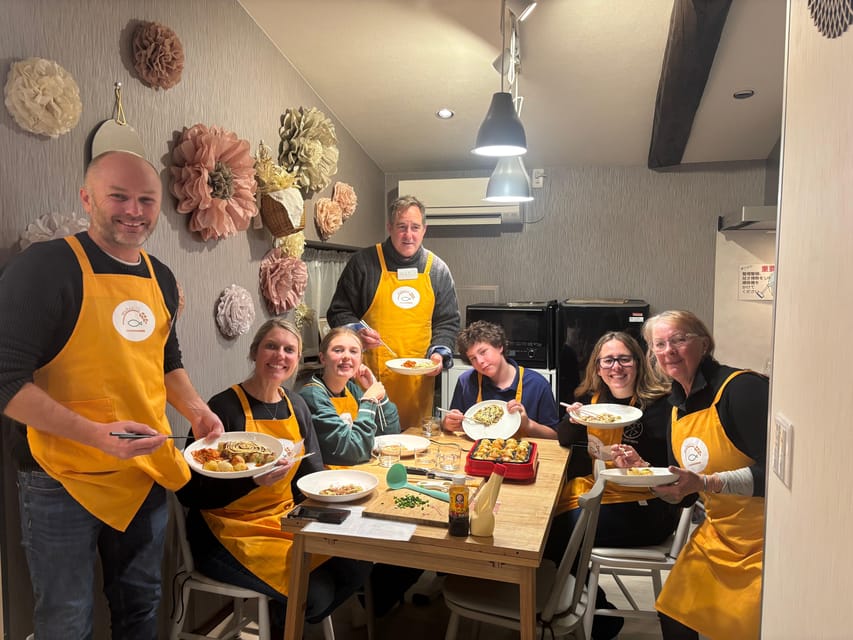
- Small group, limited to six: A compact class can make it easier to ask questions and get help as you cook.
- Dietary requests can be accommodated: Gluten-free, vegan, halal-friendly, and allergy-conscious ingredients are available when requested at booking.
- Central Kyoto location: It’s about a 10-minute walk from Shijo or Karasuma Station and about 15 minutes on foot from Nishiki Market.
- One hour, with food included: The price is $56 per person and covers ingredients, the meal, an apron, and cooking utensils.
Two comfort foods, one useful lesson

Okonomiyaki and takoyaki are familiar everyday foods in Japan, with strong ties to the Kansai region. Okonomiyaki has been enjoyed since the Taisho era, from 1912 to 1926, and takoyaki became popular in the Showa era, from 1926 to 1989. You’re not signing up for a formal history lesson, but making the dishes yourself gives you a direct way to meet a part of local food culture.
The pairing is especially sensible because the two recipes share some ingredients and methods. That makes the class feel more connected than two unrelated cooking demonstrations squeezed into an hour. You can notice the similarities as you work, while also seeing how each dish has its own character.
This is a good fit if you’re curious about Japanese food beyond restaurant menus. You won’t just order the finished dishes; you’ll take part in preparing them, with an instructor nearby to help, answer questions, and offer tips. The format is casual, so you don’t need prior cooking experience or much knowledge of Japanese cuisine to join in.
More cooking classes in Kyoto:
- Ramen Cooking Class at Ramen Factory in Kyoto
★ 5.0 · 1,937 reviews - Sushi Making in Kyoto! Same-day bookings welcome!
★ 5.0 · 713 reviews - Kyoto: Ramen Cooking Class at a Ramen Factory with Souvenir
★ 4.9 · 532 reviews
How the one-hour class unfolds
The class is short by design. You arrive, get set up with an apron and cooking utensils, and start preparing the ingredients for both dishes. The instructor supports you as you cook, but the emphasis is on your own participation and pace rather than sitting through a lecture.
That balance matters. A demonstration can be useful, but it doesn’t always leave you with a feel for how a dish comes together. Here, you get to work through the cooking yourself, with help available when you need it. If you’re new to either recipe, that practical guidance is likely to be the most valuable part.
The time limit also shapes what you should expect. This is a short introduction, not a deep course in regional food or cooking technique. You’ll make two dishes and enjoy them afterward, but there may not be much time for extended discussion or repeated practice. Bring questions as they come to mind rather than saving them all for the end.
Once the cooking is done, you sit down in a relaxed setting and eat the food you prepared. That meal is part of the activity, not an extra restaurant stop to fit into your day. It gives the class a satisfying finish, though you should think of it as a casual lunch or dinner rather than a long dining experience.
Friendly guidance, with a recent change to the class
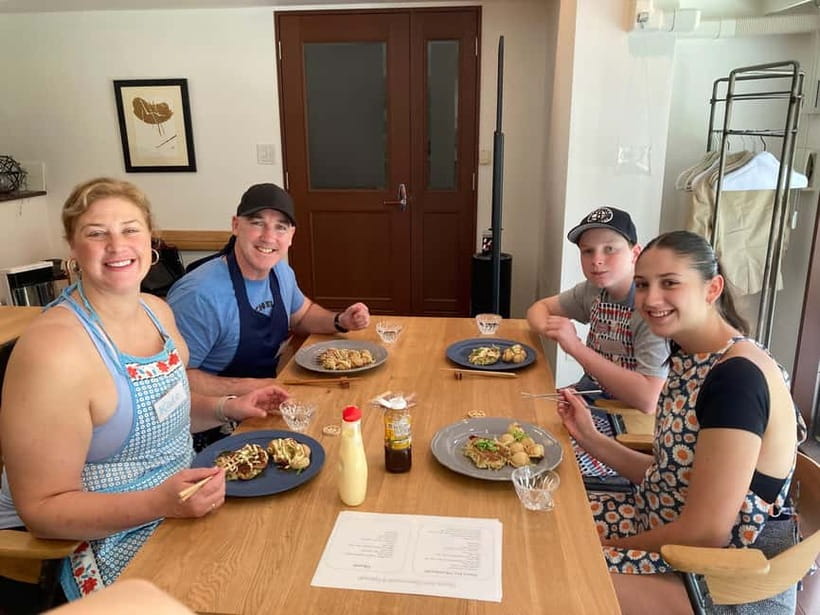
The format relies on instructors who can help without taking over. English and Japanese are the listed languages, which gives English-speaking visitors a way to ask questions as they cook. The experience is now led or supervised by experienced instructors, and its flow and guidance have been refined to work better within the hour.
One instructor named in a past class was Marie, who was described as friendly and open to questions. That’s a useful sign of the personal feel the activity can offer, but instructor assignments can vary. You should not assume that Marie will lead your session unless the provider confirms it.
There has also been a less positive account of a class that began late, with little prepared on arrival, and felt rushed near the end. That kind of uneven experience is worth keeping in mind for a short activity: a slow start takes a bigger bite out of a one-hour class than it would from a half-day lesson. The update to experienced instructor supervision is reassuring, though no short class can promise every session will feel identical.
The group limit of six is another plus. A small class gives you a better chance to interact with the instructor than a large demonstration would, and a couple of participants have described the personal attention as a highlight. If you value conversation and hands-on help, this format is more appealing than a crowded group activity.
Finding the class near Shijo and Karasuma
The location is convenient for a central Kyoto itinerary. It’s about a 10-minute walk from either Shijo Station or Karasuma Station, and about a 15-minute walk from Nishiki Market. That makes it easy to pair with time in the central shopping and food district without setting aside half a day for transport.
From JR Kyoto Station, allow about 15 minutes by train or bus, followed by a short walk. The round-trip journey is not included in the price, so budget for that separately. At the meeting point, take the elevator to the third floor and ring the doorbell for 302.
As with any small activity in a building, give yourself enough time to find the correct entrance and floor. The meeting instructions are specific, but the class itself is only an hour, so arriving calmly is better than using the first few minutes to sort out where to go.
A few more Kyoto experiences worth booking
- Ninja 1-hour Hands-on Lesson by Japanese master in Kyoto -Entry
★ 5.0 · 489 reviews - 1 Hour Geisha Show in Kyoto
★ 5.0 · 452 reviews - One Hour Geisha Show in Kyoto
★ 5.0 · 64 reviews - One Hour Geisha Show in Gion Kyoto
★ 5.0 · 59 reviews
Dietary options: ask before you arrive
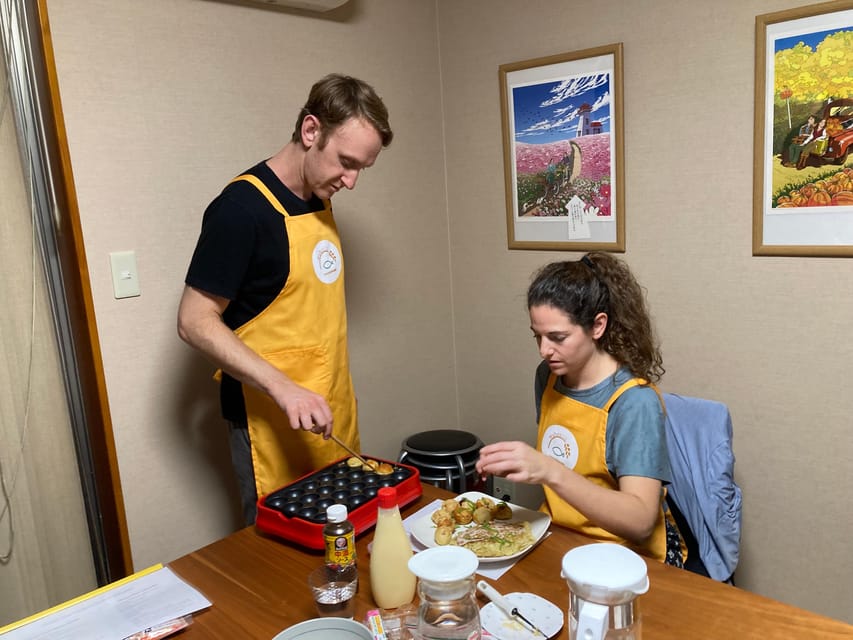
Gluten-free, vegan, halal-friendly, and allergy-conscious ingredients can be arranged. The important detail is timing: tell the provider about your needs when you book so the ingredients can be adjusted. Don’t wait until you arrive and expect the kitchen to be able to make last-minute changes.
If you have a serious allergy or a strict dietary requirement, spell out exactly what you need and confirm that the proposed ingredients are suitable for you. The experience says ingredients can be prepared accordingly, but the information provided does not specify separate preparation areas or a particular certification. That distinction matters if you need more than an ingredient adjustment.
The flexibility is still a useful feature, especially in a short cooking activity where you might otherwise have limited options. Just treat communication in advance as part of planning, not an optional extra.
Is $56 fair for a one-hour class?
At $56 per person, this is not the cheapest way to eat okonomiyaki and takoyaki in Kyoto. You’re paying for the chance to make both dishes yourself, use the cooking equipment, get instructor support, and eat the result. Ingredients, the meal, an apron, and cooking utensils are included, which makes the cost easier to assess than a class where the food or equipment comes as an extra.
The value depends on what you want from the hour. If your goal is simply to taste these dishes, a restaurant meal is a more direct choice. If you want to learn by doing, ask questions, and understand how the two recipes come together, the class offers something a meal alone can’t.
The short duration is both a strength and a limit. It fits neatly between sightseeing plans and can be a welcome change from temples and shops. At the same time, you’re paying a fairly high hourly rate for a compact experience, so it makes the most sense if the cooking itself is a key part of the appeal.
The reservation terms offer some flexibility: you can reserve now and pay later, and cancel up to 24 hours in advance for a full refund. Starting times depend on availability, so check the schedule that suits your day before building other plans around the class.
Who will enjoy making these dishes
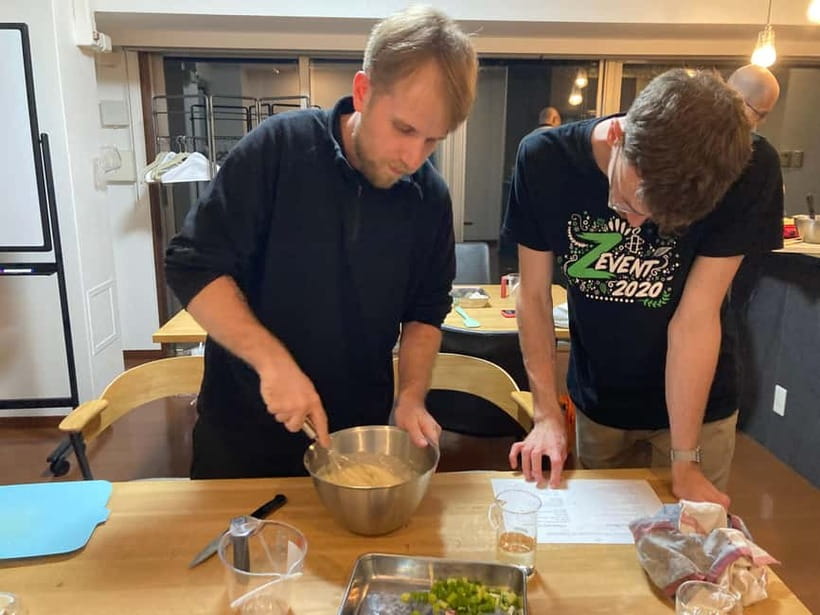
I’d choose this activity if you’re visiting Japan for the first time and want a simple, participatory introduction to two well-loved foods. It also suits couples, small groups, and solo visitors who would rather cook than watch a demonstration. The limit of six means you don’t need to be part of a big party to get a more personal session.
It’s particularly appealing if you want a food activity that can fit into a busy Kyoto day. You can reach the location from central stations, spend an hour cooking, eat what you make, and continue with your plans. The walk from Nishiki Market also makes the class easy to combine with a day in central Kyoto.
You may prefer a longer class if you want detailed instruction, lots of time to practice, or a broader look at Japanese cooking. And if you’re only interested in eating these dishes, booking a restaurant table will likely be better value. The class earns its price through participation and personal guidance, not through a long list of recipes.
Should you book this Kyoto cooking class?
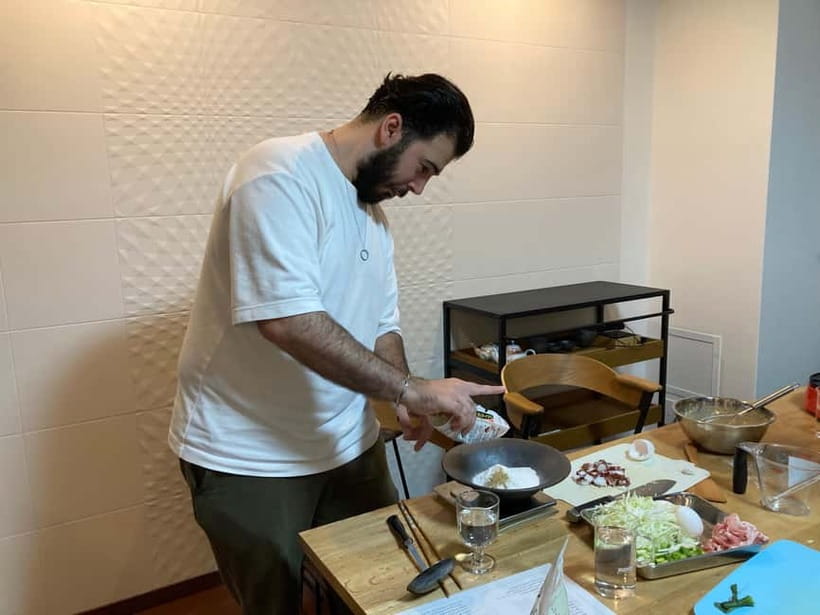
Book it if cooking is part of the fun for you, not just a means to lunch. The combination of two Kansai dishes, a small group, and a central location gives you a practical way to make the most of a spare hour. The chance to eat what you prepare is a welcome finish, and dietary adjustments are possible if you arrange them ahead of time.
Skip it if you want a full cooking course or a guaranteed unhurried lesson. The one-hour format is deliberately compact, and a previous session showed how much a late or poorly prepared start can affect the experience. The more recent instructor supervision is a positive change, but you should book for a friendly, hands-on introduction, not a masterclass.
FAQ
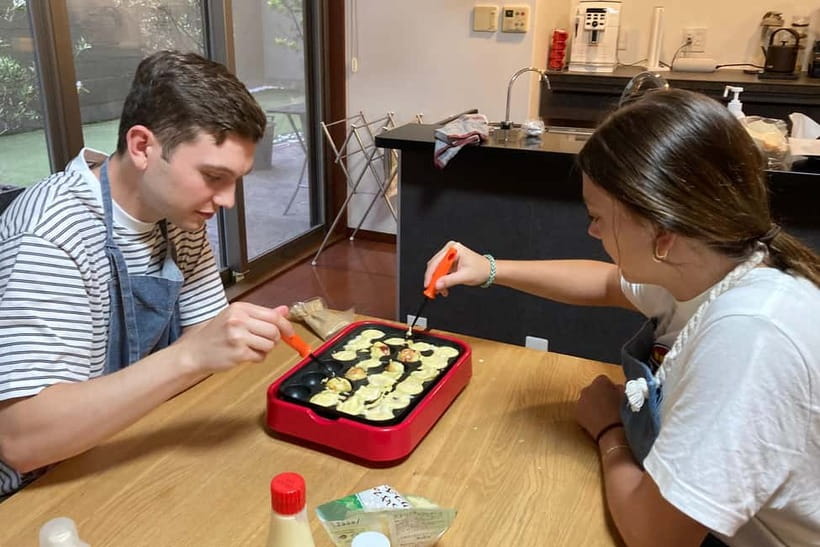
How long is the cooking class?
The class lasts one hour. You prepare okonomiyaki and takoyaki, then sit down to enjoy the dishes you made.
What dishes will I cook?
You’ll make okonomiyaki and takoyaki, two popular Japanese comfort foods associated with the Kansai region.
Is the class suitable for beginners?
Yes. It is designed to be casual and beginner-friendly, with an instructor available to support you and answer questions.
What languages are spoken?
Instructors lead the class in English and Japanese.
How many people can join?
The class is limited to six participants.
Are dietary requirements accommodated?
Gluten-free, vegan, halal-friendly, and allergy-conscious ingredients can be arranged. Tell the provider about your requirements when booking.
Where is the meeting point?
The location is about a 10-minute walk from Shijo Station or Karasuma Station. At the building, take the elevator to the third floor and ring the doorbell for 302.
What is included in the $56 price?
The price includes the experience, ingredients for the meal, an apron, and cooking utensils. Transportation to and from the location is not included.
Can I cancel or pay later?
You can reserve now and pay later. You can cancel up to 24 hours in advance for a full refund.
Newly added in Kyoto
- Uji: Private immersion into Kyoto’s tea and reglious culture★ 5.0 · 17 reviews
- Whisk Your Own Matcha: A Zen Matcha Experience at Temple★ 3.6 · 7 reviews
- Kyoto tea town for matcha lovers★ 5.0 · 16 reviews
- Treasures of Kyoto: Gion & historical Walking Tour★ 5.0 · 6 reviews
- Kyoto Matcha Green Tea Tour★ 4.5 · 23 reviews
- Uji and Wazuka Matcha Farm Half Day Private Guided Tour★ 5.0 · 21 reviews
- Uji Tea Ceremony and UNESCO Heritage Walking Tour★ 5.0 · 20 reviews
- Utilising upcycled Matcha! Creating matcha incense (Uji, Kyoto)★ 5.0 · 6 reviews
Kyoto Cooking Classes, compared.

Ramen Cooking Class at Ramen Factory in Kyoto
Read our review →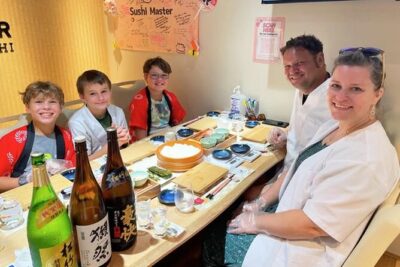
Sushi Making in Kyoto! Same-day bookings welcome!
Read our review →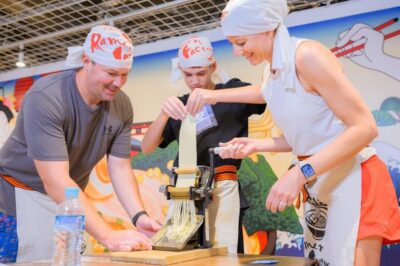
Ramen Cooking Class at a Ramen Factory with Souvenir
Read our review →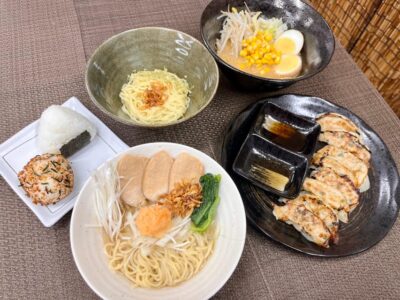
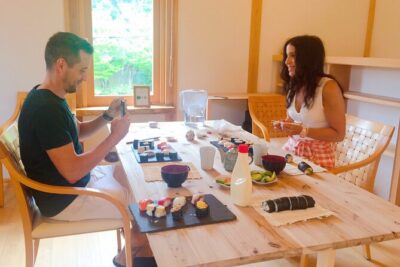
The Original Small-Group Sushi Making Class in Kyoto
Read our review →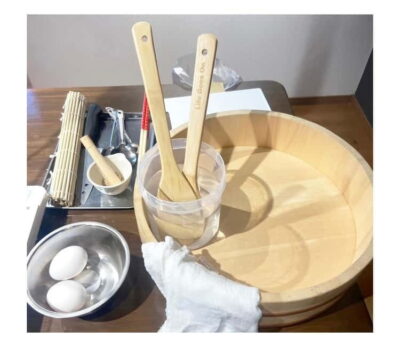
Japanese Washoku Bento Small Group Cooking Class
Read our review →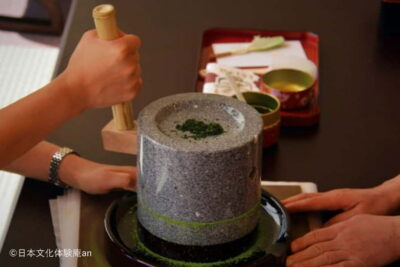
Japanese Traditional Sweets Making and Tea Ceremony
Read our review →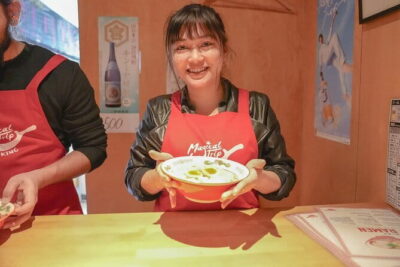
Kyoto Ramen and Gyoza Cooking Class with Professional Chefs
Read our review →Browse the lists this tour appears in