
Reviewed · KYOTO SAKE TASTINGS
Advanced Kyoto Insider Sake Tasting Experience
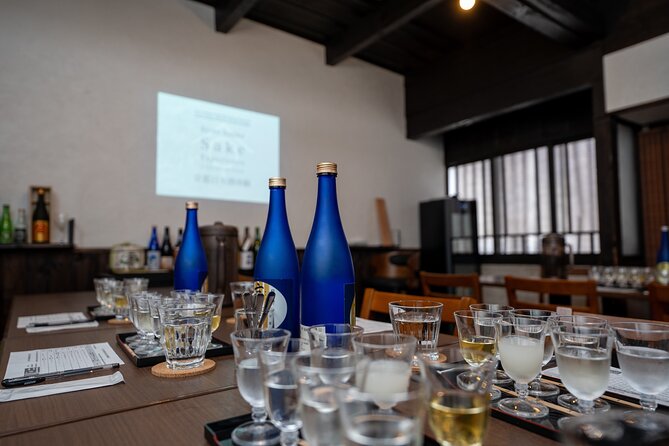
Kyoto’s advanced sake tasting is built around a good question: how much can brewing choices change what ends up in your cup? Over about two hours, you compare 10 sakes made with different approaches, from ancient methods to fermentation experiments and local wood.
I like two things in particular: the tasting is designed to teach comparison, not just pour one sample after another, and you get hands-on practice reading real sake bottles and labels. One consideration: there are no snacks or food pairings, so have lunch or brunch first.
Key points to know
- Ten sakes, chosen for contrast: The tasting focuses on how ingredients, methods and brewing philosophy affect flavor.
- A certified expert leads the session: Expect explanations of sake styles, production and flavor structure.
- Some bottles take unusual routes: Tastings may include ancient brewing methods, fermentation shaped by microorganisms and sake made with local wood.
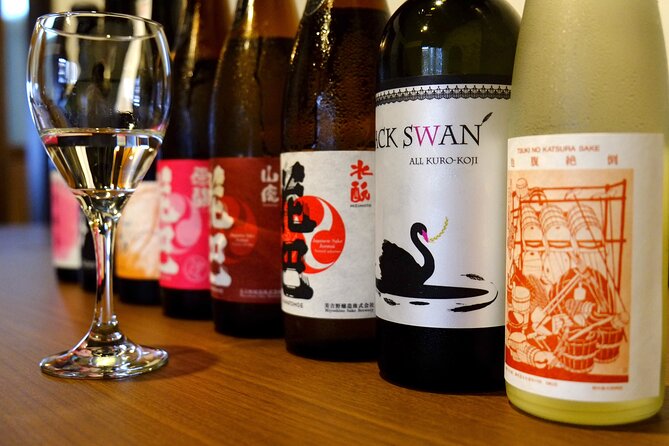
- Label reading is part of the lesson: You practise interpreting actual bottles and labels used in restaurants.
- The group is small: The maximum is 12, which suits a guided, discussion-based class.
- Plan around the alcohol rules: You must be at least 20, and anyone arriving by car or bicycle cannot be served alcohol.
Ten pours that make comparison the point
This is not a standard tasting built around a quick introduction and a few familiar styles. Its central feature is a set of 10 carefully selected sakes, chosen to show how dramatically the drink can change according to how it is made.
That comparison is useful because sake labels and categories can seem like a jumble of terms when you are new to them. Tasting several examples side by side gives you a chance to connect what you hear about production with what you actually notice in the glass.
The session covers basic sake production and categories, but it is intended to move beyond the introductory level. You do not need to arrive as an expert: the class is described as approachable for curious beginners, too. Still, if you have already tried sake and want a better grasp of why bottles taste different, you are likely to get more from the advanced focus.
The selections may include sakes made using ancient brewing methods, innovative fermentation techniques that draw on the work of microorganisms, and sake made with local wood. These are not just curiosities to tick off. They offer a way to consider how a brewer’s choice of materials and method can shape the final character.
The full list of pours is not specified in advance, so do not book expecting particular brands or a guaranteed set of bottles. The value lies in the range of approaches and in the expert’s explanations of what makes each selection distinct.
More sake tastings in Kyoto:
- Kyoto Night Foodie Tour in Gion (9+ dishes + 6 Sake tastings)
★ 5.0 · 1,762 reviews - 3-Hour Kyoto Insider Sake Brewery Tour with Tastings & Pairings
★ 5.0 · 917 reviews - Arashiyama Bamboo, Temple, Monkeys, or Secret Sake Brewery
★ 4.8 · 886 reviews
How the two-hour class unfolds
The experience takes place in the provider’s own dedicated tasting room in Fushimi Ward. You meet at Kyoto Insider Sake Experience, at 271-1 Kurumamachi, and finish back at the same address.
The two-hour format gives the session room for more than a string of samples. You can expect a guided look at sake styles, brewing methods and flavor structure, along with the tasting itself. The emphasis is on learning how to compare, rather than simply counting how many pours you have tried.
An experienced, certified sake expert leads the class. The instruction includes presentations and guided tastings, making the process easier to follow than trying to decode technical language from a bottle on your own. The emphasis on both history and production also helps explain why sake is not one fixed style, but a drink shaped by different choices at each stage.
The exact order of the lesson and tastings is not laid out, so I would not count on a particular sequence. What is clear is that the experience combines explanation with tasting, and includes time to practise reading real bottles and labels used in restaurants.
That last part is especially practical. A label can offer useful clues when you are choosing sake later, but the terms may be unfamiliar at first. Here, you work with actual bottles rather than relying only on abstract definitions. You leave with tasting notes and reference materials to help you remember what you learned.
What the unusual brewing methods can teach you
The subject that makes this experience different is the idea that sake’s flavor is not determined by a single recipe or category. Brewing philosophy, ingredients and techniques all matter, and the tasting is designed to make those differences easier to understand.
Ancient methods offer one point of comparison. Innovative fermentation offers another, with microorganisms playing a role in the resulting character. Sake made with local wood brings materials and regional identity into the discussion. Together, these examples give you a broader sense of what sake makers can do than a tasting focused only on standard categories.
You should not expect every unusual method to produce a flavor you prefer. That is part of the lesson. Comparing a range of styles helps you build your own sense of what you like, rather than being told that one approach is better than another.
The session can also sharpen the way you choose sake in a restaurant or shop. Once you understand that production choices affect taste, a label becomes more than a name and a price. You can start asking more useful questions and make a selection based on your own preferences.
The small-group setting and teaching style
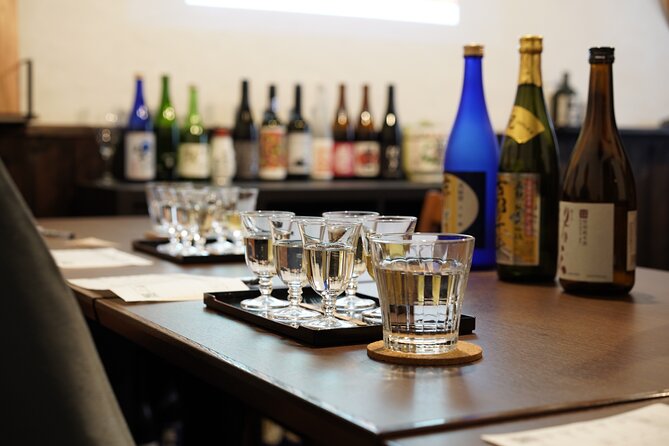
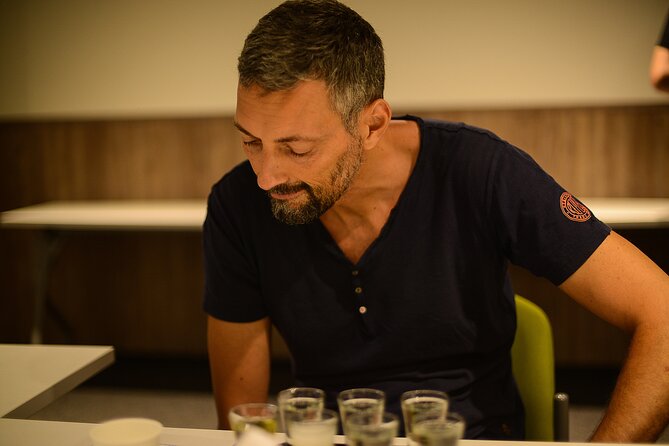
The group is capped at 12 people. That is a sensible size for a class in which the goal is to taste, compare and learn, rather than sit through a talk at a distance. It also gives the expert a manageable group to guide through 10 samples and label-reading practice.
The experience is led by an expert rather than presented as a self-guided flight. That matters here because the sakes are selected to illustrate differences in brewing approach. Without context, unusual bottles can be interesting but hard to interpret; an explanation helps connect the taste to the method.
The teaching is designed to serve both newcomers and people who already drink sake. If you are new, the fundamentals give you a starting point. If you know the basics, the advanced selections and discussion of fermentation and materials offer more to work with.
There is no guide name provided, so you cannot request a particular instructor. The useful detail is the role: a certified sake expert leads the tasting and explains styles, production and flavor.
More Kyoto tours in Kyoto:
- PERFECT KYOTO 1-Day Bus Tour
★ 5.0 · 13,518 reviews - Kyoto: Fushimi Inari, Kinkakuji, Bamboo Grove 1 Day Bus Tour
★ 4.8 · 4,316 reviews - Kyoto: Tea Ceremony in a Traditional Tea House in Kiyomizu
★ 4.9 · 3,519 reviews - Kyoto Geisha Walking Tour: Gion District & Hidden Gems
★ 4.7 · 3,273 reviews
Price and what you get for $74.64
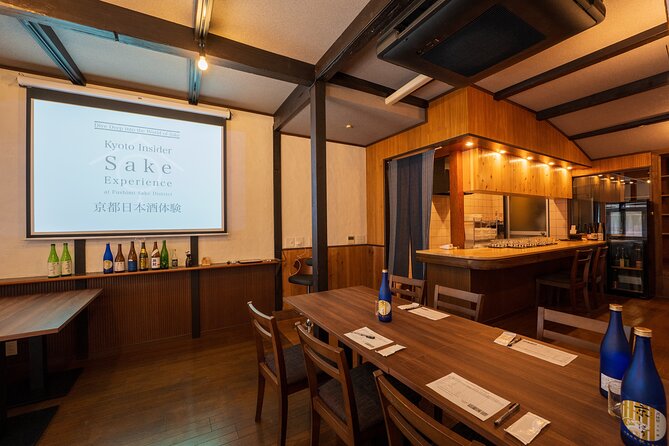
At $74.64 per person, this is best understood as a guided class with a substantial tasting, not simply a drink stop. The price includes 10 selected sakes, expert instruction, label-reading practice, tasting notes and reference materials, plus use of a dedicated tasting room.
That makes the value strongest if you are genuinely interested in learning. Ten pours can be a lot to take in without structure, but the session is built around comparison and explanation. You are paying for the selection and the context as much as the sake itself.
The price is less compelling if you mainly want a casual drink or a meal alongside your tasting. Snacks and food pairings are not included, and the class focuses on sake rather than a broader food experience. It is wise to eat before you arrive; the provider specifically recommends lunch or brunch in advance.
The experience is booked, on average, 11 days ahead. That is a useful planning guide, not a guarantee of availability. The maximum group size is 12, and people without reservations cannot join, including children and non-drinkers.
Fushimi location and practical planning
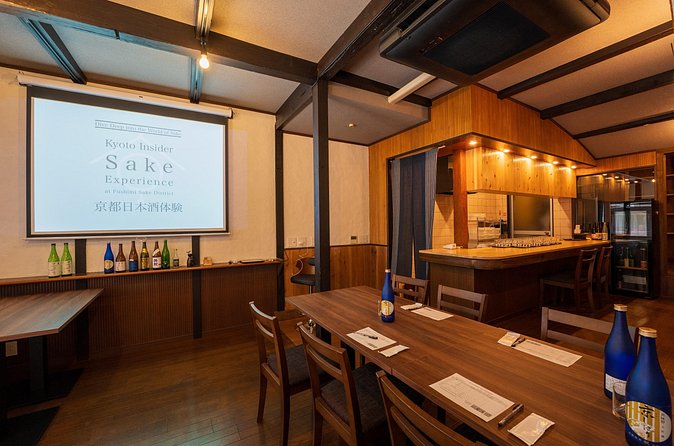
The meeting point is in Fushimi Ward, Kyoto, at 271-1 Kurumamachi. The location is near public transportation, and the activity ends where it starts. Since no route or transport instructions are provided, check the address and your route before setting out rather than assuming the meeting point is in central Kyoto.
A mobile ticket is available, and booking confirmation is provided at the time of reservation. The activity lasts about two hours, so leave enough time in your day to reach the meeting point and enjoy the class without rushing.
Alcohol is not served to anyone who arrives by car or bicycle, for safety and legal reasons. Non-alcoholic drinks are available, but there is no refund if you cannot take part in the sake tasting. If you plan to taste, do not arrive by either of those means.
Japan’s legal drinking age is 20. People under 20 are served only non-alcoholic drinks, and anyone joining the activity needs a reservation. Even a non-drinker cannot simply accompany a booked participant without reserving a place.
The cancellation terms are relatively flexible if you act in time: cancel at least 24 hours before the start for a full refund. Cancellations or changes made within 24 hours are not accepted for a refund or change. The activity may also be affected by poor weather or a minimum-participant requirement; if it is cancelled for either reason, you are offered another date or a full refund.
Who will get the most from this tasting
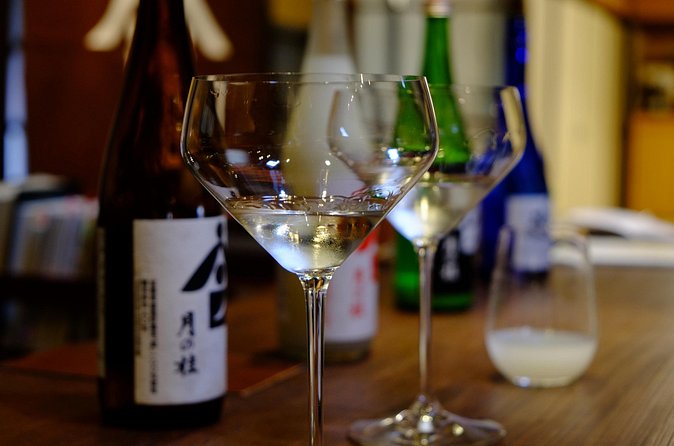
This class suits sake drinkers who want to understand what they are drinking, rather than only try a few new labels. If you enjoy comparing flavors and asking why one bottle tastes different from another, the focus on method and materials should make the time worthwhile.
It can also work for a beginner with a real interest in sake. The basic explanations provide an entry point, and the guided format can make a complex subject less intimidating. But if you are brand new and mainly want a relaxed first taste, keep in mind that the class is pitched above the usual introductory flight.
For a mixed-experience group, the format has a useful balance: the fundamentals help newcomers, while the unusual selections and deeper production details give more experienced drinkers something fresh to consider. The tasting is educational, but not dry by design; the samples and discussion are meant to make the learning enjoyable.
I would skip it if your priority is food pairing, a casual bar atmosphere or a short stop between sightseeing. There are no snacks, and the session takes about two hours in a dedicated tasting room. This is time set aside for sake, not a quick add-on.
Should you book the Kyoto sake experience?
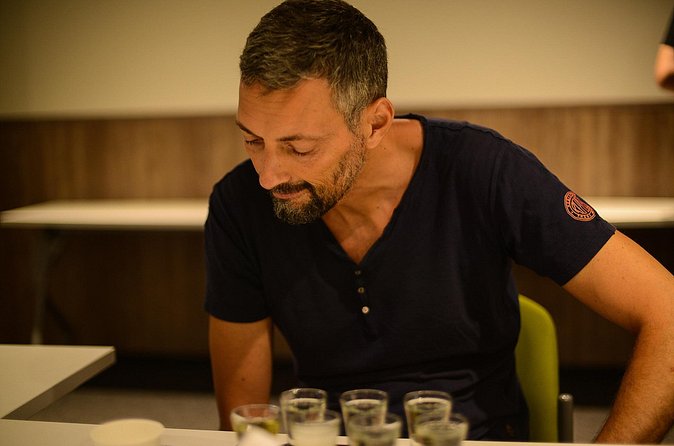
Book it if you want to taste 10 distinctive sakes and leave better able to understand brewing choices, flavor and labels. The most appealing feature is the combination of unusual production methods with practical instruction you can use when choosing sake later.
Think twice if you want a meal, plan to drive or cycle to the venue, or prefer an unstructured tasting. For curious drinkers, though, the price buys more than ten small pours: it buys a guided way to make sense of what is in the glass.
FAQ
How long does the sake tasting last?
The experience lasts about two hours.
How many sakes will I taste?
The tasting includes 10 carefully selected sakes.
Is the class suitable for beginners?
It is approachable for curious beginners, but it is designed to go beyond the basics and may be most rewarding if you already have some interest in sake.
Is food included?
No. Snacks and food pairings are not included, and having lunch or brunch beforehand is recommended.
Where does the experience meet?
It starts at Kyoto Insider Sake Experience, 271-1 Kurumamachi, Fushimi Ward, Kyoto, 612-8365, Japan. It ends at the same meeting point.
What is the minimum age to drink?
You must be at least 20 to be served alcohol. People under 20 receive non-alcoholic drinks only.
Can I join without a reservation?
No. Anyone joining must have a reservation, including children and people who do not drink alcohol.
Can I take part if I arrive by car or bicycle?
Alcohol will not be served to anyone arriving by car or bicycle. Non-alcoholic drinks are available, but there is no refund if you cannot participate in the sake tasting.
Can I cancel for a refund?
Yes, if you cancel at least 24 hours before the experience starts. Cancellations made within 24 hours are not refunded.
Newly added in Kyoto
- Uji: Private immersion into Kyoto’s tea and reglious culture★ 5.0 · 17 reviews
- Whisk Your Own Matcha: A Zen Matcha Experience at Temple★ 3.6 · 7 reviews
- Kyoto tea town for matcha lovers★ 5.0 · 16 reviews
- Treasures of Kyoto: Gion & historical Walking Tour★ 5.0 · 6 reviews
- Kyoto Matcha Green Tea Tour★ 4.5 · 23 reviews
- Uji and Wazuka Matcha Farm Half Day Private Guided Tour★ 5.0 · 21 reviews
- Uji Tea Ceremony and UNESCO Heritage Walking Tour★ 5.0 · 20 reviews
- Utilising upcycled Matcha! Creating matcha incense (Uji, Kyoto)★ 5.0 · 6 reviews
Kyoto Sake Tastings, compared.
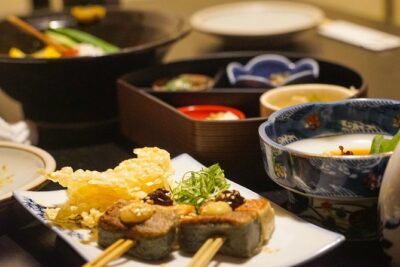
Kyoto Night Foodie Tour in Gion (9+ dishes + 6 Sake tastings)
Read our review →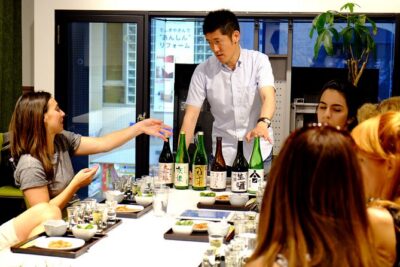
3-Hour Kyoto Insider Sake Brewery Tour with Tastings & Pairings
Read our review →
Arashiyama Bamboo, Temple, Monkeys, or Secret Sake Brewery
Read our review →
Insider Sake Brewery Tour with Sake and Food Pairing
Read our review →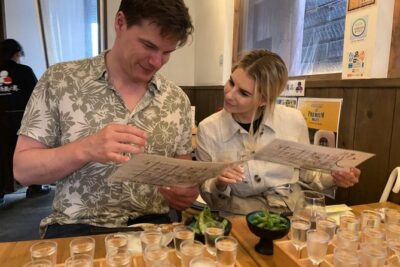
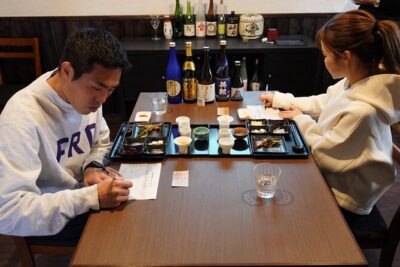
1.5-Hour Kyoto Insider Sake Experience with 7 Tastings & Pairings
Read our review →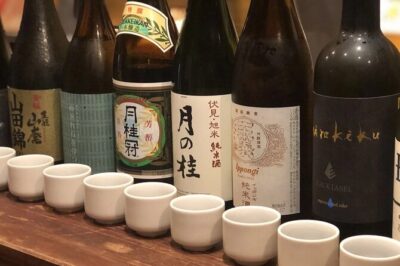
Private Tea Ceremony and Sake Tasting in Kyoto Samurai House
Read our review →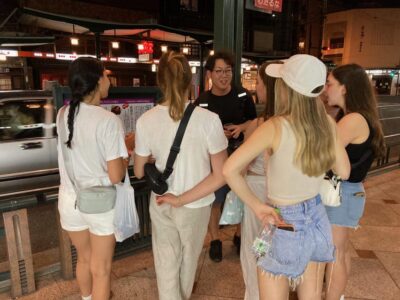
Gion Evening Walk with Hidden Gems, Geisha & Sake
Read our review →Browse the lists this tour appears in