
Reviewed · KYOTO COOKING CLASSES
Sushi – Authentic Japanese Cooking Class – the best souvenir from Kyoto!
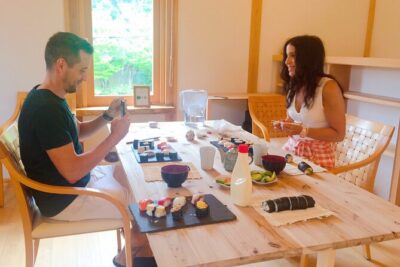
Sushi is more than a neat roll of rice and fish. In this two-hour Kyoto class, Kaori shows you how to make several kinds of sushi, prepare soup and pickled ginger, and approach the meal with a better feel for Japanese table manners. You leave with recipes and practical skills, not just a full stomach.
I like that the lesson connects hands-on cooking with food culture, including umami, dashi broth and the etiquette of sushi dining. I also like the small-group feel and the chance to ask questions while you work. One thing to check before booking: group-size details vary, and Kyoto addresses can be tricky to navigate, so use the map pin sent after booking.
What makes this Kyoto cooking class worthwhile
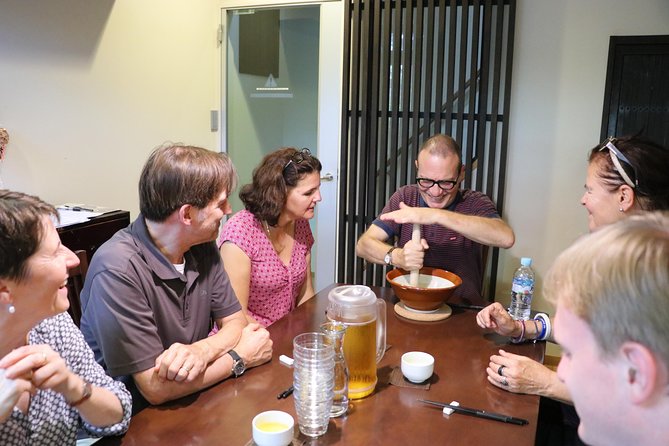
- You make a meal, not just a demonstration: Prepare sushi, soup and pickled ginger yourself, with the instructor guiding each stage.
- Dashi and umami get practical context: Learn about a simple broth made with seaweed and bonito flakes, and why it matters to Japanese cooking.
- Food etiquette is part of the lesson: The class covers Japanese table manners alongside the dishes.
- Recipes give the experience a life beyond Kyoto: Take home instructions for making the food again.
- The setting is personal: The class takes place in Kaori’s kitchen, described as a welcoming, well-set-up space.
- It is a two-hour meal as well as a lesson: Ingredients, an aperitif and Japanese green tea are included.
Start with soup, then learn what makes sushi work
The class meets at Japanese Cooking Class Roujiya, at 22-58 Nishinokyō Ikenouchichō in Kyoto’s Nakagyo Ward. It starts at 11:30 am and lasts about two hours. There is no hotel pickup, so you’ll need to make your own way to the meeting point.
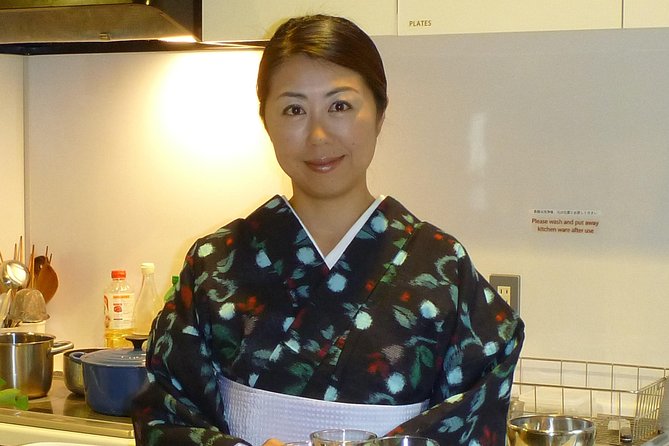
Kaori welcomes you into her kitchen and teaches in English. The class is described as a warm, home-style experience, while some descriptions also call the kitchen a test-kitchen setting. Either way, this is meant to be a practical place to learn, rather than a restaurant meal with a cooking demonstration tacked on.
The lesson includes several kinds of sushi, soup and pickled ginger. One account of the class describes starting with soup, then moving on to sushi rice and different types of sushi. That sequence makes sense: you first meet a core flavour, then learn how the rice and other ingredients come together in the dishes you’ll make.
You should expect to participate throughout. Kaori explains each stage, then helps you put the instructions into practice. The point is not to watch a chef produce perfect sushi at speed. It is to understand the steps well enough to try them yourself later.
More cooking classes in Kyoto:
- Ramen Cooking Class at Ramen Factory in Kyoto
★ 5.0 · 1,937 reviews - Sushi Making in Kyoto! Same-day bookings welcome!
★ 5.0 · 713 reviews - Kyoto: Ramen Cooking Class at a Ramen Factory with Souvenir
★ 4.9 · 532 reviews
Dashi, umami and the small details behind the food
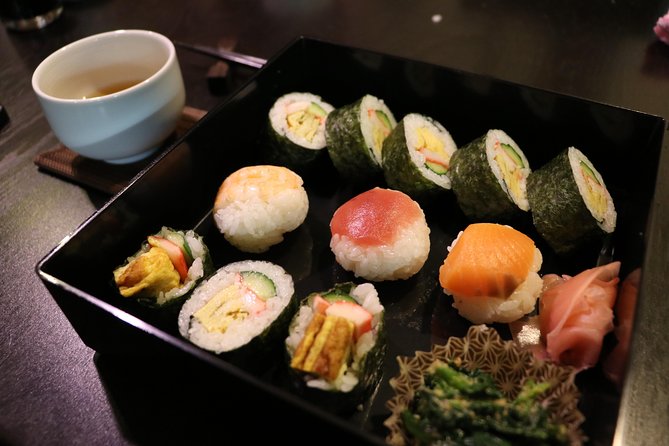
Dashi is one of the most useful things to learn about here. The class introduces a simple broth made with seaweed and bonito flakes, connecting a basic cooking technique with the savoury taste known as umami. That context helps you understand why Japanese dishes can taste full and rounded without relying on complicated sauces.
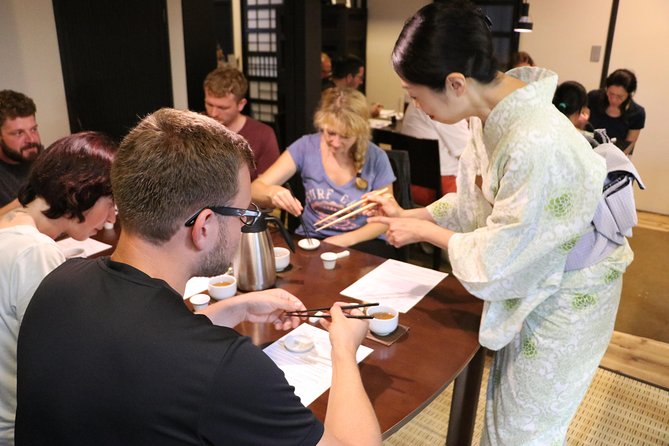
The lesson also gets into details you might otherwise overlook. One past class discussed why sushi rice needs fanning, and the host has explained how Japanese chopsticks differ from Chinese ones. These touches help make the meal less of a recipe exercise and more of an introduction to the thinking behind Japanese food.
You’ll also learn Japanese table manners and some of the history and culture of the cuisine. That’s valuable if sushi is a regular part of your dining plans in Japan. Knowing how a meal is put together, and how to approach it respectfully, can add meaning to the next restaurant visit.
Expect the cultural material to support the cooking, not replace it. The class is only about two hours, so the focus stays on making and eating the food. If you want a long lecture on Japanese culinary history, this probably isn’t the format. If you want useful cultural context tied to ingredients and technique, it fits the bill.
Make several kinds of sushi, then eat what you made
The most satisfying part is putting the lesson into practice. You prepare the ingredients and make several types of sushi with Kaori’s help. The class description doesn’t specify exactly which varieties you’ll make, so don’t book expecting a particular style or ingredient.
That flexibility is part of the appeal. You can focus on the process: preparing sushi rice, learning how to handle it, and assembling the dishes. The instructor is there to explain what to do and why, then make sure you can try it yourself. That hands-on feedback is hard to get from a recipe video.
You also make soup and pickled ginger. The ginger is a useful addition because it shows that the lesson extends beyond sushi itself. Together, the dishes give you a broader look at a Japanese meal, rather than a single technique in isolation.
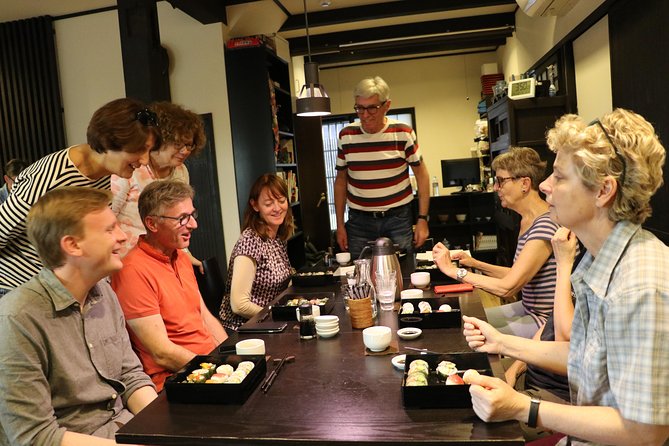
Then you sit down to eat. This is a cooking class with a meal at the end, and the portions sound substantial enough that you should arrive ready to eat. It can work well as lunch, especially given the 11:30 am start.
A home-style lesson with a personal teacher
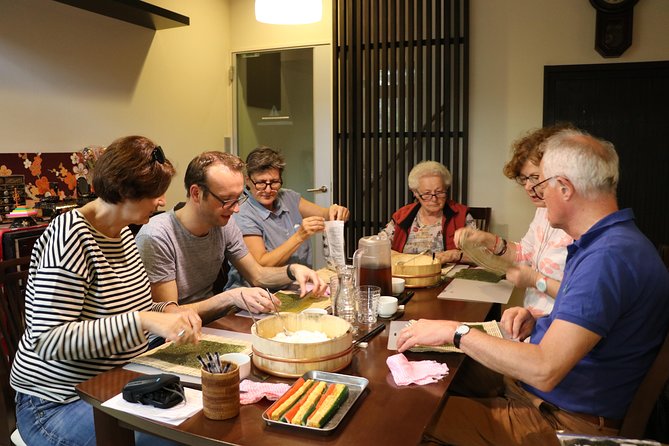
Kaori is the named instructor, and the experience is built around her hospitality and teaching. The strongest feature of the class is the close contact: you can follow her instructions, ask questions and get help while using the ingredients. Her English makes it possible to discuss both the practical steps and the cultural background without relying on guesswork.
That matters for a subject like sushi, where a quick glance at a finished dish won’t teach you how the rice should be handled or how the parts fit together. The class is designed to slow things down and explain the method. You’ll have a better chance of remembering a technique when you have tried it with your own hands.
Families and mixed-age groups can be a good fit. The lesson has been used by adults and children together, and the cooking is presented in clear stages. Still, the supplied details do not give a minimum age or a specific child-focused format, so ask the operator if you’re planning to bring young children.
More food tours in Kyoto:
- Kyoto Night Foodie Tour in Gion (9+ dishes + 6 Sake tastings)
★ 5.0 · 1,762 reviews - Kyoto: Izakaya Bars Guided Walking Tour
★ 4.9 · 815 reviews - Kyoto: Insider Sake Brewery Tour with Sake and Food Pairing
★ 5.0 · 704 reviews - Kyoto: Ramen, Gyoza, and Onigiri Cooking Class
★ 5.0 · 445 reviews
How much you get for $72.67
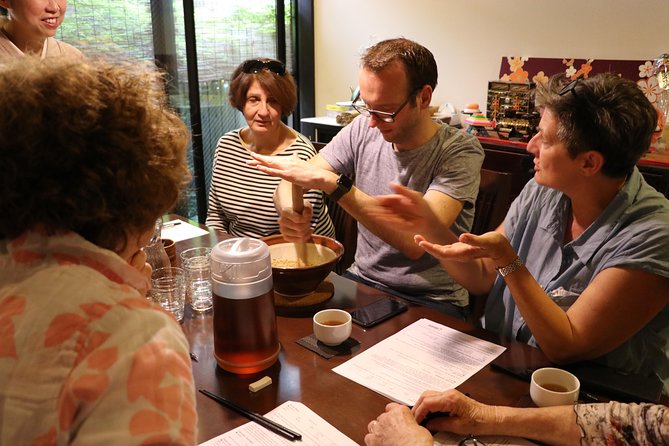
At $72.67 per person, this is not the cheapest way to eat sushi in Kyoto. But you are paying for a two-hour English-language lesson, all cooking ingredients, an instructor, recipes, an aperitif and Japanese green tea, as well as the meal you prepare.
The value is strongest if you want more than lunch. You come away with a practical skill, a recipe guide and cultural context you can use at other meals. If you only want to sample sushi, a restaurant will be simpler and likely cost less. If you’re curious about how it is made, this experience gives the price a clearer purpose.
There is a small point to clarify about drinks. The included items list an aperitif and green tea, while one description of the class says sake and beer may be offered after cooking at extra cost. Don’t assume that every drink is included; ask what the aperitif covers if it matters to your budget.
The class is usually booked well ahead, with an average lead time of about 40 days. That’s a useful planning guide, not a guarantee that you must book exactly that far in advance. If this is a priority for your Kyoto stay, it’s sensible to check availability early.
Check the group size and find the map pin
The experience is presented as a small-group class, but the published numbers do not agree. One description says the class is capped at eight people; the additional booking details give a maximum of 12 participants and a maximum of 13 people per booking. If the group size is important to you, confirm the current limit before paying.
Getting to the meeting point deserves a little care, too. Kyoto addresses can be confusing, and a past arrival problem involved a driver having trouble finding the address. The operator says a Google Maps link with a precise pin is sent in the post-booking information. Use that pin rather than relying only on the street address, and check your route before setting out.
The activity ends back at the meeting point. Confirmation is provided within 48 hours of booking, subject to availability. You can cancel for a full refund up to 24 hours before the start time; changes or cancellations inside that window are not accepted for a refund.
Tell the operator about any dietary requirements when you book. The class has been described as suitable for a gluten-conscious family, but that does not establish that every ingredient or preparation is gluten-free. If you have an allergy or a strict dietary need, ask for a clear answer before you commit.
Who should book this cooking class?
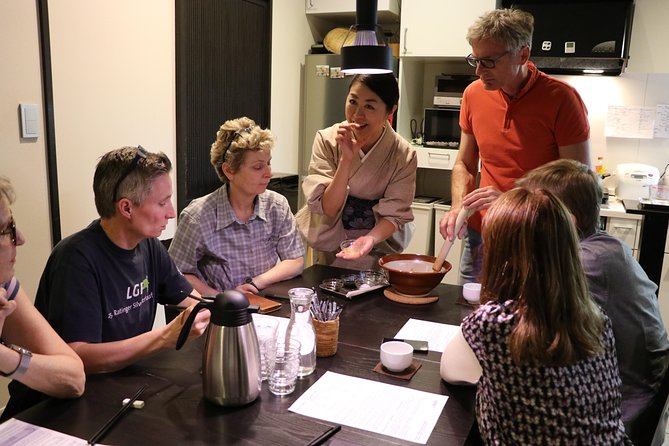
I’d choose this class if you enjoy learning by doing, like Japanese food and want an activity that gives you something practical to take home. It suits couples, friends and families who want a shared experience that is more memorable than another restaurant meal. It also works for beginners: you don’t need to arrive knowing how to make sushi.
It may be less appealing if you have little interest in cooking, want a large restaurant-style feast, or need a very specific menu. The ingredients and exact sushi varieties are not listed, and dietary needs should be discussed in advance. The group-size information is also worth confirming if you prefer a very small class.
For a curious eater, the price buys more than lunch: it buys instruction, cultural context and a recipe to try again at home. Book it if you want to understand the work behind the sushi on your plate, and take the map pin and any dietary questions seriously before you go.
FAQ
How long is the cooking class?
The class lasts approximately two hours.
What time does it start?
It starts at 11:30 am.
Where does the class meet?
It meets at Japanese Cooking Class Roujiya, 22-58 Nishinokyō Ikenouchichō, Nakagyo Ward, Kyoto, 604-8375, Japan.
What will I make?
You’ll make several types of sushi, soup and pickled ginger. The exact sushi varieties are not specified.
Is the class taught in English?
Yes. The cooking instructor teaches in English.
What is included in the price?
The price includes the meal, cooking ingredients, an English-speaking instructor, recipes, an aperitif and Japanese green tea.
Is hotel pickup included?
No. Hotel pickup and drop-off are not included.
How many people can join?
The group-size information is inconsistent. One description says the class is capped at eight, while the additional booking details state a maximum of 12 travelers and 13 people per booking. Confirm the current limit with the operator.
Can I tell the operator about dietary requirements?
Yes. You should advise the operator of any specific dietary requirements when booking.
What is the cancellation policy?
You can cancel at least 24 hours before the start time for a full refund. Cancellations or changes made less than 24 hours before the experience are not accepted for a refund.
Newly added in Kyoto
- Uji: Private immersion into Kyoto’s tea and reglious culture★ 5.0 · 17 reviews
- Whisk Your Own Matcha: A Zen Matcha Experience at Temple★ 3.6 · 7 reviews
- Kyoto tea town for matcha lovers★ 5.0 · 16 reviews
- Treasures of Kyoto: Gion & historical Walking Tour★ 5.0 · 6 reviews
- Kyoto Matcha Green Tea Tour★ 4.5 · 23 reviews
- Uji and Wazuka Matcha Farm Half Day Private Guided Tour★ 5.0 · 21 reviews
- Uji Tea Ceremony and UNESCO Heritage Walking Tour★ 5.0 · 20 reviews
- Utilising upcycled Matcha! Creating matcha incense (Uji, Kyoto)★ 5.0 · 6 reviews
Kyoto Cooking Classes, compared.
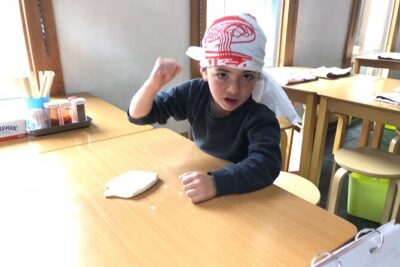
Ramen Cooking Class at Ramen Factory in Kyoto
Read our review →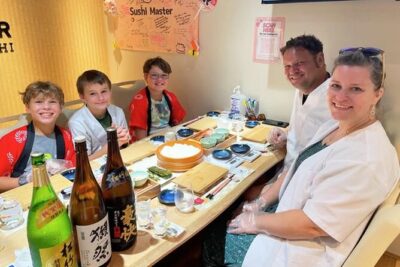
Sushi Making in Kyoto! Same-day bookings welcome!
Read our review →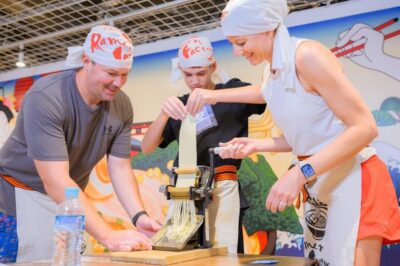
Ramen Cooking Class at a Ramen Factory with Souvenir
Read our review →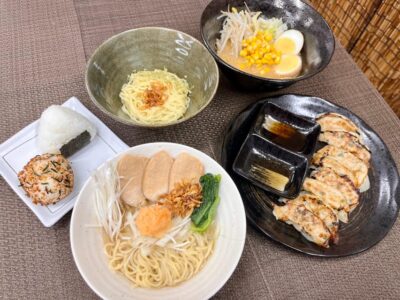
The Original Small-Group Sushi Making Class in Kyoto
Read our review →
Japanese Washoku Bento Small Group Cooking Class
Read our review →
Japanese Traditional Sweets Making and Tea Ceremony
Read our review →
Kyoto Ramen and Gyoza Cooking Class with Professional Chefs
Read our review →Browse the lists this tour appears in