
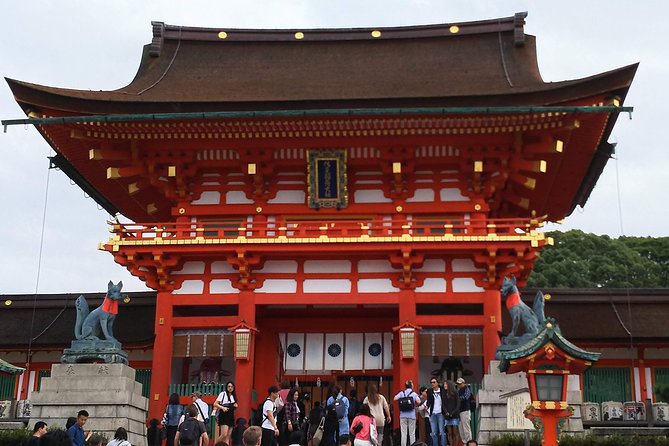
Reviewed · FUSHIMI INARI TOURS
Fushimi Inari & Nara Highlights Walking Tour
Fushimi Inari’s long rows of vermilion gates are the striking opening act, but this six-hour tour also takes you to Nara for two major religious sites. With a private guide to handle the route, you can spend your attention on the places rather than on maps and connections.
I like two things here: the day pairs a memorable shrine visit with Nara’s immense Todai-ji Temple, and the guide can help make sense of the history and architecture along the way. Kasuga Grand Shrine adds a quieter change of pace, with thousands of lanterns among its grounds.
The main consideration is the schedule. Three stops share about three hours of listed visit time, while the full tour lasts around six hours and includes travel between Kyoto and Nara. You will need to pay transport, Todai-ji admission, and meals separately.
Key points before you book
- Fushimi Inari opens the day with its famous tunnel of vermilion torii gates, donated by worshippers in thanks for good fortune.
- Nara brings two major sites: Todai-ji, known for its enormous wooden temple building, and Kasuga Grand Shrine, with more than 3,000 lanterns.
- The tour is private, so only your group participates, and a guide takes care of navigation.
- The day starts at Kyoto Station at 9:00 am and ends at Nara Station, a useful point to consider when planning the rest of your day.
- The advertised price is not the whole cost: add ¥1,380 per person for public transport and ¥800 for Todai-ji admission, plus meals.
- Allow roughly six hours, including the journey between cities and about one hour at each listed stop.
A Kyoto to Nara day, without the map work
This tour links two well-known sights that are easy to want on the same trip but take some planning to combine. You meet at Kyoto Station at 9:00 am, visit Fushimi Inari Taisha, then continue to Nara for Todai-ji and Kasuga Grand Shrine. The tour ends at Nara Station.
That point-to-point route is practical if you want to finish your day in Nara rather than return to Kyoto with the group. It also means you should plan ahead for your onward travel and any luggage you may be carrying. The tour information gives the start and end stations, but not a return journey to Kyoto.
The private format matters most on a day with several stops and transport connections. Your guide navigates, so you do not have to work out the route while keeping an eye on the clock. The tour is for your group alone, not a shared outing with other bookings. That can make it easier to ask questions and set the pace within the day’s schedule, though no specific guide names or languages are provided.
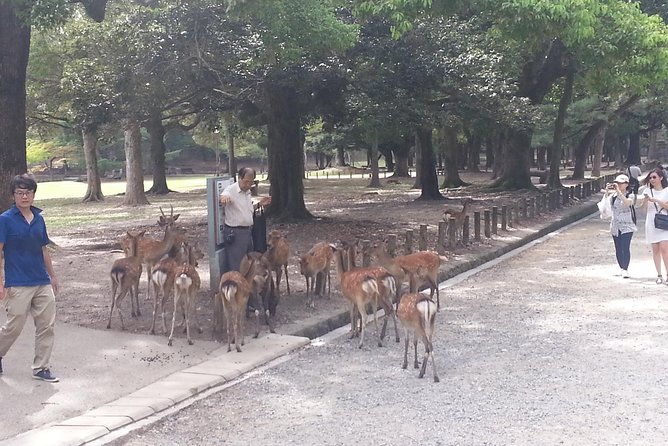
The overall rating is 4.7 from three reviews. The strongest praise is for the guide’s helpful, informative approach and for the combination of shrines and temples. One review also calls out Nara’s deer as a highlight. You may see deer while you are in Nara, but the listed stops focus on its temples and shrine, so treat wildlife as a possible extra, not a promised part of the itinerary.
More Fushimi Inari tours in Kyoto:
- Kyoto: Fushimi Inari, Kinkakuji, Bamboo Grove 1 Day Bus Tour
★ 4.8 · 4,316 reviews - Fushimi Inari Hidden Hiking Tour (Private Option Available)
★ 5.0 · 1,750 reviews - Kyoto/Osaka: Nara, Fushimi Inari Taisha, Arashiyama Bus Tour
★ 4.7 · 1,275 reviews
Fushimi Inari’s vermilion gate corridor
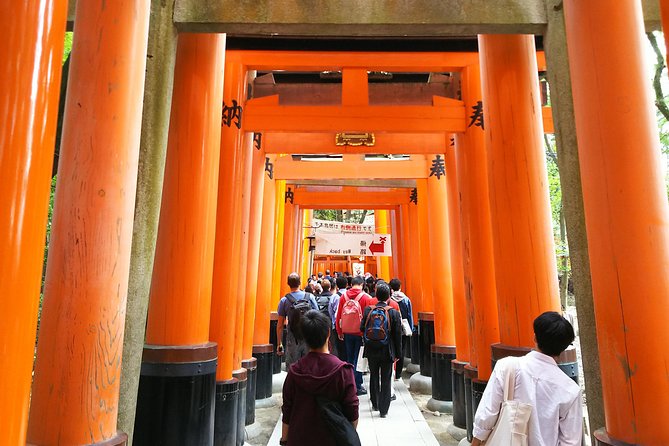
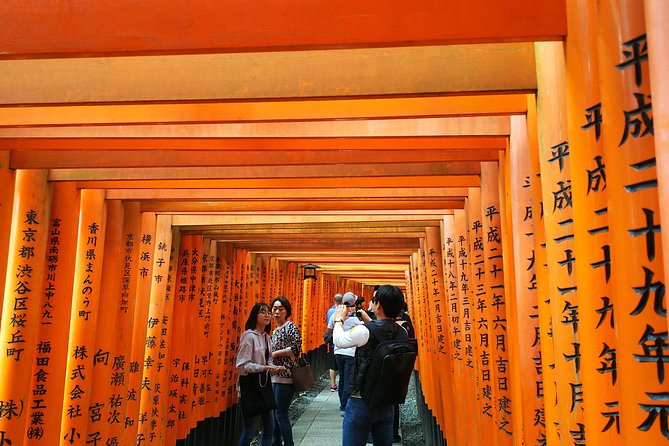
The first stop is Fushimi Inari Taisha Otabisho, with about an hour set aside. Its most famous sight is the tunnel-like sequence of vermilion torii gates. These gates were donated by worshippers in appreciation for good fortune, so the rows are not simply decoration: they carry a record of people giving thanks.
The scale makes this a strong opening stop. You can take in the repeating color and shape, and there are plenty of chances for photographs. A guide can add context to the shrine and its architecture, rather than leaving you to guess what you are looking at. That is especially helpful if you have limited time and do not want to spend the visit reading up on the site beforehand.
One hour is enough to see the gates and get a sense of the place, but it is not a leisurely, open-ended visit. The tour description does not promise a particular route through the shrine grounds or a long walk beyond the main area. If you have your heart set on a more extended visit, ask the operator what the hour includes before booking.
Fushimi Inari is also a busy, popular photo stop. The gates are the subject, but so are the people moving through them. Be ready to share the path and to take pictures patiently rather than expecting every frame to be empty. The guide can help keep the group moving, but the schedule means you will not have unlimited time to wait for ideal conditions.
The train journey to Nara
The tour includes public transportation, but the fare is not included in the price. Budget ¥1,380 per person for transport. One person who took the trip described the train journey from Kyoto to Nara as about an hour and considered it worth the ride. That is a useful reminder: the itinerary covers two cities, not a compact walk around one neighborhood.
The guide’s role is valuable here. Instead of piecing together the route yourself, you can follow along and save your planning time for the places you came to see. Still, the six-hour duration asks you to keep moving. The listed stop times are one hour each, and the schedule also needs to accommodate the journey.
Bring water and plan your meal around the timing. Meals are not included, and no lunch stop is specified. If you have dietary needs or want a proper sit-down meal, check with the operator in advance rather than assuming the tour will pause at a particular restaurant.
Todai-ji, where the building is part of the spectacle
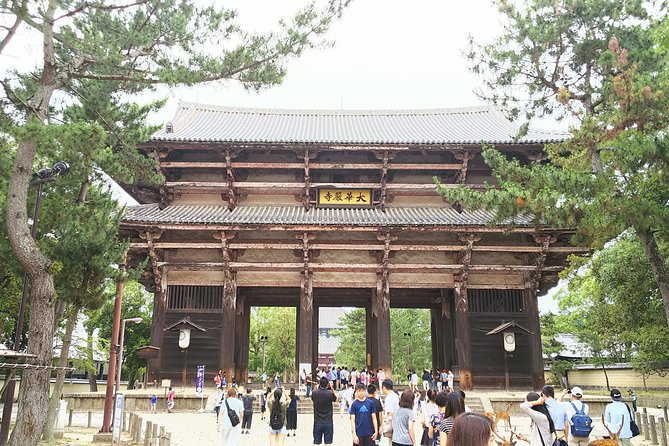
In Nara, the tour gives about an hour to Todai-ji Temple. The temple is described as the largest wooden building in the world, and the scale becomes apparent as you approach and enter its corridor. This is a place where the architecture itself is a major part of the visit, not just a setting for the religious site.
The visit also includes a traditional purification step at a trough, where you cleanse your hands and mouth. That small ritual gives you a practical way to take part in the visit rather than simply pass through as a spectator. Your guide can explain the custom and the temple’s history, helping you connect what you see with the wider story of Japanese religious architecture.
Admission is not included. Set aside ¥800 per person for Todai-ji, in addition to the tour price and transport fare. That is a modest but important detail when comparing the advertised price with the day’s likely total.
The one-hour visit is useful for seeing the main building and getting an introduction, but it leaves little room for a slow, extensive exploration. If Todai-ji is your main reason for visiting Nara, you may prefer to return independently for more time. If you want a guided first look as part of a broader day, the stop makes good sense.
More Nara trips in Kyoto:
- World Heritage Kyoto & Nara Uji Authentic Matcha Experience
★ 5.0 · 1,573 reviews - Nara Half Day Trip Walking Tour (Private Option Available)
★ 5.0 · 937 reviews - Osaka/Kyoto: Arashiyama, Nara & Fushimi Inari Shrine w/Lunch
★ 4.4 · 754 reviews - Nara Early Morning Tour (Kyoto or Osaka Departure Available)
★ 5.0 · 676 reviews
Kasuga Grand Shrine and its rows of lanterns
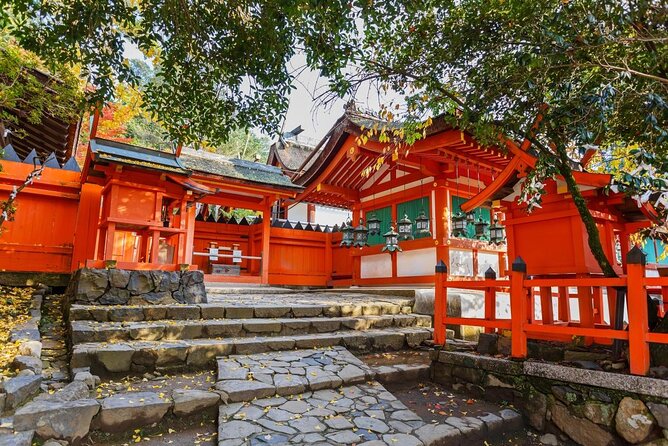
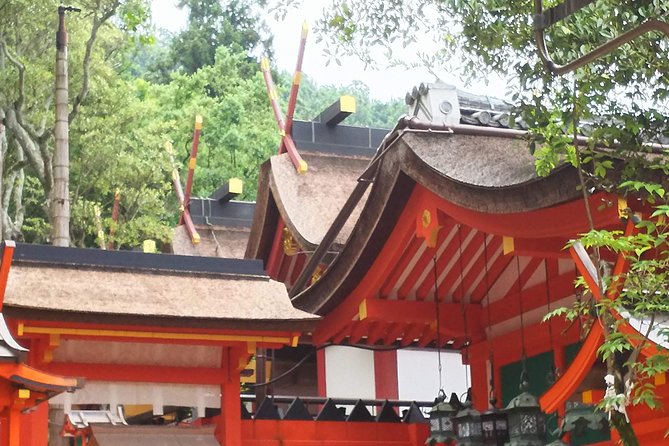
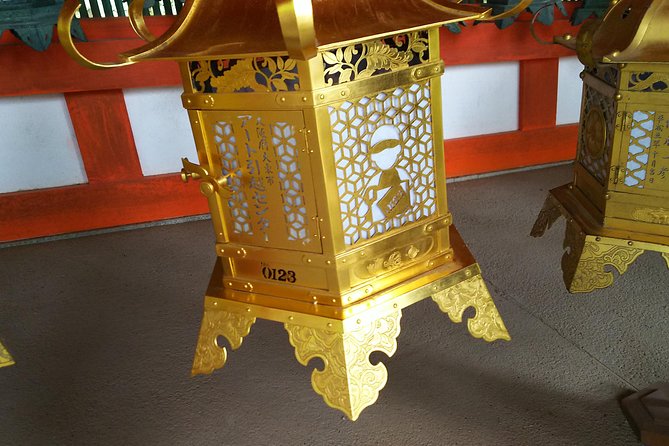
The final listed stop is Kasuga Grand Shrine, also allotted about an hour. Built around 1,300 years ago, it has roughly 1,000 branch shrines around Japan. Its precincts contain more than 3,000 lanterns, making the lanterns a defining feature of the visit.
This stop adds a different feel after Todai-ji’s great wooden structure. Here, the draw is the shrine’s long history and the striking number of lanterns gathered across its grounds. The contrast between the vermilion shrine elements and the lanterns makes it a rewarding place to slow down for photographs and look closely at the details.
The listed admission is free, which helps balance the extra cost of Todai-ji. As with Fushimi Inari, an hour gives you a clear introduction but does not promise an exhaustive visit. If you are especially interested in the shrine, ask how the guide plans to use the time and whether the route allows for the areas you most want to see.
What the price includes, and what it does not
At $106.10 per person, the tour’s value rests on having a private guide manage a multi-stop day across Kyoto and Nara. The guide fare is included, and the private setup means your group will not be combined with others. For someone with limited time in Japan, avoiding the work of planning the route can be worth paying for, particularly if you want historical and architectural context at each stop.
But the listed price is only the starting point. Add ¥1,380 per person for public transport, ¥800 for Todai-ji admission, and the cost of meals. Fushimi Inari and Kasuga Grand Shrine are listed with free admission. Because the extra costs are quoted in yen while the tour price is in dollars, your final total will also depend on exchange rates and any payment fees.
It helps to compare the price with what you need. If you are comfortable handling train routes and prefer to spend a long time at one site, independent travel may give you more control. If you value a guide’s explanations and want to connect three major places in one day without working out the logistics, the private tour offers a clear convenience benefit.
The tour is booked, on average, about 90 days ahead. That is not a rule, but it is a good reason to plan early if your dates are fixed. The experience requires good weather; if poor weather forces a cancellation, you are offered another date or a full refund. You can also cancel for a full refund up to 24 hours before the start time.
Who will get the most from this tour
I would consider this tour if your time in Japan is limited and both Fushimi Inari and Nara are priorities. It suits you if you want a guided introduction to the sites, value help with transport and navigation, and are comfortable with a brisk day. The guide’s informative, helpful approach is one of the trip’s most important benefits.
It is also a sensible option if you prefer a private outing to a group tour. With only your party participating, the day may feel more personal, and you can ask questions as they come up. Just keep in mind that private does not mean unstructured free time: the stops have about an hour each, and the day has several places to cover.
You may want another plan if you prefer to linger, take long breaks, or see Nara at a slower pace. The schedule does not list a meal stop, and the main temple admission and transit costs are extra. Families or anyone with particular mobility needs should confirm the route directly with KAMNAVI Tours; the available details do not spell out the walking distance or exact access arrangements.
Should you book it?
Book this tour if you want a guided, efficient pairing of Fushimi Inari and Nara’s best-known religious sites, and if avoiding route planning matters to you. Its strongest points are the private guide, the range of places covered, and the chance to hear context rather than simply collect photographs.
Skip it if you want an unhurried day or would rather decide your own pace at each site. Before booking, budget for transport, Todai-ji admission, and food, and remember that the tour ends in Nara. For a short stay in Japan, though, it is a practical way to make two memorable destinations fit into one day.
FAQ
How long is the tour?
It lasts about six hours. The three listed stops each have about one hour set aside, with travel between Kyoto and Nara as part of the day.
Where does the tour start and end?
It starts at Kyoto Station in Kyoto at 9:00 am and ends at Nara Station.
Is this a private tour?
Yes. Only your group participates.
What extra costs should I plan for?
Public transportation costs ¥1,380 per person, Todai-ji admission costs ¥800 per person, and meals are not included.
Is admission included at Fushimi Inari and Kasuga Grand Shrine?
Both are listed as free admission. Todai-ji admission is not included.
Can I cancel for a refund?
You can cancel up to 24 hours before the start time for a full refund. If poor weather cancels the tour, you are offered a different date or a full refund.
More walking tours in Kyoto
- Kyoto Geisha Walking Tour: Gion District & Hidden Gems
★ 4.7 · 3,273 reviews - Kyoto: Gion Magical Night Walking Tour with Geisha Trivia
★ 4.9 · 2,393 reviews - Kyoto: Gion Geisha District Walking Tour – Stories of Geisha
★ 4.7 · 2,187 reviews - Night Walk in Gion: Kyoto’s Geisha District
★ 4.5 · 2,003 reviews
Newly added in Kyoto
- Uji: Private immersion into Kyoto’s tea and reglious culture★ 5.0 · 17 reviews
- Whisk Your Own Matcha: A Zen Matcha Experience at Temple★ 3.6 · 7 reviews
- Kyoto tea town for matcha lovers★ 5.0 · 16 reviews
- Treasures of Kyoto: Gion & historical Walking Tour★ 5.0 · 6 reviews
- Kyoto Matcha Green Tea Tour★ 4.5 · 23 reviews
- Uji and Wazuka Matcha Farm Half Day Private Guided Tour★ 5.0 · 21 reviews
- Uji Tea Ceremony and UNESCO Heritage Walking Tour★ 5.0 · 20 reviews
- Utilising upcycled Matcha! Creating matcha incense (Uji, Kyoto)★ 5.0 · 6 reviews
Fushimi Inari Tours, compared.

Fushimi Inari, Kinkakuji, Bamboo Grove 1 Day Bus Tour
Read our review →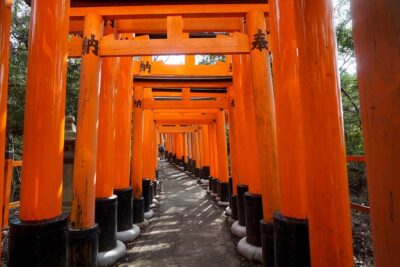
Fushimi Inari Hidden Hiking Tour (Private Option Available)
Read our review →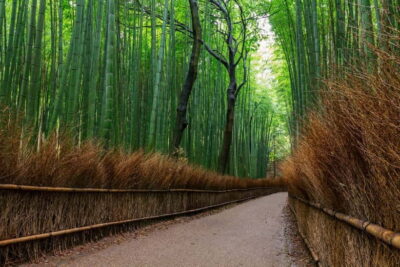
Nara, Fushimi Inari Taisha, Arashiyama Bus Tour
Read our review →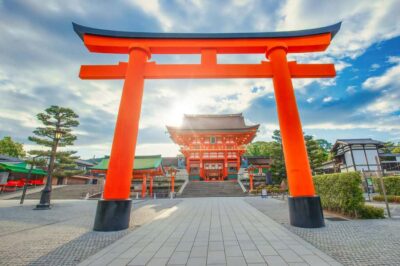
Arashiyama, Nara & Fushimi Inari Shrine w/Lunch
Read our review →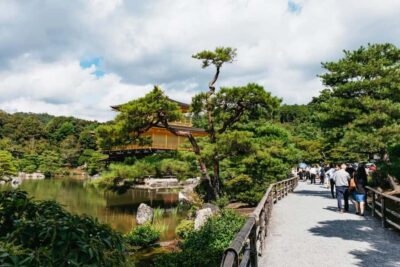
Nijo Castle, Kiyomizu & Fushimi Inari Guided Tour
Read our review →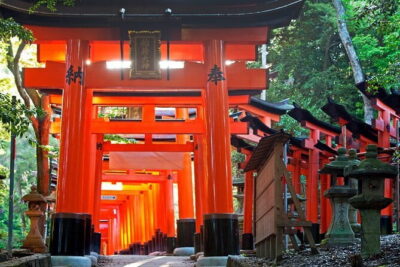
Nijo, Kinkaku-ji, Arashiyama, Kiyomizu & Fushimi Inari
Read our review →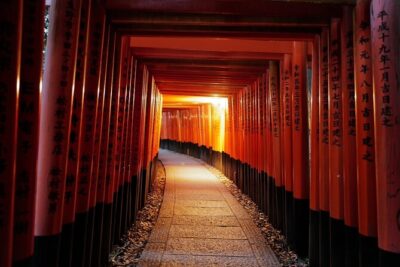
Browse the lists this tour appears in