
Reviewed · KYOTO FOOD TOURS
Private Art Sushi Roll Class in Kyoto
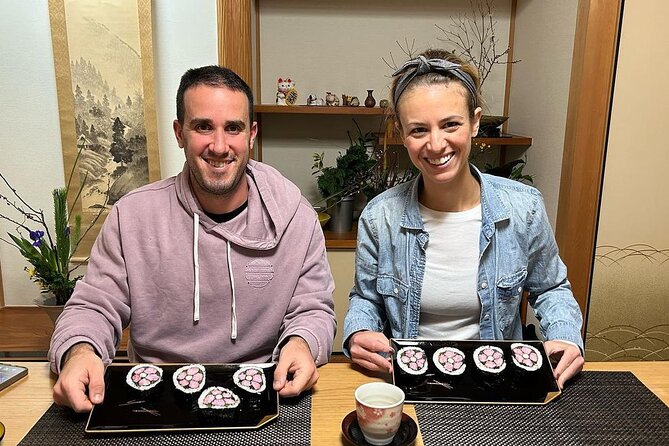
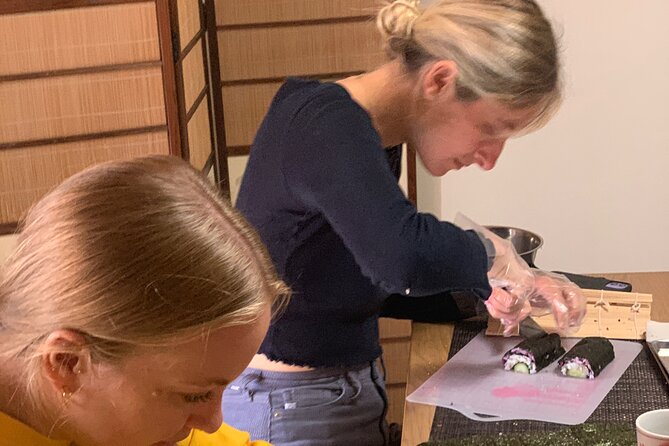
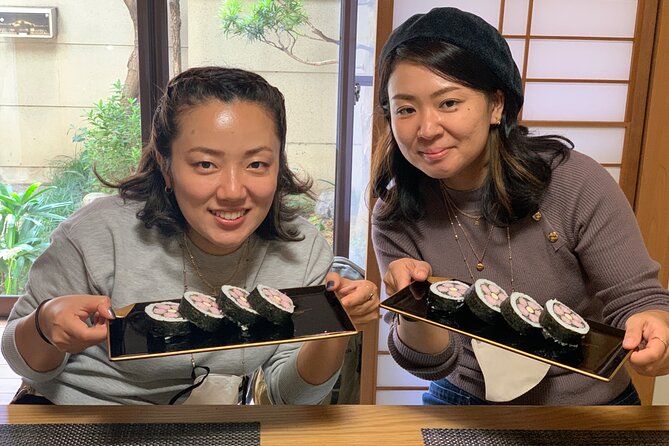
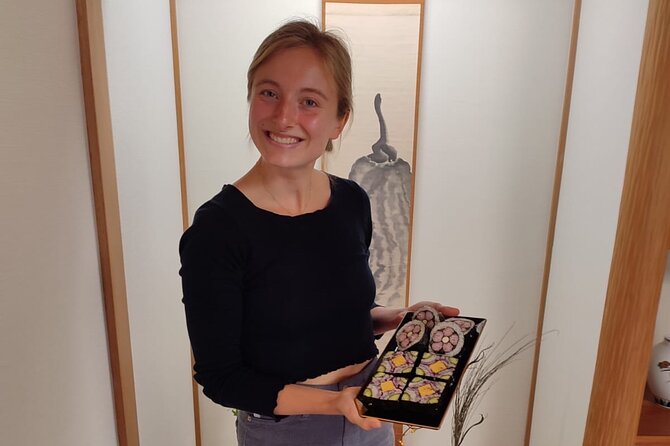
A peach flower appears inside your sushi roll, built from rice and colorful edible ingredients rather than painted on afterward. In this private Kyoto class, Aya teaches the Japanese art of kazarimaki in English. I like two things in particular: you make a specific design in a short, practical session, and the class takes place in a traditional home rather than a restaurant kitchen.
The main consideration is the pace. The class lasts about an hour, so you’ll need to follow the steps as you go, and one person who attended felt some sushi-making familiarity might help. Bring socks for the tatami room, and arrive on time: if you’re more than 15 minutes late, you can’t join.
- A peach-flower design: Make a patterned sushi roll using edible ingredients and natural plant-based colorings.
- A private lesson: The class is for your group alone, with English-speaking instruction from Aya.
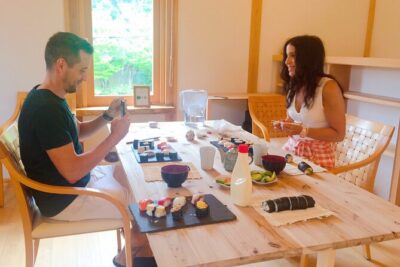
- Traditional home setting: You’ll make sushi in a tatami room and can wear provided traditional garments.
- All the basics are included: Ingredients, bottled water, tea or coffee, a booklet, and a certificate come with the class.
- A short, focused activity: Plan for about 60 minutes, starting at 4:30 pm at SAKURA’s Nijo home.
Making a flower inside a sushi roll
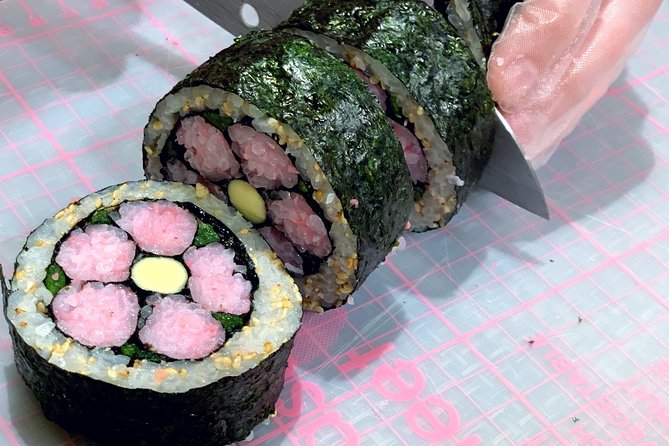
This is not a standard sushi-rolling lesson. Kazarimaki means decorative sushi rolling, where ingredients are arranged so a design appears when you slice the finished roll. The class focuses on a peach flower, an appealing first project because you leave with a clear result rather than a general introduction to several kinds of sushi.
The colors come from edible materials, including pigments extracted from plants. That gives the design a traditional cooking foundation, while the finished roll has a playful, picture-ready look. You’re making food, not just a craft project, so the ingredients and the way you assemble them matter as much as the pattern.
The class is described as suitable for beginners as well as more experienced cooks. Still, the technique may feel easier if you’ve handled sushi rice or rolled sushi before. One attendee found the instruction patient but thought some prior sushi-making experience could help, so don’t expect a long, leisurely lesson with time to master every detail. In an hour, you’ll be guided toward one particular design.
That focused approach is part of the value. A broad cooking class might introduce more dishes but give you little time with each one. Here, you work toward a single decorative roll and learn a specialized skill that can be difficult to pick up without instruction.
A private lesson with Aya in a Kyoto home
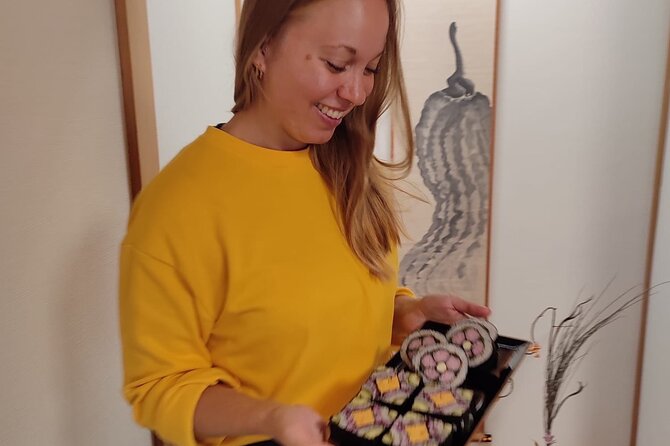
The class takes place at SAKURA Experience Japanese Culture’s Nijo home, in Kyoto’s Nakagyo Ward. Aya leads the lesson in English. Her husband, Manabu, has helped with photos and cleanup, adding a useful extra pair of hands, though you should treat that as something that has happened rather than a guaranteed part of every session.
The private format means only your party participates. That can make a real difference in a hands-on class: you can concentrate on your own work, ask questions without competing for the instructor’s attention, and share the activity with family or friends. It also makes the experience more personal than a demonstration in which you watch someone else do the rolling.
The home setting is another part of the appeal. You’re not simply learning a cooking technique in a commercial venue; you’re welcomed into a traditional Japanese space, with a tatami room and customs to observe. The setting gives the class a sense of place, though it also comes with one simple rule: wear socks. You cannot enter the tatami room barefoot.
Traditional clothing is provided during the experience. Women receive a kimono, while men and children are offered other traditional garments. That can add a memorable touch to photos and the occasion, but the main activity remains the sushi lesson, not a costume session. If you’re booking for a family, note that anyone under 18 must come with a parent or guardian who is over 21.
More food tours in Kyoto:
- Ramen Cooking Class at Ramen Factory in Kyoto
★ 5.0 · 1,937 reviews - Kyoto Night Foodie Tour in Gion (9+ dishes + 6 Sake tastings)
★ 5.0 · 1,762 reviews - Kyoto: Izakaya Bars Guided Walking Tour
★ 4.9 · 815 reviews
What happens during the 60-minute class
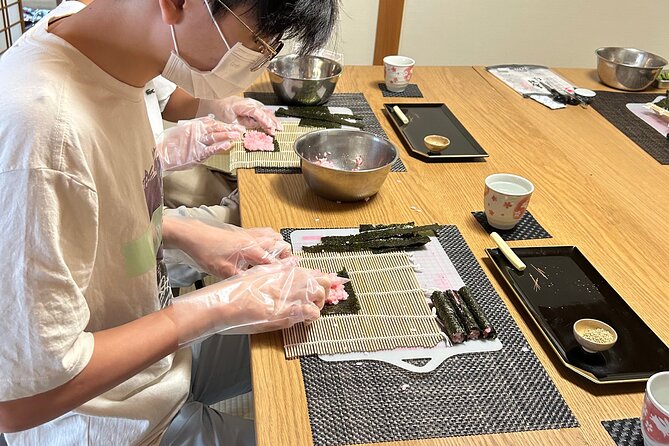
The class starts at 4:30 pm and lasts about an hour. At the meeting point, you’ll enter the home, observe the socks requirement, and settle in for a private session. The stated activity is to make a peach-flower pattern roll, using traditional ingredients and natural food colorings.
The exact step-by-step teaching sequence isn’t specified, so don’t count on a particular demonstration or set of techniques beyond the guided roll-making itself. The point is to learn how the edible parts fit together to create a design inside the sushi. Aya provides commentary as you work, and the lesson is conducted in English.
The class includes the sushi ingredients, so you don’t need to shop or bring food. Vegan and vegetarian options are available, a helpful detail if someone in your group avoids meat or fish. If you have a dietary requirement beyond those options, check it with the provider before booking rather than assuming it can be accommodated.
Bottled water, tea, or coffee are included. At the end, you receive a booklet and a certificate. The booklet gives you something practical to take home and refer to when you want to try the technique again. The certificate is a cheerful memento, especially for children or anyone who enjoys collecting small reminders of a trip.
The activity ends back at the same meeting point. It’s a compact plan, not a full afternoon cooking course, which makes it easier to fit around other Kyoto sightseeing. The 4:30 pm start also means you’ll want to plan your day so you aren’t rushing across town just before class.
Why the private format works well for families
This class suits people who want to do something together, not just watch a performance. The roll-making gives each person a task, while the private setting keeps the group together. It can work particularly well for families with older children, teenagers, and grandparents, since the activity is shared and the hosts can guide your own party.
Children under 18 must attend with a parent or guardian over 21. Babies and toddlers can sit or sleep on the tatami mat, according to the provider, but the class is still a cooking activity with a limited duration. Consider your child’s comfort with sitting in one place and taking part before you book.
A family who cooked together found the home setting especially meaningful, and the hosts’ warmth was a memorable part of the occasion. That personal element is worth weighing alongside the sushi itself. You’re paying for a guided activity in someone’s home, not only for the ingredients or the finished roll.
The private format also makes this a good choice for friends or couples who prefer a low-key activity with a tangible result. If you’re hoping for a large group atmosphere or a class with several dishes, this is probably not the right fit. Its strength is the close, shared focus on one decorative roll.
The $93.32 price and what it covers
At $93.32 per person, this is a premium-priced hour compared with a simple meal. The better way to judge the cost is as a private cultural activity: the price includes instruction, all sushi ingredients, drinks, traditional clothing, a booklet, and a certificate. You’re also paying for the use of a small group’s private class rather than joining a larger session.
The value will depend on what you want from your Kyoto visit. If you’re mainly looking for an inexpensive way to eat sushi, this class is not that. If you want to learn a distinctive technique, spend time with a local instructor, and make something you can try to recreate at home, the package has more appeal.
Group discounts are available, which may improve the per-person value for a larger party. The class is booked, on average, six days ahead, so it’s sensible to plan early if you have a particular date in mind. That average is not a promise of availability, especially during busy travel periods.
More private tours in Kyoto:
- Fushimi Inari Hidden Hiking Tour (Private Option Available)
★ 5.0 · 1,750 reviews - Private Kyoto Tour with a Local, Highlights & Hidden Gems, Personalised
★ 5.0 · 1,543 reviews - Kyoto 6hr Private Tour with Government-Licensed Guide
★ 5.0 · 1,369 reviews - 10 Must-see Spots in Kyoto One Day Private Tour (up to 7 people)
★ 5.0 · 1,108 reviews
Getting there, arriving on time, and dressing for tatami
The meeting point is SAKURA Experience Japanese Culture Nijo Home, at 660 Izumichō, Nakagyo Ward, Kyoto, 604-0015. The location is near public transportation, but the exact route isn’t provided here, so check directions from your hotel before setting out. Build in a little extra time; arriving more than 15 minutes late means you cannot join the class.
Bring socks. This is a small detail with an outsized effect on your arrival: tatami rooms require them, and you cannot enter without them. If you’re travelling with children, check that everyone has a pair packed before leaving for the class.
The experience is mobile-ticketed, and confirmation is received at booking. Free cancellation is available up to 24 hours before the start time for a full refund. Changes made less than 24 hours before the start, or cancellations within that period, are not accepted for a refund.
Who should book this Kyoto sushi class
Book it if you’re drawn to Japanese food and want to learn a decorative skill rather than sit down for another restaurant meal. It’s especially suited to a private family outing, a small group of friends, or anyone who likes making something by hand and taking the instructions home.
You don’t need to be an expert cook, but you should be comfortable following a guided activity at a steady pace. If you’ve never made sushi, the class can still be approachable, though the short format means you may need to concentrate. If you already know the basics, the patterned roll offers a more unusual challenge than ordinary sushi-making.
Skip it if you want a long cooking course, several dishes, or a relaxed meal with plenty of time to linger. This is a one-hour, single-project lesson. Its appeal comes from the mix of a specialized technique, a private home setting, and a finished roll that looks unlike everyday sushi.
FAQ
How long is the sushi class?
The class lasts about one hour.
What time does the class start?
The stated start time is 4:30 pm.
Is the class private?
Yes. Only your group participates.
Is instruction provided in English?
Yes. The class is operated by an English speaker.
Do I need to bring anything?
Bring socks. You cannot enter the tatami room without wearing them.
Are vegetarian or vegan options available?
Yes. Vegetarian and vegan options are available.
What is included in the price?
The class includes sushi ingredients, bottled water, tea or coffee, traditional garments, a booklet, and a certificate.
Newly added in Kyoto
- Uji: Private immersion into Kyoto’s tea and reglious culture★ 5.0 · 17 reviews
- Whisk Your Own Matcha: A Zen Matcha Experience at Temple★ 3.6 · 7 reviews
- Kyoto tea town for matcha lovers★ 5.0 · 16 reviews
- Treasures of Kyoto: Gion & historical Walking Tour★ 5.0 · 6 reviews
- Kyoto Matcha Green Tea Tour★ 4.5 · 23 reviews
- Uji and Wazuka Matcha Farm Half Day Private Guided Tour★ 5.0 · 21 reviews
- Uji Tea Ceremony and UNESCO Heritage Walking Tour★ 5.0 · 20 reviews
- Utilising upcycled Matcha! Creating matcha incense (Uji, Kyoto)★ 5.0 · 6 reviews
Kyoto Food Tours, compared.
Ramen Cooking Class at Ramen Factory in Kyoto
Read our review →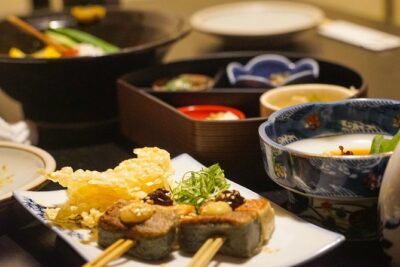
Kyoto Night Foodie Tour in Gion (9+ dishes + 6 Sake tastings)
Read our review →
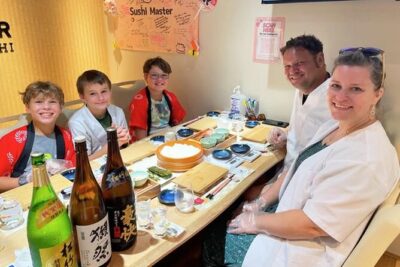
Sushi Making in Kyoto! Same-day bookings welcome!
Read our review →
Insider Sake Brewery Tour with Sake and Food Pairing
Read our review →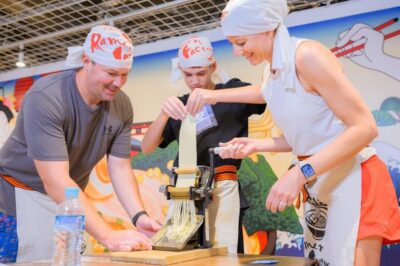
Ramen Cooking Class at a Ramen Factory with Souvenir
Read our review →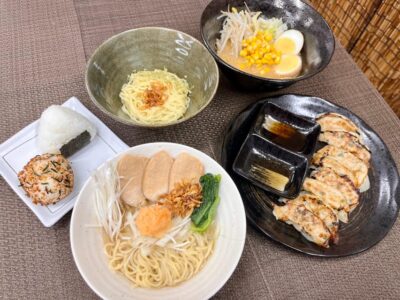
The Original Small-Group Sushi Making Class in Kyoto
Read our review →Browse the lists this tour appears in