
Reviewed · FUSHIMI INARI TOURS
Discover the Secrets of Fushimi Inari and Gion with a Local Guide
Kyoto’s eastern temples and Fushimi Inari’s red torii gates make an ambitious half-day pairing, and this small-group walk links them with the old streets of Gion. I like that you get both the atmosphere of the shrine-lined mountain paths and the city’s traditional districts, and that the group is capped at eight, so there’s room for questions and a pace that can suit the group.
The other strong point is the mix of stops: Yasaka Shrine, Kōdaiji, Yasaka Pagoda and Kiyomizu-dera add more than a quick photo stop before Fushimi Inari. The trade-off is time: six stops in about four hours means a brisk schedule, with only 30 minutes at several temples and an extra ¥220 per person for train transport.
Key points
- A six-stop route in about four hours: Gion, Yasaka Shrine, Kōdaiji, Yasaka Pagoda, Kiyomizu-dera and Fushimi Inari.
- A small group, not a private tour: The maximum group size is eight, and a personal guide accompanies you.
- Temple entry is covered at two stops: Admission to Kōdaiji and Kiyomizu-dera is included.
- Fushimi Inari comes at the end: The tour finishes at Fushimi-Inari Station, a short walk from the shrine.
- Keep ¥220 handy for the train: Train transportation is not included in the tour price.
- Food and drinks are on you: Plan to eat before or after, or bring what you need.
From Gion’s lanes to Fushimi Inari’s gates
This tour connects some of Kyoto’s best-known sights on foot, with a train ride included in the route but paid separately. It starts by Minamiza Theater in the Gion area and ends at Fushimi-Inari Station, so you finish near the famous shrine rather than returning to your starting point.
That one-way structure is useful if you want a guided introduction to eastern Kyoto without doubling back. It also means you should think of the tour as a sequence of short visits, not a slow temple day. Several stops are allotted 30 minutes, while Fushimi Inari gets an hour. You’ll get context from your guide, but you may not have time to linger everywhere.
The group limit of eight is a practical plus. A small party can hear explanations more easily and ask questions without turning each stop into a lecture for a crowd. The guide is a personal guide, and one guide named Tomoki has led the tour. The listing does not guarantee a particular guide, so treat that name as a useful detail rather than a promise.
More Fushimi Inari tours in Kyoto:
- Kyoto: Fushimi Inari, Kinkakuji, Bamboo Grove 1 Day Bus Tour
★ 4.8 · 4,316 reviews - Fushimi Inari Hidden Hiking Tour (Private Option Available)
★ 5.0 · 1,750 reviews - Kyoto/Osaka: Nara, Fushimi Inari Taisha, Arashiyama Bus Tour
★ 4.7 · 1,275 reviews
Gion: a short introduction to Kyoto’s old quarter
The tour opens in Gion, famous for its traditional wooden machiya houses, teahouses and cobbled streets. The 20-minute stop is brief, but it gives you a first look at the architecture and atmosphere that make this district feel distinct from modern Kyoto.
Gion is also associated with geisha culture. A guide can help explain the area’s traditions and give you a better sense of what you are seeing than a quick walk with a camera. Keep expectations in check, though: 20 minutes is enough for an introduction, not a thorough exploration of the district.
The meeting point is Minamiza Theater, at the eastern end of Shijo Bridge. Check the location carefully before setting out, especially if you are navigating Kyoto for the first time. The tour starts here, then moves through the eastern side of the city.
Yasaka Shrine: a pause for Shinto tradition
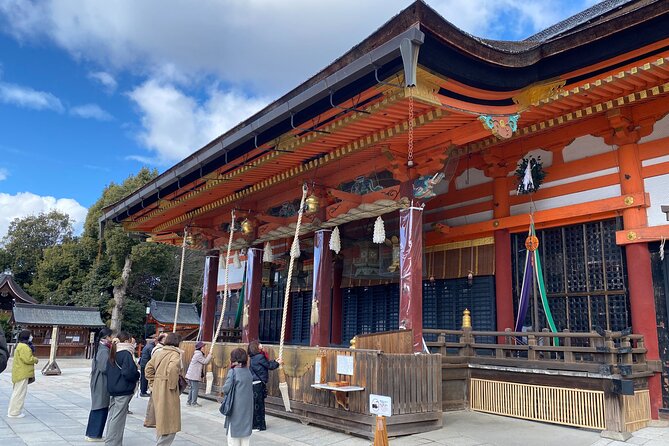
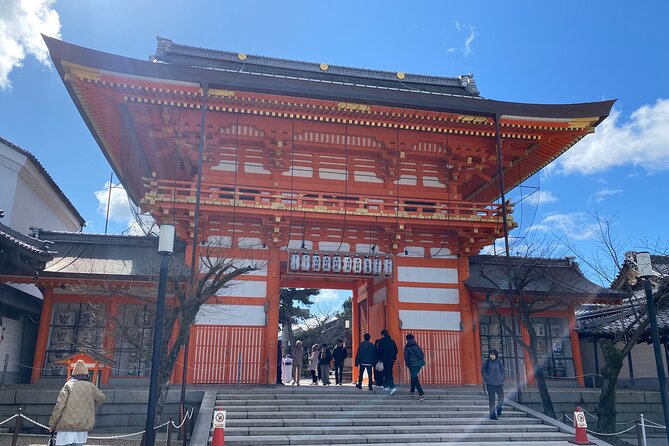
At Yasaka Shrine, you have 30 minutes to see one of Kyoto’s most prominent Shinto sites. The shrine is more than 1,350 years old and is dedicated to Susanoo-no-Mikoto. Its location at the eastern end of Gion makes it a natural bridge between the district’s old streets and the temples farther uphill.
This stop offers a change of focus from Gion’s wooden townhouses to a working place of worship. The guide can help put the shrine’s role and customs in context, which is especially useful if Shinto practice is new to you. Admission is free, so you are paying for the guided experience rather than an entry ticket here.
Thirty minutes is enough to look around and listen, but not to take an unhurried visit. If you like to pause for photos or spend time observing shrine rituals, keep an eye on the group’s schedule.
Kōdaiji: a temple visit with a personal story
Kōdaiji is a Zen Buddhist temple founded in 1606 by the wife of warlord Toyotomi Hideyoshi, in his memory. That origin gives the visit a human thread: the temple is not only an architectural landmark, but also a memorial shaped by a family’s loss and political standing.
You have 30 minutes here, and admission is included in the tour price. That helps the value, since two of the stops require paid entry and this is one of them. Kōdaiji is also a change of pace after the shrine visit, bringing Buddhist history and temple grounds into the route.
The time limit matters. If you prefer to explore temple gardens at leisure, a guided half-day will feel compressed. But if your priority is to learn why a site matters and see its main features without handling every ticket and route decision yourself, the stop makes sense.
More Gion tours in Kyoto:
- Kyoto Geisha Walking Tour: Gion District & Hidden Gems
★ 4.7 · 3,273 reviews - Kyoto: Gion Magical Night Walking Tour with Geisha Trivia
★ 4.9 · 2,393 reviews - Kyoto: Gion Geisha District Walking Tour – Stories of Geisha
★ 4.7 · 2,187 reviews - Best of Kyoto: Gion, Geisha, Pagodas & Cobblestones
★ 4.9 · 2,058 reviews
Yasaka Pagoda: Kyoto’s familiar skyline
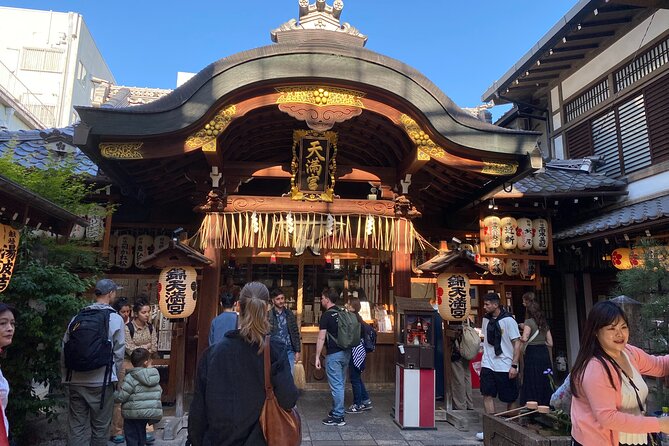
Yasaka Pagoda, officially Hōkan-ji Temple, is one of the most recognizable sights in Higashiyama. Its five stories and long history make it a natural visual anchor as you move between Gion and the temple district. The pagoda is associated with a temple originally built in the sixth century.
The visit lasts 30 minutes, and there is no admission fee listed for this stop. That leaves time to take in the building and its setting, though not necessarily to explore the surrounding area at a slow pace. The pagoda’s appeal is partly its place in the streetscape, so look around as well as up.
This stop is a good reminder that Kyoto’s historic character is not confined to temple grounds. The transition between temples, shops and old streets is part of the experience. A guide can point out details you might otherwise pass while trying to keep up with the route.
Kiyomizu-dera: a major temple on the hillside
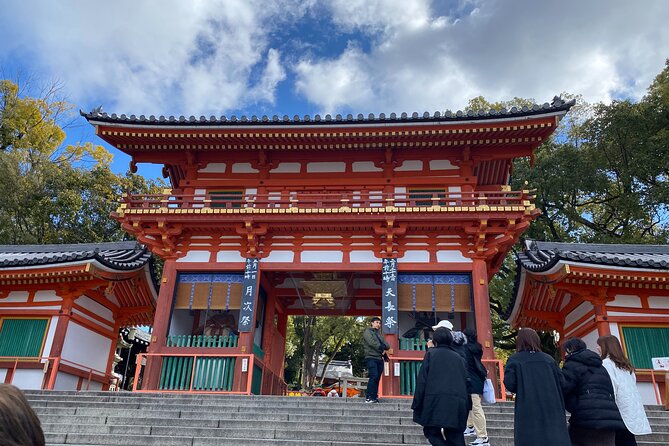
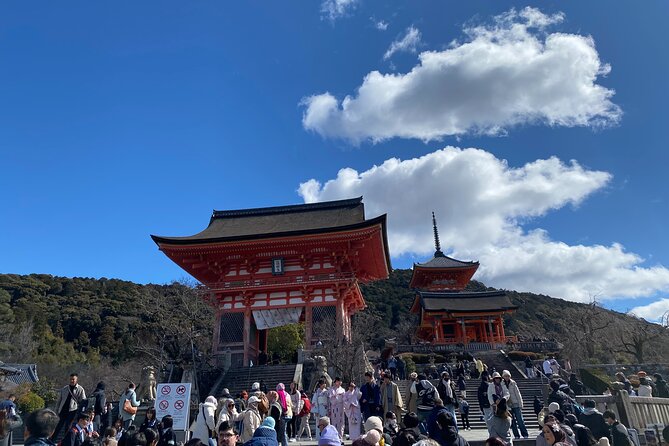
Kiyomizu-dera is one of Kyoto’s best-known Buddhist temples, founded in 778 on the slopes of Mount Otowa. It is famed for its large wooden stage. The site’s hillside setting and long history make it one of the route’s major stops, rather than a brief marker on the way to Fushimi Inari.
You have 30 minutes here, with admission included. That is a welcome saving and removes one small task from a busy day. Still, Kiyomizu-dera is a substantial site, and the allotted time is better suited to a focused introduction than a full visit.
If this temple is a personal priority, consider whether you would rather return on your own for longer. The tour gives you a guided overview and keeps the broader route moving. That is a fair exchange if your Kyoto schedule is tight, but less appealing if you want to explore every corner at your own pace.
Fushimi Inari: finish among the torii gates
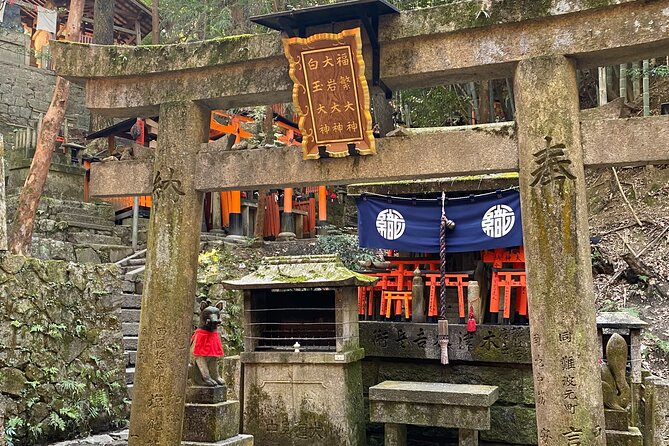
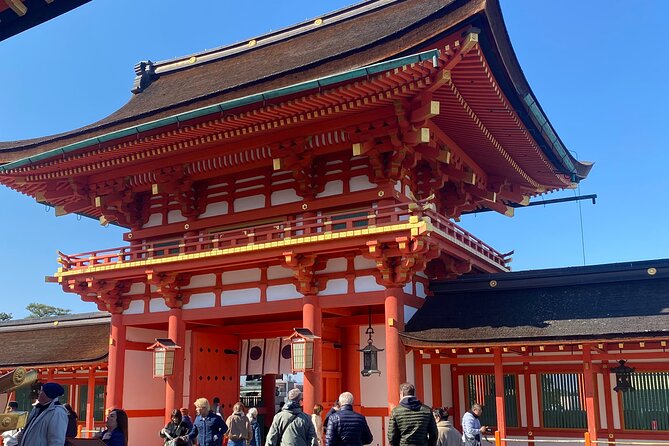
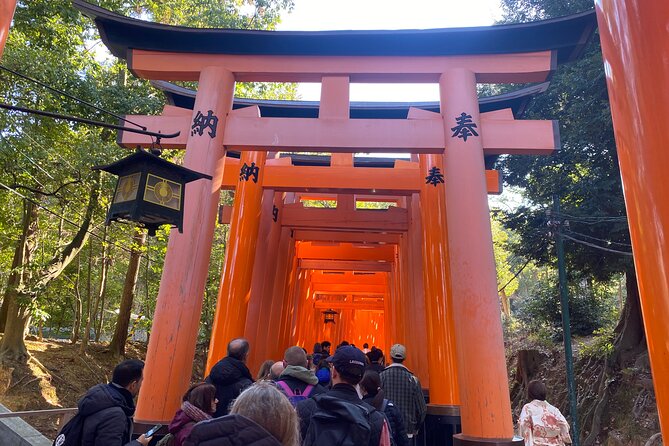
The final stop is Fushimi Inari-taisha, the shrine known for its long paths lined with red torii gates. The shrine dates to the early eighth century and is one of Kyoto’s most visited sites. You have an hour here, the longest single stop on the itinerary.
That hour gives you time to experience the shrine’s distinctive atmosphere and walk among the gates, though it is not enough to cover every route on Mount Inari. The paths continue uphill, so decide how far you want to go and keep the return time in mind. The tour ends at Fushimi-Inari Station, a short walk from the shrine, which makes it easy to continue exploring after the guided portion if your plans allow.
Fushimi Inari is an especially strong finish because it gives the tour a clear final focus. Earlier stops introduce Kyoto’s architecture, religious traditions and old neighborhoods; here, the repeated gates create a memorable route through the shrine grounds. The shrine itself has no admission fee.
What the price includes, and what it does not
At $78.04 per person, the price covers the guide and admission to Kōdaiji and Kiyomizu-dera. You also get a compact route through six notable places, which can be good value if you want a local guide to connect them and help you make the most of a short stay.
The cost does not include train transport, listed at ¥220 per person, or meals and drinks. Factor that train fare into your budget, and plan your food separately. Since the tour lasts about four hours, you may want to eat before the start or allow time for a meal after it ends.
Value depends on how you like to travel. If you enjoy hearing context as you walk and want someone else to shape the route, the fee buys more than transport between sights. If you prefer long, independent visits at each temple, you may get better value by choosing fewer places and spending longer at them.
The pace, group size and practical details
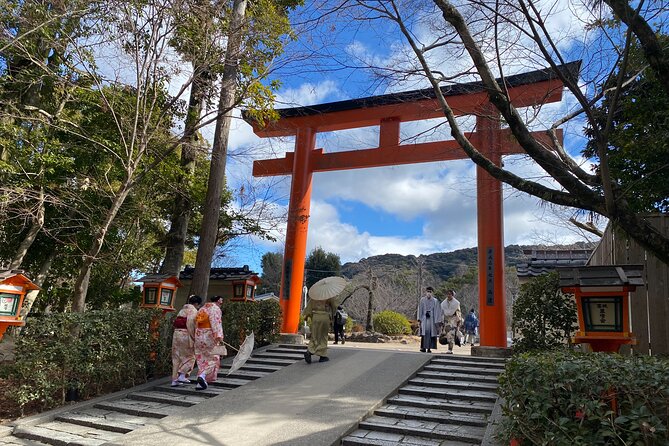
This is a walking tour with a maximum of eight people. The guide can adjust the pace to suit the group, which matters on a route that moves between several historic sites. Still, the itinerary is full, so comfortable shoes and a willingness to keep moving will help.
The tour begins by Minamiza Theater and finishes at Fushimi-Inari Station on the Keihan Line. It does not return you to the start. That one-way finish is handy if you want to stay near Fushimi Inari, but plan your next journey from the station rather than assuming you will end where you began.
A mobile ticket is available, and confirmation is received at booking. The tour is near public transportation, and most people can participate. If you need a private tour or pickup, the provider asks you to send a message; those options are not part of the standard group experience.
Should you book this Kyoto walk?
Book this tour if you have about half a day, want a guide to explain Kyoto’s religious and cultural landmarks, and are comfortable seeing several places at a brisk pace. The small group, included entry to two temples and one-way finish near Fushimi Inari make the plan practical for a first visit.
Think twice if your priority is a slow, self-directed visit to Kiyomizu-dera or a long climb at Fushimi Inari. You will have limited time at most stops, and transport and food cost extra. For a broad first look at Gion, temples and the torii-gate paths, though, it offers a useful balance of famous sights and local context.
FAQ
How long is the tour?
The tour lasts about four hours.
Where does the tour start?
It starts at Minamiza Theater in Kyoto’s Higashiyama Ward.
Where does the tour end?
It ends at Fushimi-Inari Station, a short walk from Fushimi Inari Shrine.
How large is the group?
The tour has a maximum of eight travelers.
Which admission fees are included?
Admission to Kōdaiji Temple and Kiyomizu-dera Temple is included.
Is train transportation included in the price?
No. Train transportation is listed at ¥220 per person.
Are meals and drinks included?
No. Meals and drinks are not included.
Newly added in Kyoto
- Uji: Private immersion into Kyoto’s tea and reglious culture★ 5.0 · 17 reviews
- Whisk Your Own Matcha: A Zen Matcha Experience at Temple★ 3.6 · 7 reviews
- Kyoto tea town for matcha lovers★ 5.0 · 16 reviews
- Treasures of Kyoto: Gion & historical Walking Tour★ 5.0 · 6 reviews
- Uji and Wazuka Matcha Farm Half Day Private Guided Tour★ 5.0 · 21 reviews
- Kyoto Matcha Green Tea Tour★ 4.5 · 23 reviews
- Uji Tea Ceremony and UNESCO Heritage Walking Tour★ 5.0 · 20 reviews
- Utilising upcycled Matcha! Creating matcha incense (Uji, Kyoto)★ 5.0 · 6 reviews
Fushimi Inari Tours, compared.

Fushimi Inari, Kinkakuji, Bamboo Grove 1 Day Bus Tour
Read our review →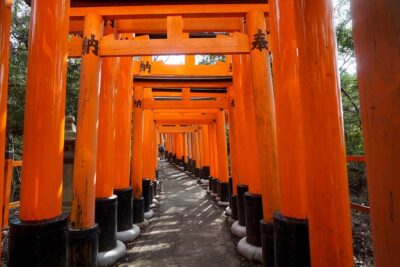
Fushimi Inari Hidden Hiking Tour (Private Option Available)
Read our review →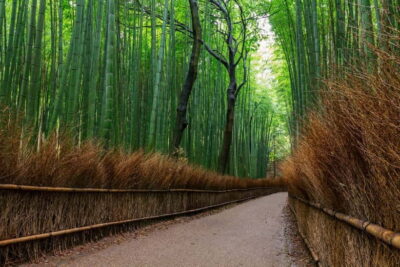
Nara, Fushimi Inari Taisha, Arashiyama Bus Tour
Read our review →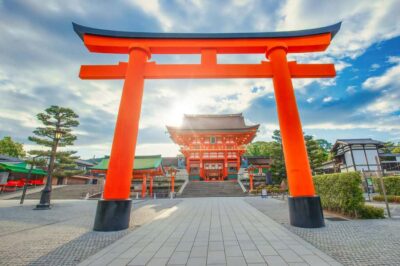
Arashiyama, Nara & Fushimi Inari Shrine w/Lunch
Read our review →
Nijo Castle, Kiyomizu & Fushimi Inari Guided Tour
Read our review →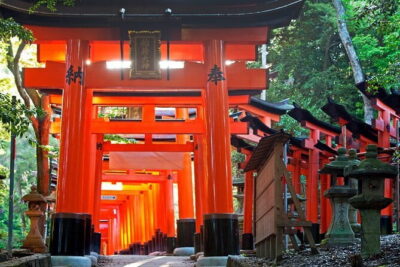
Nijo, Kinkaku-ji, Arashiyama, Kiyomizu & Fushimi Inari
Read our review →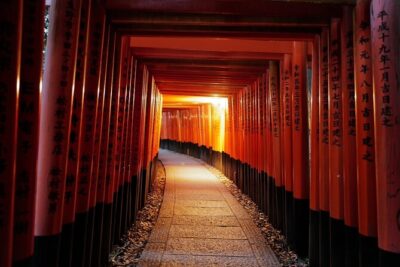
Browse the lists this tour appears in