
Reviewed · KYOTO GEISHA TOURS
Guided Gion Tour: Explore Kyoto’s Historic Geisha District
Gion is more than a photogenic street of wooden houses. It is Kyoto’s best-known geisha district, and a private guide can help you read its streets, customs, and landmarks rather than simply pass through them. I like the chance to ask questions as you go, and the option to choose a quieter morning or an evening when streetlights change the mood.
I also like that the route links Gion with Yasaka Shrine and Maruyama Park, giving you a broader taste of this part of Kyoto in two hours. The main caveat is that a geisha or maiko sighting is never promised, and heat or a brisk pace can make the walk harder than expected.
Key points before you book
- A private group of up to eight: The $350 price covers your group, so it offers better per-person value when you are traveling with family or friends.
- About two hours, six stops: The route includes Gion, the Izumo no Okuni statue, Chion-in Temple Gate, Yasaka Shrine, Maruyama Park, and Hanamikoji Street.
- A possible maiko sighting, not a scheduled encounter: The guide can take you to places where you may be more likely to spot one, but sightings depend on chance.
- Your guide can shape the conversation: Ask about local customs, architecture, or the sites that interest you most.
- Choose a time to suit your plans: Tours are offered throughout the day. Early morning may mean fewer crowds, while evening brings streetlights.
- Plan for the weather and walking pace: One family found the heat difficult and missed some commentary while trying to keep up.
Why Gion makes a good guided walk
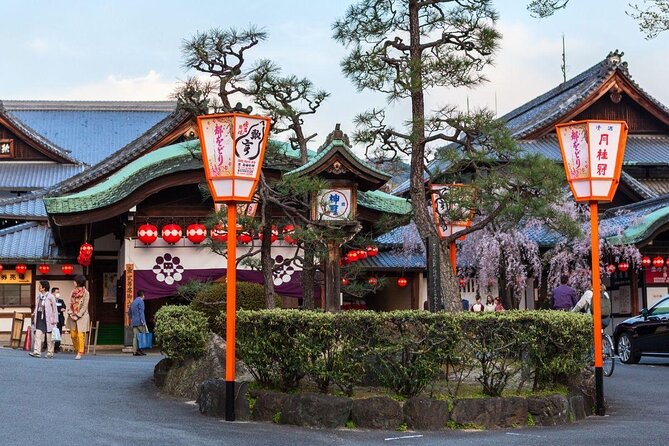
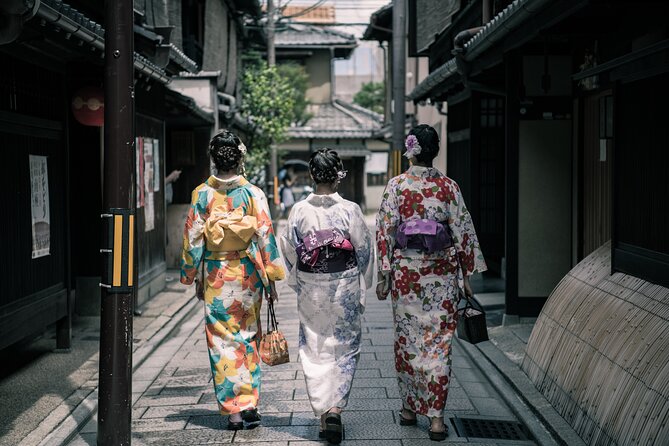
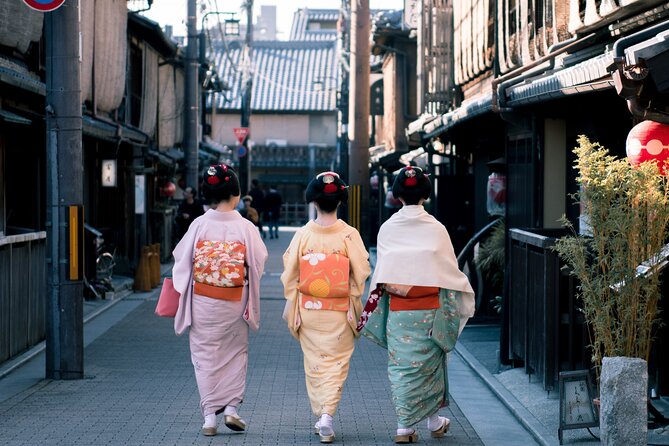
Gion’s appeal is its mix of everyday streets and traditional architecture. Its wooden machiya houses and teahouses give the district a distinct character, but the setting can be easy to skim past if you do not know what you are looking at. A guide helps connect the visible details with the customs that shape the area.
That context is the strongest reason to book this tour. You are not buying guaranteed access to geisha or maiko, nor a performance or private meeting. You are paying for a local guide to lead you through the district, explain what you see, and answer questions along the way.
The private format is useful here. With only your own group, you can ask for more explanation when something catches your attention, or steer the conversation toward a particular interest. Ahmed and Mat are among the guides named by people who took the tour. One participant specifically appreciated Mat’s consideration and ability to answer questions, while Ahmed was praised for punctuality and for explaining customs.
You can also choose a time that fits your energy and priorities. An early start is worth considering if you prefer fewer people in the streets. In the evening, the streetlights add another atmosphere to Gion. The tour is offered throughout the day, though the experience of the district will naturally change with the hour.
More geisha and maiko experiences in Kyoto:
- Kyoto Geisha Walking Tour: Gion District & Hidden Gems
★ 4.7 · 3,273 reviews - Kyoto: Gion Magical Night Walking Tour with Geisha Trivia
★ 4.9 · 2,393 reviews - Kyoto: Gion Geisha District Walking Tour – Stories of Geisha
★ 4.7 · 2,187 reviews
How the two-hour route unfolds
The six stops add up to about two hours: one hour in Gion, followed by shorter visits to five nearby places. That gives the guide time to explain the district, but it is still a compact tour. If you like to linger over photographs or take frequent breaks, tell your guide early so you can make sensible use of the time.
Gion: an hour among old streets
The longest stop is Gion itself, where the preserved architecture is the main attraction. Traditional teahouses and wooden machiya line streets such as Hanamikoji, and the guide can help you understand why the district is so closely linked with geisha culture.
You may be lucky enough to see a geisha or maiko in the area, including around Hanamikoji Street. But this is a possibility, not a booked encounter. The tour can take you to places where sightings are more likely, but no one can arrange a reliable time with a performer. Book for the history, setting, and guide’s explanations; treat a sighting as a bonus.
Photography is part of the appeal, with Yasaka Shrine, Maruyama Park, and Gion among the places to frame. Keep your expectations flexible, though. The tour offers a chance to take photos at these landmarks, not a promise of an empty street or ideal light.
Izumo no Okuni statue: a link to Kabuki
The 15-minute stop at the statue of Izumo no Okuni brings a different strand of performance history into the walk. Okuni is credited with founding Kabuki theater and with changing Japanese performing arts. The statue gives the guide a clear point from which to explain her place in Kyoto’s cultural story.
This is a brief stop, so it works best as a focused explanation rather than a long visit. If theater interests you, ask questions here; the private format makes it easier to follow a subject beyond a quick photo.
More Gion tours in Kyoto:
- Best of Kyoto: Gion, Geisha, Pagodas & Cobblestones
★ 4.9 · 2,058 reviews - Night Walk in Gion: Kyoto’s Geisha District
★ 4.5 · 2,003 reviews - Kyoto Night Foodie Tour in Gion (9+ dishes + 6 Sake tastings)
★ 5.0 · 1,762 reviews - Kyoto Gion Geisha District Walking Tour – The Stories of Geisha
★ 5.0 · 1,441 reviews
Chion-in Temple Gate: scale and craftsmanship
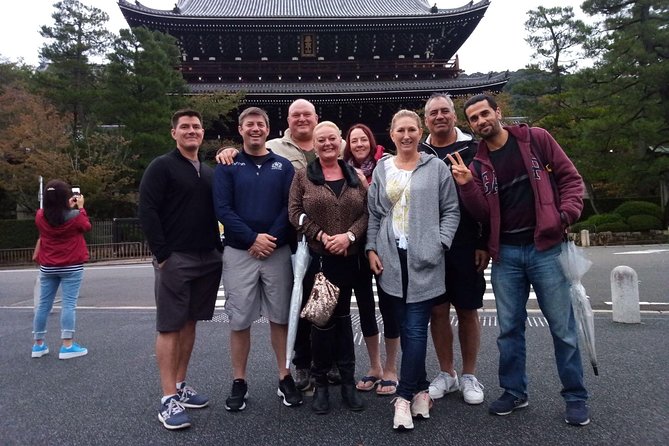
The itinerary includes 15 minutes at Chion-in Temple Gate, a monumental wooden entrance associated with one of Kyoto’s revered Zen temples. Its scale and detailed carvings are the reason to pause. Even a short look can make the contrast between grand religious architecture and Gion’s domestic streets more apparent.
The stop is specifically at the gate, so do not assume the tour includes an extended temple visit. If you want more time for the temple grounds, check with your guide about how the route can be adjusted.
Yasaka Shrine: lanterns and festival life
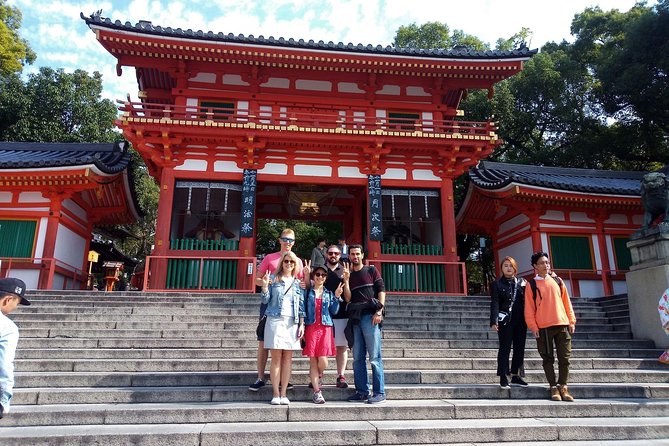
Yasaka Shrine is a short walk from the other stops and receives about 10 minutes on the route. It is known for its festivals and lantern-lit pathways, and it remains an important part of Kyoto’s cultural and spiritual life. The guide can help you take in the setting and understand why the shrine matters beyond its appearance.
Ten minutes is enough for an introduction, but not a leisurely visit to every corner. If taking photographs is a priority, use the time thoughtfully and ask the guide where to focus.
Maruyama Park: a green pause
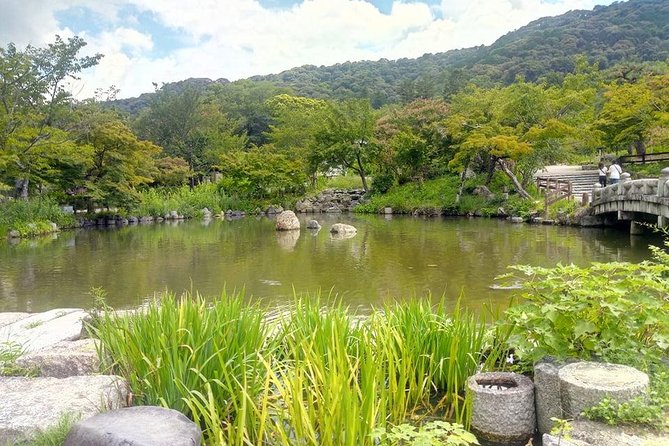
The tour then spends about 10 minutes in Maruyama Park, a green space with ponds, paths, and seasonal cherry blossoms. It offers a change of pace after the streets and shrine. Depending on the season, blossoms may be part of the scene, but they are not guaranteed.
The park can also be a useful moment to catch your breath. One family found the heat challenging and needed a rest during the walk. If you are visiting in hot weather, take the pace seriously and speak up if you need a pause; missing commentary is no bargain.
Hanamikoji Street: Gion’s familiar face
Hanamikoji is the final listed stop, with about 10 minutes to wander along its traditional teahouses and machiya houses. It is one of the most recognizable parts of the district and a natural place to take in the architecture that draws people to Gion.
The street is also associated with the possibility of seeing a geisha or maiko. Again, that possibility should not be confused with a scheduled meeting. Your guide can point out likely areas, but the tour’s reliable value is the walk and explanation, not a sighting.
What the private format is worth
The tour costs $350 per group of up to eight, rather than $350 per person. At full capacity, that works out to $43.75 each. For a couple, the full cost is a much bigger commitment, so value depends on how much you want a guide’s attention and the flexibility to ask questions.
A private tour makes the most sense for a family or small group who want shared context and a chance to set the conversation’s direction. It can also be a good fit if you are new to Kyoto and want someone to connect Gion’s buildings, customs, shrine, and park in one compact outing. The guiding and management fee is included; admission tickets are not a major cost here because the listed stops are free to enter.
The main value is not access to a restricted experience. It is having a guide explain what you might otherwise walk past. People who praised the tour most often emphasized clear explanations, interesting facts, and the way a guide answered questions. One person felt the guide was not present or informative enough, so the quality of the experience does depend in part on the individual guide.
Timing, pickup, and practical planning
The tour lasts about two hours and is available at different times of day. Choose morning if avoiding crowds is your priority, or evening if you want to see Gion under streetlights. The tour may also offer pickup, but confirm the meeting point and transport details before you set out. One participant was met at Kyoto Station and traveled by bus with the guide; that account does not mean every booking follows the same arrangement.
The route is a walk, and the pace may feel demanding in strong heat, especially for children or anyone who needs regular rests. Wear comfortable shoes and bring what you need for the day’s weather. Those are practical precautions, not special equipment requirements.
The tour is booked, on average, about 40 days ahead. If you have a fixed date or a preferred time, planning early is sensible. You can cancel for a full refund up to 24 hours before the start. Cancellations or changes made within 24 hours are not accepted, and poor weather can lead to a different date or a full refund.
Who should book this Gion tour?
Book it if you want a compact, guided introduction to Gion and nearby landmarks, and if you value being able to ask questions as you walk. It is especially appealing for a group of friends or family who can share the $350 cost. The mix of Gion, a Kabuki-related statue, a temple gate, a shrine, and a park gives the short tour more range than a walk focused only on one street.
Skip it if your main goal is a guaranteed geisha or maiko encounter, or if you want a long, unhurried visit at each stop. Neither is what this tour promises. If you are comfortable treating a sighting as a lucky extra and the two-hour pace suits you, this is a practical way to get more meaning from Gion than photographs alone can provide.
FAQ
How long is the tour?
It lasts about two hours. The scheduled stops include one hour in Gion and shorter visits to five nearby locations.
How much does the tour cost?
The price is $350 per group of up to eight people.
Is this a private tour?
Yes. Only your group participates, and you can ask your private guide questions during the tour.
Which places are included?
The route includes Gion, the Izumo no Okuni statue, Chion-in Temple Gate, Yasaka Shrine, Maruyama Park, and Hanamikoji Street.
Is a geisha or maiko sighting guaranteed?
No. The guide can take you to places where you may be more likely to see one, but a sighting is not guaranteed.
Are tours available at different times?
Yes. Tours are available throughout the day. Early morning may have fewer crowds, while evening lets you see the streets as the lights come on.
What is the cancellation policy?
You can cancel at least 24 hours before the start time for a full refund. Cancellations or changes within 24 hours are not accepted. If poor weather cancels the tour, you are offered another date or a full refund.
Newly added in Kyoto
- Uji: Private immersion into Kyoto’s tea and reglious culture★ 5.0 · 17 reviews
- Whisk Your Own Matcha: A Zen Matcha Experience at Temple★ 3.6 · 7 reviews
- Treasures of Kyoto: Gion & historical Walking Tour★ 5.0 · 6 reviews
- Kyoto tea town for matcha lovers★ 5.0 · 16 reviews
- Kyoto Matcha Green Tea Tour★ 4.5 · 23 reviews
- Uji and Wazuka Matcha Farm Half Day Private Guided Tour★ 5.0 · 21 reviews
- Uji Tea Ceremony and UNESCO Heritage Walking Tour★ 5.0 · 20 reviews
- Utilising upcycled Matcha! Creating matcha incense (Uji, Kyoto)★ 5.0 · 6 reviews
Kyoto Geisha Tours, compared.
Kyoto Geisha Walking Tour: Gion District & Hidden Gems
Read our review →
Gion Magical Night Walking Tour with Geisha Trivia
Read our review →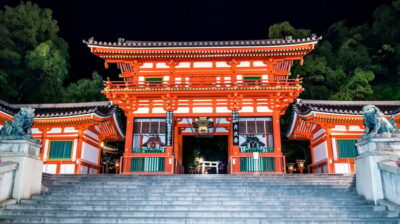
Gion Geisha District Walking Tour – Stories of Geisha
Read our review →
Best of Kyoto: Gion, Geisha, Pagodas & Cobblestones
Read our review →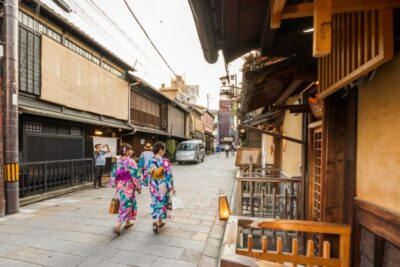

Kyoto Gion Cultural Walk & Geisha Show with Dining Options
Read our review →
Browse the lists this tour appears in