
Reviewed · KYOTO PRIVATE CAR TOURS
Kyoto and Nara Private Car Tour with a Local English Guide Driver
A private car can turn a day of Kyoto sightseeing into a simpler plan: you choose the stops, meet your guide at your hotel, and leave the driving to a licensed professional. I especially like the freedom to tailor the day and the chance to pair Kyoto highlights with Nara, rather than spending your time sorting out every train connection.
I also like the practical touches: an English-speaking local guide, onboard Wi-Fi, and help with restaurant or Shinkansen reservations. Guides named Yama and Hibiki have led past tours, though you should confirm who will guide your date.
The main catch is the proposed list of 24 stops. A 10-hour day cannot give each one proper time, and distant Amanohashidate and Ine are a very different outing from central Kyoto and Nara. Choose a short list of priorities before you go.
Key points to know before you book
- Private, not a shared coach: The vehicle is for your group, with a stated maximum of 13 people.
- A flexible plan: You can customize the stops, but the long list is best treated as a menu, not a promise to visit everything.
- Road costs are extra: Bring ¥10,000 cash per booking for gas, parking, and highway fees.
- Entry and meals cost extra: Several temples and attractions charge admission, and food is not included.
- Local English support: The service includes an English- and Japanese-speaking local guide, plus Japanese-language help in emergencies.
- A strong fit for families and mixed-age groups: Past tour feedback particularly praised avoiding the strain of navigating stations and getting between sights with children or older relatives.
A private car changes the shape of a Kyoto day
Kyoto rewards a little planning. Its sights are spread across different parts of the city, and adding Nara means another destination beyond the central districts. A private vehicle gives you one pickup point, a driver, and room to change the order or focus of the day with your guide.
The tour runs about 10 hours and is private, so only your group participates. That is useful if your party wants to move at its own pace, stop for shopping, or skip a temple that does not suit the day. The guide can offer context in English, while the professional licensed driver handles the roads.
Pickup and drop-off at your hotel are included. Wi-Fi is available in the vehicle, and the operator offers complimentary help with Shinkansen and restaurant reservations. These are practical extras, especially if you are planning onward travel or trying to arrange a meal in a city where you may not speak Japanese.
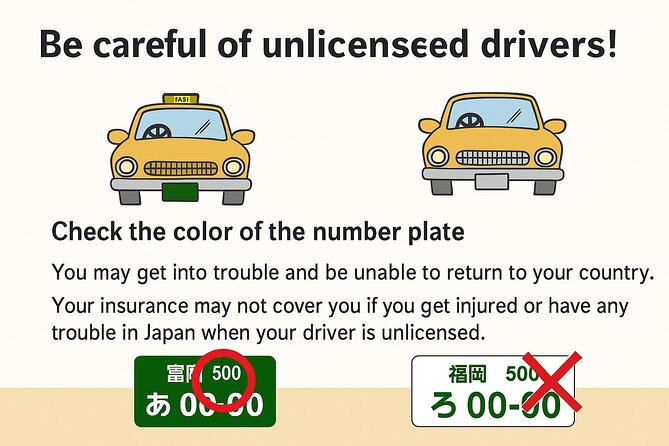
The operator says its guides and members were born and raised in Japan, and highlights their local knowledge and Japanese-language support in emergencies. It also emphasizes the use of professional drivers and licensed vehicles with green number plates. That is a useful distinction to confirm when comparing private transport services.
More Nara trips in Kyoto:
- World Heritage Kyoto & Nara Uji Authentic Matcha Experience
★ 5.0 · 1,573 reviews - Kyoto/Osaka: Nara, Fushimi Inari Taisha, Arashiyama Bus Tour
★ 4.7 · 1,275 reviews - Nara Half Day Trip Walking Tour (Private Option Available)
★ 5.0 · 937 reviews
Treat the 24 stops as a menu, not a checklist
The proposed stops range from Kyoto’s major temples and shopping streets to Nara’s deer park and, much farther north, the coastal sights of Amanohashidate and Ine. The tour is customizable, which is essential here. The descriptions assign 15 minutes to each stop, but even that would add up to six hours just standing at the named locations, before driving, meals, and entry lines.
In practice, you should select a realistic cluster. A day centered on Kyoto might pair Fushimi Inari with a few central or eastern sights. An Arashiyama-focused day could allow time for the bamboo grove, Tenryu-ji, and the river area. A Kyoto-and-Nara plan needs its own priorities and shorter sightseeing list.
Amanohashidate and Ine deserve special attention when planning. They are in northern Kyoto Prefecture, not a quick add-on to central Kyoto. The listed route does not say how long the drives take, so ask the operator whether a northern-coast day can be arranged and what it would mean for time at each stop. Do not assume it can be combined comfortably with Kyoto temples and Nara in one day.
Fushimi Inari and the Kyoto sights to prioritize
Fushimi Inari-taisha is famous for its rows of red torii gates climbing the wooded slopes of Mount Inari. The gates are the main draw, and the shrine grounds offer a memorable first stop. The suggested 15 minutes is enough for a quick look near the entrance, not a full walk up the mountain. If walking among the gates is a priority, tell your guide you want to spend longer here.
Kinkaku-ji, the Golden Pavilion, is one of Kyoto’s most recognizable sights. Its gold-covered upper floors reflect over a pond, and the temple grounds follow a set visitor route. Admission is extra, so account for it in your budget. It can be a good choice if you want a famous landmark, though a short stop will leave limited time to linger.
Ginkaku-ji, the Silver Pavilion, offers a quieter contrast. Despite its name, it was never covered in silver. Its appeal lies in the restrained temple design and garden setting. Admission is extra here too, and you will need to decide whether it matters more to you than another stop.
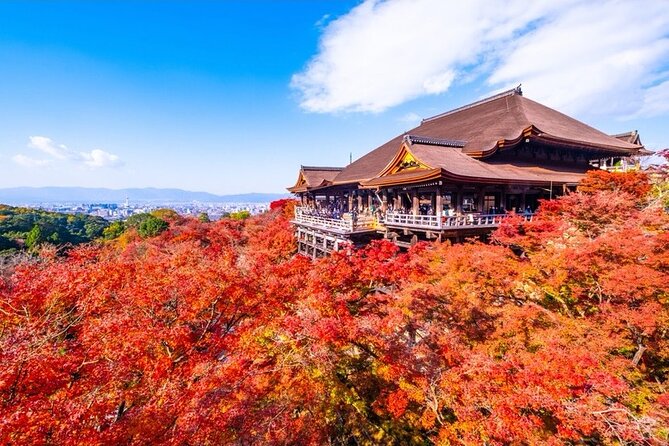
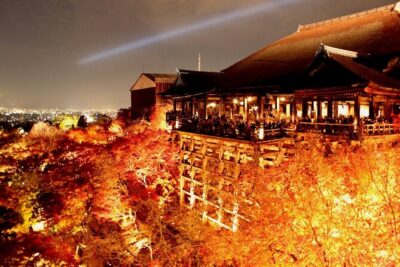
Kiyomizu-dera is known for its large wooden stage and broad views over Kyoto. The temple is a major sight, but the approach and grounds take time to explore. Admission is not included. If you want a meaningful visit rather than a quick photo, plan for this to be one of your main stops.
Other central Kyoto choices include Yasaka Shrine, Gion, Nishiki Market, Sanjusangendo, Nijo Castle, and Chion-in. Yasaka Shrine is a free-to-enter stop between Gion and Higashiyama, and its lanterns are especially notable. Gion’s traditional streets offer a different feel from temple grounds, while Nishiki Market is a useful place to browse Kyoto foods and shops. At Sanjusangendo, the long wooden hall and its 1,001 statues make the visit distinct; admission is extra. Nijo Castle and Chion-in also reward more than a hurried stop, so choose based on your interests rather than trying to tick every name off.
Arashiyama deserves more than a drive-by

Arashiyama is a district, not a single attraction. The bamboo forest is its best-known walk, with tall bamboo rising on both sides of a path. It is photogenic, but it can be busy, and the walk itself is short. A car makes reaching the area easier, but it does not make the popular path private or quiet.
Tenryu-ji, a UNESCO World Heritage site, is known for its temple architecture and garden. Admission is extra. If you have time for only one paid attraction in Arashiyama, this can add a calmer, more considered visit after the bamboo grove.
Togetsukyo Bridge spans the Katsura River and is a simple scenic stop, especially when seasonal color frames the riverbanks. Nearby, the Kimono Forest is an art installation made from pillars wrapped in colorful kimono fabric. Both are free to visit, and they work well as brief stops rather than major excursions.
The Sagano Romantic Train and Monkey Park Iwatayama need more careful timing. The train is a separate ride through Hozugawa Gorge, and its ticket is not included. The monkey park involves a short uphill trail and has an extra admission charge. Neither is a realistic 15-minute stop once you include getting there and taking part. If either matters to you, build the day around it and drop other stops.
More private car tours in Kyoto:
- Explore Kyoto | Private Tour – Local English Driver(guide option)
★ 4.5 · 203 reviews - Kyoto Private Car Tour – Full Day with Local Guide & Nara Option
★ 5.0 · 169 reviews - Private car tour in Kyoto (up to 4)
★ 5.0 · 123 reviews - Kyoto Private 6 hour Tour: English Speaking Driver Only, No Guide
★ 5.0 · 88 reviews
Nara’s deer and the Great Buddha
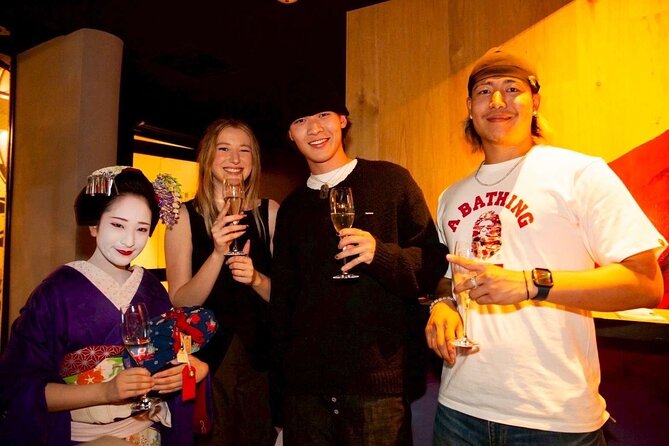
Nara Park is the natural starting point for a Nara visit. More than 1,000 deer roam the park, and you can see them around the historic sites. The open park is free to enter, but it covers a broad area, so walking time matters. If you are traveling with children or anyone who prefers shorter walks, let the guide know when shaping the plan.
Todai-ji is the essential paid stop for many visitors. Its Great Buddha Hall houses a massive bronze Buddha, and the scale of the building is part of the experience. Admission is extra. The temple is a more substantial visit than a quick photo stop, so allow time to enter and explore.
Kasuga Grand Shrine is famed for its stone and bronze lanterns. Kofuku-ji, founded in 710, is another major temple complex, known for its five-story pagoda. Entry fees may apply to specific areas, and those costs are not included in the tour price. With only part of a day available, decide whether your priority is the Great Buddha, the shrine, the pagoda, or simply time among the deer.
What the price covers, and what it does not
The listed price is $459.81 per group of up to 13, rather than a per-person fare. At a full group of 13, that works out to about $35.37 each before extra costs. For a smaller party, the per-person cost rises, but you still get private transportation and a plan that can be adjusted to your group.
The price includes hotel pickup and drop-off, a private vehicle, a professional licensed driver, an English- and Japanese-speaking local guide, and onboard Wi-Fi. You also get a choice of vehicle, though a Mercedes-Benz V-Class is identified as a higher-cost VIP option. Kansai Airport transfers are available for an extra fee.
You should also budget ¥10,000 in Japanese yen cash per booking for gas, parking, and highway fees. Meals and entrance fees are not included. Since several of the most famous temples charge admission, the total cost will be higher than the headline price.
The value is strongest when your group wants a private day and would otherwise need several taxis or a complicated series of transfers. It is less compelling if you are a solo traveler or couple happy to use public transport and visit fewer places. The car saves coordination and can make a broad day easier, but it does not erase the distances between attractions.
Who should choose this tour
I would consider this tour for a family, a group of friends, or a party with different walking speeds. Past customers specifically valued having a car instead of managing stations, taxis, and long connections, and one family said it helped them cover their must-see sights with children. Another useful detail: a guide named Yama was praised for sharing history and helping locate specific shopping finds at Nishiki Market.
Guides named Yama and Hibiki have both led tours. Past feedback also emphasized friendly, capable English communication from the guide and operator. Your assigned guide may differ, so ask in advance if having a particular guide matters to you.
This is not the best format for someone who wants a slow, in-depth visit to every temple. Nor should you book expecting all 24 named attractions in one day. Pick three to six priorities depending on their location and how long you want to spend at each, then ask the operator to confirm a practical route.
Should you book it?

Book this tour if private transport, an English-speaking local guide, and control over your day are worth more to you than the lower cost of public transit. It can be especially helpful for families and groups who want to cut down on navigation and keep everyone together.
Before you commit, settle on a clear geographic plan: Kyoto, Kyoto plus Nara, or the northern coast around Amanohashidate and Ine. Confirm the route and vehicle, and include the ¥10,000 road-cost payment, entry fees, and meals in your budget. With realistic expectations and a short list of priorities, the tour offers a useful way to see more without turning the day into a race.
FAQ
How long is the tour?
The tour lasts approximately 10 hours.
Is the tour private?
Yes. Only your group participates, with a maximum group size of 13.
Is hotel pickup included?
Yes. Hotel pickup and drop-off are included.
Are entrance fees included?
No. Entrance fees are not included, and several temples and attractions charge admission.
Are meals included?
No. Meals are not included.
What extra road costs should I expect?
The tour requires ¥10,000 per booking in Japanese yen cash for gas, parking, and highway fees.
Is a guide included?
Yes. The tour includes a local guide who speaks English and Japanese.
Is Wi-Fi available in the vehicle?
Yes. Wi-Fi on board is included.
Can I choose the sights?
Yes. The tour is customizable. The named stops are extensive, so agree on a realistic selection with the operator.
Can I arrange a Kansai Airport transfer?
Yes. Kansai Airport transfer is offered for an extra fee.
Newly added in Kyoto
- Uji: Private immersion into Kyoto’s tea and reglious culture★ 5.0 · 17 reviews
- Whisk Your Own Matcha: A Zen Matcha Experience at Temple★ 3.6 · 7 reviews
- Kyoto tea town for matcha lovers★ 5.0 · 16 reviews
- Treasures of Kyoto: Gion & historical Walking Tour★ 5.0 · 6 reviews
- Kyoto Matcha Green Tea Tour★ 4.5 · 23 reviews
- Uji and Wazuka Matcha Farm Half Day Private Guided Tour★ 5.0 · 21 reviews
- Uji Tea Ceremony and UNESCO Heritage Walking Tour★ 5.0 · 20 reviews
- Utilising upcycled Matcha! Creating matcha incense (Uji, Kyoto)★ 5.0 · 6 reviews
Kyoto Private Car Tours, compared.
Explore Kyoto | Private Tour – Local English Driver(guide option)
Read our review →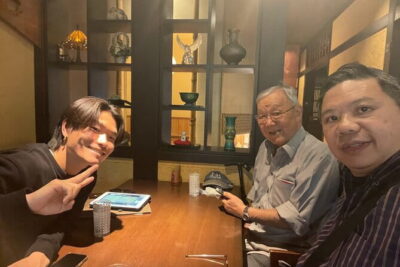
Kyoto Private Car Tour – Full Day with Local Guide & Nara Option
Read our review →
Kyoto Private 6 hour Tour: English Speaking Driver Only, No Guide
Read our review →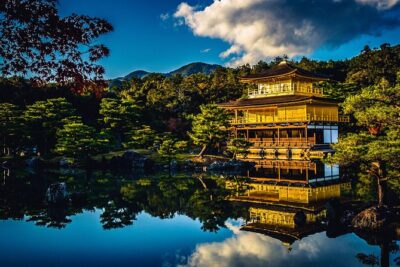
Kyoto Private Day Tour with English-Speaking Driver from Kyoto
Read our review →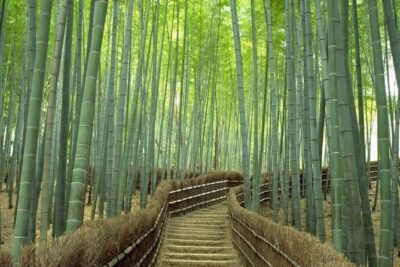
Kyoto Day Trip using Private Car with English Driver (up to 5)
Read our review →
Kyoto, Osaka, Nara Private Tour by Car English Driver Guide
Read our review →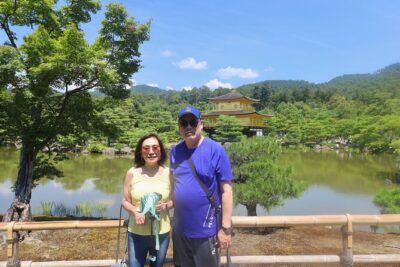
Luxury Kyoto 1-Day Private Car Tour with Nara & Osaka Options
Read our review →Browse the lists this tour appears in