
Reviewed · KYOTO EARLY MORNING TOURS
Kyoto: Early Morning Walking Tour with Local Guide
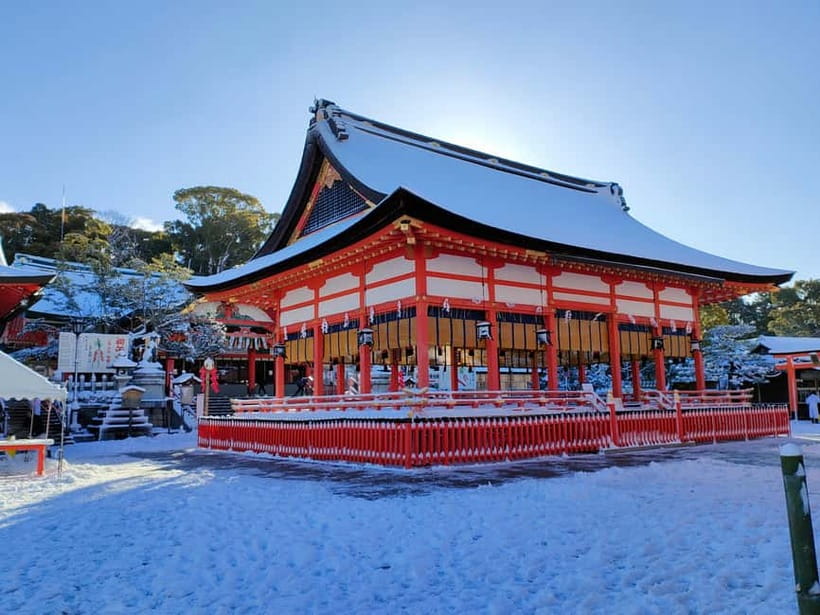
Kyoto is at its most peaceful before the day’s crowds arrive. This six-hour private walk links Kiyomizu-dera, the lanes of old Higashiyama, Gion, and Fushimi Inari, giving you a full morning of famous sights with a local guide to connect them.
I like two things in particular: the early start gives you a quieter look at Kyoto’s temple streets, and the guide can add everyday context to the history, including Japanese customs and local life. One consideration: this is a long walk with several stops, and the $3 Kiyomizu-dera admission fee, food, and drinks are extra.
The quick take
- Kiyomizu-dera before the crowds: Begin near one of Kyoto’s best-known temples and take in its views in the cooler, quieter morning.
- Old Kyoto on foot: Sannen-zaka and Ninen-zaka bring you through traditional streets toward Yasaka Pagoda and Yasaka Shrine.
- A guide who adds daily-life context: Michele has shared stories about Japanese customs and everyday life, not just temple history.
- A private group of up to 10: You can keep the pace within your own party, and the route can be adapted to your needs.
- Finish at Fushimi Inari: A local train connects the city walk to the shrine’s famous rows of red torii gates.
Start early at Kiyomizu-dera
The meeting point is a Family Mart in front of Higashiyama Fire Station, at 4 Chome-182-18 Kiyomizu. You can also request a different meeting place, such as your hotel in Kyoto city. The activity information identifies Kiyomizu-dera as the meeting area, so confirm the exact arrangement when you book, especially if you choose a hotel pickup.
An early start is the point of the tour, not a small scheduling detail. The temples and lanes are easier to appreciate before the day gets busy, and cooler morning temperatures make a six-hour outing more comfortable. Check the available start times before booking, and plan your own transport to the meeting point.
Kiyomizu-dera is the first major stop, with about an hour set aside for sightseeing. The route also includes Kiyomizu-dera Koyasunoto Pagoda. The temple is known for its elevated setting and views, and the morning quiet gives you more room to pause and look around. You will need to pay the temple entrance fee separately, listed at $3.
The guide’s presence matters here. A site can be beautiful and still feel like a quick photo stop if you do not know what you are seeing. The guide can put the buildings and local customs into context, while you take the time to enjoy the setting. The tour is private, so your group does not have to match the pace of strangers.
More early morning tours in Kyoto:
- Kyoto Early Morning Tour with English-Speaking Guide
★ 5.0 · 1,427 reviews - Kyoto: Early Morning Tour with English-Speaking Guide
★ 4.9 · 1,128 reviews - Nara Early Morning Tour (Kyoto or Osaka Departure Available)
★ 5.0 · 676 reviews
Walk the old lanes of Sannen-zaka and Ninen-zaka
From the temple area, the tour takes you through Sannen-zaka and Ninen-zaka, two traditional streets that preserve much of the old Kyoto feel. Their sloping lanes and historic surroundings make the walk a change of pace from the temple grounds: here, the street itself is part of the visit.
These streets are among the most rewarding parts of a walking tour because they connect the landmarks rather than treating each one as an isolated stop. You can notice how the neighborhood changes as you move through it, and your guide can point out details you might otherwise pass by. The route also includes the five-story Yasaka Pagoda, a familiar Kyoto landmark and a natural focal point in this area.
Do not expect a long, structured stop at every corner. The tour allows time for sightseeing at the principal sites, but the exact walking pace and length of pauses may depend on your group. If you want time for photos or prefer to move slowly, say so early. The private format makes it possible to adjust the route to your needs.
See Chion-in and Yasaka Shrine
Chion-in is allotted about 30 minutes. Its impressive architecture makes it a worthwhile pause after the streets of Higashiyama, and the quieter temple setting offers a contrast to the city lanes. A half-hour is enough for an overview, but it is not a deep, unhurried visit to every part of a large complex. Think of it as a guided introduction.
Yasaka Shrine also gets about 30 minutes. It brings a different energy to the morning, with a strong sense of place in the city and a long-standing role in Kyoto’s religious life. It is useful to see a shrine as well as temples on the same walk: they are not interchangeable stops, and a guide can help you understand the differences in setting and practice.
The listed route places Chion-in and Yasaka Shrine before Gion, though the overall path may be adjusted. You will want comfortable shoes, since the day involves sustained walking between historic sites. Bring water and sunscreen too, especially in warmer months. The tour does not include food or drinks, so have breakfast beforehand or bring something to eat later.
Get a morning look at Gion
The tour allows about an hour in Gion, Kyoto’s famous geisha district. Early morning is a good time to walk through this well-known neighborhood with less foot traffic than later in the day. The value is not just the chance to photograph its streets; it is having someone explain the district and its place in Kyoto.
Keep your expectations grounded. Gion is a living part of the city, not a stage set arranged for sightseeing. The guide can help you understand local customs and daily life, but the tour description does not promise a particular encounter or performance. Treat the area with respect, follow your guide’s advice, and enjoy the streets without expecting them to perform for you.
Michele is the guide named in accounts of this experience. He has been described as flexible, sharing stories about Japanese society and everyday routines, and adjusting the route to suit a family with children. That kind of practical, local context can make a walk more useful than a string of dates and architectural terms. The tour is offered in English and Italian, though you should confirm the language available for your date.
More walking tours in Kyoto:
- Kyoto Geisha Walking Tour: Gion District & Hidden Gems
★ 4.7 · 3,273 reviews - Kyoto: Gion Magical Night Walking Tour with Geisha Trivia
★ 4.9 · 2,393 reviews - Kyoto: Gion Geisha District Walking Tour – Stories of Geisha
★ 4.7 · 2,187 reviews - Night Walk in Gion: Kyoto’s Geisha District
★ 4.5 · 2,003 reviews
Take the train to Fushimi Inari
After the city walk, the group takes a local train for about 15 minutes to Fushimi Inari Taisha. The train ride is a practical break from walking and links two parts of Kyoto that are not best experienced as one continuous stroll. The tour ends at the shrine, where you will have about an hour for sightseeing.
Fushimi Inari is famous for its seemingly endless rows of red torii gates. Even a short visit gives you a sense of why the shrine is one of Kyoto’s best-known sights. One hour is enough to see the main approach and spend time among the gates, but it does not mean you will walk the entire shrine trail. If you want to explore farther, ask the guide what can fit into the remaining time.
Ending here is convenient because the shrine has easy access to trains. Your transport from the end point is not included, so plan how you want to continue your day. The tour also does not cover transport to the starting point. The train ride during the tour is part of the planned route, but any other travel costs should be checked before you set out.
What the six hours feel like
The stated sightseeing time at the main stops adds up to roughly four hours: one hour at Kiyomizu-dera, 30 minutes at Chion-in, 30 minutes at Yasaka Shrine, an hour in Gion, and an hour at Fushimi Inari. Add the 15-minute train ride, plus walking between places, and the total six-hour duration makes sense. The exact balance between walking, guided explanations, and time at each stop can vary.
This is not a sit-down sightseeing day. You will spend much of it on your feet, moving through streets and temple grounds. Comfortable shoes are essential, and a camera is worth bringing if you enjoy photographing architecture and city views. Water and sunscreen are sensible basics, too.
Because this is a private tour for up to 10 people, you can book it for a couple, a family, or a small group of friends. At the full group size, $316 works out to $31.60 per person. For a smaller party, the per-person cost rises, but you still have a private guide rather than joining an open group. The price is most compelling if you value a guided route, local context, and the ability to adjust the pace.
The guide’s flexibility is especially useful for families. A previous family outing included children, and the route was adjusted to suit the group. That does not make the walk effortless for every child, but it does suggest you can discuss your needs rather than follow a fixed group schedule. Ask about pacing when arranging the meeting place and start time.
What is included, and what to budget for
The guided walk covers Kiyomizu-dera, Gion, Sannen-zaka and Ninen-zaka, Yasaka Pagoda, Yasaka Shrine, Chion-in, and Fushimi Inari. The local train between the city route and Fushimi Inari is included in the itinerary, though the supplied details do not specify whether its fare is included in the price. Confirm that point when booking rather than assuming.
The Kiyomizu-dera entrance fee is not included and is listed at $3. Food and drinks are also extra. You will need to arrange transport to the meeting point and onward travel from Fushimi Inari at the end. These are modest but useful details to settle before the morning begins, particularly if you have a tight schedule afterward.
The tour offers free cancellation up to 24 hours in advance for a full refund, and you can reserve now and pay later. Those options provide flexibility if your plans are still taking shape. Check availability for the starting time and request a hotel meeting place if that would make the morning simpler.
Who should book this walk?
I would choose this tour if you want to cover several classic Kyoto sights in one morning without spending the day navigating between them on your own. It works particularly well for first-time visitors who want both temple stops and neighborhood walking, and for anyone who values a guide’s explanation of customs and everyday life alongside the landmarks.
It also suits a small private group that wants some flexibility. The guide can adapt the route to your needs, and the pace can be discussed directly rather than negotiated with a larger group. English and Italian are the listed languages, and Michele is a guide associated with the experience.
I would think twice if you dislike early starts, long walks, or a fairly full schedule. The tour is six hours, and the stop times are planned rather than open-ended. It also does not include meals, the Kiyomizu-dera admission fee, or your transport to and from the route. If your priority is an unhurried visit to just one temple, a shorter, more focused outing may suit you better.
Should you book it?
Book this walk if you want a carefully connected morning of Kyoto icons, from Kiyomizu-dera and the old Higashiyama streets to Gion and Fushimi Inari, with a local guide to explain more than the landmarks. The strongest reason to go is the combination of quieter early hours and personal context, especially if you want to hear about Japanese customs and daily life.
Before you commit, check the start time, confirm the guide language and meeting arrangement, and ask whether the train fare is included. Bring good shoes, water, and sunscreen, and budget separately for Kiyomizu-dera admission and your onward journey. If that practical setup fits your day, this is a useful way to see a lot of Kyoto without turning the morning into a self-guided transport puzzle.
FAQ
How long is the Kyoto early morning walking tour?
The tour lasts six hours.
How much does the tour cost?
The price is $316 for a private group of up to 10 people.
What languages are available?
The tour is offered in English and Italian.
Where does the tour meet?
The stated meeting point is the Family Mart in front of Higashiyama Fire Station, at 4 Chome-182-18 Kiyomizu, Kyoto. You can request another meeting place, such as your hotel in Kyoto city.
Does the tour include Kiyomizu-dera admission?
No. The Kiyomizu-dera entrance fee is listed at $3 and is not included.
Where does the tour end?
The tour ends at Fushimi Inari Shrine, which has easy access to trains.
What should I bring?
Bring comfortable shoes, a camera, sunscreen, and water.
Newly added in Kyoto
- Uji: Private immersion into Kyoto’s tea and reglious culture★ 5.0 · 17 reviews
- Whisk Your Own Matcha: A Zen Matcha Experience at Temple★ 3.6 · 7 reviews
- Kyoto tea town for matcha lovers★ 5.0 · 16 reviews
- Treasures of Kyoto: Gion & historical Walking Tour★ 5.0 · 6 reviews
- Kyoto Matcha Green Tea Tour★ 4.5 · 23 reviews
- Uji and Wazuka Matcha Farm Half Day Private Guided Tour★ 5.0 · 21 reviews
- Uji Tea Ceremony and UNESCO Heritage Walking Tour★ 5.0 · 20 reviews
- Utilising upcycled Matcha! Creating matcha incense (Uji, Kyoto)★ 5.0 · 6 reviews
Kyoto Early Morning Tours, compared.
Kyoto Early Morning Tour with English-Speaking Guide
Read our review →
Nara Early Morning Tour (Kyoto or Osaka Departure Available)
Read our review →
Arashiyama Bamboo Forest & Hidden Gems Bike Tour (Early Bird)
Read our review →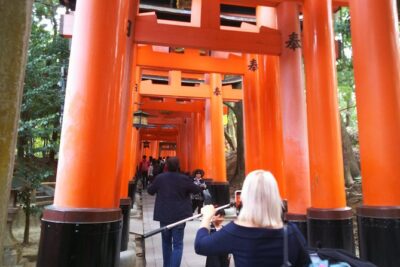
Kyoto Early Bird English Tour: Fushimi-Inari and Arashiyama
Read our review →
Browse the lists this tour appears in