
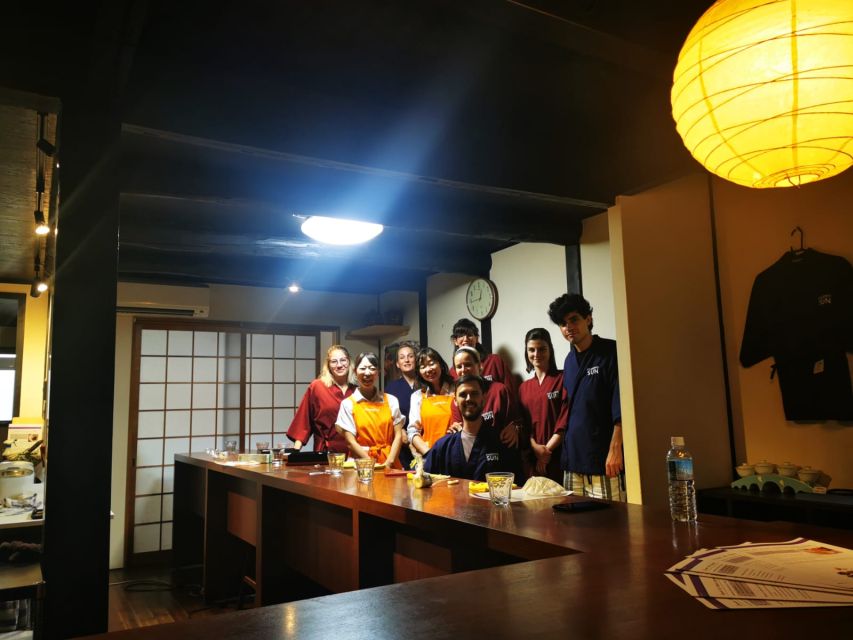
Reviewed · KYOTO COOKING CLASSES
Kyoto: Morning Japanese Bento Cooking Class
Kyoto’s bento tradition makes a good morning project: you learn several familiar Japanese dishes, arrange them into a lunch box and eat what you have made. At Cooking Sun, the three-hour class includes sushi, tempura, teriyaki chicken and miso soup, with an English-speaking instructor explaining both the cooking and the food culture behind it.
I like the hands-on range of dishes, which gives you more to take home than a single-recipe lesson, and the shared bento lunch, which turns the class into a meal as well as a cooking session. One thing to know: much of the ingredient prep may already be done, so this is not primarily a knife-skills class.
- A full bento menu: Learn to make sushi, tempura, teriyaki chicken and miso soup, among other dishes.
- A cultural thread: Hear how the bento box developed from a practical meal into a familiar part of Japanese food culture.
- A meal you make yourself: Your finished dishes become lunch, included in the price.
- English instruction: The class is taught in English, with clear, step-by-step guidance.
- Useful recipes to take home: Recipes are provided, and instructors may share tips on finding ingredients outside Japan.
- A central Kyoto meeting point: Meet at Cooking Sun, Funayacho, Shimogyo Ward.
A morning spent building a bento
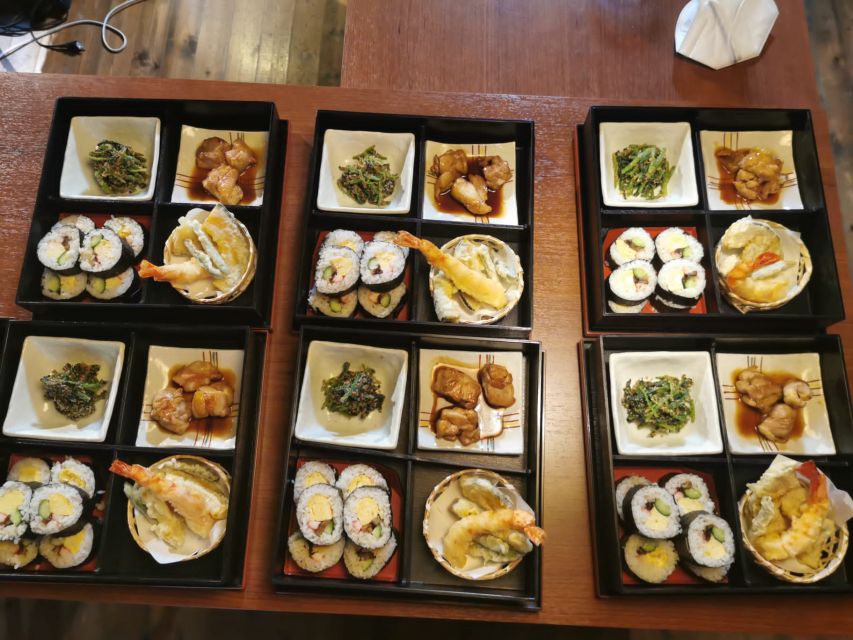
A bento is more than a lunch box with a tidy arrangement of food. It is a practical way to carry a meal, and the tradition reaches back to Japan’s late Kamakura Period, from 1185 to 1333. Today, bento lunches are part of everyday life, but making one yourself offers a useful look at the care and variety that can go into an ordinary meal.
This class gives you a working introduction rather than a lecture. You spend the morning preparing several dishes, hear about their place in Japanese cooking and assemble the results into lunch. That mix is what makes the experience worthwhile: you get context, practice and a meal, all within three hours.
Cooking Sun is at Funayacho in Kyoto’s Shimogyo Ward. The class lasts about 2.5 to 3 hours, with the activity listed as three hours. Starting times vary, so check availability for your date. Hotel pickup and drop-off are not included, and you will need to make your own way to the meeting point.
From ingredients to your first cooking steps
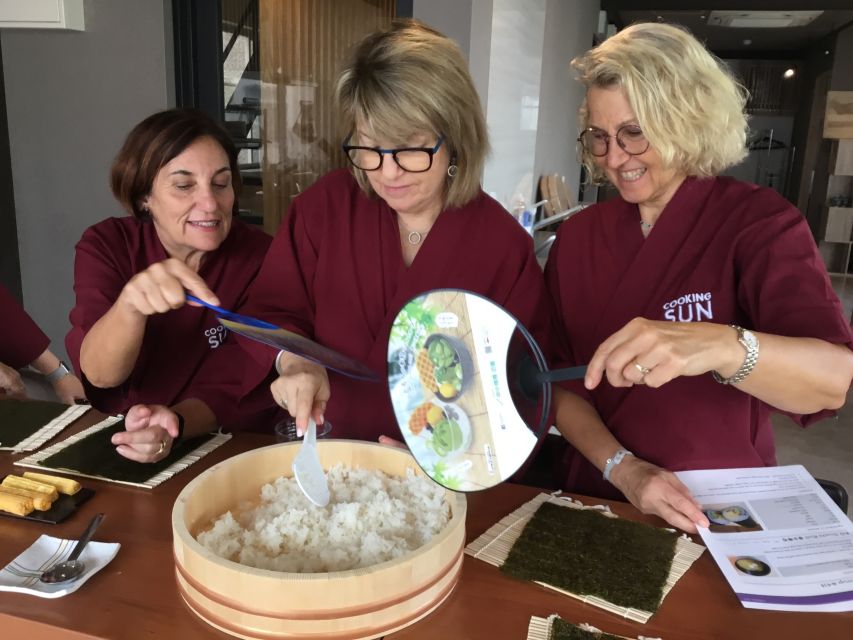
At the start, you collect your ingredients, apron and utensils. The instructor then demonstrates the dishes and explains techniques as you follow along. You do not need to arrive with Japanese cooking experience; the instructions are designed to guide you through the process.
The dishes named for the class include sushi, tempura, teriyaki chicken and miso soup. The exact set may include other bento favorites too. Past classes have covered a wider group of dishes, including egg rolls, and some participants have made around six or seven items. The important point is that the class aims for variety, not a single dish repeated in different forms.
A useful distinction: this may not be the right class if your main goal is to practice chopping. In at least some sessions, ingredients are already prepared before you start. That saves time and lets you focus on cooking, seasoning, assembly and the small techniques that make the finished dishes work.
More cooking classes in Kyoto:
- Ramen Cooking Class at Ramen Factory in Kyoto
★ 5.0 · 1,937 reviews - Sushi Making in Kyoto! Same-day bookings welcome!
★ 5.0 · 713 reviews - Kyoto: Ramen Cooking Class at a Ramen Factory with Souvenir
★ 4.9 · 532 reviews
Learning by watching, then doing
The class follows a helpful rhythm. First, you watch the instructor demonstrate a step. Then you try it yourself, with guidance available when you need it. That setup keeps the pace manageable while still giving you a hand in making the food.
English instruction matters here. Cooking terms, textures and timing can be hard to pick up from a demonstration alone, so clear explanations make it easier to understand why a step matters, not just what to do. Instructors named in past class accounts include Mei, Mae, Tomoko and Yukari, though the teacher for your session may differ.
The teaching style appears suited to mixed experience levels. If you already cook Japanese food, you may still pick up practical details, such as how to improve a familiar recipe or prepare an egg roll. If you are new to it, the step-by-step approach gives you a sensible way in. Families have also found that children around age 10 could take part, and teens received extra help when needed.
The class is described as intimate, though group size can vary. Past groups have ranged from a private pair to about 10 people, with one class described as a group of eight. A smaller group can mean more direct help, but you should not count on having the kitchen to yourself.
What the bento dishes teach you
Sushi gives you a chance to practice an iconic Japanese preparation in a simple, practical setting. You are not just ordering a roll at a restaurant: you see how it is put together and can try making it again at home with the recipe.
Tempura brings another technique to the table. It is a useful dish to learn because its appeal depends on the cooking method as much as the ingredient. The class introduces the process in a guided setting, where you can follow the instructor rather than work out each step alone.
Teriyaki chicken and miso soup round out the meal with two familiar staples. Together, they show how a bento can bring different textures and flavors into one compact lunch. The point is not to make a grand feast. It is to understand how several distinct dishes can form a satisfying, balanced meal.
You may also encounter additional items, depending on the session. Some classes have included six or seven traditional dishes, while others may focus on a slightly different mix. If you are booking chiefly to learn one particular recipe, check what is planned for your date rather than assuming every session covers exactly the same menu.
The cultural story behind a packed lunch
The bento’s long history gives the cooking a useful context. The box began as a practical way to carry food, and it remains an everyday part of Japanese life. Learning to prepare one helps you notice how a meal can be organized for portability without giving up variety.
That cultural angle is woven into the cooking rather than treated as a separate history lesson. You hear about Japanese food customs while handling ingredients and preparing dishes. For me, that is a more memorable way to learn: a detail about a food tradition tends to stick when you can connect it to something you are making.
The class also puts you in a kitchen with local instructors and other participants. You can ask questions, compare approaches and share lunch at the end. It is not a visit to a restaurant or a formal cultural lecture. It is a practical food experience with conversation built into the morning.
More early morning tours in Kyoto:
- Kyoto Early Morning Tour with English-Speaking Guide
★ 5.0 · 1,427 reviews - Kyoto: Early Morning Tour with English-Speaking Guide
★ 4.9 · 1,128 reviews - Nara Early Morning Tour (Kyoto or Osaka Departure Available)
★ 5.0 · 676 reviews - Arashiyama Bamboo Forest & Hidden Gems Bike Tour (Early Bird)
★ 5.0 · 613 reviews
Lunch is part of the lesson
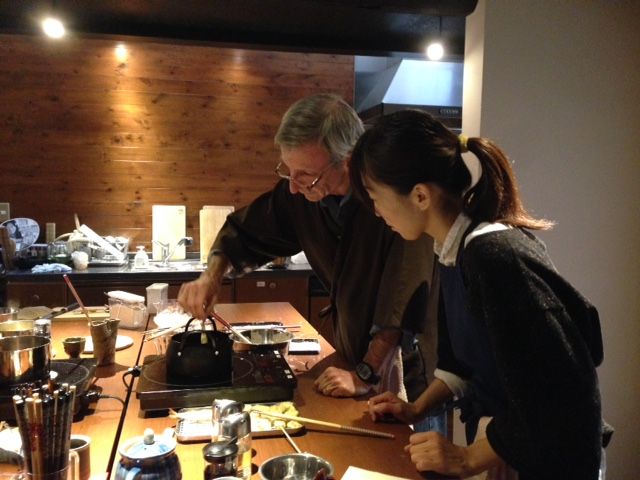
Once the cooking is finished, you sit down to eat the bento you have prepared. The meal is included, so there is no separate lunch bill to factor in. More important, you get an immediate sense of how the separate dishes work together.
That final meal is a good reason to choose a cooking class over a demonstration. You do not simply watch someone else make food; you take part and taste the result. It also gives the morning a natural finish, with time to enjoy the dishes before heading back out into Kyoto.
Bring an appetite. The class covers several dishes, and the finished lunch can be substantial. You may leave with both a satisfying meal and recipes to try again at home.
Dietary needs and practical details
Tell the organizer about dietary requirements when booking. Vegetarian and no-shellfish versions have been accommodated in past sessions, but you should state your needs in advance rather than assume every substitution can be arranged on the day.
The class includes ingredients, an apron, utensils and lunch. It does not include hotel transport. The activity is wheelchair accessible, and instruction is in English. Free cancellation is available up to 24 hours before the class for a full refund, and a reserve-now, pay-later option is offered.
At $67 per person, the price is reasonable for a three-hour activity that includes instruction, cooking supplies, ingredients and a full meal. You are paying for more than lunch: you get guided practice with several dishes, cultural explanation and recipes that can help you repeat the experience at home. If you prefer to learn by doing, that is solid value.
The value is less compelling if you only want a quick meal or a focused lesson in knife work. You will spend part of the morning following demonstrations and making a menu of dishes, rather than concentrating on one advanced technique. Think of it as a broad introduction to Japanese home cooking, with lunch as the payoff.
Who should book this Kyoto cooking class?
This class suits curious eaters, first-time visitors who want an activity beyond temples and shops, and home cooks who would like practical Japanese recipes. It is also a good family option if your children enjoy helping in the kitchen. The pace and range of dishes make it a shared activity, not just an adult lesson.
You do not need to be an experienced cook. Clear English instruction and step-by-step demonstrations make the class approachable, while the range of dishes keeps it interesting for people who already know their way around a kitchen. Recipes and ingredient-sourcing tips can make the skills more useful after your trip.
Skip it if you are looking for a quiet restaurant lunch, a deep lesson in knife skills or a highly specialized course on one dish. The format is social and varied, and the ingredients may be prepped in advance. If that sounds like a fair trade for a relaxed morning and a homemade bento, it is an easy experience to fit into a Kyoto itinerary.
FAQ
How long is the morning bento cooking class?
The class lasts about three hours, with the stated duration given as 2.5 to 3 hours.
What dishes will I learn to make?
The class includes sushi, tempura, teriyaki chicken and miso soup. Other dishes may also be included.
Is the class taught in English?
Yes. The instructor teaches in English.
Are ingredients and cooking equipment included?
Yes. Ingredients, an apron and utensils are included.
Is lunch included?
Yes. You eat the bento dishes you prepare as lunch.
Where does the class meet?
The meeting point is Cooking Sun, Funayacho, Shimogyo Ward, Kyoto, Kyoto 600-8466. Hotel pickup and drop-off are not included.
Should I share dietary requirements before the class?
Yes. You should advise the organizer of any dietary requirements when booking.
Newly added in Kyoto
- Uji: Private immersion into Kyoto’s tea and reglious culture★ 5.0 · 17 reviews
- Whisk Your Own Matcha: A Zen Matcha Experience at Temple★ 3.6 · 7 reviews
- Kyoto tea town for matcha lovers★ 5.0 · 16 reviews
- Treasures of Kyoto: Gion & historical Walking Tour★ 5.0 · 6 reviews
- Kyoto Matcha Green Tea Tour★ 4.5 · 23 reviews
- Uji and Wazuka Matcha Farm Half Day Private Guided Tour★ 5.0 · 21 reviews
- Uji Tea Ceremony and UNESCO Heritage Walking Tour★ 5.0 · 20 reviews
- Utilising upcycled Matcha! Creating matcha incense (Uji, Kyoto)★ 5.0 · 6 reviews
Kyoto Cooking Classes, compared.
Ramen Cooking Class at Ramen Factory in Kyoto
Read our review →
Sushi Making in Kyoto! Same-day bookings welcome!
Read our review →
Ramen Cooking Class at a Ramen Factory with Souvenir
Read our review →
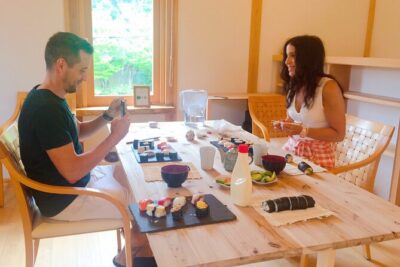
The Original Small-Group Sushi Making Class in Kyoto
Read our review →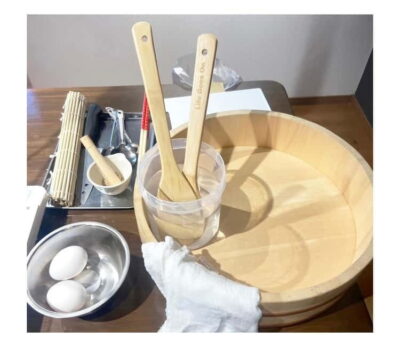
Japanese Washoku Bento Small Group Cooking Class
Read our review →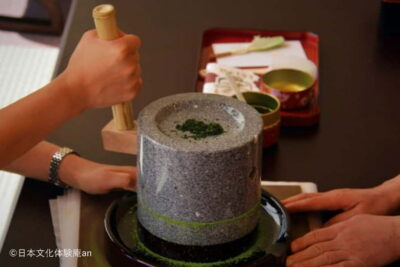
Japanese Traditional Sweets Making and Tea Ceremony
Read our review →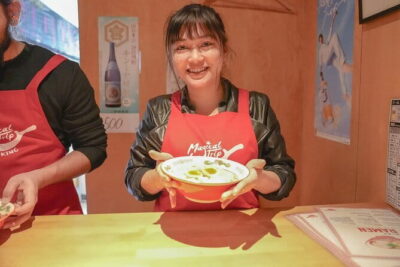
Kyoto Ramen and Gyoza Cooking Class with Professional Chefs
Read our review →Browse the lists this tour appears in