
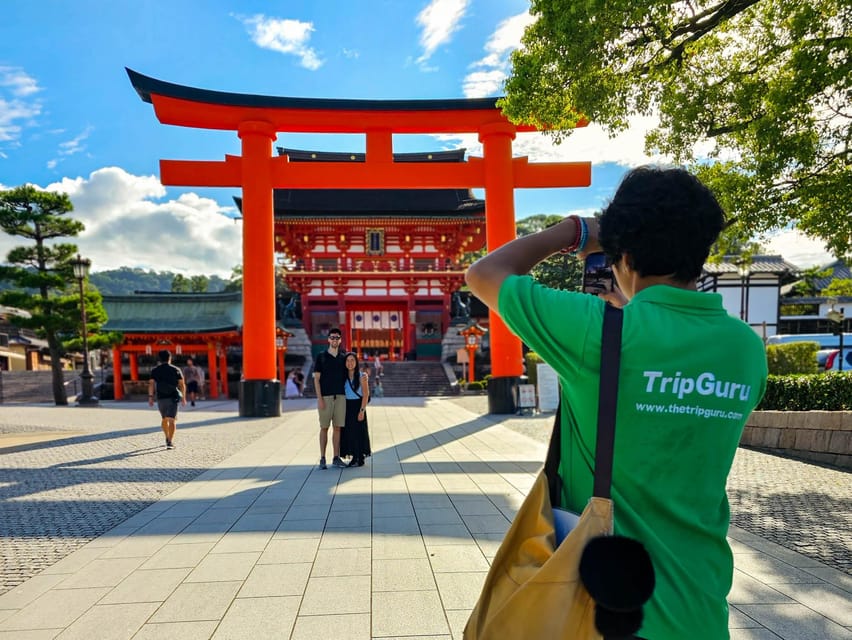
Reviewed · FUSHIMI INARI TOURS
Kyoto: Fushimi Inari Taisha Guided Walking Tour
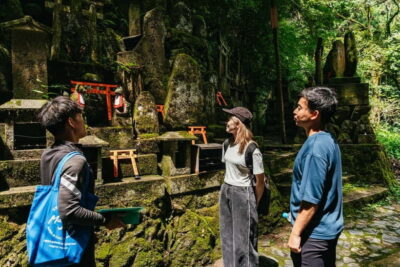
Fushimi Inari Taisha is more than a famous row of red gates. Its torii-lined mountain path is part of a working Shinto shrine, where small sanctuaries, fox imagery, and views over Kyoto give the walk its meaning. This tour offers a compact way to see both the main grounds and, if you choose, Mount Inari’s trails.
I like two things here: you can pick a shorter route or add a mountain hike, and a guide can explain the shrine’s links to Inari, agriculture, commerce, and fox messengers as you go. Groups are limited to nine, and past guides named Katz, Christiana, Raphael, and Nobumasa have been praised for their clear explanations and thoughtful pacing.
The trade-off is that even the shorter option involves walking through busy shrine grounds, while the mountain route adds about an hour on foot. If you have mobility, heart, or respiratory concerns, or are pregnant, this tour is listed as unsuitable. Comfortable shoes and a timely arrival matter.
- Two routes, one shrine: Visit the lower shrine only, or add about an hour on Mount Inari’s torii-lined trail.
- A small group: The group is limited to nine participants, giving you more room to ask questions than on a large bus tour.
- Stories behind the gates: Learn about Inari, the deity associated with agriculture and commerce, and the foxes regarded as its messengers.
- A short Kyoto outing: Allow two to three hours, including a 30-minute street-food walk.
- A practical starting point: Meet at Daily Yamazaki Fushimi Inari Shrine, then return to the same spot.
- A low-cost guided visit: At $24 per person, the price includes an English-speaking guide, entrance fees, and the walking tour.
The torii gates are only the beginning
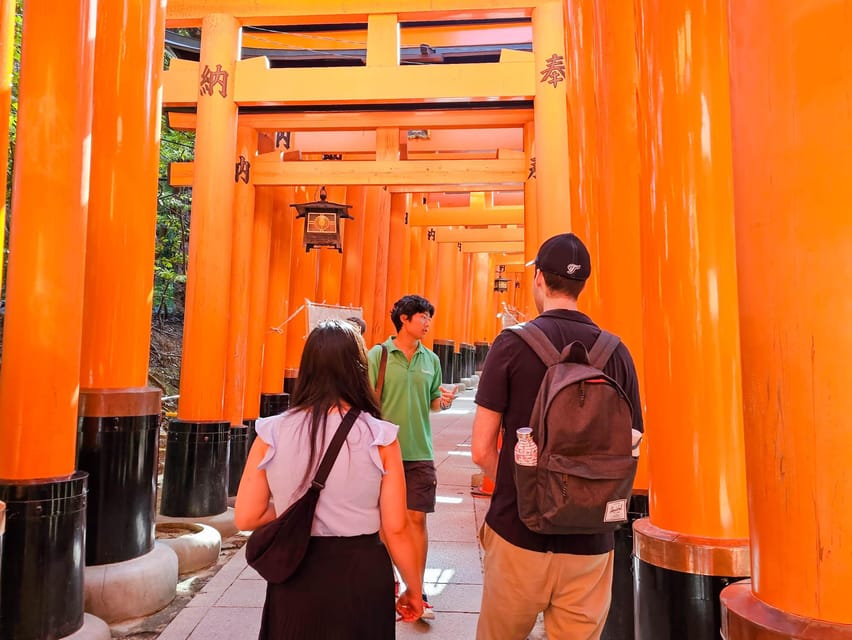
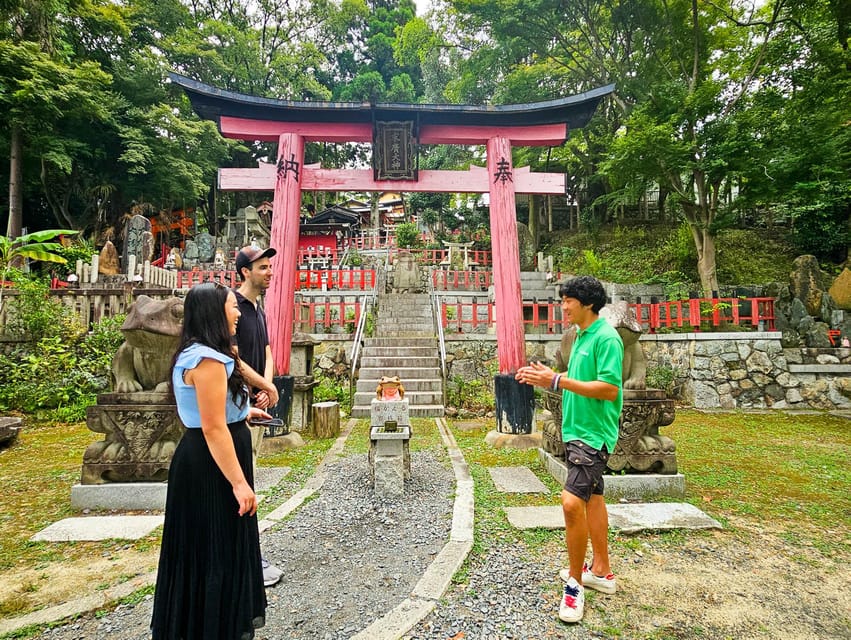
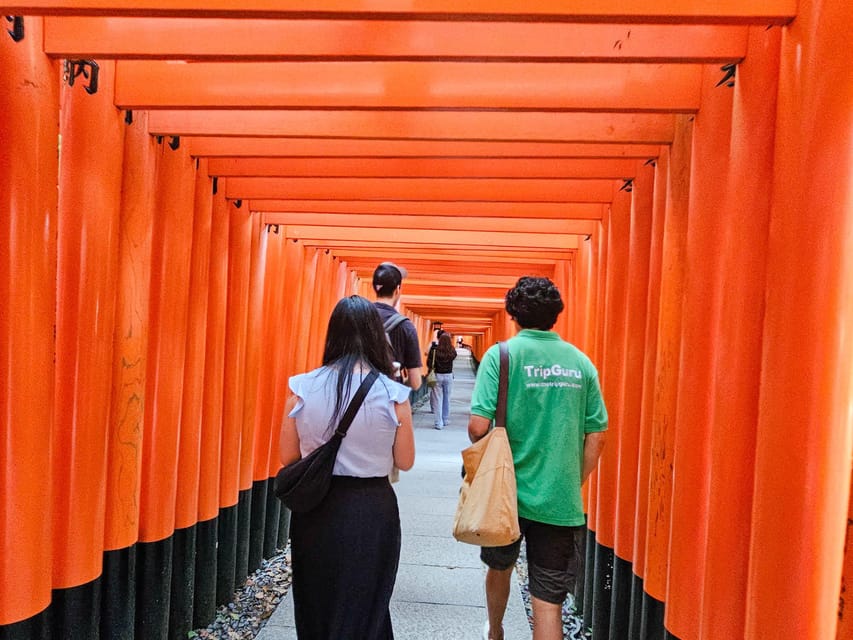
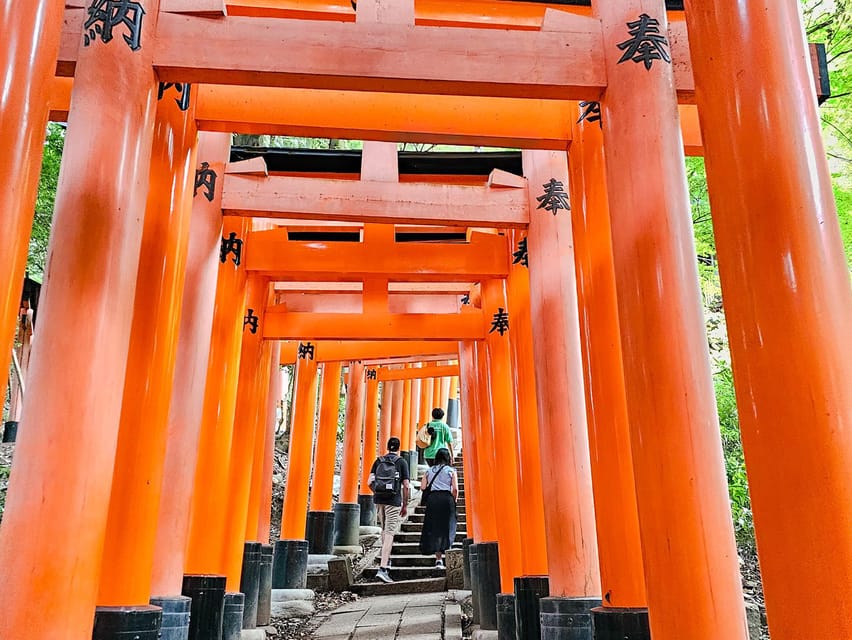
Fushimi Inari Taisha is one of Kyoto’s most recognizable sights, but the familiar image of a tunnel of bright red gates tells only part of the story. The shrine spreads from its main grounds at the foot of Mount Inari up a trail that passes smaller shrines and thousands of vermilion torii.
The gates are donations, and the mountain route is a place of worship as well as a walk. That context matters. Without it, you might see a striking photo backdrop; with a guide, you can better understand why the shrine is dedicated to Inari and why fox figures appear around the grounds.
Inari is associated with agriculture and commerce. Foxes are regarded as the deity’s messengers, a detail that gives the shrine’s fox imagery a purpose beyond decoration. A guide can connect these details to what you see on the path and answer questions as they come up.
The tour is designed to fit into a short Kyoto schedule. You can get an introduction to the shrine in two to three hours rather than setting aside most of a day. That makes it useful if you want a guided visit but also need to leave time for other parts of the city.
Starting at Daily Yamazaki
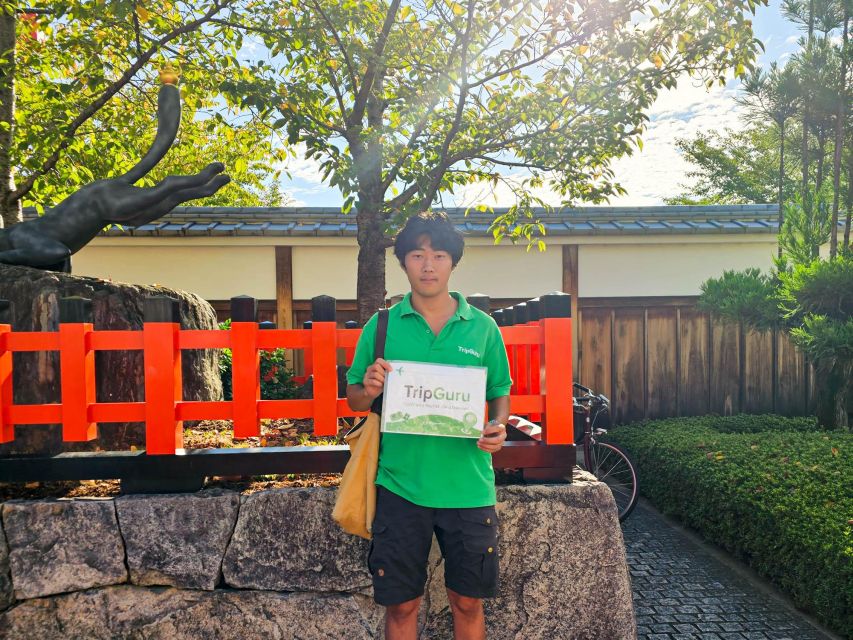
The meeting point is Daily Yamazaki Fushimi Inari Shrine. Look for a guide wearing a TripGuru shirt or holding a TripGuru sign, and arrive on time: the guide waits for a maximum of 10 minutes before moving on.
That cutoff is worth taking seriously. Morning traffic can be heavy, and journey estimates in navigation apps may not account for changing conditions. Build in extra travel time rather than planning to arrive at the last minute.
The group is limited to nine people. That is a useful size for a walking tour: small enough to hear explanations and ask questions, but still a group experience rather than a private visit. You will be walking at the pace of the group, so tell your guide if you need a break.
More Fushimi Inari tours in Kyoto:
- Kyoto: Fushimi Inari, Kinkakuji, Bamboo Grove 1 Day Bus Tour
★ 4.8 · 4,316 reviews - Fushimi Inari Hidden Hiking Tour (Private Option Available)
★ 5.0 · 1,750 reviews - Kyoto/Osaka: Nara, Fushimi Inari Taisha, Arashiyama Bus Tour
★ 4.7 · 1,275 reviews
Choosing between the lower shrine and Mount Inari
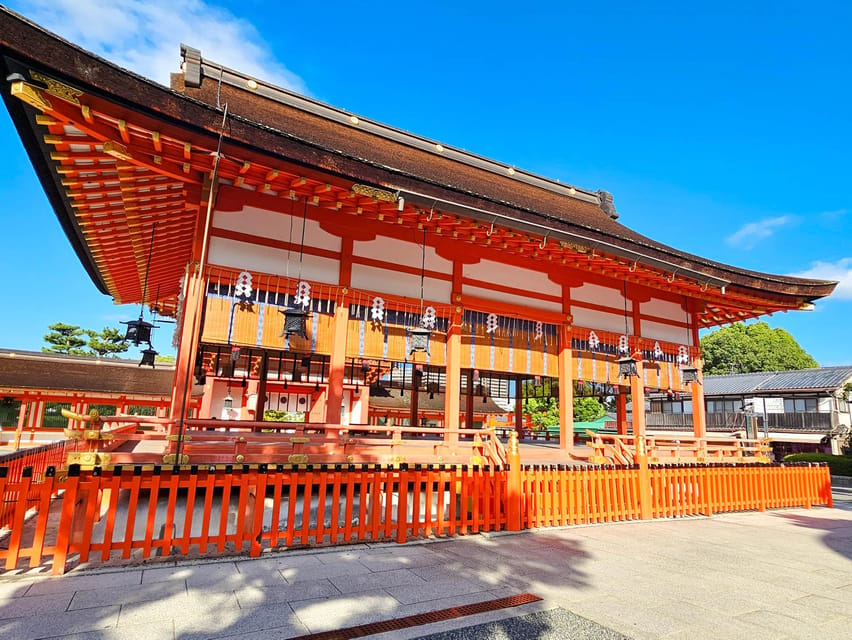
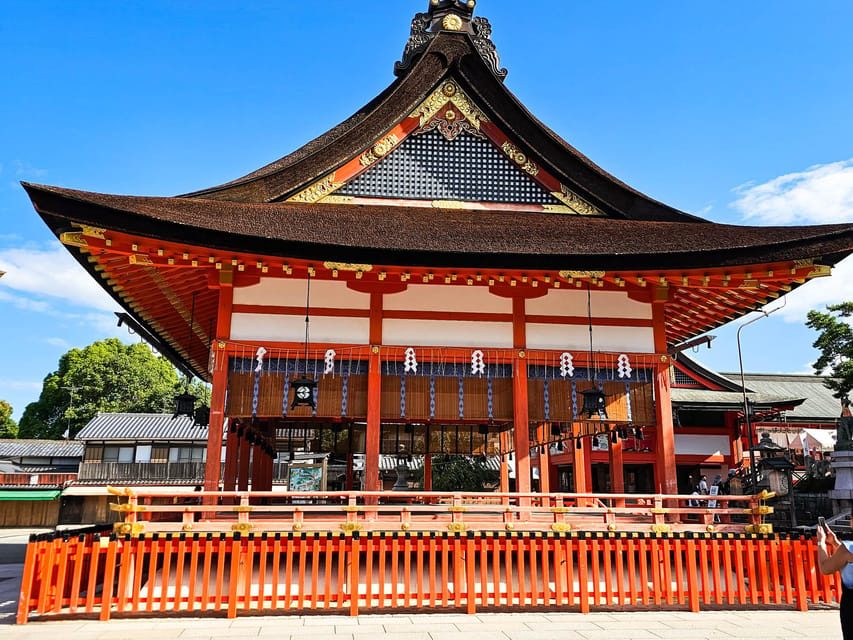
The tour offers two ways to explore. Option B covers the lower shrine, at the base of Mount Inari. This is where you find the main entrance, offering hall, and several smaller shrines. Choose it if your priority is to see the grounds and torii gates without adding the uphill walk.
Option A adds the upper shrine area and a hiking trail on Mount Inari. Expect roughly an extra hour of walking. The path passes more gates and smaller shrines, and the higher sections offer views over Kyoto and the surrounding mountains.
The choice is a practical one, not a question of which option is the real experience. The lower route is better for a tighter schedule or anyone who wants to limit walking. The mountain route gives you more time among the gates and a broader sense of how the shrine extends up the mountain, but it calls for comfortable shoes and more stamina.
The tour information lists the activity as unsuitable for pregnant women and people with mobility impairments, heart problems, or respiratory issues. If any of those apply to you, the walk may not be a good fit, particularly if you are considering the longer route. The shorter option still involves walking around shrine grounds.
Hearing the shrine’s stories as you walk
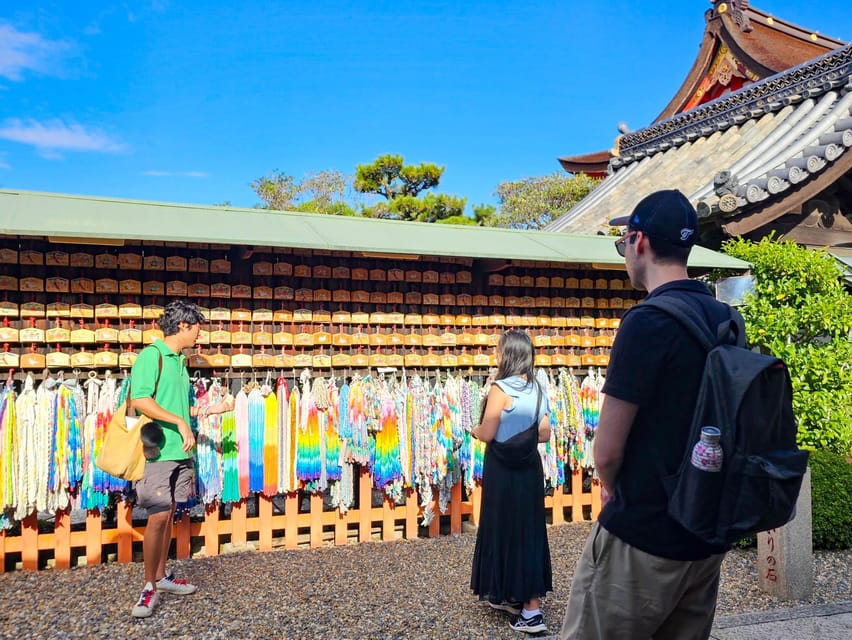
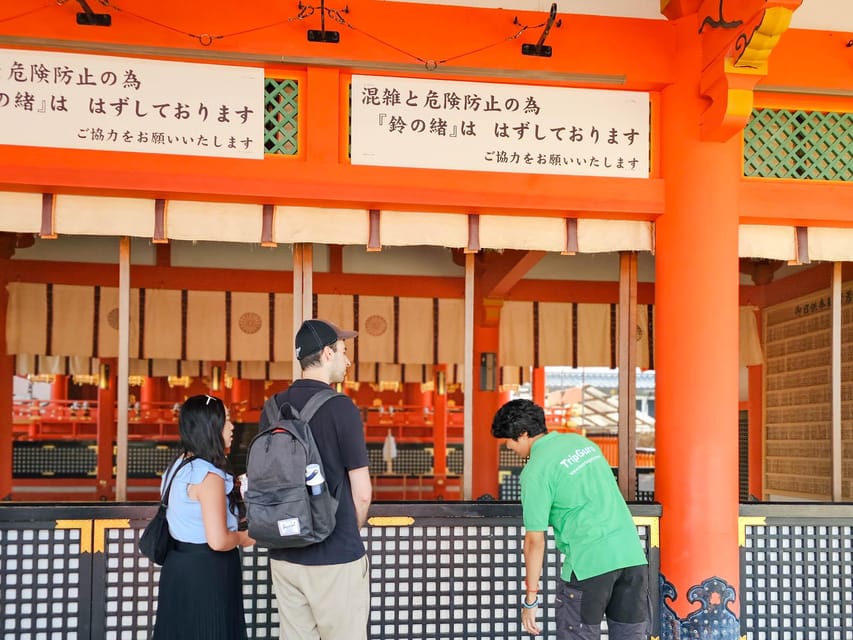
A guide’s value here is not simply pointing out the gates. The shrine’s scale can make it easy to focus on the repeating red structures and miss the smaller details. An English-speaking guide can explain the deity and fox symbolism, add historical context, and help you make sense of the upper and lower areas.
The named guides include Katz, Christiana, Raphael, and Nobumasa. Their described strengths include friendly explanations, patience, and attention to the group’s needs. Raphael, for example, was noted for accommodating a group with children and strollers. Another guide was praised for checking on hydration and breaks, and for helping with photos. These are useful signs of the kind of support a walking tour can offer, though your guide will depend on the date.
You can ask questions as the visit unfolds rather than trying to absorb a long lecture all at once. That suits a place where the route itself gives you time to look around. If you are curious about shrine customs, the gates, or the fox figures, bring your questions along.
A 30-minute street-food walk
After the shrine visit, the itinerary includes a 30-minute walk focused on street food. It gives you a short chance to look around the food area near the shrine and adds a local-flavor stop before returning to the meeting point.
Meals and drinks are not included, so budget separately if you want to buy something. The tour does not promise a meal or specify which foods will be available, so treat this as a brief food-focused walk rather than a tasting session with set dishes.
The walk is part of the overall two-to-three-hour experience. If you have a strict schedule, keep that time in mind rather than counting only the shrine visit. The tour starts and ends at the same Daily Yamazaki meeting point.
More walking tours in Kyoto:
- Kyoto Geisha Walking Tour: Gion District & Hidden Gems
★ 4.7 · 3,273 reviews - Kyoto: Gion Magical Night Walking Tour with Geisha Trivia
★ 4.9 · 2,393 reviews - Kyoto: Gion Geisha District Walking Tour – Stories of Geisha
★ 4.7 · 2,187 reviews - Night Walk in Gion: Kyoto’s Geisha District
★ 4.5 · 2,003 reviews
Is $24 good value?
At $24 per person, the price covers the English-speaking guide, entrance fees, and the walking tour. You are paying for an explanation and an organized route through a large shrine complex, not transport, food, or hotel pickup and drop-off.
That is appealing if you want context but do not need a full-day excursion. A guide can make a short visit more rewarding by explaining what the torii gates and fox imagery signify, while the small-group limit gives you a better chance to follow the conversation. The price also keeps the commitment modest if you are fitting Fushimi Inari into a day of sightseeing.
The value depends on what you want. If you are content to walk through the lower grounds on your own and take photos, you may not need a guide. If you want the shrine’s stories explained, or want someone to lead the way toward the mountain route, $24 is a reasonable price for a guided outing of this length.
Remember that personal expenses, meals, and other drinks are extra. There is no hotel pickup or drop-off, so you need to make your own way to the meeting point.
What to wear and how to prepare
Wear comfortable shoes. Even the shorter option involves walking, and the mountain route adds about an hour. If you choose the hike, plan for a longer stretch on foot and be honest with yourself about your pace and energy.
Dress modestly and respectfully on the shrine grounds. The guidance specifically cautions against clothing that is too revealing or casual, including shorts and tank tops. You do not need elaborate clothing, but it is worth choosing an outfit that feels appropriate for a religious site.
Bring questions, allow extra time to reach the meeting point, and decide before you start whether you want the shorter lower-shrine visit or the additional hike. Last-minute bookings are accepted, but availability and starting times can vary, so check what is open for your date.
Who should book this walk?
This tour suits you if you want a guided introduction to Fushimi Inari Taisha without giving up half a day. It is especially useful if the shrine’s religious and cultural details matter to you, or if you want help choosing between a brief visit and the longer mountain walk.
The shorter option can work for someone with limited time who still wants a guide and a look at the main grounds. The extended option is better for walkers who want to follow the torii trail farther up Mount Inari and take in the city and mountain views.
Skip it if you prefer complete flexibility, want to explore at your own pace without a group, or cannot manage the walking involved. The shrine itself is the main attraction, but the tour’s strongest reason to book is the guide’s explanation and the ability to choose your route.
Should you book?
Book this if you want a compact, affordable introduction to Fushimi Inari, with an English-speaking guide and a choice between the lower shrine and a longer mountain walk. The small group and opportunity to ask questions add value for a first visit.
Choose the shorter route if time or energy is limited. Take the mountain option if you are comfortable with extra walking and want more of the gates, smaller shrines, and views. Either way, arrive early, wear comfortable shoes, and remember that food purchases are on you.
FAQ
How long does the tour take?
The tour lasts two to three hours. The Mount Inari option includes about an hour more walking than the lower-shrine option.
What is the tour price?
The listed price is $24 per person.
What is included in the price?
An English-speaking guide, entrance fees, and the walking tour are included.
Is food included?
No. Meals, other drinks, and personal expenses are not included. The itinerary includes a 30-minute street-food walk.
Where do I meet the guide?
Meet at Daily Yamazaki Fushimi Inari Shrine. The guide will wear a TripGuru shirt or hold a TripGuru sign.
Does the tour visit Mount Inari?
You can choose an option that includes the Mount Inari hiking trail, or choose the lower-shrine option without the additional hike.
How large is the group?
The tour is limited to nine participants.
What language is the tour in?
The live tour guide speaks English.
What should I bring or wear?
Bring comfortable shoes and dress modestly and respectfully for the shrine grounds. The guidance advises against clothing such as shorts or tank tops.
Is the tour suitable for people with mobility or health concerns?
The activity is listed as unsuitable for pregnant women and people with mobility impairments, heart problems, or respiratory issues.
Newly added in Kyoto
- Uji: Private immersion into Kyoto’s tea and reglious culture★ 5.0 · 17 reviews
- Whisk Your Own Matcha: A Zen Matcha Experience at Temple★ 3.6 · 7 reviews
- Kyoto tea town for matcha lovers★ 5.0 · 16 reviews
- Treasures of Kyoto: Gion & historical Walking Tour★ 5.0 · 6 reviews
- Kyoto Matcha Green Tea Tour★ 4.5 · 23 reviews
- Uji and Wazuka Matcha Farm Half Day Private Guided Tour★ 5.0 · 21 reviews
- Uji Tea Ceremony and UNESCO Heritage Walking Tour★ 5.0 · 20 reviews
- Utilising upcycled Matcha! Creating matcha incense (Uji, Kyoto)★ 5.0 · 6 reviews
Fushimi Inari Tours, compared.

Fushimi Inari, Kinkakuji, Bamboo Grove 1 Day Bus Tour
Read our review →
Fushimi Inari Hidden Hiking Tour (Private Option Available)
Read our review →
Nara, Fushimi Inari Taisha, Arashiyama Bus Tour
Read our review →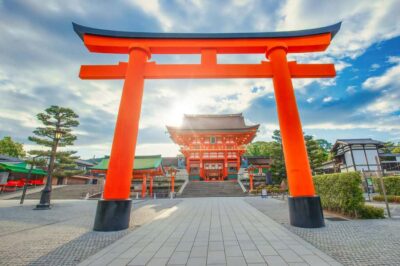
Arashiyama, Nara & Fushimi Inari Shrine w/Lunch
Read our review →
Nijo Castle, Kiyomizu & Fushimi Inari Guided Tour
Read our review →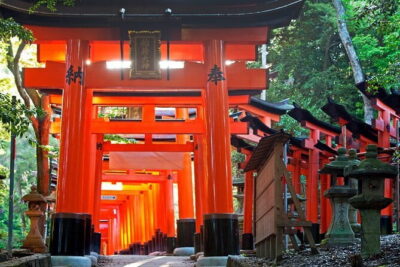
Nijo, Kinkaku-ji, Arashiyama, Kiyomizu & Fushimi Inari
Read our review →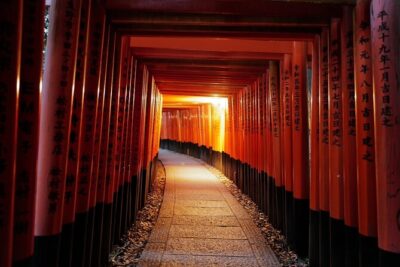
Browse the lists this tour appears in