
Reviewed · KYOTO FOOD TOURS
Kyoto: Gion & Pontocho Food Tour with 13 Dishes
Gion after dark is more than a pretty lane between restaurants. This three-hour walk pairs illuminated shrine grounds and traditional streets with a generous dinner of up to 13 Japanese dishes, led by a local guide who can explain the food and the geisha district around you.
I like two things in particular: you try dishes you might not think to order on your own, and the small group gives you room to ask questions and talk with your guide. The evening also moves between Gion and Pontocho, so you get both a cultural walk and a proper meal.
The main consideration is the amount of food: this is dinner, not a light tasting stroll. You also spend much of the three hours walking and eating at two venues, so anyone hoping for many restaurant stops or a fast-paced sightseeing circuit may prefer another plan.
- Start at Yasaka Shrine: See the grounds illuminated at night and hear about their place in Kyoto’s cultural life.
- Walk Shirakawa Lane: Set aside about 30 minutes for a guided stroll through one of Gion’s scenic areas.
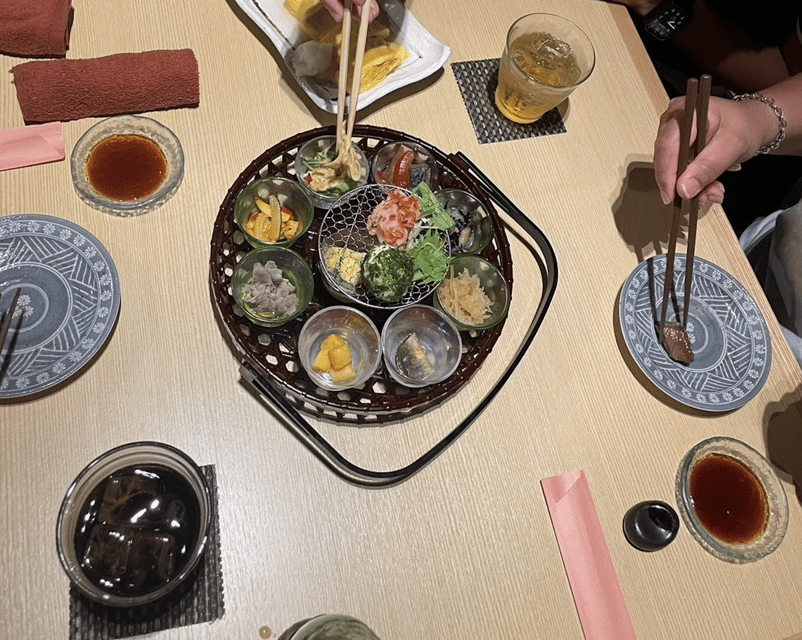
- Taste a broad range of dishes: The meal can include karaage, tempura, sashimi, tofu skin, tonkatsu, or other Japanese specialties.
- Visit two dining spots: Food is served at one izakaya and one restaurant, with two drinks included.
- Keep the group small: Tours are limited to eight people and conducted in English.
- Expect food and culture together: The guide connects Kyoto’s dining traditions, sake, etiquette, and geisha culture as you walk.
Gion after dark, with food as your guide
This tour makes a good case for seeing Gion in the evening. The lanes and shrine grounds take on a different character after dark, and your guide gives you context while you walk rather than leaving you to decode the district on your own. The route begins outside the main entrance of FamilyMart Gion, facing the main street, then heads toward Yasaka Shrine and the surrounding area.
The experience is not just a restaurant crawl with a few landmarks on the way. Your guide talks about Kyoto’s culinary customs and geisha culture, and the food becomes part of that conversation. That mix matters: a dish can be more memorable when you know what it is, how it fits into local dining, and what etiquette to follow.
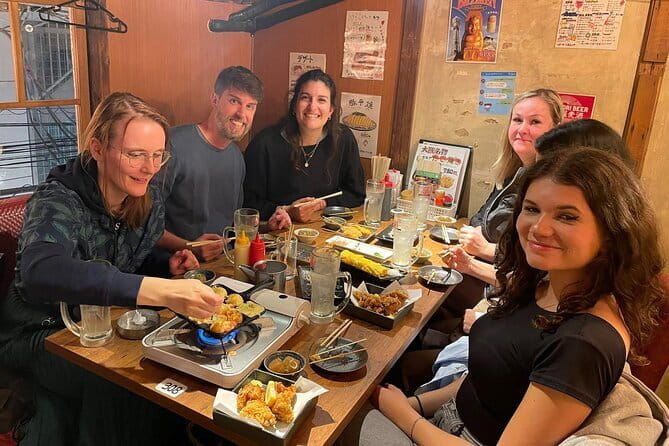
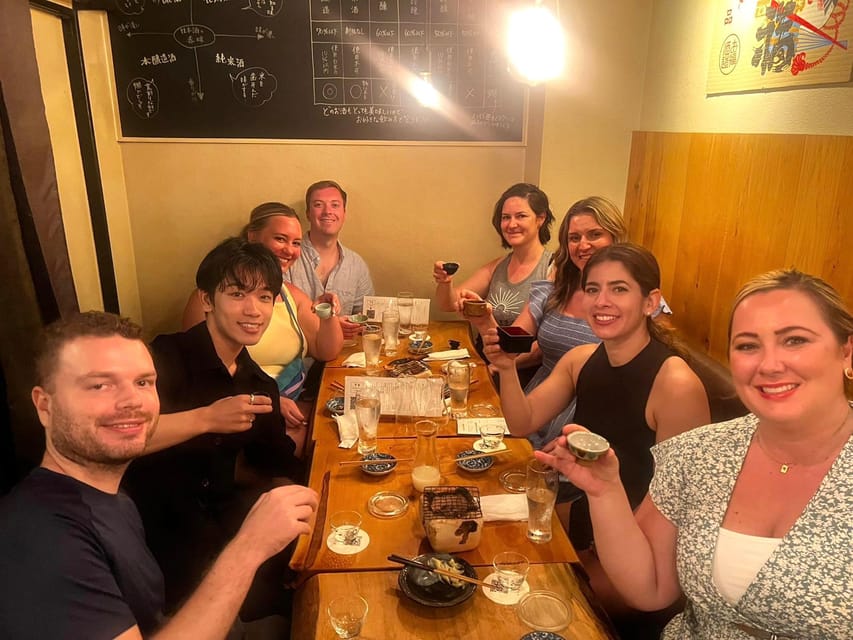
The group is capped at eight, which is a useful size for a walking tour that includes conversation and shared plates. You can ask questions without needing to project your voice across a crowd, and there is a better chance of getting to know the people sharing the table.
Yasaka Shrine sets the evening’s tone
The tour starts with a short visit to Gion and Yasaka Shrine. The shrine is described as beautifully lit at night, and the guide explains its history and cultural importance before the group moves on. The brief stop is not meant to replace a longer shrine visit. Think of it as a useful introduction to the neighborhood and the evening’s themes.
This is a strong opening for anyone new to Kyoto. Rather than beginning immediately with food, the walk gives you a bit of place and context first. That can help the rest of the evening make sense, especially when the conversation turns to traditions that are not obvious from the street.
A shrine visit is also a calmer way to begin than stepping straight into a busy dining room. The tradeoff is that the listed visit itself is short. If you want to explore the grounds at length or take your time with photographs, plan a separate visit.
More Gion tours in Kyoto:
- Kyoto Geisha Walking Tour: Gion District & Hidden Gems
★ 4.7 · 3,273 reviews - Kyoto: Gion Magical Night Walking Tour with Geisha Trivia
★ 4.9 · 2,393 reviews - Kyoto: Gion Geisha District Walking Tour – Stories of Geisha
★ 4.7 · 2,187 reviews
Shirakawa Lane brings the walk into Gion
The guided portion through Shirakawa Lane lasts about 30 minutes. This is the longest stretch of walking in the early part of the tour, and a chance to see Gion beyond its most familiar main streets. Your guide shares stories about the area and its geisha culture as the group moves through the district.
The subject needs a little care. Geisha culture is not a performance staged for the group, and the tour is best understood as an introduction to the history and customs associated with Kyoto’s iconic district. The emphasis is on learning as you walk, not on treating local residents or working performers as an attraction.
You may encounter a shrine frequented by geishas as part of the route. The specific shrine is not named, so the details may depend on the guide and the evening. The value lies in hearing how the district’s traditions connect with the places around you, rather than expecting a guaranteed encounter with a geisha.
The narrow streets and outdoor stops also make this portion weather-dependent. The walk has gone ahead in snow and heavy rain, so come prepared for the forecast. Comfortable shoes are sensible for any three-hour walking-and-dining outing.
The first meal: izakaya dishes and local sake
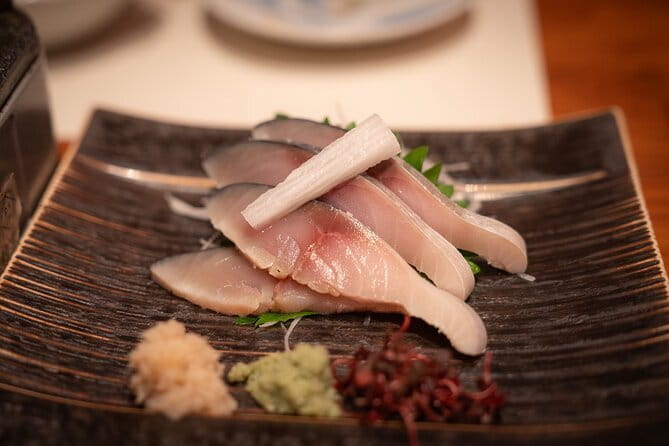
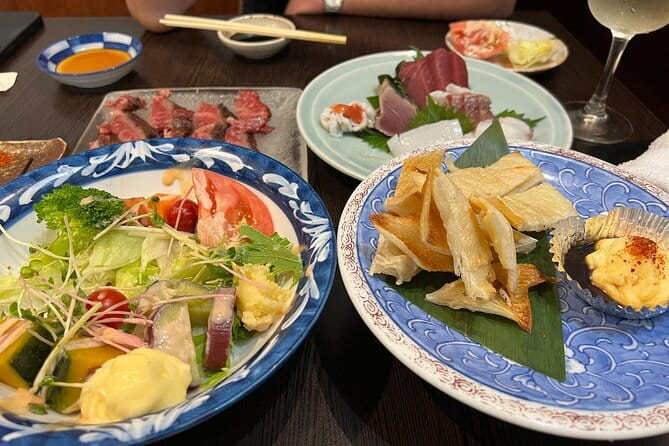
Food begins at a cozy izakaya in Gion. An izakaya is a casual Japanese dining spot, and the dishes here may include karaage, tempura, and sashimi. The selection is presented as a shared tasting, giving you a chance to sample several things instead of committing to one main dish from a menu.
That variety is one of the tour’s clearest strengths. Some people arrive curious about familiar foods; others try something new because the guide can explain what is being served. Past menus have included dishes such as tofu skin, tonkatsu, and sting ray, but the exact lineup can vary. Treat the advertised count of up to 13 as a possible total, not a promise that every dish will appear on every outing.
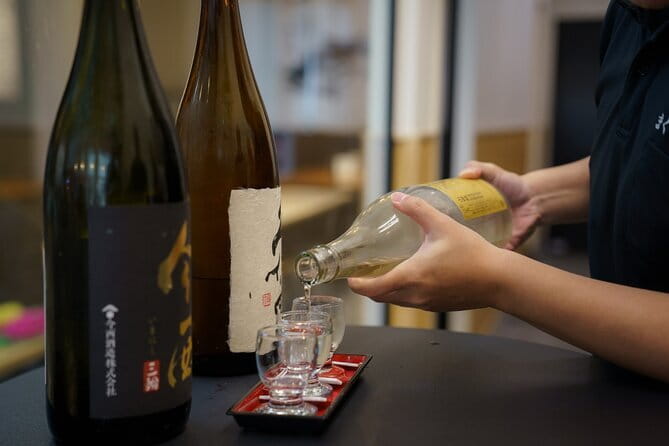
Two drinks are included, alcoholic or non-alcoholic. Kyoto sake is part of the experience, and guides may explain different varieties and how they differ. Some evenings have included a sake tasting, but a specific flight is not guaranteed, so regard that as a possible bonus rather than a fixed feature.
The food can add up quickly. The tour is designed as an evening meal, not a small pre-dinner snack, and people have described the portions as plentiful. If you have a large appetite, you will likely appreciate the range. If you prefer a light meal, eat little beforehand and ask the guide about ingredients or portion expectations.
Pontocho adds a second side of Kyoto
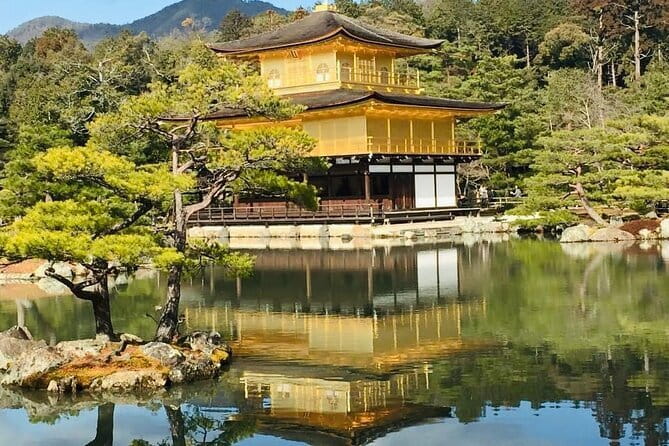
After the Gion walk and food stop, the route continues to Pontocho for a guided stroll of about 15 minutes. The change of district gives the evening a natural second act: you move from Gion’s cultural landmarks to another well-known Kyoto dining area, then settle in for the final meal.
The closing dining stop lasts about an hour at a hidden dining spot in Pontocho. The exact venue is not named in advance, and the atmosphere may differ from the izakaya. That variety is part of the appeal: you are not spending the entire night in one room or sampling one style of food.
The structure also means the tour is not built around visiting a long list of restaurants. There are two dining venues, with walking and guided context between them. If you value tasting a range of dishes and having time to talk over dinner, that is a sensible arrangement. If your priority is to inspect lots of separate restaurants, you may find the pace too settled.
Pontocho is also where the social part of the evening often comes into focus. With no more than eight people, you have a chance to share dishes and conversation with the group. Solo travelers may find that especially welcome, while couples and families can enjoy a guided night out without having to plan each stop themselves.
More food tours in Kyoto:
- Ramen Cooking Class at Ramen Factory in Kyoto
★ 5.0 · 1,937 reviews - Kyoto Night Foodie Tour in Gion (9+ dishes + 6 Sake tastings)
★ 5.0 · 1,762 reviews - Kyoto: Izakaya Bars Guided Walking Tour
★ 4.9 · 815 reviews - Sushi Making in Kyoto! Same-day bookings welcome!
★ 5.0 · 713 reviews
What the guide adds to the meal
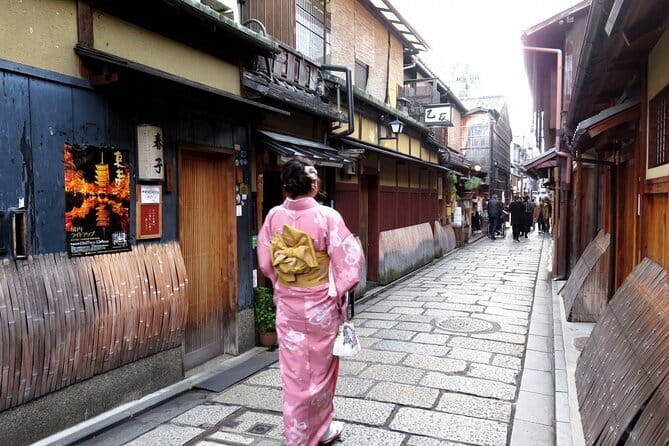
The guide is central to the value here. Names associated with recent tours include Tomoko, Takuma, Mia, Kohtaro, Minori, and others. The experience can vary by guide, but the format gives them room to explain food, answer questions, and connect the walk to Kyoto’s customs.
Tomoko, Takuma, Mia, and Kohtaro have all been praised for combining food with local history and for making the evening welcoming. Some guides have shared practical dining tips, discussed Japanese food etiquette, or explained sake varieties. One guide even wrote down dish and drink names for a participant, a thoughtful touch if you want to find them again later.
That personal style is more useful than a memorized list of facts. If you are unsure what to order in a Japanese restaurant, or you want to ask about ingredients and customs, a guide can lower the barrier. You also get recommendations and explanations that may help you explore Kyoto on your own afterward.
The tour is in English. It is listed as wheelchair accessible, but because it includes walking through streets and moving between venues, contact the provider if you need details about the route or specific access requirements.
Is $82 fair for this evening?
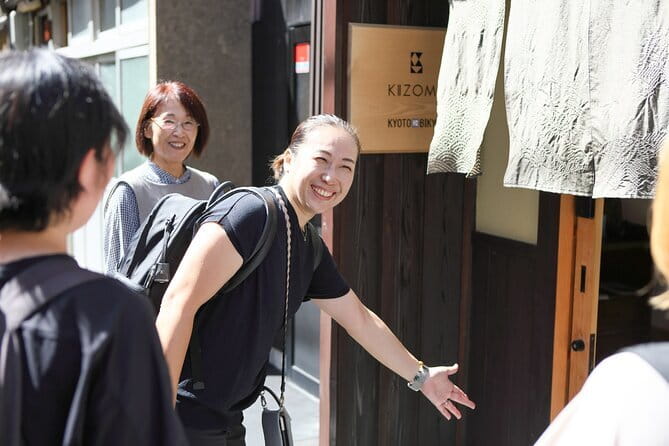
At $82 per person, this is a paid guided dinner, not merely a walk with a few samples. The fee covers food at one izakaya and one restaurant, up to 13 dishes, two drinks, and a three-hour walking tour with a local guide. You are also paying for someone to select the stops and help explain what you are eating.
The price makes the most sense if you treat the meal as dinner and value the cultural explanation. A self-guided evening may cost less, but you would need to choose restaurants, navigate the area, and work out unfamiliar dishes and customs yourself. On the other hand, if you already have dinner plans or mainly want a short neighborhood walk, the package may be more than you need.
The number of dishes is a selling point, but it can also make the evening feel like a lot of food. Two drinks are included, while extra drinks cost more. If you tend to order several drinks, factor that into your budget.
The group limit helps justify the guided format. With a maximum of eight participants, the tour is small enough for conversation and questions, but it is still a shared group experience, not a private dinner. If no one else books, the outing may feel more personal, though that is not something to count on.
Who will get the most from it?
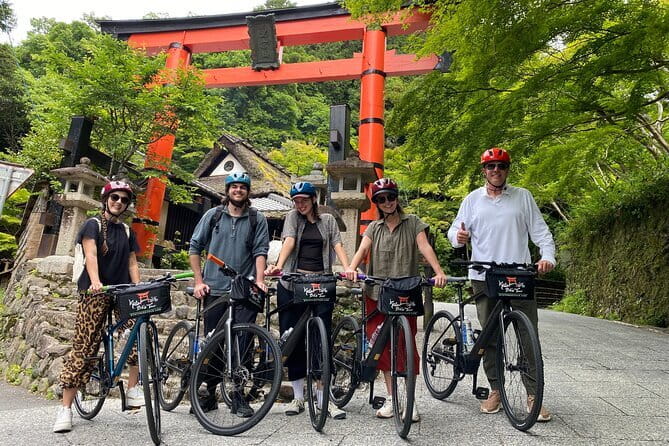
I would choose this tour early in a Kyoto stay if I wanted an approachable introduction to Gion, Pontocho, and Japanese dining. It suits curious eaters who like trying unfamiliar dishes and appreciate having someone explain what is on the table. It also works well for solo travelers looking for company for an evening, and for small groups who want a ready-made night out.
It is less suited to anyone who wants a quiet, private meal or a detailed, stop-by-stop sightseeing tour. The route includes cultural context, but food takes up a large share of the three hours. It is also not the right choice if you are looking for a guaranteed geisha sighting. The focus is on learning about the culture and district, not promising an encounter.
If you have food allergies or dietary needs, raise them with the provider before booking. A guide has been able to take particular care with allergies, but the available details do not specify which dietary requirements can be accommodated. Clear communication is the prudent step.
Should you book the Gion and Pontocho food tour?
Book it if you want to eat your way through two Kyoto districts with a guide who can connect the dishes to local customs and culture. The strongest reasons to go are the range of food, the small group, and the balance between a night walk and a substantial dinner. At $82, it offers solid value when you count the included food, drinks, and guide together.
Skip it if you want a quick tasting, several restaurant stops, or a meal you can control dish by dish. If the idea of up to 13 dishes sounds like too much, plan to share generously and avoid a big meal beforehand. For an evening that mixes Gion’s streets, Pontocho dining, sake, and stories about Kyoto, it is a well-rounded choice.
FAQ
How long is the tour?
The tour lasts three hours.
Where does the group meet?
Meet in front of the main entrance of FamilyMart Gion, facing the main street.
How many people can join?
The small group is limited to eight participants.
What food and drinks are included?
Food at one izakaya and one restaurant is included, with up to 13 dishes. Two drinks are also included, alcoholic or non-alcoholic.
Is the tour conducted in English?
Yes. The live guide speaks English.
Can I cancel for a refund?
Yes. You can cancel up to 24 hours in advance for a full refund.
Newly added in Kyoto
- Uji: Private immersion into Kyoto’s tea and reglious culture★ 5.0 · 17 reviews
- Whisk Your Own Matcha: A Zen Matcha Experience at Temple★ 3.6 · 7 reviews
- Kyoto tea town for matcha lovers★ 5.0 · 16 reviews
- Treasures of Kyoto: Gion & historical Walking Tour★ 5.0 · 6 reviews
- Kyoto Matcha Green Tea Tour★ 4.5 · 23 reviews
- Uji and Wazuka Matcha Farm Half Day Private Guided Tour★ 5.0 · 21 reviews
- Uji Tea Ceremony and UNESCO Heritage Walking Tour★ 5.0 · 20 reviews
- Utilising upcycled Matcha! Creating matcha incense (Uji, Kyoto)★ 5.0 · 6 reviews
Kyoto Food Tours, compared.

Ramen Cooking Class at Ramen Factory in Kyoto
Read our review →
Kyoto Night Foodie Tour in Gion (9+ dishes + 6 Sake tastings)
Read our review →
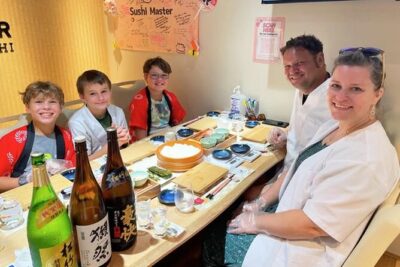
Sushi Making in Kyoto! Same-day bookings welcome!
Read our review →
Insider Sake Brewery Tour with Sake and Food Pairing
Read our review →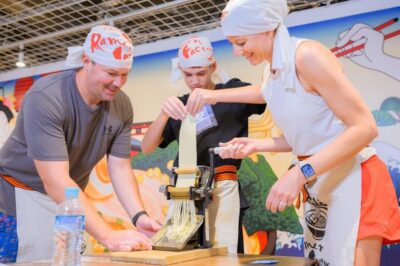
Ramen Cooking Class at a Ramen Factory with Souvenir
Read our review →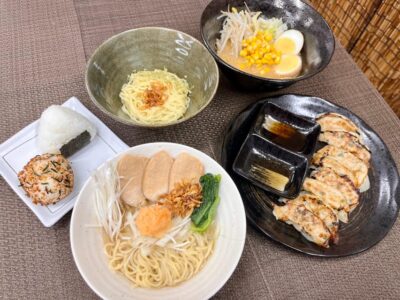
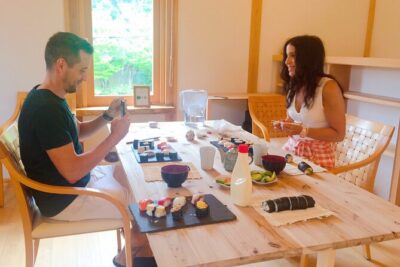
The Original Small-Group Sushi Making Class in Kyoto
Read our review →Browse the lists this tour appears in