
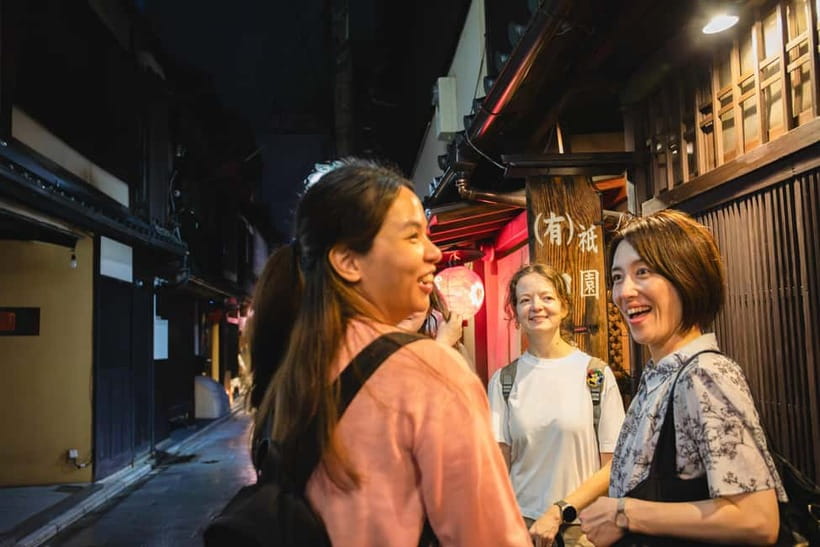
Reviewed · KYOTO GEISHA TOURS
Kyoto: Gion World of the Geisha Guided Walking Tour
Gion is more than a pretty stretch of old Kyoto. It is a working geisha district, and this walk gives you a guide to its streets, traditions and everyday character. You’ll hear about maiko, apprentice geiko, and the geiko of Kyoto, while exploring two historic districts on foot.
I like that the route combines local stories with real places, including Yasaka Shrine and the Shirakawa Canal. I also like the small-group format: it gives you a better chance to hear the guide and ask questions than a large walking tour would.
One consideration: the advertised duration ranges from two hours to 270 minutes, so check the time for the option you book. The route includes walking and stairs, and it is not suitable for wheelchair users or people with mobility impairments.
At a glance
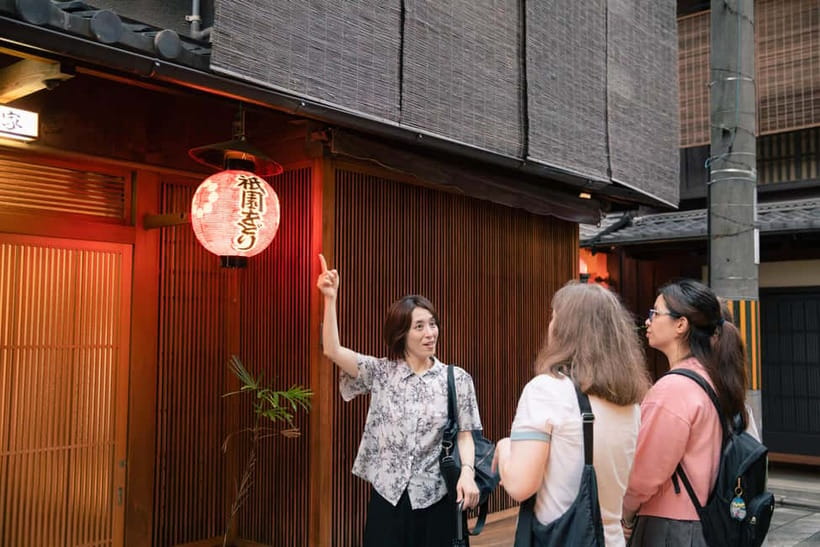
- Two geisha districts: Explore Gion and another historic kagai, or geisha district, with a local guide.
- Culture, not just scenery: Learn about maiko and geiko through stories that add context to Gion’s traditional streets.
- A route with variety: The walk includes Yasaka Shrine, Gion, Shirakawa Canal and Gion Corner.
- A chance encounter, not a guarantee: You might see a geiko or maiko, and the guide can suggest where to see them in action.
- Good value at $29: The fee covers a guided walk and guide, with flexible booking and free cancellation up to 24 hours ahead.
- Plan for walking: The tour runs rain or shine, and comfortable shoes are recommended.
Gion makes more sense with a guide
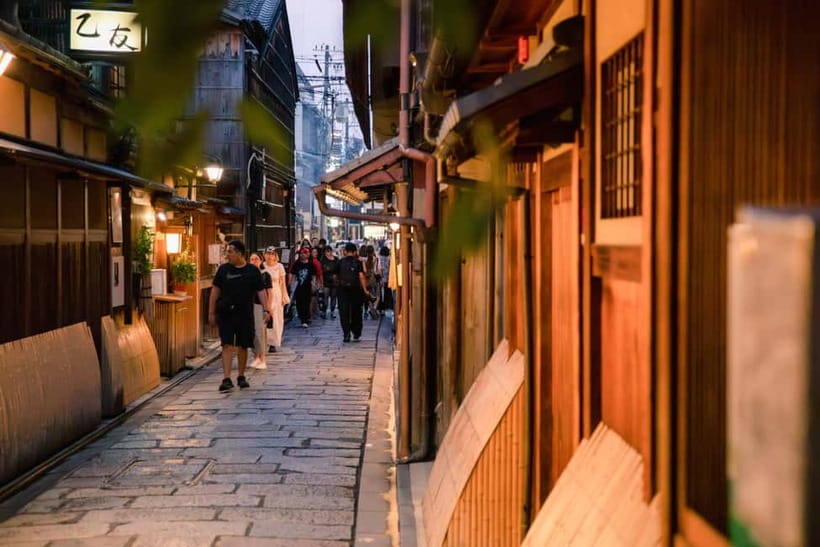
Gion can look like a collection of handsome streets and traditional buildings when you first arrive. A guide helps you read the district: what makes it a kagai, how Kyoto’s geiko culture differs in terminology from the familiar word geisha, and where the area’s traditions fit into its present-day life.
That context is the point of this tour. You are not simply being led from one photogenic lane to another. The guide tells stories about maiko and geiko and the history of the district, helping you connect the buildings and streets with the culture they are associated with.
The local perspective matters most in a place where an ordinary-looking lane may hold details you would otherwise pass by. The tour description emphasizes picturesque alleys, historic architecture, shrines and lesser-known corners. You can expect to spend more time noticing and asking questions than you might on a solo wander.
There is a note of caution here. Gion is a real neighborhood, not a stage set arranged for sightseeing. A guided walk gives you a way to learn about it, but you should not book expecting a private performance or a guaranteed sighting of a geiko or maiko.
More geisha and maiko experiences in Kyoto:
- Kyoto Geisha Walking Tour: Gion District & Hidden Gems
★ 4.7 · 3,273 reviews - Kyoto: Gion Magical Night Walking Tour with Geisha Trivia
★ 4.9 · 2,393 reviews - Kyoto: Gion Geisha District Walking Tour – Stories of Geisha
★ 4.7 · 2,187 reviews
Yasaka Shrine sets the scene
The route includes a guided stop at Yasaka Shrine, scheduled for about 40 minutes. It is a useful opening to the walk: before moving deeper into Gion, you have time to look around a major shrine and hear the guide place it within the district’s history and character.
The shrine stop also gives the tour a change of pace. A walk through narrow streets can feel like a string of similar views; a dedicated visit helps break up the route and gives you a clear place to pause, listen and get oriented. The guide leads the visit, so you can focus on what is being explained rather than trying to piece together the setting on your own.
The information provided does not specify which shrine buildings or features the guide will discuss. If there is something you particularly want to know, such as the shrine’s relationship to Gion, ask your guide. A small group can make it easier to raise a question as it comes to mind.
Gion is the heart of the walk
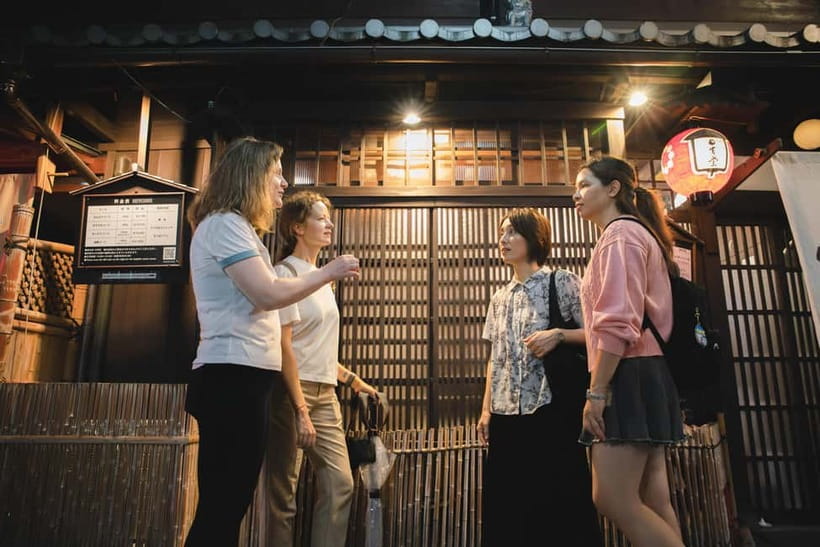
The main Gion portion is listed at about 80 minutes, making it the longest stop. That is where you can expect the most time for stories about the district and the people who have shaped its traditions. The guide introduces the lifestyle of maiko and geiko and explains the history of this well-known kagai.
The distinction in terms is worth keeping in mind. In Kyoto, geisha are called geiko, while maiko are apprentices. The tour uses those words to help you understand the local culture, rather than treating geisha as a single, generic image. That small bit of vocabulary can make the rest of the walk more meaningful.
Gion’s narrow lanes and traditional architecture reward a slower pace. You will have time to notice the feel of the streets and see how the district changes as you move through it. The route also includes short guided and sightseeing stops, though the exact locations and subjects are not specified. Expect a walking tour, not a fixed series of indoor visits.
Some parts of Gion may be busy, and the appeal is not simply taking photographs of old buildings. Listen to the guide, stay with the group and treat the neighborhood as a lived-in place. The tour’s strongest promise is interpretation: you will have a local guide to explain what you are seeing and answer questions along the way.
Shirakawa Canal adds a quieter pause
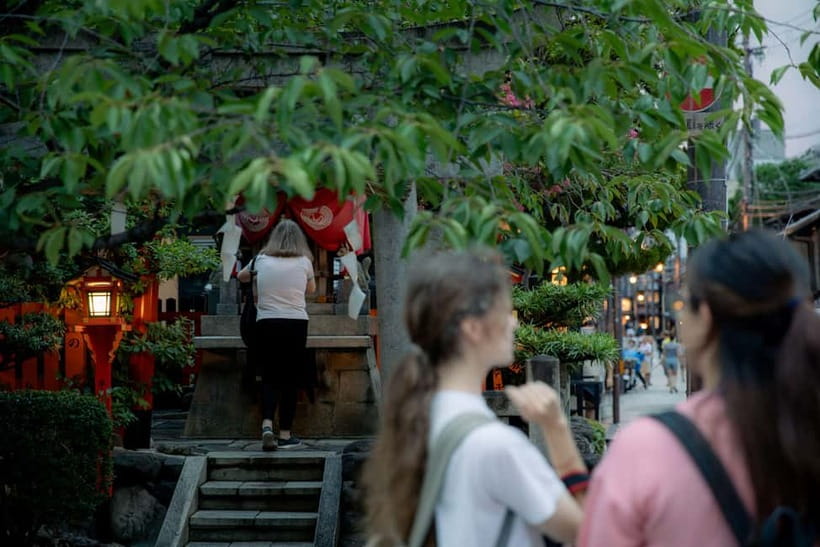
The route passes Shirakawa Canal for sightseeing. The canal gives you a different view of Gion from its lanes, adding water and a change of scene to a walk otherwise focused on streets, shrines and cultural stories.
The stop is listed as sightseeing rather than a timed guided visit, so do not assume you will spend a long stretch there. Its value is in the contrast: a brief pause by the canal can help you take in the surroundings between the more structured parts of the route.
You may want your camera ready, but keep your expectations flexible. The precise timing and conditions are not guaranteed, and the tour takes place rain or shine. Comfortable shoes and clothing suited to the weather will matter more than planning for a long photo session.
More Gion tours in Kyoto:
- Best of Kyoto: Gion, Geisha, Pagodas & Cobblestones
★ 4.9 · 2,058 reviews - Night Walk in Gion: Kyoto’s Geisha District
★ 4.5 · 2,003 reviews - Kyoto Night Foodie Tour in Gion (9+ dishes + 6 Sake tastings)
★ 5.0 · 1,762 reviews - Kyoto Gion Geisha District Walking Tour – The Stories of Geisha
★ 5.0 · 1,441 reviews
Gion Corner and the chance to see geiko
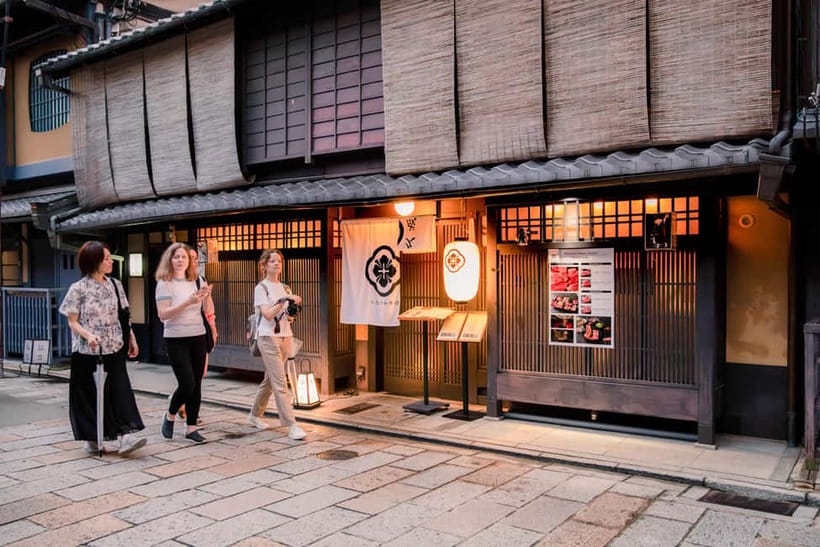
Gion Corner is included as a guided sightseeing stop. It provides another point on the route for the guide to connect Gion’s cultural traditions with the district around you. The supplied details do not promise a show or an indoor performance, so think of this as a place to learn and look around, not an event ticket.
You may be lucky enough to see a geiko or maiko during the walk. The possibility is exciting, but it is just that: a possibility. The guide can also share tips on where to see maiko in action, which is useful if you want to plan a separate cultural experience during your Kyoto stay.
I would keep this part of the tour in perspective. A sighting should be a bonus, not the measure of whether the walk succeeds. The more reliable benefit is learning how to understand the district and its traditions from someone who knows the area.
What the guide can add
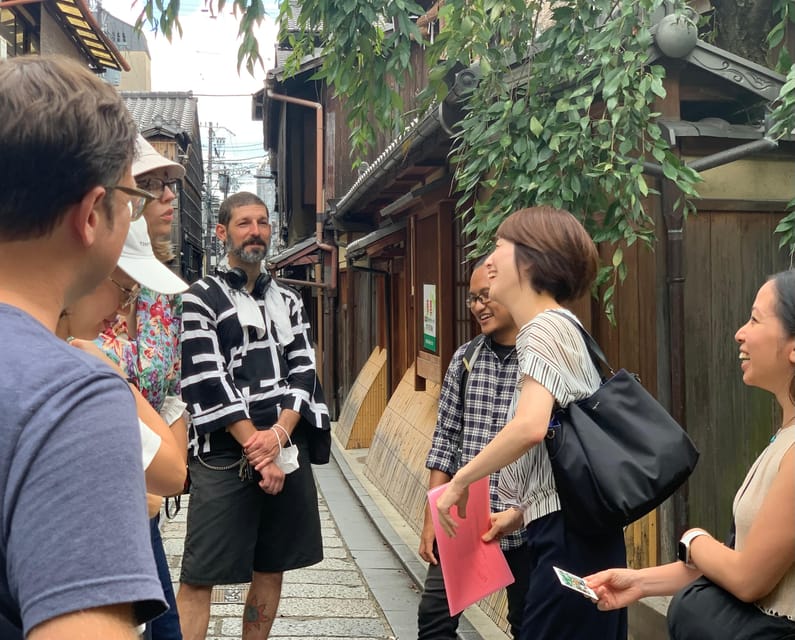
The guide is central to the experience. The strongest praise attached to this tour is for the quality of the guiding: one visitor singled out the guide as the best they had encountered, and another highlighted Ito’s understanding of Gion. That is a meaningful point for a tour built around local stories rather than a long list of attractions.
Ito is a name worth noting, but the available details do not confirm that Ito leads every departure. You should expect an English-speaking local guide, not a particular person unless your booking confirms it. The group is described as small, a helpful format for hearing explanations and asking questions.
The route also receives praise for combining a friendly guide with a good selection of stops. That balance matters: a tour can be full of facts yet feel rushed, or wander without a clear thread. Here, the focus on two geisha districts, Gion’s streets, and its culture gives the walk a clear subject.
The tour has an overall rating of 4.6 from 25 reviews. That is a strong signal, but it is still a modest number of ratings. I would use it as a reason to consider the experience, not as a guarantee that every guide or departure will be identical.
Is $29 good value?
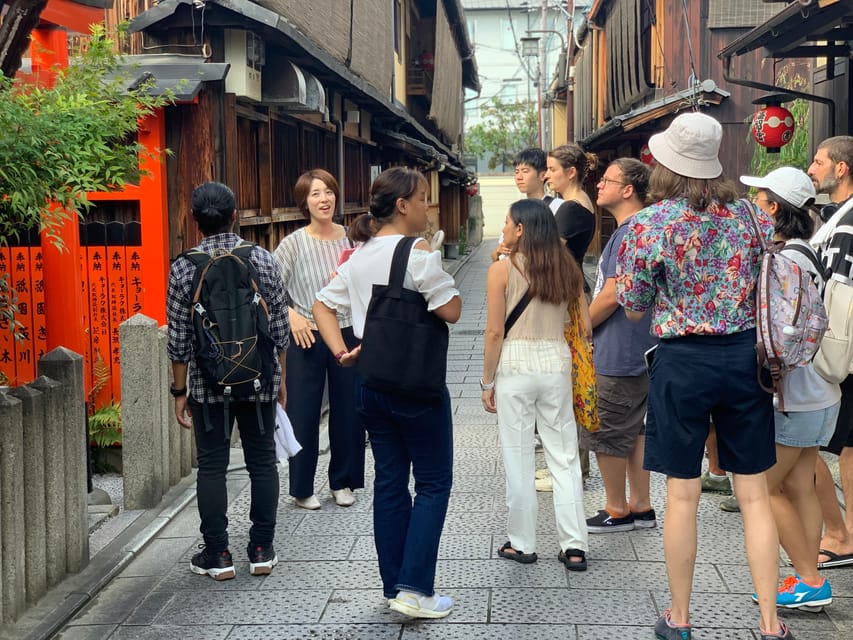
At $29 per person, the price is reasonable for a guided cultural walk in a district where context can make a real difference. The fee includes the guide and the guided walk of Gion. You are paying for interpretation and a planned route, rather than transport, meals or a ticketed performance.
Value depends partly on how much time your option takes. The duration is shown as two hours to 270 minutes, a wide range. The listed route includes 40 minutes at Yasaka Shrine and 80 minutes in Gion, plus short guided and photo stops and additional sightseeing. Before booking, check the exact duration and start time for your selected option so you know whether you are choosing a compact walk or a longer outing.
There are three possible starting points: the Statue of Izumo-no-Okuni, the Wargo Kyoto Kimono Rental Kyoto Gion Store, and the Japan Kanji Museum & Library. The meeting point depends on the option. If you choose the kimono rental option, you must change into your kimono and then make your own way to the Japan Kanji Museum & Library, where the guide will meet you. Build that extra walk into your plans.
The drop-off is listed at Gion Kōbu Kaburenjō. Check the details for your chosen option, since the meeting and ending points may shape how you plan the rest of your day.
Practical details before you book
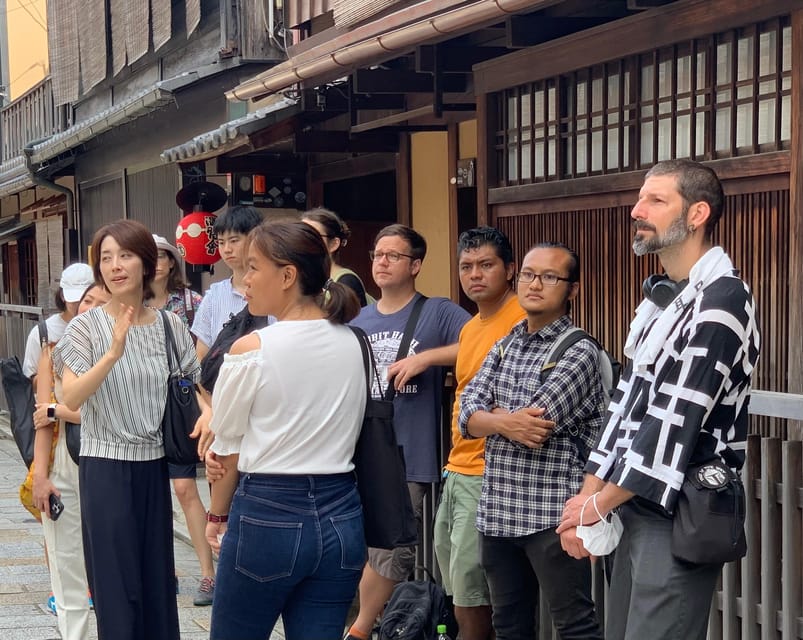
This is a walking tour, and the route includes stairs. Wear comfortable walking shoes and be ready to continue in rain or shine. It is not suitable for wheelchair users or people with mobility impairments, including those who cannot manage stairs. Children must be accompanied by an adult.
The tour is available in English, with a small group option. You can reserve now and pay later, and cancel up to 24 hours in advance for a full refund. Those terms make it easier to keep plans flexible, but check the precise conditions shown for your booking.
Who should take this walk?
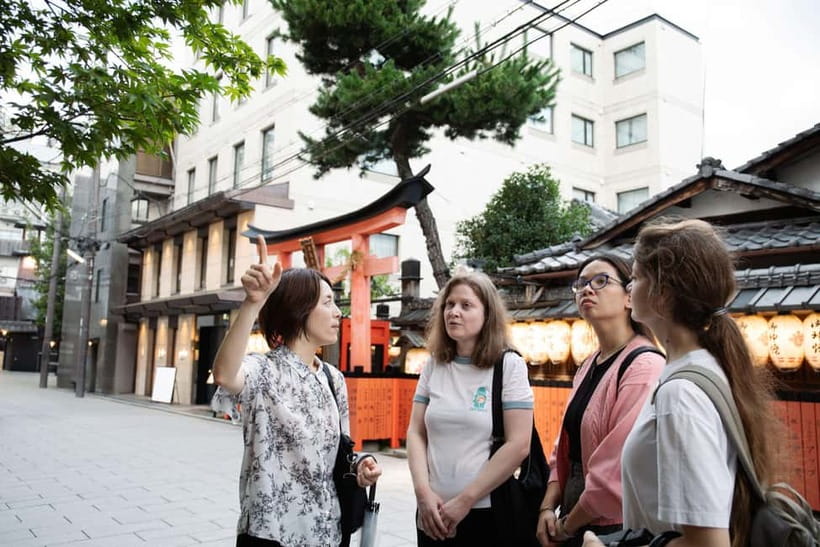
I would recommend this tour if you want an introduction to Gion that goes beyond looking at buildings. It suits first-time visitors who are curious about geiko and maiko, and anyone who prefers to hear local context while exploring rather than reading signs alone.
It is also a sensible choice if you have limited time and want a guide to help you cover key parts of the district efficiently. The small-group format and the route’s mix of shrine, streets, canal and cultural stops give the walk a useful shape.
It may not suit you if stairs or extended walking are difficult, or if your main goal is to guarantee a geiko or maiko sighting. Nor should you book it expecting a performance. Choose it for the guide, the stories and a better understanding of Gion. At $29, that is a fair trade if those are the parts of Kyoto you want to explore.
FAQ
How long is the Gion walking tour?
The duration is listed as two hours to 270 minutes, depending on the option. Check the available starting times and the duration shown for your selection before booking.
What language is the tour in?
The live guide speaks English.
Where does the tour start?
There are three possible starting points: the Statue of Izumo-no-Okuni, Wargo Kyoto Kimono Rental Kyoto Gion Store, and the Japan Kanji Museum & Library. The meeting point depends on the option you book.
Does the tour include kimono rental?
A kimono rental option is mentioned, but the included items list only the guide fee and guided walk. If you choose the kimono rental option, you must go to the Japan Kanji Museum & Library after changing.
Will I see a geiko or maiko?
You might, but a sighting is not guaranteed. The guide can also share tips on where to see maiko in action.
Is the tour suitable for wheelchair users?
No. The tour is not suitable for wheelchair users or people with mobility impairments, and the route involves stairs.
More walking tours in Kyoto
- Nishiki Market Brunch Walking Tour (7 Tastings + Brunch)
★ 5.0 · 1,355 reviews - Kyoto Arashiyama Walking Tour: Bamboo, Monkeys, Gardens & Secrets
★ 5.0 · 1,216 reviews - Kyoto Gion: 2-Hour Geisha Culture & History Walking Tour
★ 5.0 · 1,186 reviews - Nara Half Day Trip Walking Tour (Private Option Available)
★ 5.0 · 937 reviews
Newly added in Kyoto
- Uji: Private immersion into Kyoto’s tea and reglious culture★ 5.0 · 17 reviews
- Whisk Your Own Matcha: A Zen Matcha Experience at Temple★ 3.6 · 7 reviews
- Kyoto tea town for matcha lovers★ 5.0 · 16 reviews
- Treasures of Kyoto: Gion & historical Walking Tour★ 5.0 · 6 reviews
- Kyoto Matcha Green Tea Tour★ 4.5 · 23 reviews
- Uji and Wazuka Matcha Farm Half Day Private Guided Tour★ 5.0 · 21 reviews
- Uji Tea Ceremony and UNESCO Heritage Walking Tour★ 5.0 · 20 reviews
- Utilising upcycled Matcha! Creating matcha incense (Uji, Kyoto)★ 5.0 · 6 reviews
Kyoto Geisha Tours, compared.
Kyoto Geisha Walking Tour: Gion District & Hidden Gems
Read our review →
Gion Magical Night Walking Tour with Geisha Trivia
Read our review →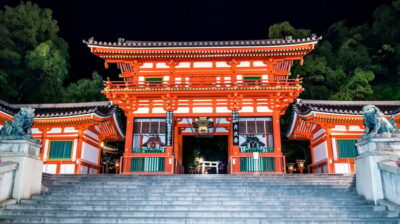
Gion Geisha District Walking Tour – Stories of Geisha
Read our review →
Best of Kyoto: Gion, Geisha, Pagodas & Cobblestones
Read our review →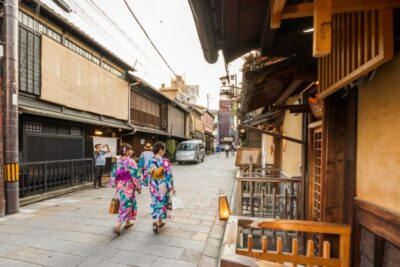

Kyoto Gion Cultural Walk & Geisha Show with Dining Options
Read our review →
Browse the lists this tour appears in