
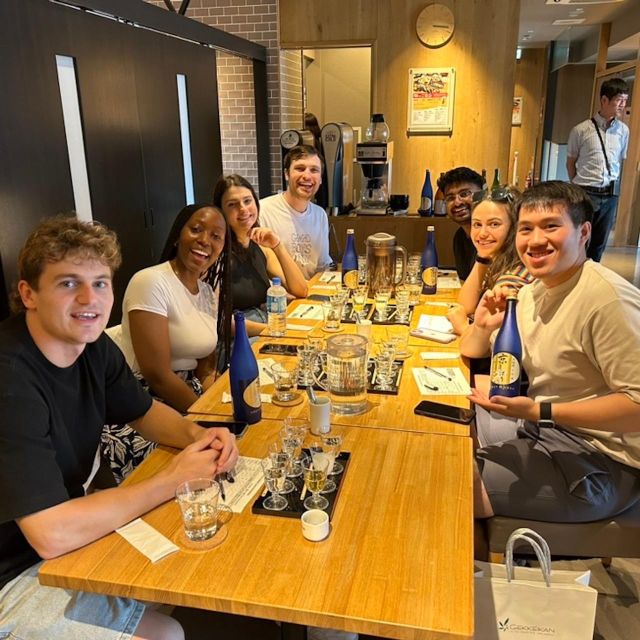
Reviewed · KYOTO SAKE TASTINGS
Kyoto: Insider Sake Experience with 7 Tastings and Snacks
Kyoto’s sake can be a puzzle: labels offer little help if you do not know what the terms mean, and the same drink can taste quite different with food. This 90-minute class gives you a practical way into it, with an expert guide, side-by-side tastings, and snacks that show how pairing changes flavor.
I like two things in particular: you learn to read a bottle and choose sake for yourself, and you taste it both on its own and with Japanese otsumami. Guides including Mayo, Kiyomi, Kotaro, and Shogo have led sessions, with a friendly, clear teaching style noted across many accounts.
One point to weigh: this is a tasting and lesson, not a meal or a brewery visit. The advertised title says seven tastings, while the included details also refer to 10 or more sake types, so check the exact tasting count when booking. Also, do not arrive by car or bicycle if you plan to drink.
The useful details at a glance
- A flight built for comparison: Taste different sake styles, from dry and crisp to sweet and fruity, rather than trying one bottle in isolation.
- Food changes the flavor: Pair sake with otsumami and notice how a sip can shift once you take a bite.
- Bottle-reading practice: Learn what to look for on labels and menus, then use the tasting note and cheat sheet as a guide.
- Serving tips for Japan: Get practical advice on hot or cold sake and which styles may work with foods such as sushi.
- A dedicated tasting room: The class takes place in its own tasting space, not on a walking route or at a brewery.
- A clear age and transport rule: Japan’s legal drinking age is 20; alcohol is not served to anyone arriving by car or bicycle.
Start with a sake lesson, not a guess

The class is designed for people who want to enjoy sake but are unsure what to order. Instead of asking you to memorise a list of labels, the guide explains a few useful ideas, then lets you taste the differences for yourself. That is a good format for beginners: you have something concrete to compare, and the terminology starts to make sense as you sip.
The explanations cover how sake is brewed and how choices in production affect the final style. Rice polishing is one of the subjects that comes up, along with ingredients and other brewing details. You do not need prior experience, and the class is set up to make room for questions rather than assume you already know the basics.
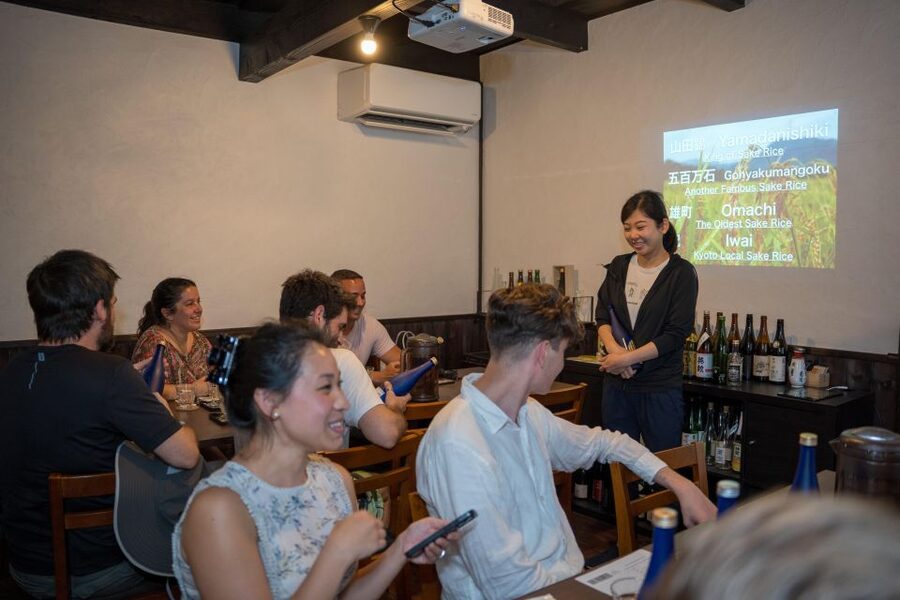
English-speaking guides have included Mayo, Kiyomi, Kotaro, and Shogo. Their teaching styles differ, of course, but the accounts of the class repeatedly describe approachable instruction, clear explanations, and humor. That mix matters: sake can seem technical at first, but a good teacher can turn a string of unfamiliar terms into useful clues about what you might like.
More sake tastings in Kyoto:
- Kyoto Night Foodie Tour in Gion (9+ dishes + 6 Sake tastings)
★ 5.0 · 1,762 reviews - 3-Hour Kyoto Insider Sake Brewery Tour with Tastings & Pairings
★ 5.0 · 917 reviews - Arashiyama Bamboo, Temple, Monkeys, or Secret Sake Brewery
★ 4.8 · 886 reviews
Compare dry, fruity, and other sake styles
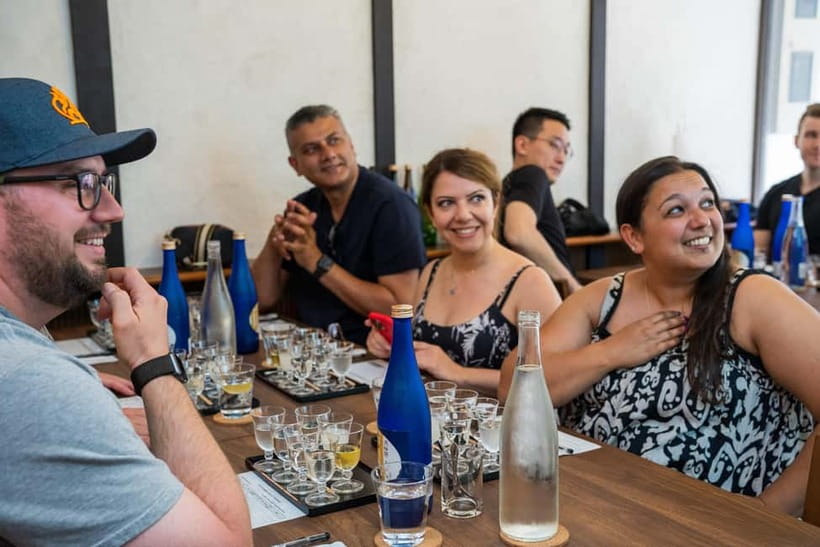
The heart of the experience is tasting several styles side by side. You are not simply handed a glass and told whether it is good. Your guide helps you notice differences in aroma and taste, and connects those impressions to how the sake was made. A dry, crisp pour may suit you more than a sweet, fruity one, or you may find that your preference changes with food.
This is a useful approach if you have ever faced a sake menu and chosen at random. The goal is not to teach you a single right answer. It is to help you recognise your own preferences, so you can make a better choice at a restaurant or when buying a bottle.
There is a small detail worth checking before you book. The experience title describes seven tastings, while the included information says the sommelier selects 10 or more types. Those descriptions do not clearly explain whether you taste seven pours chosen from a wider selection or receive more than seven. The session is still presented as a guided flight, but if the exact number matters to you, ask the operator before paying.
See how rice and brewing shape the taste
Sake is made from rice, but the finished drink is not defined by rice alone. The class links production choices to flavor, which gives you a way to think beyond broad labels such as sweet or dry. Some sessions have included a close look at rice polishing, a process that helps explain why sake styles can differ.
You will not leave with a brewer’s technical training, nor is that the point. Instead, you get a working introduction: enough context to understand why two bottles may taste unlike each other and why a name or production detail on a label can be useful. That background makes the tasting more than a pleasant flight of drinks.
The best part is that the lesson stays practical. You can ask what a term means, compare it with what is in your glass, and decide whether that style appeals to you. If you are a sake enthusiast already, the introductory level may feel basic. For a first or second encounter, it gives the glass some context.
Pair each pour with Japanese otsumami
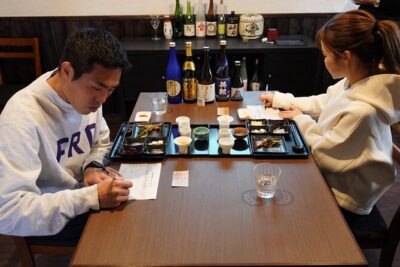
The snacks are an important part of the class, not just something to nibble between drinks. You first taste sake without food, then try it with otsumami, traditional Japanese appetizers. The contrast helps you notice how food can soften, sharpen, or otherwise change what you pick up in a drink.
That lesson has practical value beyond the tasting room. You get a better sense of why a sake that seems unremarkable on its own may work well with a dish, and why a pairing can bring out flavors you missed at first. Sushi is one of the foods discussed, along with general advice about matching sake to food.
The snacks are tasting portions, not lunch. Plan to eat beforehand if you want a proper meal, particularly if you are not used to alcohol. One person who had taken the class advised having a snack before arriving, and that is sensible advice for a 90-minute tasting.
Vegetarian alternatives have been accommodated in past sessions, and the tour information asks you to tell the guide about food preferences or allergies at the site. If you need a specific substitute, it is prudent to raise that as early as you can rather than assume every request can be met.
More Kyoto tours in Kyoto:
- PERFECT KYOTO 1-Day Bus Tour
★ 5.0 · 13,518 reviews - Kyoto: Fushimi Inari, Kinkakuji, Bamboo Grove 1 Day Bus Tour
★ 4.8 · 4,316 reviews - Kyoto: Tea Ceremony in a Traditional Tea House in Kiyomizu
★ 4.9 · 3,519 reviews - Kyoto Geisha Walking Tour: Gion District & Hidden Gems
★ 4.7 · 3,273 reviews
Learn to read the bottle before ordering
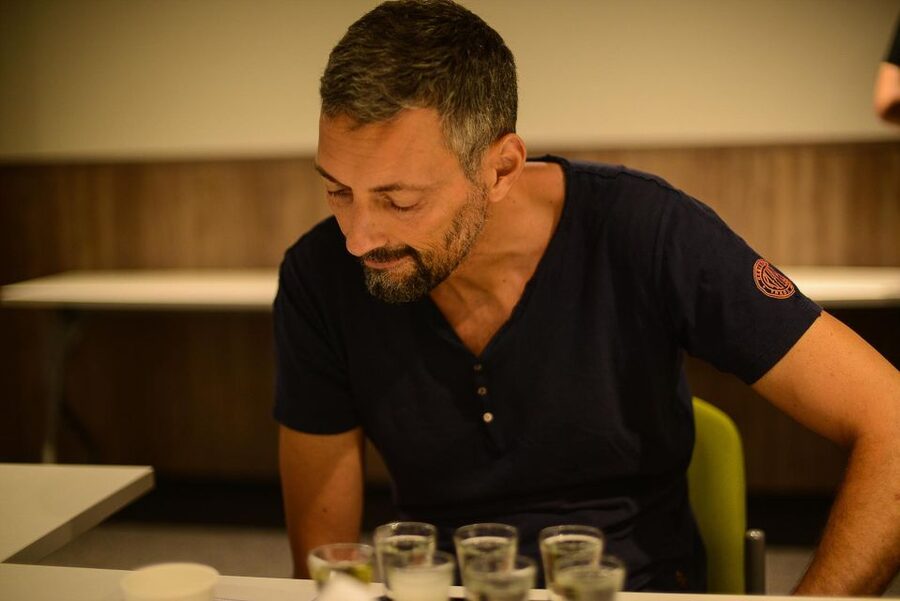
A sake menu or bottle can be hard to navigate when you do not know which details are useful. This class includes hands-on practice reading labels, so you can find key information rather than rely on a familiar-looking name or a guess. You also receive a sake cheat sheet and tasting note to help you remember what you liked.
That take-home material is a small but useful part of the value. The tasting itself lasts 90 minutes, but the point is to make your next restaurant order or shop visit less intimidating. You can refer to your notes when you are choosing between styles, and start building a personal shortlist instead of asking for the same safe option each time.
The guide also covers serving temperature, including when sake may be enjoyed hot or cold. This is helpful because temperature is not merely a matter of preference: it can change how a drink feels and tastes. You will get guidance rather than a rigid rulebook, which is the right approach for a drink with many styles.
A relaxed class in a dedicated tasting room
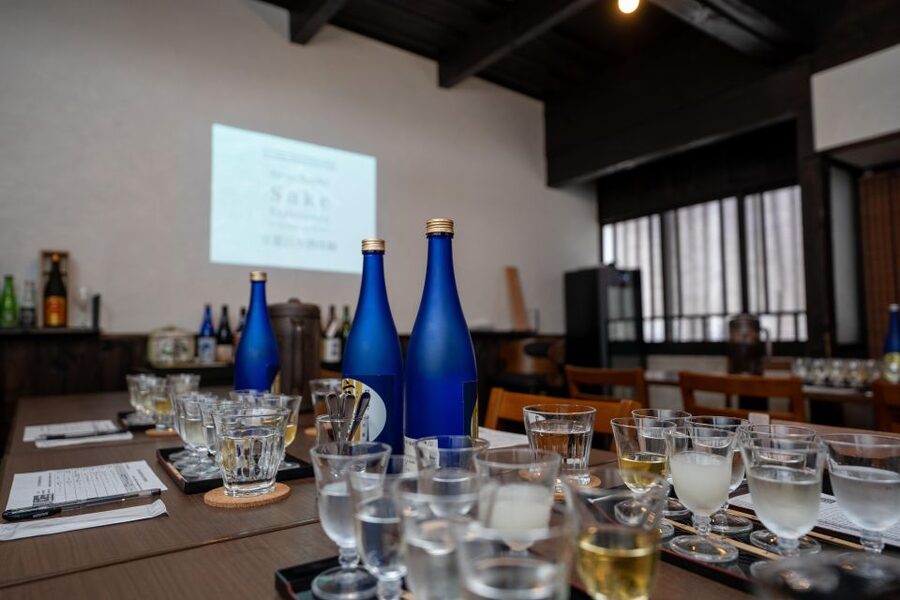
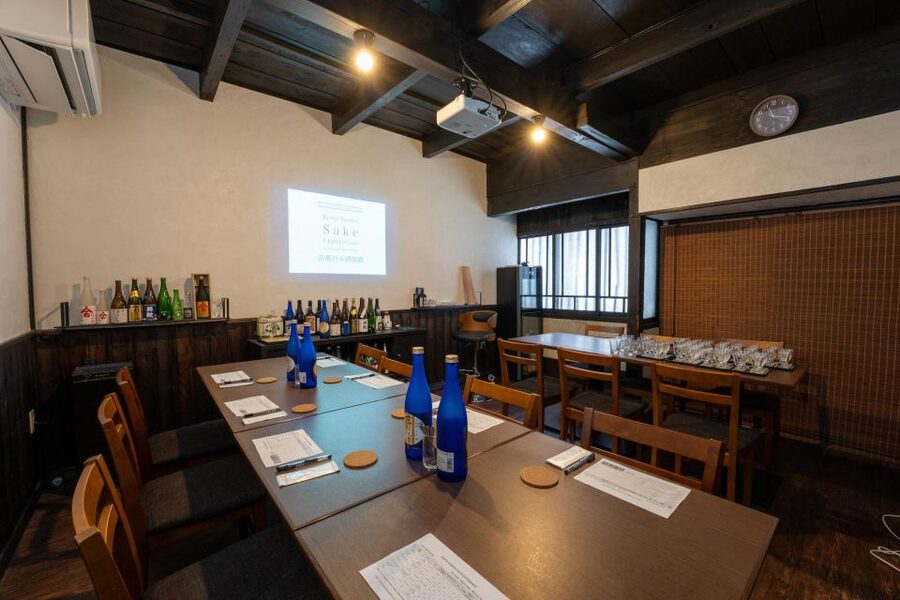
The tasting takes place in the operator’s own dedicated room. The space has been described as warm, cozy, and intimate, which suits a lesson where you want to hear the guide and ask questions. One account describes a group of four, but group size can vary, so do not book assuming every session will be that small.
The meeting instruction is simple: speak to staff at the counter when you arrive. Transportation to and from the activity is not included, and there is no hotel pickup. Check your route in advance and leave enough time to find the venue. If you arrive more than 20 minutes late, the booking will be canceled.
The setting is focused on tasting and teaching, not sightseeing. One participant appreciated discovering nearby local spots, but the class itself does not promise a neighborhood tour. Treat any time before or after the session as your own chance to explore the area.
Is $66 fair value for 90 minutes?
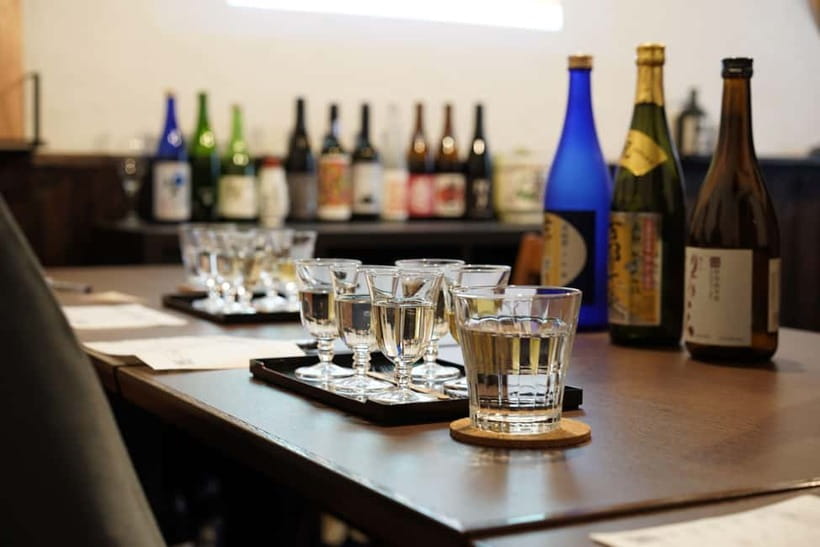
At $66 per person, this is more than a quick sample at a bar. The price includes an expert-led lesson, multiple sake tastings, otsumami, and a tasting note with a cheat sheet. You are paying for the instruction as much as the drink: the aim is to help you understand what you are tasting and make better choices later in Japan.
The value is strongest if you are curious about sake but have little experience, or if you already enjoy it and want a clearer way to compare styles. The class also makes sense early in a Kyoto stay, when what you learn can help with meals and shopping for the rest of the trip. If you are only looking for a full meal or a casual drink, this is not the best use of your budget.
The tasting is described as seven tastings in the title, with the inclusion details also referring to 10 or more types selected by a certified sake sommelier. As noted above, clarify what that means for the session you book. The 90-minute duration is the stated format, though one older account described a longer class, so plan around the published timing and confirm if you have a tight schedule.
Who should book this Kyoto sake experience?
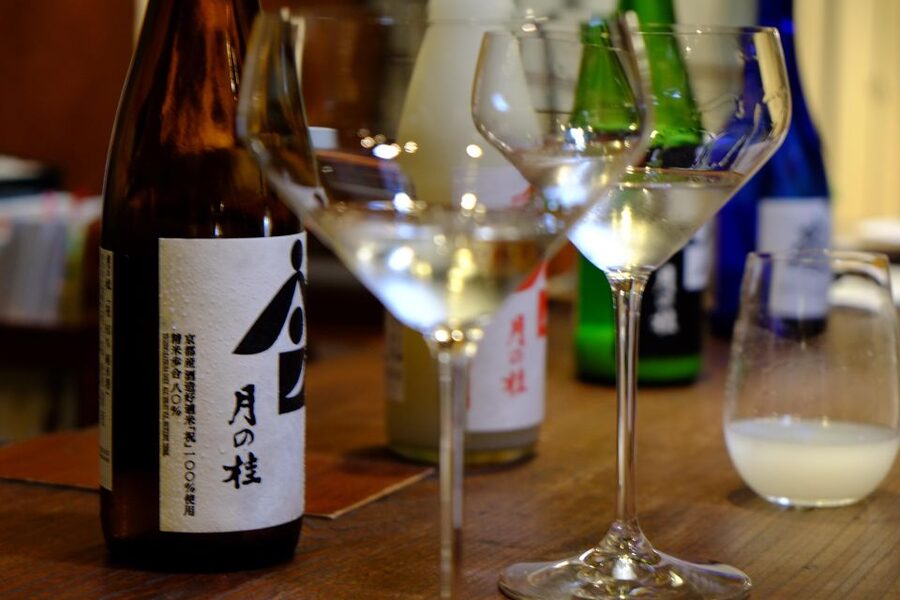
I would recommend it to beginners, curious food lovers, and anyone who wants to order sake with more confidence. It is especially useful if you enjoy learning by tasting rather than sitting through a lecture. The guide, the food pairings, and the bottle-reading practice work together to make the subject approachable.
It can also suit a group with mixed levels of sake knowledge, as long as everyone is old enough and has a reservation. The class is not recommended for children, and anyone under 20 will receive non-alcoholic drinks only. Pregnant women are listed as not suitable for the activity, and children under 3 are also excluded.
Skip it if you want a brewery tour, a substantial meal, or an unstructured evening of drinking. And do not arrive by car or bicycle: for safety and legal reasons, alcohol will not be served to people who arrive that way, with no refund if you cannot take part in the tasting.
If you are ready to spend 90 minutes learning what you like and why, this is a worthwhile Kyoto booking. Bring your questions, eat something beforehand, and leave with a few tasting notes you can put to use at your next meal.
FAQ
How long does the sake experience last?
The activity is listed as 90 minutes. Check availability for the starting times offered on your date.
How many sake tastings are included?
The title describes seven tastings, while the included details refer to 10 or more types selected by a certified sake sommelier. Ask the operator to clarify the exact number of pours for your session.
Is the experience conducted in English?
Yes. The live guide speaks English.
What food is served with the sake?
You receive otsumami, traditional Japanese appetizers, for food pairing. The food is tasting-sized and should not be treated as a meal.
Can I request vegetarian food or report an allergy?
Yes. Tell the guide at the site about food preferences or allergies. Vegetarian alternatives have been accommodated in past sessions, but you should raise your needs directly.
Can children join the activity?
The activity is not recommended for children, and children under 3 are listed as unsuitable. Guests without a reservation, including children and non-drinkers, cannot join. Japan’s legal drinking age is 20, and people under 20 receive non-alcoholic drinks only.
Can I take part if I arrive by car or bicycle?
No alcohol will be served to anyone arriving by car or bicycle. Non-alcoholic drinks are available, but no refund is offered if you cannot participate in the sake tasting.
Where do I meet the guide?
Speak to the staff at the counter when you arrive. Transportation and hotel pickup are not included. Arrivals more than 20 minutes late will have their booking canceled.
What is the cancellation policy?
You can cancel up to seven days in advance for a full refund.
Newly added in Kyoto
- Uji: Private immersion into Kyoto’s tea and reglious culture★ 5.0 · 17 reviews
- Whisk Your Own Matcha: A Zen Matcha Experience at Temple★ 3.6 · 7 reviews
- Kyoto tea town for matcha lovers★ 5.0 · 16 reviews
- Treasures of Kyoto: Gion & historical Walking Tour★ 5.0 · 6 reviews
- Kyoto Matcha Green Tea Tour★ 4.5 · 23 reviews
- Uji and Wazuka Matcha Farm Half Day Private Guided Tour★ 5.0 · 21 reviews
- Uji Tea Ceremony and UNESCO Heritage Walking Tour★ 5.0 · 20 reviews
- Utilising upcycled Matcha! Creating matcha incense (Uji, Kyoto)★ 5.0 · 6 reviews
Kyoto Sake Tastings, compared.
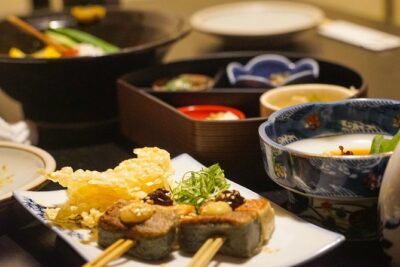
Kyoto Night Foodie Tour in Gion (9+ dishes + 6 Sake tastings)
Read our review →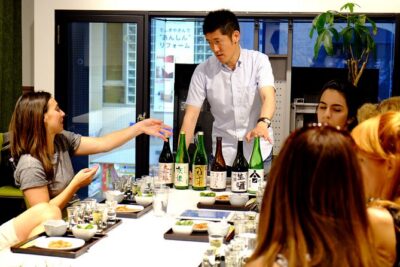
3-Hour Kyoto Insider Sake Brewery Tour with Tastings & Pairings
Read our review →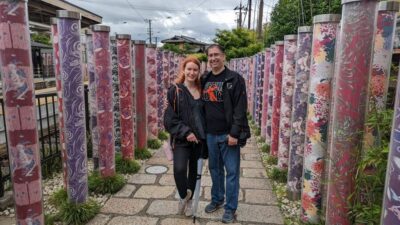
Arashiyama Bamboo, Temple, Monkeys, or Secret Sake Brewery
Read our review →
Insider Sake Brewery Tour with Sake and Food Pairing
Read our review →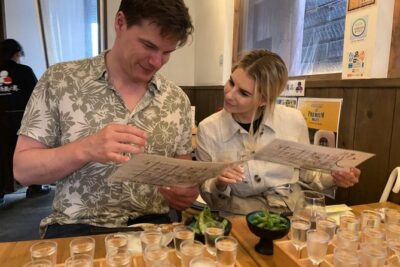
1.5-Hour Kyoto Insider Sake Experience with 7 Tastings & Pairings
Read our review →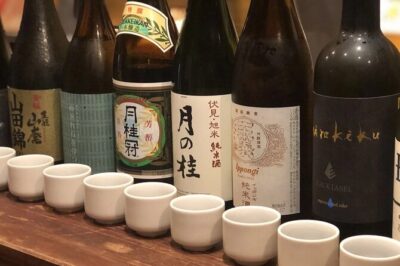
Private Tea Ceremony and Sake Tasting in Kyoto Samurai House
Read our review →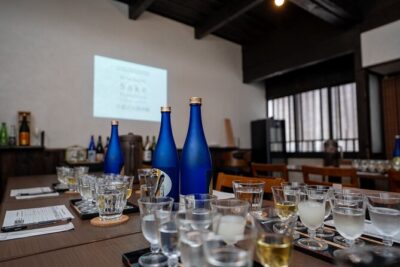
Browse the lists this tour appears in