
Reviewed · GION TOURS
Kyoto Nighttime All-Inclusive Eats and Streets, Gion and Beyond
Kyoto after dark is more than lantern-lit lanes and quiet temple gates. This three-hour walk links Gion’s geiko district with the restaurants and nightlife across the Kamogawa River, pairing stories about evening entertainment with food at two local spots.
I like the mix of cultural context and supper: the guide explains the difference between Kyoto’s geiko and the hostess-club scene of today, then helps you navigate dishes and menus. I also like the route’s contrast between narrow, old Pontocho and the younger restaurant districts nearby.
One consideration: this is a walking tour with two restaurant stops, not a sit-down dinner in one place. The pace is active, and the quality of the food and the feel of each venue can vary from evening to evening.
What makes this Kyoto night walk worth considering
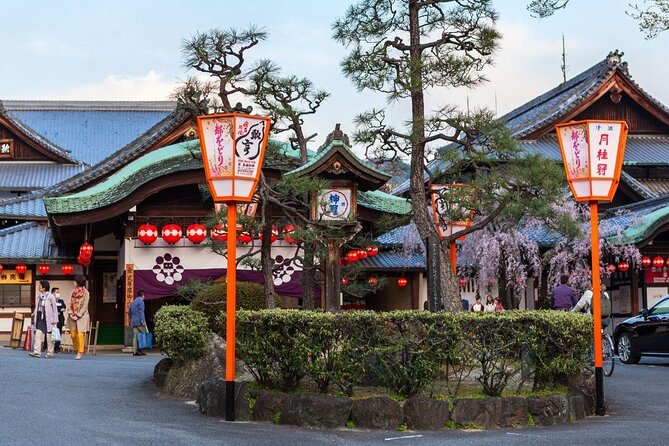
- A look at Gion’s geiko culture: Learn why Kyoto uses the term geiko, hear about maiko, and see the district through a guide’s local explanations.
- Nightlife beyond the postcard streets: The conversation extends to the modern hostess-club trade, giving the walk a social-history angle.
- Two restaurant stops: Expect regional dishes at local bars or restaurants, with one included alcoholic or non-alcoholic drink at each.
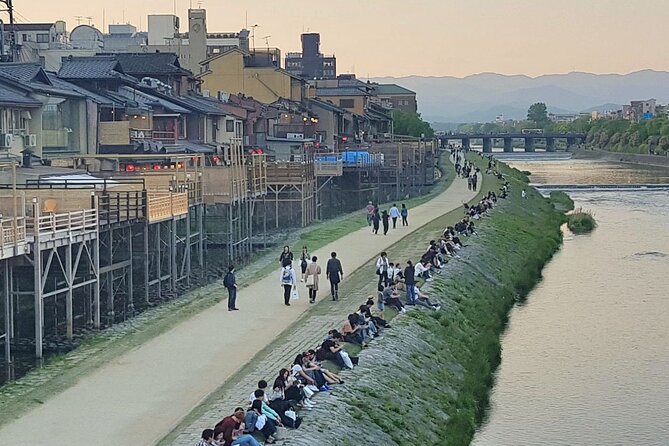
- A change of scenery across the river: The route takes in Gion, Pontocho, Kiyamachi, and the Kawaramachi area.
- A small group: The usual maximum is six people, which can make it easier to ask questions and keep the group together in narrow streets.
- Dietary flexibility: Vegetarians are accommodated, and guides have also helped with gluten-free and pescetarian requests.
Gion at 6:30: geiko, maiko, and the evening trade
The meeting point is at Minamiza Theater, near Gion Shijo Station, on the east side of the Kamogawa River. The tour begins at 6:30 pm, when the streets are shifting from daytime sightseeing to evening business. If you have spent the day at temples and gardens, this is a useful change of pace: you trade quiet courtyards for a working neighborhood with a long connection to evening entertainment.
The first hour is a guided walk through Gion. Your guide explains the terms geiko and maiko, and why Kyoto uses geiko rather than the more widely known word geisha. This is not just a vocabulary lesson. It helps you understand the district as a place where traditional performance and service remain part of the local economy, rather than treating its streets as scenery alone.
The guide also traces how Kyoto’s entertainment scene has changed, from geiko culture to modern hostess clubs. That broader frame is one of the tour’s most useful features. You get a way to think about the neighborhood as a living part of the city, with old customs and present-day businesses side by side.
Some evenings may include a visit to a Shinto shrine or a Buddhist temple along the way. The stops and exact route can vary, so do not count on a specific shrine visit. Still, the mix of streets, local landmarks, and cultural explanation helps give the walk substance beyond looking at wooden facades after dark.
A guide’s personality matters here. Guides named in individual accounts include Hugo, Laura, Lin, Joshua, Jamie, Maya, and Rin. Their styles differ, but the strongest experiences depend on someone who can make the history clear, answer questions, and keep the walk lively. If you are curious about local customs, ask questions as you go. The small group format is well suited to conversation.
More Gion tours in Kyoto:
- Kyoto Geisha Walking Tour: Gion District & Hidden Gems
★ 4.7 · 3,273 reviews - Kyoto: Gion Magical Night Walking Tour with Geisha Trivia
★ 4.9 · 2,393 reviews - Kyoto: Gion Geisha District Walking Tour – Stories of Geisha
★ 4.7 · 2,187 reviews
The first restaurant: regional food and a drink
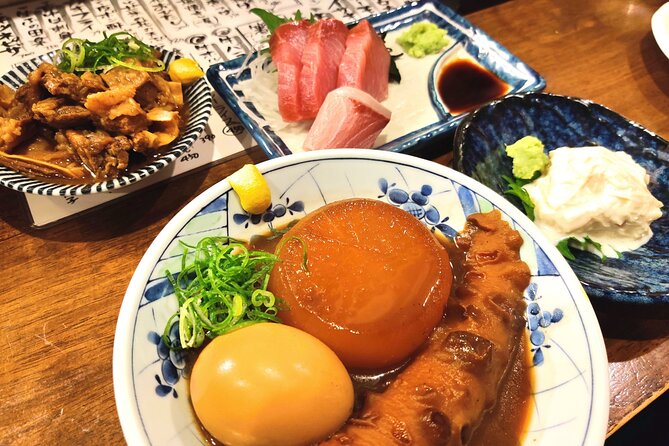
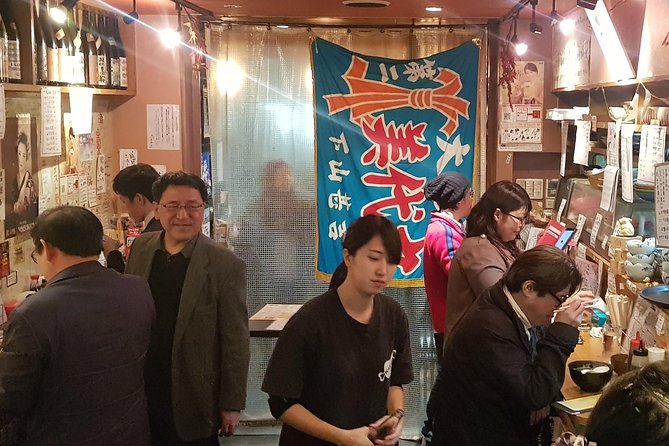
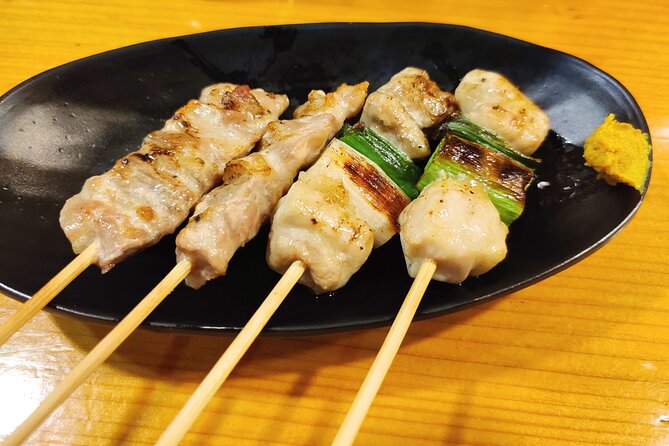
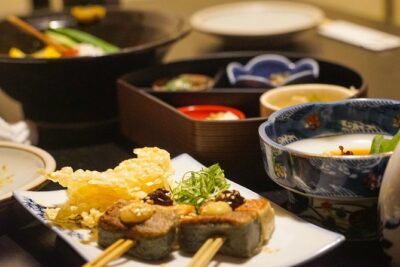
Around 7:30 pm, the group stops for food and a drink. The tour describes the meal as a chance to sample several regionally representative dishes at a local bar or restaurant. One drink is included, with choices that may include beer, sake, shochu, or a non-alcoholic option.
The exact dishes and venue can change. That flexibility is useful for handling dietary needs and making the evening work in different circumstances, but it also means you should not book expecting one named specialty or a particular restaurant. Some groups have enjoyed small courses in a standing bar; others have described lively restaurant settings. The food is often praised, though the occasional meal or venue has disappointed.
Think of this first stop as a tasting session rather than a formal dinner. You try several things, get a feel for how a local place works, and have a chance to ask your guide what is on the table. You may find dishes you would not have chosen from a menu on your own. The portions have been described as satisfying without leaving people uncomfortably full, though appetites vary.
If you have dietary restrictions, raise them when arranging the tour. Vegetarian food is specifically accommodated, and guides have helped with gluten-free and pescetarian requests. The more clearly you explain your needs in advance, the easier it is for the guide to steer the meal. The tour says a range of dietary restrictions, tastes, and comfort levels can be accommodated, but do not assume every dish can be altered.
Pontocho and Kiyamachi: Kyoto changes character
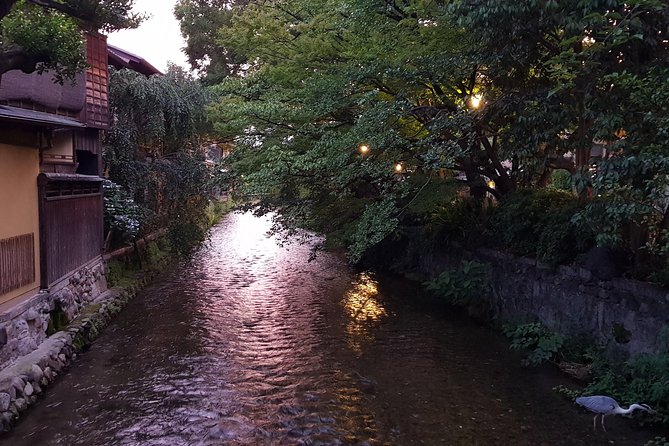
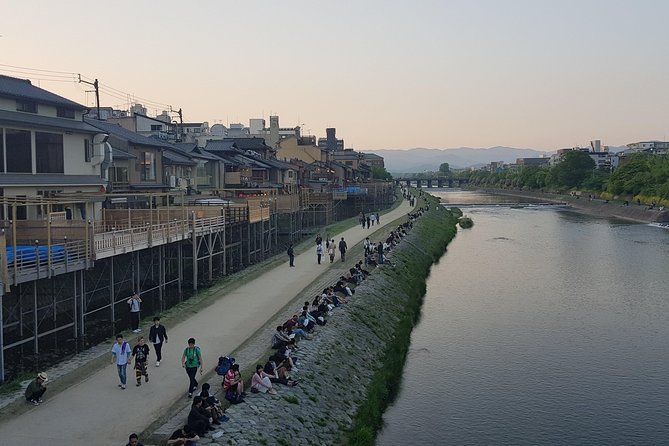
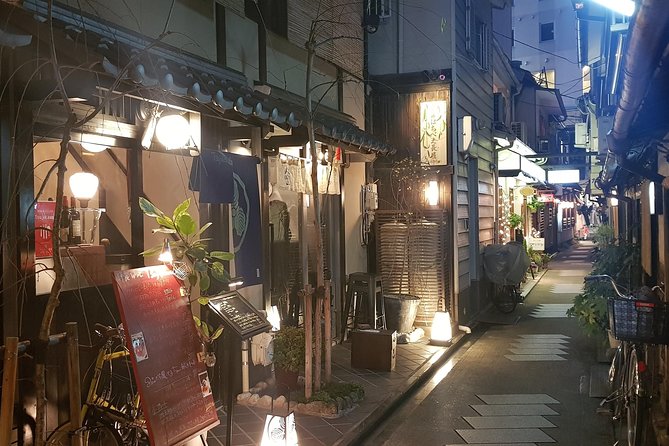
After the first meal, the group crosses to the west side of the river, walking through Pontocho, Kiyamachi, and the Kawaramachi area. This stretch is a key part of the tour because it sets old and newer Kyoto close together. Pontocho’s narrow lanes offer a glimpse of a more traditional restaurant district, while streets nearby show a younger side of the city’s nighttime life.
The walk is not simply a route from one meal to the next. Your guide helps put the streets in context, pointing out how Kyoto protects tradition while continuing to live in the present. The distinction is helpful if you have only seen the city by day, when temples and gardens tend to claim the spotlight.
Expect to walk at a steady pace, sometimes through narrow streets and busy restaurant areas. There is no distance figure, but this is a walking tour, and at least one participant found there was more walking than expected. Comfortable shoes are a sensible choice. The tour may be less appealing if you want to spend the evening seated or have difficulty walking for several hours.
Gion can also feel different after dark than it does in daylight. The lighting may not suit photography, and the tour’s focus is explanation and atmosphere rather than a photo stop. If pictures are important to you, plan a separate visit to Gion in daylight. On the tour, keep your attention on the guide and the neighborhood’s details rather than expecting every lane to deliver a perfect night shot.
The meeting point can be confusing if several groups gather nearby. Minamiza Theater is the named starting location, so check the exact address before setting off and look for the tour guide rather than assuming every group at the spot is yours. Arriving a little early gives you time to sort that out without rushing.
The second stop: another meal and included drink
Around 9 pm, the group reaches a second vetted local restaurant for more food and another included drink. The two-stop format gives you a broader taste of Kyoto dining than a single restaurant visit. It also breaks up the evening: you walk, eat, walk again, and finish with a second chance to try local dishes.
The tour calls this dinner, and the combined food at both stops is intended to make a meal. Still, the menu, portion size, and style of the venues can differ. Some evenings may bring small plates and a lively bar atmosphere; other stops may feel more like a main meal. If you are expecting a large, fixed-course dinner, it is worth adjusting that expectation. You are paying for the guided walk, cultural interpretation, food at two venues, and two drinks, not a guaranteed menu.
One practical point: the second stop may use bar seating. That can be fun and close to the action, but it may make conversation across the group harder. If you are traveling with friends and want to talk mainly among yourselves, be prepared for a more informal setup.
The tour ends at about 9:30 pm near Kyoto-Kawaramachi Station. That central finish is convenient for continuing your evening or returning by public transit. Extra drinks are not included, but you can buy them directly from the restaurants if you want to stay longer.
More Kyoto tours in Kyoto:
- PERFECT KYOTO 1-Day Bus Tour
★ 5.0 · 13,518 reviews - Kyoto: Fushimi Inari, Kinkakuji, Bamboo Grove 1 Day Bus Tour
★ 4.8 · 4,316 reviews - Kyoto: Tea Ceremony in a Traditional Tea House in Kiyomizu
★ 4.9 · 3,519 reviews - Kyoto: Tea Ceremony Ju-An at Jotokuji Temple
★ 4.9 · 3,207 reviews
Is $119 a fair price for three hours?
At $119 per person, this is not a bargain-basement food crawl. The value comes from combining a guided cultural walk with food at two stops and two drinks. If you would otherwise pay for dinner and drinks, the included meal helps justify the price, while the guide’s local knowledge gives you a practical introduction to districts that can be hard to read at first glance.
The tour can be especially worthwhile on your first evening in Kyoto. A guide can take the stress out of finding small local restaurants, explain the difference between nearby nightlife districts, and give you recommendations for the rest of your stay. Several guides, including Joshua, Hugo, Laura, Jamie, and Maya, have been praised for making the walk engaging and helping people discover places they would not have found alone.
The value depends partly on what you want from dinner. If you mainly want a big meal at a restaurant of your choosing, you could spend the money directly on food and skip the tour. If you want a guided introduction to Gion’s nighttime economy, a small-group walk, and a spread of local dishes, the package makes more sense.
There are two drinks included, one at each restaurant. Choose alcoholic or non-alcoholic drinks; the minimum legal drinking age in Japan is 20. Any drinks beyond the included two cost extra and are paid for at the restaurant. Gratuities are uncommon in Japan, though you can thank your guide with a tip if you feel the service deserves it.
Who will enjoy this walk, and who may not
I would look at this tour if you want more than a food list. It suits curious first-time visitors who want to understand Gion’s social life, sample local dishes without choosing every restaurant themselves, and get recommendations from a guide. It also works well for adults traveling with teenagers: participants must be at least 13, and the tour is described as suitable for teenagers. Alcohol remains restricted to those aged 20 and up.
It is a good fit for solo travelers and couples who enjoy small-group conversation, as well as friends who are comfortable sharing a table or bar setting with others. Groups are normally limited to six, though a larger party may be accepted when everyone is part of the same reservation. The compact size makes it easier to hear the guide and move through narrow lanes.
This may not suit you if you want a quiet, formal dinner, dislike walking, or need a guaranteed menu and restaurant lineup. Food quality can vary, and one stop may not suit every taste. Smoking is still permitted in some Japanese venues, and the possibility of a smoky restaurant has been noted. If smoke is a serious concern, consider asking the operator about current venue conditions before booking.
Weather matters, too. If poor weather forces cancellation, you can be offered another date or a full refund. The tour is near public transportation, and the finish is close to Kyoto-Kawaramachi Station. Free cancellation is available up to 24 hours before the start; changes or cancellations inside that window are not accepted.
Should you book the Kyoto nighttime walk?
Book it if you want a guided first look at Kyoto after dark, with cultural context, two local food stops, and a drink at each. Its best feature is the combination: Gion’s geiko traditions, the contemporary nightlife story, and a walk through districts that feel quite different from the city’s daytime temple circuit.
Go in with flexible expectations about the exact dishes, restaurant atmosphere, and route. For $119, you are buying more than dinner, but the evening is only as satisfying as the food stops and guide on your particular night. If you value local explanation and would rather let someone else handle the restaurant choices, this is a sensible way to spend three hours.
FAQ
How long is the tour?
It lasts about three hours, starting at 6:30 pm and ending around 9:30 pm.
Where does the tour start and end?
It starts at Minamiza Theater in Higashiyama and ends near Kyoto-Kawaramachi Station.
How many people are in the group?
The tour is normally limited to six participants. A group of up to eight may be accepted when the entire group is on one reservation.
What food and drinks are included?
Dinner is served at two restaurants, with one alcoholic or non-alcoholic drink included at each stop. Additional drinks can be purchased directly from the restaurants.
Can vegetarians join?
Yes. Vegetarians are accommodated, and the tour also describes flexibility for other dietary restrictions. Share your requirements when arranging the tour.
What is the minimum age?
All participants must be at least 13 years old. The legal drinking age in Japan is 20.
Is the tour suitable in bad weather?
The tour requires good weather. If it is canceled due to poor weather, you will be offered another date or a full refund.
What is the cancellation policy?
You can cancel at least 24 hours before the start time for a full refund. Cancellations or changes made less than 24 hours before the tour are not accepted.
Newly added in Kyoto
- Uji: Private immersion into Kyoto’s tea and reglious culture★ 5.0 · 17 reviews
- Whisk Your Own Matcha: A Zen Matcha Experience at Temple★ 3.6 · 7 reviews
- Kyoto tea town for matcha lovers★ 5.0 · 16 reviews
- Treasures of Kyoto: Gion & historical Walking Tour★ 5.0 · 6 reviews
- Kyoto Matcha Green Tea Tour★ 4.5 · 23 reviews
- Uji and Wazuka Matcha Farm Half Day Private Guided Tour★ 5.0 · 21 reviews
- Uji Tea Ceremony and UNESCO Heritage Walking Tour★ 5.0 · 20 reviews
- Utilising upcycled Matcha! Creating matcha incense (Uji, Kyoto)★ 5.0 · 6 reviews
Gion Tours, compared.
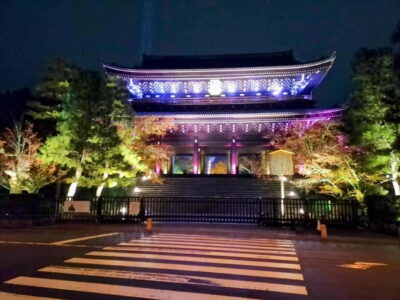
Kyoto Geisha Walking Tour: Gion District & Hidden Gems
Read our review →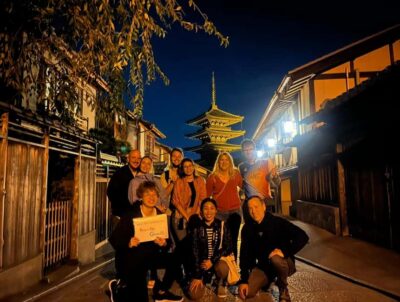
Gion Magical Night Walking Tour with Geisha Trivia
Read our review →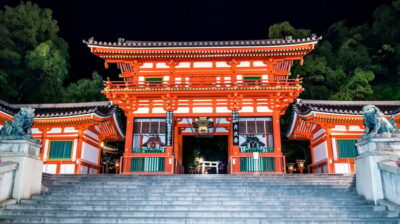
Gion Geisha District Walking Tour – Stories of Geisha
Read our review →
Best of Kyoto: Gion, Geisha, Pagodas & Cobblestones
Read our review →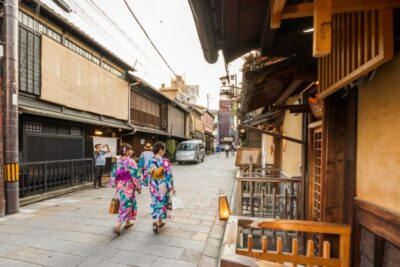
Kyoto Night Foodie Tour in Gion (9+ dishes + 6 Sake tastings)
Read our review →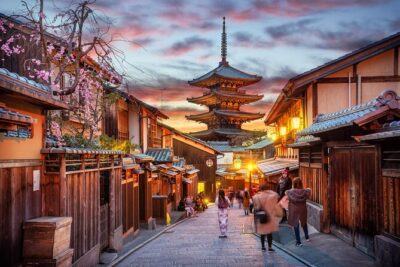

Chopsticks Making Workshop in Gion with Engraving Option
Read our review →Browse the lists this tour appears in