
Reviewed · KYOTO FOOD TOURS
Kyoto Private Food Tours with a Local Foodie: 100% Personalized
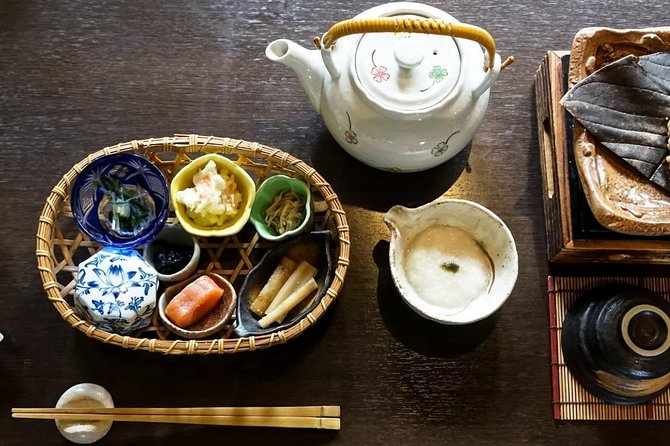
Kyoto’s food scene makes more sense when someone local helps you choose what to try. This private, three-hour walk pairs 6 to 8 tastings with conversation about dishes such as obanzai, Kyoto’s home-style vegetable plates, and the customs behind a kaiseki meal.
I like two things in particular: you can tell your host what you enjoy before the route takes shape, and you get a guide’s attention rather than sharing it with a large group. Past hosts such as Cici, Nisa, Michael, and Toga have been praised for friendly conversation and finding places that visitors might miss on their own.
The main consideration is the price: $245.15 per person is a lot for a short food walk, especially since extra food and transport are not included. It makes the most sense if you value a personal introduction to Kyoto’s food and want help deciding where to eat after the tour.
- A private, adaptable route: Your host can shape the stops around your food preferences, so the exact places may vary.
- Six to eight included tastings: Expect a sampling-style meal, not a full restaurant dinner.
- Nishiki Market has a time limit: It is open from 9 a.m. to 4 p.m., so a market-focused route needs to fit those hours.
- Local dishes and familiar favorites: Obanzai, ramen, gyoza, yakitori, sushi, tempura, and sweets are among the foods mentioned.
- A drink is included: The package includes a glass of sake, wine, beer, or a soft drink.
- A useful food-and-city orientation: Hosts have also shared Kyoto history and restaurant suggestions for later meals.
A private food walk, not a fixed tasting menu
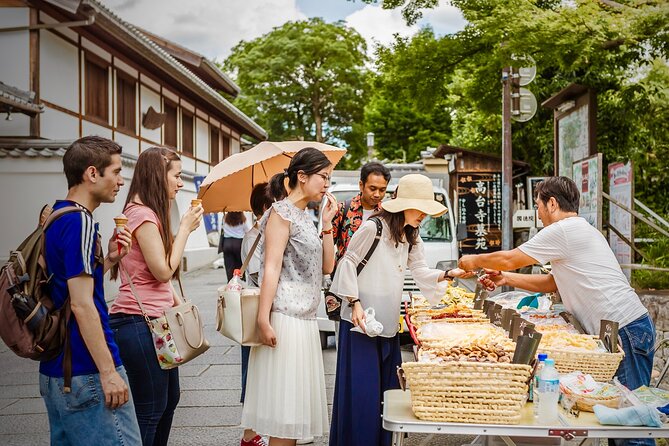
This is best understood as a guided introduction to eating in Kyoto, rather than a set meal at a single restaurant. Over about three hours, you walk with a local host, sample 6 to 8 food specialties, and talk through what makes Kyoto’s cooking distinct.
The private format is the main advantage. You are not trying to keep pace with a large group or fit your preferences into a standard route. Tell your host what you like, what you would rather skip, and whether you are curious about traditional dishes, street food, ramen, or drinks. The route can change, so the listed neighborhoods and foods are possibilities, not a promise that every stop will be included.
That flexibility is also something to clarify in your expectations. The experience does not guarantee a chef’s explanation, a kitchen visit, or a special behind-the-scenes look. One participant found the food element lighter than expected, with only a couple of street-food stops. If you want a precise menu or a deep culinary lesson, ask what your host expects to serve before booking.
Nishiki Market, with a clock to watch
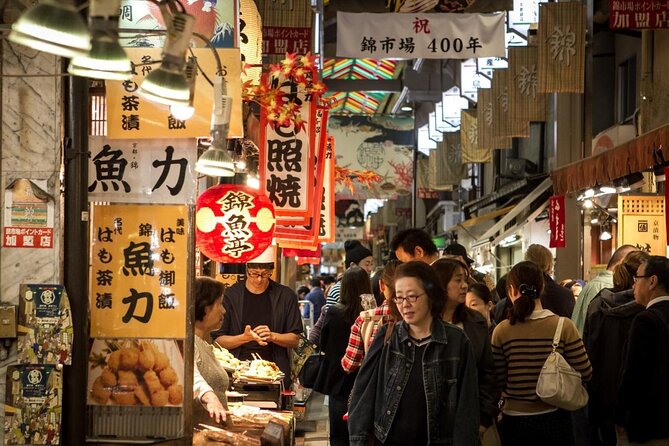
Nishiki Market is the most obvious place to start a Kyoto food walk. Its narrow shopping street is lined with food sellers, and the tour description calls it a stop for the city’s street food. Past tastings have included items such as tempura, yakitori, sushi, and dessert, giving you a chance to sample several things without committing to a full meal at each counter.
There is a practical catch: Nishiki Market is open from 9 a.m. to 4 p.m. If you are hoping to see the market, choose a time that fits its opening hours and confirm that it is part of your proposed route. The experience is personalized, so a market visit is not guaranteed.
A local host can help you decide what is worth trying when the choices start to pile up. That is especially useful if you have limited time or are unsure how a dish is served. Still, market tastings can be quick and casual. If you are picturing a long sit-down meal or a formal explanation at every counter, adjust that expectation.
More food tours in Kyoto:
- Ramen Cooking Class at Ramen Factory in Kyoto
★ 5.0 · 1,937 reviews - Kyoto Night Foodie Tour in Gion (9+ dishes + 6 Sake tastings)
★ 5.0 · 1,762 reviews - Kyoto: Izakaya Bars Guided Walking Tour
★ 4.9 · 815 reviews
Shijo Dori and the city between bites
The walk may pass along Shijo Dori, a central street that connects food stops and neighborhoods. It is not listed as a tasting in itself, but moving between places is part of the experience. Your host can give context as you go and help turn a string of food stops into a clearer picture of how Kyoto’s central districts fit together.
Past hosts have been praised for combining food with conversation about Kyoto’s culture and history. Cici, for example, was appreciated for explaining both local food customs and the city’s past. Alex was described as making a short tour feel thorough, and one guest who joined him also received restaurant recommendations near their hotel.
Those conversations may be as useful as the samples. You can ask about what you have just eaten, then use the answers to make better choices for the rest of your stay. The walk is not a substitute for a dedicated history tour, but it can offer more than a meal-by-meal stop list.
Gion, lantern-lit lanes, and an evening option
The route may continue into Gion, Kyoto’s nearby geisha district. The experience describes lantern-lit izakaya and street entertainment, with the possibility of settling in for local specialties or a beer as the sun goes down. An izakaya is a casual Japanese pub where food and drinks are typically part of the same outing.
This part of the tour may suit you best if you like a relaxed evening meal and want help choosing a place. The host can introduce you to local specialties, and the private format gives you room to ask questions or linger over conversation. But the sunset and evening atmosphere depend on the time of day you book, and the route may differ from the examples given.
The schedule also matters because the tour lasts about three hours. Nishiki Market’s daytime hours and the possible sunset stop point to different kinds of outings. If you want both the market and an evening by the river, ask your host how the timing will work rather than assuming the route will include every named stop.
Obanzai, ramen, gyoza, and other local choices
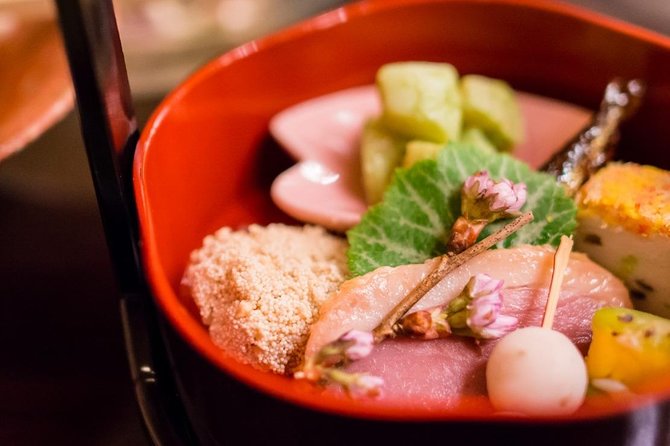
Kyoto’s food is not limited to one signature dish. The route may include obanzai, a style of home-style Kyoto cooking built around vegetable plates, as well as ramen, gyoza, grilled beef, or food at an izakaya. The exact mix depends on your preferences and the places your host chooses.
That makes the pre-tour conversation important. If you want to try unfamiliar local dishes, say so. If you are more interested in noodles, grilled food, or sweets, be clear about that too. The tour’s promise is personalization, not a fixed checklist, and a direct conversation gives your host a better chance of matching the walk to your appetite.
You can also treat the tastings as a preview for meals later in your trip. One host helped a guest try ramen and different kinds of sake, then suggested a ramen restaurant in Osaka. Other hosts have pointed out places near a hotel. Those recommendations can stretch the value beyond the three hours, especially if you have several days in Japan and want ideas for where to eat next.
More private tours in Kyoto:
- Fushimi Inari Hidden Hiking Tour (Private Option Available)
★ 5.0 · 1,750 reviews - Private Kyoto Tour with a Local, Highlights & Hidden Gems, Personalised
★ 5.0 · 1,543 reviews - Kyoto 6hr Private Tour with Government-Licensed Guide
★ 5.0 · 1,369 reviews - 10 Must-see Spots in Kyoto One Day Private Tour (up to 7 people)
★ 5.0 · 1,108 reviews
A Kamo River pause, if the route and hour allow
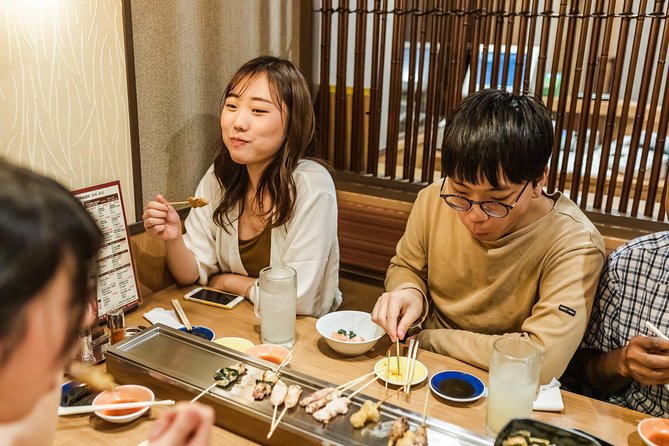
The Kamo River is described as a possible place to watch the sunset with a cold beer. It offers a change of pace from market counters and restaurant stops, and the included drink may be sake, wine, beer, or a soft drink. If you want a slower finish to the walk, this sounds like a pleasant option.
It is not a guaranteed stop. The experience is private and personalized, and the route can change. The river pause also depends on the time of day and how your host organizes the three-hour outing, so mention it if it matters to you.
What the price buys, and what it does not
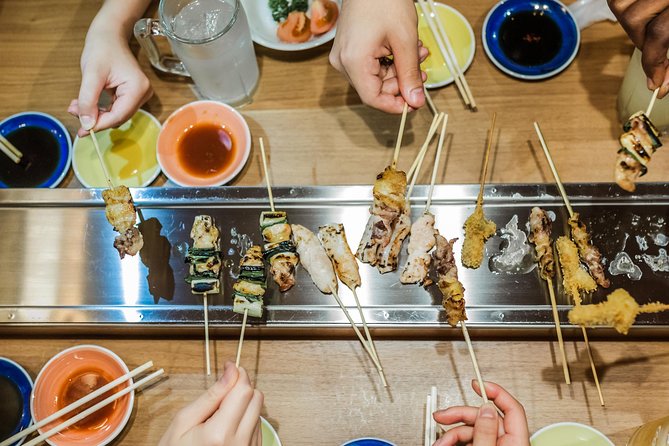
At $245.15 per person, this is a premium food walk. The price covers a private host for about three hours, 6 to 8 tastings, a glass of sake, wine, beer, or a soft drink, and a walking experience. Group discounts are available, and the booking includes a mobile ticket.
The value is strongest if you want personal attention and practical local guidance. A private host can adapt the conversation and food choices to your group, and the included samples let you try several specialties without planning each stop yourself. If a guide helps you find restaurants you would not have chosen alone, or gives you ideas for later meals, that advice can be useful well beyond the walk.
The cost is harder to justify if you mainly want a large meal. Additional food and drinks are not included, and neither are transport costs or attraction tickets. You may want to budget extra if you find a dish you want more of, or if your route calls for public transport or a taxi. Gratuities are optional.
I would compare this with the cost of arranging your own market visit and meal. The tour is not simply a bundle of food portions; you are paying for a private host, a flexible route, and an introduction to local eating. If you prefer to choose every restaurant yourself, the price may feel steep. If you want an informed starting point and a conversational walk, it may be worth it.
What the host can add to the experience
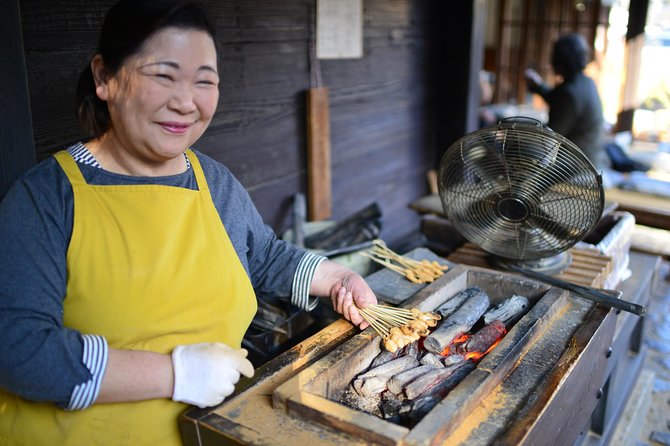
The guide can make or break a personalized food walk, because the format depends on conversation and judgment. Past hosts named Cici, Michael, Nisa, Toga, Alex, Anna, and Justin have been praised for warmth, flexibility, clear English, and finding enjoyable places. These names are examples from previous outings, not a guarantee of who will lead yours.
Several specific details suggest the host can tailor the experience to different groups. Michael adjusted food choices for a family traveling with teenagers, while Toga kept a family comfortable despite cold rain. Nisa was valued for introducing places her group would not have found alone. These are good signs if you are traveling with mixed tastes or want a host who can keep the walk easygoing.
There is one useful caution: a good walking tour does not automatically become a substantial food tour. One participant felt the experience focused more on sightseeing than food, with just two street-vendor stops. Before you go, tell your host how much you want to eat and ask what the tasting plan is likely to include. That simple step can help align expectations.
Practical details before you set out
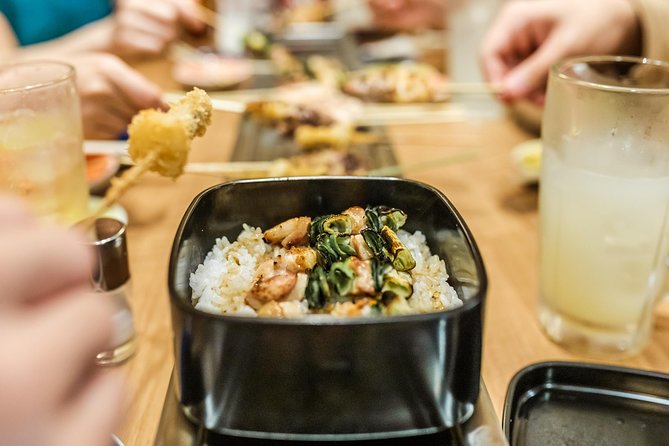
The listed meeting point is Matsumoto Kiyoshi Kyoto Shijo Kawaramachi, at 103-2 Hashimotocho, Shimogyo Ward, Kyoto, 600-8011. The tour ends back at the meeting point. A hotel meet-up is available on request for a central location.
This is a walking experience. Public transport or a private taxi may be suggested if needed, but those costs are not included. The activity is private, so only your group participates. Most people can take part, service animals are allowed, and the meeting point is near public transportation.
You receive confirmation at booking, and there is free cancellation up to 24 hours before the start time. If you are planning around Nishiki Market, check the tour time carefully because the market closes at 4 p.m. Booking about 30 days ahead is typical, which is worth keeping in mind if your Kyoto dates are fixed.
Who should book this Kyoto food walk
I would consider this tour if you want a friendly introduction to Kyoto’s food, enjoy walking and conversation, and like the idea of choosing the route with a local host. It may be especially useful early in a stay, when you can put restaurant tips to work over the next few days. Families and groups with different tastes may also benefit from the private format.
I would look elsewhere if your main goal is a full dinner, a guaranteed list of restaurants, or a formal culinary lesson. The route and tastings can vary, and the price is high enough that you should be comfortable paying for guidance as well as food. Before booking, share your interests and ask how many food stops your host expects to make.
If that sounds like the kind of evening you want, the personal attention and 6 to 8 samples can make this a useful way to get oriented. If you mainly want to eat a lot for the money, plan your own market and restaurant stops instead.
FAQ
How long is the tour?
The experience lasts about three hours.
How many food tastings are included?
The tour includes 6 to 8 tastings of local food specialties.
Is the tour private?
Yes. Only your group participates.
Is a drink included?
Yes. One glass of sake, wine, beer, or a soft drink is included.
Does every tour visit Nishiki Market?
No. The route is personalized, so the places you visit may differ. Nishiki Market is open from 9 a.m. to 4 p.m.
Where does the tour start and end?
It starts at Matsumoto Kiyoshi Kyoto Shijo Kawaramachi and ends back at the meeting point. A hotel meet-up is available on request for a central location.
Are transportation costs and extra food included?
No. Additional food and drinks, transportation costs, and attraction tickets are not included.
Newly added in Kyoto
- Uji: Private immersion into Kyoto’s tea and reglious culture★ 5.0 · 17 reviews
- Whisk Your Own Matcha: A Zen Matcha Experience at Temple★ 3.6 · 7 reviews
- Kyoto tea town for matcha lovers★ 5.0 · 16 reviews
- Treasures of Kyoto: Gion & historical Walking Tour★ 5.0 · 6 reviews
- Kyoto Matcha Green Tea Tour★ 4.5 · 23 reviews
- Uji and Wazuka Matcha Farm Half Day Private Guided Tour★ 5.0 · 21 reviews
- Uji Tea Ceremony and UNESCO Heritage Walking Tour★ 5.0 · 20 reviews
- Utilising upcycled Matcha! Creating matcha incense (Uji, Kyoto)★ 5.0 · 6 reviews
Kyoto Food Tours, compared.

Ramen Cooking Class at Ramen Factory in Kyoto
Read our review →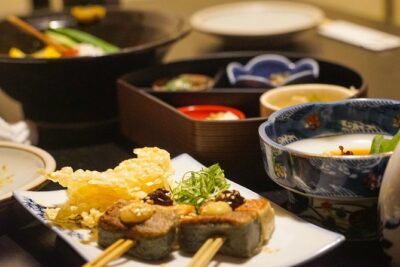
Kyoto Night Foodie Tour in Gion (9+ dishes + 6 Sake tastings)
Read our review →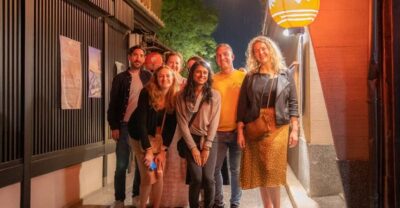
Sushi Making in Kyoto! Same-day bookings welcome!
Read our review →
Insider Sake Brewery Tour with Sake and Food Pairing
Read our review →
Ramen Cooking Class at a Ramen Factory with Souvenir
Read our review →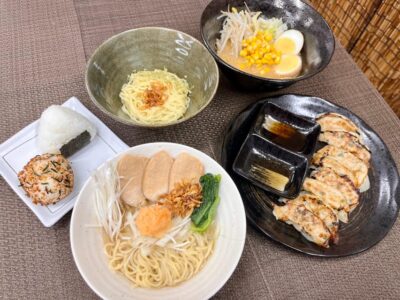
The Original Small-Group Sushi Making Class in Kyoto
Read our review →Browse the lists this tour appears in