
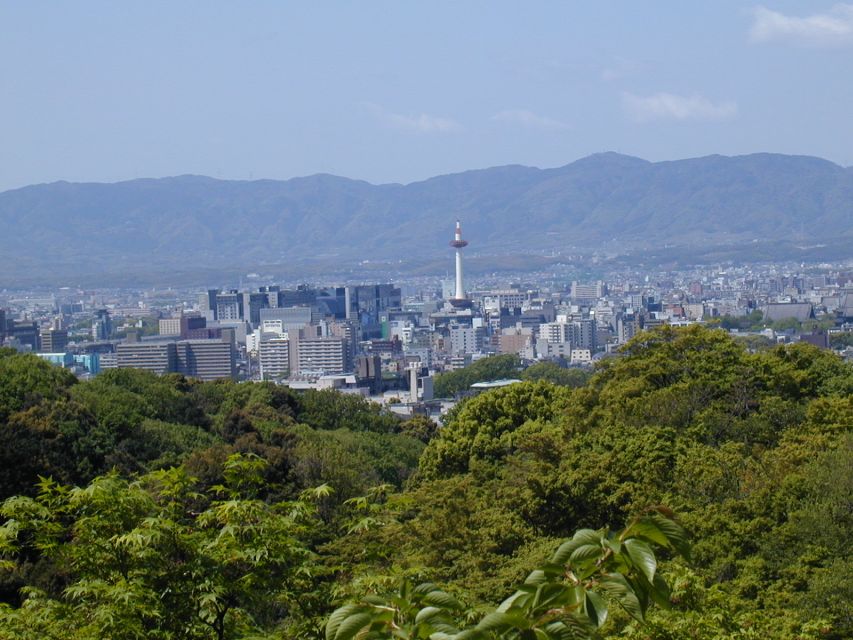
Reviewed · KYOTO PRIVATE TOURS
Kyoto: Private Tour with Local Licensed Guide
Kyoto’s famous sights are spread across a large city, and the right local guide can turn a string of temple visits into a coherent day. This private tour gives you a licensed guide and a route shaped around your interests, with options ranging from a four-hour introduction to a full eight-hour outing.
I like two things in particular: you can choose the stops, and your guide can help make the route practical rather than simply ambitious. Guides including Kazuo, Yuka, Akira, and Noriko have been praised for explaining history and customs clearly, adjusting plans, and helping with trains and buses.
The main consideration is that this is a walking tour, not a private-car tour. You pay separately for admission, food, and transport, and the city’s sights are far apart. A packed wish list may mean spending more time in transit than at the places you came to see.
At a glance
- A route built around you: Choose from 32 listed sights and tell your guide what matters most.
- A licensed guide: Guides hold Japan’s Nationally-licensed Tour Guide-Interpreter certification.
- Three tour lengths: Plan on two to three places in four hours, three to four in six, or four to six in eight.
- Transit is part of the day: Walk, take public transport, or use local taxis. A private vehicle is not included.
- Good for first-timers and return visits: Focus on major sights, quieter temples, food stops, or a mix.
- Budget for extras: The $106-per-person starting price does not include admissions, meals, or transport.
A Kyoto route that fits your interests
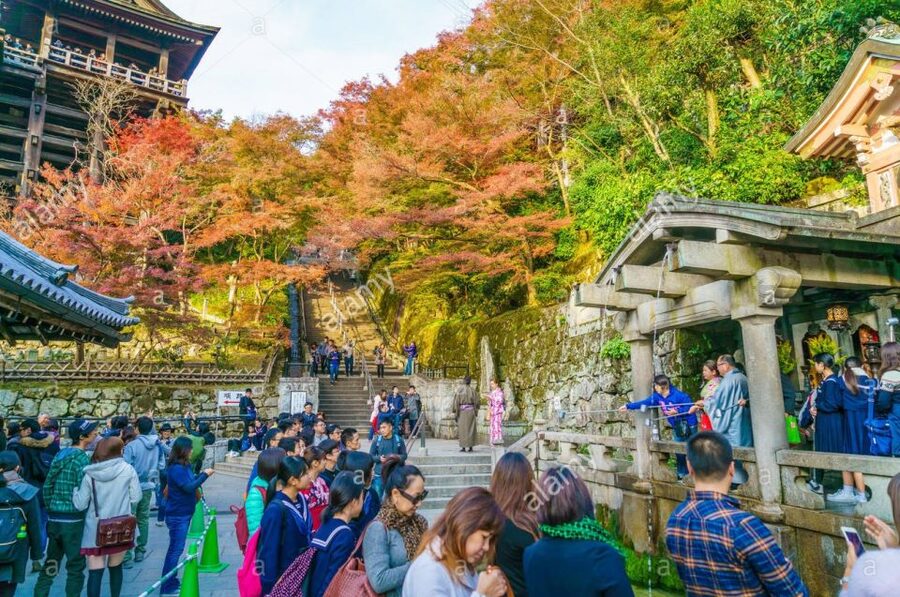
The tour’s greatest advantage is not simply that it is private. It is that you can decide what kind of Kyoto day you want. You might focus on the famous temples, take in a market and traditional neighborhood, or ask for a less crowded mix of well-known and quieter places.
Before the tour, tell your guide which sites matter most. The suggested pace is two to three places for four hours, three to four for six hours, and four to six for eight. These are useful planning ranges, not a reason to race. Kyoto’s districts are spread out, and travel between them takes time.
Past guide names include Kazuo, Rie, Naoki, Haru, Yuka, and Akira. You cannot assume a particular guide will be assigned, but the role is more than reciting dates: guides have helped visitors understand religious customs, pick the right transit, adjust for traffic or crowds, and find places to eat. Some have also brought visual references or suggested photo spots.
The guide can plan the itinerary if you prefer not to. Still, I recommend sending a short priority list before the day. Name your must-sees, mention any mobility or pacing needs, and say if you would rather avoid crowds or include time for food and shopping. That gives your guide a useful starting point without locking you into a rigid schedule.
More private and custom tours in Kyoto:
- Kyoto 6hr Private Tour with Government-Licensed Guide
★ 5.0 · 1,369 reviews - 10 Must-see Spots in Kyoto One Day Private Tour (up to 7 people)
★ 5.0 · 1,108 reviews - Kyoto 4hr Private Tour with Government-Licensed Guide
★ 5.0 · 629 reviews
Fushimi Inari’s red gates and forest paths
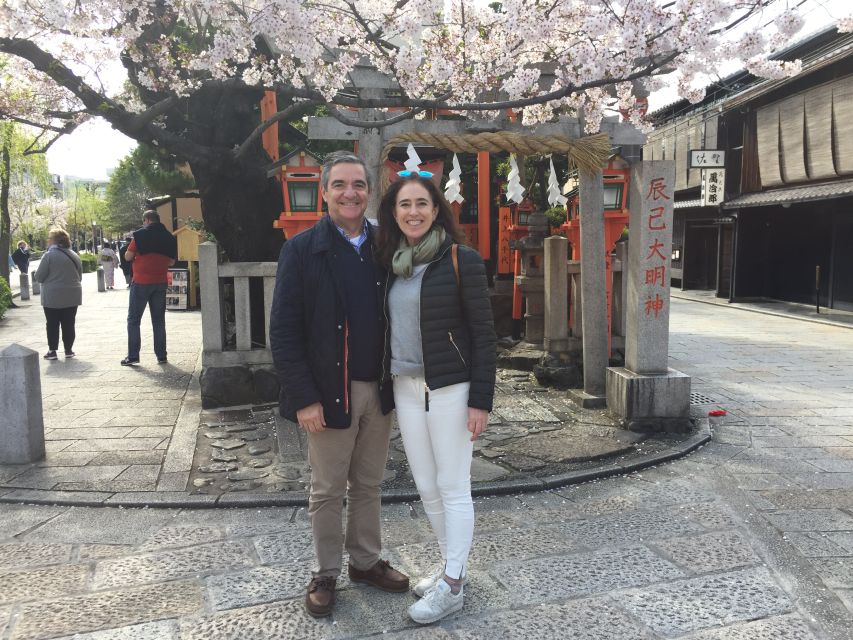
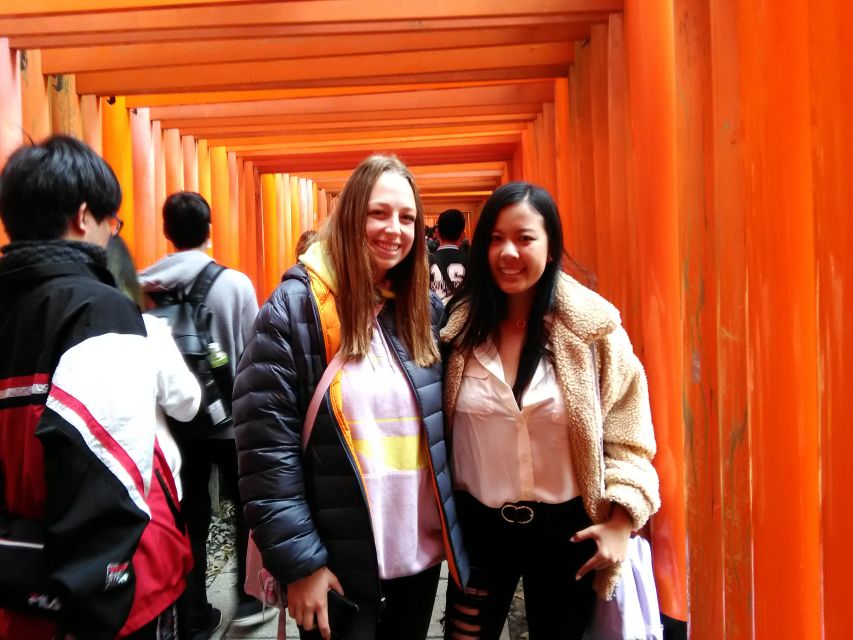
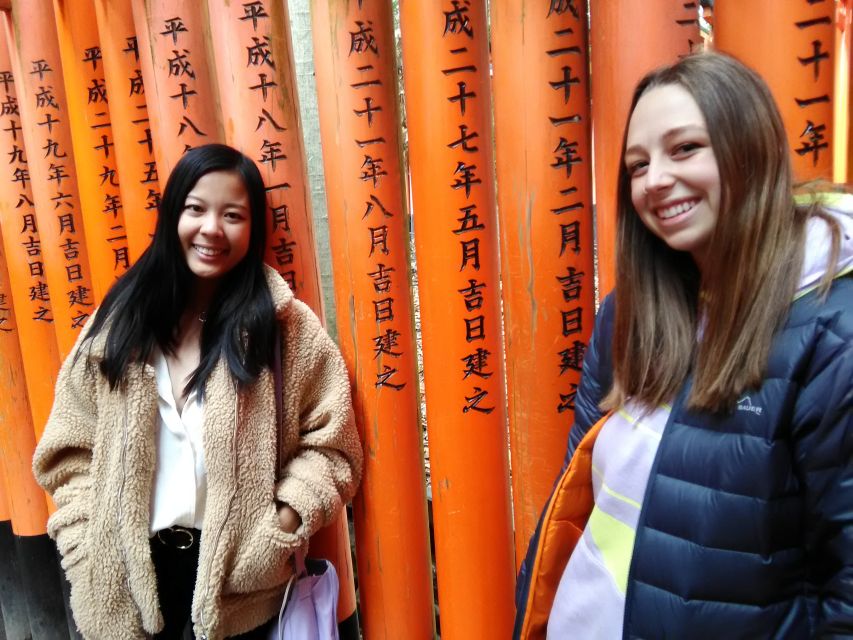
Fushimi Inari-taisha is one of Kyoto’s most recognizable sights, known for its long corridors of vermilion torii gates. Walking beneath them is a striking experience, and a guide can explain the shrine’s religious setting and the meaning of its gates rather than leaving you with only a photo stop.
The shrine has also served as a filming location for Memoirs of a Geisha. That connection may add interest if you know the film, but the place is worth seeing for its own atmosphere and scale. The gate corridors lead into a wooded setting, so you can get a sense of the site beyond its best-known images.
Expect other people, particularly at popular times. One sensible tip is to ask about an early start. A guide may also help you decide how much of the shrine to cover within your available time, since a short visit here can easily crowd out another stop.
Kinkaku-ji, the Golden Pavilion
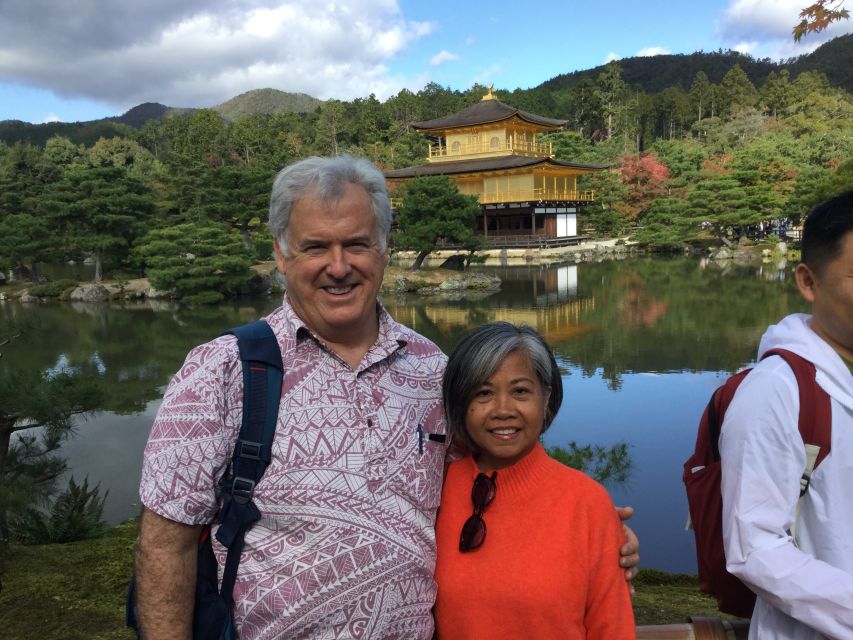
Kinkaku-ji, also called the Golden Pavilion, is named for the gold-colored reliquary hall. Its bold exterior and the mountain scenery around it make this a very different kind of stop from Fushimi Inari’s long, shaded paths.
This is a place to pause and take in the view rather than expect a long interior visit. Admission is not included, and the tour description does not promise access to the pavilion itself. Ask your guide how this stop fits with the rest of the day, especially if you are pairing it with sites in another part of Kyoto.
The pavilion is a strong choice if you want one of the city’s signature sights. If you have already seen it, the broad list also includes temples and districts that can make a return visit feel less like checking off the same landmarks.
Kiyomizu-dera and the walk toward Gion
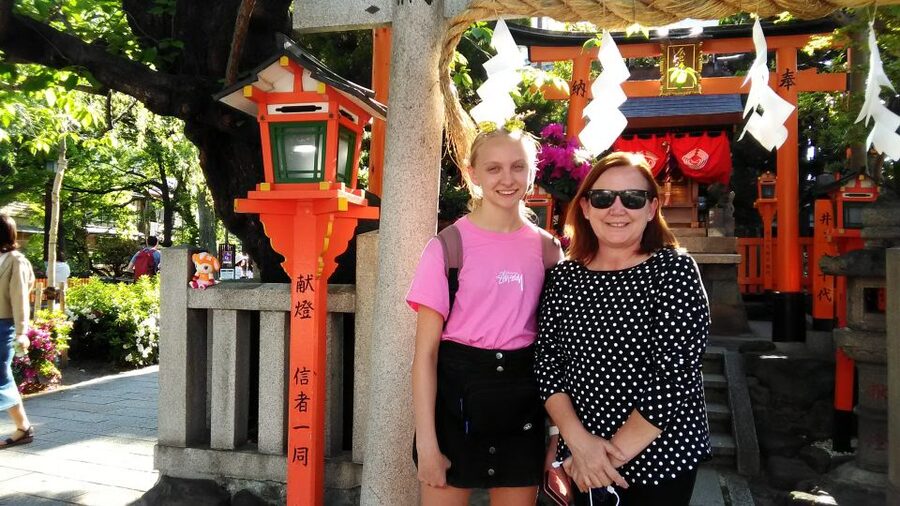
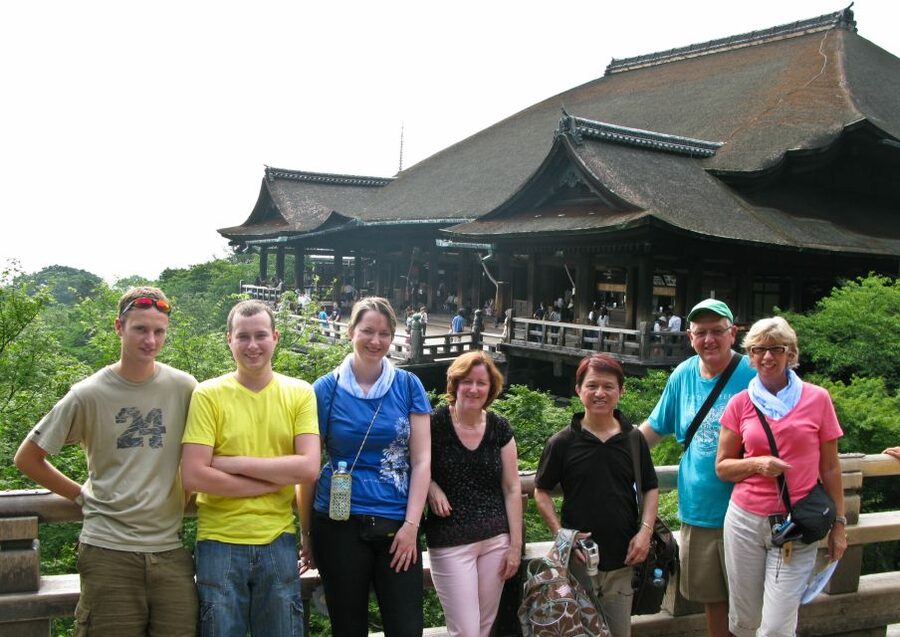
Kiyomizu-dera offers a different reward: views across the city from its large veranda. The temple is an ancient site, but its elevated outlook makes it easy to connect Kyoto’s religious landmarks with the city around them.
From the temple, the route toward Gion passes Kyoto-style shops selling distinctive souvenirs. That walk gives you a chance to browse and take a break from temple grounds. You can ask your guide to help keep the visit at a comfortable pace rather than hurrying through the temple and shopping streets.
Gion is a natural place to end or extend a day. The district has restaurants and places to grab a snack, and guides can offer dining recommendations. Food is not included, so leave room in your budget if you want to sit down for a meal. Pontocho, another listed area, can also be considered if you want to include a different dining district.
More private tours in Kyoto:
- Fushimi Inari Hidden Hiking Tour (Private Option Available)
★ 5.0 · 1,750 reviews - Private Kyoto Tour with a Local, Highlights & Hidden Gems, Personalised
★ 5.0 · 1,543 reviews - Nara Half Day Trip Walking Tour (Private Option Available)
★ 5.0 · 937 reviews - Private Kyoto Tour with Licensed Guide & Vehicle (Max 15 persons)
★ 5.0 · 417 reviews
Markets, castles, and quieter temple choices
Not every good Kyoto day needs to be built around major temples. Nishiki Market gives you a chance to browse a central shopping district and see a more everyday side of the city. It can be busy, so decide in advance whether you want time to shop and snack or just a quick walk-through.
Nijo Castle and Kyoto Imperial Palace add a different strand of history to a route. The listed options also include Ginkakuji, Nanzenji Suirokaku, Tofuku-ji, Toji, Ninna-ji, Ryoan-ji, and several other temples. With so many choices, the guide’s help is especially useful for deciding which places work together in the hours you have.
If you want to get away from the best-known stops, say so plainly. A guide can adjust the itinerary toward less-visited temples or avoid the busiest areas where possible. That does not guarantee an empty site, but it can make the day feel more personal than a fixed tour that takes every group along the same route.
Arashiyama and the western Kyoto sights
Arashiyama is another major choice, with the Bamboo Forest Street, Togetsukyo Bridge, Tenryu-ji Temple, and Okochi Sanso Garden among the listed stops. These places can be combined for a day focused on the western side of Kyoto, but they are not a quick add-on to a far-flung eastern itinerary.
The area offers a mix of temple grounds, a well-known bamboo path, and a bridge. You can ask your guide to help select a manageable combination based on whether you prefer gardens, temples, or scenery. Other nearby options include Jojakkoji, Nisonin, Gioji, Adashino Nenbutsu-ji, and Otagi Nenbutsu-ji.
The wider list also reaches places such as Kibune River, Shugakuin Imperial Villa, Katsura Imperial Villa, and Byodoin Temple. Their inclusion does not mean every site is suitable for every tour length. Confirm your priorities with the guide and allow time for transfers before you settle on a long-distance route.
What a private guide adds to the day
The practical value is often in the transitions. Kyoto’s buses, trains, walking routes, and local taxis can take time to sort out, especially if you are trying to connect several districts in one day. Guides have helped visitors choose transport, avoid unnecessary road delays, and move from one stop to the next without losing the thread of the day.
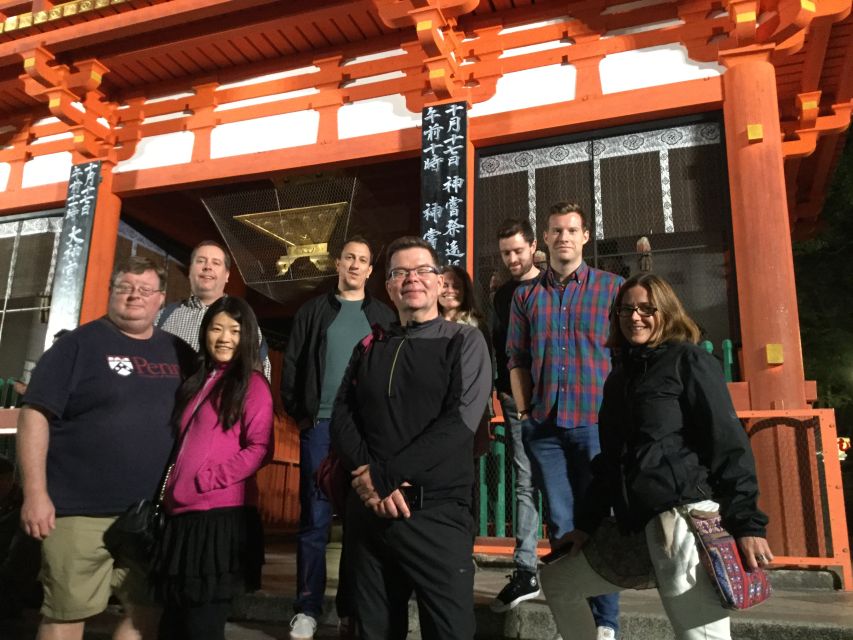
A guide can also make the cultural details easier to follow. At shrines and temples, you can ask about customs, religious practice, and how to behave respectfully. One guide, Michi, has been praised for showing guests how to pray and use fortune-telling traditions. That kind of explanation turns a visit into more than a look at architecture.
The private format helps if you are travelling with children, older relatives, or people who want frequent photo stops and breaks. Guides have adapted the pace for families and responded to requests for coffee breaks. Still, four to eight hours on foot is a substantial outing. Tell the guide what pace works for your group before the day begins.
The real cost, and what is not included
The listed price is $106 per person. For a private tour with a nationally licensed guide and a route planned around your interests, that can be worthwhile if you value context and help navigating a full day. It is less compelling if you mainly want a ride between sights or prefer to explore independently.
Remember that the price does not cover entrance fees, food, or transport during the tour. Since a private vehicle is not included, you may use public transport or local taxis between sites. Keep Japanese yen handy for those fares, and ask your guide about likely transport costs once your booking is finalized.
A private vehicle may be arranged separately, but it must be booked at least five days ahead and can carry a maximum of seven passengers. If you need one, contact the provider directly rather than assuming the walking tour includes a car. The tour is listed as wheelchair accessible, but you should discuss your particular route and needs with the provider before booking.
Booking and planning tips
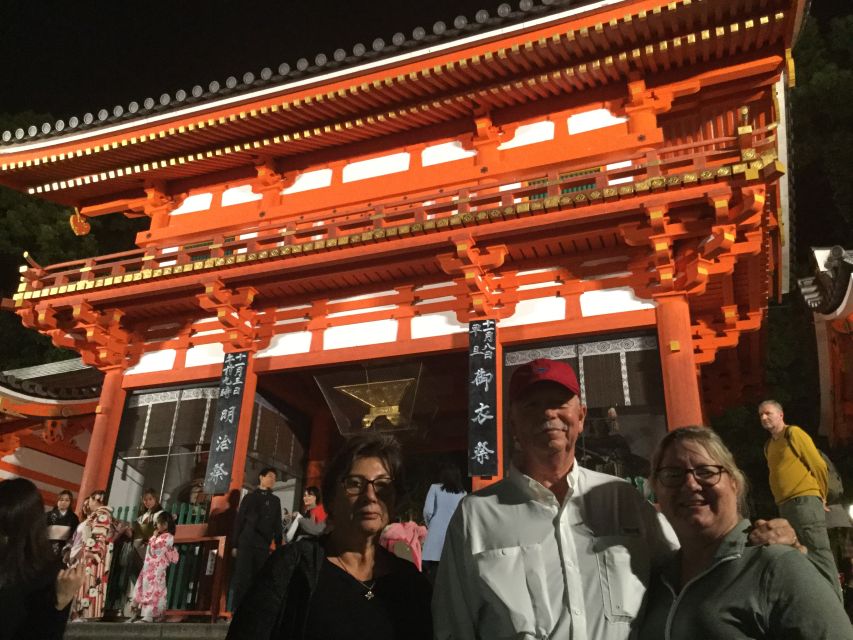
Choose the tour length based on how you like to travel, not just how many sights you hope to fit in. Four hours works for a focused introduction; six hours gives you more room to combine districts; eight hours is best if you want a fuller day with several stops. Even the longest option is not a license to zigzag across the whole city.
Your guide will contact you to confirm the tour, usually within seven days, and the provider will follow up about logistics. Pickup on foot is included if your accommodation is within a reasonable distance. You can also request a meeting at a train station or hotel lobby.
The experience runs rain or shine. Bring suitable clothing and shoes for walking, and leave flexibility in the schedule in case weather, crowds, or transit affect the pace. You can reserve without paying immediately, and cancellation up to 24 hours before the start qualifies for a full refund.
Should you book this Kyoto tour?
Book it if you want a personal introduction to Kyoto, need help linking several sights, or care about understanding the customs and history behind what you see. The strongest reasons are the flexible route and the guide’s role in making transit and site choices easier. It is also a smart option for a short stay, when a well-planned day can help you see more without spending your time puzzling over bus routes.
Skip it if you want a private car included, need all costs bundled into one price, or prefer to wander without a guide. For the best value, choose a realistic cluster of places, share your priorities early, and reserve enough time for meals and pauses. If that sounds like your kind of day, this is a practical way to see Kyoto with local context rather than just a checklist of famous stops.
FAQ
How long is the tour?
You can choose a 4, 6, or 8-hour tour. The suggested pace is two to three places in four hours, three to four in six hours, and four to six in eight.
Which languages are available?
The live tour is available in English and Japanese.
Is this a private tour?
Yes. The experience is for a private group, with a maximum of seven passengers if you arrange a private vehicle separately.
Is a car included?
No. This is a walking tour. Public transport or local taxis may be used to travel between sites, and the transport costs are not included.
Are admission fees and meals included?
No. You pay separately for entrance fees, food, and drinks.
Can I choose the places to visit?
Yes. You can personalize the route and should tell your guide which sites you want to see after booking. The guide can also plan the itinerary for you.
Is pickup available?
Pickup on foot is included if your accommodation is within a reasonable distance. You can request a hotel lobby or train station meeting point.
Newly added in Kyoto
- Uji: Private immersion into Kyoto’s tea and reglious culture★ 5.0 · 17 reviews
- Whisk Your Own Matcha: A Zen Matcha Experience at Temple★ 3.6 · 7 reviews
- Kyoto tea town for matcha lovers★ 5.0 · 16 reviews
- Treasures of Kyoto: Gion & historical Walking Tour★ 5.0 · 6 reviews
- Kyoto Matcha Green Tea Tour★ 4.5 · 23 reviews
- Uji and Wazuka Matcha Farm Half Day Private Guided Tour★ 5.0 · 21 reviews
- Uji Tea Ceremony and UNESCO Heritage Walking Tour★ 5.0 · 20 reviews
- Utilising upcycled Matcha! Creating matcha incense (Uji, Kyoto)★ 5.0 · 6 reviews
Kyoto Private Tours, compared.
Kyoto 6hr Private Tour with Government-Licensed Guide
Read our review →
10 Must-see Spots in Kyoto One Day Private Tour (up to 7 people)
Read our review →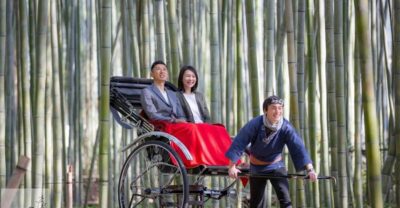
Arashiyama Customized Rickshaw Tour & Bamboo Forest
Read our review →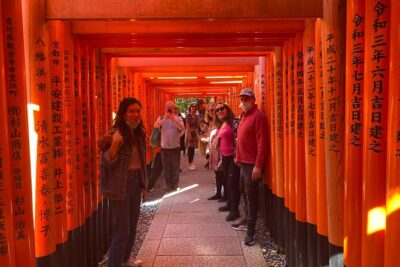
Private Kyoto Tour with Licensed Guide & Vehicle (Max 15 persons)
Read our review →
Private Customized Walking Tour with a Local Insider
Read our review →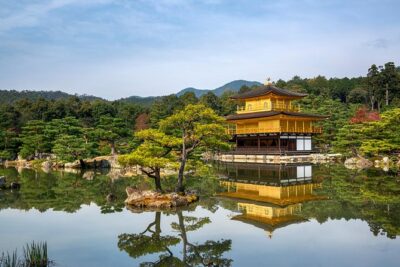
Kyoto Customized Private Tour: See Top Attractions in 1 Day
Read our review →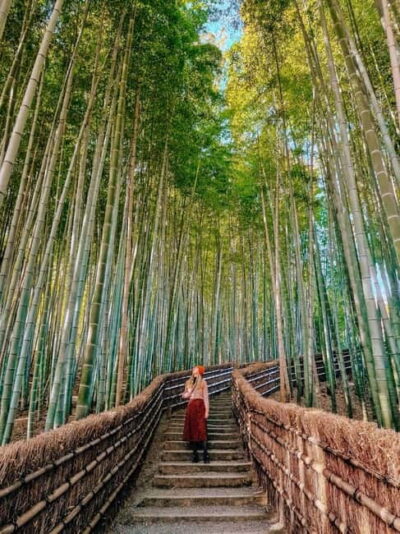
Browse the lists this tour appears in