

Reviewed · MUSEUMS
Kyoto Railway Museum Admission Ticket
Japan’s railway story is told here in full-size steel: 53 real trains, from old steam locomotives to the sleek Shinkansen. You can step inside some of them, try train-driving simulators, and watch a working locomotive turn on the roundhouse turntable. It is a museum where the main exhibits are big enough to walk around and, in some cases, climb aboard.
I like two things in particular: the mix of hands-on exhibits and historic machines makes the visit work for children and adults, and the collection gives you a clear view of how Japanese rail travel changed over time. The Sky Terrace adds a different angle, with views over the museum and its trains.
One consideration: the $9 ticket is standard admission, and the information provided does not spell out whether every activity, including the steam locomotive ride or simulators, carries an extra charge or runs all day. Check current details before you go, especially if one particular activity is the main reason for your visit.
- 53 real trains range from vintage steam engines to Shinkansen.
- A working steam locomotive offers a nostalgic ride, with the roundhouse turntable rotation as a showpiece.
- Train simulators and detailed dioramas add hands-on and close-looking options.
- The Sky Terrace gives you a chance to see the museum from above.
- Admission is valid for one day, but the museum closes every Wednesday.
- Children under 3 enter free; children ages 3 to 7 can buy a 200-yen ticket on-site.
Start with the scale of the collection
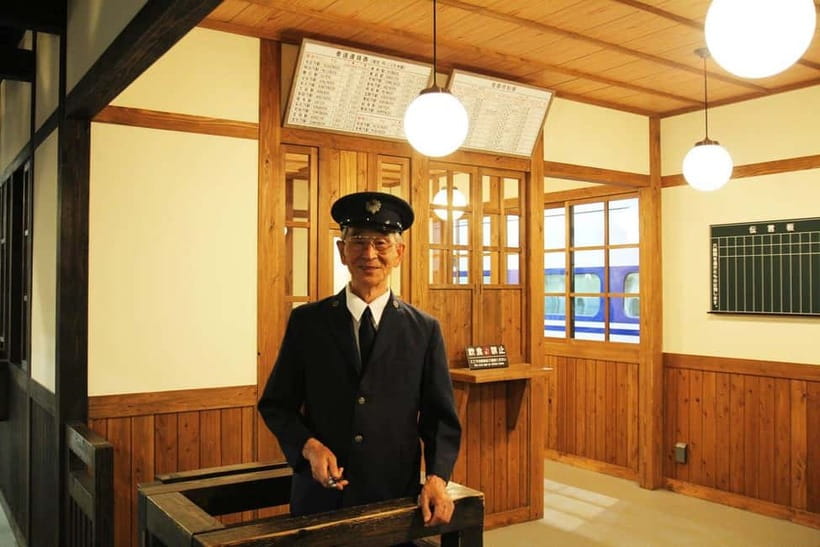
The first thing to appreciate is that this is not a room of small models with a few full-size engines for decoration. The Kyoto Railway Museum holds 53 real trains, giving you the chance to see the machines themselves at close range. That shift in scale matters: a steam locomotive’s mass and a Shinkansen’s streamlined shape are easier to grasp when you are standing beside them.
The range also gives the collection a useful arc. You can compare older steam power with the modern bullet train, then consider how railway engineering and travel changed across generations. For anyone curious about Japanese transport, this is a practical way to see the country’s railway story through objects rather than dates on a wall.
The museum is also a good choice if your group does not share one single interest. Train fans have the engines and technical details; children can try interactive displays; and anyone who likes design or engineering can compare the shapes and systems of different trains. It is a broad subject, but the real trains make it approachable.
Walk through trains, not just past them

Being able to step inside iconic trains is one of the most useful parts of the visit. A train viewed from the platform is one thing; a train experienced from inside gives you a better sense of its space and layout. The exact interiors and access available can vary by exhibit, so let the museum’s current setup guide your route.
Take your time comparing the older and newer cars. The collection spans steam engines through Shinkansen, and that contrast is the point: railway history is not only about faster trains, but about changing technology and the way people travel. Look at the details that interest you rather than trying to inspect every carriage at the same pace.
If you are visiting with children, make room for pauses. A museum with full-size vehicles and hands-on displays invites a slower rhythm than a gallery where you simply move from one label to the next. For adult rail fans, the same approach pays off: give yourself time to look closely at the machines instead of treating the collection as a checklist.
A few more Kyoto experiences worth booking
- From Osaka: Sagano Train Ride and Kyoto Guided Day Tour
★ 4.3 · 180 reviews - Full Day Hiroshima and Miyajima Tour by Bullet Train from Kyoto
★ 4.5 · 120 reviews - Kyoto: Arashiyama Tour with optional Sagano Romantic Train
★ 4.7 · 18 reviews
Try the simulators and study the dioramas
The train-driving simulators bring a playful element to the museum. They offer a chance to try a simplified version of the operator’s role, which can make the mechanics of rail travel more engaging than reading about them alone. The available information does not specify how the simulators work, how long a turn lasts, or whether there are extra charges, so check on arrival if you want to plan around them.
The detailed railway dioramas provide a different kind of pleasure. They compress a large rail scene into a model you can examine at close range, with the tracks and trains arranged to show how the system fits together. If the full-size exhibits make you think about scale and machinery, the models help you focus on the broader picture.
These two kinds of displays are a good reason to visit even if you are not a dedicated train enthusiast. You can move between full-size machines, interactive exhibits, and small-scale scenes, which keeps the visit varied. The museum’s appeal is not limited to looking at old trains; it is also about seeing how railway systems work and how people have built them.
Make time for the roundhouse and steam locomotive
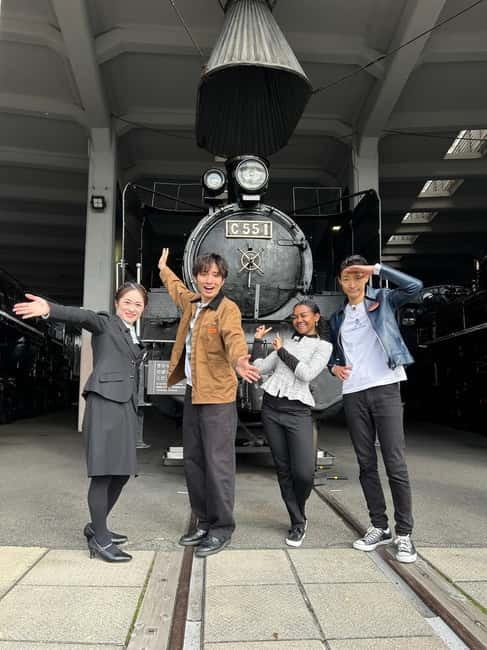
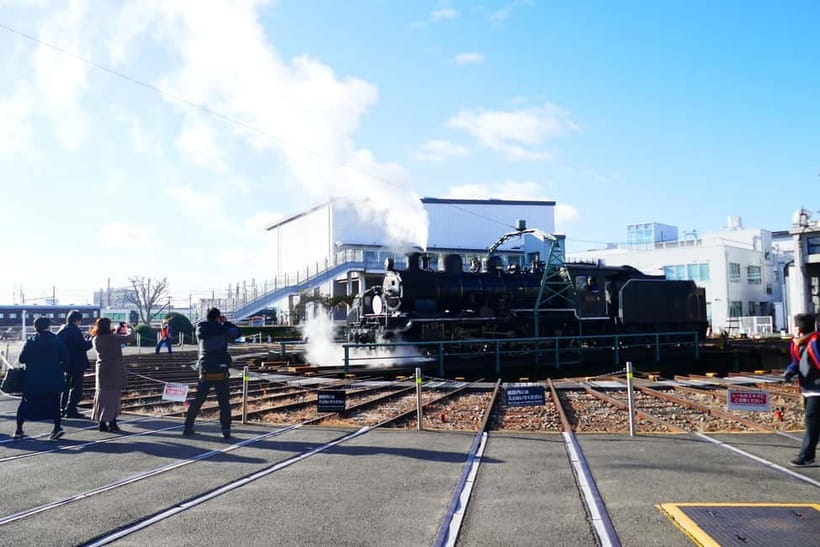
The historic roundhouse is one of the visit’s most distinctive settings. Its turntable rotates trains, offering a rare chance to watch railway equipment move in a way that is both practical and dramatic. It is a working piece of railway history, not just an old building with engines parked inside.
The steam locomotive ride adds another layer. If it is operating during your visit, riding a working engine gives you a sensory connection to rail travel that a display cannot provide. The supplied details do not give a schedule or say whether the ride is included in standard admission, so confirm both before you count on it.
The roundhouse and steam ride are worth prioritizing if they matter most to you. Their operation may shape your timing, and the museum’s opening hours can change. Check the official website before setting out, and ask staff about current operating times when you arrive. That small bit of planning can help you avoid saving your favorite feature for the wrong moment.
Look out from the Sky Terrace
The Sky Terrace provides a change of pace from the indoor exhibits. After looking at trains from ground level, you can take in the museum from above and enjoy the views. It is also a natural place to pause, reset, and decide which exhibits you still want to see.
The terrace is part of the museum experience, but it need not be the center of your visit. If you have limited time, focus first on the trains and activities that interest you most. If you have more time, use the terrace as a breather between sections rather than rushing through it as another item to tick off.
More museum visits in Kyoto:
- Kyoto: Tea Museum Tickets and Matcha Grinding Experience
★ 4.9 · 739 reviews - Skip the lines Basic Ticket at SAMURAI NINJA MUSEUM KYOTO
★ 4.5 · 632 reviews - Kyoto : Geiko Maiko Dance of Kyoto & Visits of Gion Museum
★ 4.6 · 415 reviews - Kyoto Sword Experience – includes Museum Ticket/Ninja Experience
★ 4.5 · 149 reviews
Plan your visit around one full day
Your admission is valid for one day, so you can set your own pace within the museum’s opening hours. No fixed starting time is given here; check availability and the official website for current hours, since opening times may vary. The museum is closed every Wednesday, so build that into your Kyoto schedule before buying a ticket.
A useful approach is to begin with the full-size trains, then move on to the interactive exhibits and dioramas. Keep the roundhouse, turntable, and steam locomotive in mind as features to check on arrival, since their operating times are not provided. Finish with the Sky Terrace if you want a calmer pause after the busier displays.
That is a suggested order, not a required route. The museum’s range means you can adapt the visit to your group: children may want more time at hands-on displays, while train fans may linger around particular engines. With 53 trains and several different exhibit styles, it is sensible to leave room for unplanned stops.
Is the $9 ticket good value?
At $9 per person for standard admission, the ticket offers access to a substantial collection and a full day’s validity. The value is strongest if you plan to spend time with the trains, try the interactive exhibits, and explore the museum at a relaxed pace. A quick dash through the galleries would leave much of the appeal unused.
Keep the word standard in mind. The admission information does not clarify whether the steam locomotive ride or simulator activities are included or require separate payment. If your decision depends on one of those experiences, check the current terms directly before you go.
Children under 3 are free. Children from 3 to 7 can purchase tickets on-site for 200 yen, which may make a family visit easier to budget. The ticket is non-refundable, so confirm the opening day and current hours before booking.
A few practical details before you go
Proceed directly to the Kyoto Railway Museum for ticket redemption. The meeting point coordinates are 34.9870986, 135.7422732. The activity is listed as wheelchair accessible, and the museum asks you to present your admission ticket to staff if you re-enter.
If there is a long queue, follow the instruction to wait at the entrance marked Early Bird Advance Ticket. The wording can be a little puzzling if you are holding a standard admission ticket, so ask staff where to queue if you are unsure. For children ages 3 to 7, remember that the 200-yen ticket is purchased on-site.
This is admission rather than a guided tour, and no guide name or guided commentary is specified. You can explore the exhibits at your own pace, which suits visitors who prefer to linger where their interest takes them. The trade-off is that you should check the museum’s information and signs for details about individual exhibits and activities.
Who will enjoy Kyoto Railway Museum most?
Rail enthusiasts have the obvious reason to go: the collection spans steam engines to Shinkansen, with real trains, a roundhouse, and railway displays to examine. But the museum is not only for people who can name every locomotive. Its simulators, dioramas, and hands-on exhibits give children and curious adults a way into the subject.
It is also a strong choice if you want a change from Kyoto’s temples and historic streets. The museum focuses on technology and transport, offering a different view of Japanese history through the systems that connect places and people. If your schedule is tight, weigh that against the city’s many other attractions and choose it because trains or engineering genuinely interest you.
The main limitation is that the precise schedule and fees for the more active experiences are not stated. If you simply want to see the collection, standard admission gives you a clear reason to visit. If you are coming specifically for the steam ride or simulator, verify its availability first.
Should you book?
Book the Kyoto Railway Museum if you like trains, engineering, hands-on exhibits, or family-friendly stops where children can do more than look. The $9 standard ticket is appealing for a full day among 53 real trains, and the contrast between steam engines and Shinkansen gives the collection a clear story.
Skip it if railway exhibits are not your interest or your Kyoto schedule leaves only a brief window. Before booking, check that your visit does not fall on a Wednesday, confirm current opening hours, and ask whether the steam ride or other activities cost extra. With those details settled, this is a satisfying, practical stop that brings Japan’s railways down to human scale.
FAQ
How much does admission cost?
Standard admission is listed at $9 per person. Children ages 3 to 7 can buy a ticket on-site for 200 yen, and children under 3 enter free.
How long is the ticket valid?
The ticket is valid for one day.
Is the museum open every day?
No. The museum is closed every Wednesday. Opening hours may vary, so check the official website for current details.
What trains can I see at the museum?
The collection includes 53 real trains, ranging from vintage steam locomotives to Shinkansen.
Can I ride a steam locomotive?
A working steam locomotive ride is part of the museum experience. The available information does not specify its schedule or whether a separate charge applies, so check before your visit.
Is the museum wheelchair accessible?
Yes, the activity is listed as wheelchair accessible.
Where do I go to redeem my ticket?
Proceed directly to Kyoto Railway Museum. The meeting point coordinates are 34.9870986, 135.7422732.
Can I re-enter the museum after leaving?
Yes. Present your admission ticket to staff when you re-enter.
Newly added in Kyoto
- Uji: Private immersion into Kyoto’s tea and reglious culture★ 5.0 · 17 reviews
- Whisk Your Own Matcha: A Zen Matcha Experience at Temple★ 3.6 · 7 reviews
- Kyoto tea town for matcha lovers★ 5.0 · 16 reviews
- Treasures of Kyoto: Gion & historical Walking Tour★ 5.0 · 6 reviews
- Kyoto Matcha Green Tea Tour★ 4.5 · 23 reviews
- Uji and Wazuka Matcha Farm Half Day Private Guided Tour★ 5.0 · 21 reviews
- Uji Tea Ceremony and UNESCO Heritage Walking Tour★ 5.0 · 20 reviews
- Utilising upcycled Matcha! Creating matcha incense (Uji, Kyoto)★ 5.0 · 6 reviews
Museums, compared.
Tea Museum Tickets and Matcha Grinding Experience
Read our review →
Skip the lines Basic Ticket at SAMURAI NINJA MUSEUM KYOTO
Read our review →
Geiko Maiko Dance of Kyoto & Visits of Gion Museum
Read our review →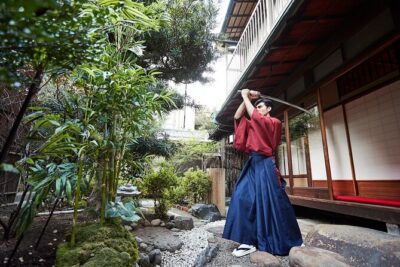
Kyoto Sword Experience – includes Museum Ticket/Ninja Experience
Read our review →

Ninja Experience (Family Friendly) at Samurai Ninja Museum KYOTO
Read our review →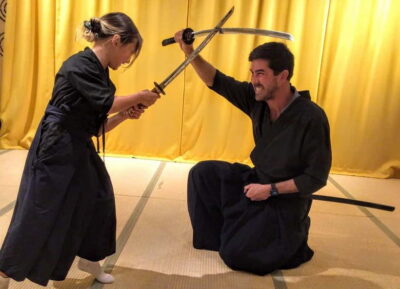
Family-Friendly Sword Lesson at Samurai Ninja Museum
Read our review →
Kyoto 1 Day Suntory Yamazaki Distillery Tour and Asahi Art Museum
Read our review →Browse the lists this tour appears in